Artwork
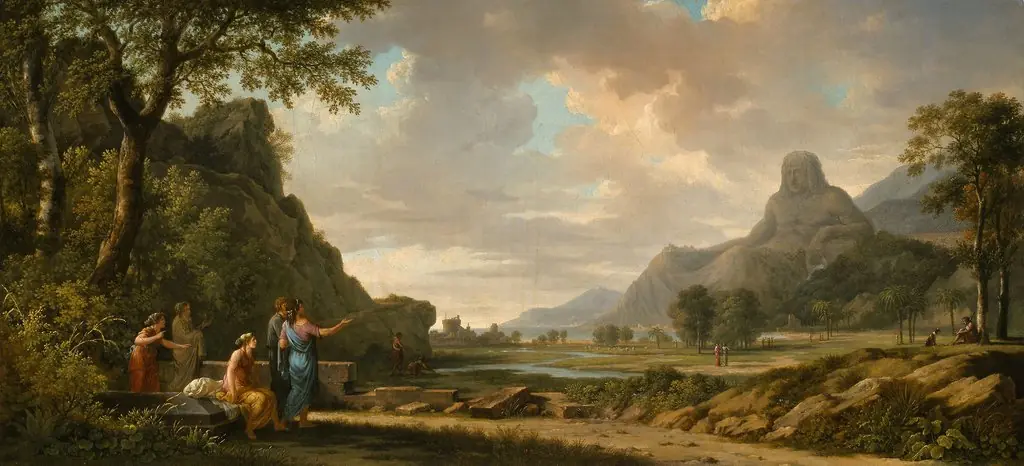
Classical Landscape with Figures and Sculpture
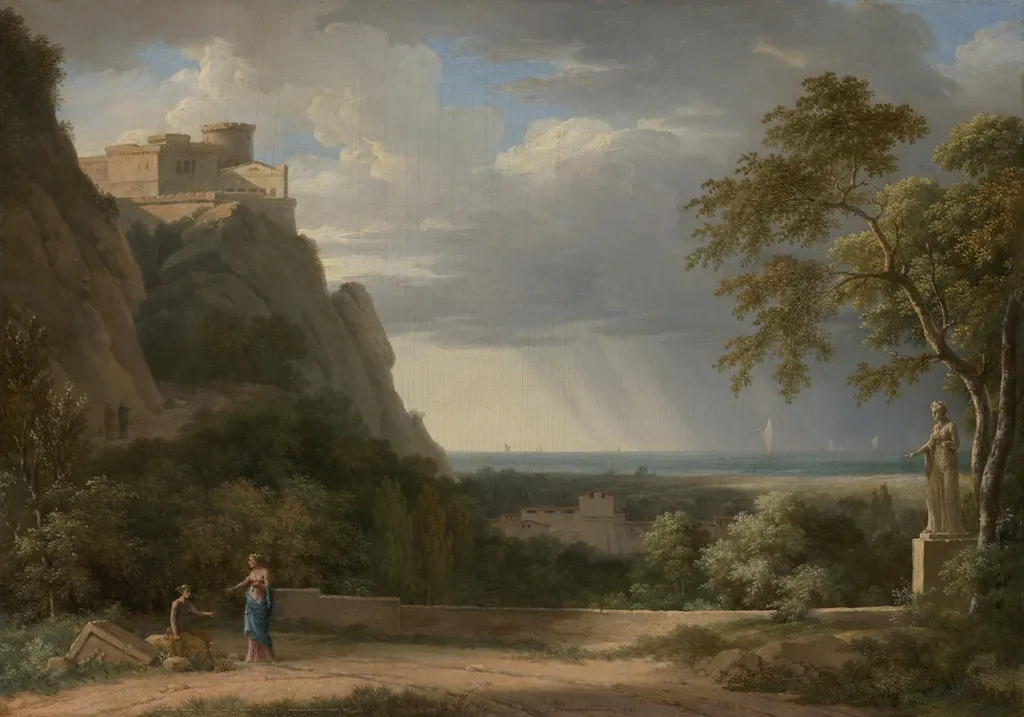
Classical Landscape with Figures and Sculpture is an oil painting by the Neoclassicist artist Pierre Henri. It dates from 1794 and is held in the collection of the J. Paul Getty Museum.
About this work
Overview
Pierre-Henri de Valenciennes painted this oil-on-canvas work in 1794, contributing to the development of landscape painting as a serious genre in France.
Pierre-Henri de Valenciennes painted this oil-on-canvas work in 1794, contributing to the development of landscape painting as a serious genre in France. Unlike traditional studio compositions, it was likely begun outdoors, capturing natural light and atmosphere. The scene blends observed nature with idealized classical elements, reflecting a shift toward direct engagement with the environment while maintaining academic ideals.
Subject & Meaning
The painting presents a tranquil scene populated by figures in classical attire and a standing statue of a woman, evoking mythological or pastoral themes without depicting a specific narrative. The arrangement suggests harmony between humanity and the ruins of antiquity, reinforcing Enlightenment-era ideals of order, beauty, and cultural continuity. The presence of sculpture implies reverence for classical heritage as a moral and aesthetic guide.
Technique & Style
Valenciennes employed soft, blended brushwork and a warm, muted palette to create a sense of atmospheric depth. Light falls gently across the landscape, unifying foreground and background without harsh contrasts. The composition is carefully balanced, with the statue and figures guiding the viewer’s gaze toward the distant architecture, demonstrating a disciplined approach to spatial structure rooted in classical principles.
History & Provenance
Completed during the French Revolution, the painting reflects a retreat into idealized antiquity amid political upheaval. It remained in private collections before entering the J. Paul Getty Museum’s holdings, where it is recognized as an important example of early French plein air practice. Its preservation underscores its role in the transition from academic landscape to more observational approaches in the late 18th century.
Context
Valenciennes was among the first French artists to advocate painting landscapes directly from nature, challenging the dominance of studio-based history painting. His work aligned with broader European interest in classical ruins and pastoral ideals, influenced by archaeological discoveries and the Grand Tour. This painting exemplifies how artists reconciled empirical observation with inherited compositional norms.
Legacy
This work helped establish landscape painting as a legitimate subject for serious artistic study in France, paving the way for later generations of painters who valued direct observation. Valenciennes’s emphasis on natural light and structured composition influenced the Barbizon School and early Impressionists, even as his classical framework remained distinct from their more radical approaches to light and color.
Own this work as a print
Artist & collection
Artist
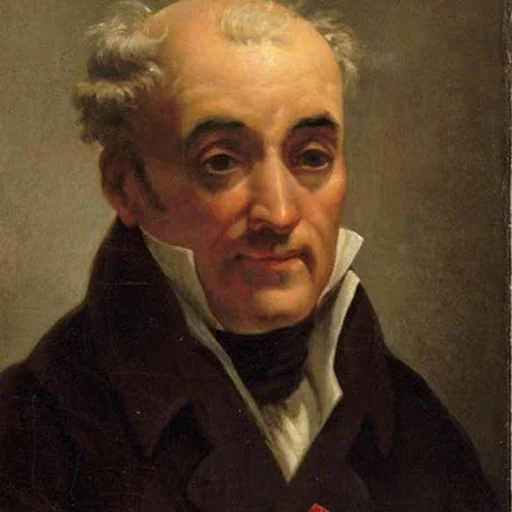
Pierre-Henri de Valenciennes (6 December 1750 – 16 February 1819) was a French painter. A neoclassicist artist, he was influential in elevating the status of En plein air (open-air painting).

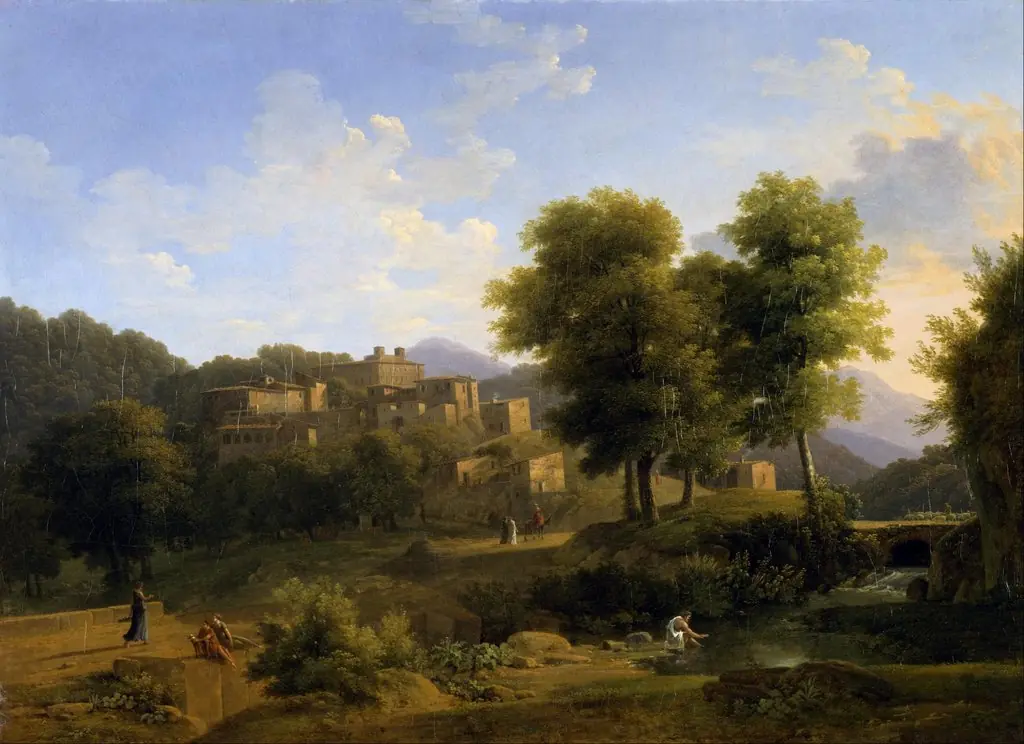 View of a Town in the Sabine Hills
 Châteauvieux-sur-Suran
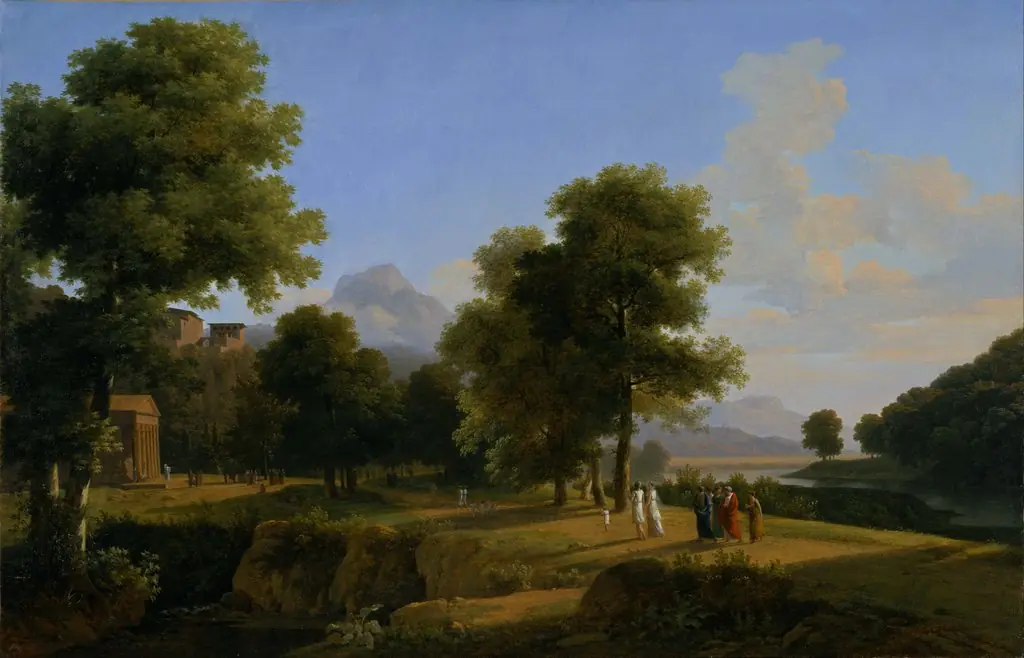 Landscape, Site of Greece (Paysage, Site de la Grèce)
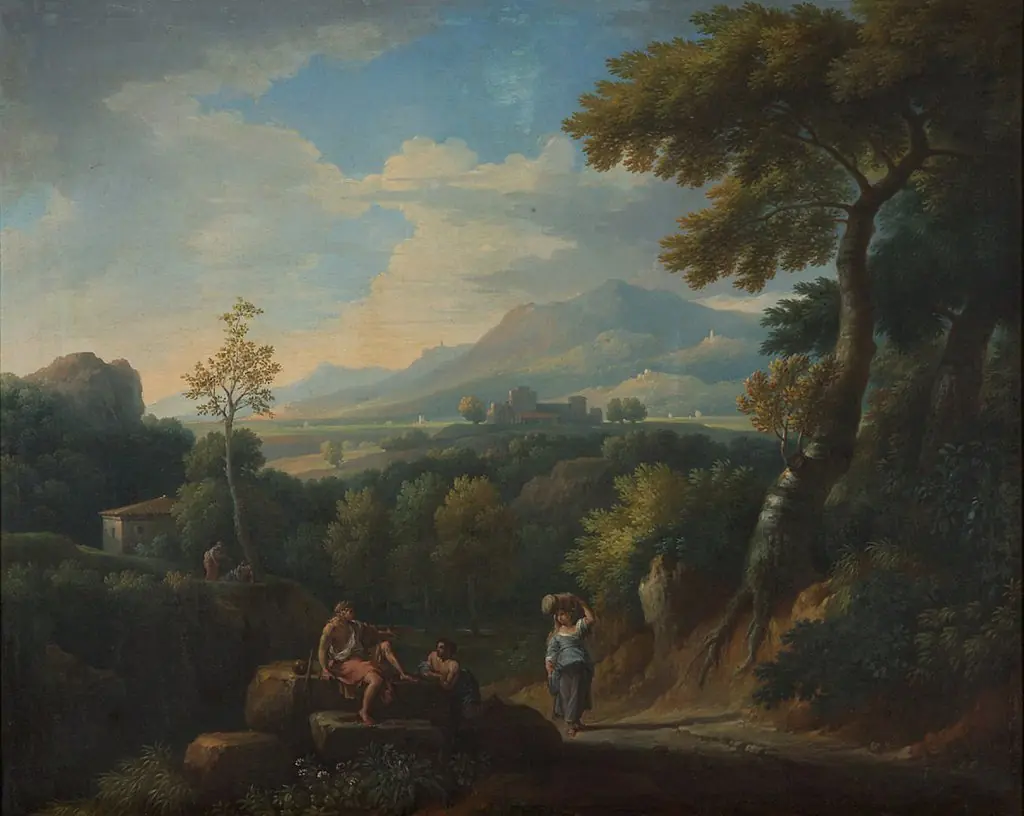 Italian Landscape
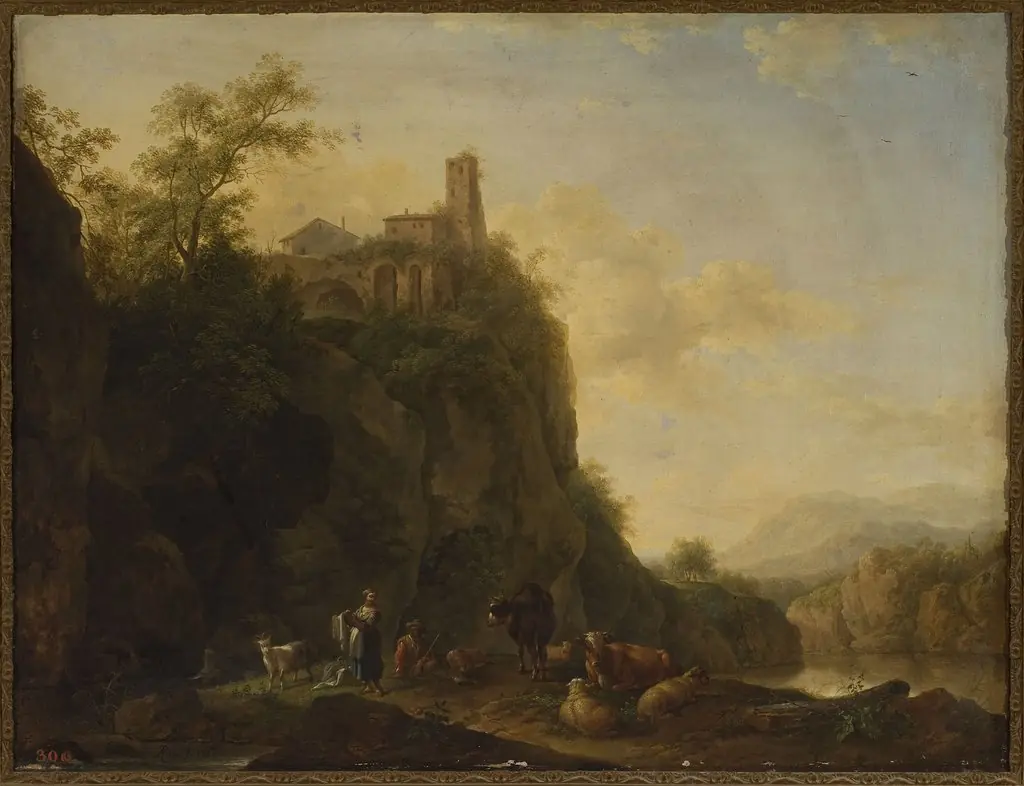 Mountain landscape with cattle
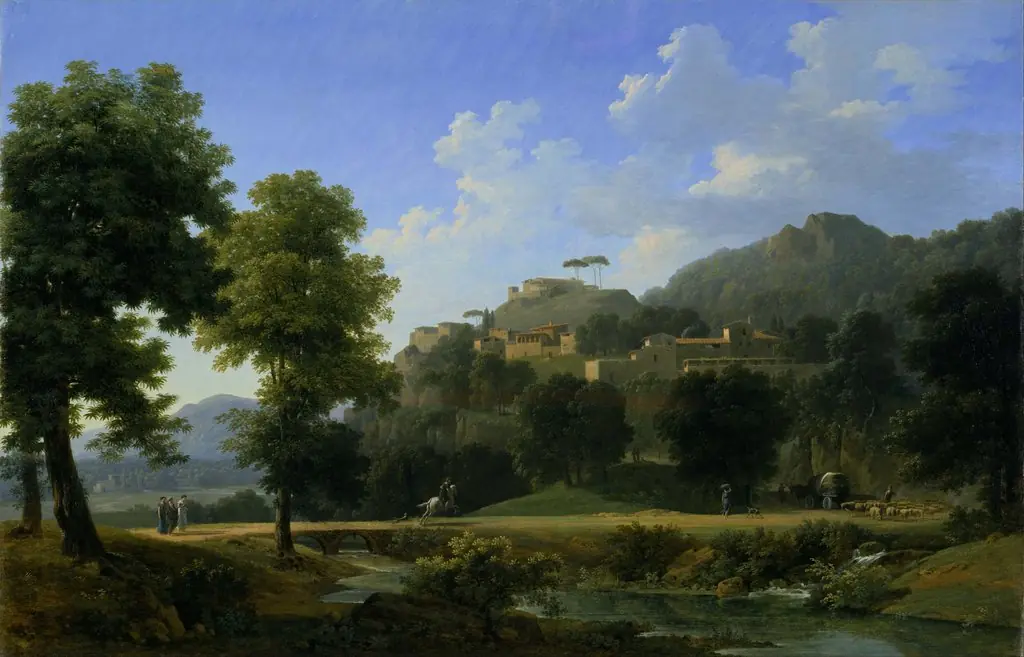 Italian Landscape (Le Paysage d'Italie)
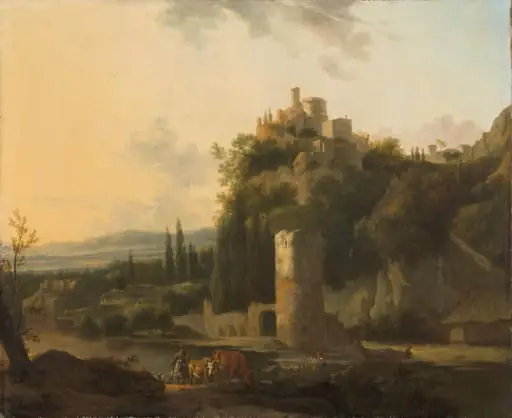 Italina landscape with round tower
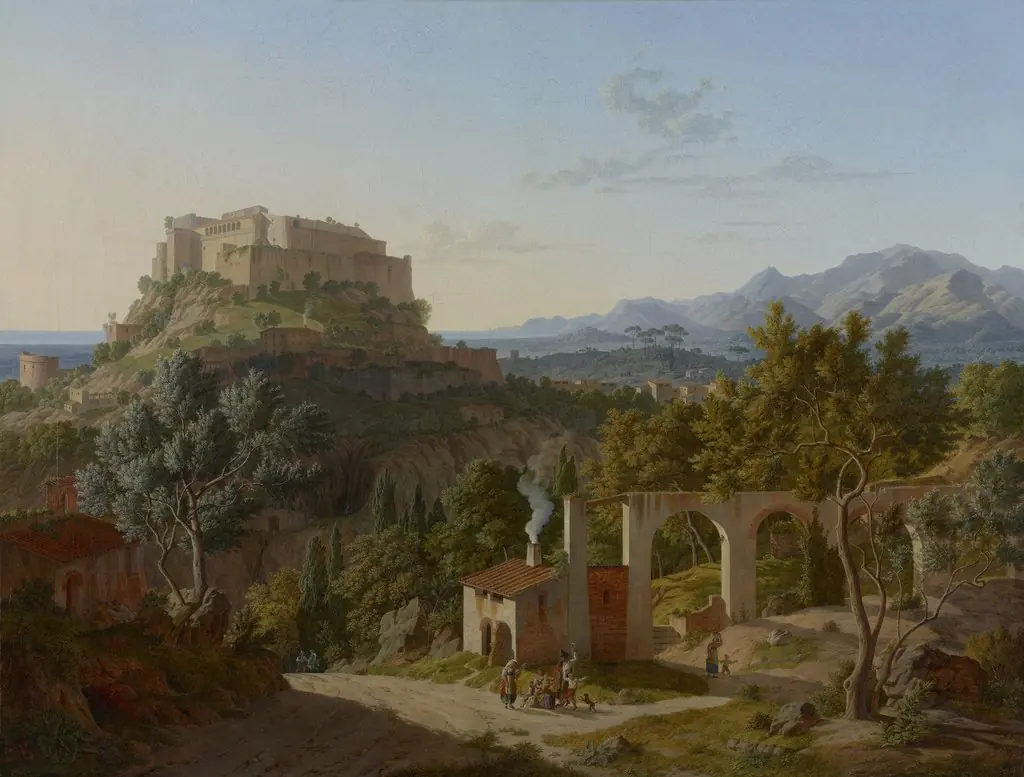 Landscape with the Castle of Massa di Carrara
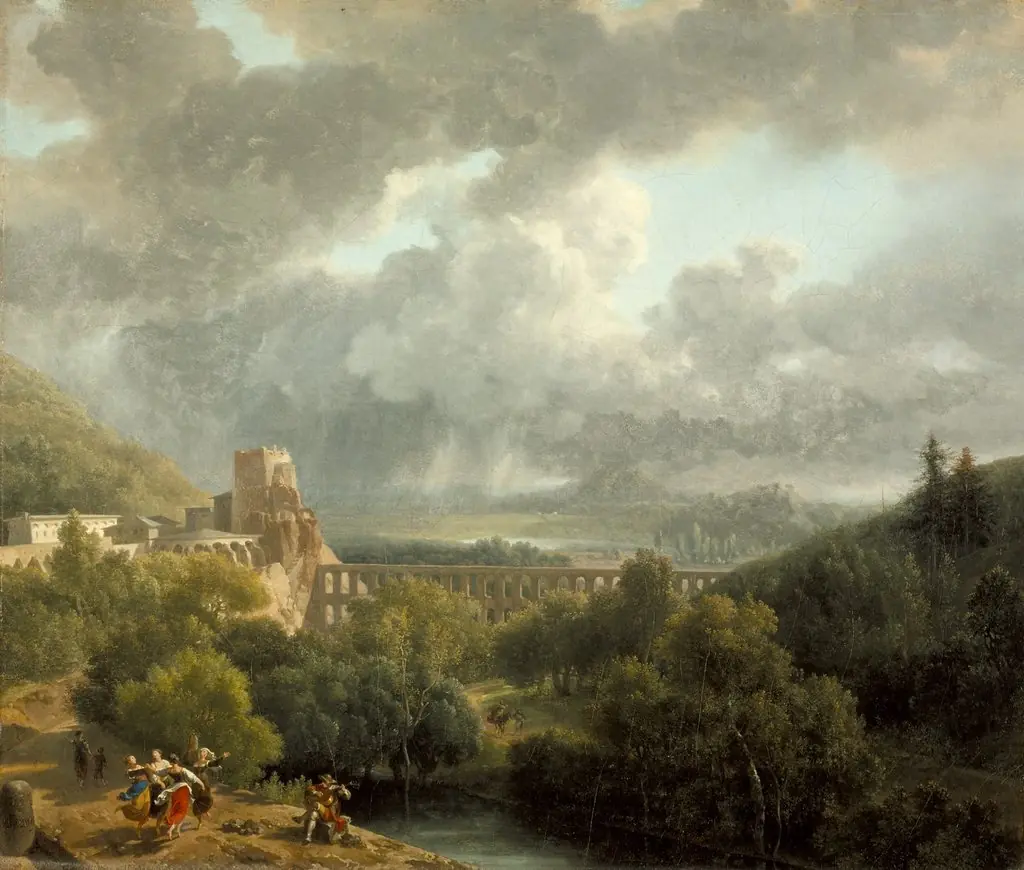 Landscape with an Aqueduct
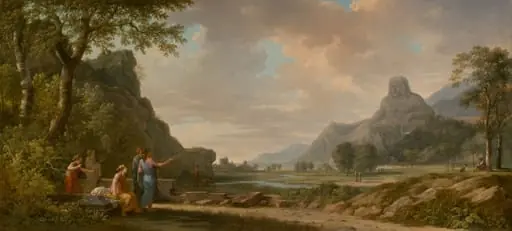 Mount Athos Carved as a Monument to Alexander the Great