Artwork
Retrato de Luís Augusto Ferreira de Almeida
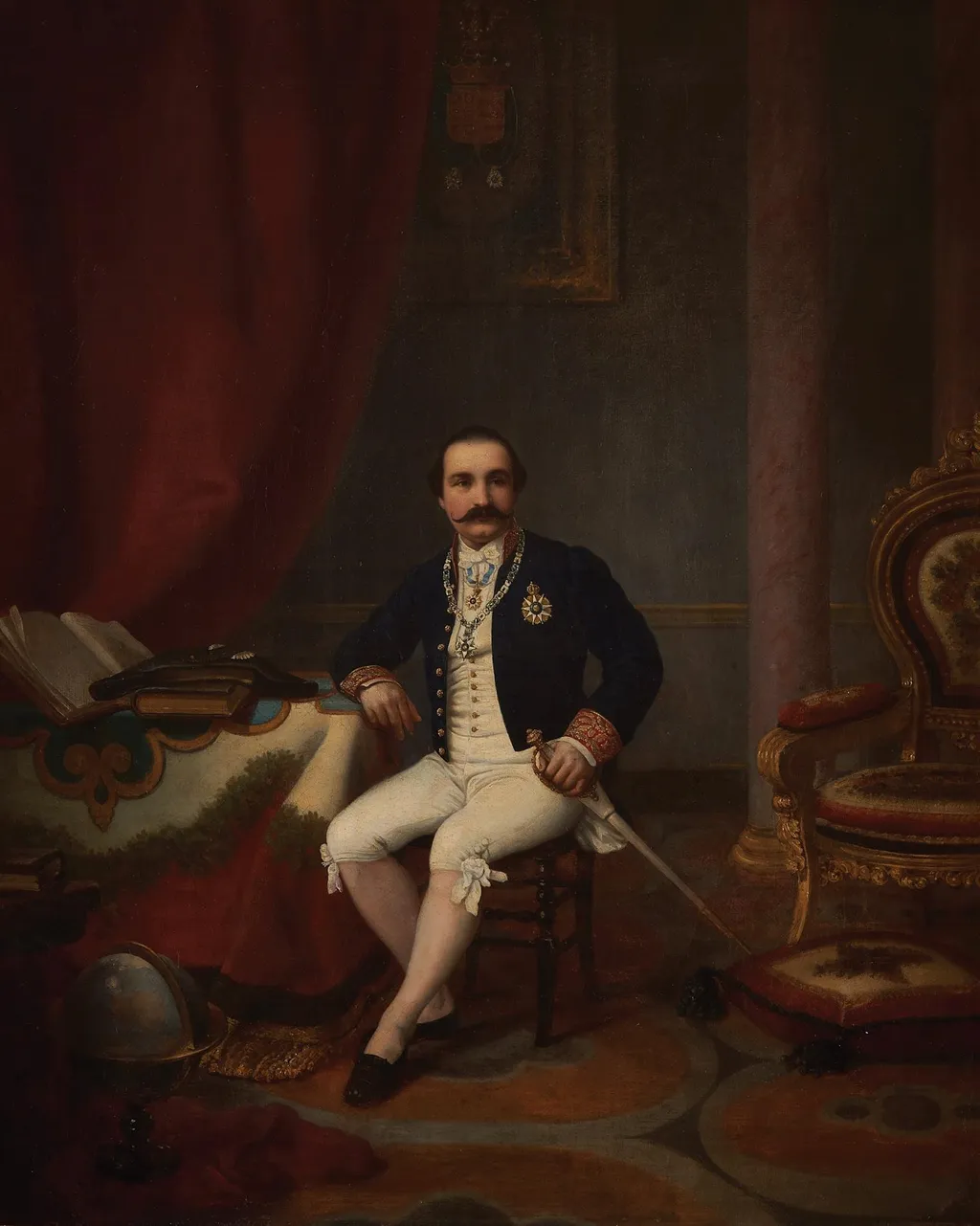
Retrato de Luís Augusto Ferreira de Almeida is an unspecified painting by the Impressionist artist Pierre Jean Edmond Castan. It dates from 1873 and is held in the collection of the National Museum of Ancient Art.
About this work
Overview
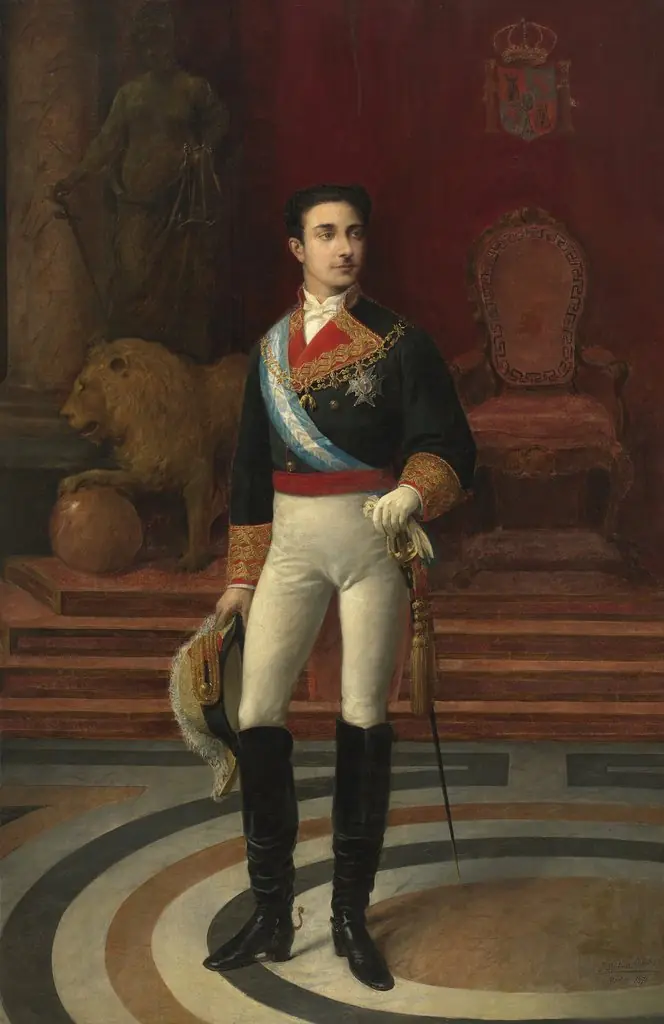
Painted in 1873 by Pierre Jean Edmond Castan, this portrait captures Luís Augusto Ferreira de Almeida, the first Count of Carvalhido.
Painted in 1873 by Pierre Jean Edmond Castan, this portrait captures Luís Augusto Ferreira de Almeida, the first Count of Carvalhido. Executed in oil on canvas, the work exemplifies 19th-century academic portraiture. It resides in the collection of the National Museum of Ancient Art in Lisbon, where it contributes to the institution’s representation of Portuguese aristocratic imagery from the late 1800s.
Subject & Meaning
The subject, a titled nobleman, is portrayed with formal dignity, his attire and accoutrements signaling status. The sword in his left hand suggests military or civic authority, while the medal on his chest denotes honors received. The open book and ambient objects imply intellectual engagement and refined taste, reinforcing his identity as a man of both public service and cultural cultivation.
Technique & Style
Castan employs precise brushwork to render textures: the sheen of silk, the gleam of metal buttons, the softness of fabric folds. The palette is restrained yet rich, with deep tones of navy and black balanced by white and muted reds. Light falls naturally across the figure, modeling form and creating spatial depth, consistent with academic traditions emphasizing realism and controlled composition.
History & Provenance
The painting was commissioned during the height of Portugal’s constitutional monarchy and remained within the family until its acquisition by the National Museum of Ancient Art. Its documented provenance aligns with the museum’s efforts to preserve works tied to the nation’s elite during a period of political transition in the late 19th century.
Context
Created in the decades following the abolition of absolutism in Portugal, the portrait reflects a society still deeply invested in aristocratic identity. While modernizing forces emerged, portraiture like this served to affirm traditional hierarchies. Castan, trained in Paris, brought French academic conventions to Portuguese commissions, bridging continental styles with local subject matter.
Legacy
The portrait endures as a representative example of aristocratic self-presentation in late 19th-century Portugal. It offers insight into how nobility visually negotiated authority amid changing political landscapes. Though not widely exhibited outside institutional settings, it remains a key reference for studies of Portuguese elite culture and academic portraiture.
Own this work as a print
Artist & collection
Artist
Pierre Jean Edmond Castan (1817–1892) was an artist, born in Toulouse.

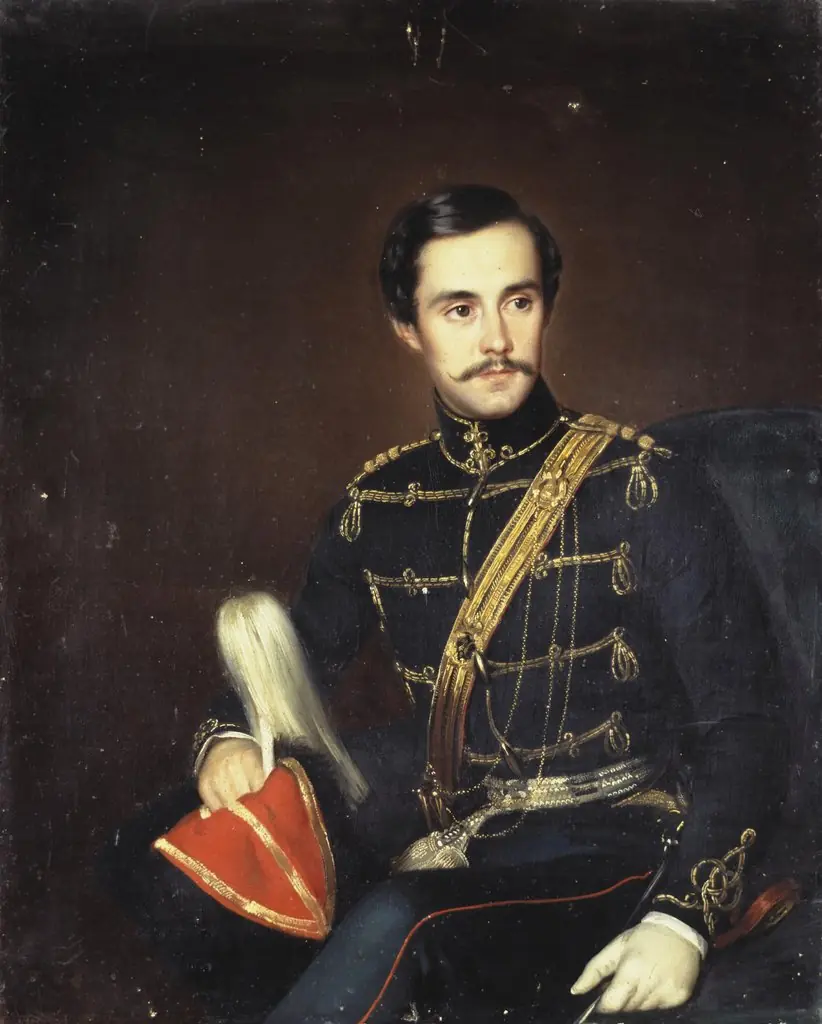 Portrait of Nikolai Monsey
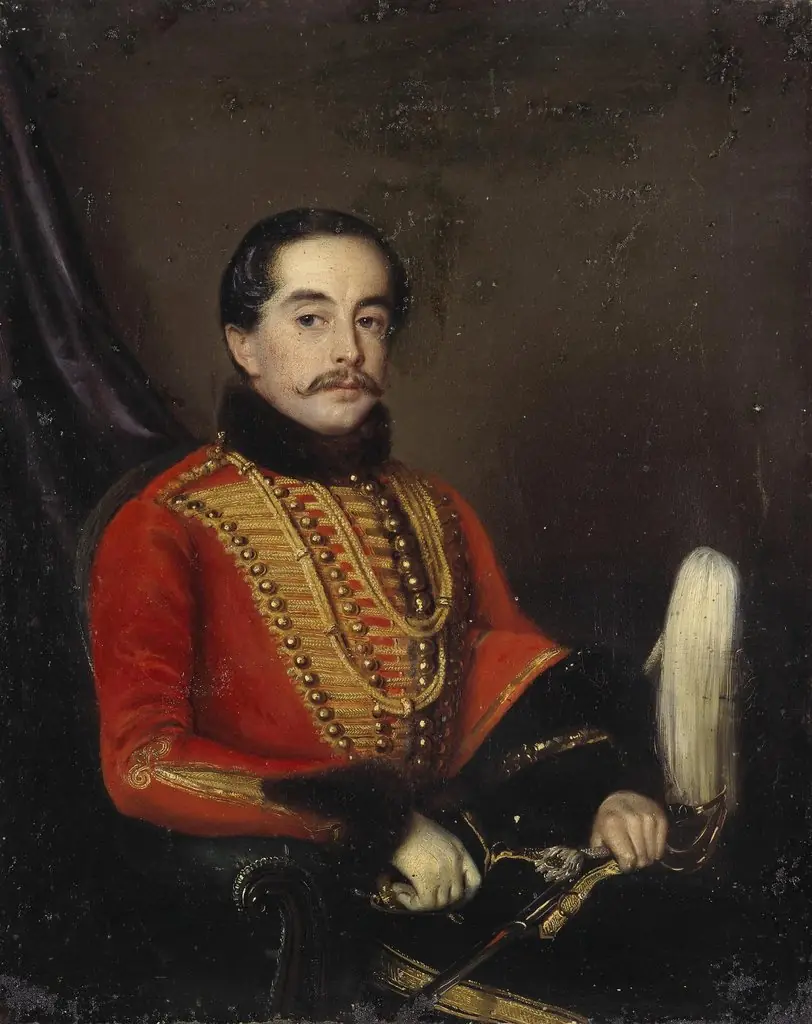 Portrait of Konstantin Monsey
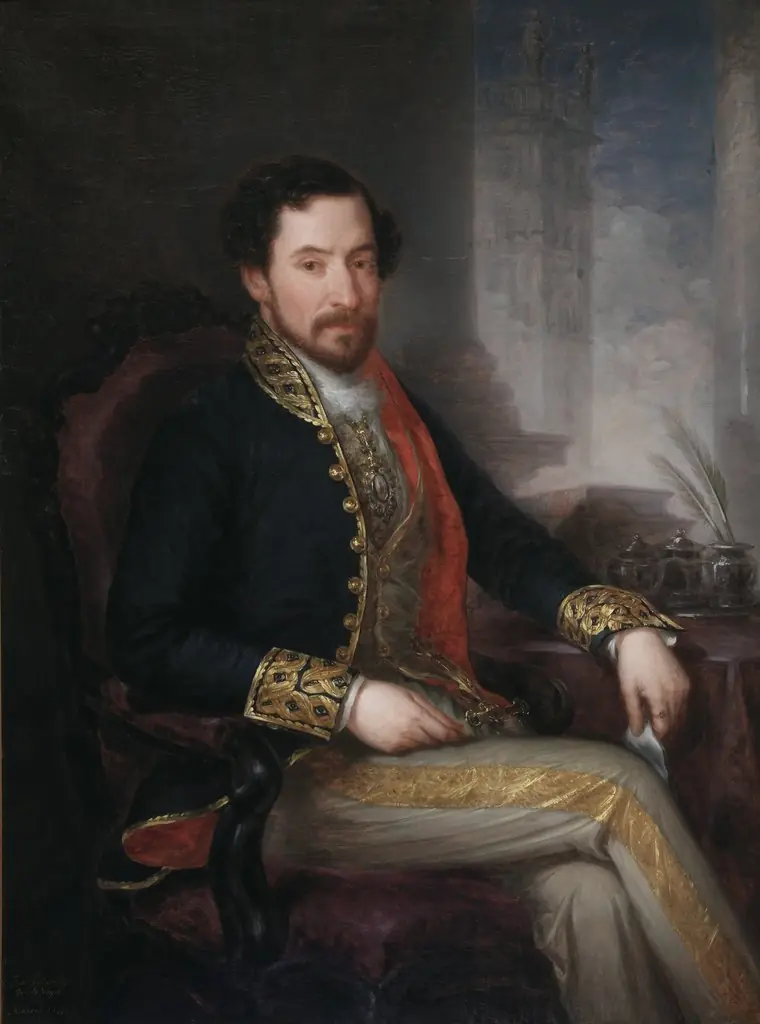 Nicomedes Pastor Díaz ministro de Comercio Instrucción y Obras Públicas
 Portrait of Field-Marshal Count Fiodor (Friedrich Wilhelm) Berg
 Știrbei Barbu la Acropole
 Portrait of Captain McNamara, MP
 Portrait of the Viscount of Santo Amaro
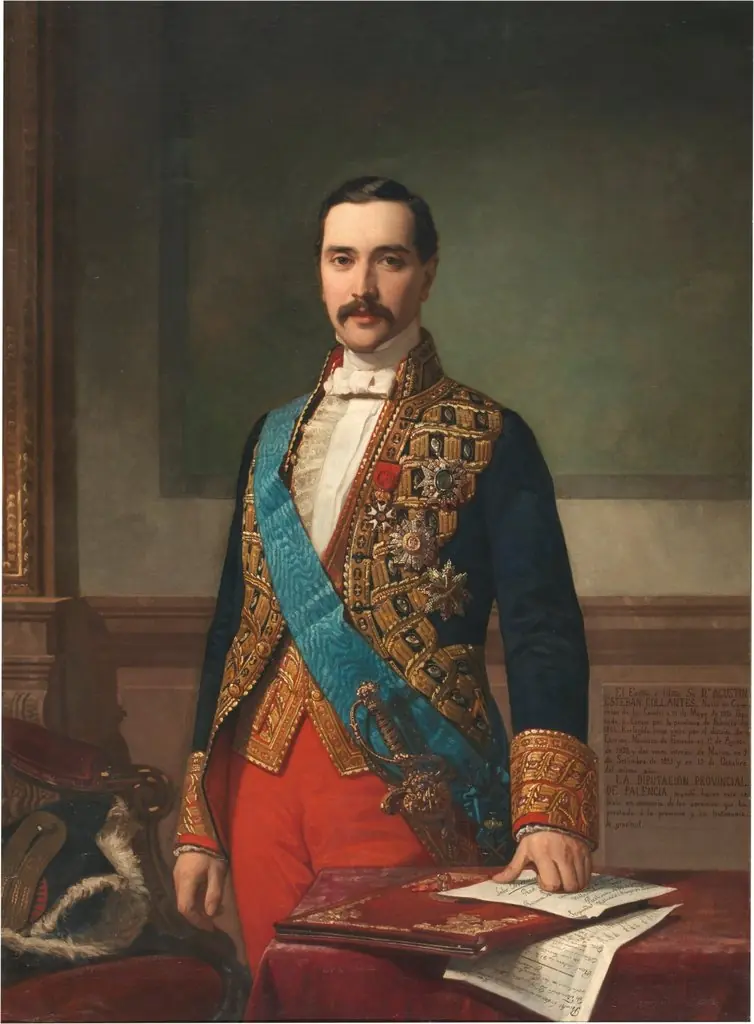 Agustín Esteban Collantes
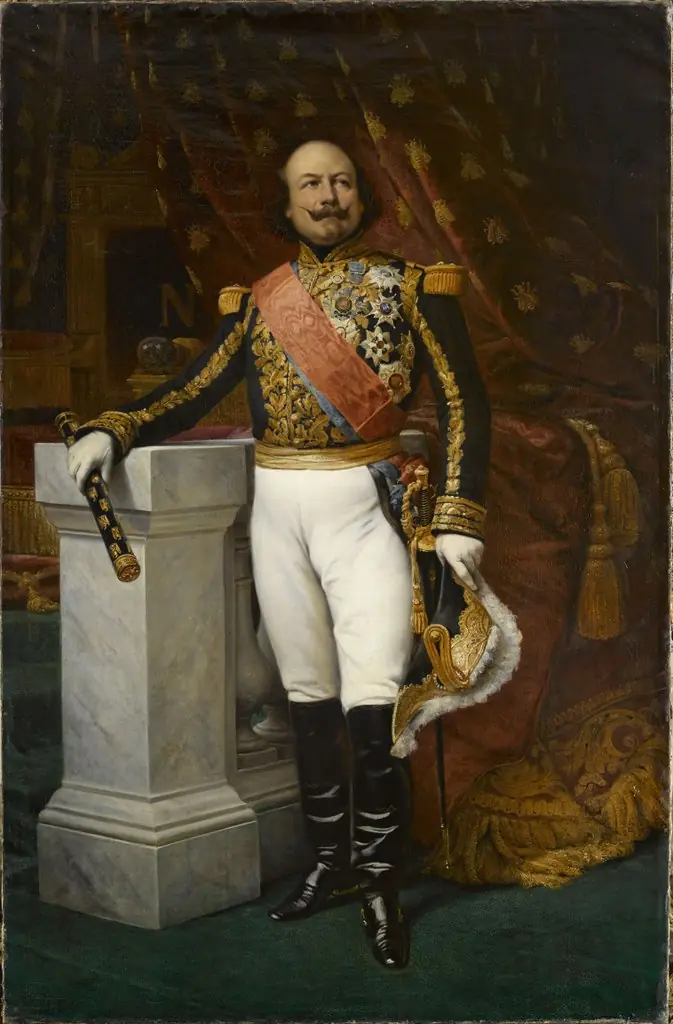 Portrait of Marshal Canrobert
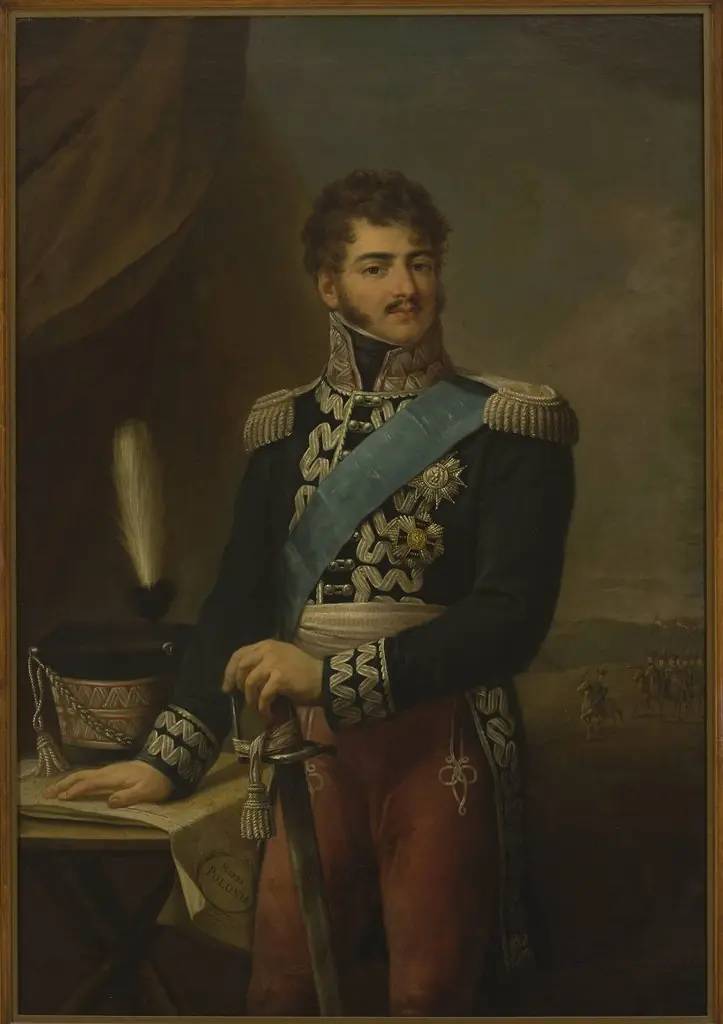 Portrait of Prince Józef Poniatowski
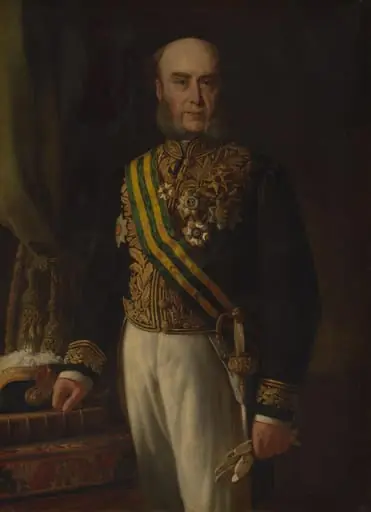 Untitled
 Alfonso XII