Artwork
Untitled
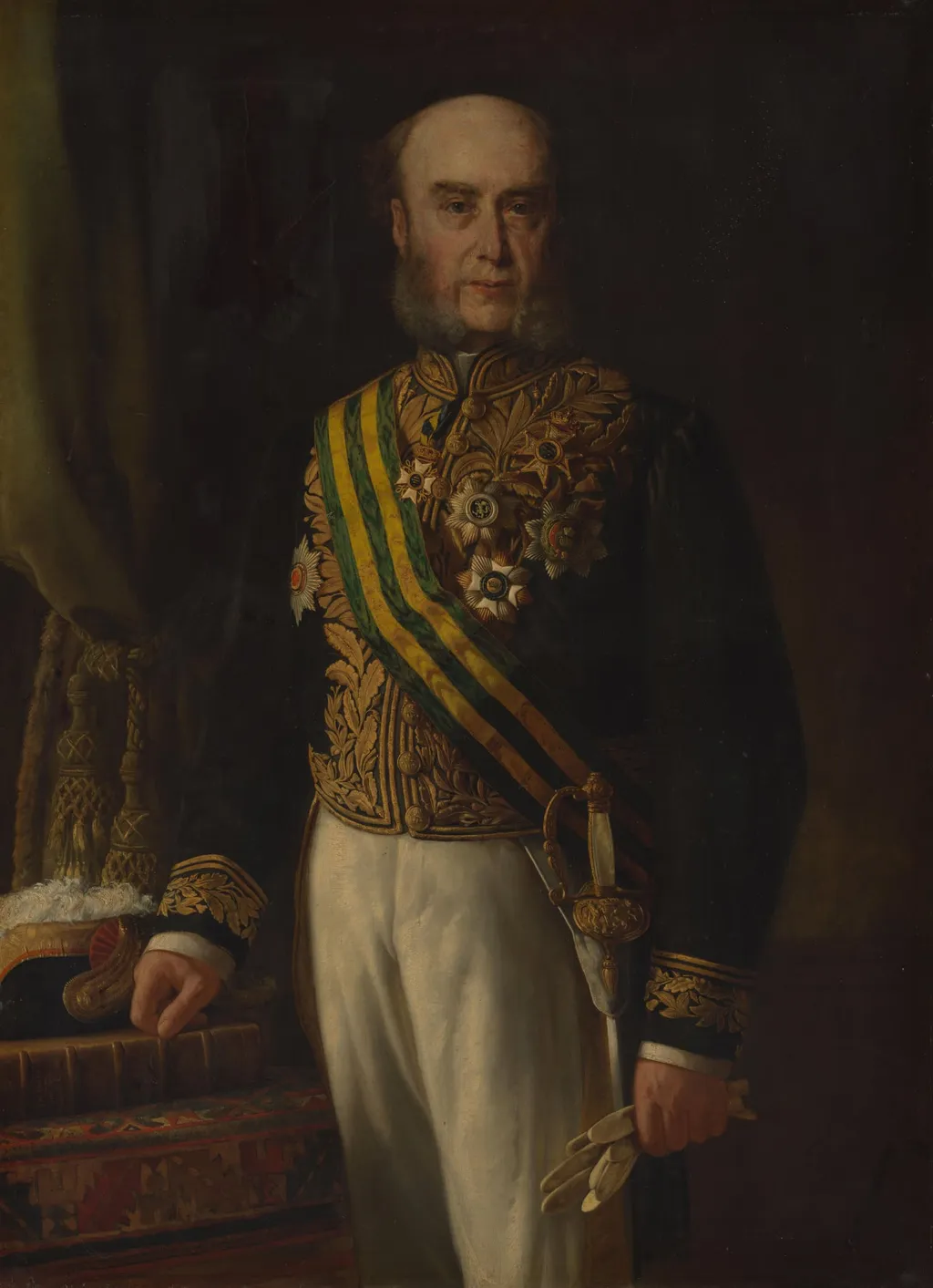
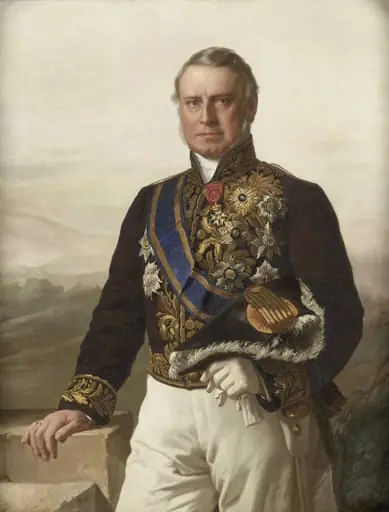
Untitled is an unspecified painting by the Dutch Golden Age artist Andries van den Berg. It dates from 1878 and is held in the collection of the Rijksmuseum. This oil painting depicts James Loudon, who served as Governor-General of the Dutch East Indies from 1871 to 1875.
About this work
Overview
This oil painting depicts James Loudon, who served as Governor-General of the Dutch East Indies from 1871 to 1875.
This oil painting depicts James Loudon, who served as Governor-General of the Dutch East Indies from 1871 to 1875. Rendered in a formal, full-length pose, he stands rigidly facing the viewer, dressed in a dark suit. The composition follows a standardized format used for official portraits of colonial administrators, emphasizing dignity and authority rather than individual expression. The work is part of a government-commissioned series documenting each governor during the colonial era.
Subject & Meaning
Loudon is shown holding gloves in his left hand and a hat in his right, while a volume titled 'Vie des Gouverneurs Generaux' rests on a table beside him. These objects symbolize his official role and intellectual engagement with colonial governance. His direct gaze and still posture convey solemn responsibility, aligning with the bureaucratic ideals of the time. The portrait functions less as a personal likeness and more as a visual record of administrative legitimacy.
Technique & Style
The painting employs a restrained, precise technique with muted tones and sharp outlines. Lighting is even, minimizing shadows to ensure clarity of form and detail. The brushwork is controlled, avoiding expressive flourishes; textures like fabric and leather are rendered with methodical attention. The style resembles official documentation—functional, unembellished, and designed for institutional use rather than artistic innovation.
History & Provenance
Commissioned during or shortly after Loudon’s term, the portrait was likely created to be displayed in government offices or public institutions in the Netherlands. It belongs to a larger collection of gubernatorial portraits assembled to legitimize and memorialize Dutch colonial leadership. The artist remains unidentified, suggesting the work was produced by a studio or lesser-known painter under official direction, rather than a celebrated artist.
Context
These portraits emerged during a period when the Dutch state sought to reinforce its imperial presence through visual culture. By standardizing the depiction of governors—uniform attire, formal pose, symbolic objects—the series constructed a consistent image of colonial authority. The inclusion of specific texts, like Du Bois’s biographical work, tied each governor to a narrative of administrative continuity and scholarly legitimacy.
Legacy
The portrait remains part of the Rijksmuseum’s colonial archive, serving as a historical document rather than an artistic highlight. It contributes to scholarly understanding of how power was visually codified in the Dutch Empire. Today, it invites reflection on the mechanisms of representation in colonial administration, offering insight into the quiet, institutionalized nature of imperial control.
Own this work as a print
Artist & collection

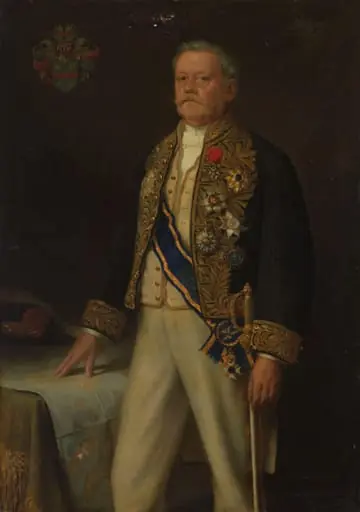 Untitled
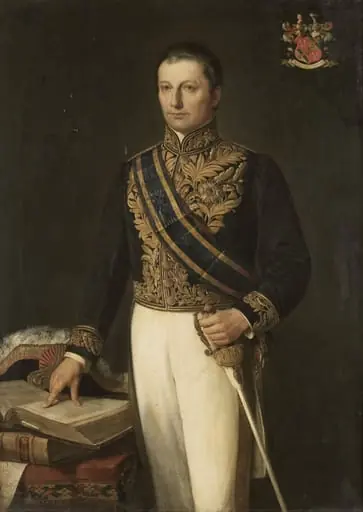 Untitled
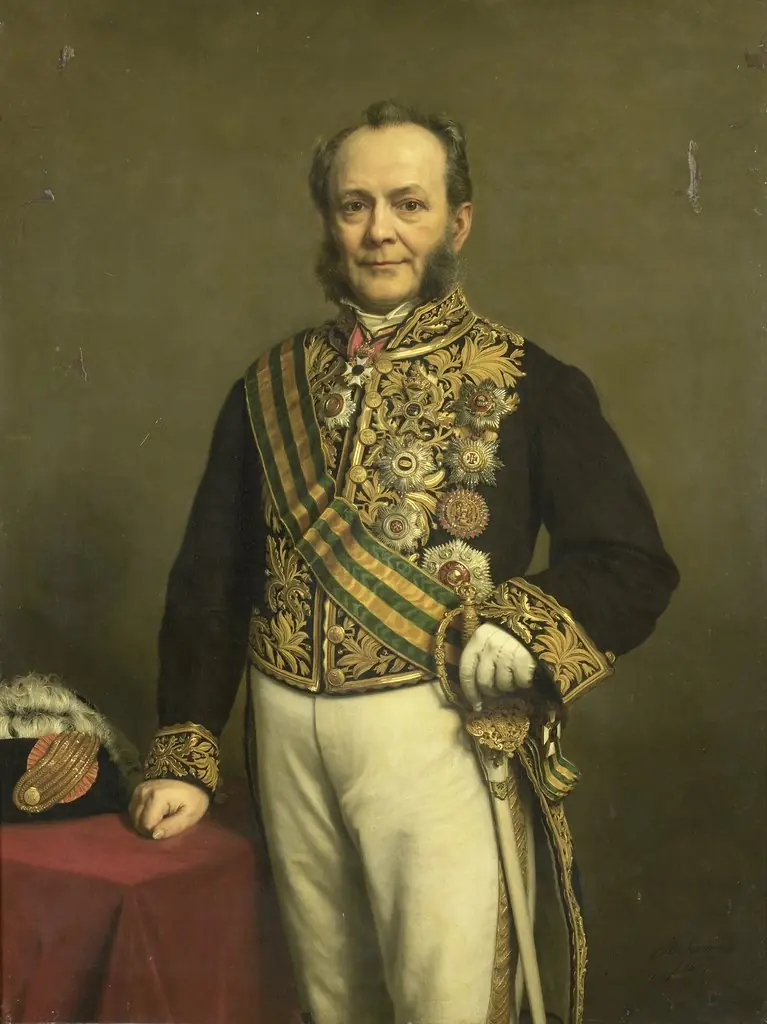 Pieter Mijer (1812-81). Gouverneur-generaal (1866-71)
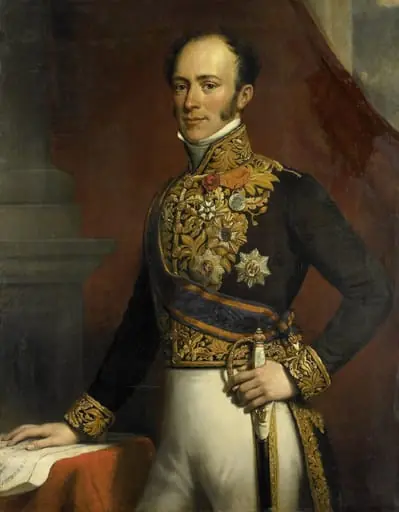 Portrait of Jan Jacob Rochussen, Governor-General of the Dutch East Indies
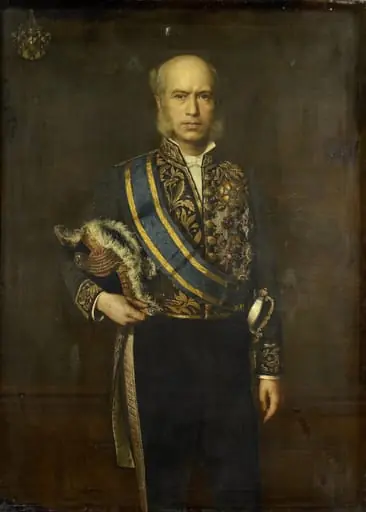
 Untitled
 Untitled
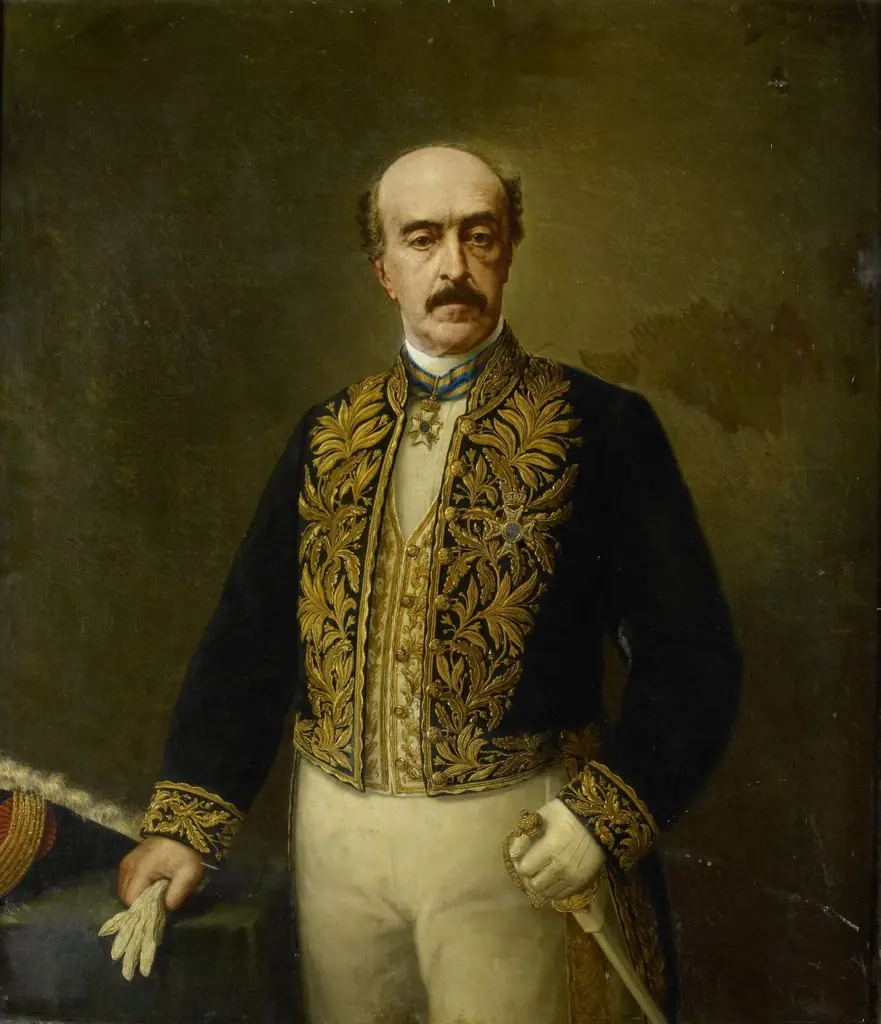 Otto van Rees (1823-92). Gouverneur-generaal (1884-88)
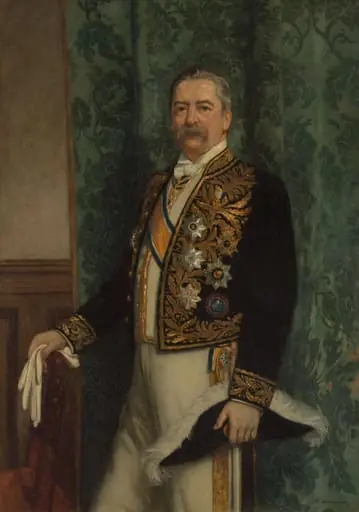 Untitled
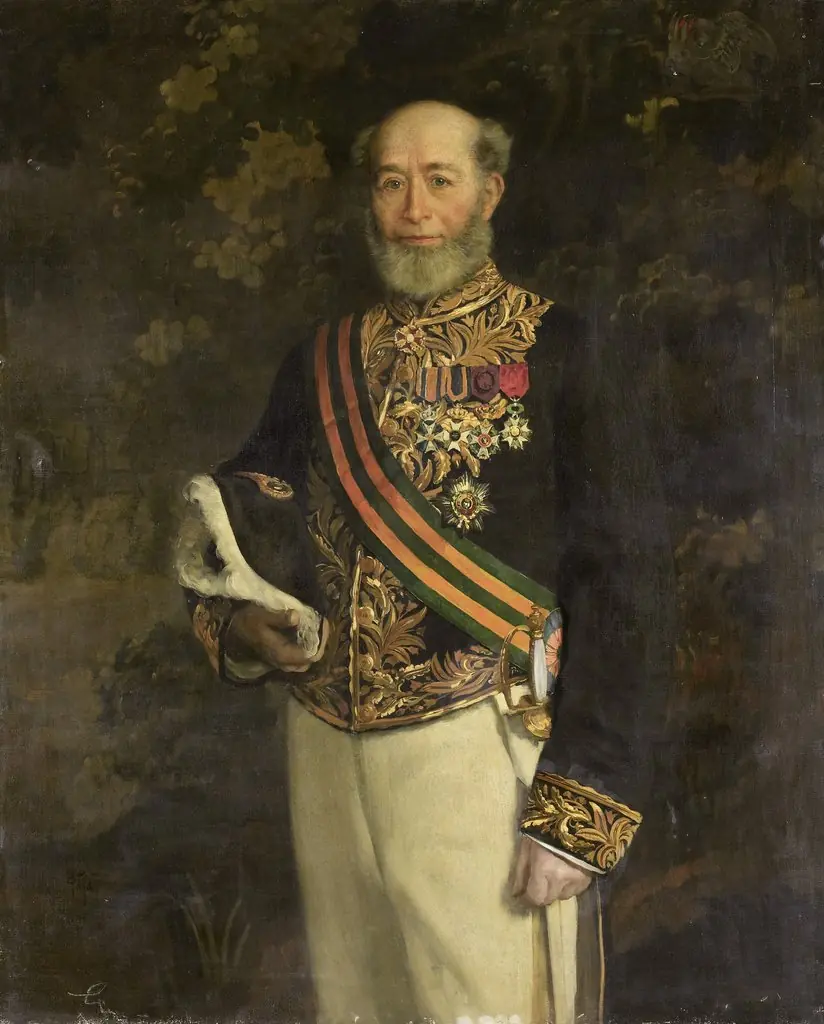 Frederik s'Jacob (1822-1901). Gouverneur-generaal (1880-84)
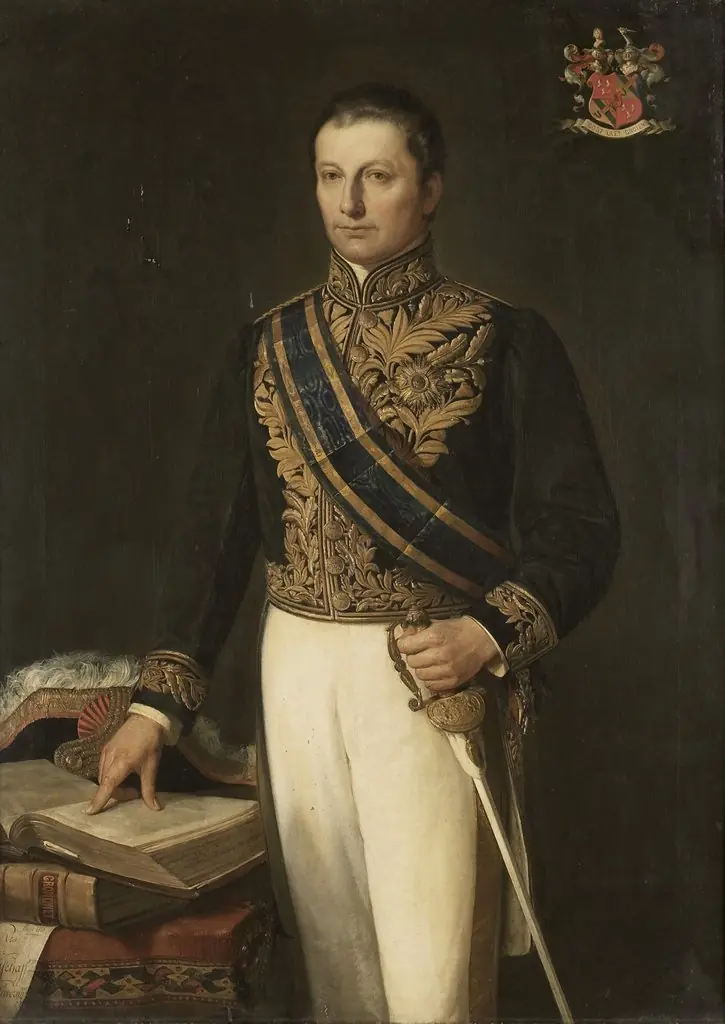
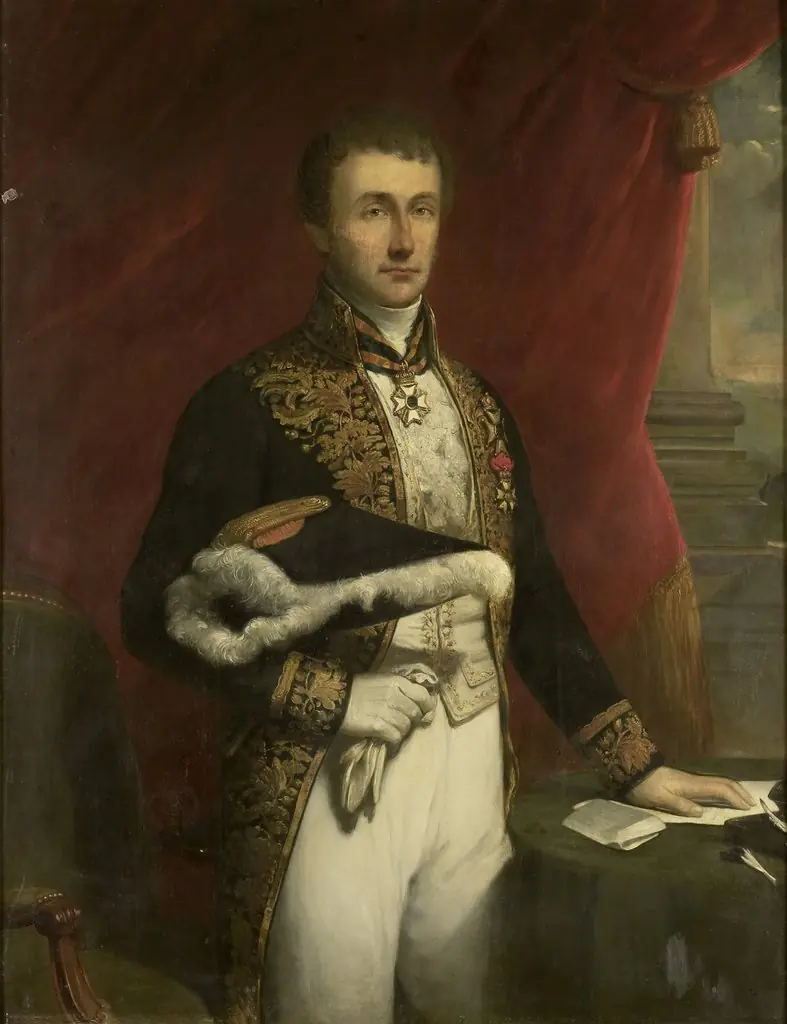 Pieter Merkus (1787–1844). Gouverneur-generaal (1841–1844)
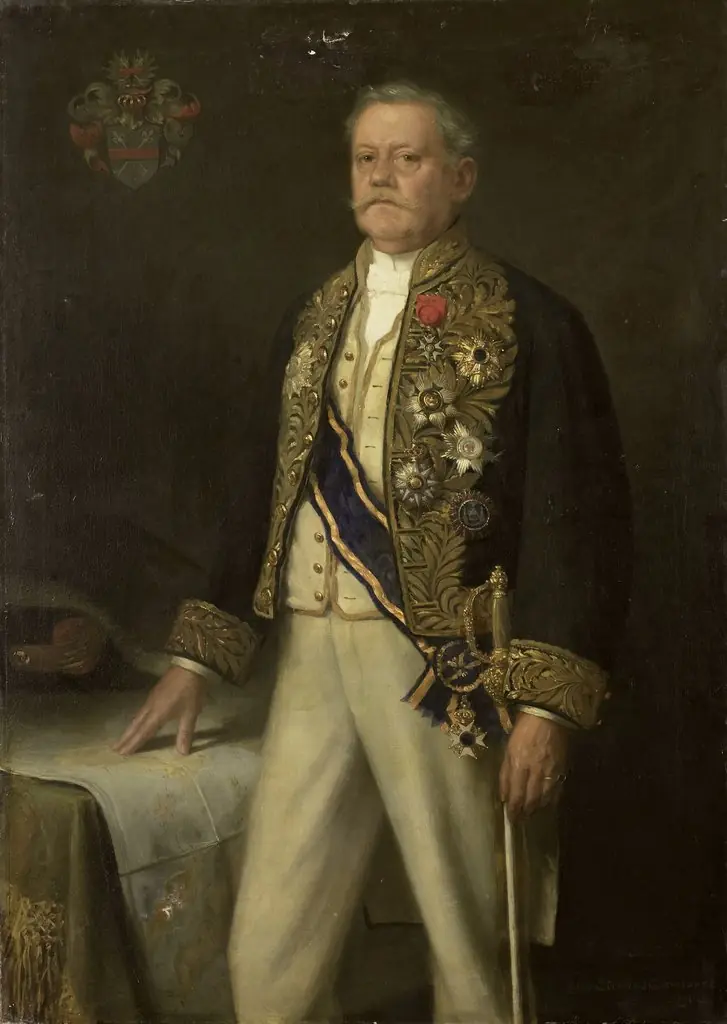 Carel Herman Aart van der Wijck (1840-1914). Gouverneur-generaal (1893-99)