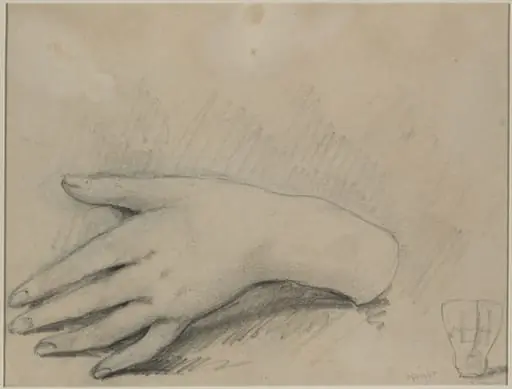
Artwork
Study of Hands (recto)
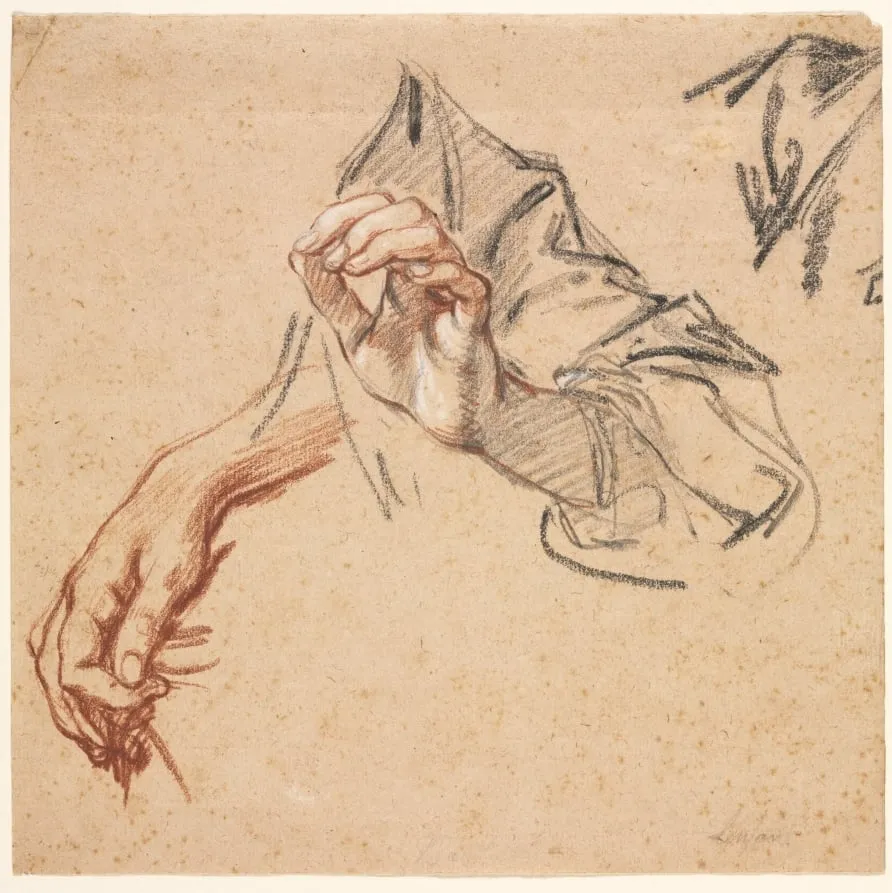
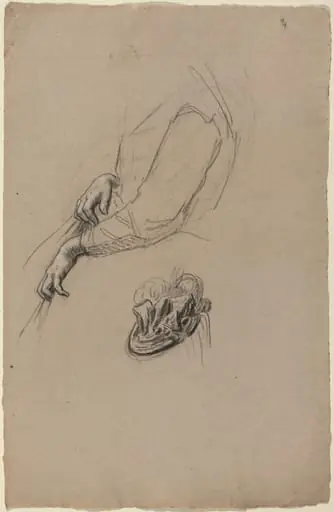
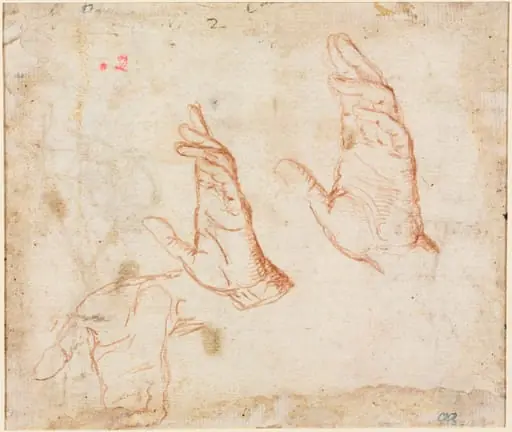
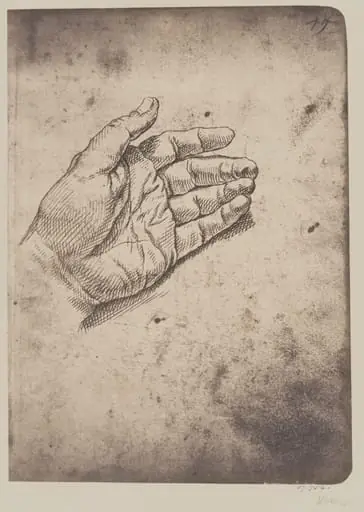
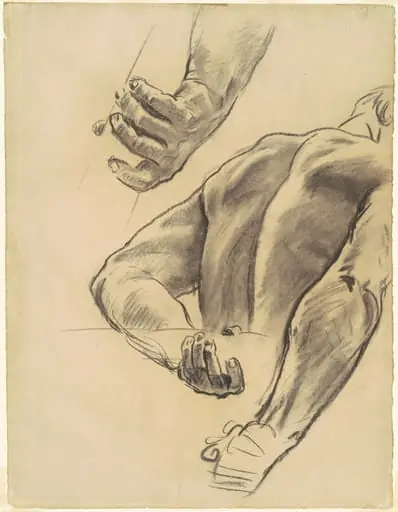
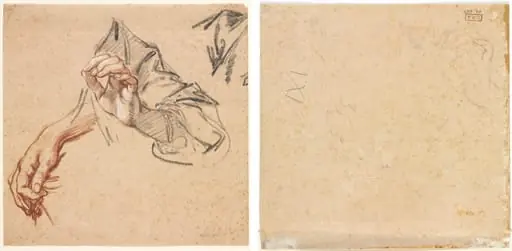
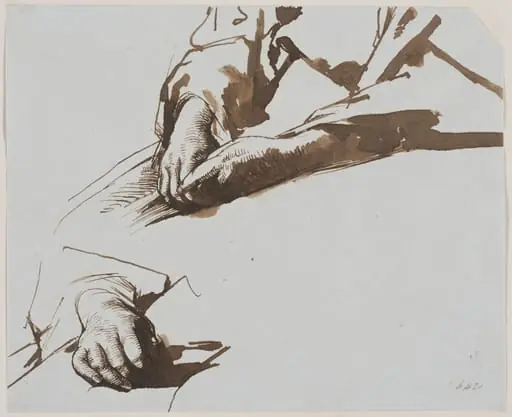
Study of Hands (recto) is a drawing by the Baroque artist Pierre L'Enfant. It dates from 1704 and is held in the collection of the Cleveland Museum of Art. This modest drawing, executed in colored chalks, presents a close‑up of two hands gripping a single thread.
About this work
You see two hands, fingers tense, pulling a single thread between them.
These hands might belong to a weaver at the Gobelins Manufactory, where Lenfant’s family lived after he sketched battles for Louis XV. The colored chalks make the skin look almost warm, like the light just caught it.
To see how other artists drew hands with the same care, look up Pierre Lenfant (French, 1704–1787).
Overview
This modest drawing, executed in colored chalks, presents a close‑up of two hands gripping a single thread. The composition isolates the gesture, emphasizing the tension of the fingers as they draw the filament taut. The subtle coloration gives the skin a warm, luminous quality, suggesting a fleeting moment captured in light.
Subject & Meaning
The work likely portrays a weaver’s hands at work in a textile workshop, reflecting the daily labor of fabric production. By focusing on the act of pulling thread, the drawing highlights the skill and concentration inherent in the craft, offering a quiet counterpoint to Lenfant’s more dramatic historical subjects.
Technique & Style
Rendered with delicate colored chalks, the artist achieves a soft modeling of flesh through layered washes and fine hatching. The limited palette and careful shading create a sense of depth while maintaining the immediacy of a study, a method typical of preparatory sketches in the 18th‑century French academic tradition.
History & Provenance
As a reward, he and his family were granted lifelong residence at the Gobelins Manufactory, the state‑run tapestry workshop on Paris’s outskirts.
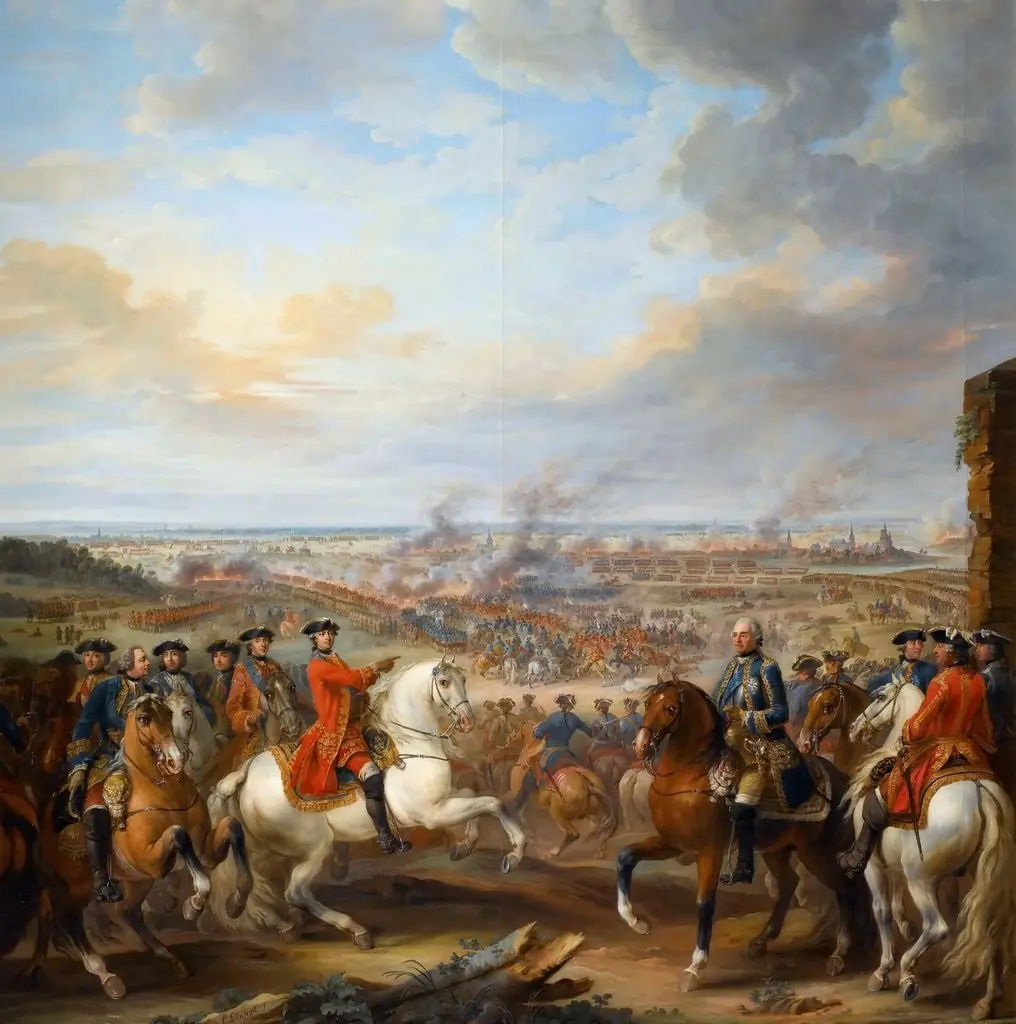
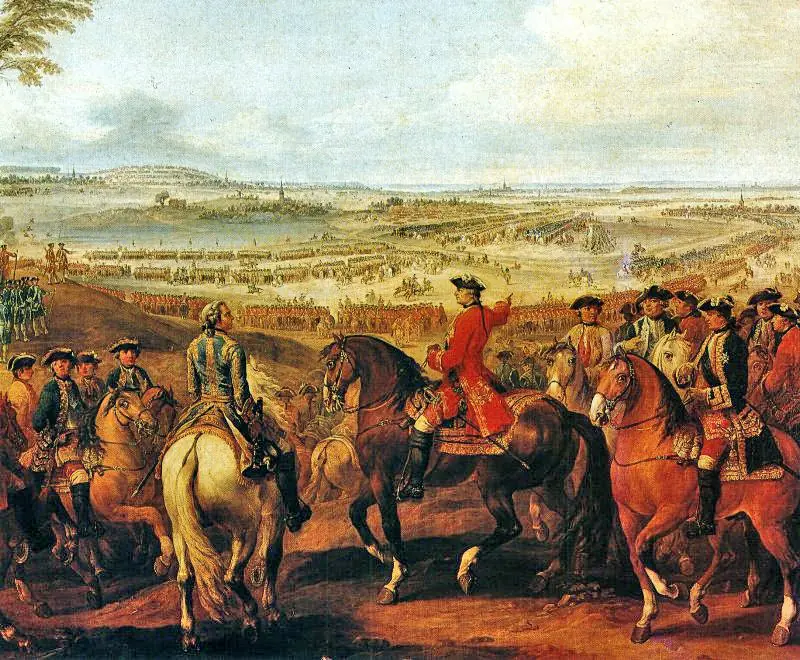
Pierre Lenfant (1704–1787) earned a royal appointment as battlefield artist for King Louis XV during the War of the Austrian Succession. As a reward, he and his family were granted lifelong residence at the Gobelins Manufactory, the state‑run tapestry workshop on Paris’s outskirts. This drawing is believed to have been produced during his stay at Gobelins, possibly as a study for a larger tapestry design.
Context
The Gobelins Manufactory was a center of French decorative arts, employing numerous artisans who produced tapestries for the crown. Lenlen’s shift from martial scenes to a study of a weaver reflects the workshop’s environment, where observation of craft processes was integral to design work.
Artist & collection
Artist
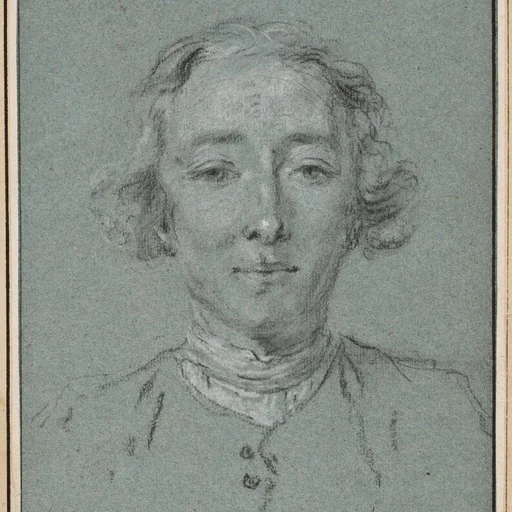
Pierre L'Enfant (August 26, 1704 – June 23, 1787) was an 18th-century French artist who was known for his battle scene paintings in the court of Louis XV.

![Studies of Hands [recto], by Perry, Enoch Wood, Jr.](https://artifactworldgallery.com/img/perry-enoch-wood-jr--studies-of-hands-recto--594d36f72822a9f4-w320.webp)
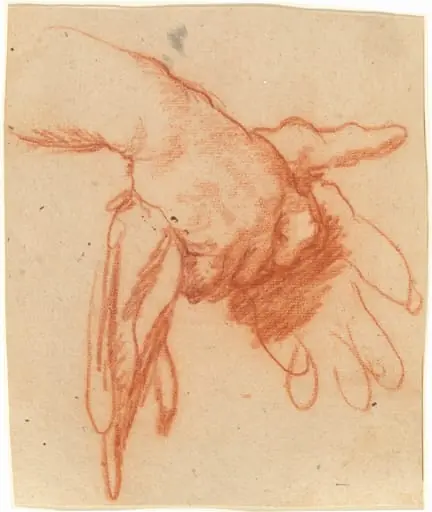
![Study of a Right Hand [recto], by Benjamin Haydon](https://artifactworldgallery.com/img/benjamin-haydon--study-of-a-right-hand-recto--88b544f65d3eb1a7-w320.webp)