Artwork
Portrait of Rutger Jan Schimmelpenninck and his Family
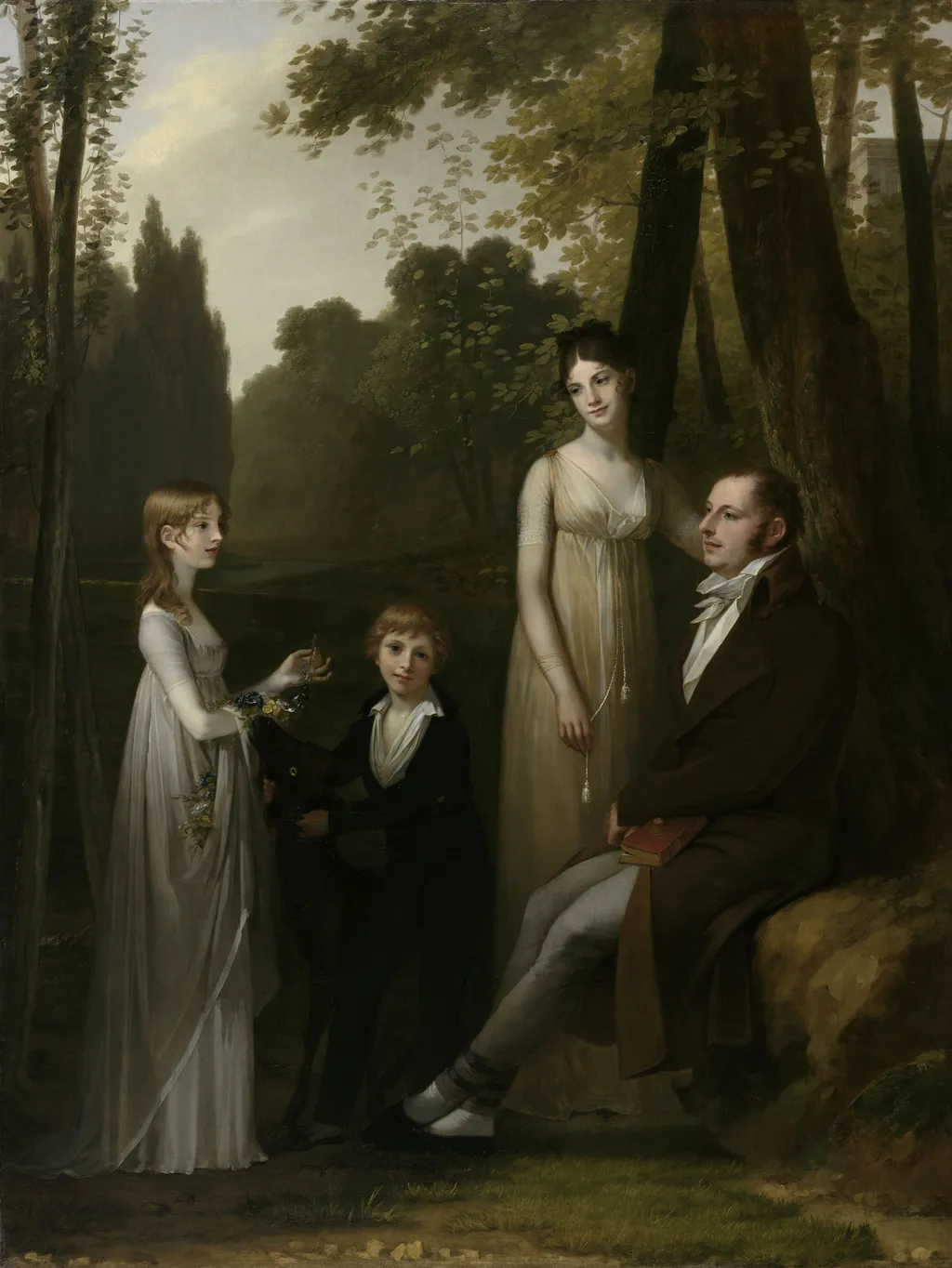
Portrait of Rutger Jan Schimmelpenninck and his Family is an oil painting by Pierre Paul Prud'hon. It dates from 1801 and is held in the collection of the Rijksmuseum.
About this work
Overview
Painted in 1801 by French Neo-classical artist Pierre-Paul Prud'hon, *Portrait of Rutger Jan Schimmelpenninck and his Family* is an oil-on-canvas work depicting the Dutch diplomat and his family in a serene woodland setting.
Subject & Meaning
The portrait captures Rutger Jan Schimmelpenninck, a Dutch diplomat, with his wife and two children. The composition conveys familial intimacy within a natural, shaded environment, with the subjects' relaxed poses and gentle interactions suggesting a moment of quiet domesticity.
Technique & Style
Prud'hon employed smooth brushstrokes to integrate the figures seamlessly into the background. The painting utilizes chiaroscuro, characterized by soft, filtering light that illuminates the subjects' faces while maintaining deep shadows, thereby adding depth and emotional resonance.
History & Provenance
Created in 1801, the work is part of the Rijksmuseum's collection. Notably, Prud'hon's later collaborations with artist Constance Mayer (from 1803 onwards) can sometimes complicate attribution in his later oeuvre, though this work predates their partnership.
Context
As a Neo-classical piece, it reflects the period's emphasis on harmony, naturalism, and emotional restraint. The choice of a woodland setting for a family portrait was unconventional for the time, distinguishing Prud'hon's approach.
Legacy
While the painting's direct influence is not widely documented, it represents Prud'hon's skill in blending portraiture with the thematic and stylistic elements of Neo-classicism, contributing to the broader legacy of French painting in the early 19th century.
Own this work as a print
Artist & collection
Artist
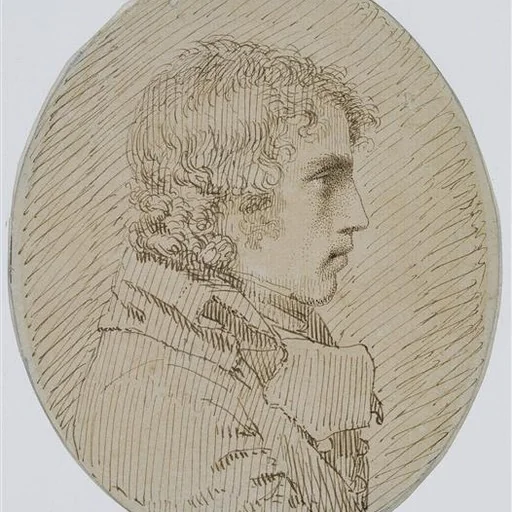
Pierre-Paul Prud'hon (French pronunciation: , 4 April 1758 – 16 February 16, 1823) was a French Neo-classical painter and draughtsman best known in his own time for his allegorical paintings and portraits, now for his drawings.

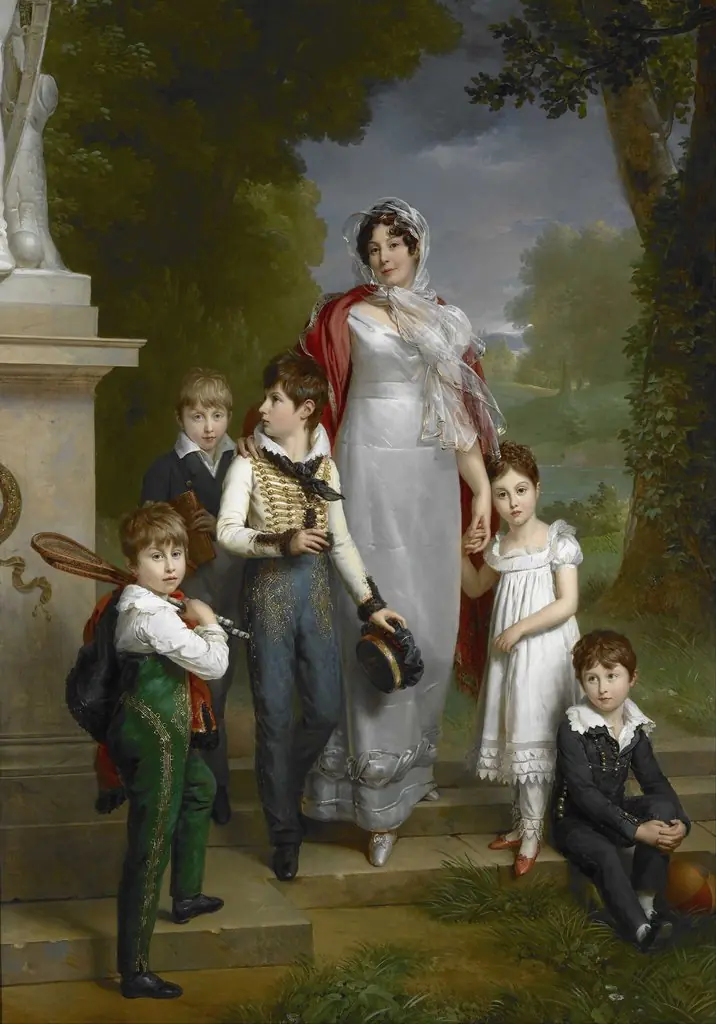 Portrait of Louise-Antoinette-Scholastique Guéhéneuc, Madame la Maréchale Lannes, Duchesse de Montebello, with her Children
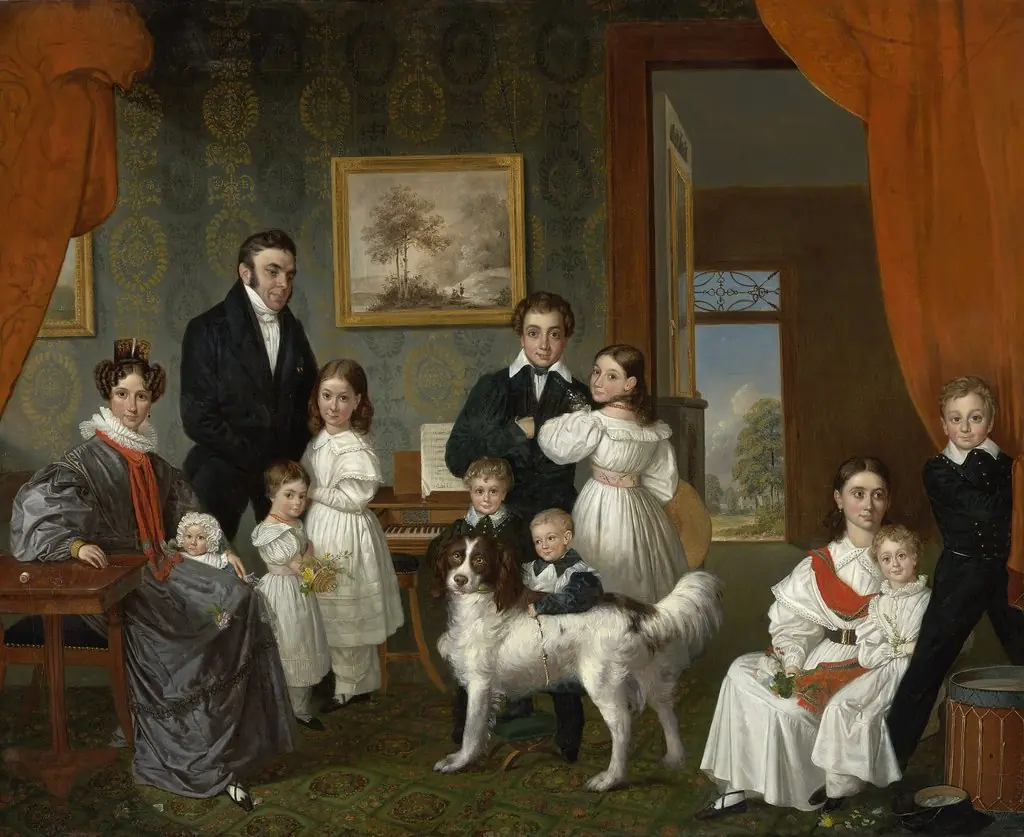 Portrait of the Baud family in their country house in Voorburg
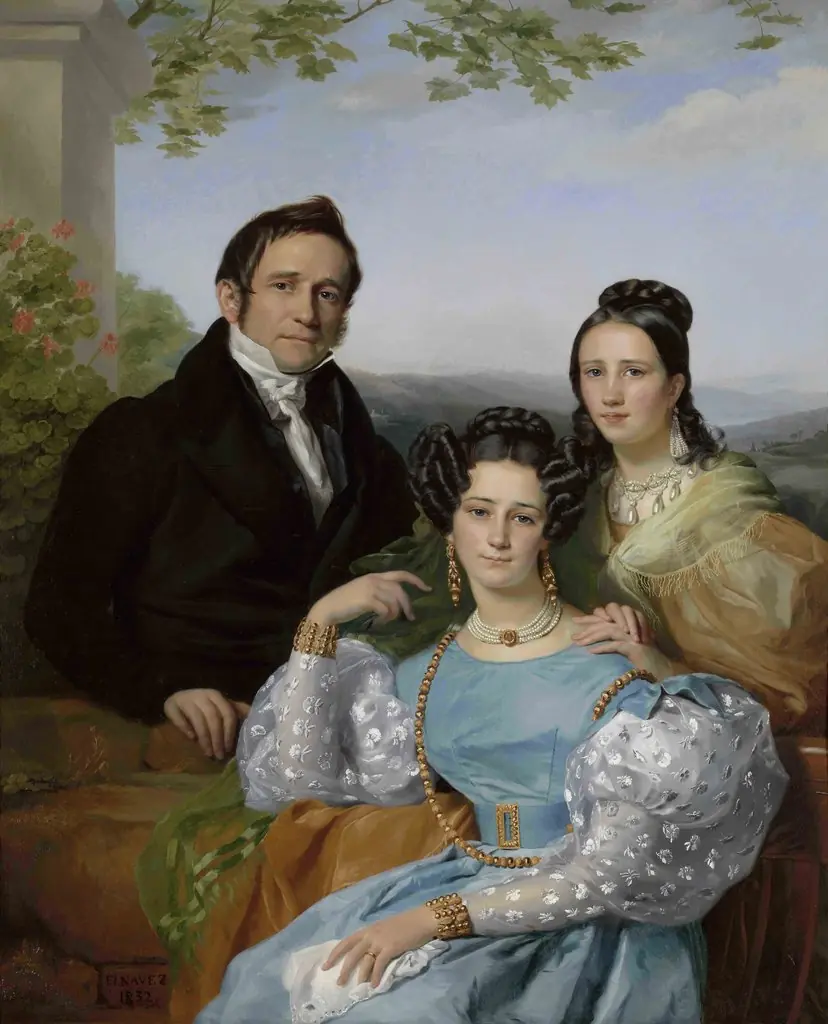 Portret van Théodore-Joseph Jonet en zijn twee dochters
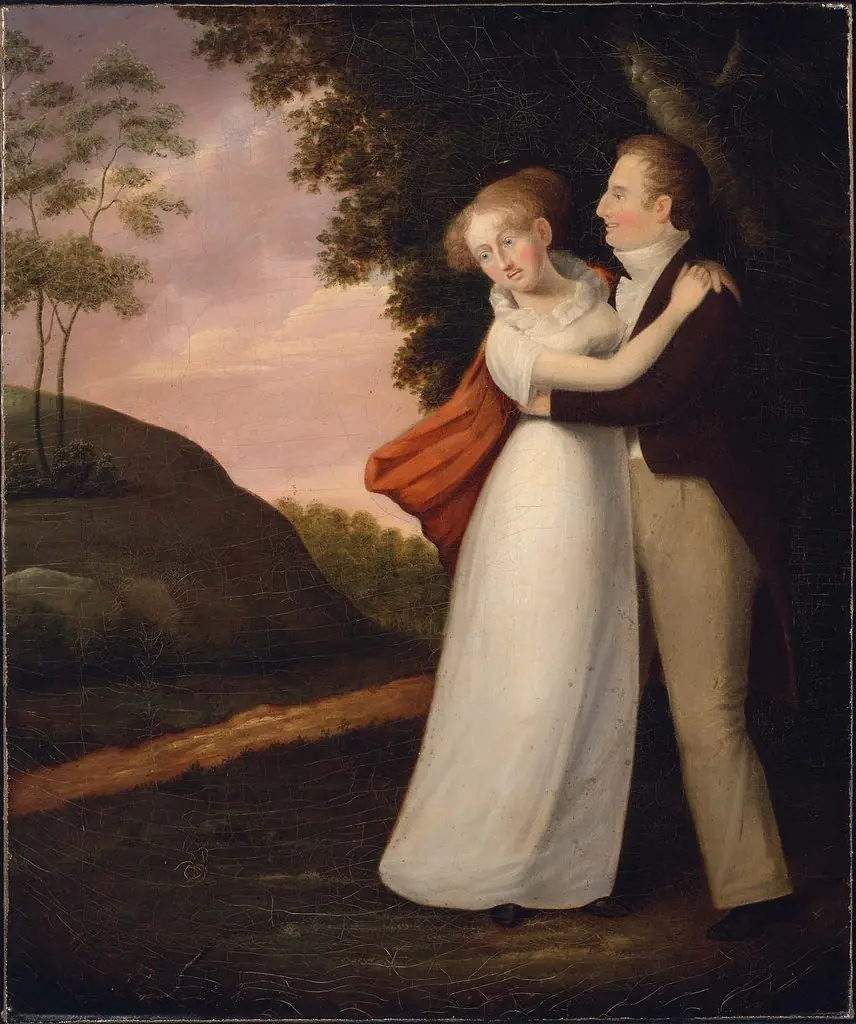 The Frightened Girl
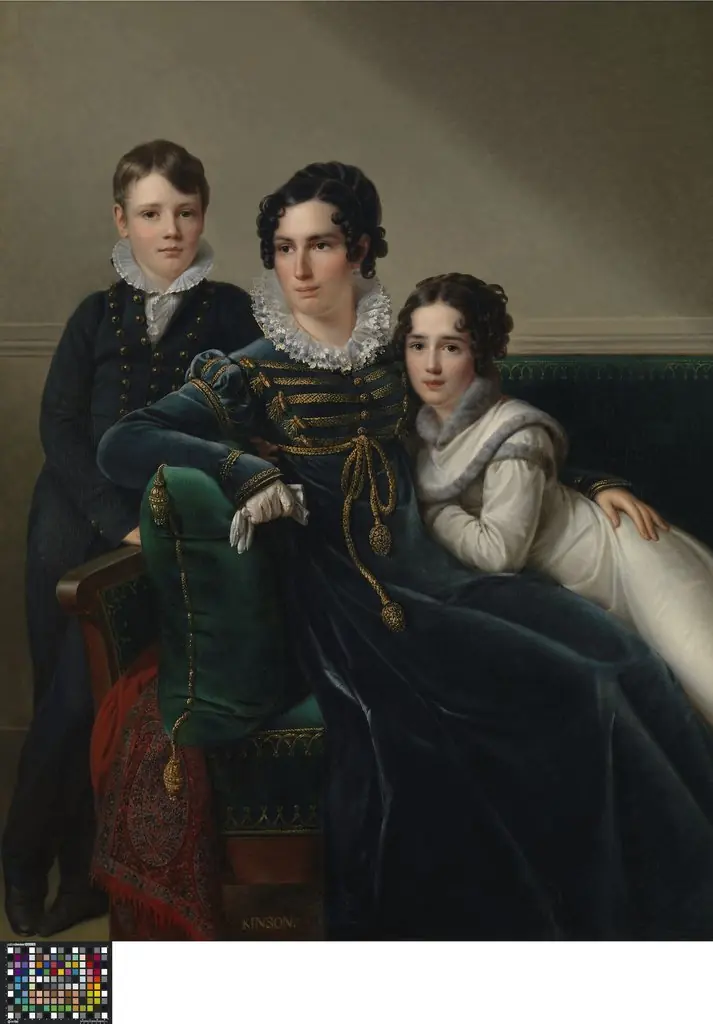 Portret van een vrouw met haar twee kinderen
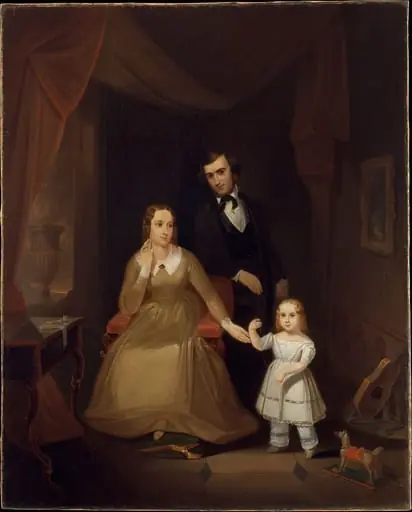 The Williamson Family
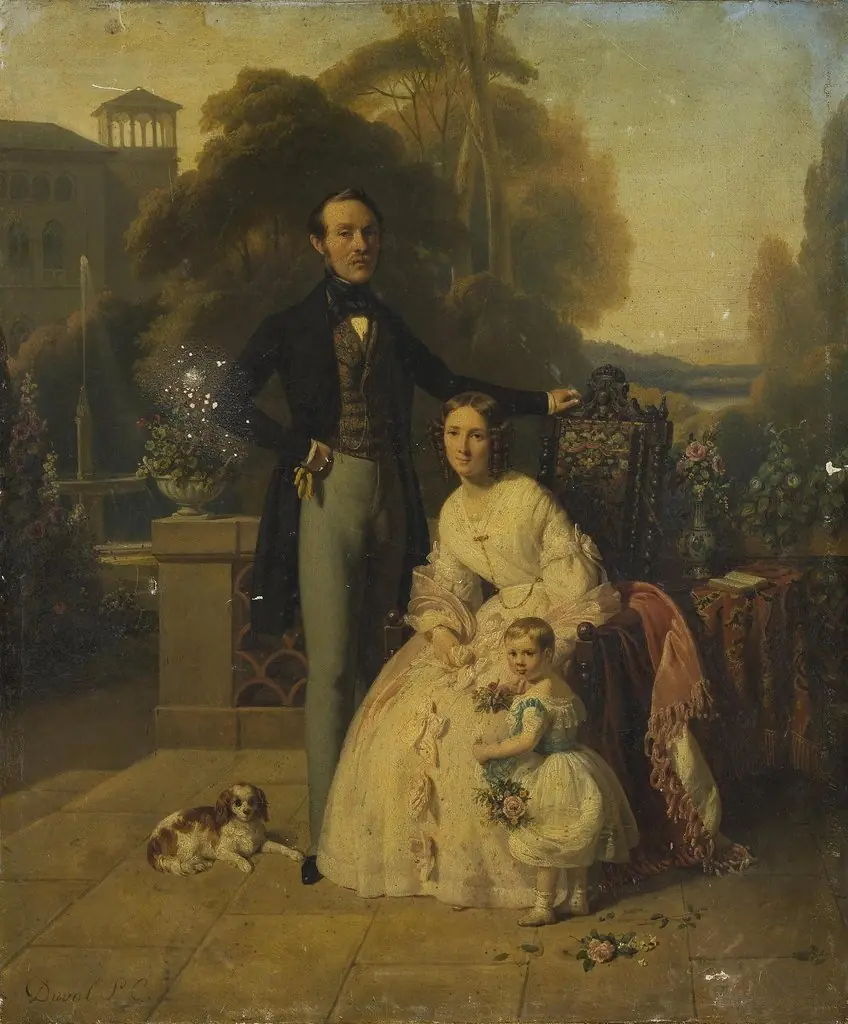 Family Portrait
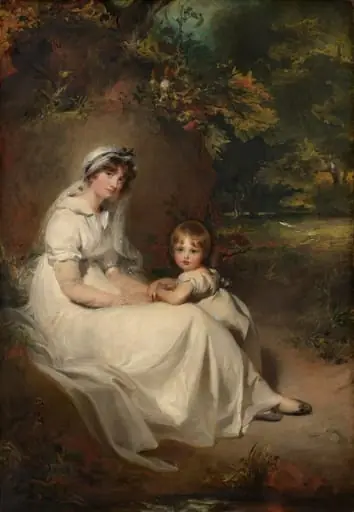 Lady Mary Templetown and Her Eldest Son
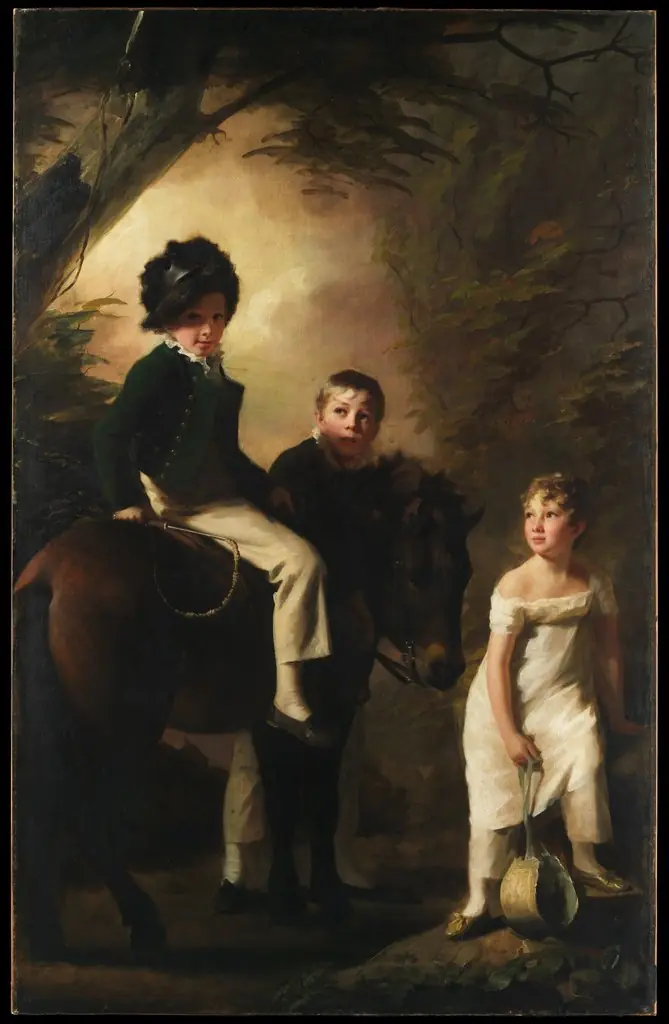 The Drummond Children
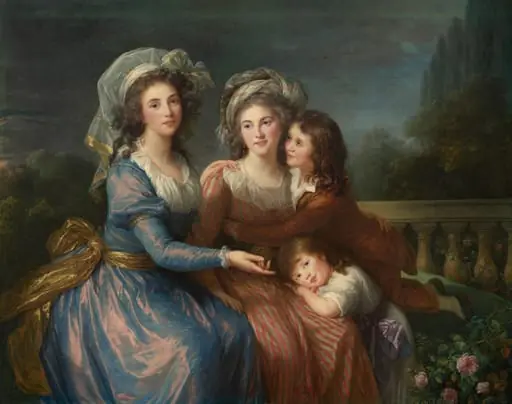 The Marquise de Pezay, and the Marquise de Rougé with Her Sons Alexis and Adrien
 Madame Georges Anthony and Her Two Sons
 Portrait of Count Nikolai Repnin-Volkonsky with His Family