Artwork
Allegory of Life
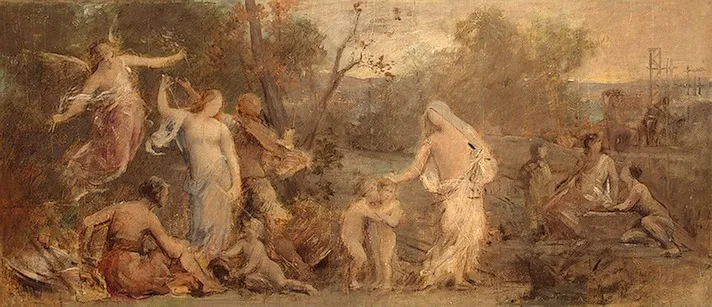
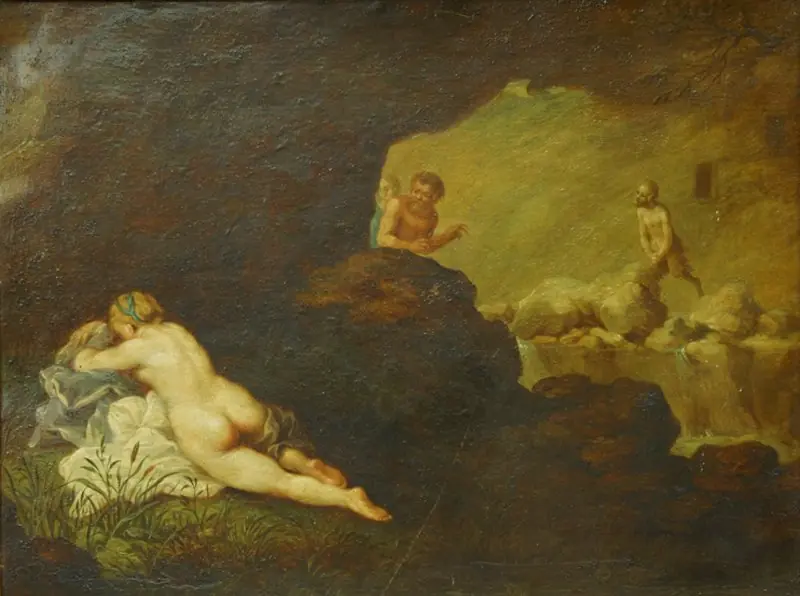
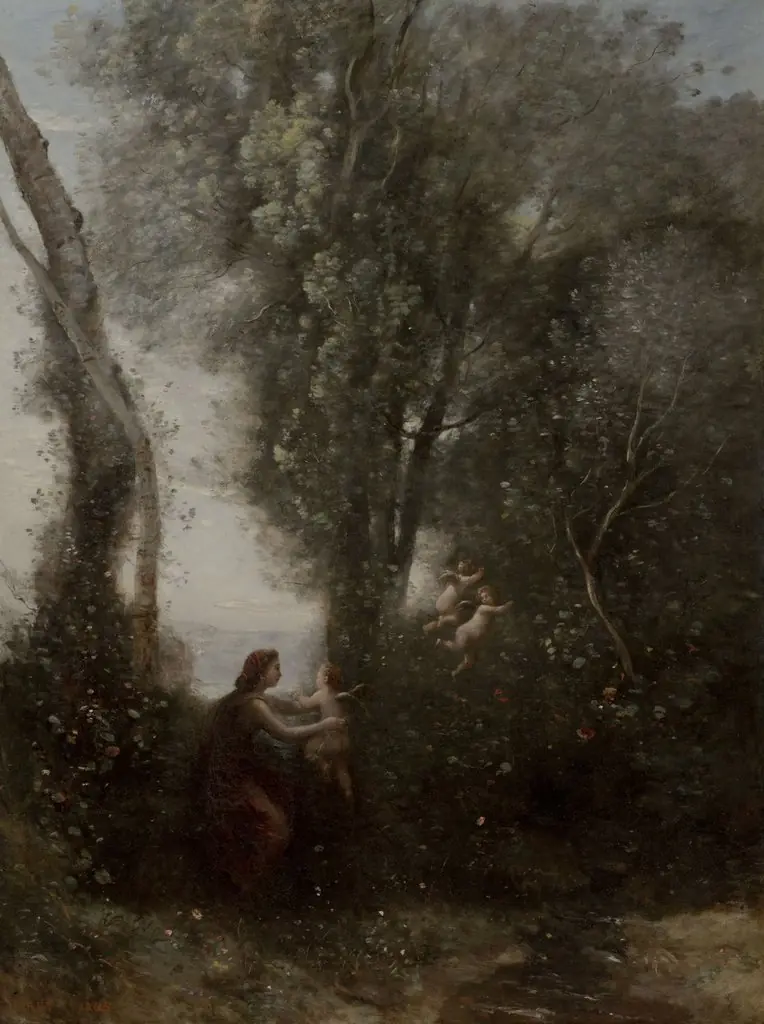
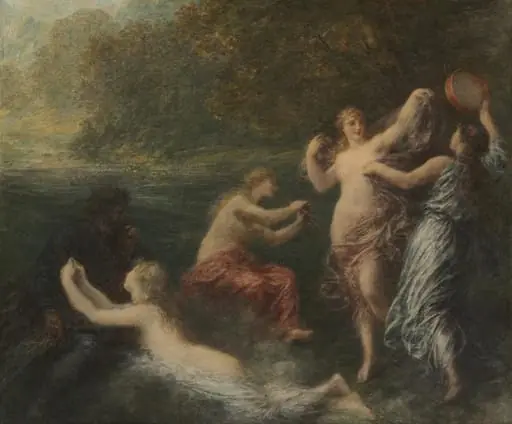
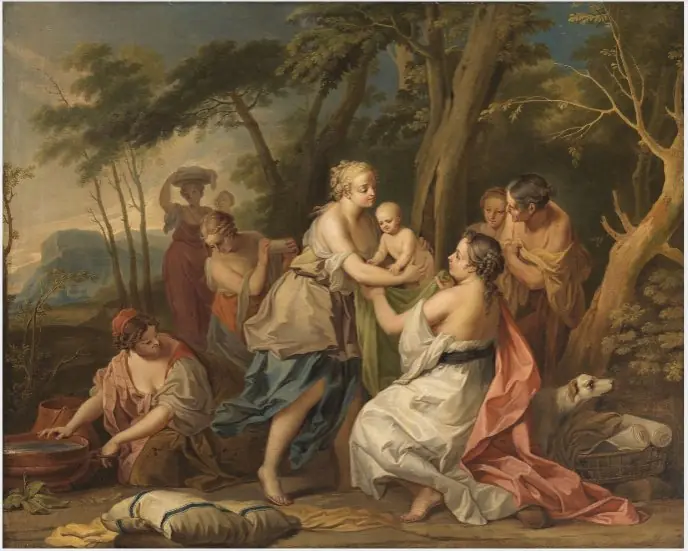
Allegory of Life is an oil painting by the Post-Impressionist artist Pierre Puvis de Chavannes. It dates from 1873 and is held in the collection of the Hermitage Museum.
About this work
Overview
Pierre Puvis de Chavannes painted *Allegory of Life* in 1873, during a period when he was gaining recognition for his large-scale decorative works.
Pierre Puvis de Chavannes painted *Allegory of Life* in 1873, during a period when he was gaining recognition for his large-scale decorative works. Though associated with the post-Impressionist era, his style diverged from the movement’s focus on light and brushwork, instead favoring simplified forms and muted tones. The painting is now part of the State Hermitage Museum’s collection, reflecting its significance in late 19th-century French art.
Subject & Meaning
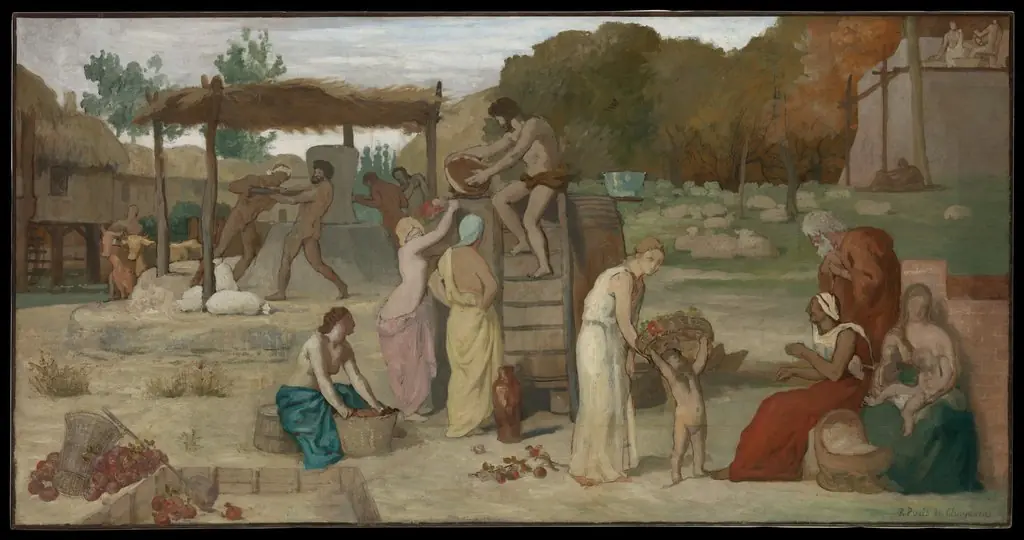
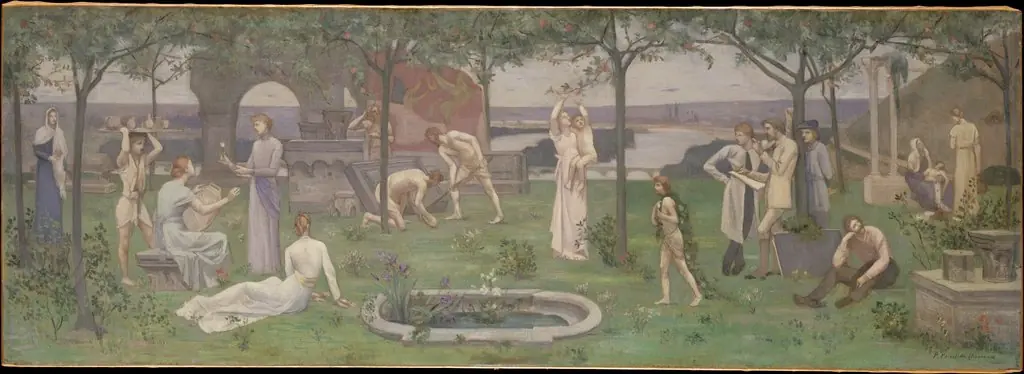
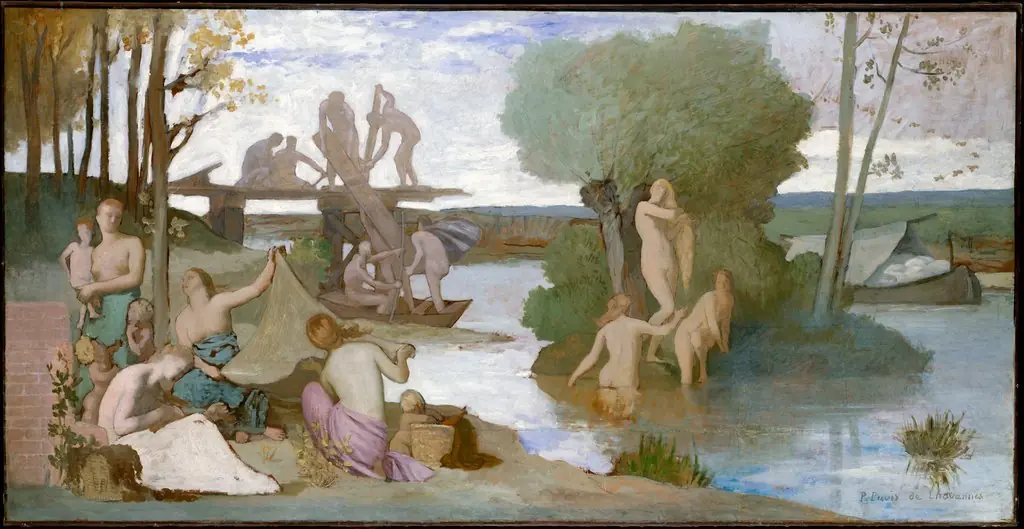
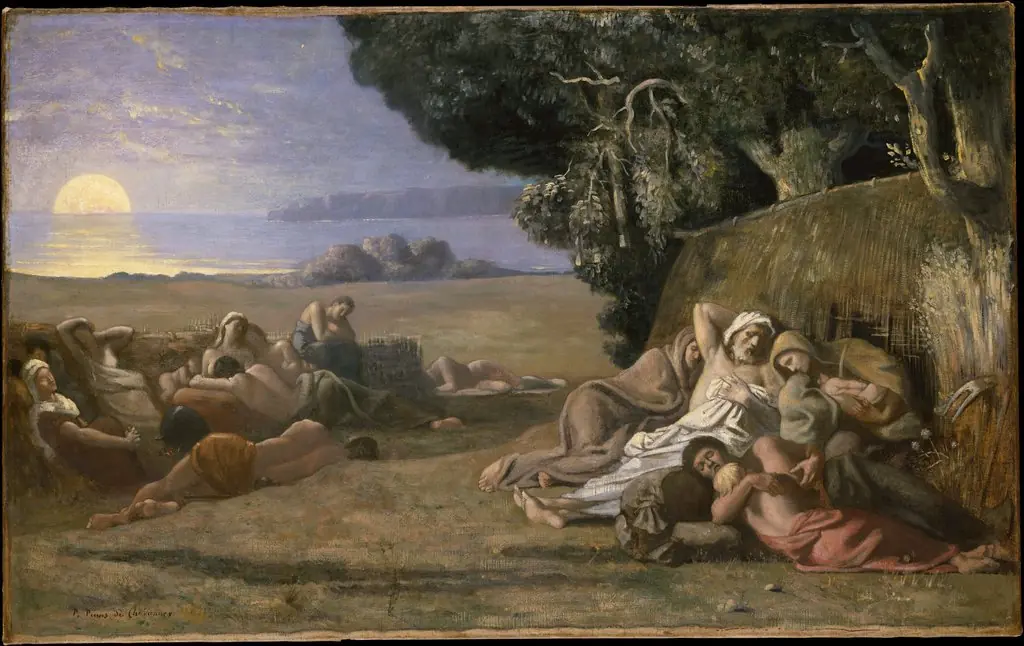
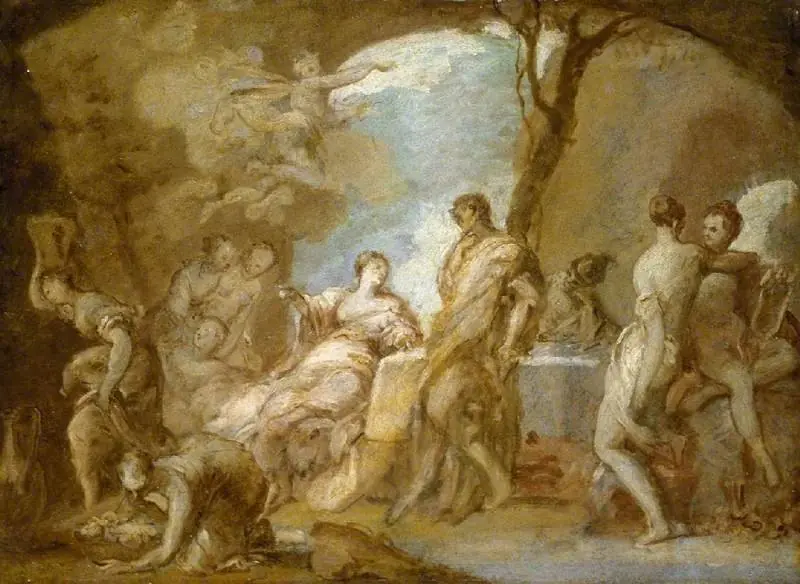
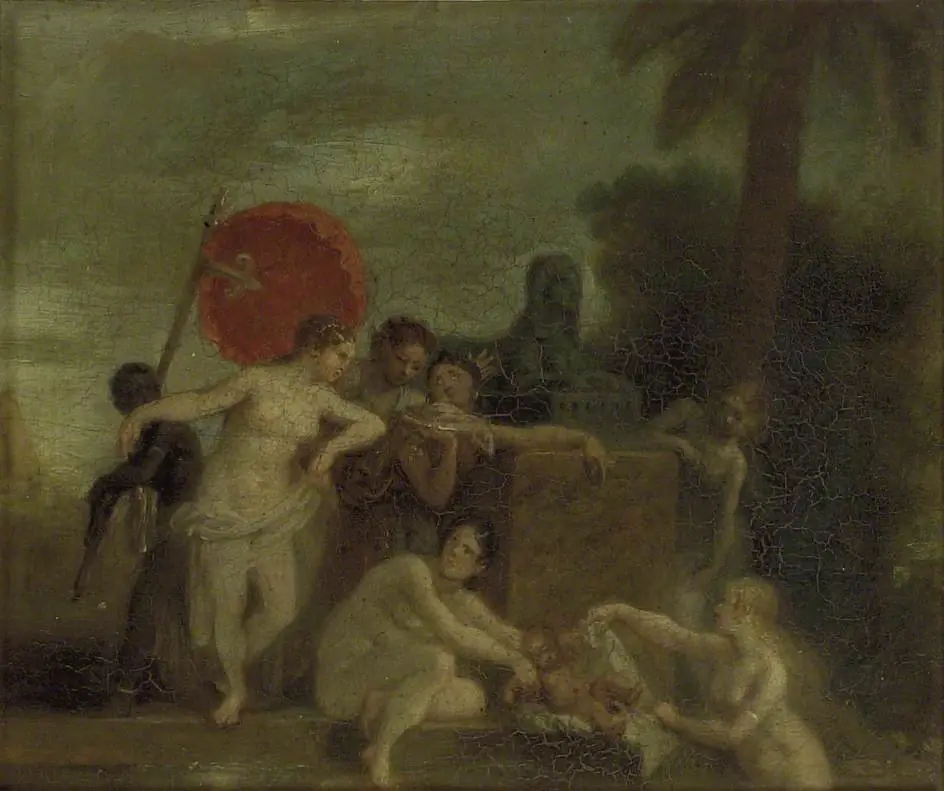
The painting presents a tranquil, idealized gathering of figures—women and children, some partially nude—arranged in a quiet, pastoral setting. No specific narrative unfolds; instead, the scene evokes a universal contemplation of human existence. The absence of action and the serene expressions suggest an allegory of life’s quiet, enduring moments, stripped of drama or moral instruction.
Technique & Style
Puvis employed a restrained palette of soft earth tones and delicate glazes to create a hazy, atmospheric effect. Forms are simplified and outlines are softened, avoiding sharp detail in favor of harmonious composition. His method, influenced by Renaissance frescoes and Japanese prints, emphasizes flatness and stillness, distancing the work from the immediacy of Impressionism while retaining emotional resonance.
History & Provenance
Commissioned during the early years of the French Third Republic, the painting reflects Puvis’s role as a state-supported artist shaping public visual culture. It was acquired by the Hermitage Museum in the late 19th century, likely through diplomatic or collector networks. Its presence in Russia underscores the international reach of French academic art beyond its domestic context.
Context
In the 1870s, French art was divided between avant-garde experimentation and traditional allegory. Puvis positioned himself between these currents, offering a calm, symbolic alternative to both Impressionism and academic historicism. His work appealed to intellectuals and state institutions seeking art that conveyed moral and philosophical ideals without overt narrative or sentimentality.
Legacy
Puvis’s restrained symbolism and decorative approach influenced later Symbolist painters and early modernists, including Gustav Klimt and the Nabis. Though less celebrated today than his contemporaries, his emphasis on quiet contemplation and formal harmony helped redefine the possibilities of allegorical painting in the modern era.
Artist & collection
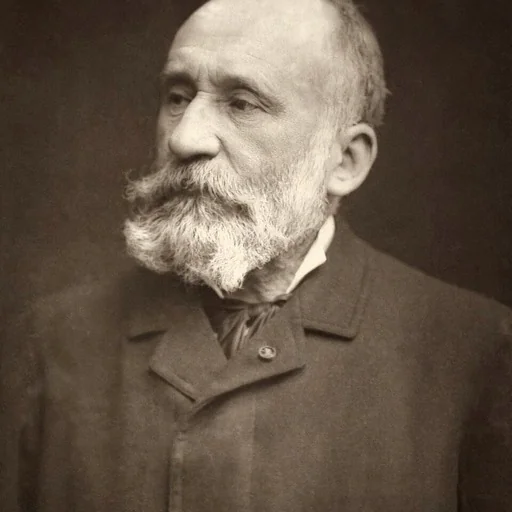
Artist
Pierre Puvis de Chavannes (French pronunciation: ; 14 December 1824 – 24 October 1898) was a French painter known for his mural painting, who came to be known as "the painter for France".