Artwork
Tannhäuser
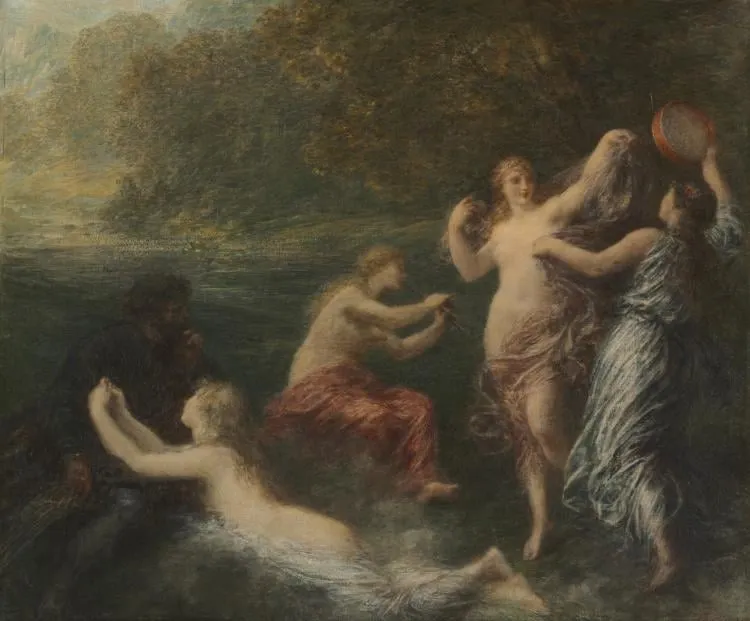
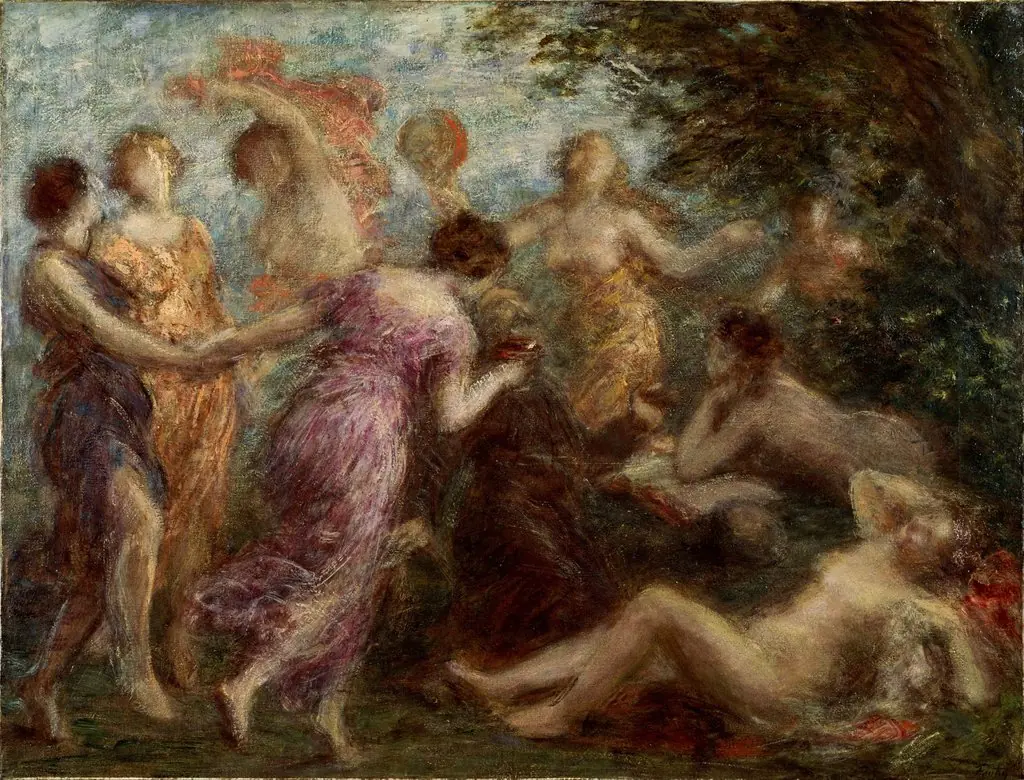
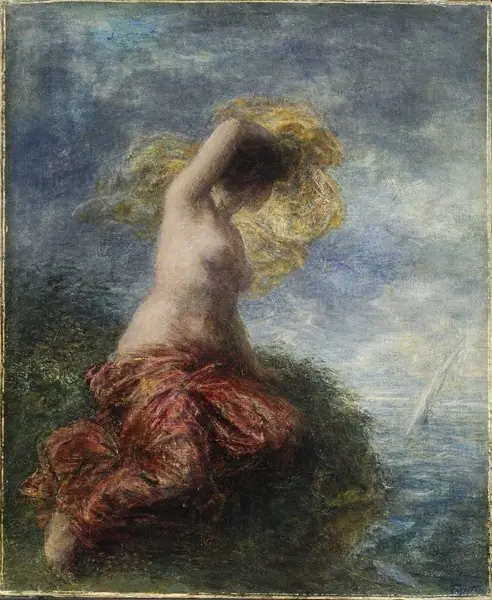
Tannhäuser is an unspecified painting by the Impressionist artist Henri Fantin-Latour. It dates from 1886 and is held in the collection of the Cleveland Museum of Art.
About this work
Overview
This painting depicts a scene inspired by the Wagnerian legend of Tannhäuser, a medieval minnesinger torn between sensual indulgence and spiritual redemption.
This painting depicts a scene inspired by the Wagnerian legend of Tannhäuser, a medieval minnesinger torn between sensual indulgence and spiritual redemption. The composition isolates the titular figure in shadow, contrasting sharply with a group of luminous, interwoven figures engaged in a relaxed, intimate gathering. The visual dissonance underscores a psychological divide, not merely a narrative moment.
Subject & Meaning
Tannhäuser, seated apart in dark attire, embodies inner conflict rather than participation. While the surrounding figures, bathed in soft light and rendered in pale tones, suggest earthly pleasure and communal harmony, his withdrawn posture and obscured face signal alienation. The scene reflects the opera’s central theme: the unresolved tension between carnal desire and moral yearning, made visible through spatial and chromatic isolation.
Technique & Style
The artist employs chiaroscuro to heighten emotional contrast, casting Tannhäuser in deep shadow while the others are gently illuminated. Soft, diffused lighting and muted pastels create an ethereal atmosphere, yet the figure’s stark darkness disrupts the harmony. Brushwork is subtle, favoring atmospheric tone over detail, reinforcing the psychological weight of solitude amid intimacy.
History & Provenance
The painting emerged in the late 19th century, during a period of renewed interest in Wagner’s operas across European visual culture. It was likely commissioned or created by an artist influenced by Symbolist tendencies, seeking to translate musical drama into visual metaphor. Its early ownership remains undocumented, but it entered public collections in the early 20th century.
Context
At the time of its creation, Wagner’s mythic narratives were frequently invoked in art to explore modern anxieties about morality, desire, and redemption. This work aligns with broader Symbolist efforts to visualize inner states rather than external events. The choice of Tannhäuser reflects a cultural preoccupation with the duality of human nature, framed through romanticized medievalism.
Legacy
Though not widely exhibited, the painting contributes to a lesser-known strand of Wagner-inspired visual art that prioritizes psychological nuance over dramatic spectacle. Its quiet intensity influenced later Symbolist and Expressionist treatments of isolation, offering a restrained counterpoint to more theatrical interpretations of the Tannhäuser myth.
Artist & collection
Artist
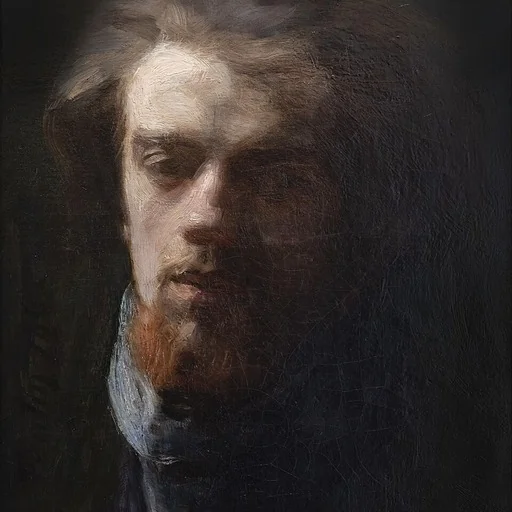
Ignace Henri Jean Theodore Fantin-Latour (French pronunciation: ; 14 January 1836 – 25 August 1904) was a French painter and lithographer best known for his flower paintings and group portraits of Parisian artists and writers.