Artwork
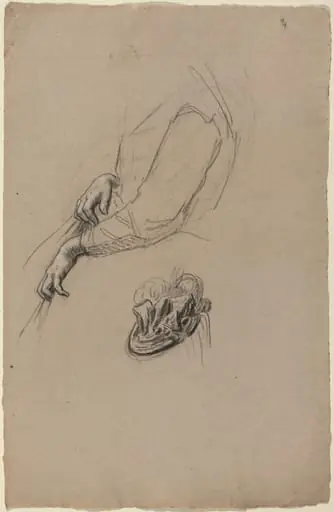
Studies of Drapery and Study of a Landscape (verso)
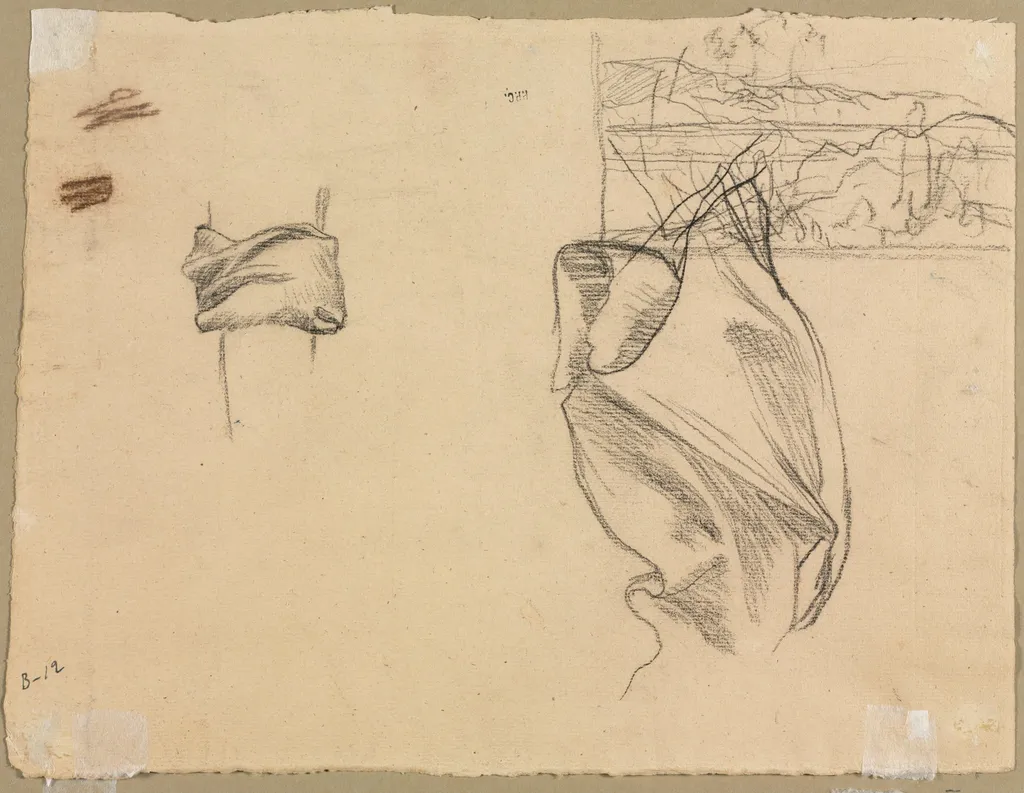
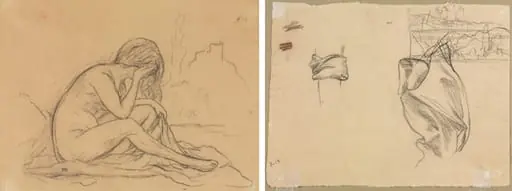
Studies of Drapery and Study of a Landscape (verso) is a drawing by the Romanticist artist Pierre Puvis de Chavannes. It dates from 1804 and is held in the collection of the Cleveland Museum of Art.
About this work
Overview
One side features a focused examination of folded fabric, while the reverse presents a landscape composed of gentle hills and trees.
This sheet contains two pencil studies by Pierre Puvis de Chavannes, likely made in the early 1850s rather than 1804. One side features a focused examination of folded fabric, while the reverse presents a landscape composed of gentle hills and trees. These sketches reflect his habit of recording visual observations as part of his preparatory process, revealing his attention to form and atmosphere before executing larger compositions.
Subject & Meaning
The drapery study isolates textile folds to understand how fabric responds to gravity and light, a concern central to his figure paintings. The landscape sketch, though compact, evokes a quiet, idealized countryside—neither specific nor narrative, but atmospheric. Together, they suggest his interest in elemental forms and emotional tone, laying groundwork for the serene, timeless settings that would define his murals.
Technique & Style
Puvis employed pencil with restrained precision, using varied pressure to suggest texture and depth. The drapery relies on soft, overlapping lines to imply volume; the landscape uses looser, rhythmic strokes to convey distance and foliage. His approach avoids detail in favor of suggestion, emphasizing mood over topography. The tonal range—from pale washes to dense shadows—demonstrates his sensitivity to light without reliance on ink or wash.
History & Provenance
The drawing originates from a sketchbook used during Puvis’s formative years, before his major mural commissions. It remained in private hands for much of the 20th century and was later acquired by a public institution. Its survival offers insight into his working methods, contrasting with the monumental finished works for which he became known.
Context
In mid-19th-century France, artists increasingly turned to direct observation as academic training evolved. Puvis’s sketches align with this shift, balancing classical ideals with naturalistic study. While contemporaries pursued realism or romantic drama, he sought calm, simplified forms—a direction that would later influence Symbolist painters and muralists seeking emotional resonance over narrative detail.
Legacy
These studies illustrate how Puvis cultivated a visual language of restraint and harmony. Though minor in scale, they reveal the foundation of his mature style: controlled composition, subdued palette, and an emphasis on mood. His approach to preparatory work influenced later artists who valued suggestion over spectacle, contributing to the transition from academic tradition to modernist sensibilities.
Artist & collection
Artist
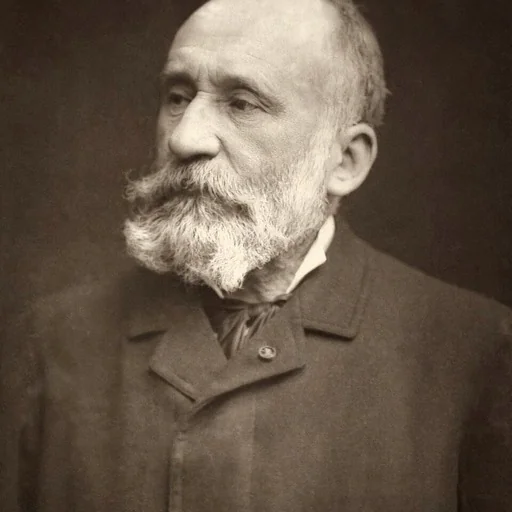
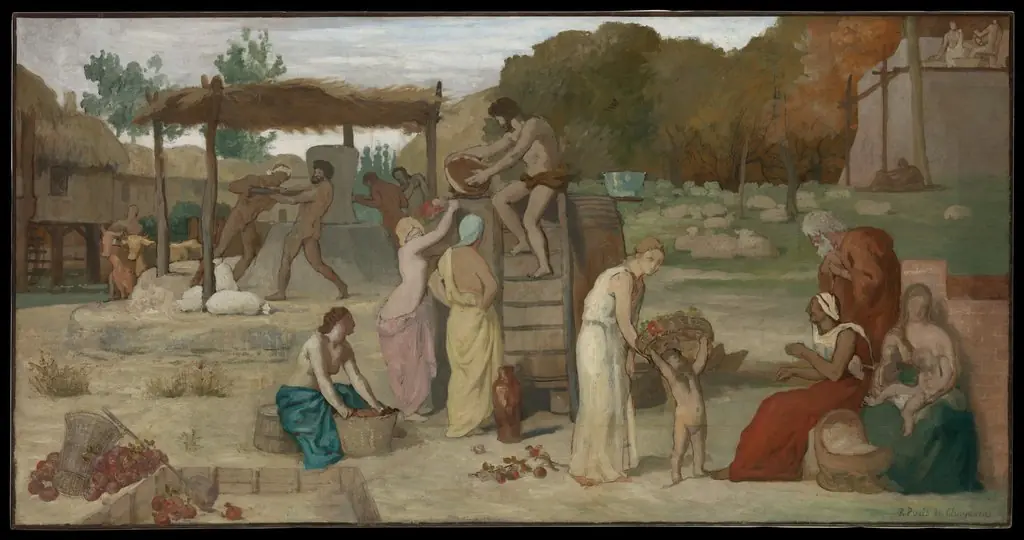
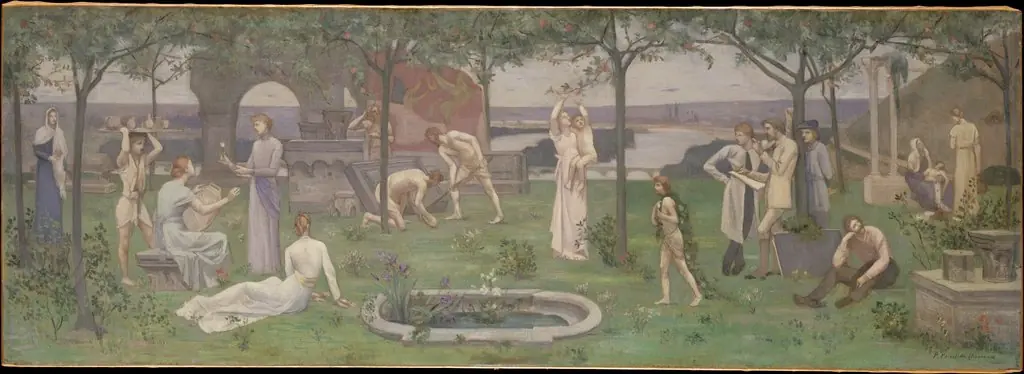
Pierre Puvis de Chavannes (French pronunciation: ; 14 December 1824 – 24 October 1898) was a French painter known for his mural painting, who came to be known as "the painter for France".


![Study for "Shoeing Calvary Horses at the Front" [verso], by John Singer Sargent](https://artifactworldgallery.com/img/john-singer-sargent--study-for-shoeing-calvary-horses-at-the-front-verso--6f6d1a163e84e9ab-w320.webp) Study for "Shoeing Calvary Horses at the Front" [verso]
Study for "Shoeing Calvary Horses at the Front" [verso] Banana or plantain leaves
 Pelicans
 Study of a Female Nude (possibly for an unrealized allegorical painting) (recto); Studies of Drapery and Study of a Landscape (verso)
 Young Woman's Hands and Beribboned Hat
 Soldier in a Trench (recto) Reclining Woman (verso)
 Study of Adam for the "Fifteen Mysteries of the Rosary"