Artwork
Poor Fisherman
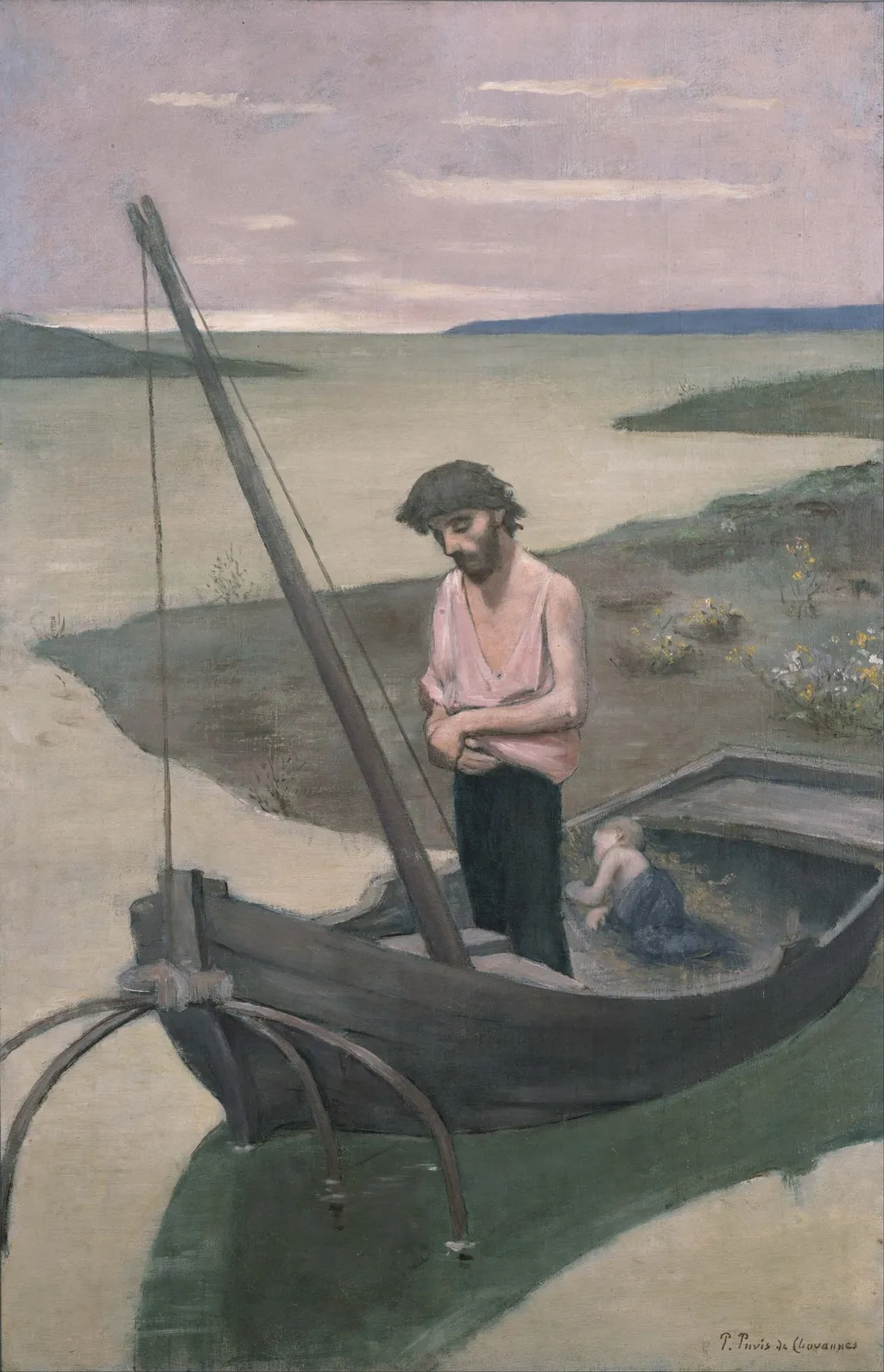
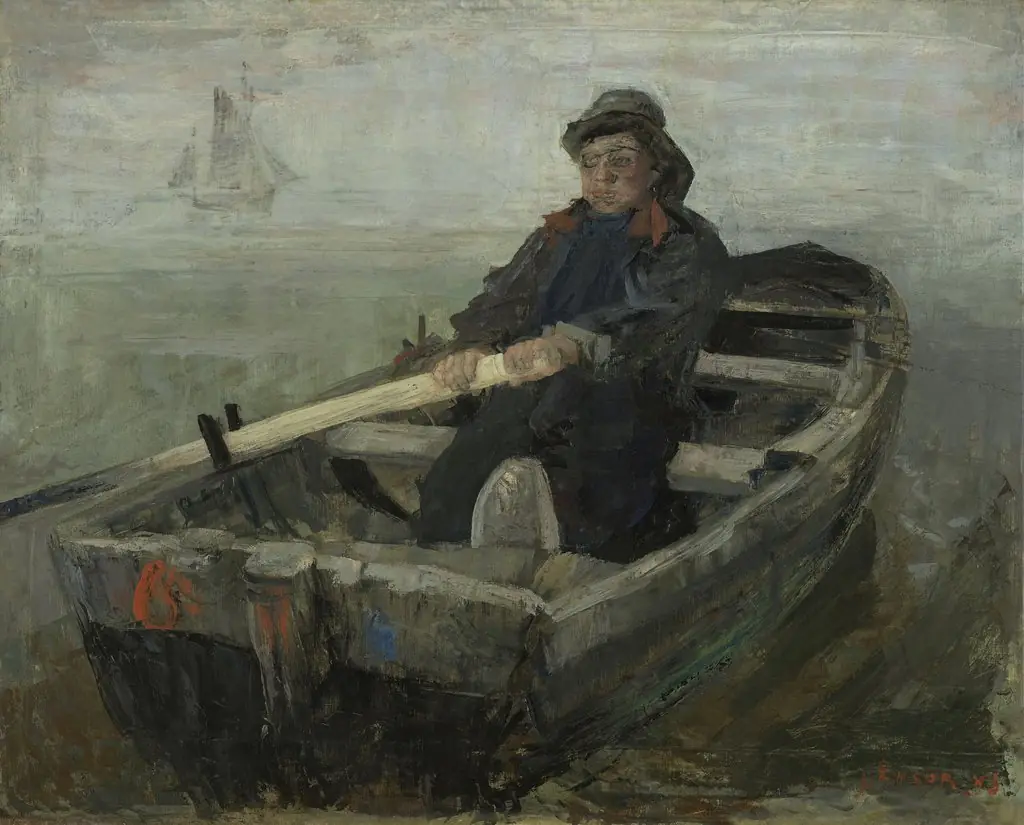
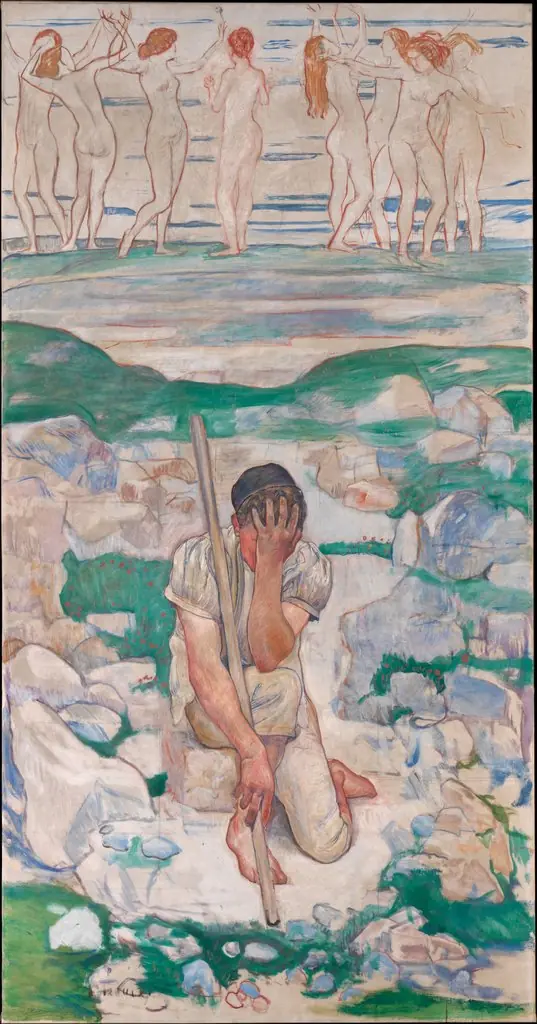
Poor Fisherman is an oil painting by the Post-Impressionist artist Pierre Puvis de Chavannes. It dates from 1895 and is held in the collection of the National Museum of Western Art.
About this work
Overview
Painted in 1895, *Poor Fisherman* is an oil work by French artist Pierre Puvis de Chavannes, known for his large-scale murals and quiet, symbolic compositions.
Painted in 1895, *Poor Fisherman* is an oil work by French artist Pierre Puvis de Chavannes, known for his large-scale murals and quiet, symbolic compositions. Though associated with post-impressionism, his style diverges from its vibrancy, favoring stillness and restraint. The painting resides in the National Museum of Western Art, reflecting its international recognition. Puvis, a central figure in late 19th-century French art, helped shape the direction of public painting through his leadership in the Société Nationale des Beaux-Arts.
Subject & Meaning
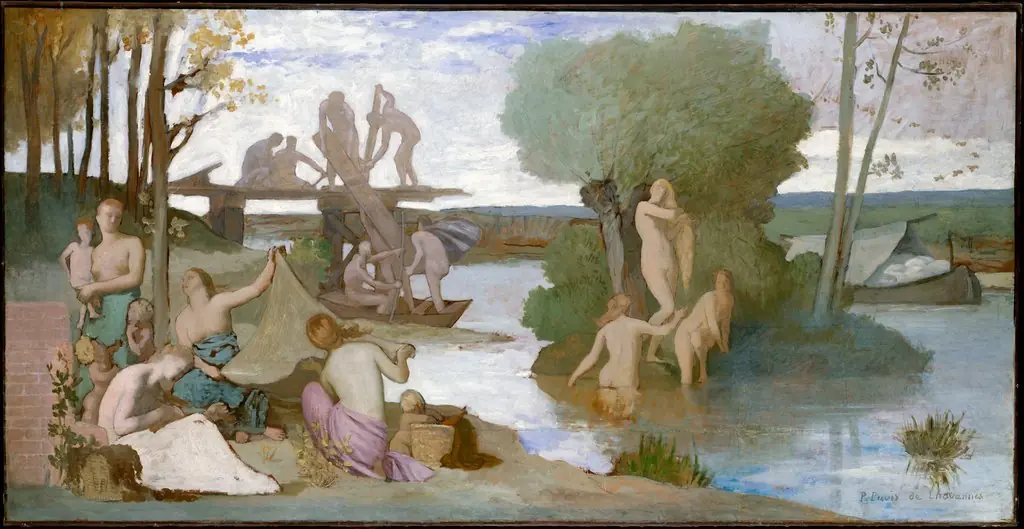
The painting shows a lone fisherman seated in a small boat, arms crossed, gazing into the distance. A child sits quietly at the bow, suggesting generational continuity. The scene lacks dramatic action, instead emphasizing solitude and quiet endurance. The figures’ stillness and the calm surroundings evoke themes of labor, resignation, and introspection, common in Puvis’s allegorical approach to everyday life.
Technique & Style
Puvis employed muted tones and soft, blended brushwork to create a hazy, atmospheric effect. Light is diffused rather than sharply defined, minimizing contrast and enhancing the painting’s meditative mood. Forms are simplified, with minimal detail in clothing or landscape, reinforcing a sense of timelessness. The composition is deliberately static, avoiding movement to focus attention on the emotional weight of the moment.
History & Provenance
Created in 1895, the painting entered the collection of the National Museum of Western Art in Tokyo, where it remains today. Its presence in Japan reflects the museum’s broader mission to gather significant Western works from the 19th century. While not widely exhibited in France during Puvis’s lifetime, the piece aligns with his reputation for producing contemplative, morally resonant imagery suited to public and institutional spaces.
Context
In the context of late 19th-century France, Puvis’s work stood apart from the dynamism of Impressionism and the emerging avant-garde. His focus on serene, symbolic scenes responded to a cultural desire for stability and moral clarity after the upheavals of the Franco-Prussian War and the Paris Commune. *Poor Fisherman* reflects this yearning for quiet dignity amid social change, resonating with contemporary ideals of civic virtue.
Legacy
Puvis de Chavannes influenced a generation of Symbolist and modernist painters, including Robert Genin and later muralists in the United States. His emphasis on emotional restraint and simplified form prefigured aspects of 20th-century modernism. Though less celebrated today than his contemporaries, his quiet, poetic vision left a lasting imprint on how artists approached narrative, mood, and the human figure in landscape.
Own this work as a print
Artist & collection
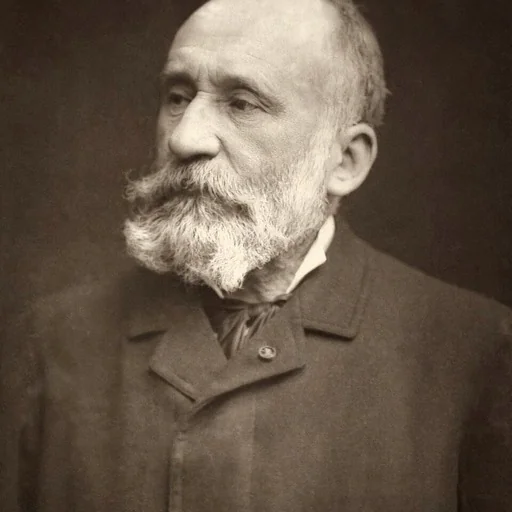
Artist
Pierre Puvis de Chavannes (French pronunciation: ; 14 December 1824 – 24 October 1898) was a French painter known for his mural painting, who came to be known as "the painter for France".