Artwork
Christ and the woman taken in adultery
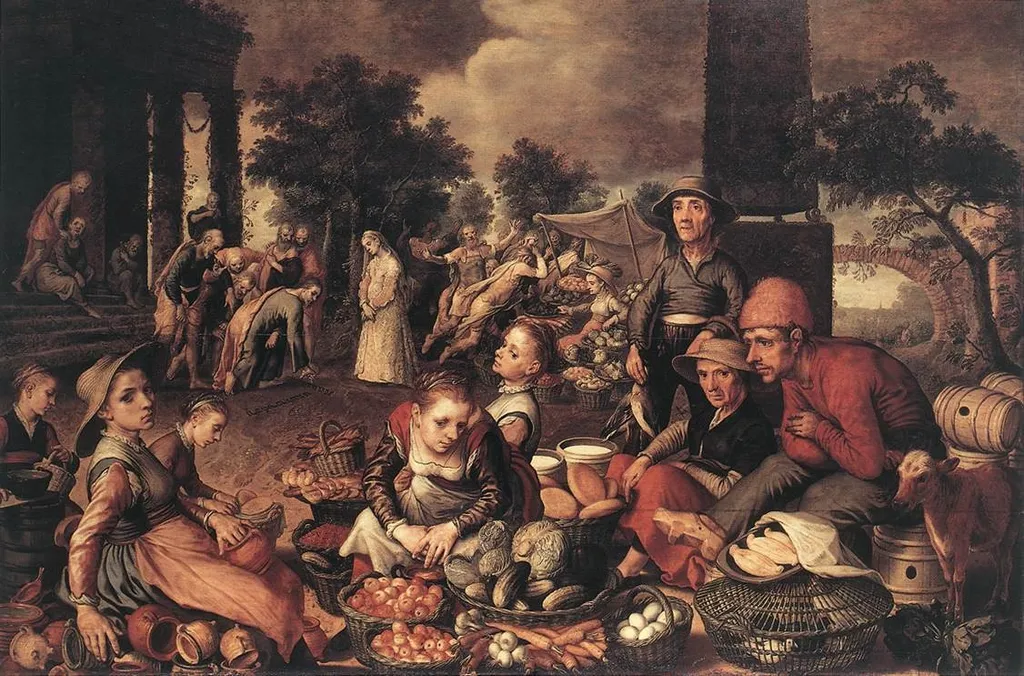
Christ and the woman taken in adultery is a mixed painting by the Dutch Golden Age artist Pieter Aertsen. It dates from 1559 and is held in the collection of the Städel Museum.
About this work
Overview
The composition balances everyday activity with a moral narrative, reflecting Aertsen’s characteristic blend of genre and religious subjects.
Created in 1559, *Christ and the Woman Taken in Adultery* is an oil painting by Dutch artist Pieter Aertsen. Executed during the early phase of the Dutch Golden Age, the work merges a bustling market tableau with the biblical episode of Jesus confronting the accusers of an adulterous woman. The composition balances everyday activity with a moral narrative, reflecting Aertsen’s characteristic blend of genre and religious subjects.
Subject & Meaning
The central narrative portrays the moment Jesus declares, “Let him who is without sin cast the first stone,” while surrounding figures are absorbed in market transactions. By situating the sacred scene amid a lively stall, Aertsen underscores the coexistence of spiritual judgment and quotidian life, inviting viewers to consider moral accountability within ordinary settings.
Technique & Style
Aertsen employs pronounced chiaroscuro, using strong contrasts of light and shadow to model the figures and give depth to the crowded foreground. Detailed rendering of foodstuffs, crates, and textiles demonstrates his meticulous still‑life skill, while the turbulent sky in the distance adds dramatic tension. The palette of earthy tones punctuated by vivid reds and yellows enhances the scene’s realism.
History & Provenance
The painting was produced while Aertsen was active in both Amsterdam and Antwerp, cities where his genre‑biblical hybrids earned considerable attention. Though the early ownership record is sparse, the work entered several private collections in the 17th century before being acquired by a museum in the early 20th century, where it remains on display.
Legacy
Aertsen’s integration of market genre scenes with scriptural moments anticipated later Flemish Baroque and Dutch still‑life traditions. His approach to embedding moral tales within everyday environments contributed to the development of narrative realism that characterized many 17th‑century Dutch painters, marking him as a pivotal figure in the transition from Northern Mannerism to the Golden Age aesthetic.
Artist & collection
Artist
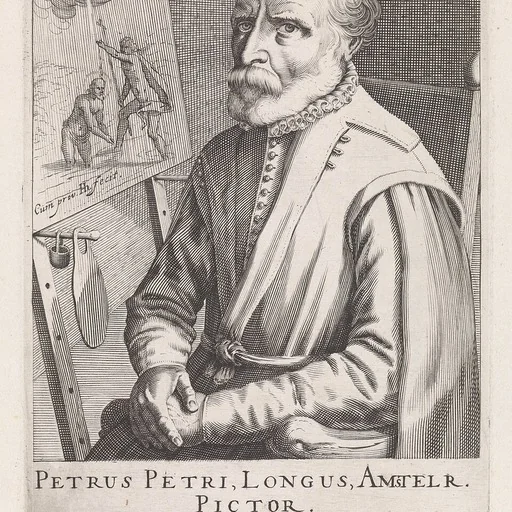
Pieter Aertsen (1508 in Amsterdam – 2 June 1575 in Amsterdam), called Lange Piet ("Tall Pete") because of his height, was a Dutch painter in the style of Northern Mannerism.

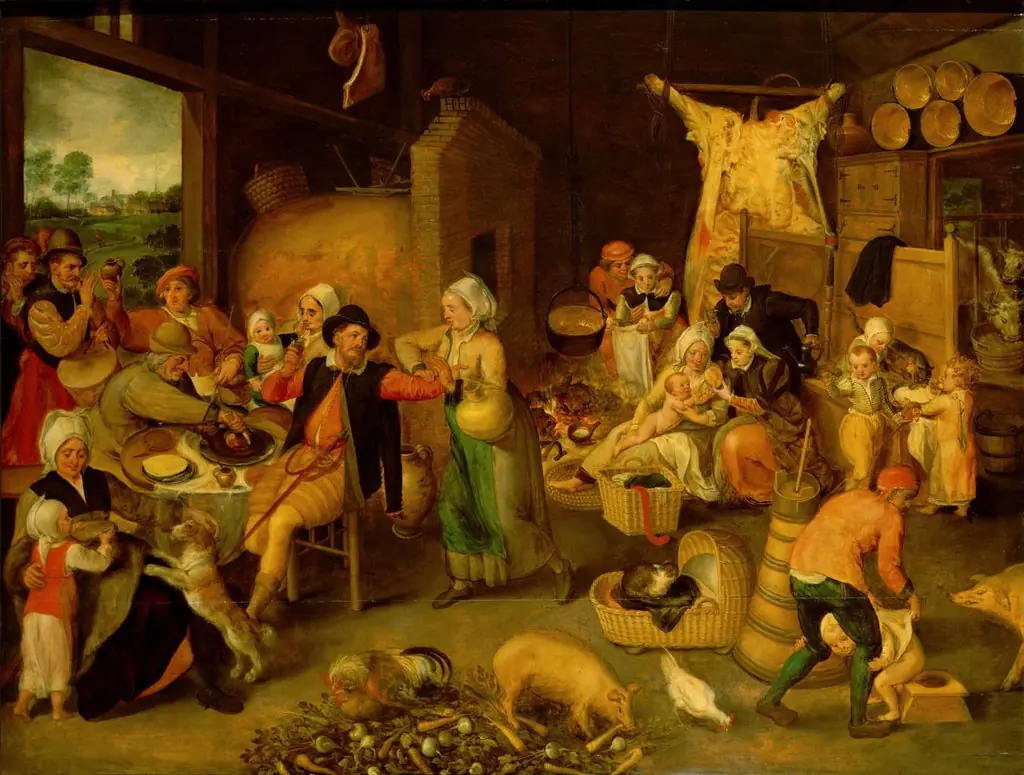 Farm with Distinguished Visitors
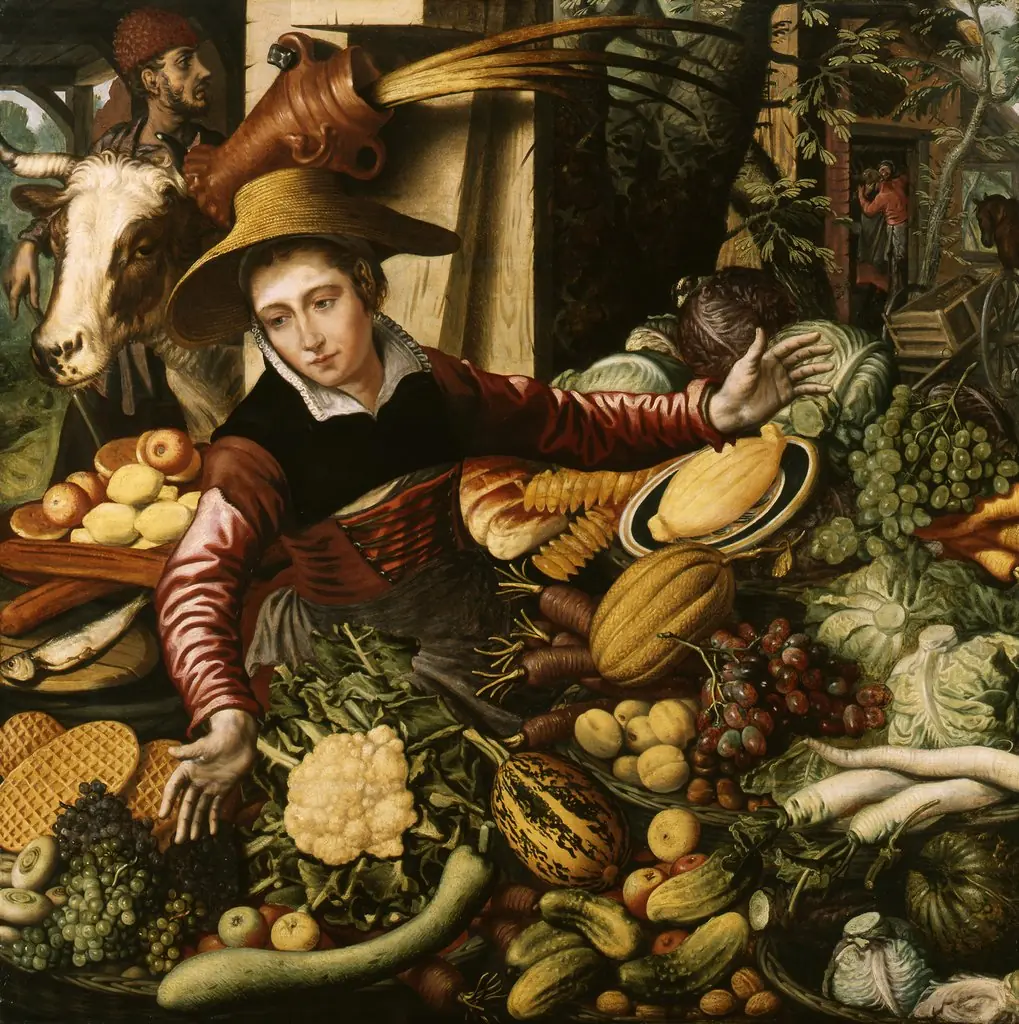
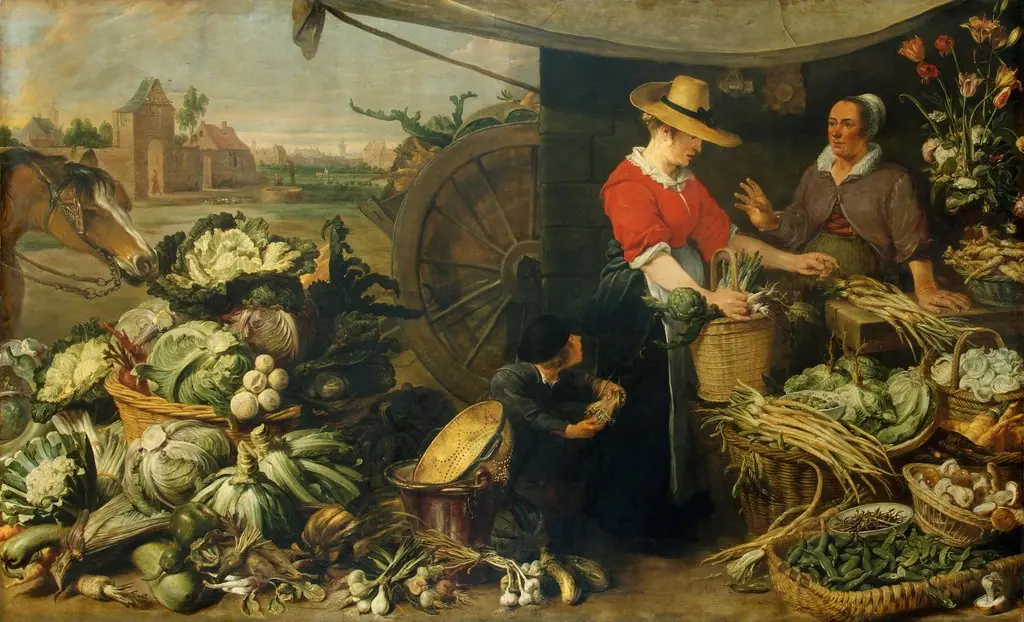 Greengrocery Stall
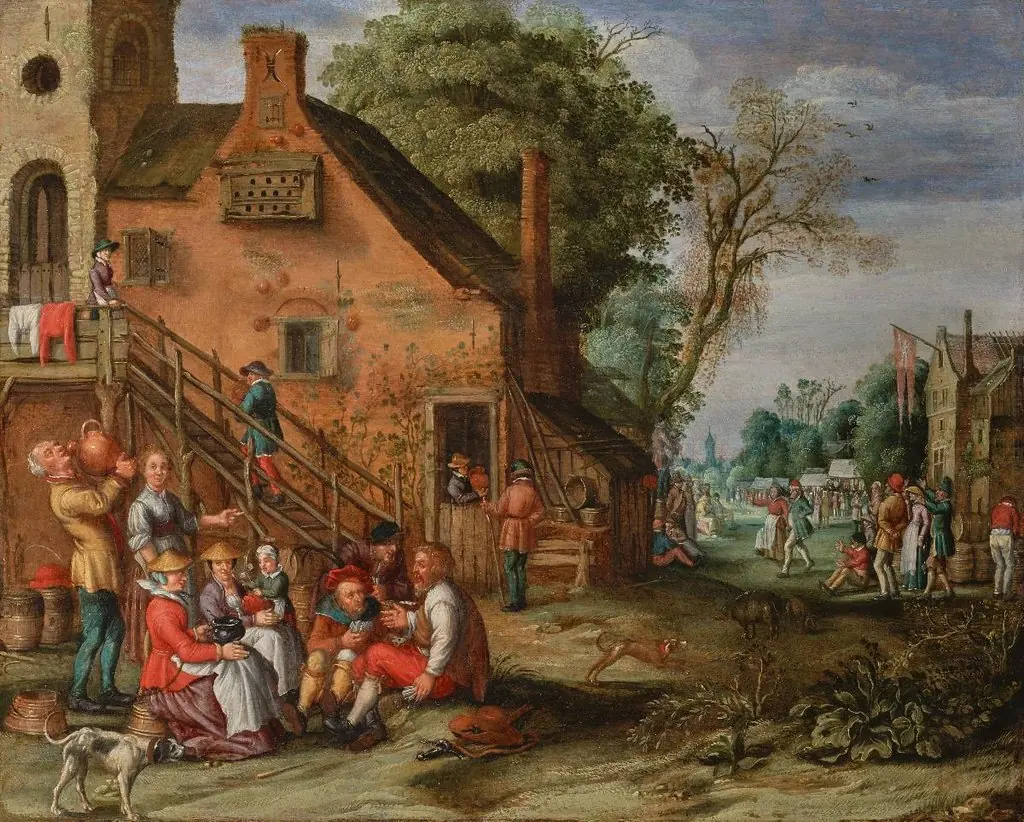 Frühling
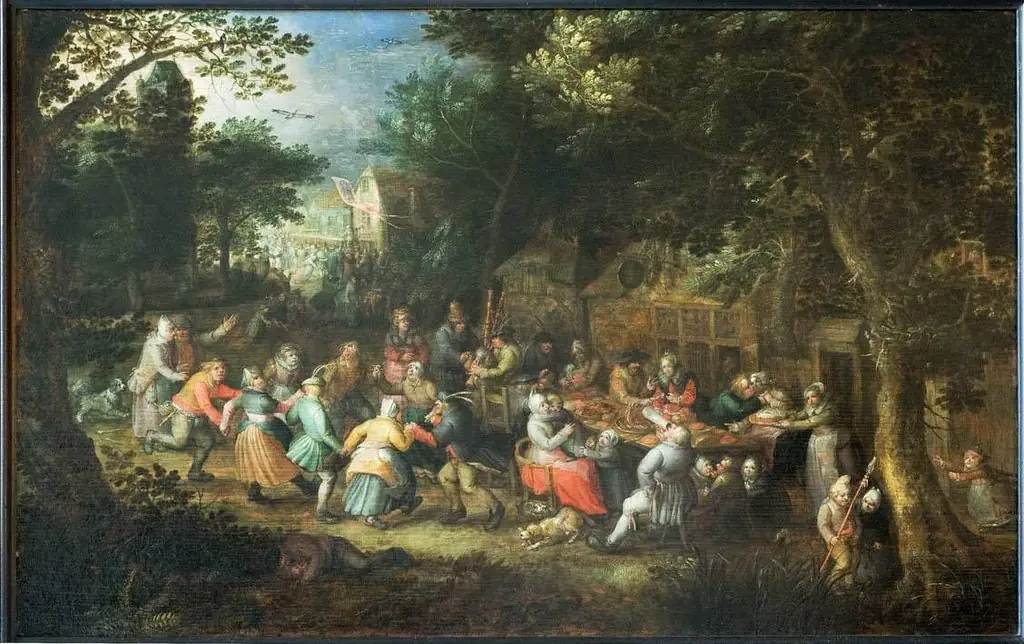 Eine Bauernkirmes
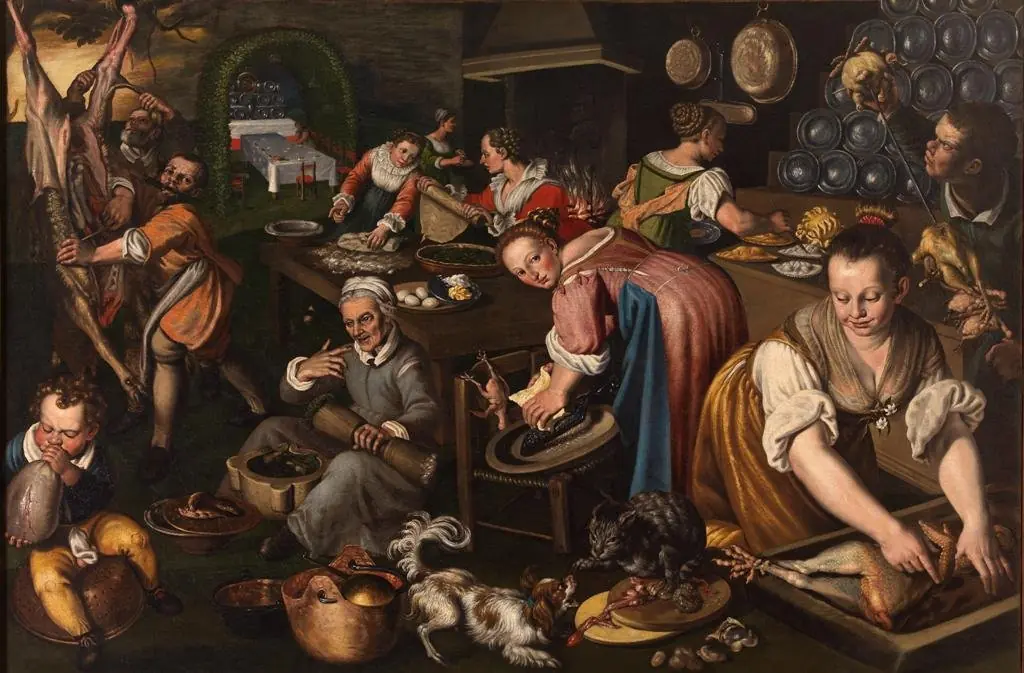 The Kitchen
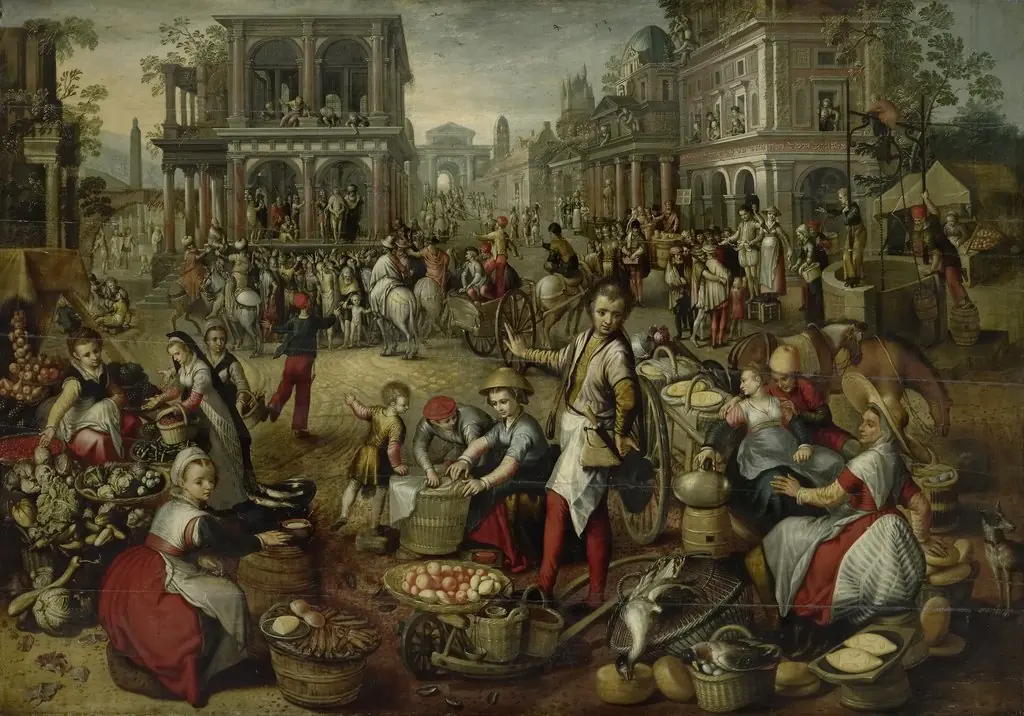 Marketplace with the flaggellation, the Ecce Homo and the bearing of the cross in the background
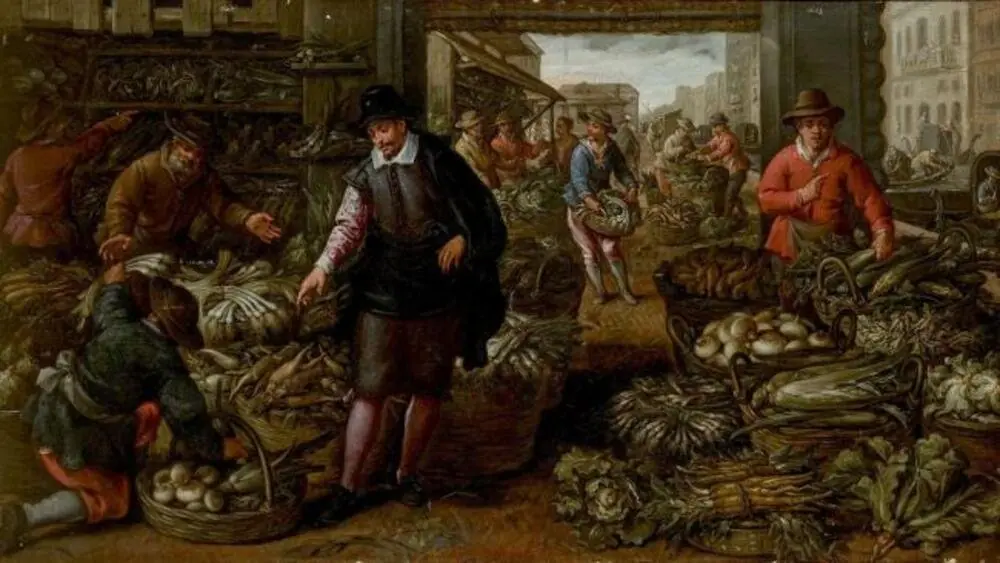 Vegetable Market in Venice
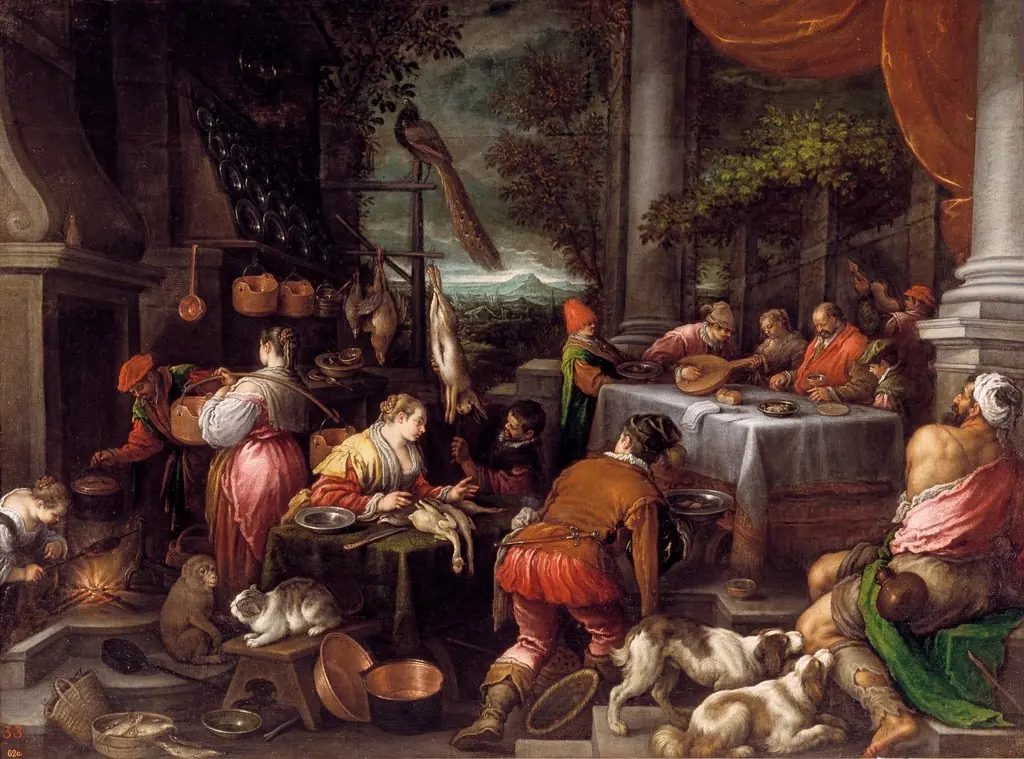 Lazarus and Dives
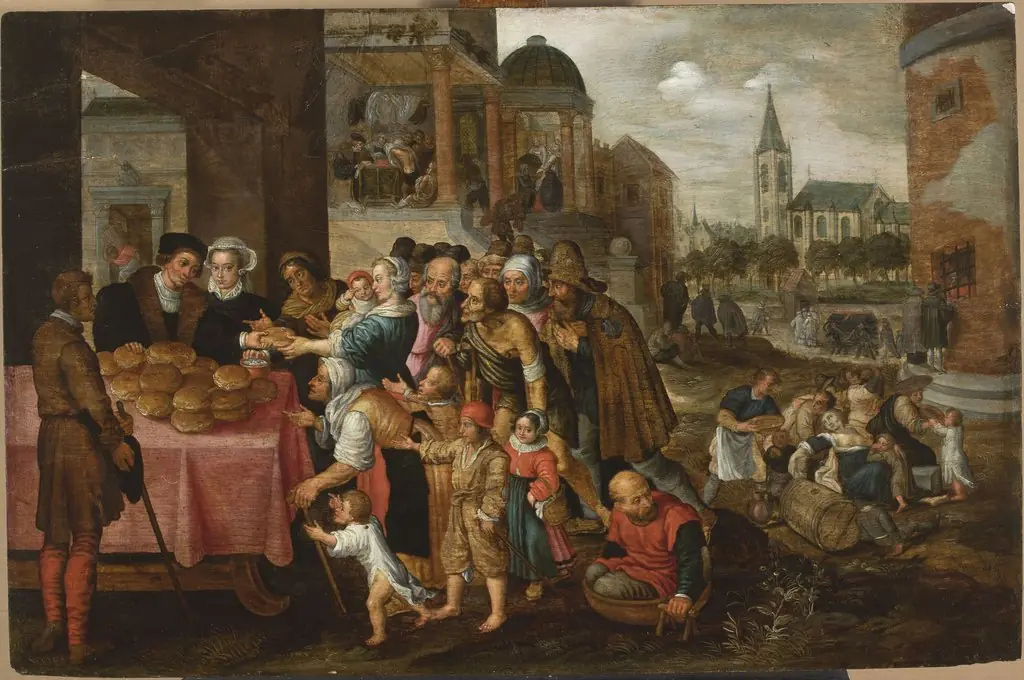 Christian deeds of mercy (Matthew 25:35-36)
 Beggars' neighborhood
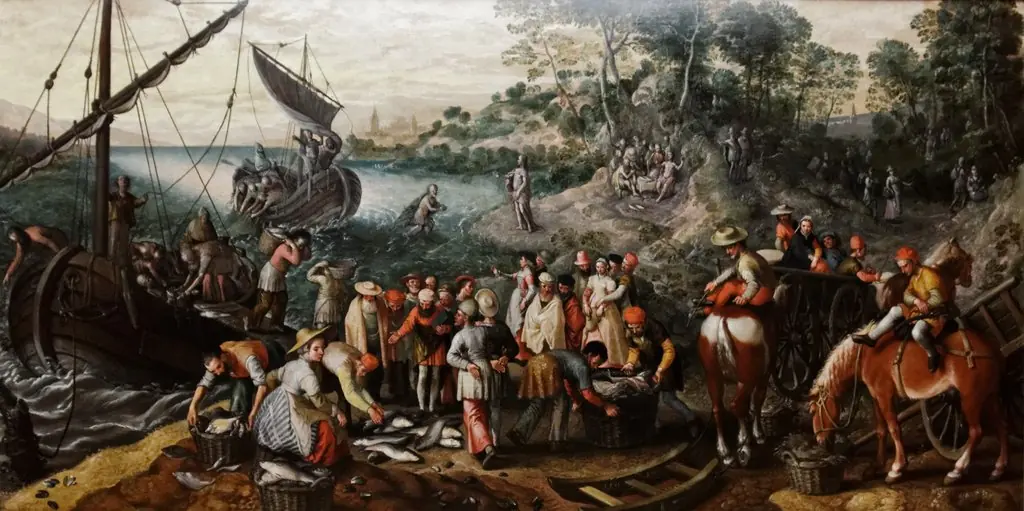 The Miraculous Draught of Fishes