Artwork
Pieter Brueghel de Oude. Zelfmoord van Saul
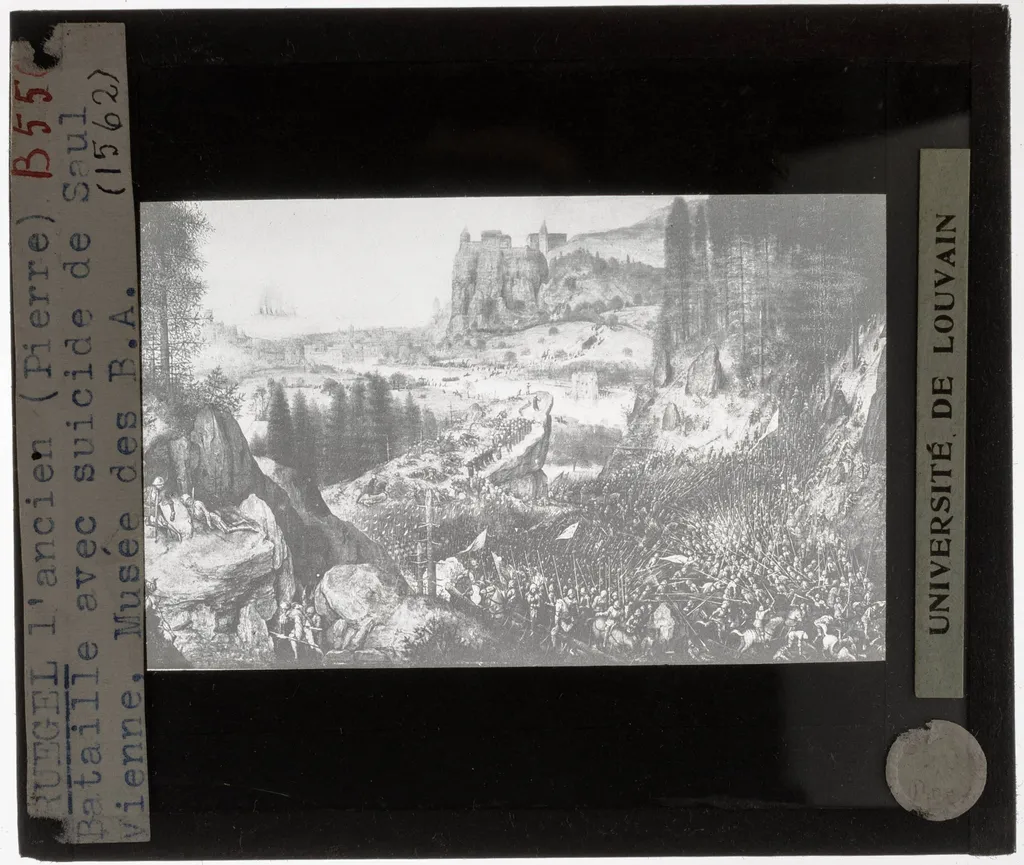
Pieter Brueghel de Oude. Zelfmoord van Saul is an unspecified painting by the Northern Renaissance artist Pieter Brueghel the Elder. It dates from 1562 and is held in the collection of the Catholic University of Leuven.
About this work
Brueghel painted it in 1562, during a time when artists loved detailed, busy scenes.
This painting shows King Saul kneeling on a hilltop. A soldier stands behind him with a spear. Saul’s eyes look up as he falls on his own sword.
The scene is from the Bible’s First Book of Samuel. It’s an old story—some say it’s the first suicide in Western art. Brueghel painted it in 1562, during a time when artists loved detailed, busy scenes. This one’s extra dark for the topic.
Check out Pieter Brueghel I next.
Overview
Pieter Bruegel the Elder’s 1562 oil on panel, titled “Zelfmoord van Saul,” portrays the biblical king Saul in the act of taking his own life. The composition places the monarch on a barren hilltop, his gaze directed upward as he collapses onto his sword, while a soldier with a spear stands behind him. The work is part of the Northern Renaissance tradition and is presently held in the Kunsthistorisches Museum in Vienna.
Subject & Meaning
The scene derives from the First Book of Samuel, where Saul, wounded in battle, chooses suicide rather than fall into enemy hands. Bruegel’s rendering emphasizes the tragic finality of the moment, highlighting Saul’s isolation and the stark contrast between the royal figure and the ordinary soldier.
Technique & Style
Executed in oil on wood, the painting displays Bruegel’s characteristic attention to detail and densely populated landscape, though the palette is notably somber to match the narrative’s gravity. The figures are rendered with precise modeling, and the composition balances a clear focal point—the king’s descent—with a broader, rugged terrain.
History & Provenance
Created in 1562, the work entered various collections over the centuries before arriving at the Kunsthistorisches Museum in Vienna, where it remains on display. The painting was documented in a 19th‑century slide series from the Université de Louvain, though the original photographer is unknown.
Context
During the mid‑16th century, Northern Renaissance artists often explored biblical themes with a heightened naturalism. Bruegel’s choice of a dramatic, morally charged episode reflects contemporary interest in human frailty and the consequences of hubris, aligning with the period’s moralizing tendencies.
Legacy
The depiction of Saul’s suicide is among the earliest known visual representations of self‑inflicted death in Western art, marking a precedent for later artists who tackled similarly charged subjects. Bruegel’s treatment continues to be studied for its narrative intensity and its place within his broader oeuvre.
Artist & collection
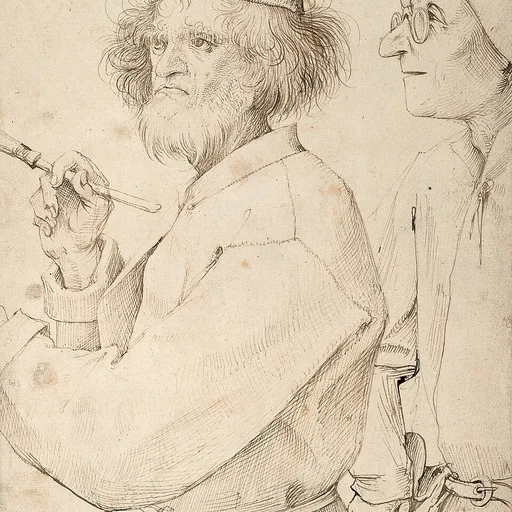
Artist
Pieter Bruegel (also Brueghel or Breughel) the Elder ( BROY-gəl, US also BROO-gəl; Dutch: ; c.
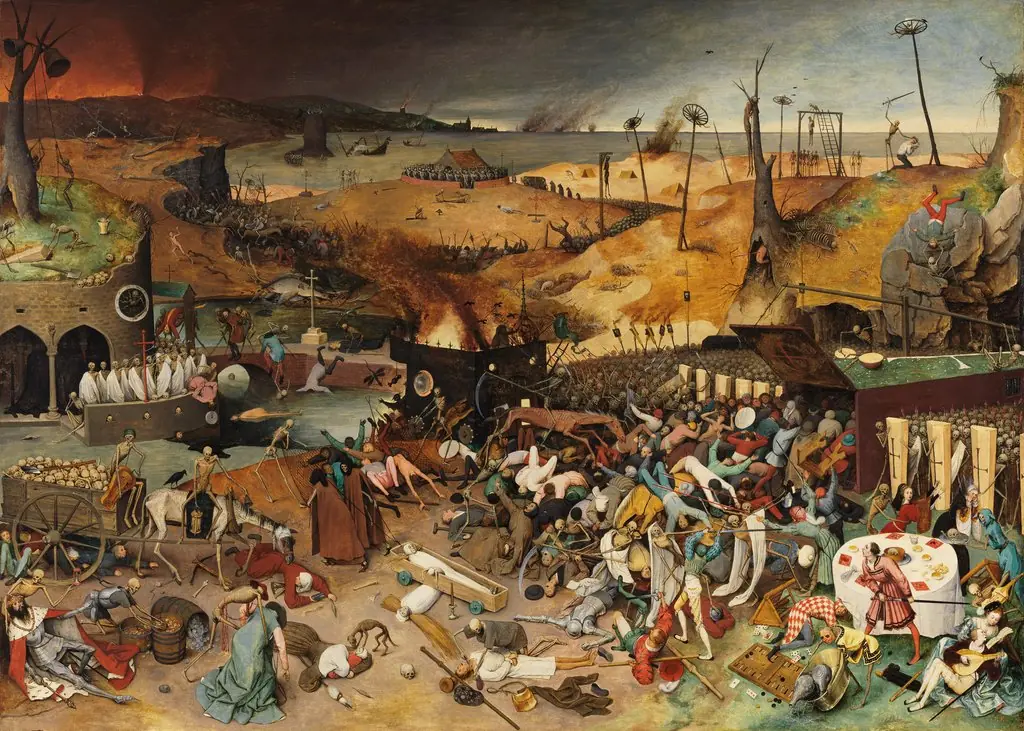
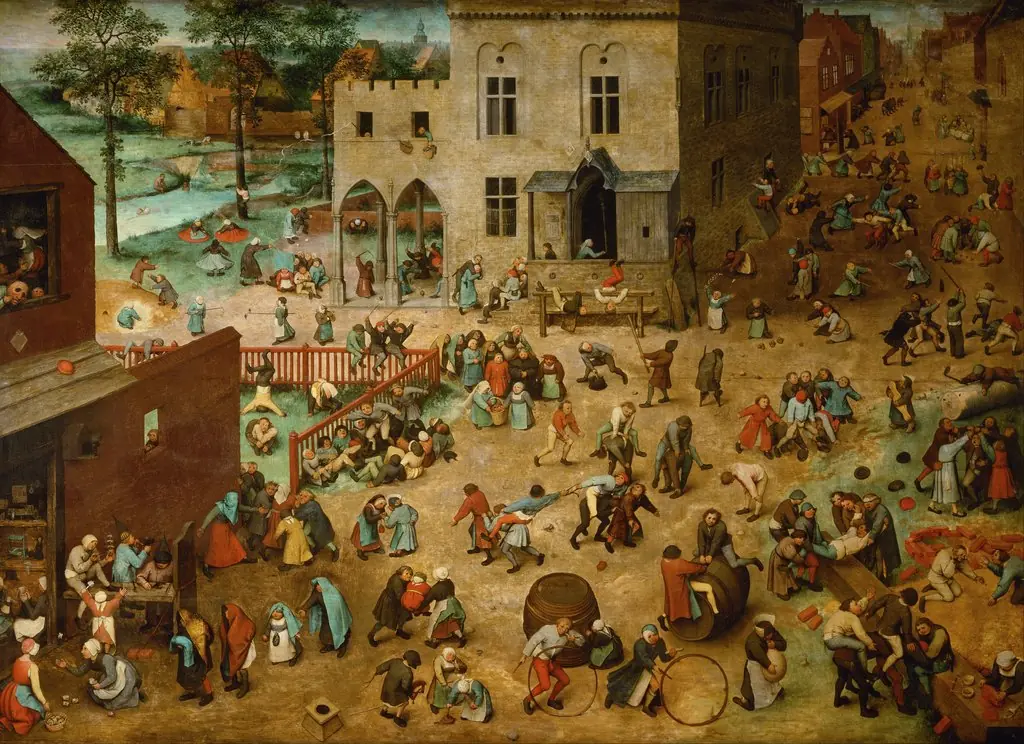
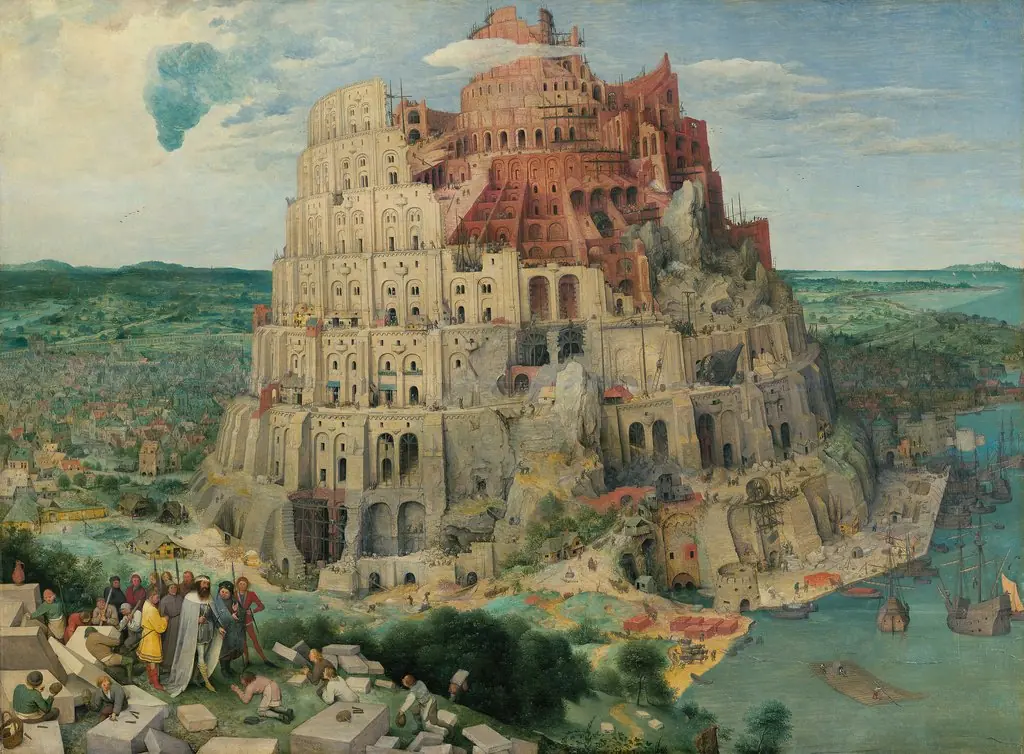
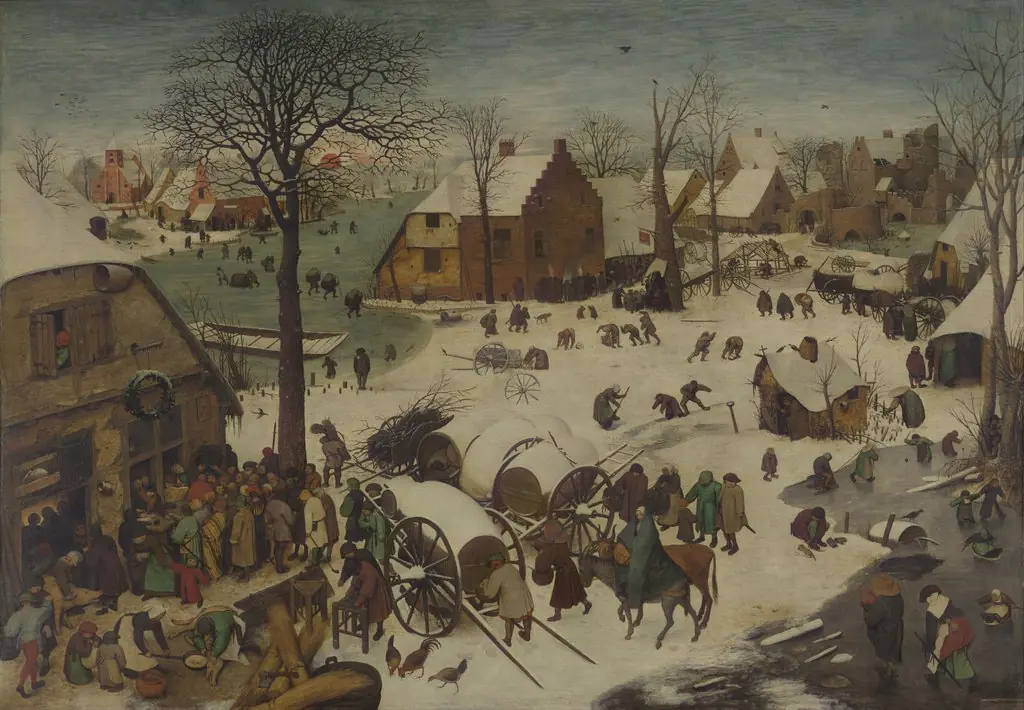
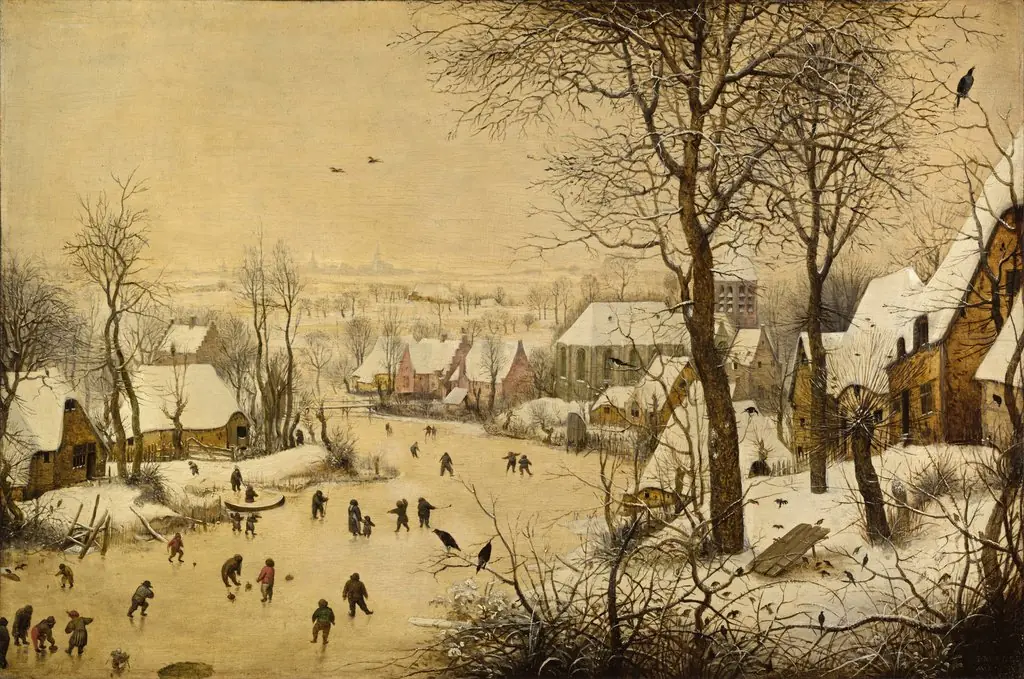
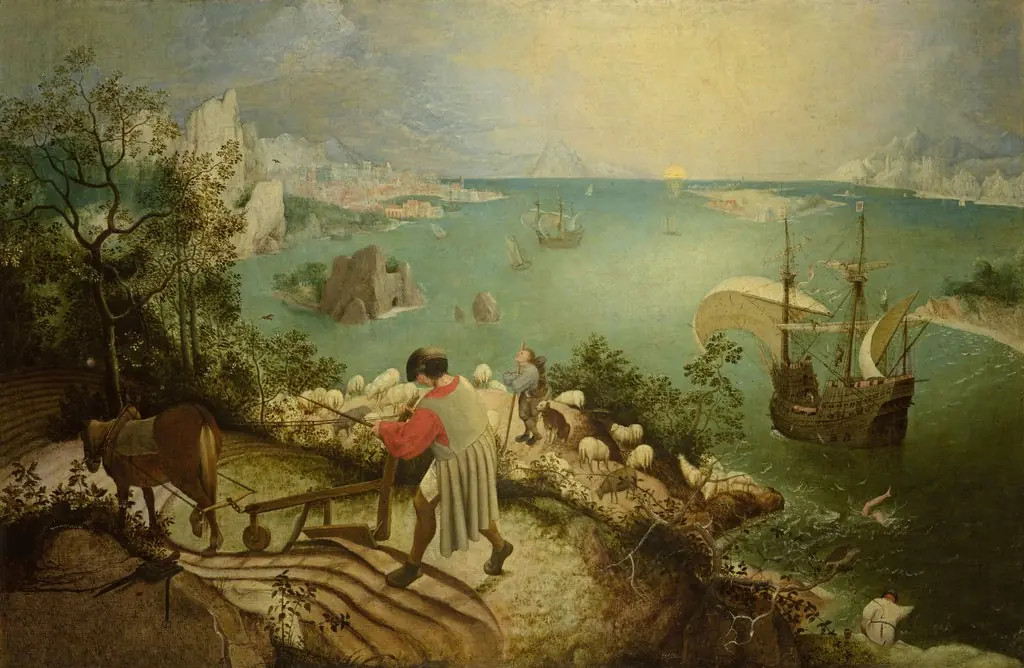
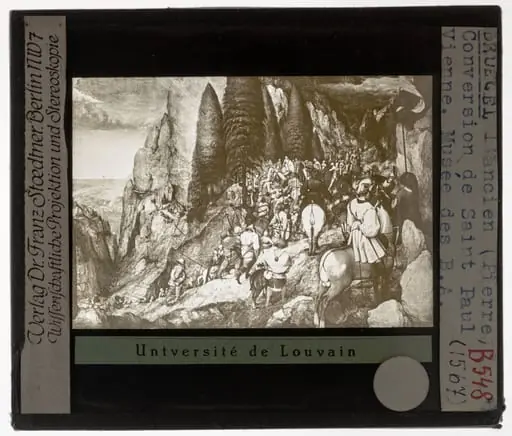 Pieter Brueghel the Elder. Conversion of Paul
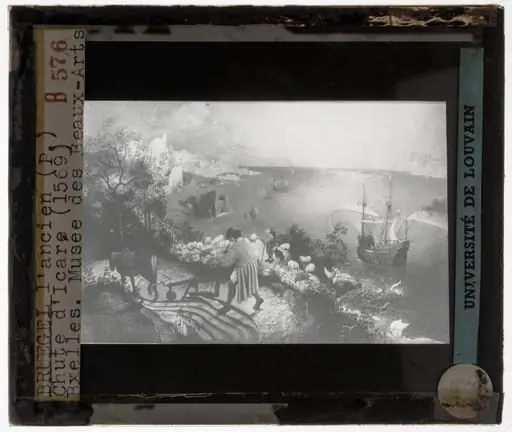 Pieter Brueghel de Oude. De val van Icarus
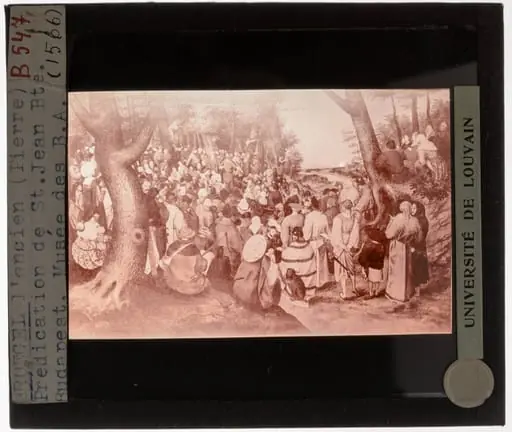 Pieter Brueghel de Oude. Prediking van Johannes de Doper
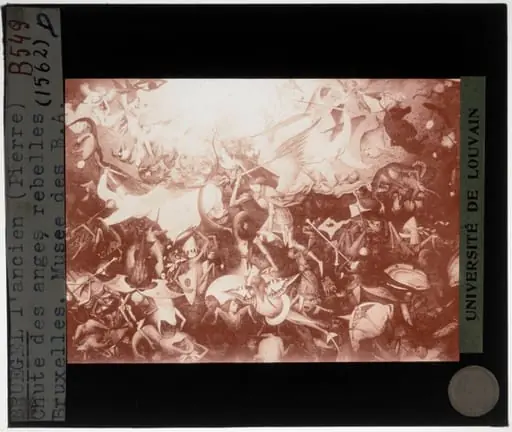 Pieter Brueghel the Elder. The fall of the rebellious angels
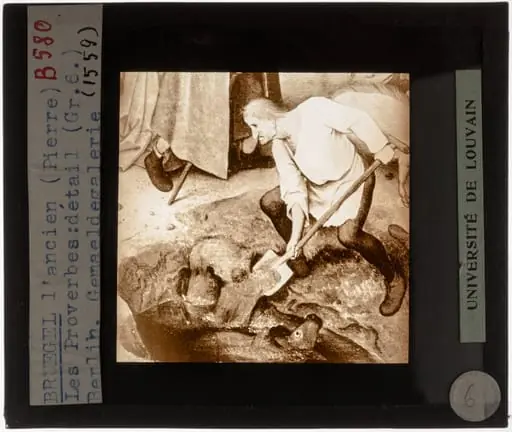 Pieter Brueghel de Oude. Nederlandse spreekwoorden Detail: Als 't kalf verdronken is, dempt men de put
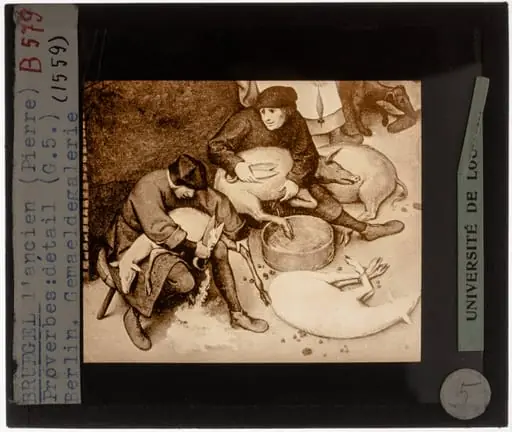 Pieter Brueghel the Elder. Dutch Proverbs Detail: One shears the sheep, the other the pigs
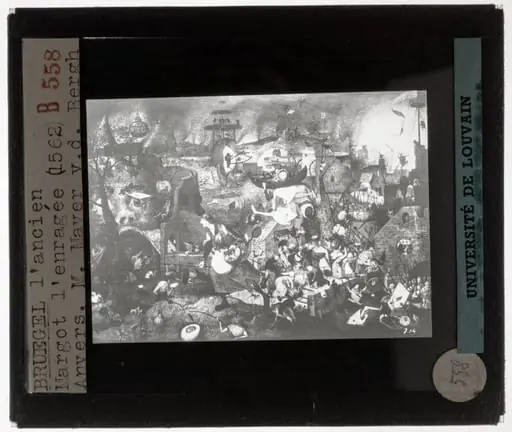 Pieter Brueghel de Oude. Dulle Griet
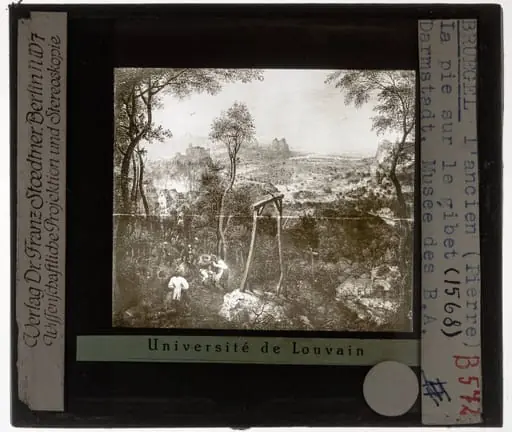 Pieter Brueghel the Elder. Magpie on the Gallows
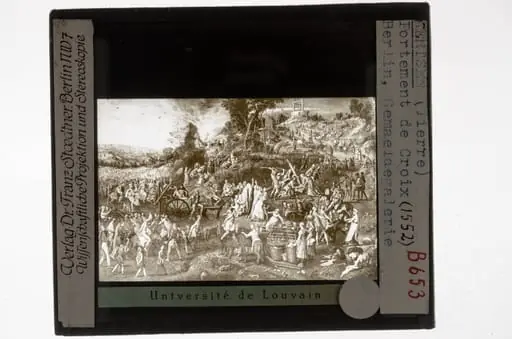 Pieter Aertsen. Crucifixion
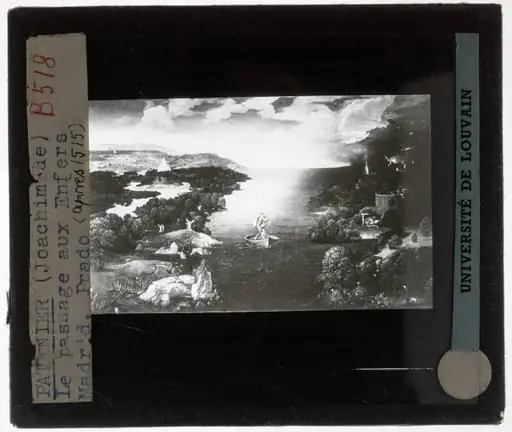 Joachim Patinir. De oversteek naar de onderwereld
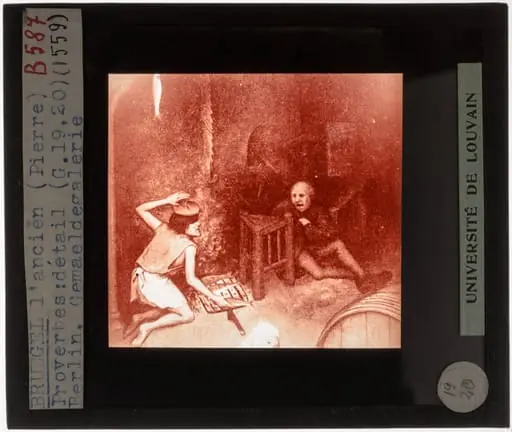 Pieter Brueghel de Oude. Nederlandse spreekwoorden Detail: Twee spreekwoorden