Artwork
Pieter Brueghel de Oude. Dulle Griet
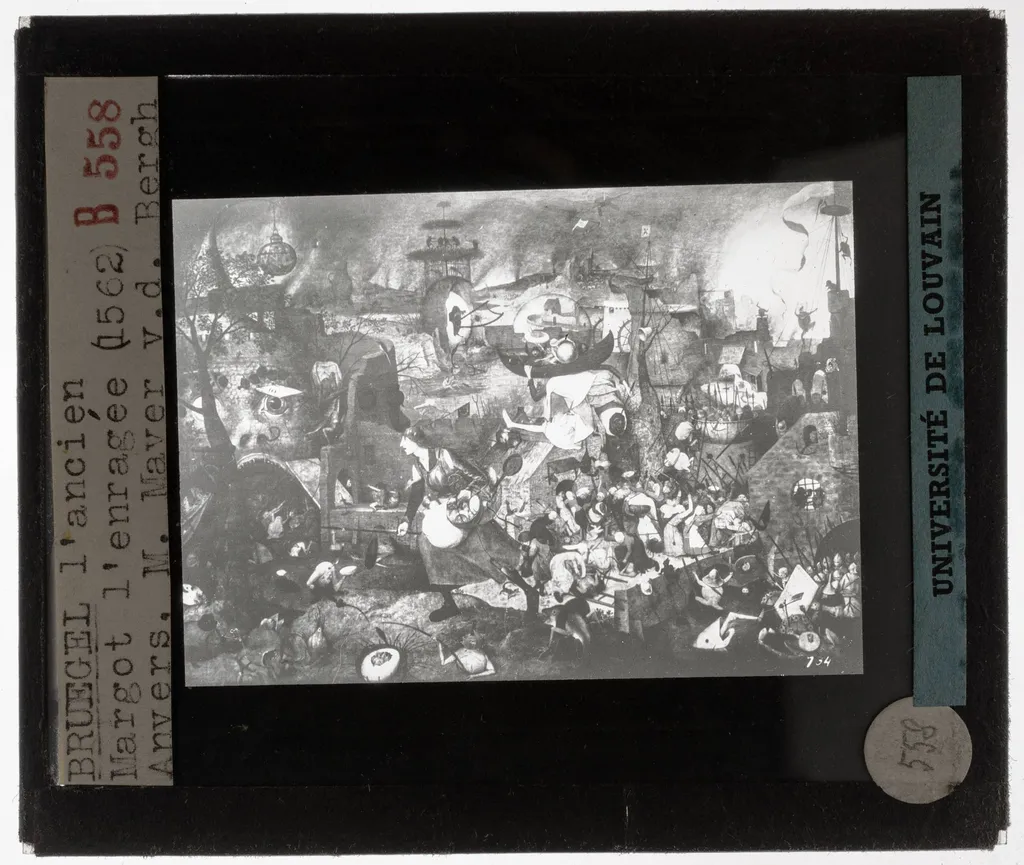
Pieter Brueghel de Oude. Dulle Griet is an unspecified painting by Pieter Brueghel the Elder. It is held in the collection of the Catholic University of Leuven. Pieter Bruegel the Elder’s oil on panel, commonly titled *Dulle Griet*, dates from around 1561 and belongs to the Northern Renaissance.
About this work
Overview
Pieter Bruegel the Elder’s oil on panel, commonly titled *Dulle Griet*, dates from around 1561 and belongs to the Northern Renaissance. The work is housed in the Museum Mayer van den Bergh in Antwerp, Belgium. It presents a densely populated, tumultuous scene that functions as an allegorical narrative rather than a straightforward historical record.
Subject & Meaning
They descend into a cavernous mouth that suggests the entrance to hell, looting, fighting and confronting a host of grotesque, fantastical creatures.
At the composition’s centre stands the eponymous Dulle Griet, a fierce, larger‑than‑life woman who commands a horde of similarly armed females. They descend into a cavernous mouth that suggests the entrance to hell, looting, fighting and confronting a host of grotesque, fantastical creatures. The chaotic tableau has been interpreted as a moralizing allegory on greed, war, or the folly of unchecked ambition.
Technique & Style
Bruegel employs his characteristic meticulous detail, filling the panel with a multitude of figures, animals and symbolic objects. A muted, earth‑toned palette of browns and deep reds creates a somber atmosphere, while the intricate rendering of textures—metal armor, ragged clothing, and monstrous forms—demonstrates his mastery of oil on wood. The composition’s crowded perspective reflects the Northern Renaissance’s interest in narrative complexity.
History & Provenance
The painting entered the collection of the Museum Mayer van den Bergh in the early twentieth century, after passing through several private hands. A photographic slide of the work, made sometime between 1839 and 1939 by an unknown photographer, is held in the KU Leuven glass‑slide archive, providing a historical record of its condition and scholarly interest.
Context
Created during the later phase of Bruegel’s career, *Dulle Griet* aligns with his series of large, allegorical works that critique societal vices. The piece reflects contemporary Flemish concerns about war and moral decay, echoing the turbulent political climate of the Low Countries in the mid‑sixteenth century.
Legacy
*Dulle Griet* has long served as a reference point for studies of Bruegel’s symbolic language and his capacity to blend satire with detailed observation. Its influence can be traced in later Northern European art that employs chaotic, crowd‑filled scenes to convey moral or social commentary.
Artist & collection
Artist
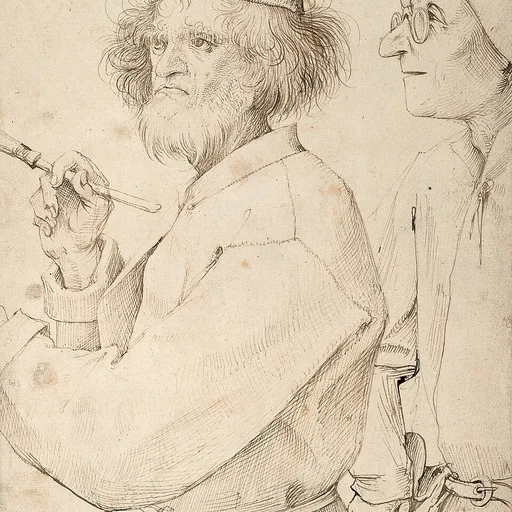
Pieter Bruegel (also Brueghel or Breughel) the Elder ( BROY-gəl, US also BROO-gəl; Dutch: ; c.
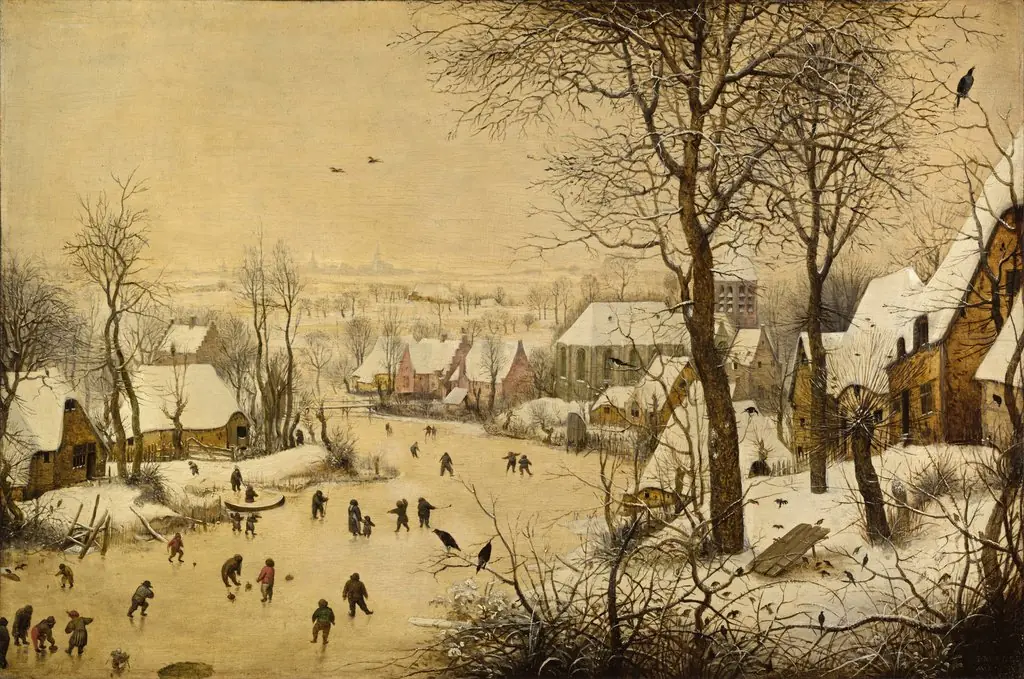
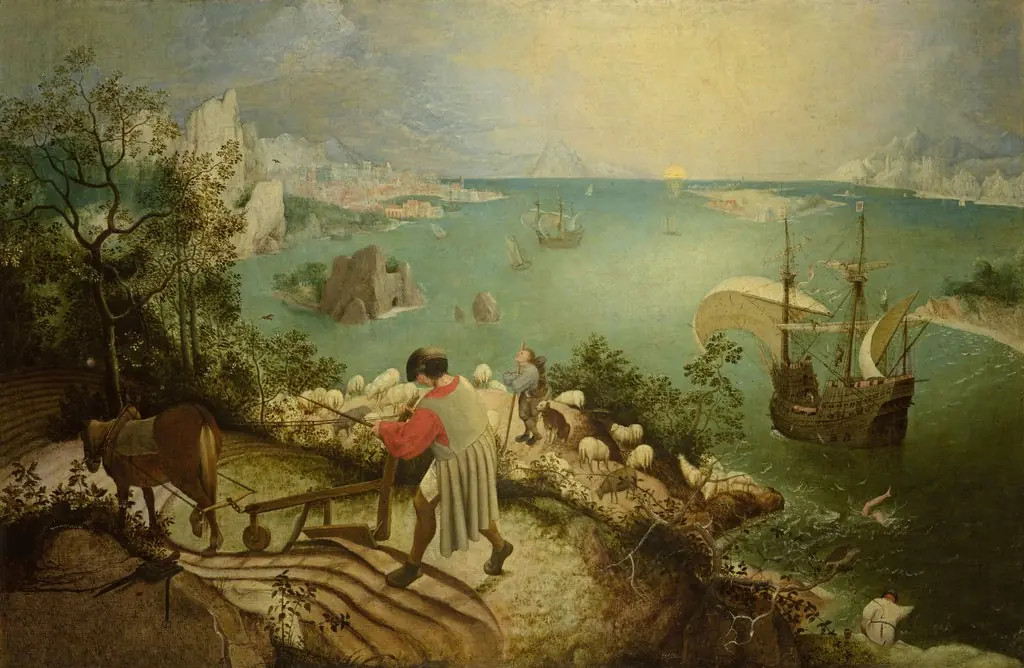
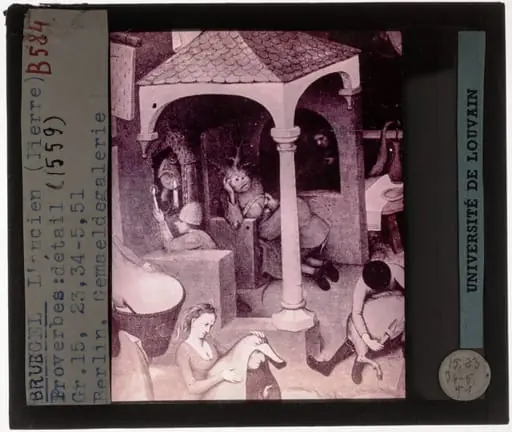 Pieter Brueghel de Oude. Nederlandse spreekwoorden Detail: Vijf spreekwoorden
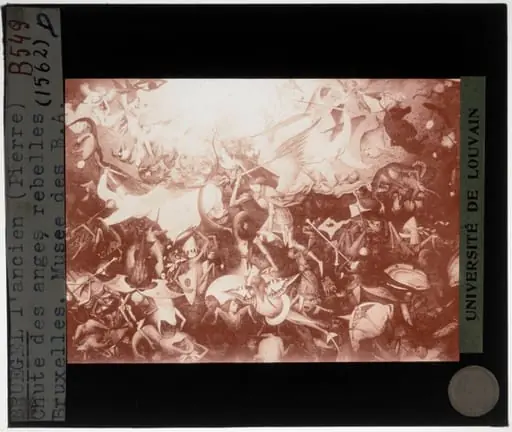 Pieter Brueghel the Elder. The fall of the rebellious angels
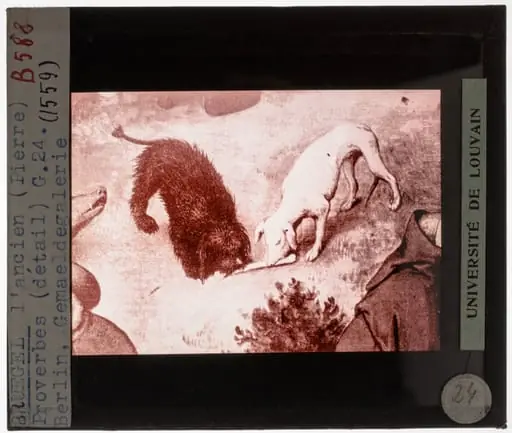 Pieter Brueghel de Oude. Nederlandse spreekwoorden Detail: Twee honden aan een been, komen zelden overeen
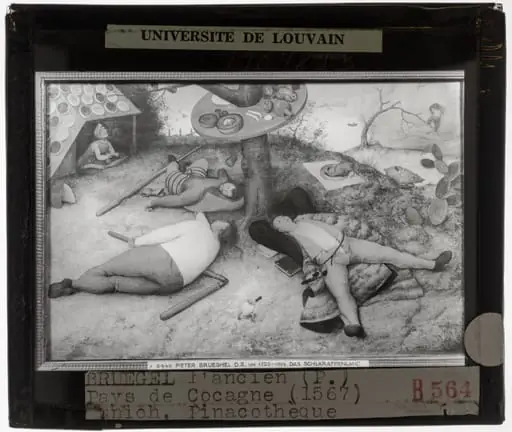 Pieter Brueghel de Oude. Luilekkerland
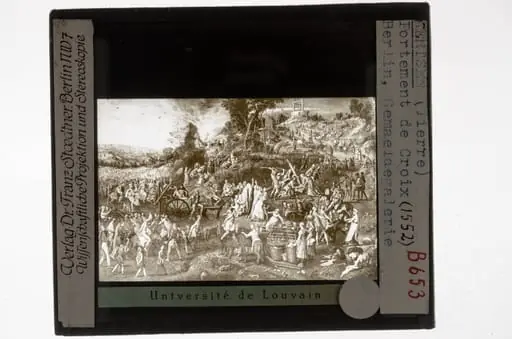 Pieter Aertsen. Crucifixion
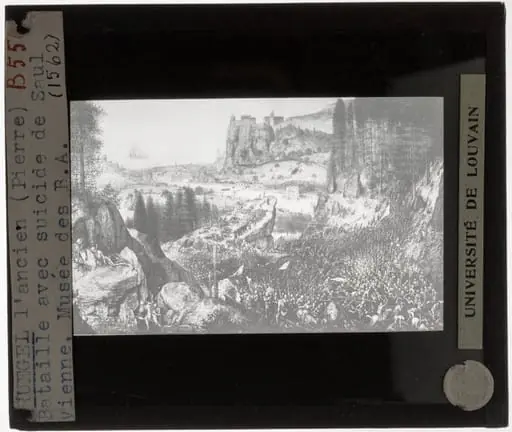 Pieter Brueghel de Oude. Zelfmoord van Saul
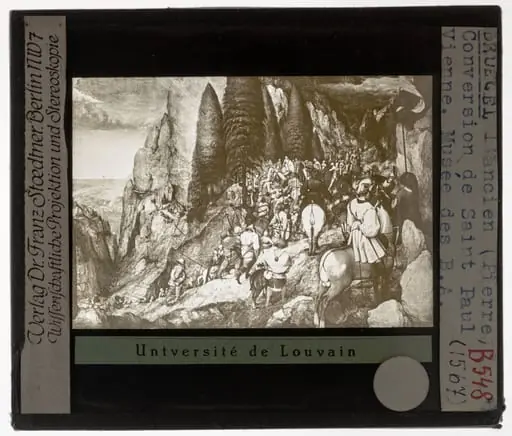 Pieter Brueghel the Elder. Conversion of Paul
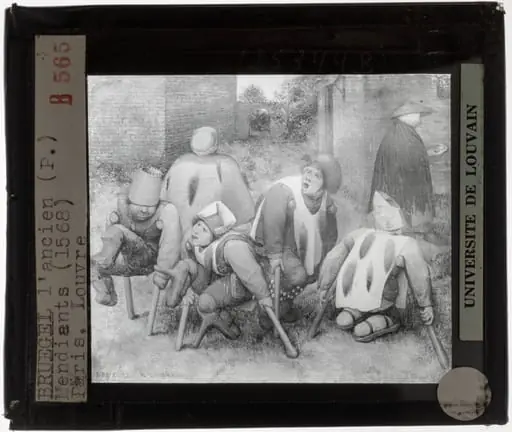 Pieter Brueghel de Oude. De Kreupelen
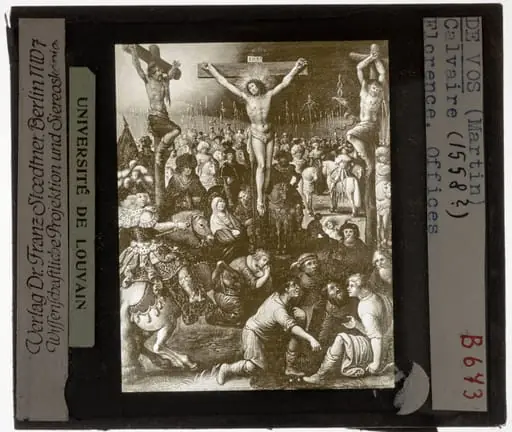 Maarten de Vos. Calvarie
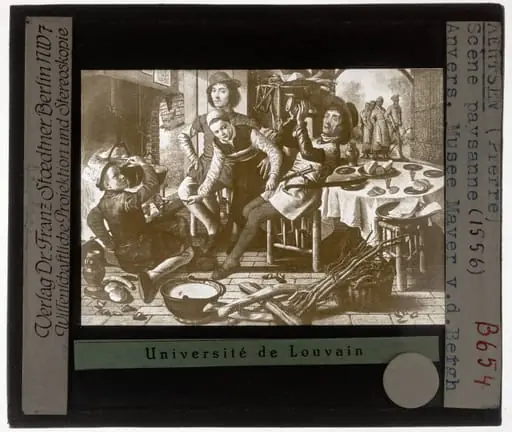 Pieter Aertsen. Boerengezelschap bij de haard
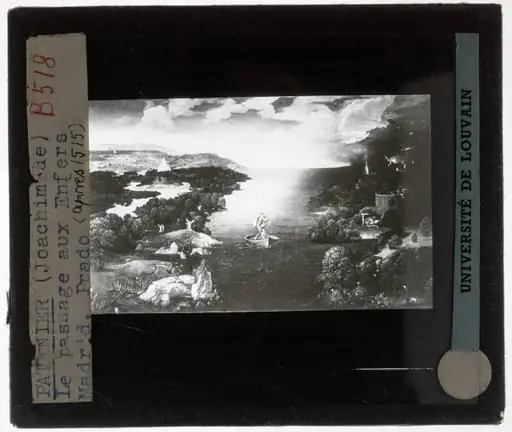 Joachim Patinir. De oversteek naar de onderwereld
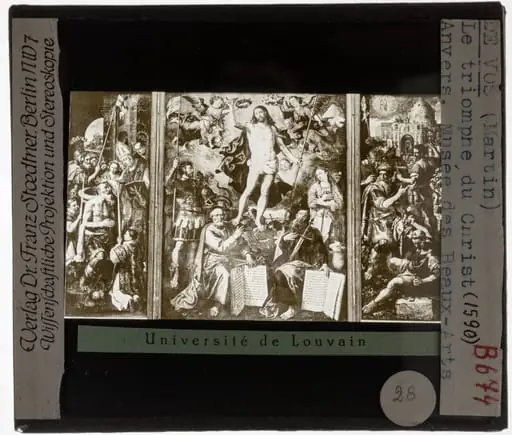 Maarten de Vos. Altaarstuk van de gilde van de oude voetboog