Artwork
Pieter Brueghel de Oude. Nederlandse spreekwoorden Detail: Twee spreekwoorden
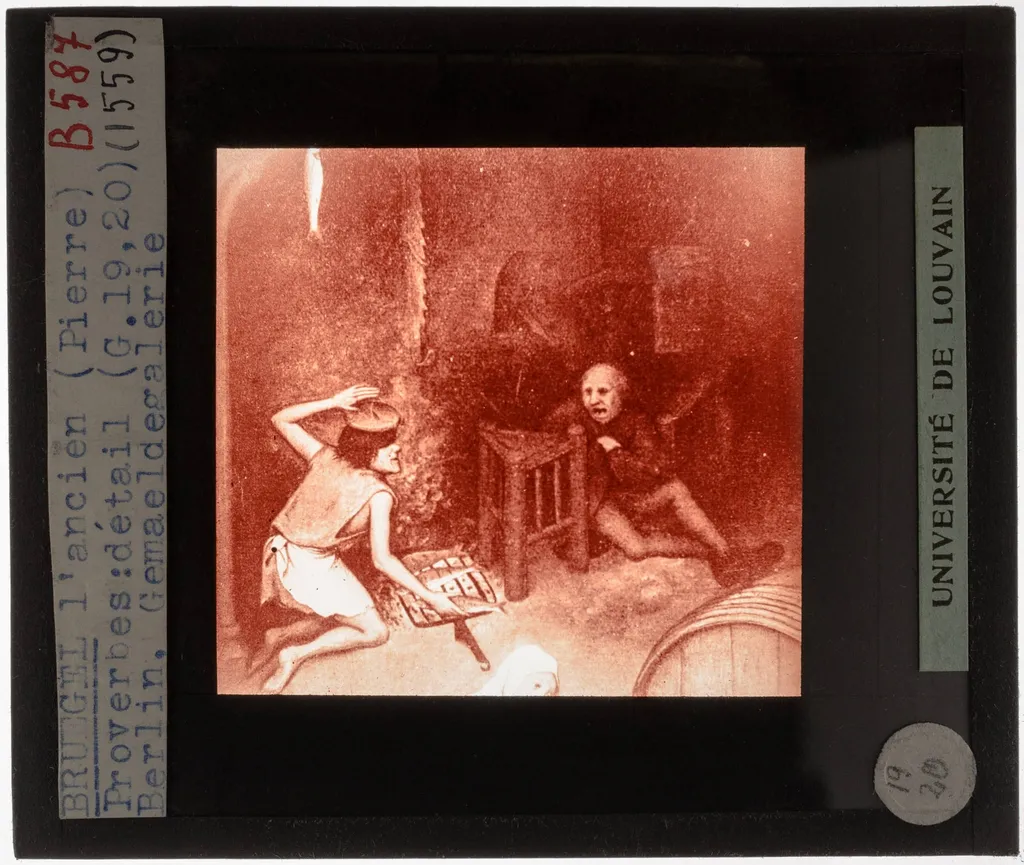
Pieter Brueghel de Oude. Nederlandse spreekwoorden Detail: Twee spreekwoorden is an unspecified painting by the Northern Renaissance artist Pieter Brueghel the Elder. It dates from 1559 and is held in the collection of the Catholic University of Leuven. Pieter Bruegel the Elder’s oil on panel, dated 1559, belongs to the Northern Renaissance.
About this work
Overview
Pieter Bruegel the Elder’s oil on panel, dated 1559, belongs to the Northern Renaissance. The work is an allegorical composition populated by numerous figures engaged in everyday activities that illustrate a series of Dutch proverbs. It is presently held in the Staatliche Museen zu Berlin, Germany.
Subject & Meaning
The painting functions as a visual catalogue of popular sayings, each scene representing a distinct proverb. Figures are shown performing actions such as discarding money, a motif that conveys moral commentary on greed and folly. The collective narrative invites viewers to decode the embedded moral lessons.
Technique & Style
Executed in oil on wood, Bruegel employs a finely detailed, almost microscopic approach to crowd scenes, characteristic of his Northern Renaissance style. The work displays careful modeling of light and shadow, creating depth without relying on the dramatic chiaroscuro later associated with Baroque artists.
History & Provenance
Created in the mid‑16th century, the painting entered the collection of the Staatliche Museen zu Berlin, where it remains on display. Its provenance prior to acquisition by the German state museums is not documented in the available sources.
Context
During Bruegel’s career, genre scenes that visualized proverbs were a popular means of reflecting social values. This work aligns with his broader interest in peasant life and moralizing narratives, situating it within the cultural milieu of the Low Countries in the 1550s.
Artist & collection
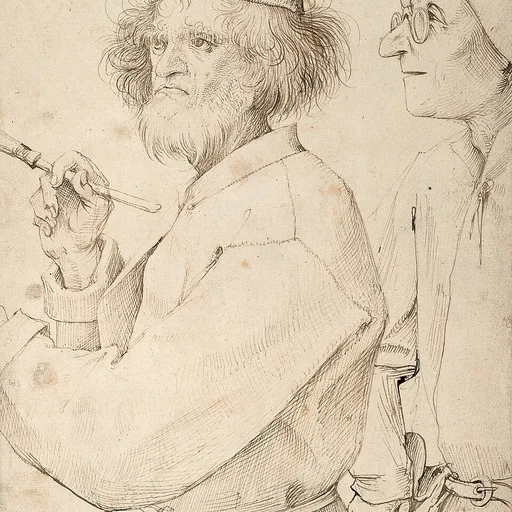
Artist
Pieter Bruegel (also Brueghel or Breughel) the Elder ( BROY-gəl, US also BROO-gəl; Dutch: ; c.
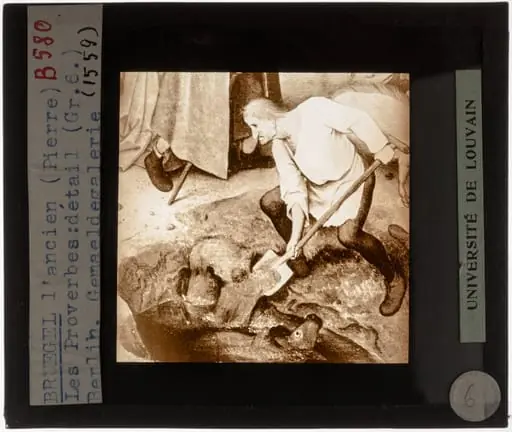 Pieter Brueghel de Oude. Nederlandse spreekwoorden Detail: Als 't kalf verdronken is, dempt men de put
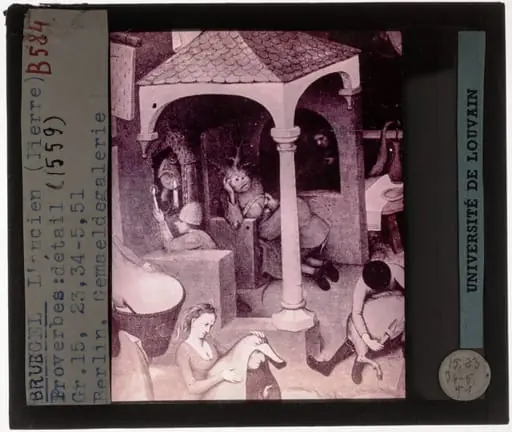 Pieter Brueghel de Oude. Nederlandse spreekwoorden Detail: Vijf spreekwoorden
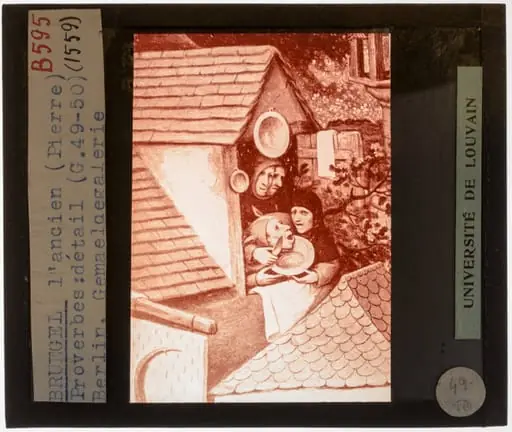 Pieter Brueghel the Elder. Dutch proverbs Detail: Two proverbs
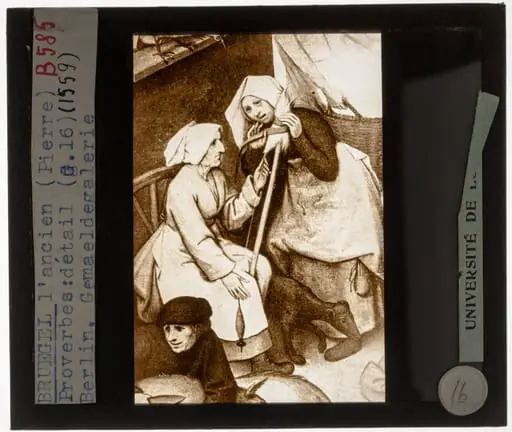 Pieter Brueghel de Oude. Nederlandse spreekwoorden Detail: De ene rokkent wat de andere spint
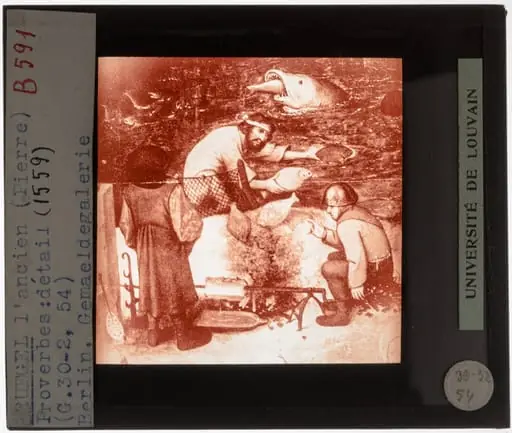 Pieter Brueghel the Elder. Dutch proverbs Detail: Five proverbs
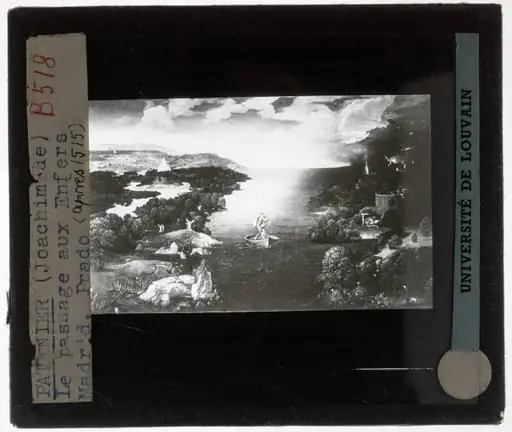 Joachim Patinir. De oversteek naar de onderwereld
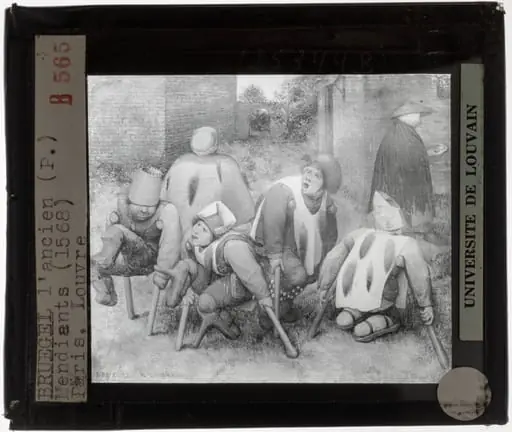 Pieter Brueghel de Oude. De Kreupelen
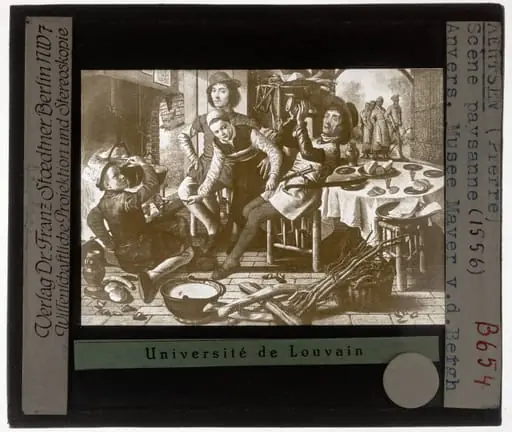 Pieter Aertsen. Boerengezelschap bij de haard
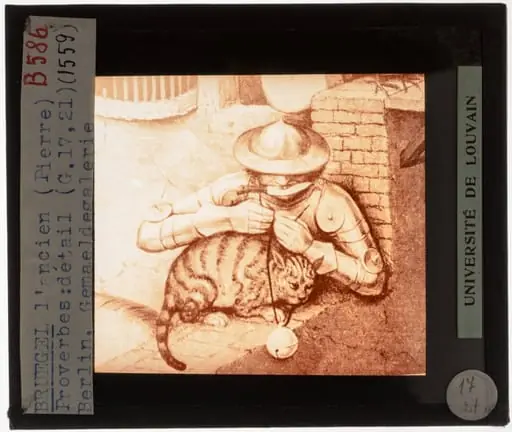 Pieter Brueghel de Oude. Nederlandse spreekwoorden Detail: De kat de bel aanbinden
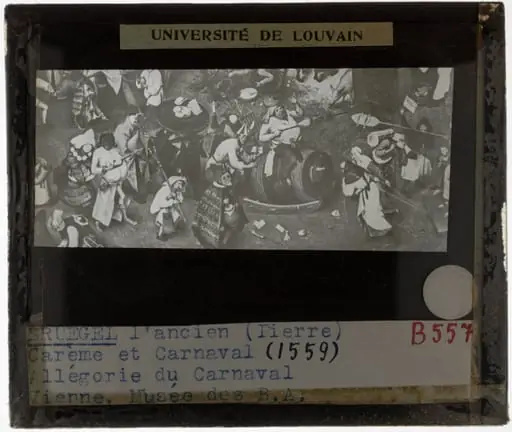 Pieter Brueghel de Oude. Strijd tussen Carnaval en Vasten Detail: Allegorie van Carnaval
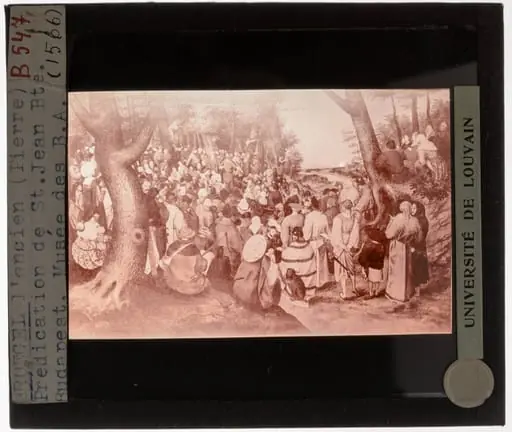 Pieter Brueghel de Oude. Prediking van Johannes de Doper
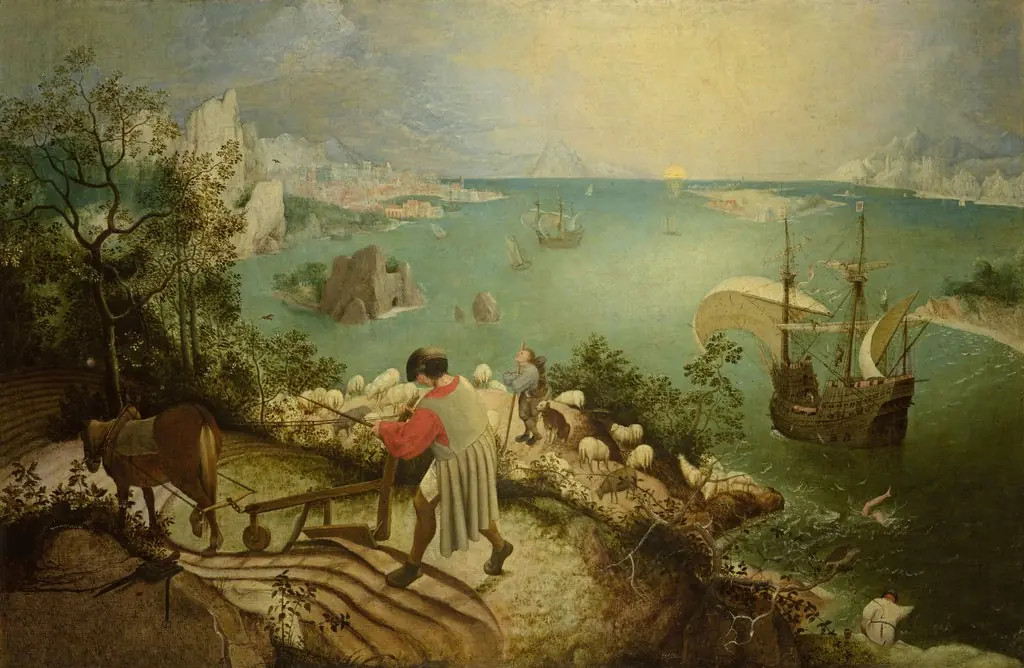
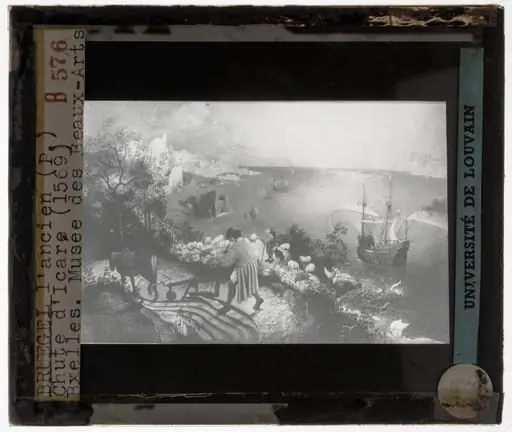 Pieter Brueghel de Oude. De val van Icarus