Artwork
Pieter Brueghel the Elder (copy). The Massacre of the Innocents
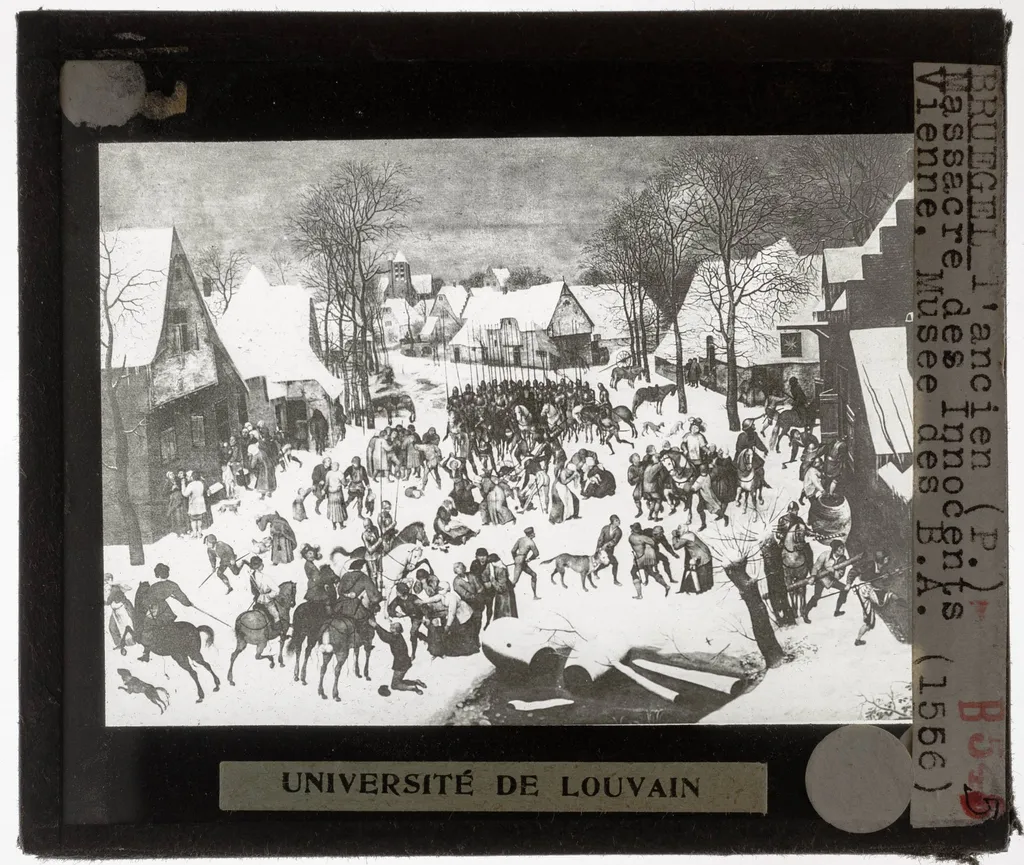
Pieter Brueghel the Elder (copy). The Massacre of the Innocents is an unspecified painting by Pieter Brueghel the Elder. It is held in the collection of the Catholic University of Leuven.
About this work
Overview
The Massacre of the Innocents, attributed to Pieter Brueghel the Elder, is a 16th-century Northern Renaissance painting depicting a somber biblical scene with subtle yet potent visual commentary.
Subject & Meaning
The painting illustrates the biblical narrative of the Massacre of the Innocents, where Roman soldiers slaughter newborns in Bethlehem. However, Brueghel anachronistically dresses the soldiers in 16th-century attire, potentially critiquing contemporary violence or oppression. The brutality is conveyed through discreet, intense details rather than overt gore.
Technique & Style
Executed in oil on panel, the work features a predominantly cold, gray palette punctuated by the vibrant red of the soldiers' coats, drawing the viewer's eye to the aggressors. This chromatic choice heightens the emotional impact of the scene. The artist's use of everyday, relatable settings for a biblical event is characteristic of Northern Renaissance humanist tendencies.
History & Provenance
The exact creation date is uncertain, though attributed to around 1556. The painting is now housed at the Kunsthistorisches Museum Wien in Vienna, Austria, having been part of a slide collection at KU Leuven and Université de Louvain between 1839 and 1939.
Context
Created during the Northern Renaissance, this work reflects the era's focus on detailed realism and the reinterpretation of religious themes in contemporary contexts. The blending of biblical subject matter with 16th-century elements speaks to the artist's engagement with both religious narrative and social commentary.
Legacy
The Massacre of the Innocents showcases Brueghel's adeptness at embedding profound social and religious critique within meticulously crafted scenes, influencing subsequent artists in their approach to narrative depth and subtle symbolism.
Artist & collection
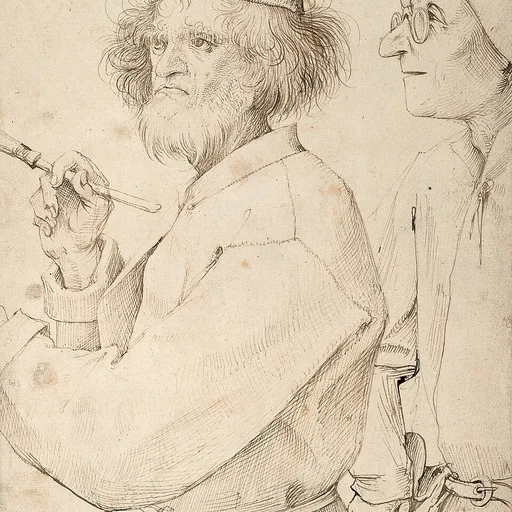
Artist
Pieter Bruegel (also Brueghel or Breughel) the Elder ( BROY-gəl, US also BROO-gəl; Dutch: ; c.
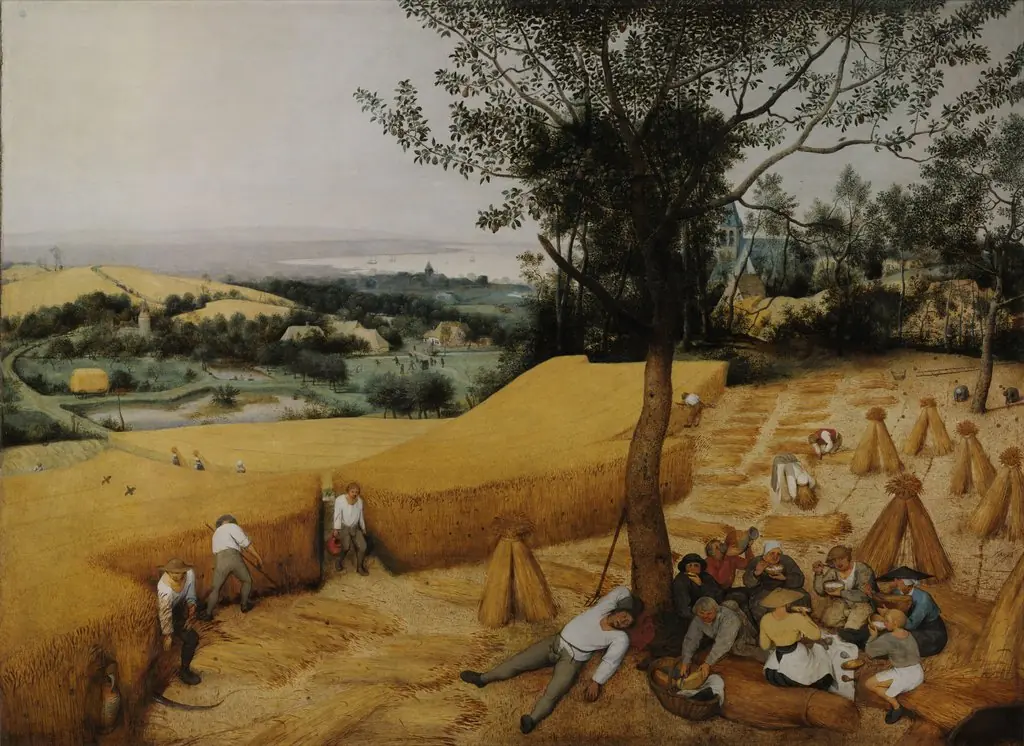
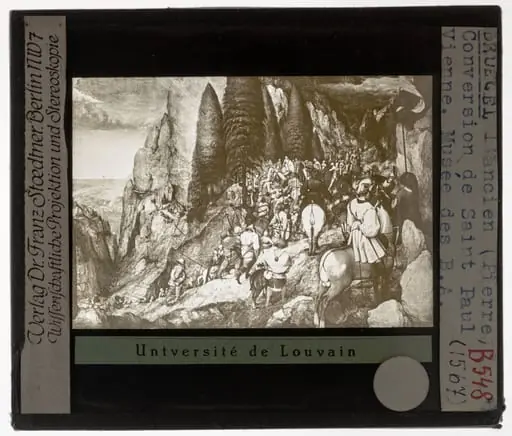 Pieter Brueghel the Elder. Conversion of Paul
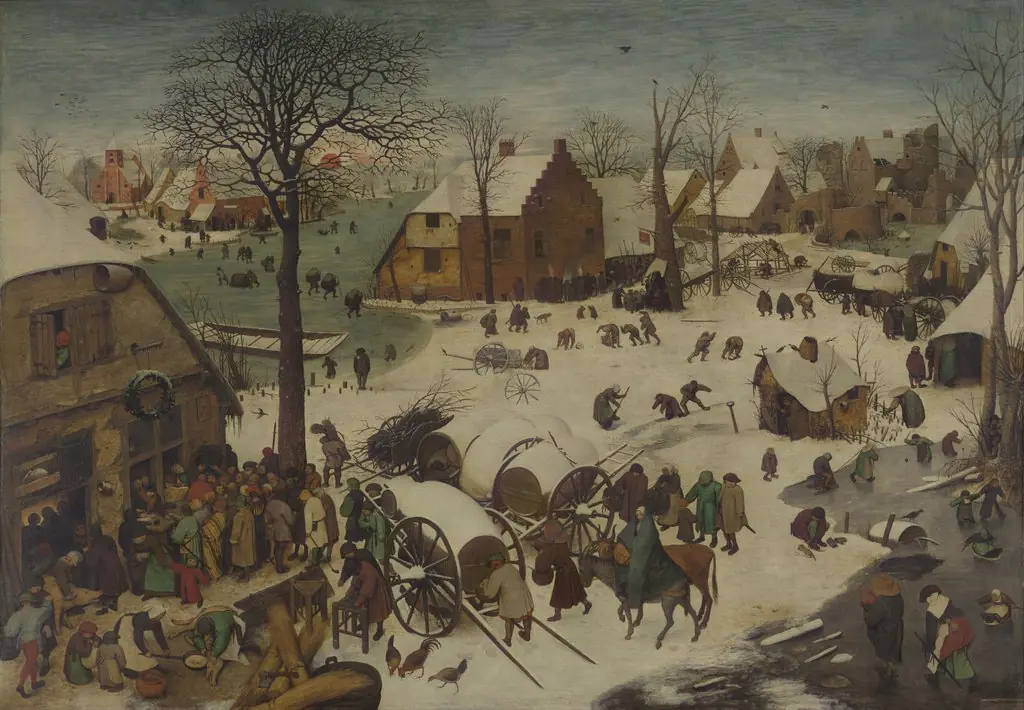
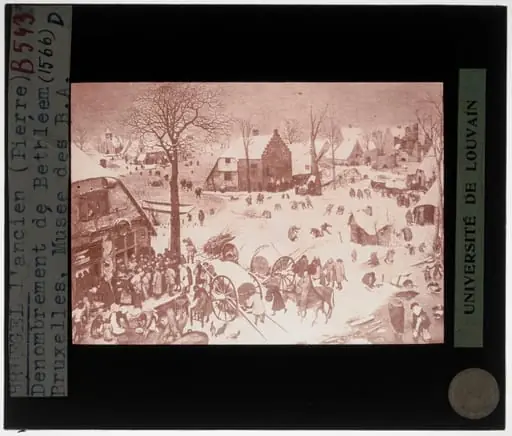 Pieter Brueghel the Elder. The census of Bethlehem
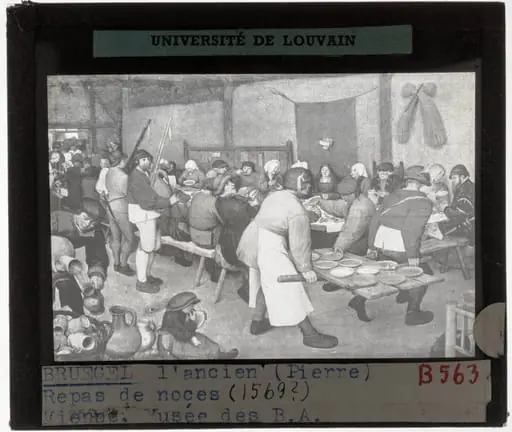 Pieter Brueghel the Elder. Peasant Wedding
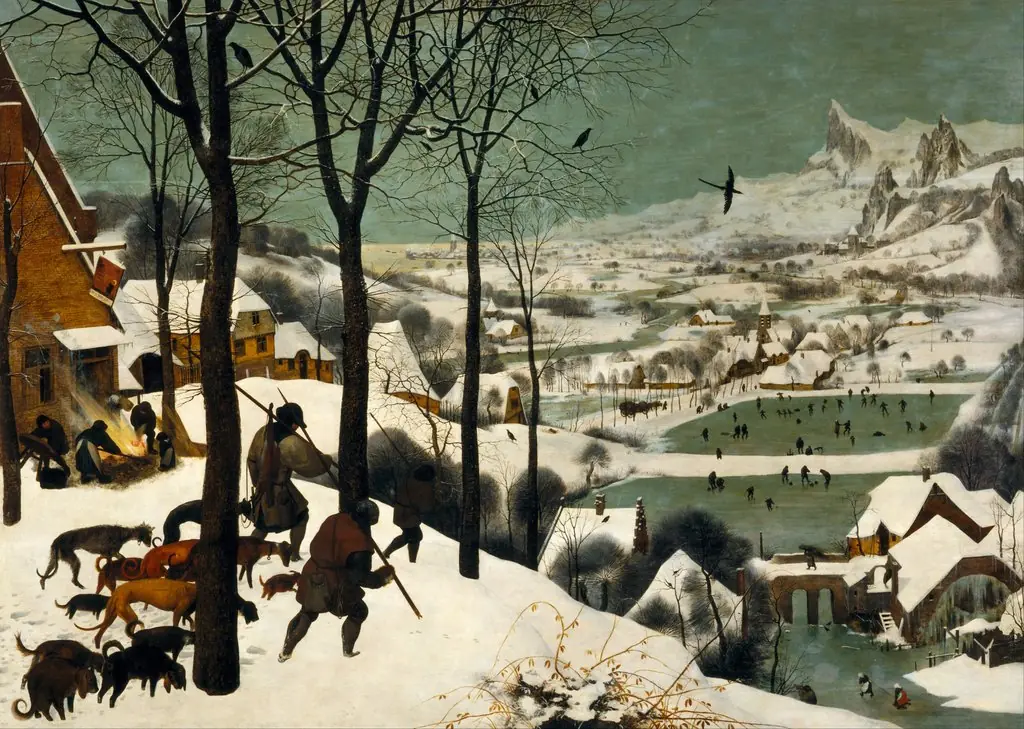
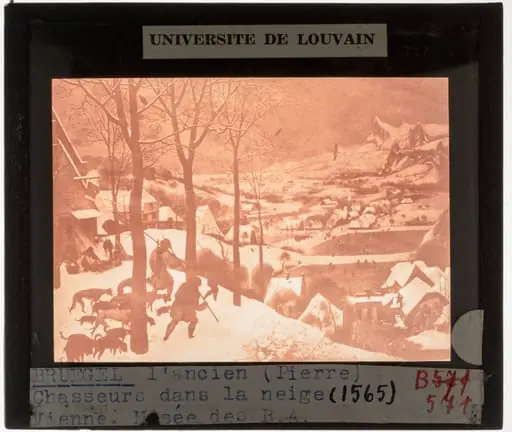 Pieter Brueghel de Oude. Jagers in de Sneeuw
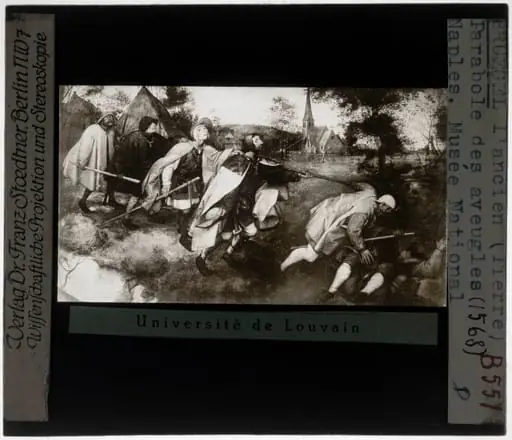 Pieter Brueghel the Elder. The Parable of the Blind
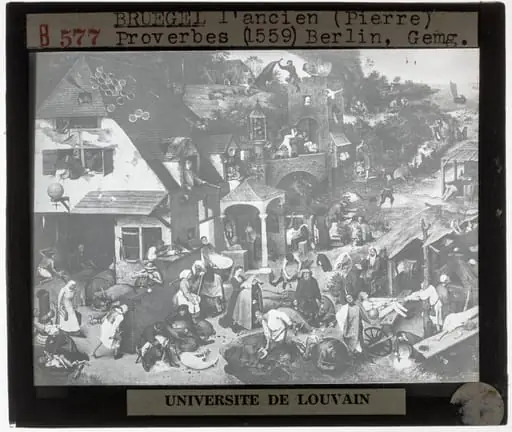 Pieter Brueghel de Oude. Nederlandse spreekwoorden
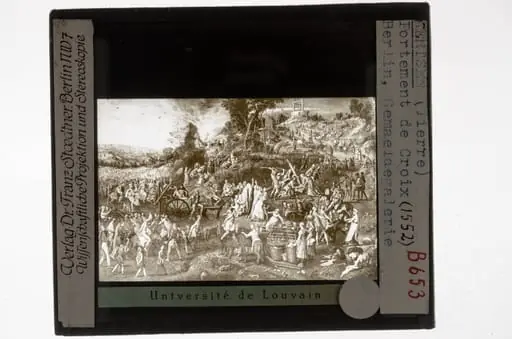 Pieter Aertsen. Crucifixion
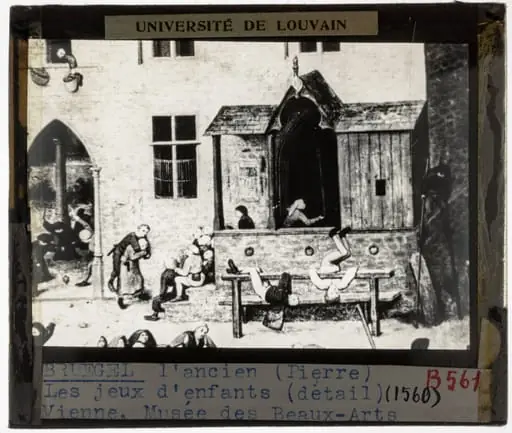 Pieter Brueghel de Oude. Kinderspelen Detail
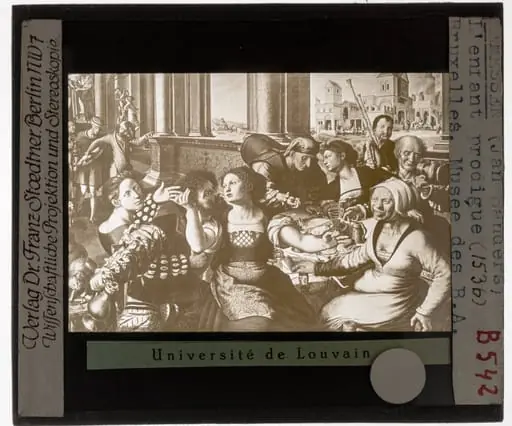 Jan van Hemessen. De verloren zoon
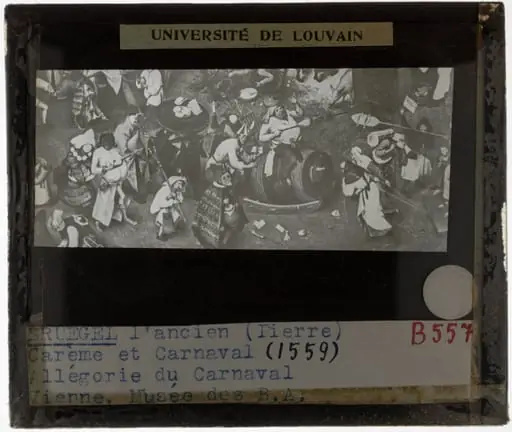 Pieter Brueghel de Oude. Strijd tussen Carnaval en Vasten Detail: Allegorie van Carnaval
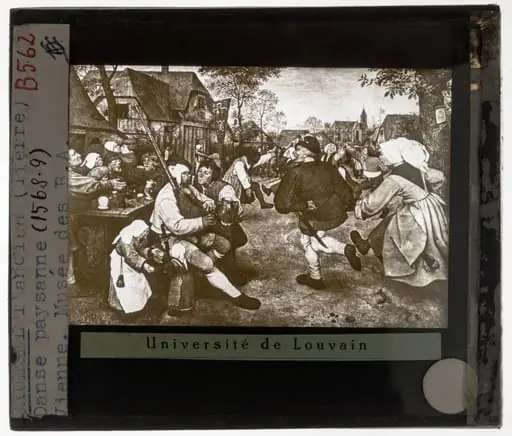 Pieter Brueghel de Oude. Boerendans