Artwork
Pieter Brueghel the Elder. The Parable of the Blind
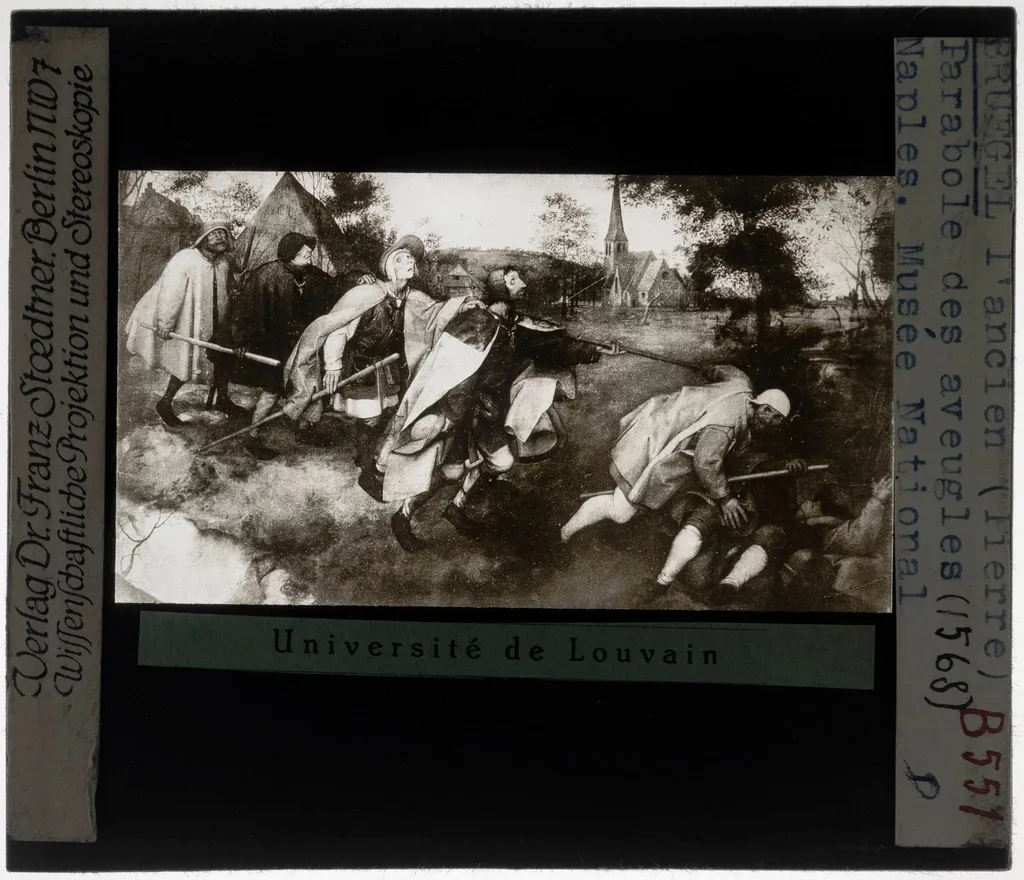
Pieter Brueghel the Elder. The Parable of the Blind is an unspecified painting by the Northern Renaissance artist Pieter Brueghel the Elder. It dates from 1568 and is held in the collection of the Catholic University of Leuven.
About this work
Overview
Pieter Bruegel the Elder’s 1568 oil on panel, The Parable of the Blind, portrays a procession of sightless figures stumbling forward in a line. Executed in the Northern Renaissance idiom, the work now hangs in the Museo e Gallerie Nazionali di Capodimonte in Naples, Italy. The composition serves as a visual allegory drawn from a biblical story warning against collective folly.
Subject & Meaning
The painting illustrates the biblical parable in which a group of blind men, each following the one before, tumble into a ditch. Bruegel uses this motif to comment on the dangers of unquestioned conformity and misguided leadership, suggesting that society can be led astray when individuals lack insight and rely solely on others.
Technique & Style
Rendered in oil on wooden panel, the work displays Bruegel’s characteristic attention to detail and earthy palette typical of the Northern Renaissance. The figures are rendered with a coarse realism, their ragged clothing and uneven steps emphasizing the physicality of blindness while the muted background recedes, focusing attention on the human drama.
History & Provenance
Created in 1568, the painting entered various private collections before arriving in the Capodimonte museum in Naples. Documentation includes a 19th‑century glass slide from the Université de Louvain archives, though the original photographer remains unidentified. The work has been catalogued in several European art historical surveys of the 16th‑century allegorical tradition.
Context
Bruegel frequently employed biblical and folk narratives to critique contemporary social conditions. The Parable of the Blind aligns with his broader interest in moralizing scenes that juxtapose everyday peasant life with deeper ethical lessons, reflecting the humanist concerns of the late Renaissance in the Low Countries.
Artist & collection
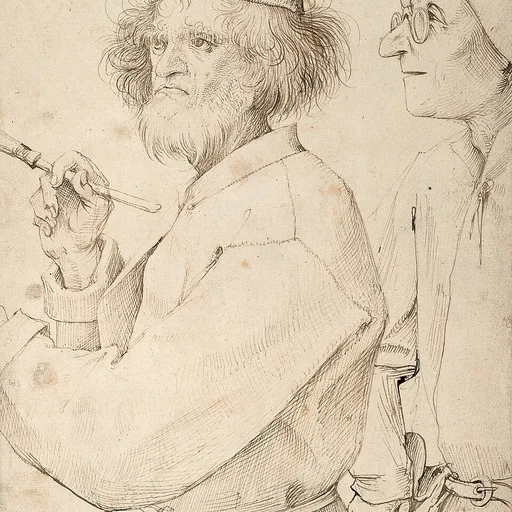
Artist
Pieter Bruegel (also Brueghel or Breughel) the Elder ( BROY-gəl, US also BROO-gəl; Dutch: ; c.
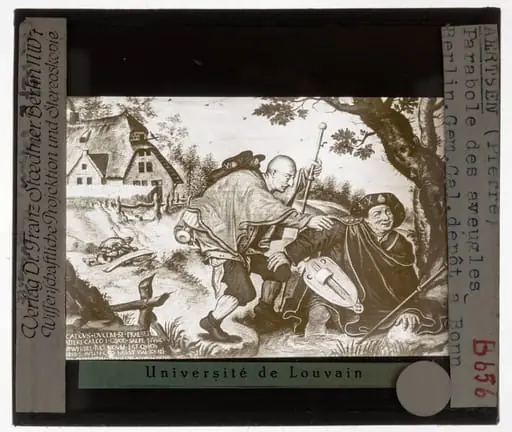 Hieronymus Bosch (after). Parable of the Blind
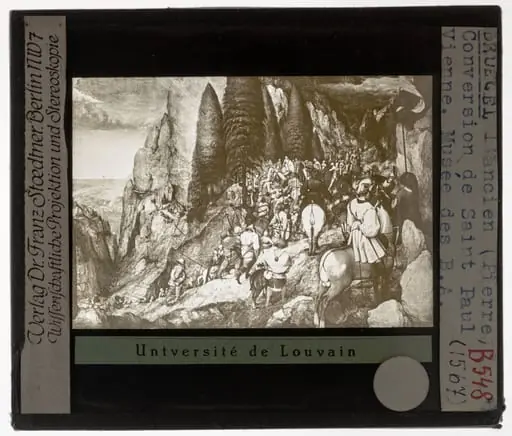 Pieter Brueghel the Elder. Conversion of Paul
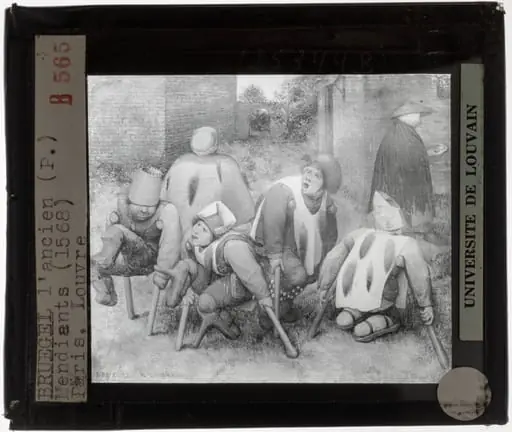 Pieter Brueghel de Oude. De Kreupelen
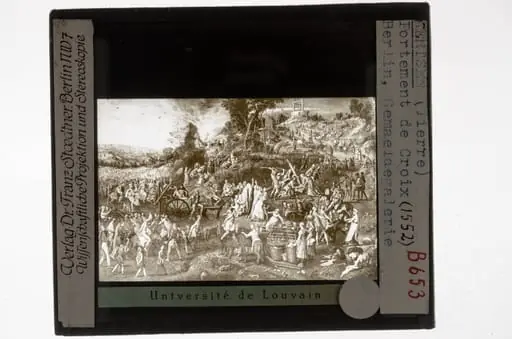 Pieter Aertsen. Crucifixion
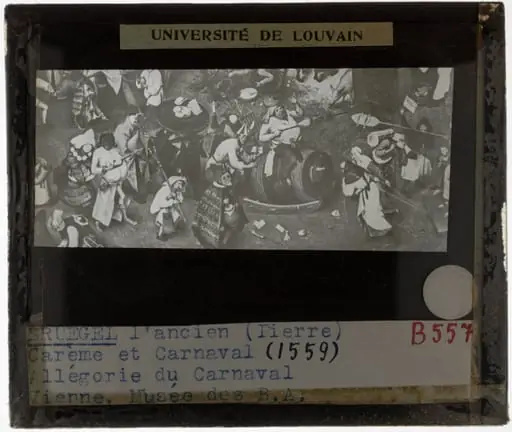 Pieter Brueghel de Oude. Strijd tussen Carnaval en Vasten Detail: Allegorie van Carnaval
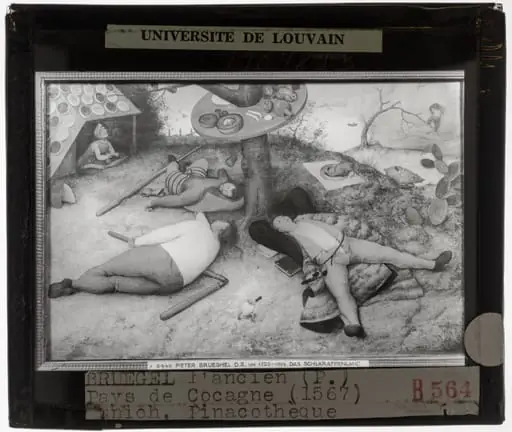 Pieter Brueghel de Oude. Luilekkerland
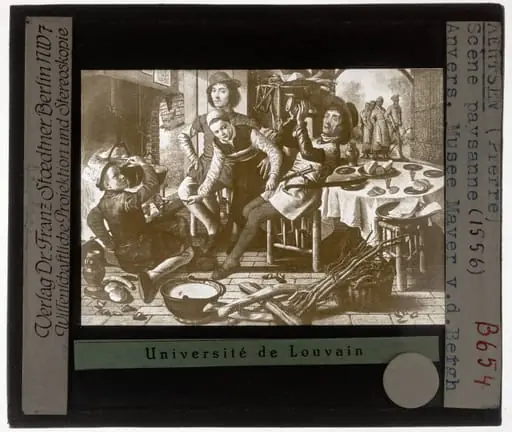 Pieter Aertsen. Boerengezelschap bij de haard
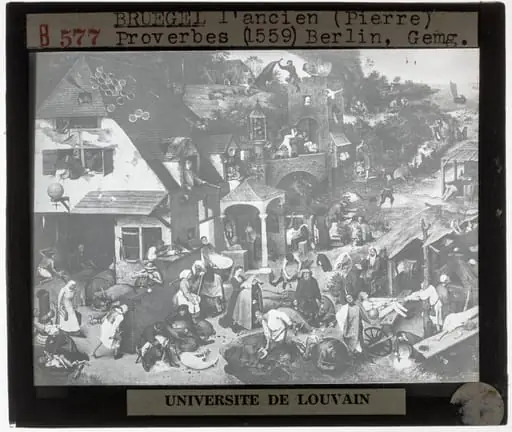 Pieter Brueghel de Oude. Nederlandse spreekwoorden
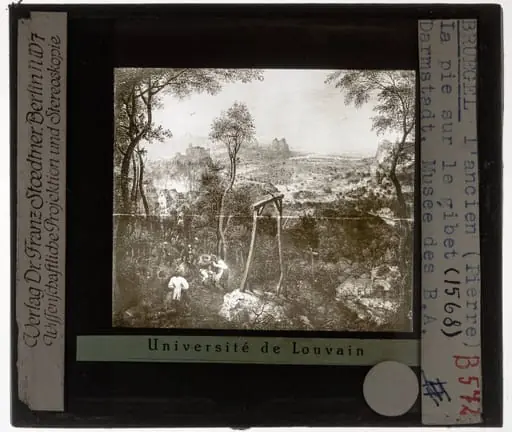 Pieter Brueghel the Elder. Magpie on the Gallows
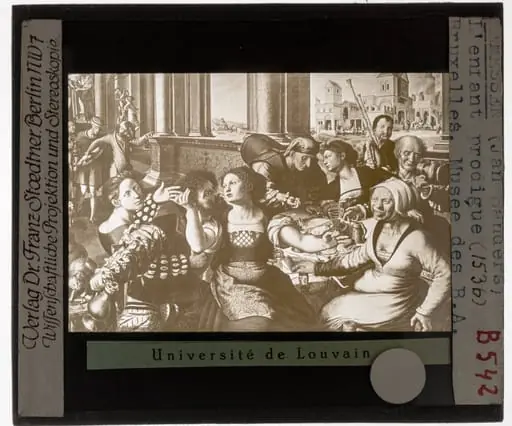 Jan van Hemessen. De verloren zoon
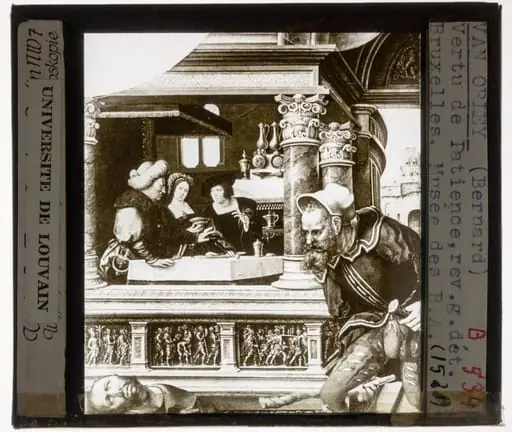 Bernard van Orley. Triptiek met de deugd van het Geduld Paneel links, achterzijde: De arme Lazarus aan de deur van de slechte rijke, detail bovenaan
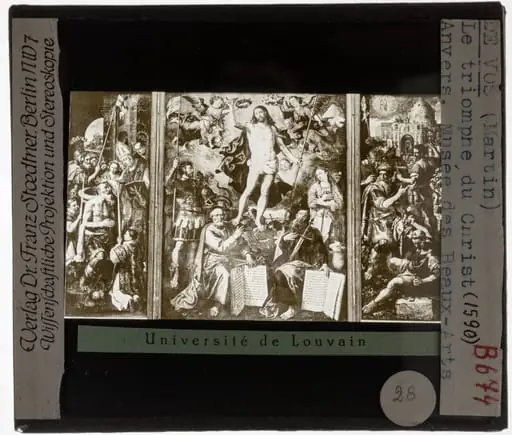 Maarten de Vos. Altaarstuk van de gilde van de oude voetboog