Artwork
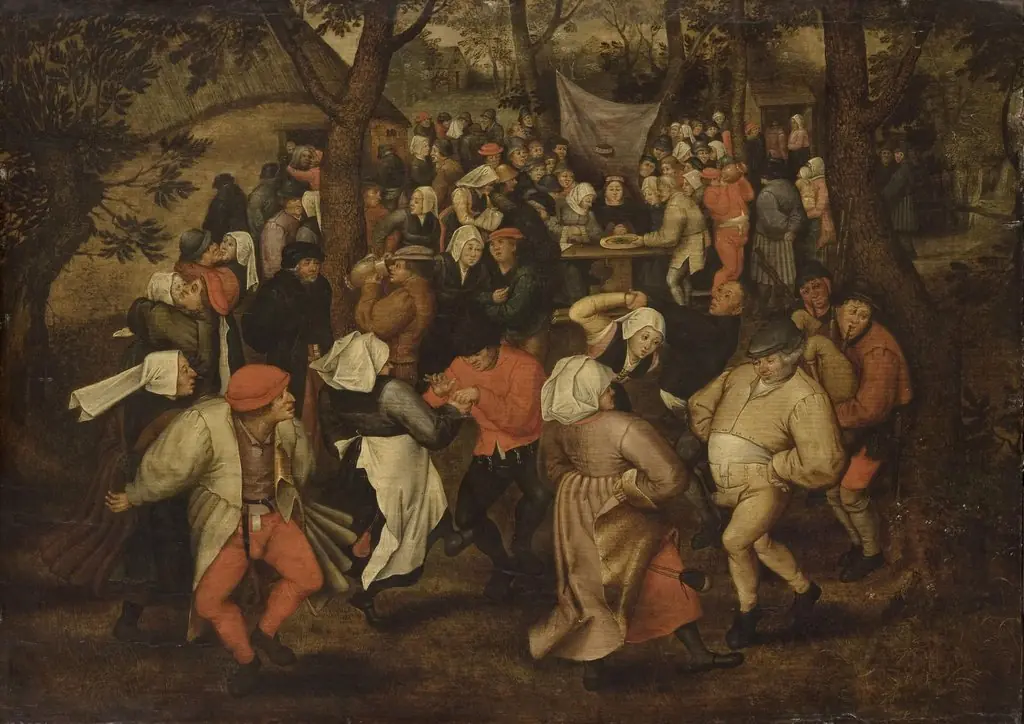
A Wedding Procession
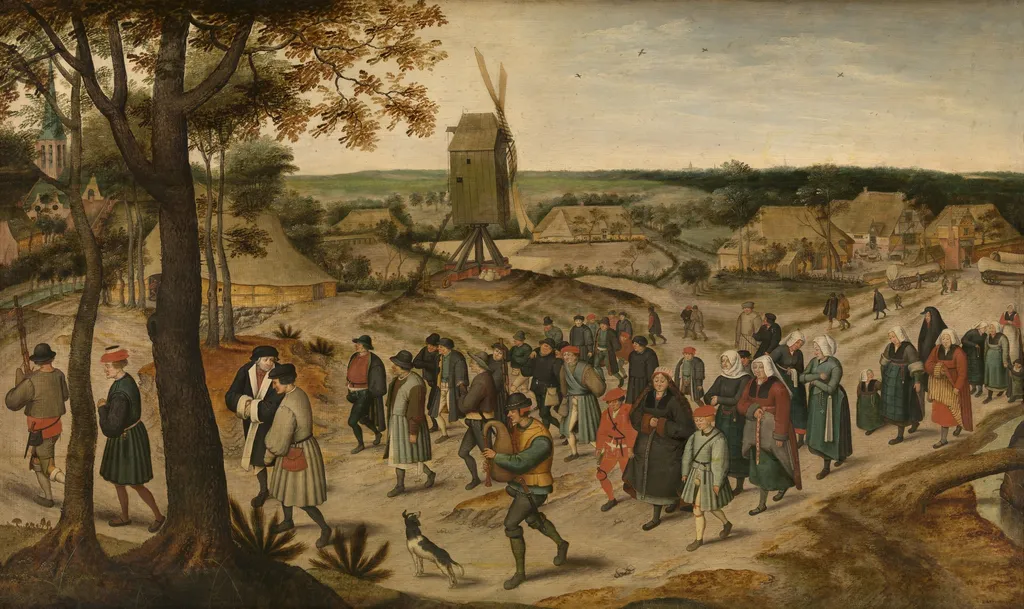
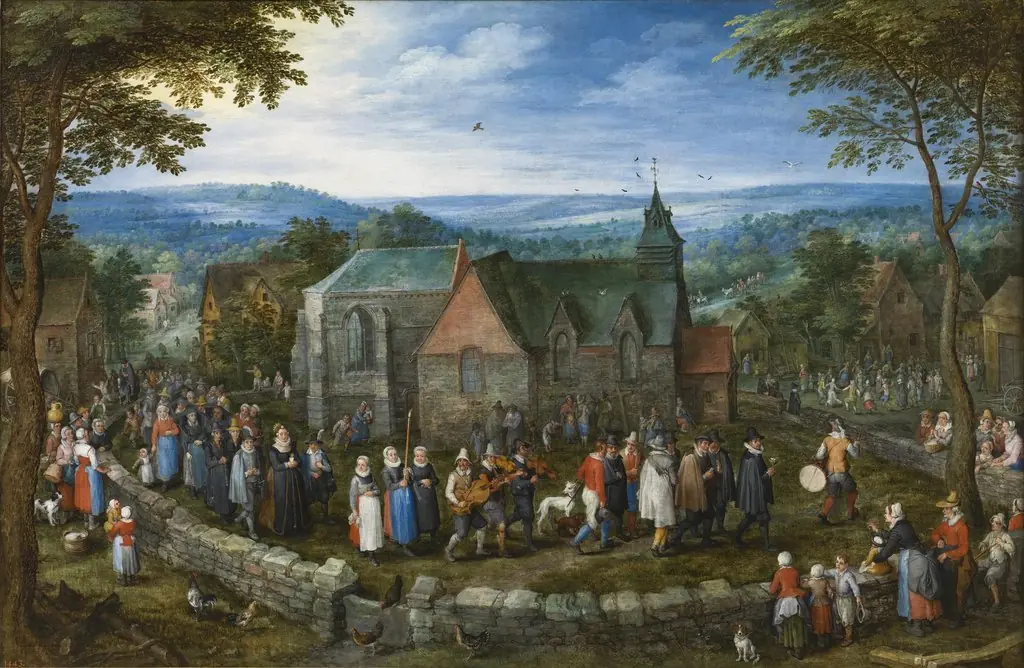
A Wedding Procession is an oil painting by the Dutch Golden Age artist Pieter Brueghel the Younger. It dates from 1630 and is held in the collection of the Royal Museum of Fine Arts Antwerp.
About this work
Overview
Created during the Dutch Golden Age, the piece reflects the popularity of genre scenes in Northern European art.
Painted in 1630, *A Wedding Procession* is an oil-on-panel work by Pieter Brueghel the Younger, a Flemish artist known for reproducing and adapting his father’s compositions. Created during the Dutch Golden Age, the piece reflects the popularity of genre scenes in Northern European art. It belongs to the collection of the Royal Museum of Fine Arts Antwerp and exemplifies the artist’s role in disseminating Bruegelian imagery through a prolific studio practice.
Subject & Meaning
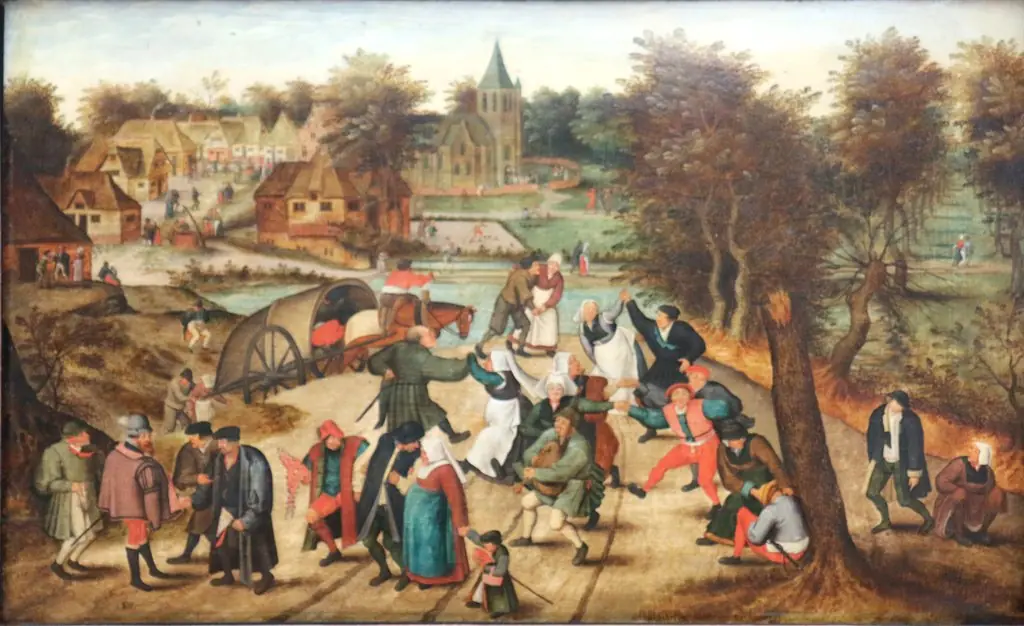
The painting captures a rural wedding procession moving along a dirt path, with participants dressed in modest 17th-century attire. Figures carry household items, suggesting the communal nature of such events. A dog follows the group, adding spontaneity to the scene. The windmill and distant dwellings situate the event in a working countryside, emphasizing social continuity rather than aristocratic ceremony. The tone is observational, not celebratory, aligning with Brueghel’s interest in everyday life.
Technique & Style
Brueghel employed muted earth tones—ochres, browns, and soft greens—to unify the landscape and figures. Brushwork is deliberate but not refined, favoring clarity over detail. The composition leads the eye along the winding path, with a prominent tree trunk anchoring the foreground. Atmospheric perspective is achieved through hazy background forms and a cloudy sky, reinforcing the painting’s quiet, grounded realism without theatrical embellishment.
History & Provenance
The painting was produced in Antwerp, where Pieter Brueghel the Younger maintained a large workshop that replicated his father’s popular subjects for commercial sale. This version, dated 1630, is one of several variants of the theme. It entered the Royal Museum of Fine Arts Antwerp’s collection in the 19th century, likely through municipal acquisition or donation, securing its place in the city’s artistic heritage.
Context
In early 17th-century Flanders, genre scenes depicting peasant life were in demand among middle-class collectors. Brueghel the Younger’s output catered to this market, offering accessible narratives rooted in his father’s legacy. While religious and mythological themes dominated elite commissions, works like this one affirmed local identity and the dignity of ordinary rituals, even as political and religious tensions shaped the region.
Legacy
Though overshadowed by his father’s originality, Pieter Brueghel the Younger played a crucial role in preserving and popularizing Bruegelian imagery. His repetitions ensured the survival of compositional ideas that might otherwise have faded. *A Wedding Procession* remains a representative example of how artistic traditions were sustained through reproduction, influencing later genre painting in the Low Countries.
Own this work as a print
Artist & collection
Artist
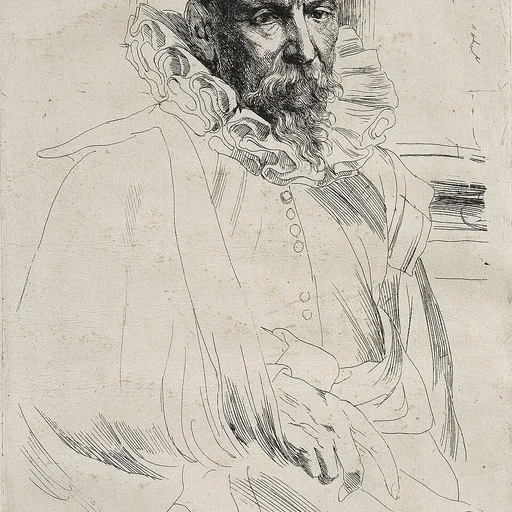
Pieter Brueghel the Younger ( BROY-gəl, also US: BROO-gəl; Dutch: ; between 23 May and 10 October 1564 – between March and May 1638) was a Flemish painter known for numerous copies after his father Pieter Bruegel the…

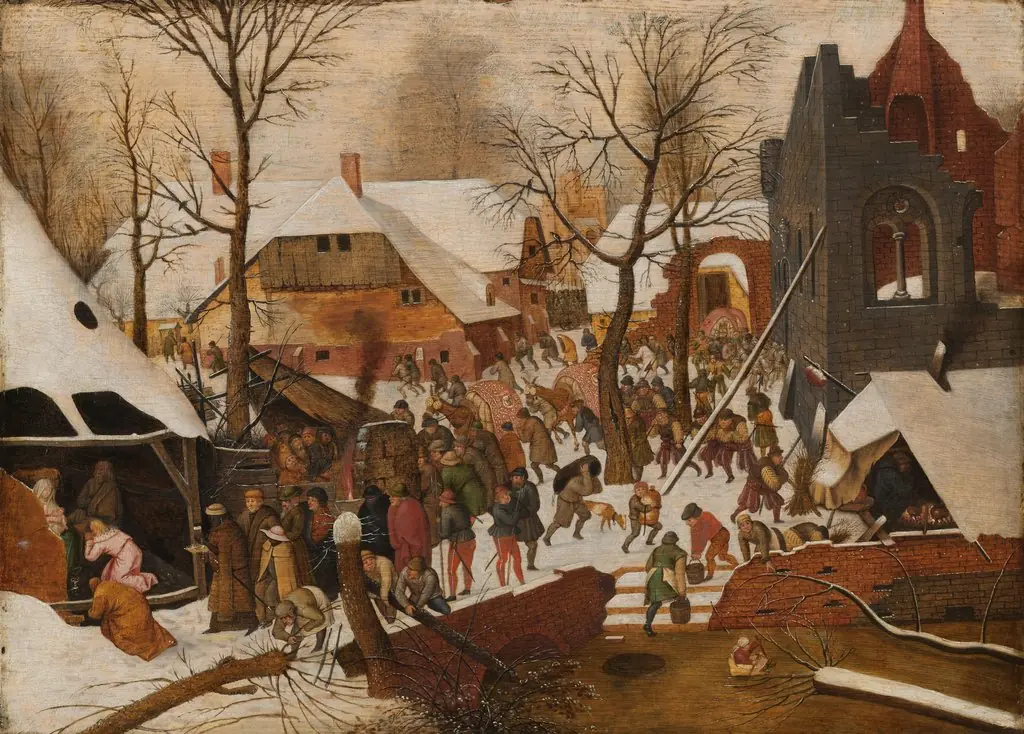 Adoration of the magi
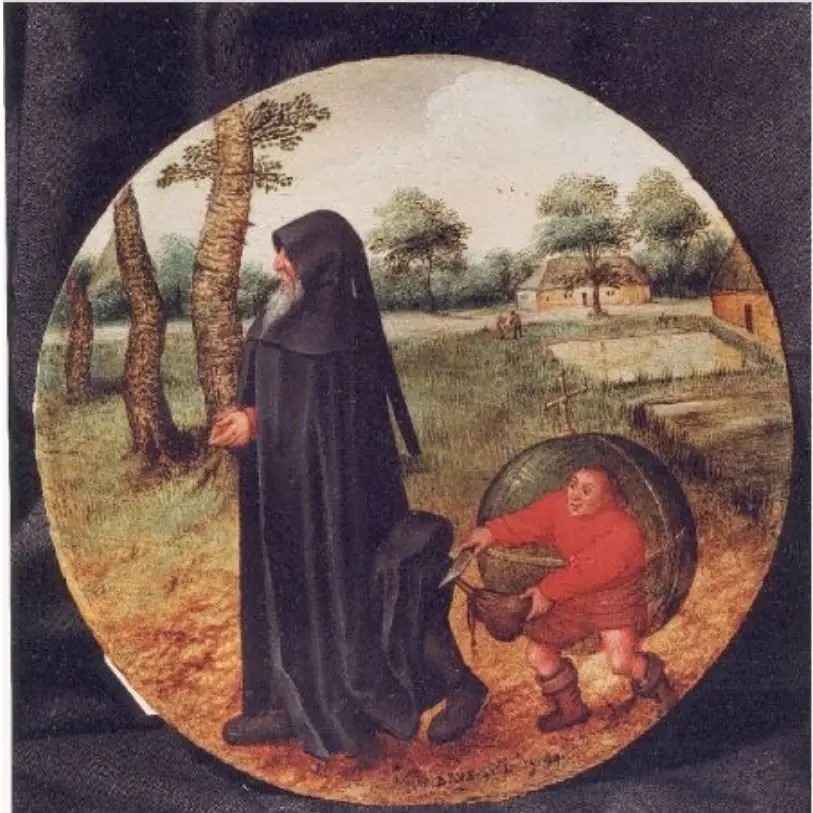 I Mourn because the World is so Untrustworthy
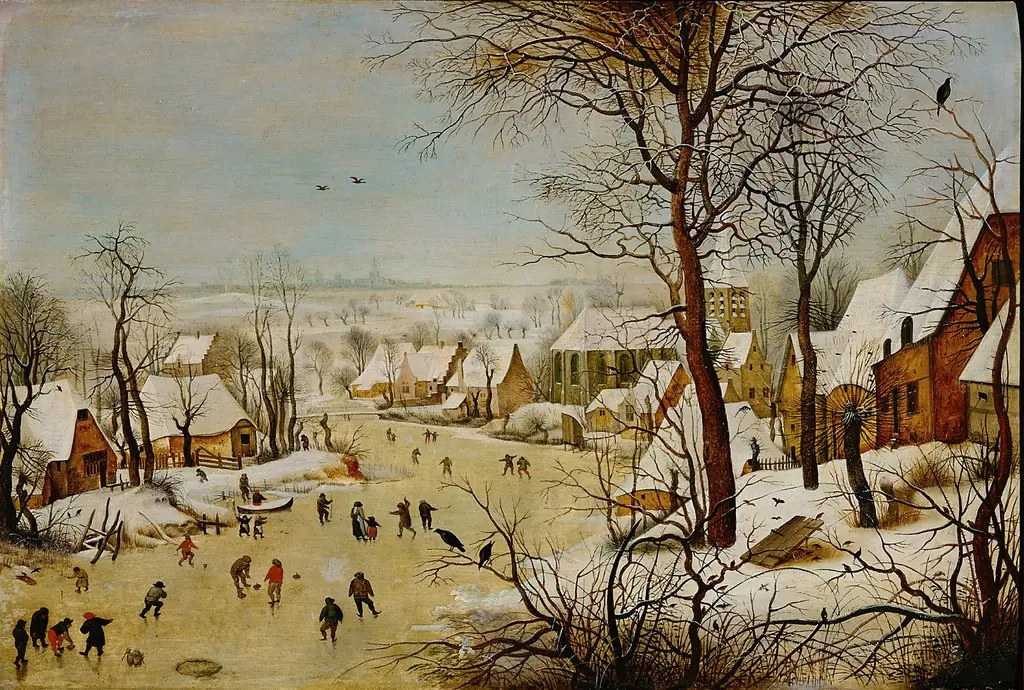 Winter Landscape with a Bird Trap
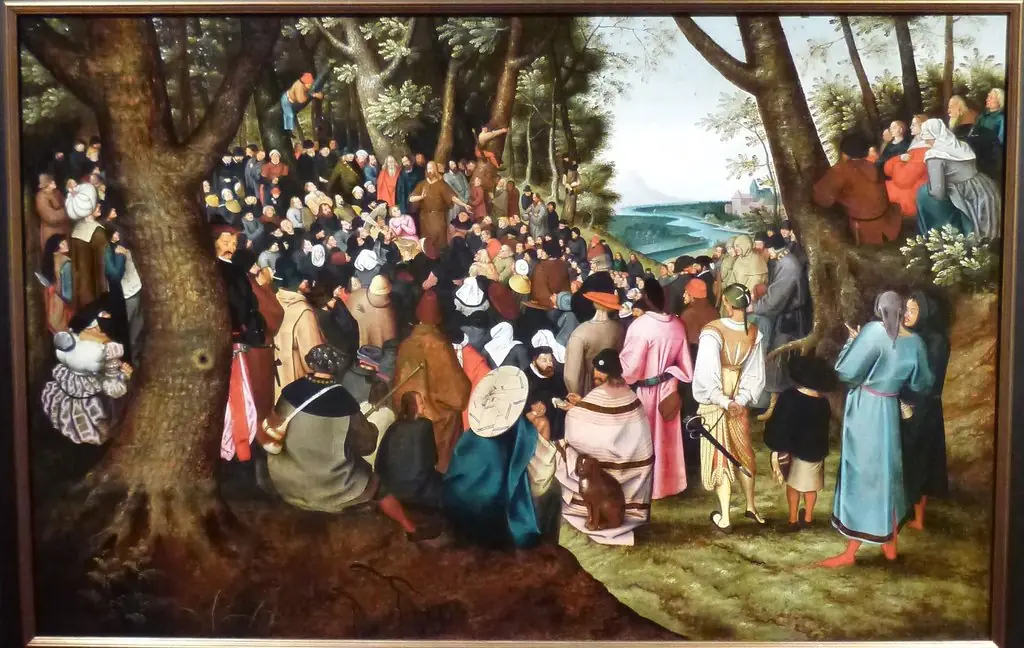 The Sermon of John the Baptist
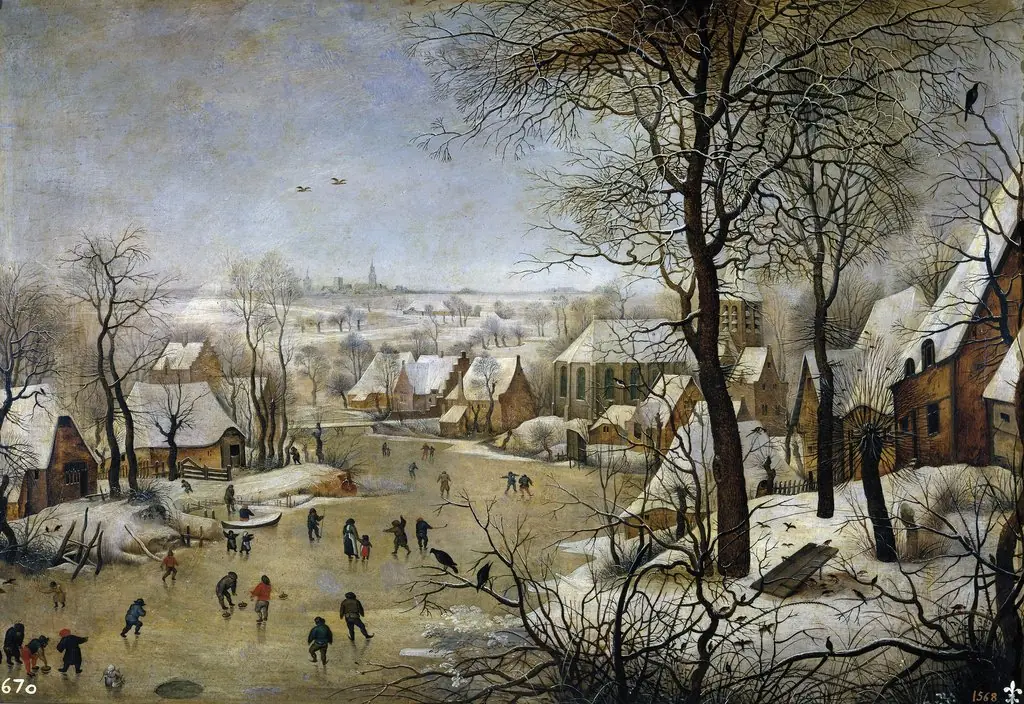 Winter Landscape with a Bird-trap
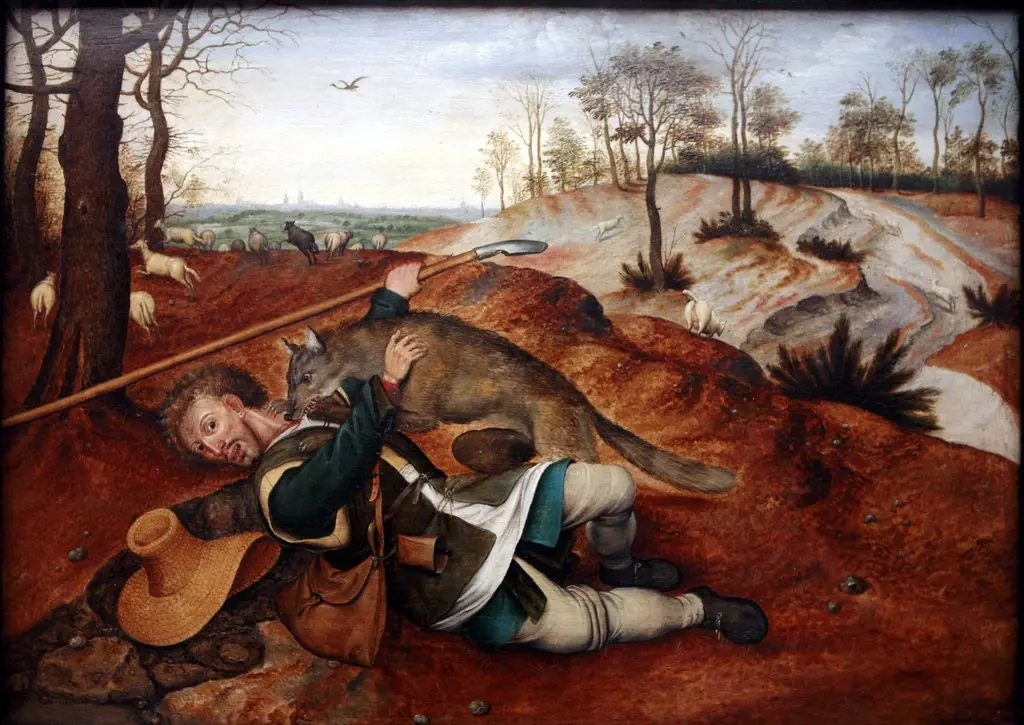 The Good Shepherd
 The Adoration of the Magi
 A Village Festival, With a Theatrical Performance and a Procession in Honour of St Hubert and St Anthony