Artwork
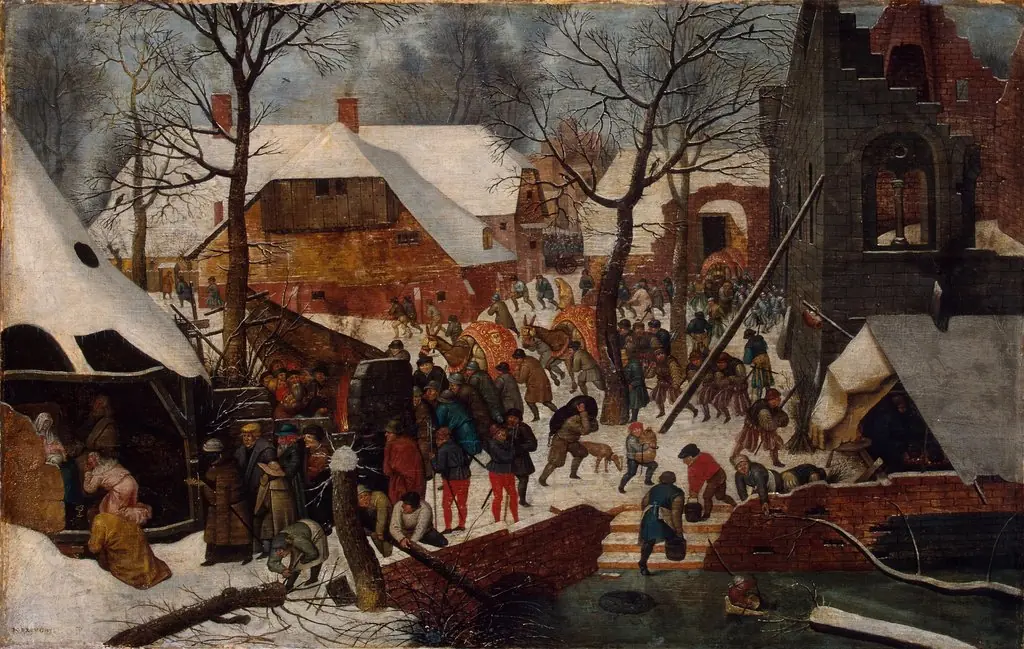
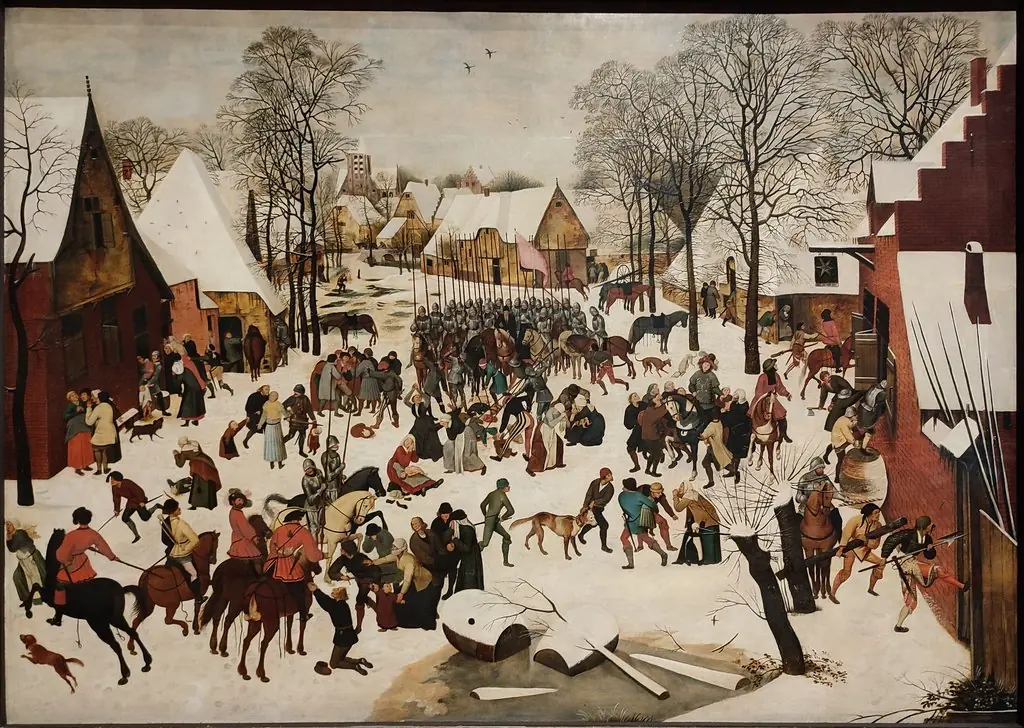
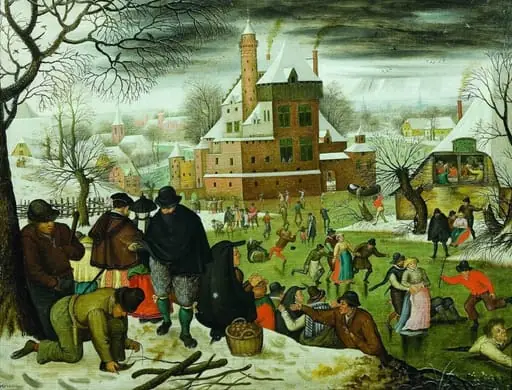
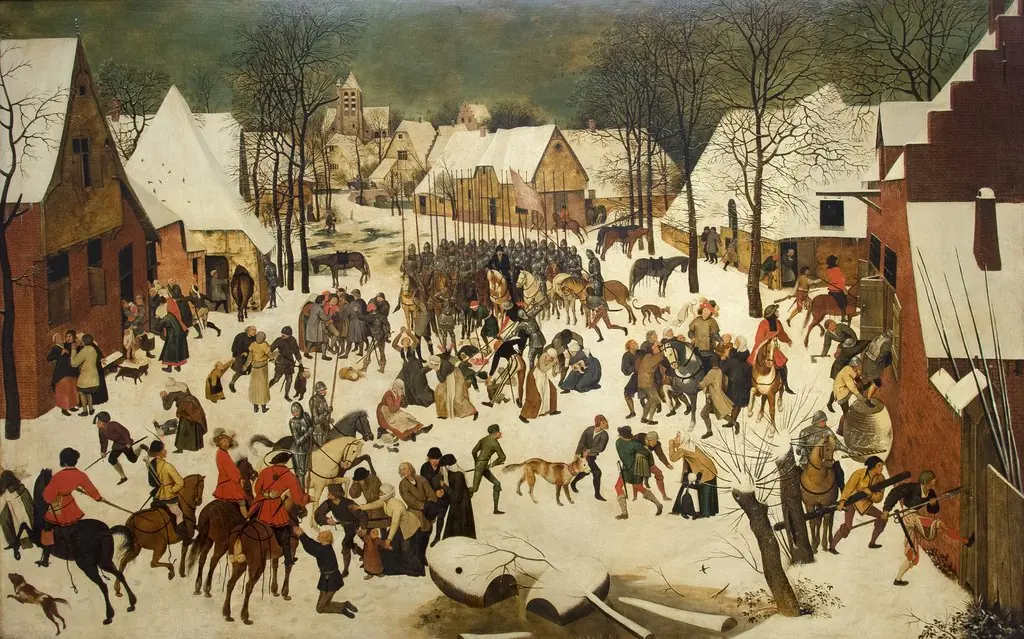
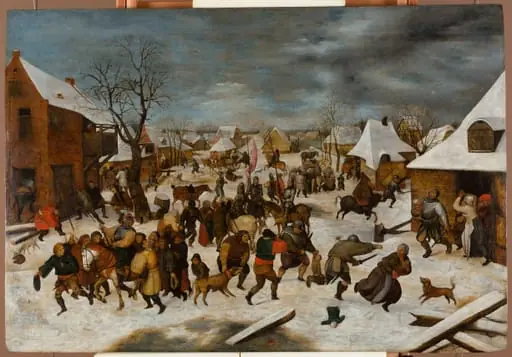
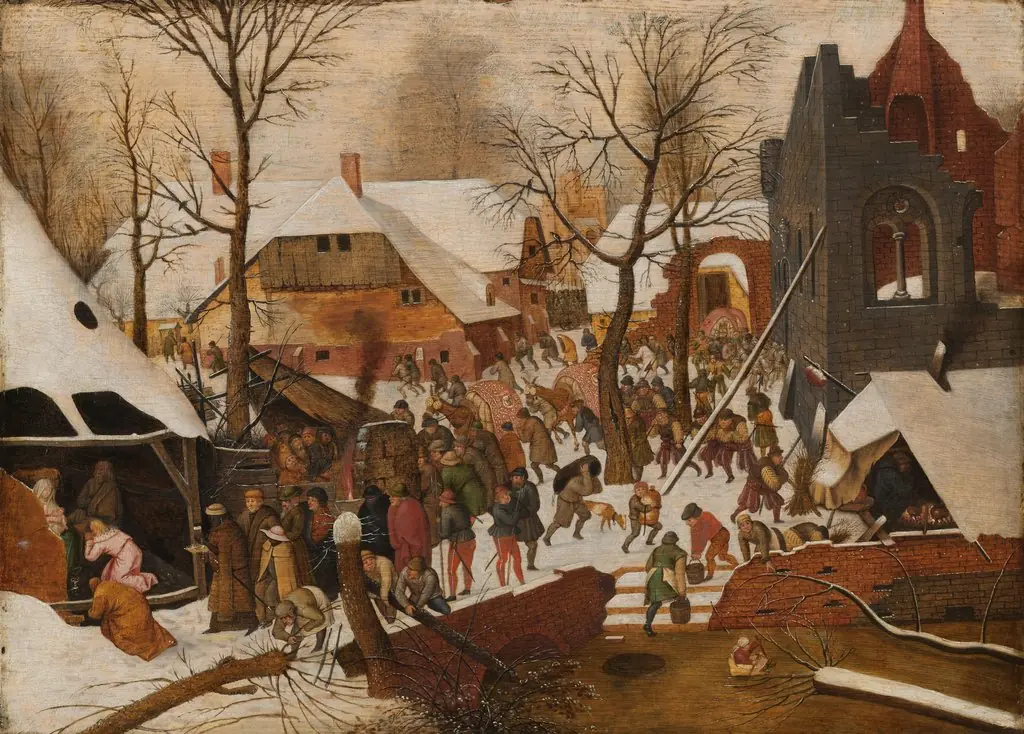
Adoration of the Magi in the Snow
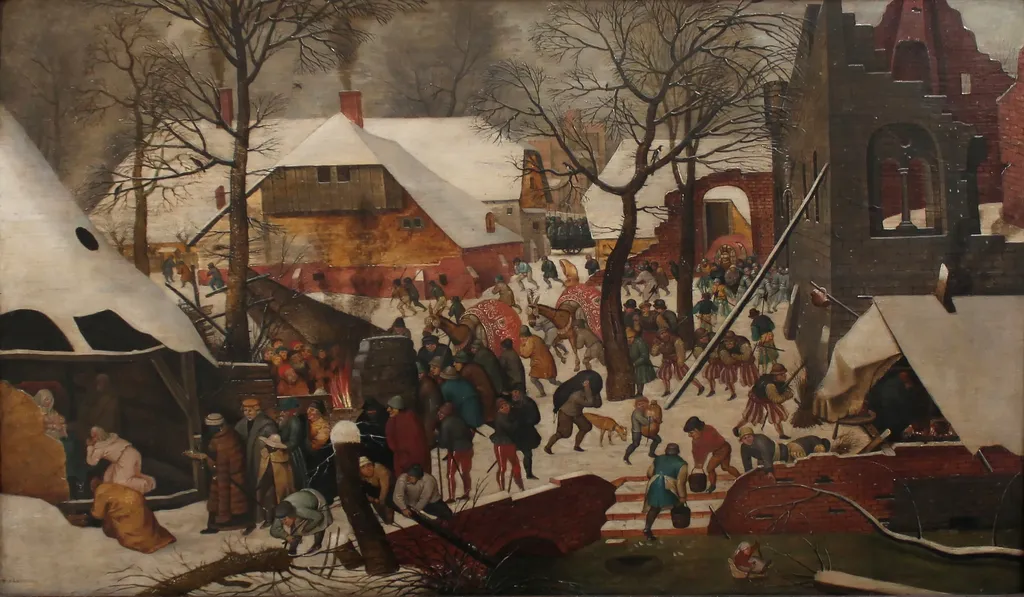
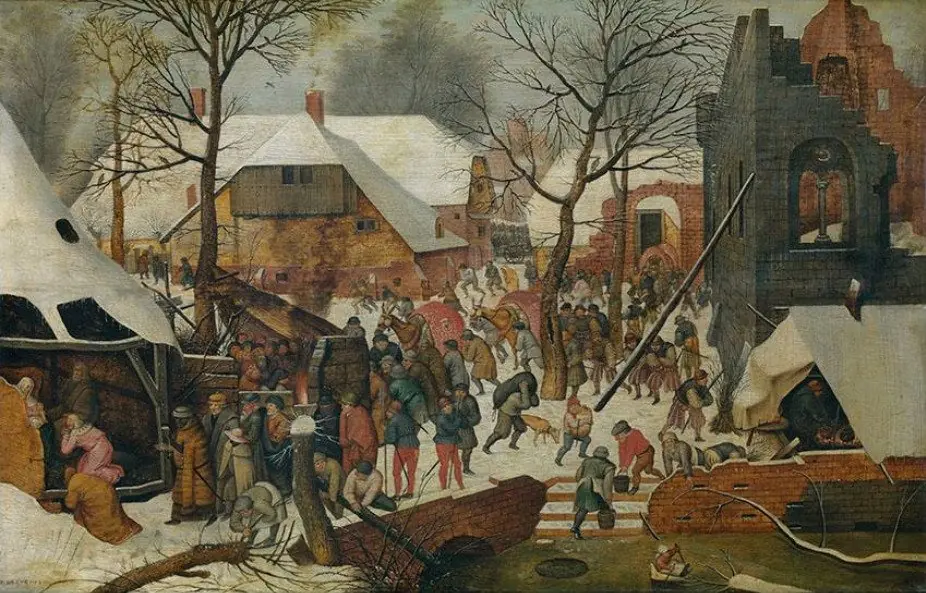
Adoration of the Magi in the Snow is an oil painting by the Flemish Baroque painting artist Pieter Brueghel the Younger. It is held in the collection of the Royal Museums of Fine Arts of Belgium.
About this work
Overview
Created in 1638 by Pieter Brueghel the Younger, this oil painting presents a winter rendition of the biblical Adoration of the Magi. Executed within the Flemish Baroque tradition, the work places the holy infant and his humble manger amid a snow‑covered village, surrounded by figures in heavy winter dress.
Subject & Meaning
The composition gathers a group of onlookers—some kneeling, others standing—around the central manger where the infant lies. One figure offers a gift while another gazes tenderly at the child, conveying a mood of reverence and devotion within a seasonal setting.
Technique & Style
Brueghel employs chiaroscuro to model forms and suggest depth, allowing the illuminated central scene to emerge from the muted, snow‑filled background. The palette of cool whites and earth tones, combined with careful handling of light, reinforces the atmospheric chill of the landscape.
History & Provenance
The painting is part of the collection of the Royal Museums of Fine Arts of Belgium. It reflects the younger Brueghel’s prolific workshop, which was known for reproducing his father’s motifs and generating original works that circulated widely across the Low Countries.
Context
During the early 17th century, Flemish artists often adapted traditional religious narratives to contemporary settings. By placing the Magi’s adoration in a snowy village, Brueghel aligns the sacred event with familiar, everyday winter life, a motif popular in Northern European art of the period.
Artist & collection
Artist
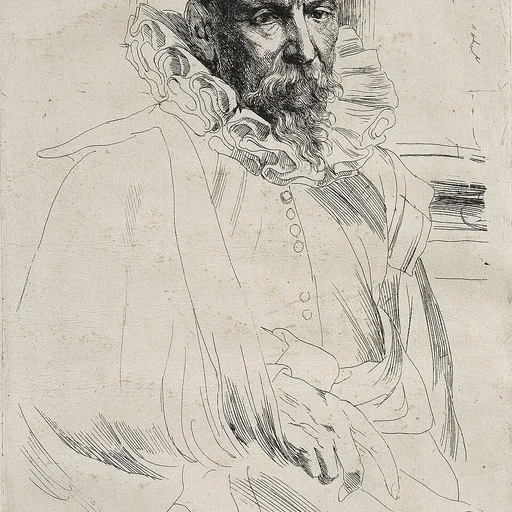
Pieter Brueghel the Younger ( BROY-gəl, also US: BROO-gəl; Dutch: ; between 23 May and 10 October 1564 – between March and May 1638) was a Flemish painter known for numerous copies after his father Pieter Bruegel the…

Museum
Royal Museums of Fine Arts of Belgium
Continue through works from the same source collection.
 Adoration of the magi
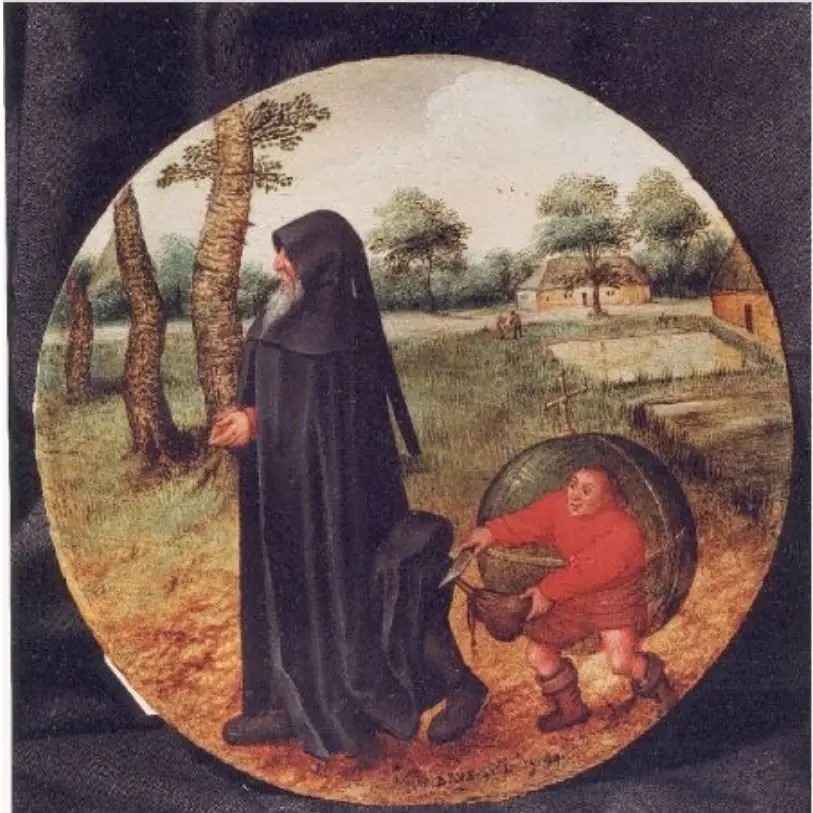 I Mourn because the World is so Untrustworthy
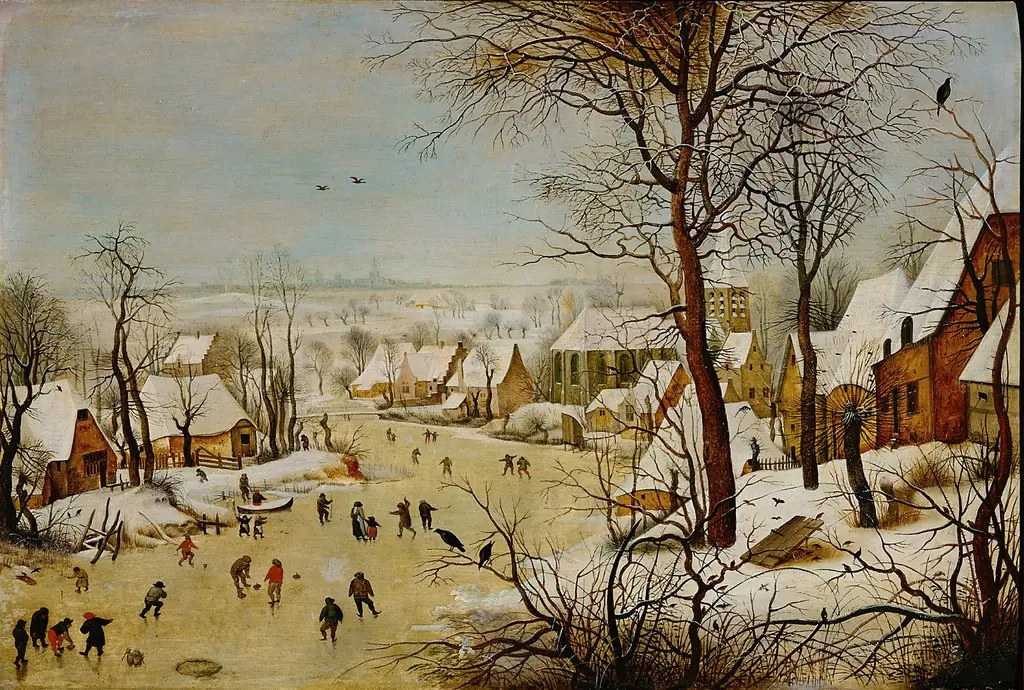 Winter Landscape with a Bird Trap
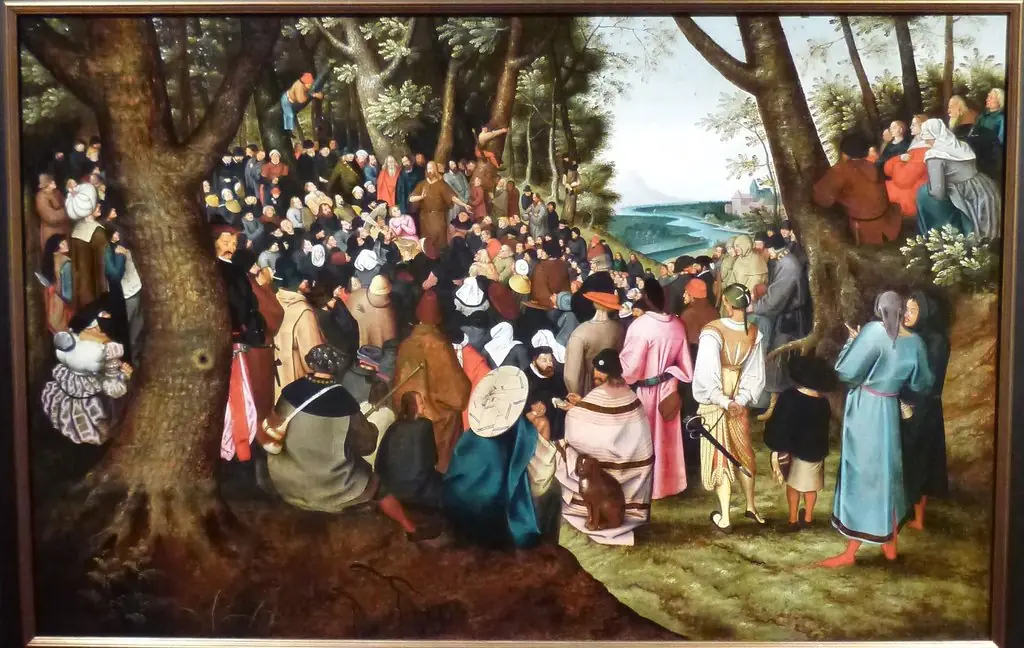 The Sermon of John the Baptist
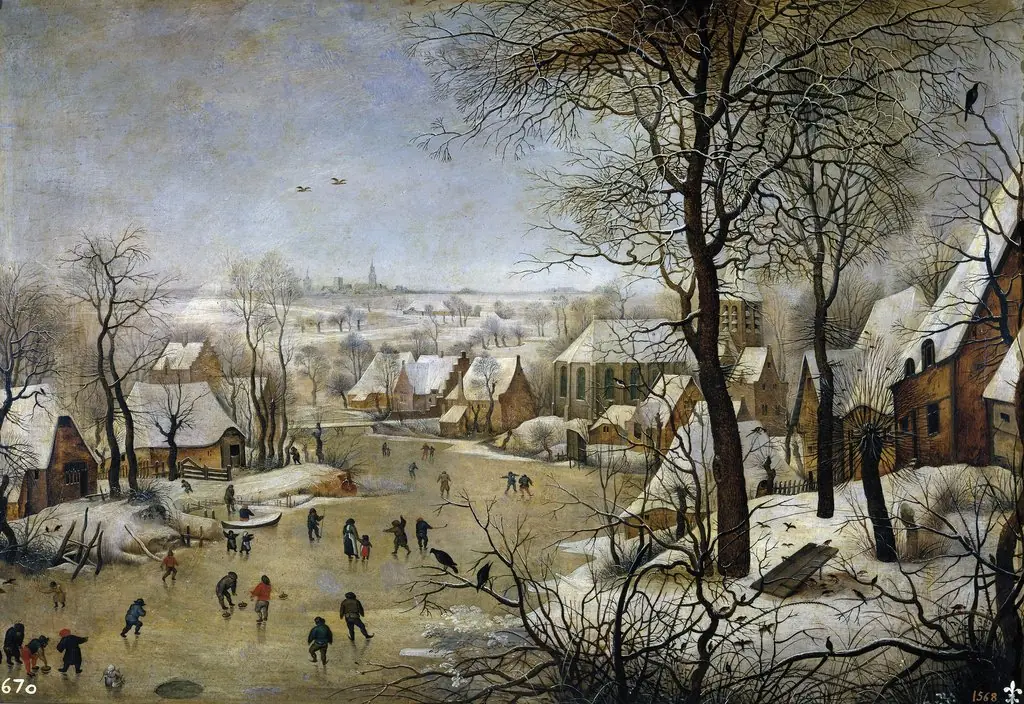 Winter Landscape with a Bird-trap
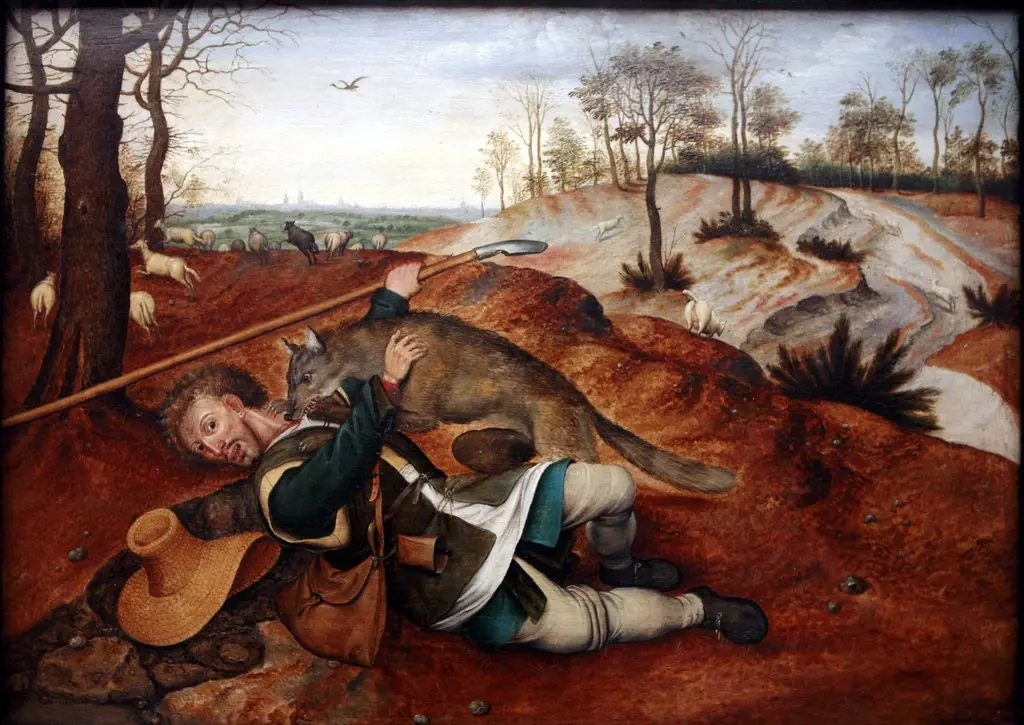 The Good Shepherd
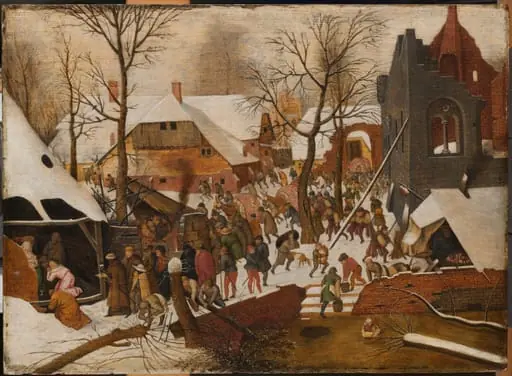 The Adoration of the Magi
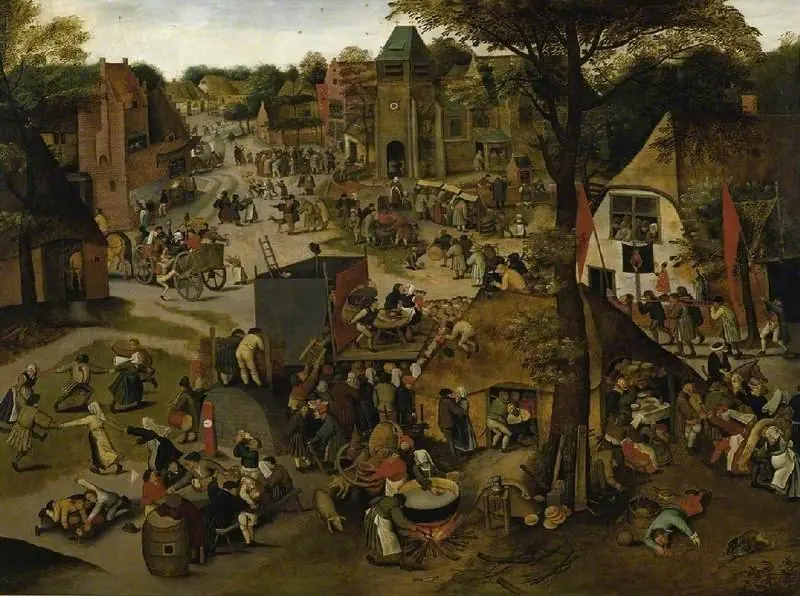 A Village Festival, With a Theatrical Performance and a Procession in Honour of St Hubert and St Anthony