Artwork
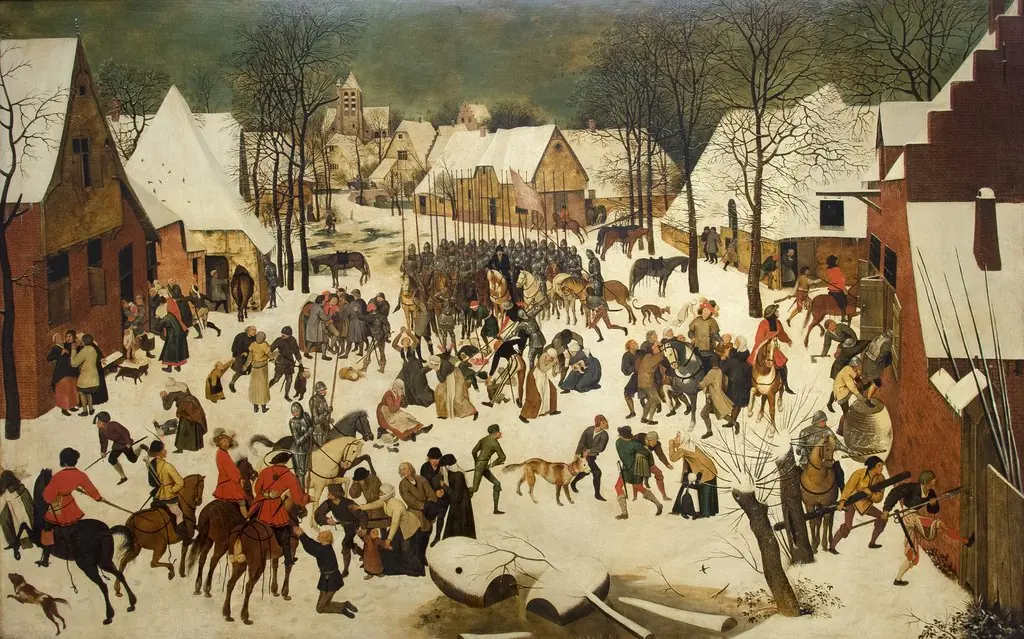
Massacre of the Innocents
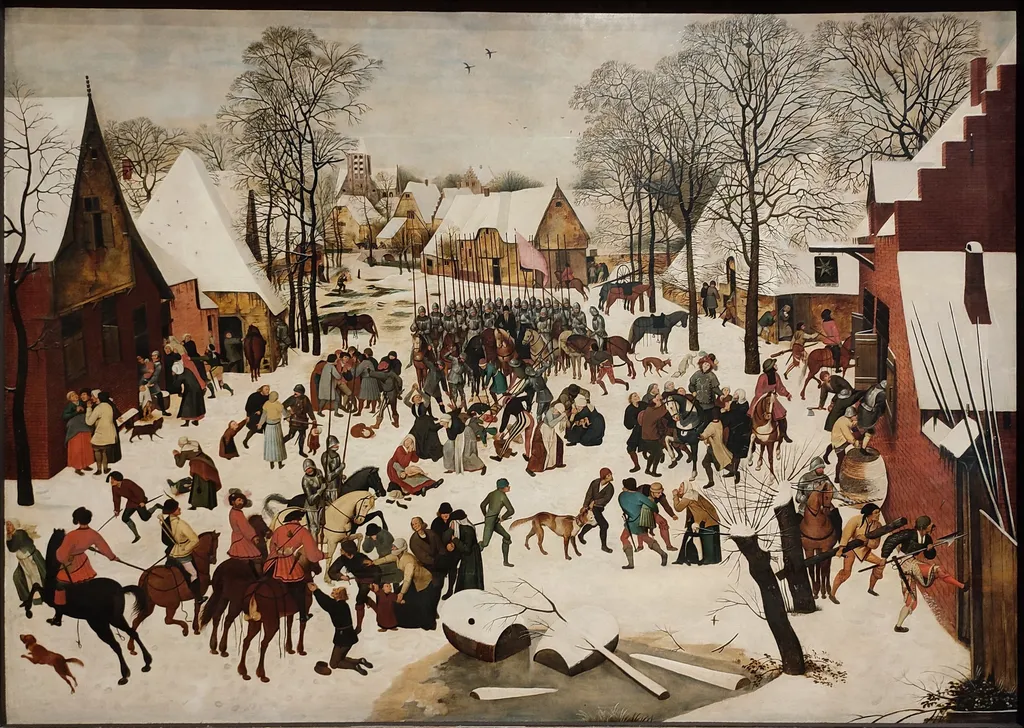
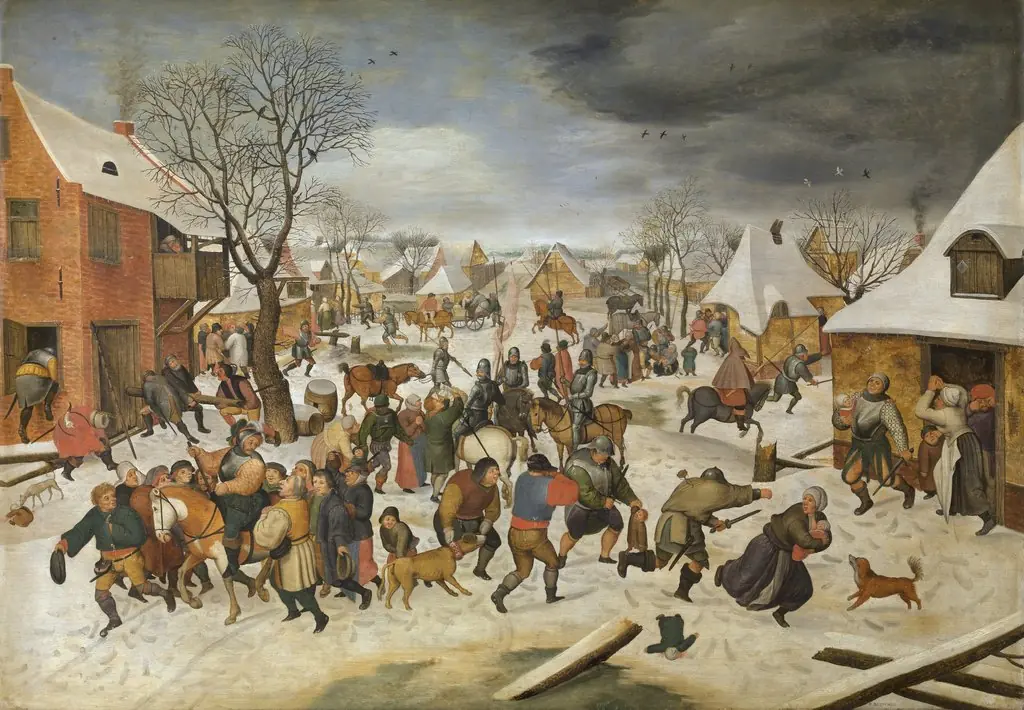
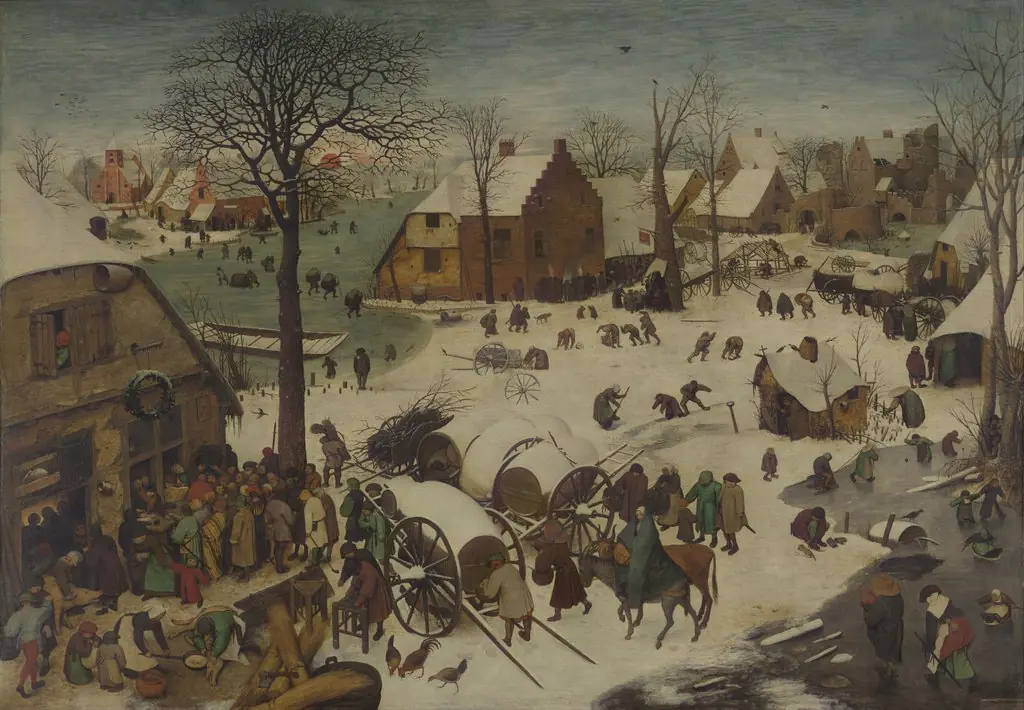
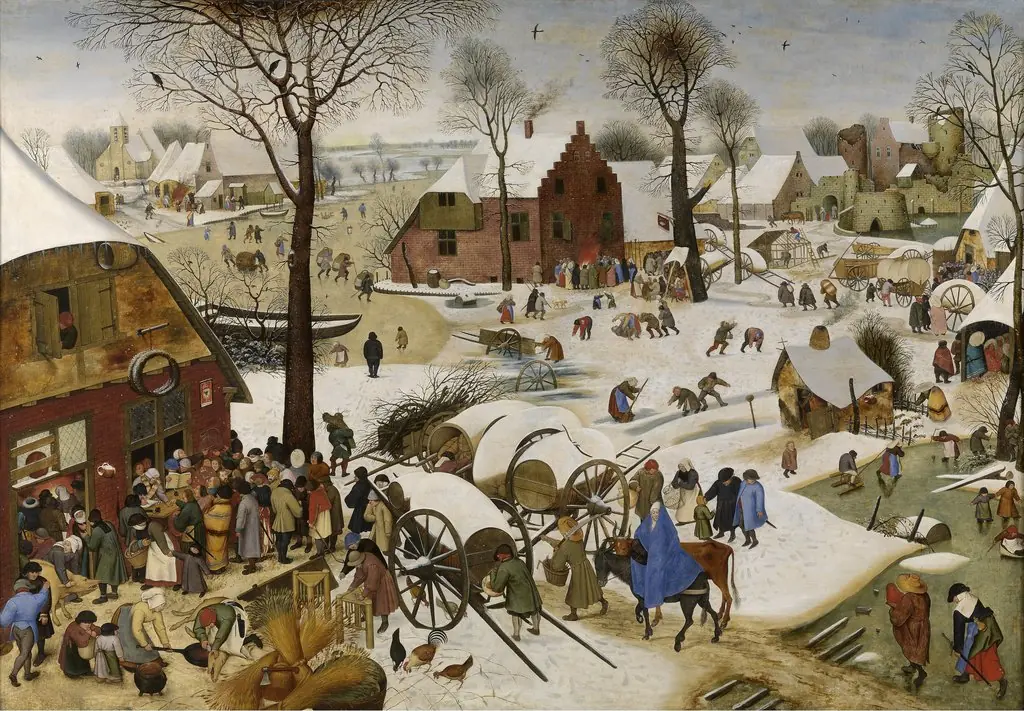
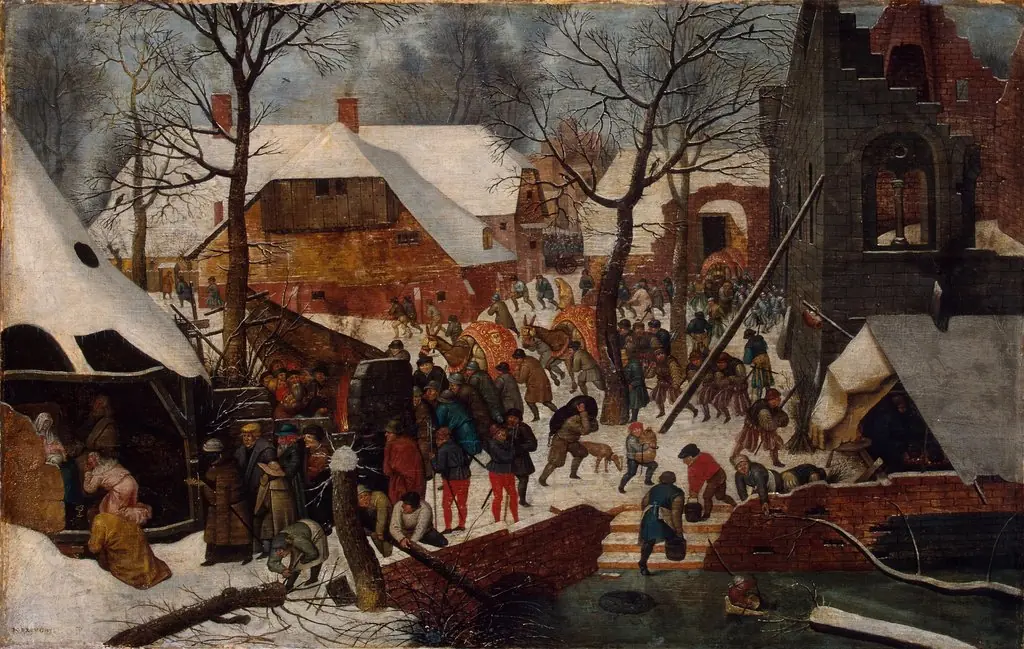
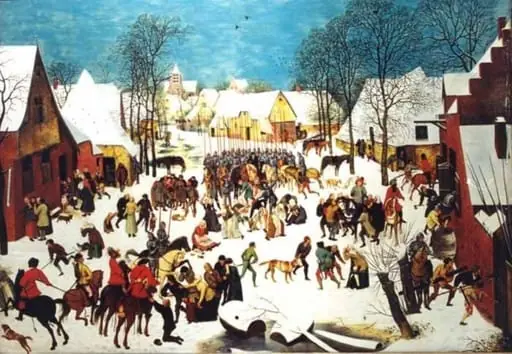
Massacre of the Innocents is an unspecified painting by the Flemish Baroque painting artist Pieter Brueghel the Younger. It dates from 1610 and is held in the collection of the Royal Museums of Fine Arts of Belgium.
About this work
Overview
Painted in 1610 by Pieter Brueghel the Younger, this work is one of many reproductions he made of his father’s compositions. It belongs to a series of religious scenes adapted for broader audiences in the Southern Netherlands. The painting reflects the commercial practices of Brueghel’s studio, which thrived on replicating and distributing his father’s iconic imagery to meet demand across Europe.
Subject & Meaning
Brueghel transposes the event into a 17th-century Flemish village, using contemporary dress and architecture to make the story immediate and relatable.
The scene illustrates the biblical account of King Herod’s order to kill infant boys in Bethlehem, as recounted in the Gospel of Matthew. Brueghel transposes the event into a 17th-century Flemish village, using contemporary dress and architecture to make the story immediate and relatable. The violence is not glorified but presented as a disruption of domestic life, emphasizing suffering and chaos.
Technique & Style
The composition employs chiaroscuro to define forms and direct focus amid the crowded scene. Figures are rendered with careful attention to winter attire and movement, enhancing the sense of urgency. The snowy landscape and architectural details reflect Flemish traditions of genre painting, while the dramatic lighting aligns with emerging Baroque sensibilities, though without the theatricality of Italian contemporaries.
History & Provenance
The painting entered the collection of the Royal Museums of Fine Arts of Belgium in the 19th century, likely through state acquisitions or donations from private collectors. Its attribution to Pieter Brueghel the Younger is supported by studio records and stylistic comparisons with his authenticated works. It has remained in institutional hands since, with no documented private ownership in the modern era.
Context
In early 17th-century Flanders, religious subjects remained popular despite growing secular interests. Brueghel the Younger’s reproductions catered to both local patrons and export markets, particularly in Spain and France. His adaptations preserved his father’s visual language while adjusting details to suit contemporary tastes, ensuring the endurance of Bruegelian themes in a changing artistic landscape.
Legacy
Though not original in composition, the painting contributed to the widespread recognition of Pieter Bruegel the Elder’s narratives. Brueghel the Younger’s studio practice helped standardize certain visual motifs, influencing later regional painters. The work stands as evidence of how artistic legacy was maintained through replication, rather than innovation, in the Flemish art economy of the time.
Own this work as a print
Artist & collection
Artist
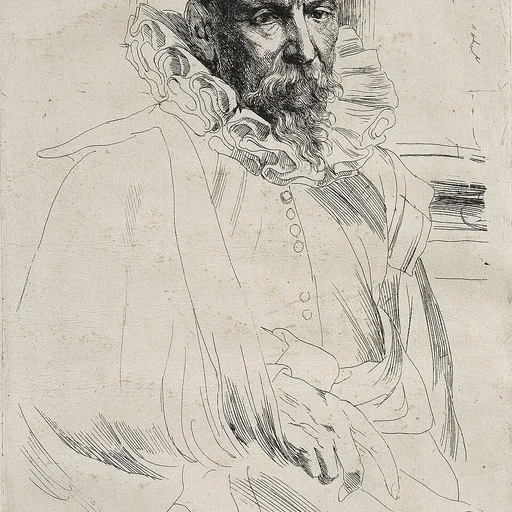
Pieter Brueghel the Younger ( BROY-gəl, also US: BROO-gəl; Dutch: ; between 23 May and 10 October 1564 – between March and May 1638) was a Flemish painter known for numerous copies after his father Pieter Bruegel the…

Museum
Royal Museums of Fine Arts of Belgium
Continue through works from the same source collection.
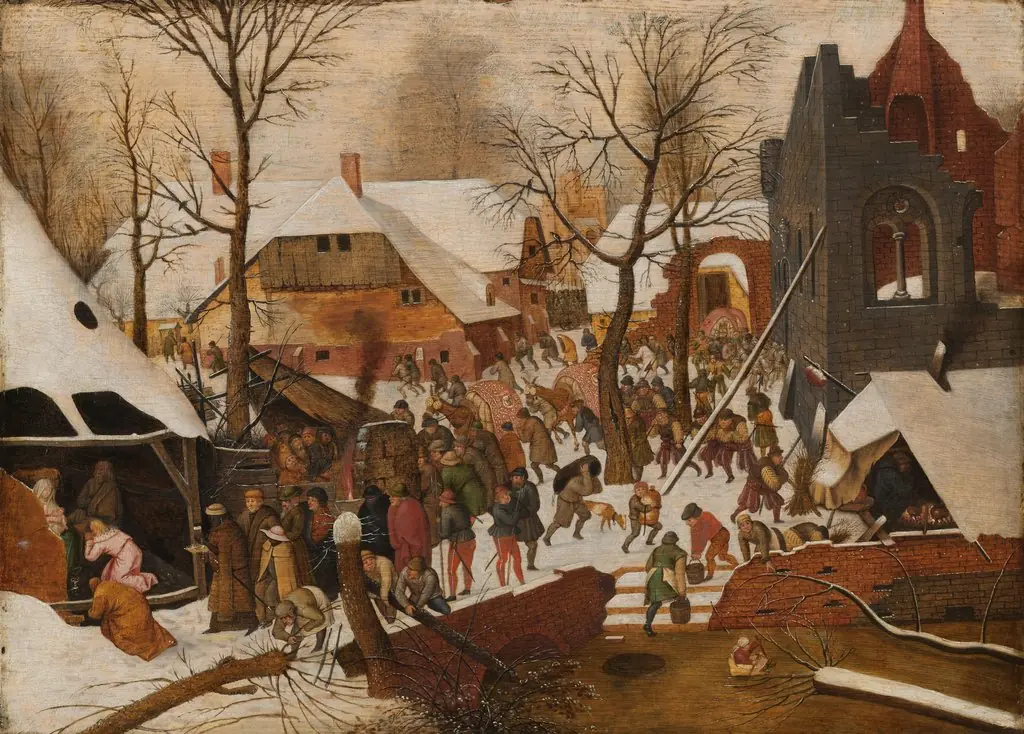 Adoration of the magi
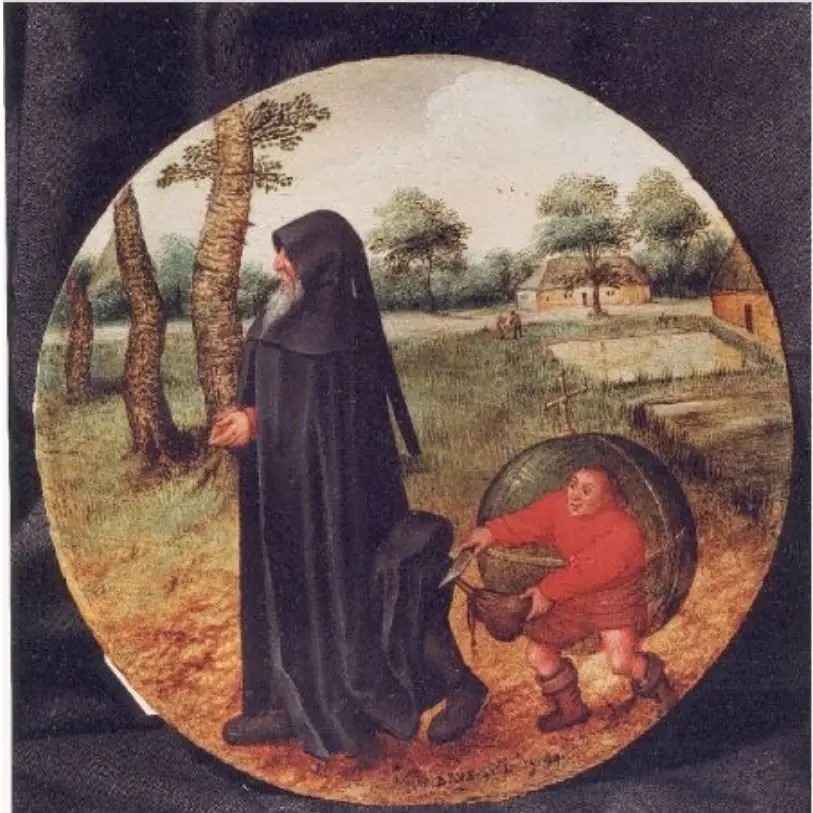 I Mourn because the World is so Untrustworthy
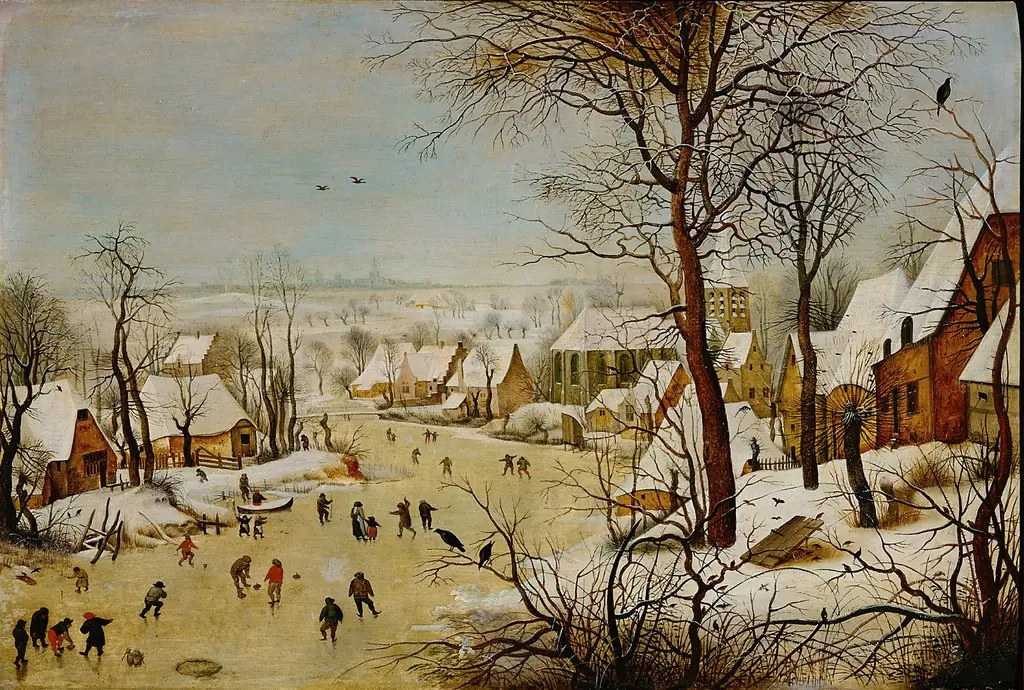 Winter Landscape with a Bird Trap
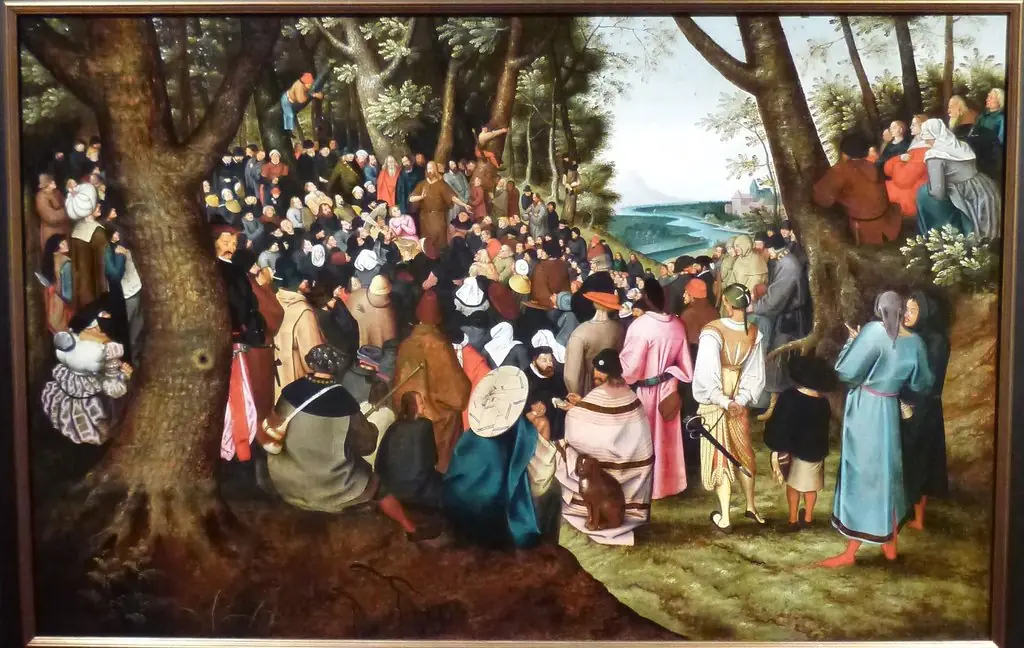 The Sermon of John the Baptist
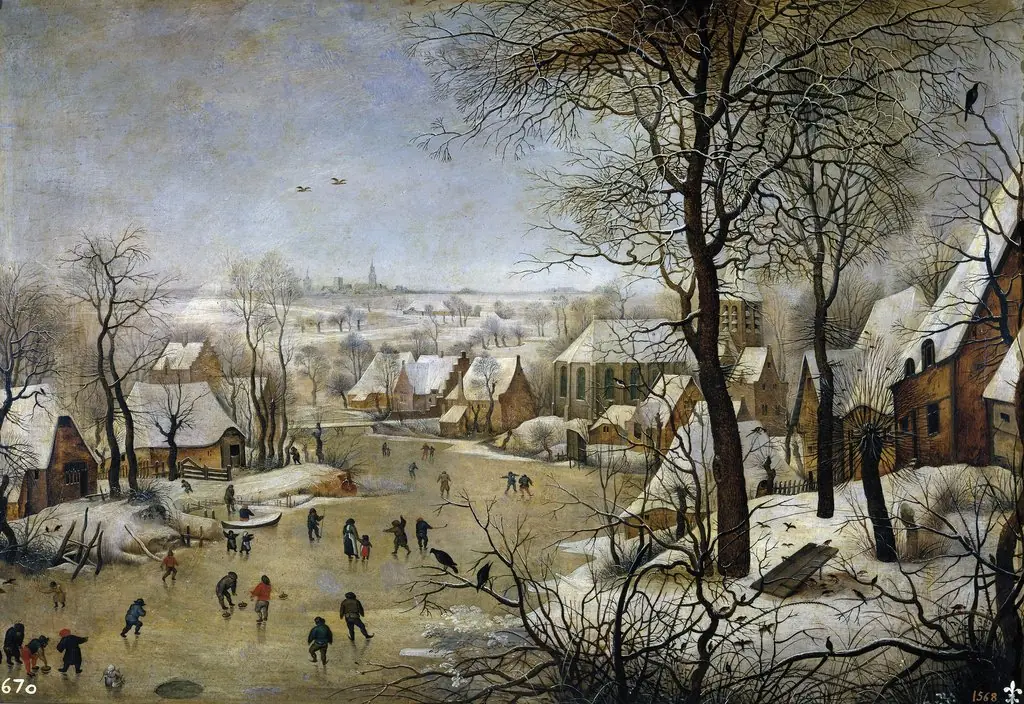 Winter Landscape with a Bird-trap
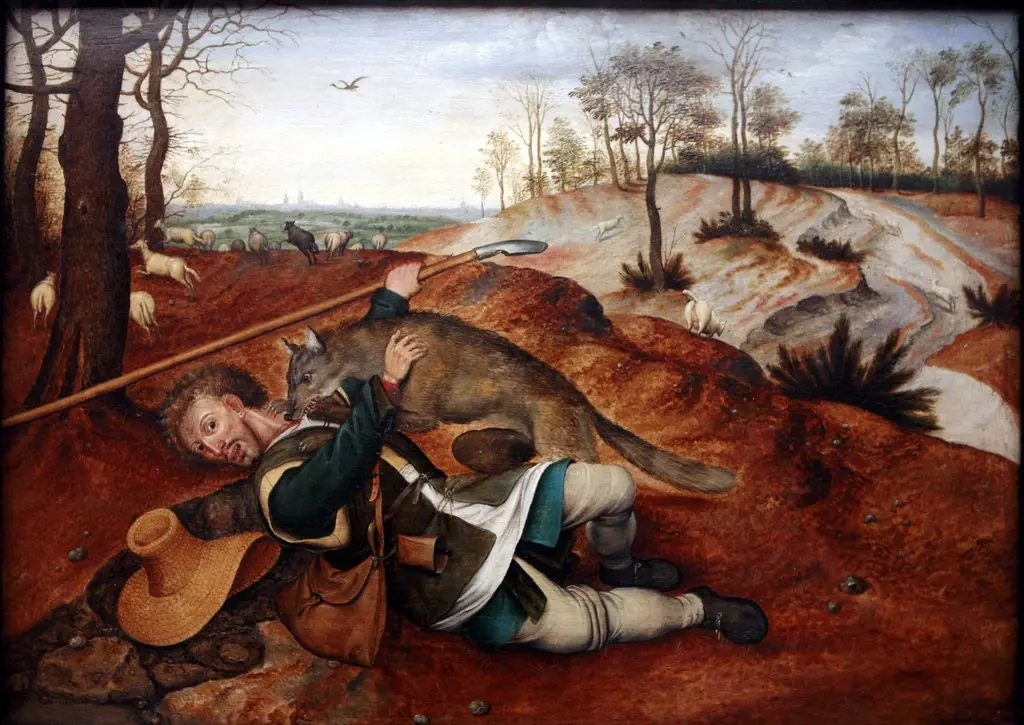 The Good Shepherd
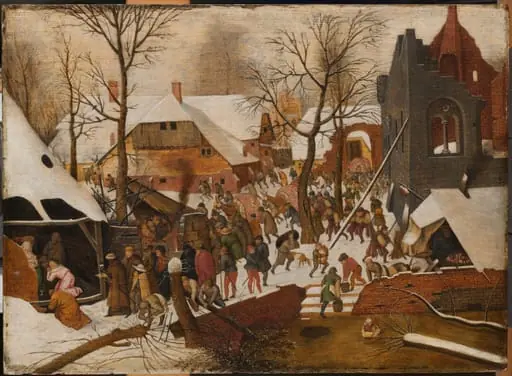 The Adoration of the Magi
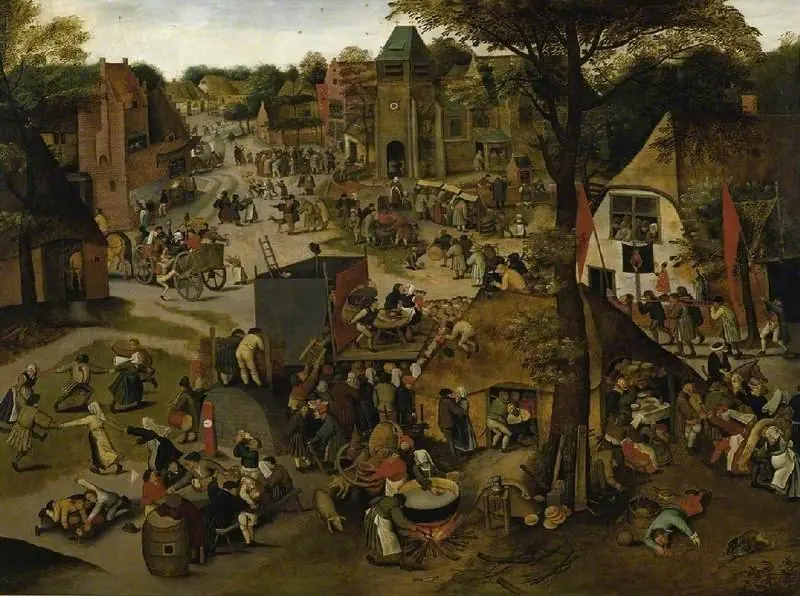 A Village Festival, With a Theatrical Performance and a Procession in Honour of St Hubert and St Anthony