Artwork
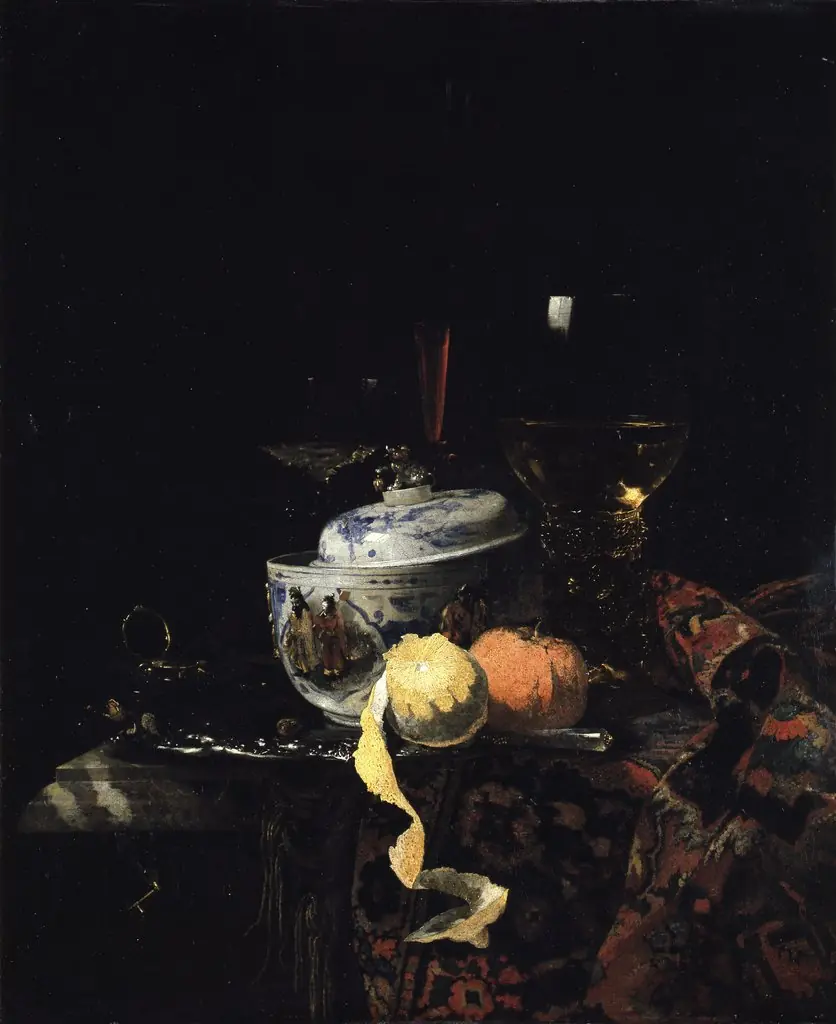
Still Life with Lemon Peel
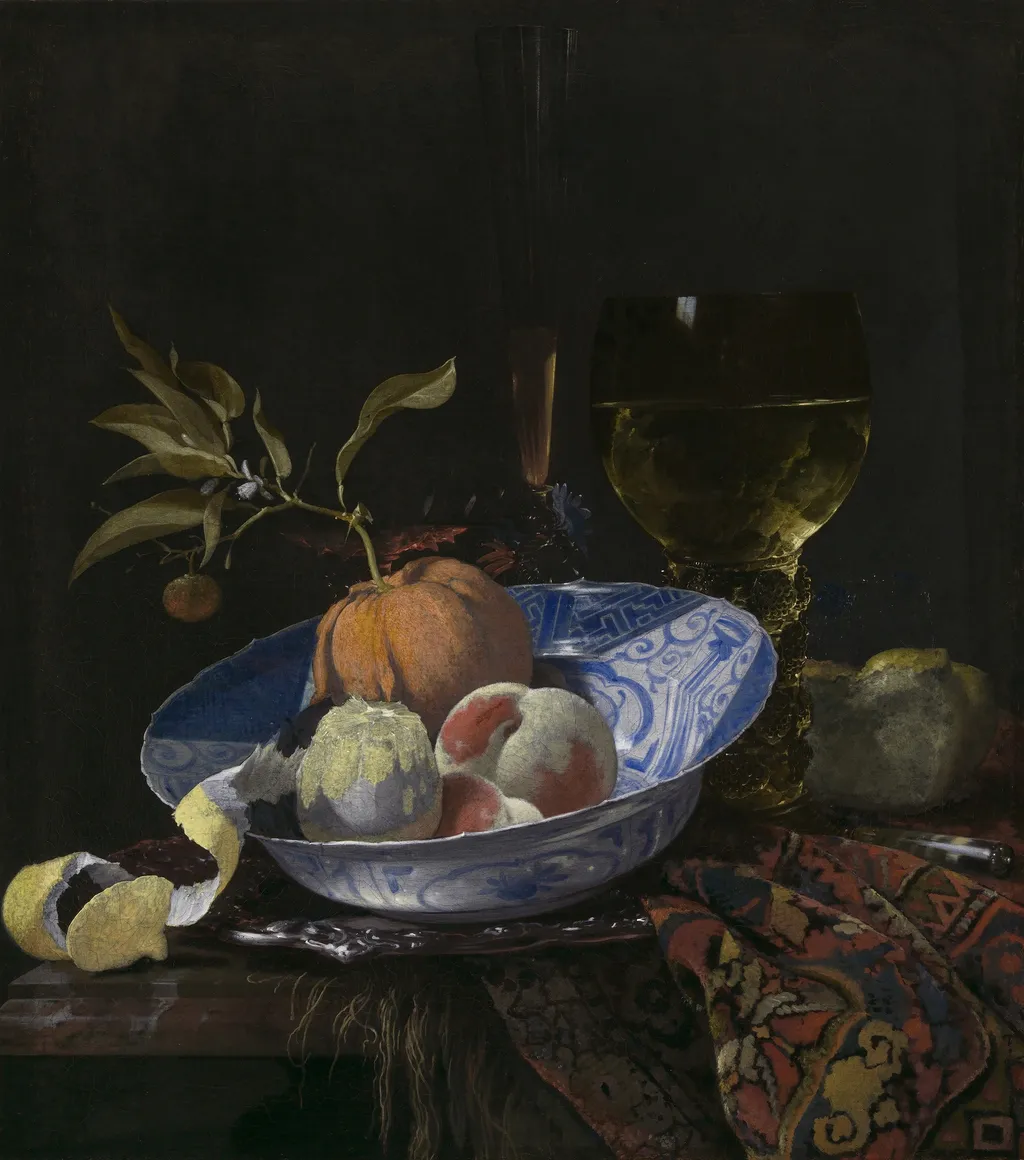
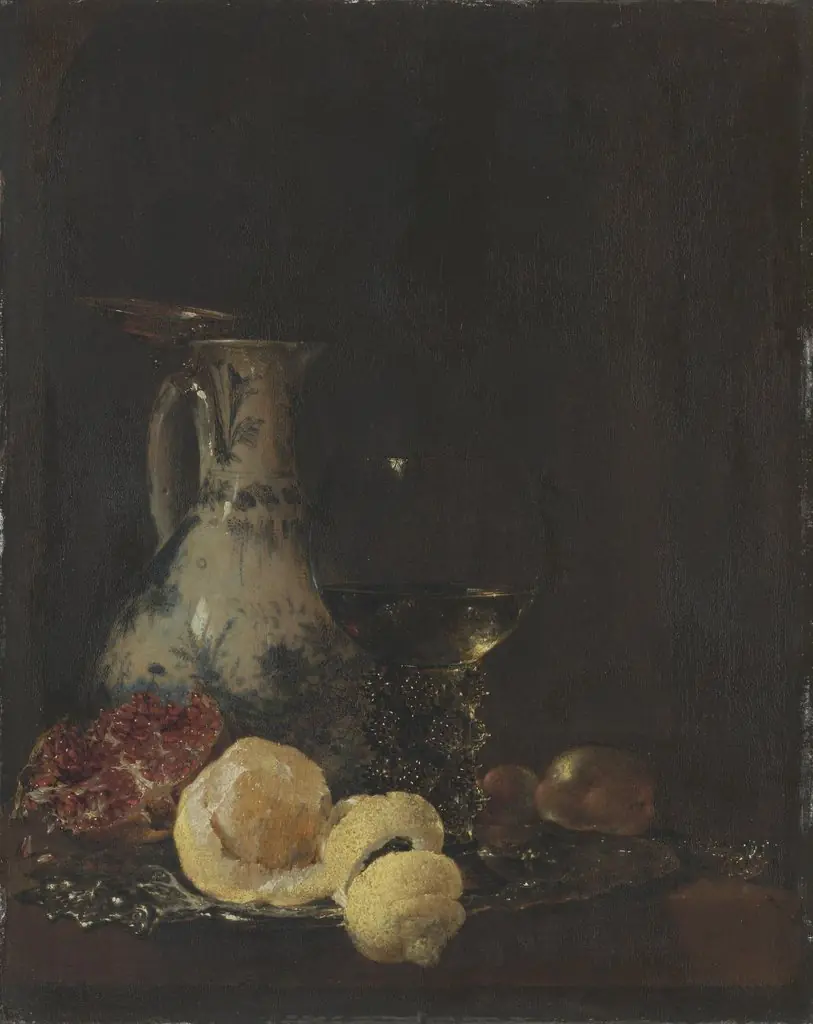
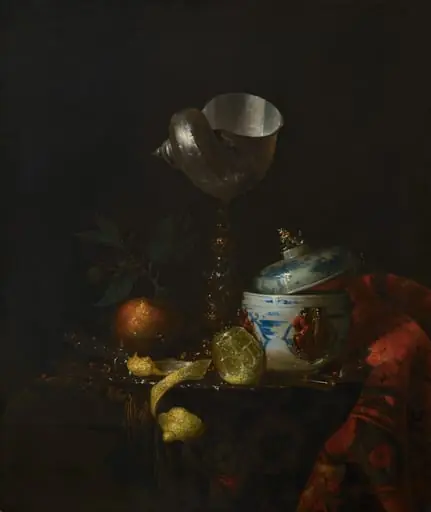
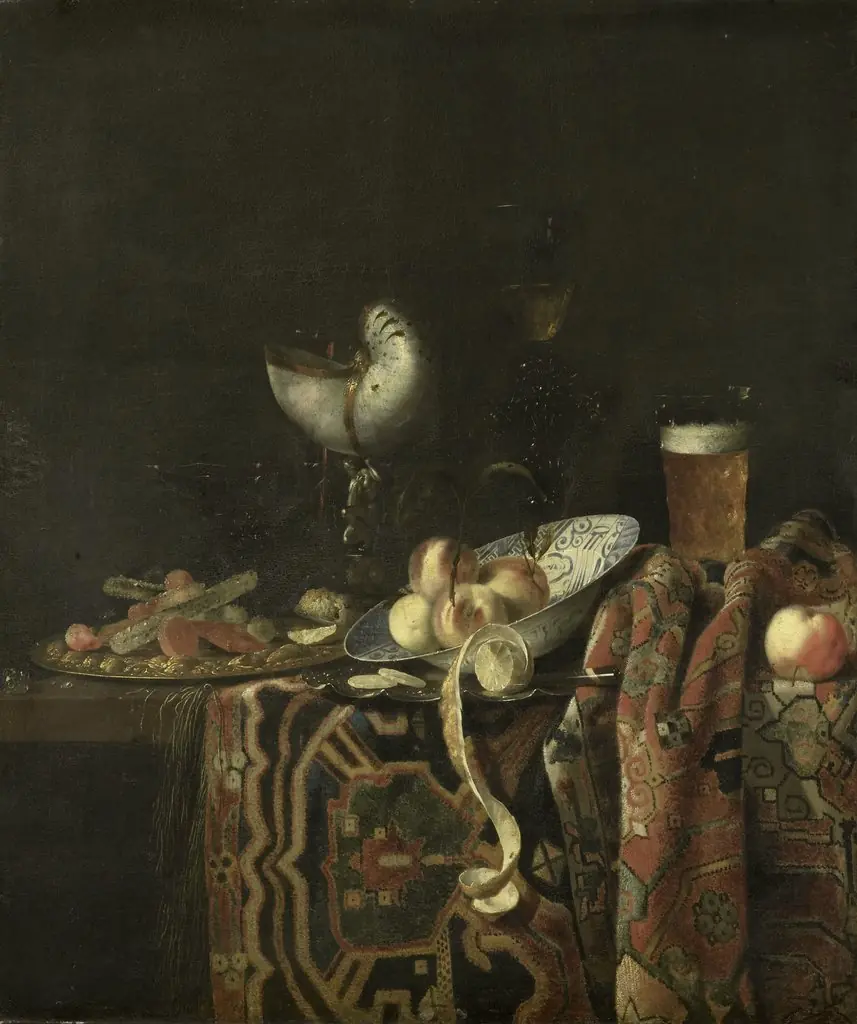
Still Life with Lemon Peel is an oil painting by the Dutch Golden Age artist Willem Kalf. It dates from 1664 and is held in the collection of the Museum of Fine Arts Boston.
About this work
Overview
Still Life with Lemon Peel is a 1664 oil painting by Willem Kalf, a prominent Dutch still-life artist of the 17th-century Golden Age. The work features a carefully composed arrangement of everyday and luxurious objects.
Subject & Meaning
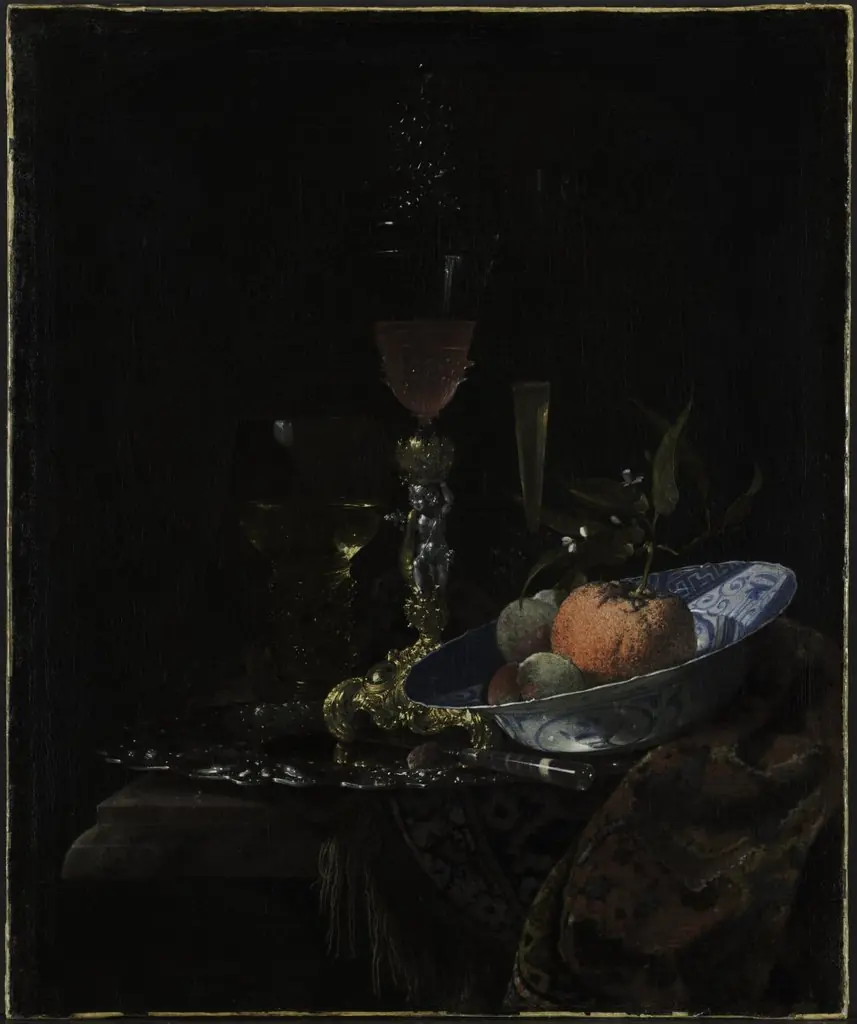
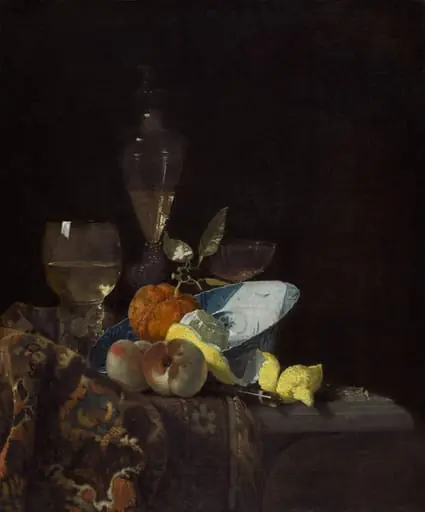
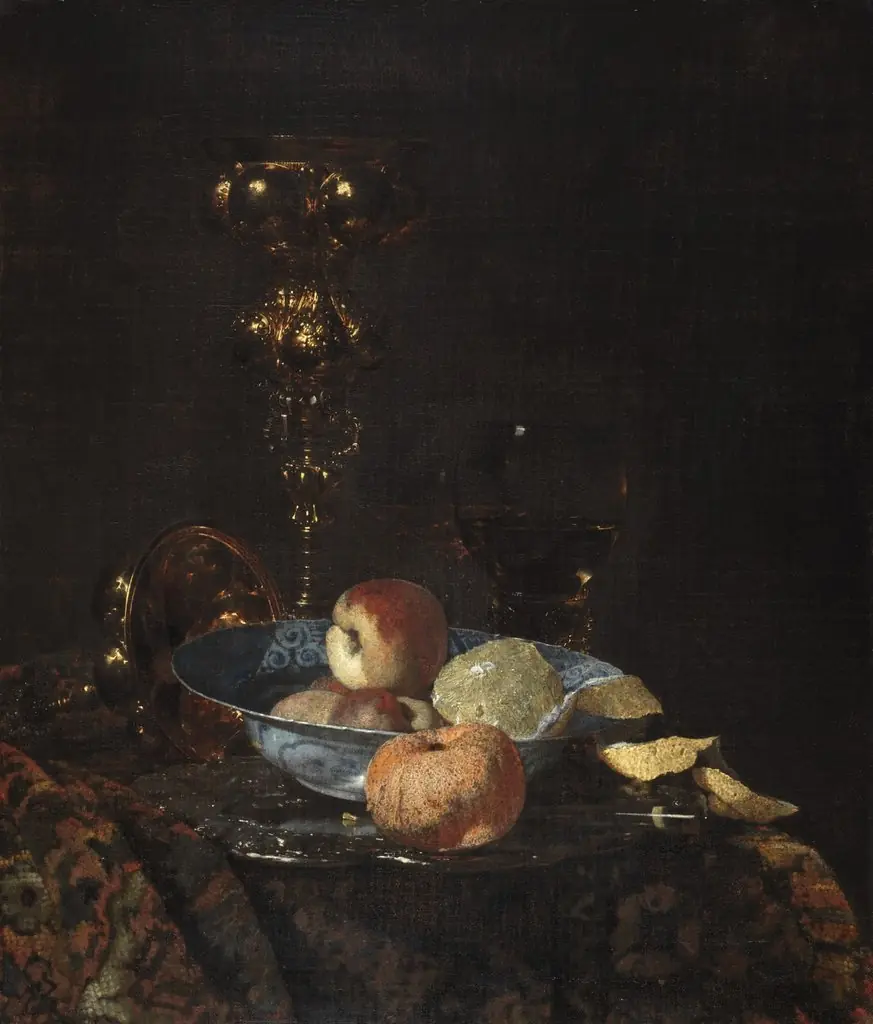
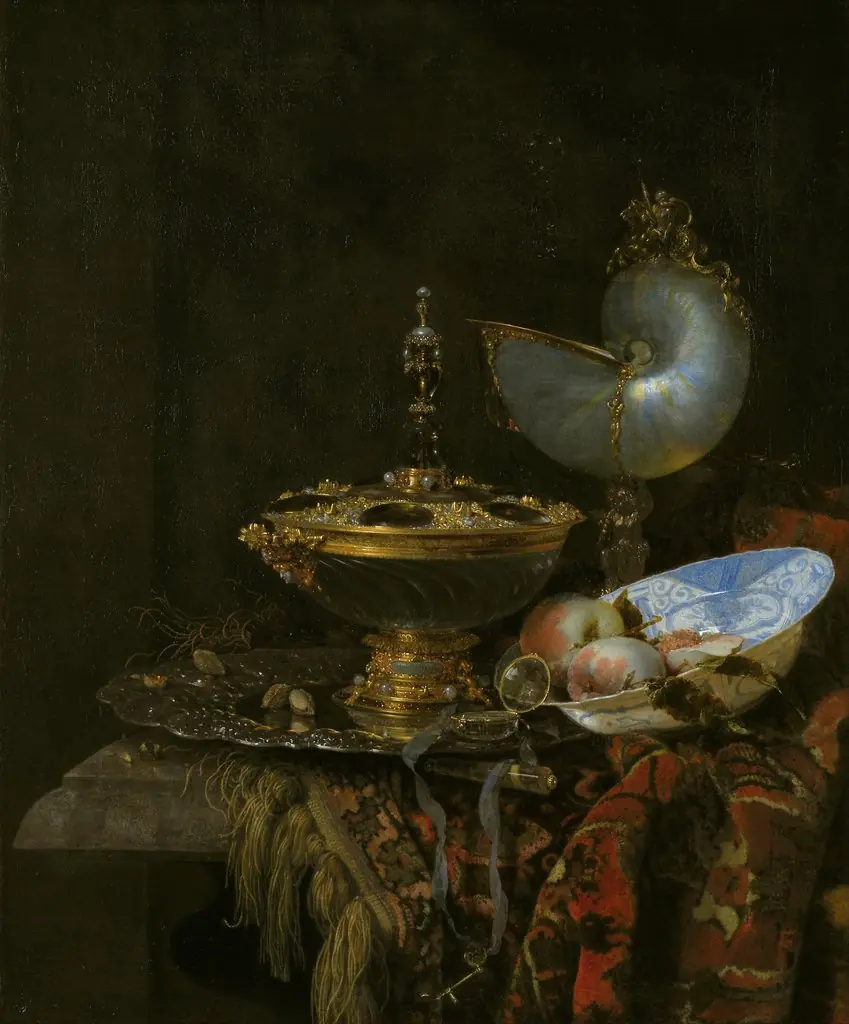
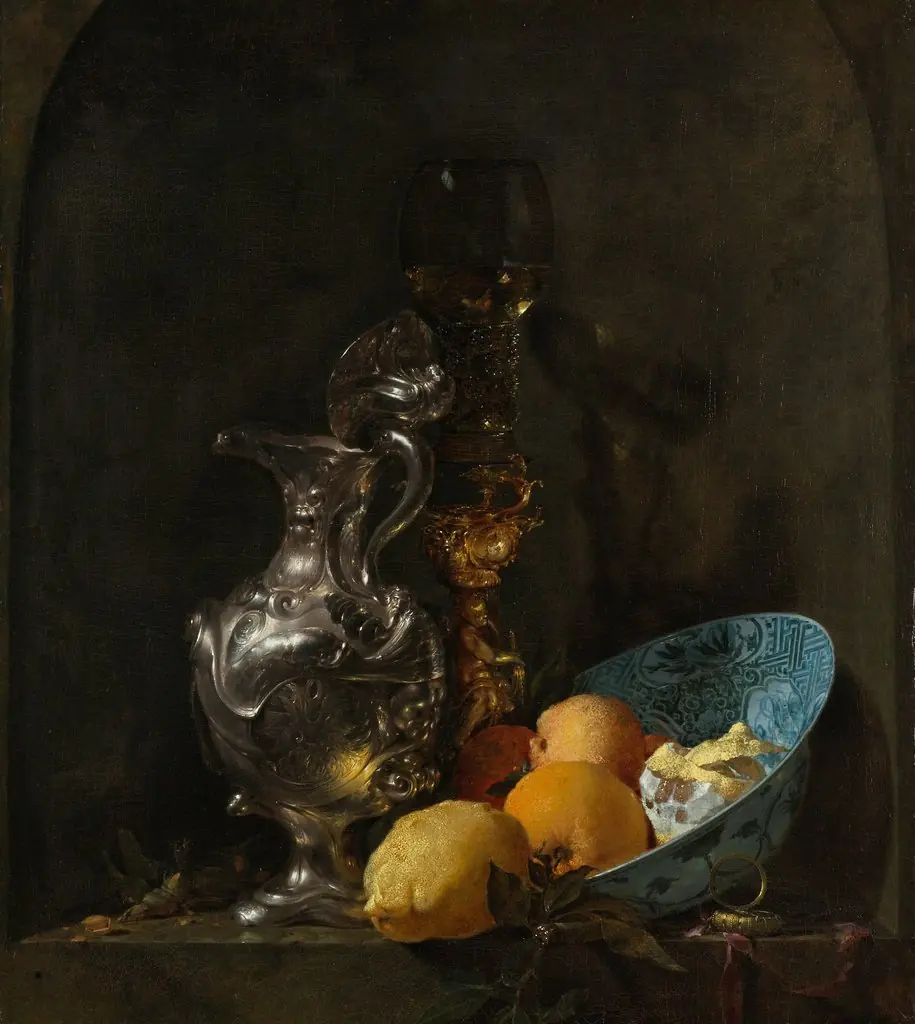
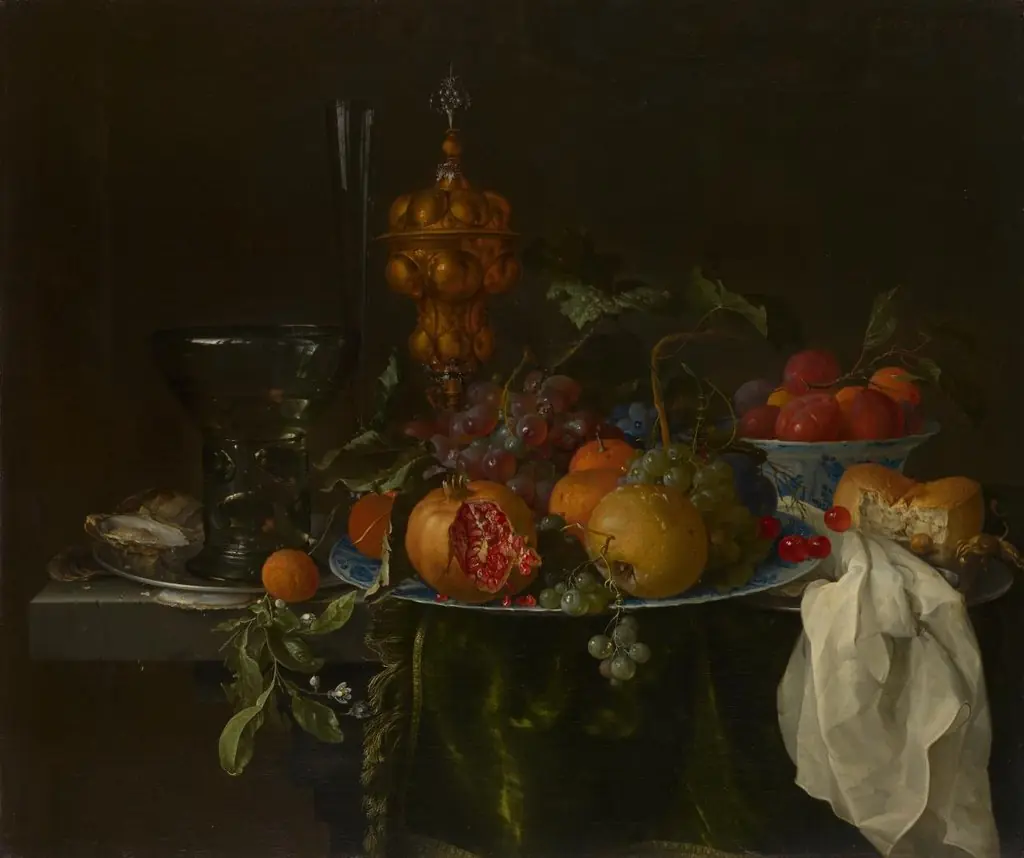
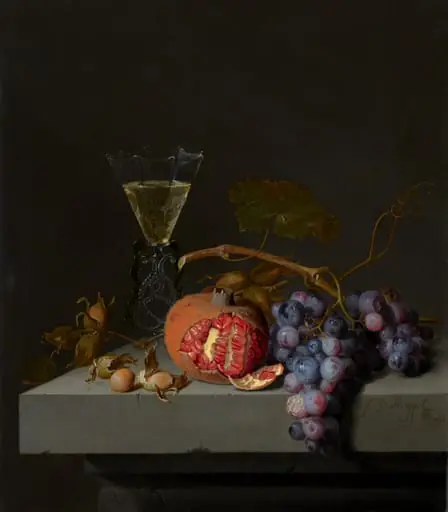
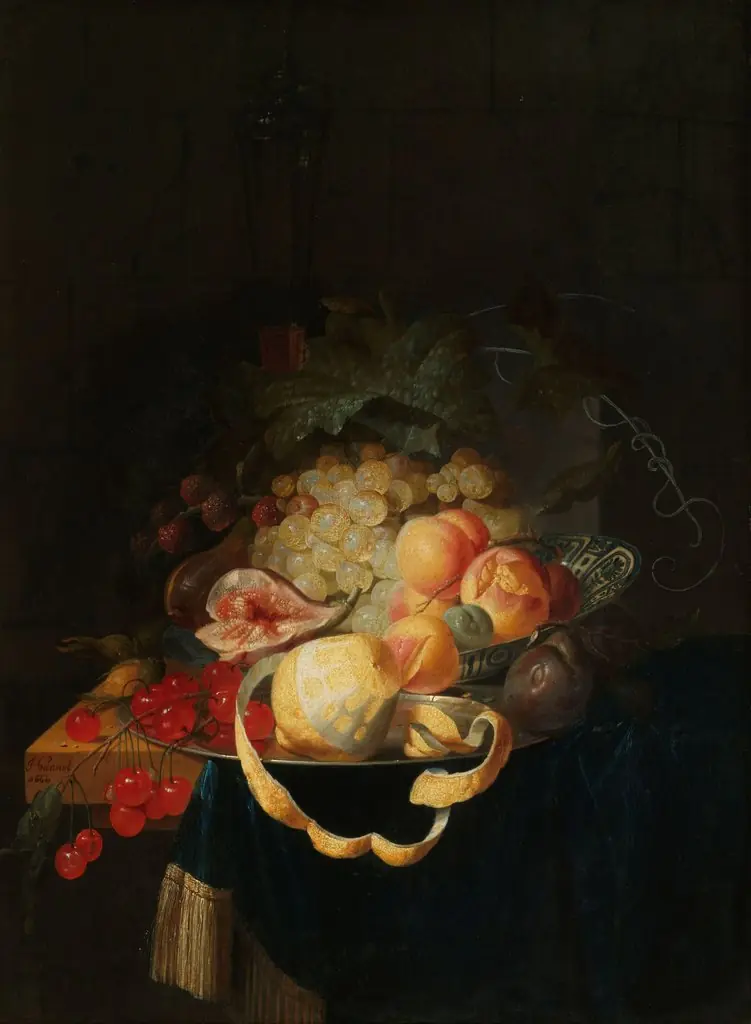
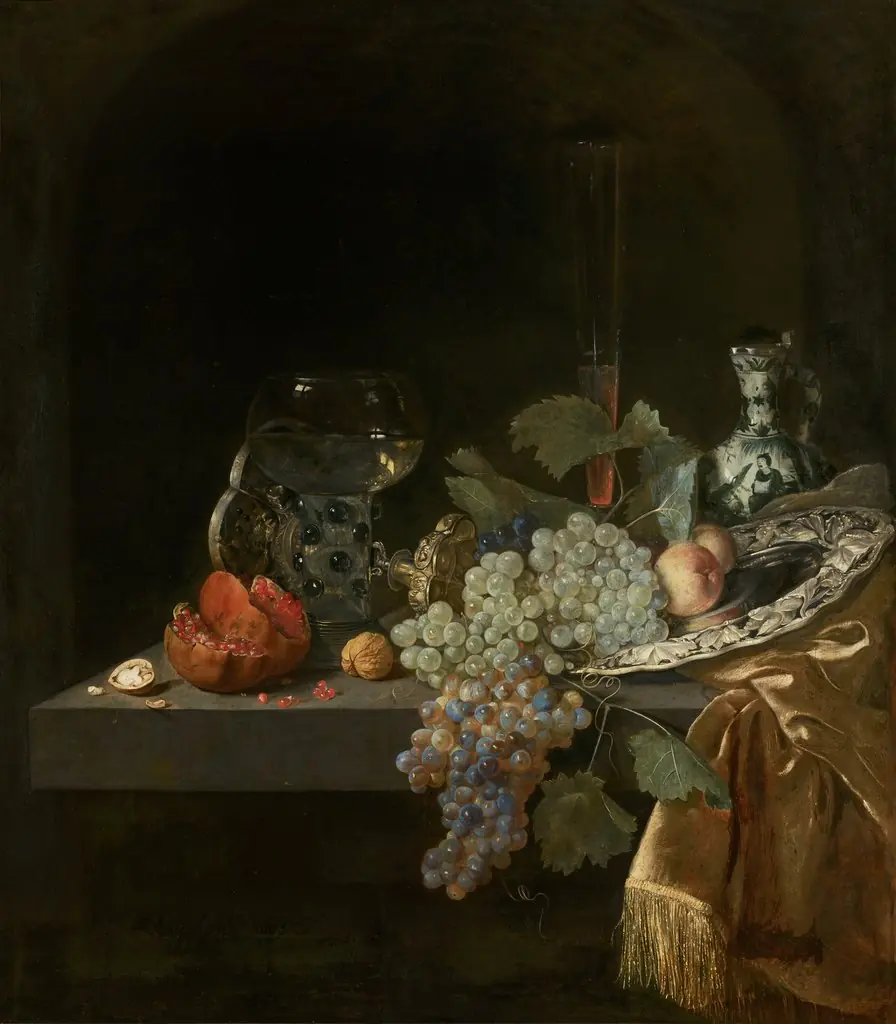
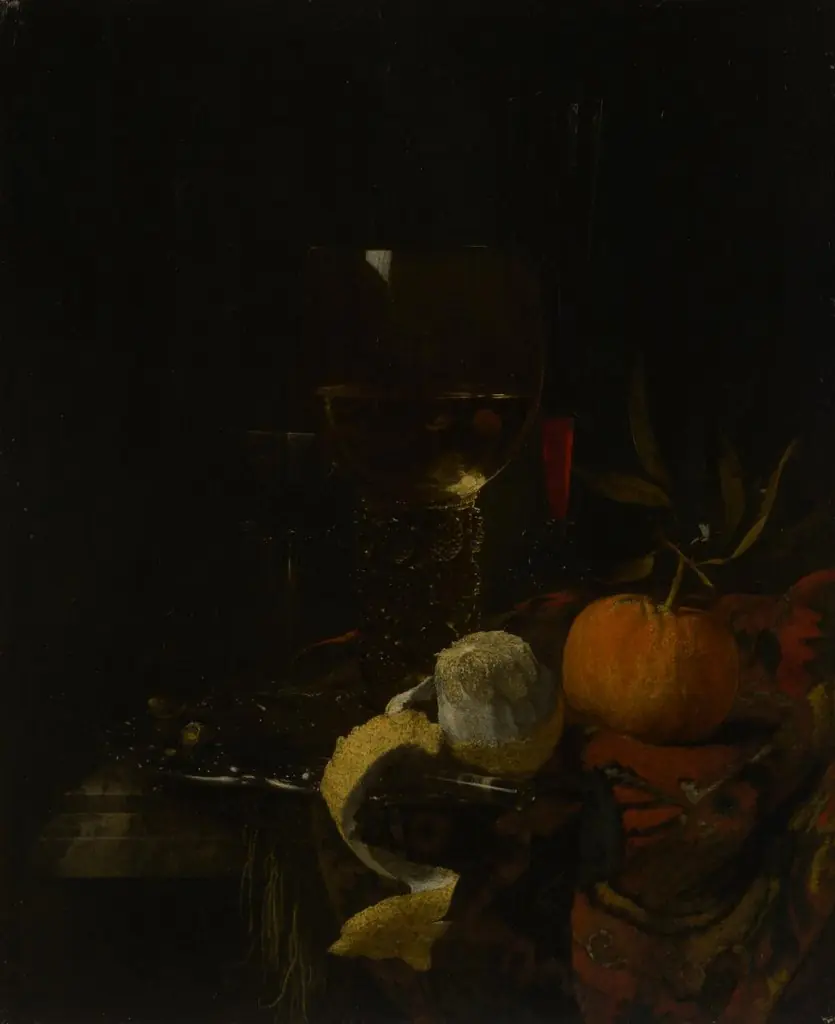
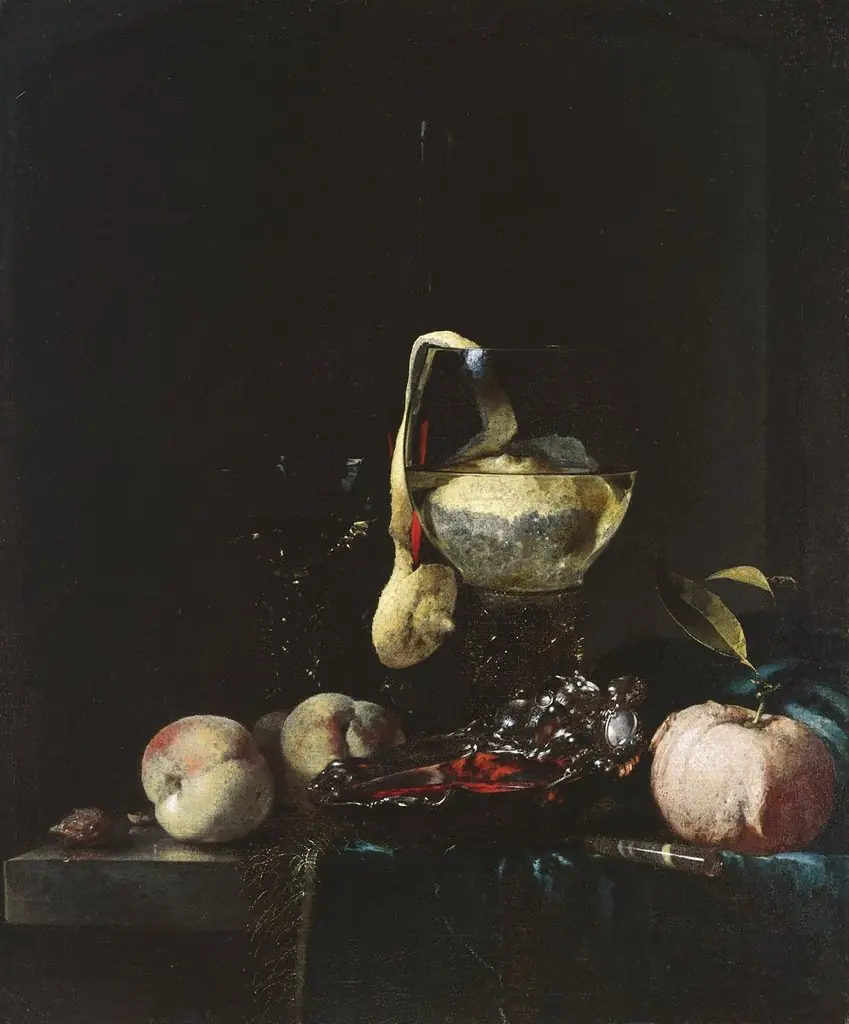
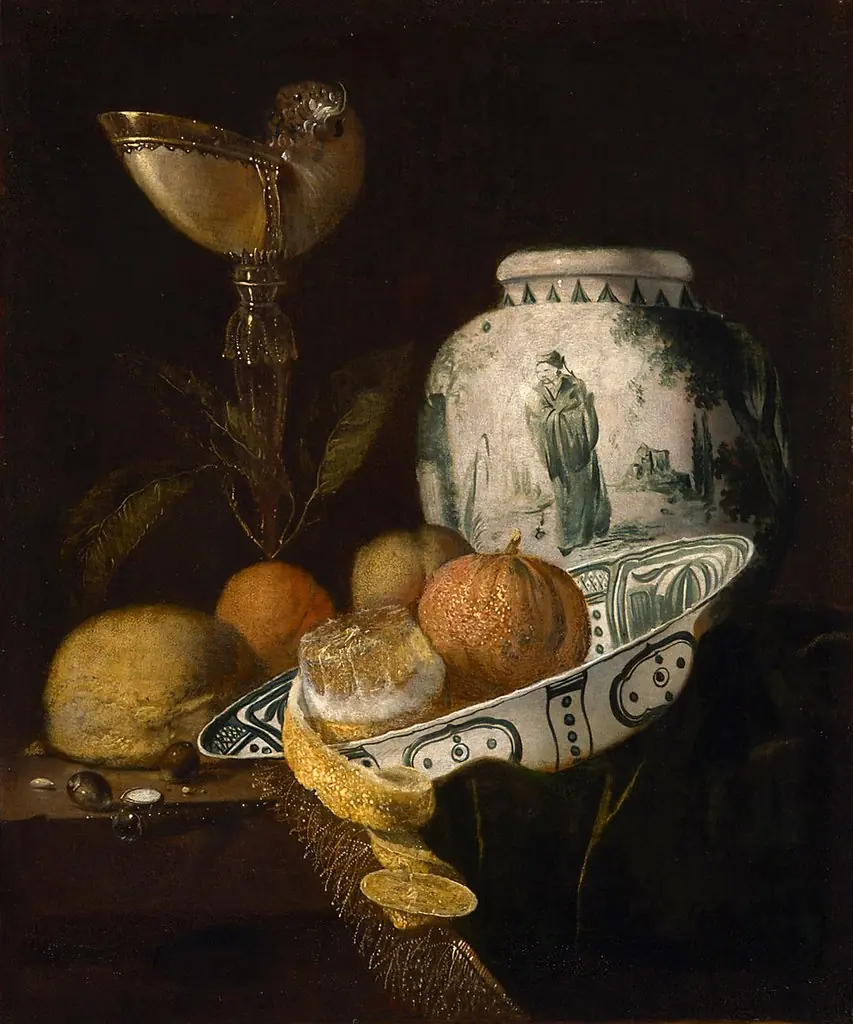
The painting depicts a modest yet elegant still life, including a bowl of mixed fruit, a partially peeled lemon, a glass goblet, and a decorative vase with flowers, set against a dark background. This setup reflects the pronkstilleven tradition, characterized by elaborate and refined compositions often incorporating exotic or high-end items.
Technique & Style
Kalf employed chiaroscuro to create a sense of depth and realism, leveraging the contrast between the dark background and the vibrant, illuminated objects. This play of light and shadow enhances the visual appeal and perceived three-dimensionality of the depicted items.
History & Provenance
Created in 1664, the painting is now part of the Museum of Fine Arts, Boston's collection. During his lifetime, Kalf was acclaimed not only for his artistic prowess but also for his personal charm.
Context
Still Life with Lemon Peel embodies the Dutch Golden Age's pronkstilleven style, distinguished by its display of luxury goods within a domestic setting, reflecting the era's commercial prosperity and aesthetic preferences.
Legacy
As a work by a leading figure in Dutch still-life painting, it contributes to the understanding and appreciation of 17th-century Dutch art, particularly the evolution and characteristics of the pronkstilleven genre.
Own this work as a print
Artist & collection
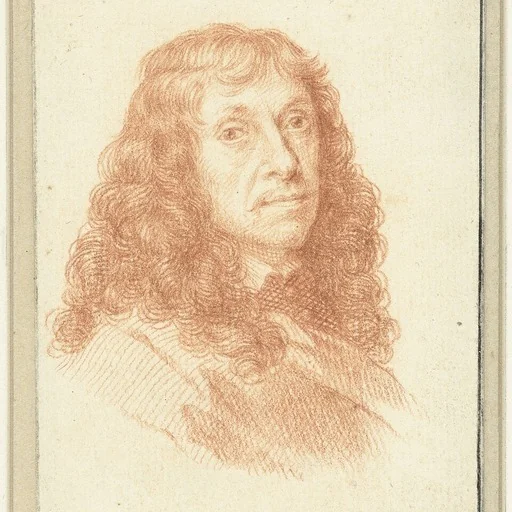
Artist
Willem Kalf (1619 – 31 July 1693) was one of the most prominent Dutch still-life painters of the 17th century, the Dutch Golden Age.