Artwork
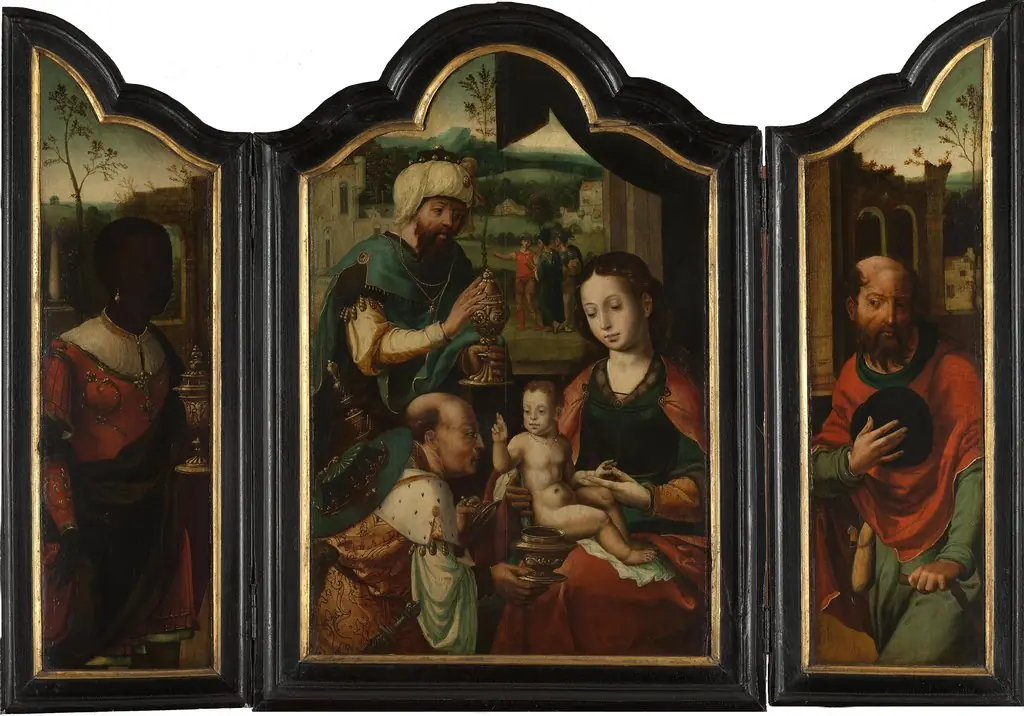
The Adoration of the Magi
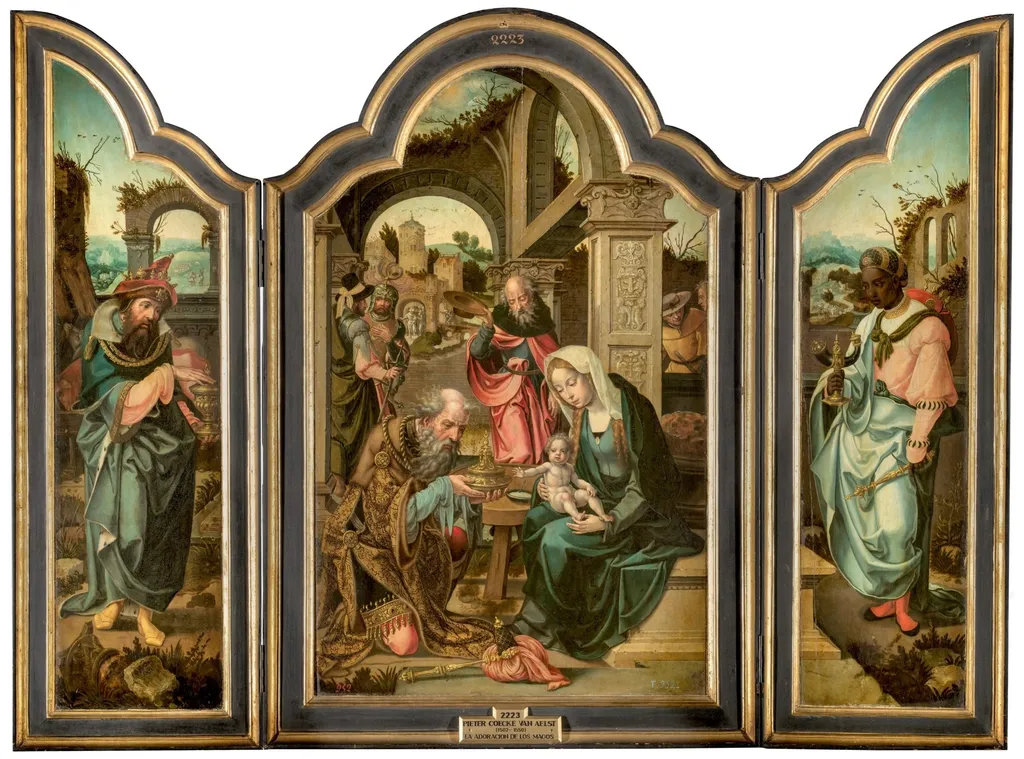
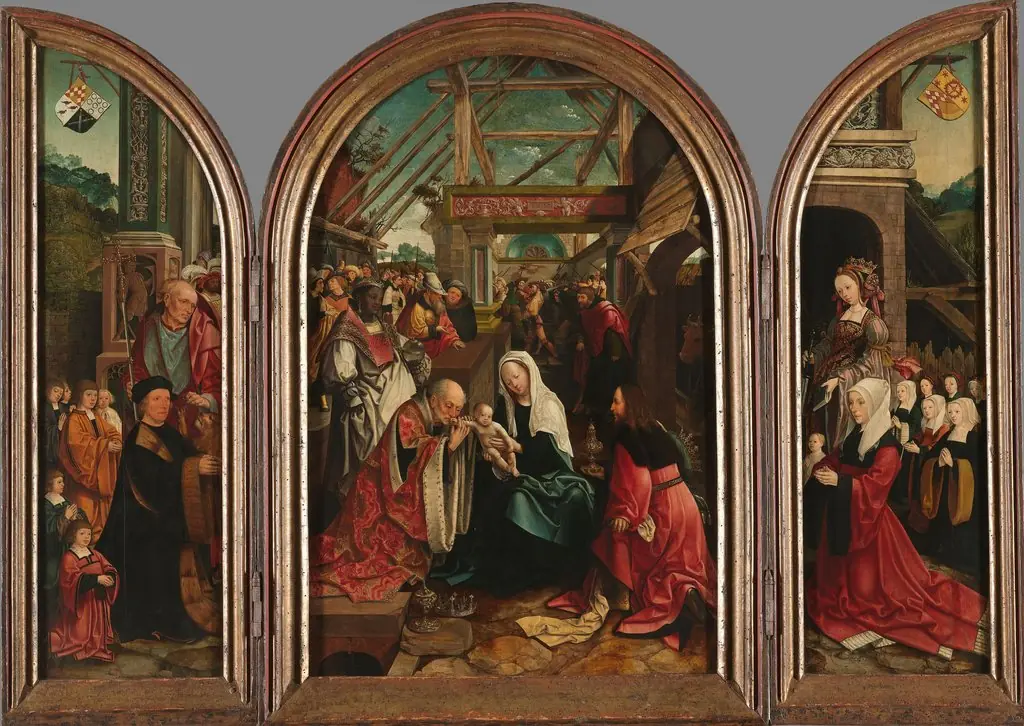
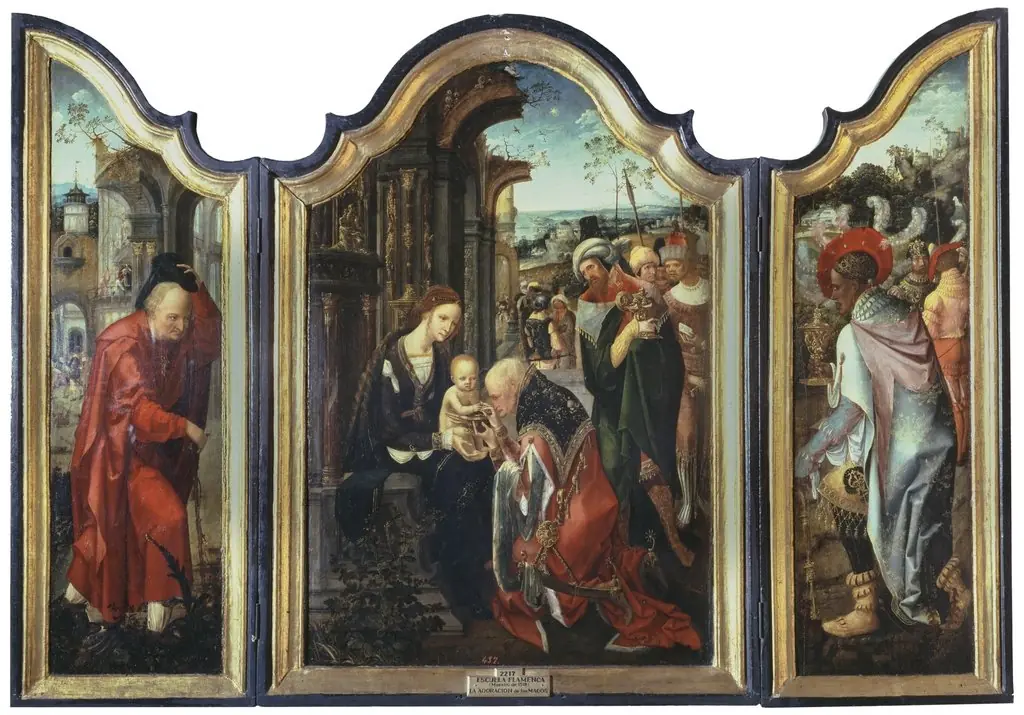
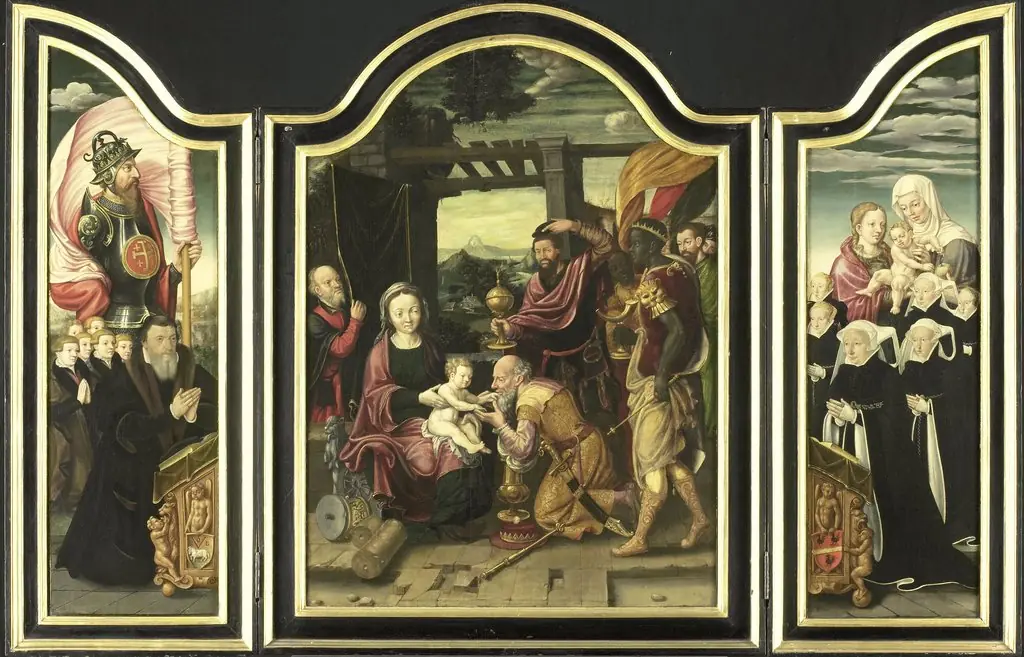
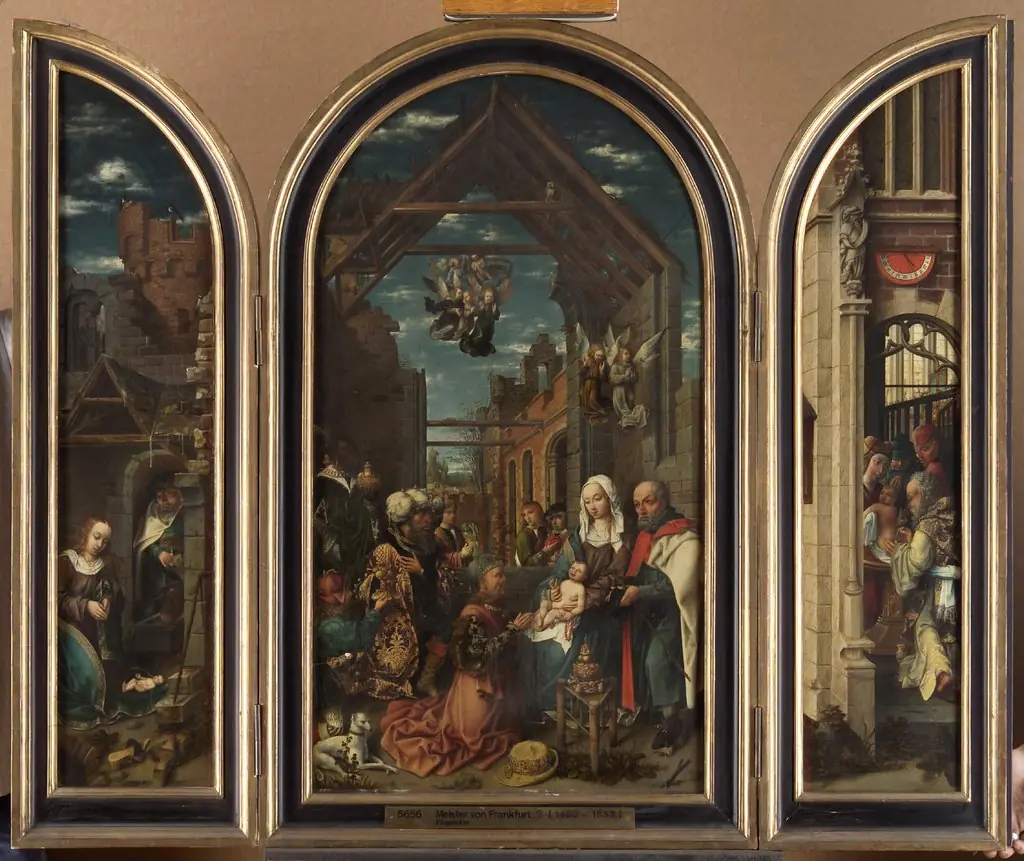
The Adoration of the Magi is an oil painting by the Northern Renaissance artist Pieter Coecke van Aelst. It dates from 1530 and is held in the collection of the Museo del Prado. Created around 1530, this oil‑on‑panel triptych depicts the biblical episode of the Magi’s visit to the infant Jesus.
About this work
Overview
Created around 1530, this oil‑on‑panel triptych depicts the biblical episode of the Magi’s visit to the infant Jesus. Executed by the Flemish painter Pieter Coecke van Aelst, the work is part of the permanent collection of the Museo del Prado in Madrid. Its three‑panel format presents a central Nativity scene flanked by complementary figures, forming a cohesive narrative composition.
Subject & Meaning
The central panel shows the three wise men presenting gifts to the Christ Child, a traditional representation of the Adoration of the Magi. The surrounding panels reinforce the theme of divine revelation and the acknowledgment of Christ’s universal significance, emphasizing the convergence of Eastern royalty and the humble stable setting.
Technique & Style
Coecke van Aelst employed multiple layers of oil paint, building up translucent glazes that create deep, saturated hues and subtle modeling of forms. This meticulous glazing technique yields a luminous quality, allowing the figures to appear softly illuminated against a richly detailed background. The fine brushwork captures intricate textures in garments and architectural elements.
History & Provenance
The triptych was likely produced for a private devotional setting in the early sixteenth century. It entered the Spanish royal collection before being transferred to the Museo del Prado, where it has been displayed since the museum’s early acquisitions. Its attribution to Coecke van Aelst has been confirmed through stylistic analysis and archival documentation.
Artist & collection
Artist
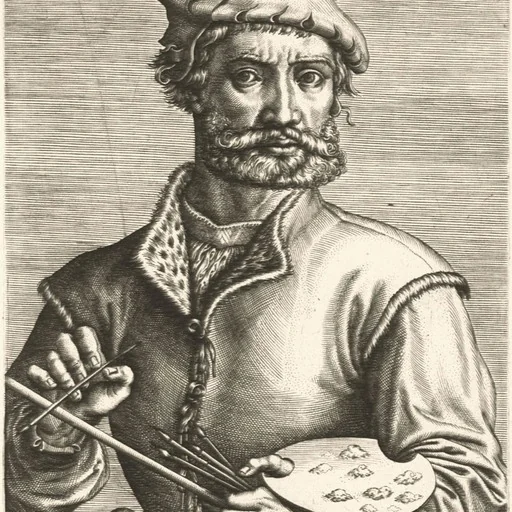
Pieter Coecke van Aelst or Pieter Coecke van Aelst the Elder was a Flemish painter, sculptor, architect, author and designer of woodcuts, goldsmith's work, stained glass and tapestries.