Artwork
Knight in armour with a German order
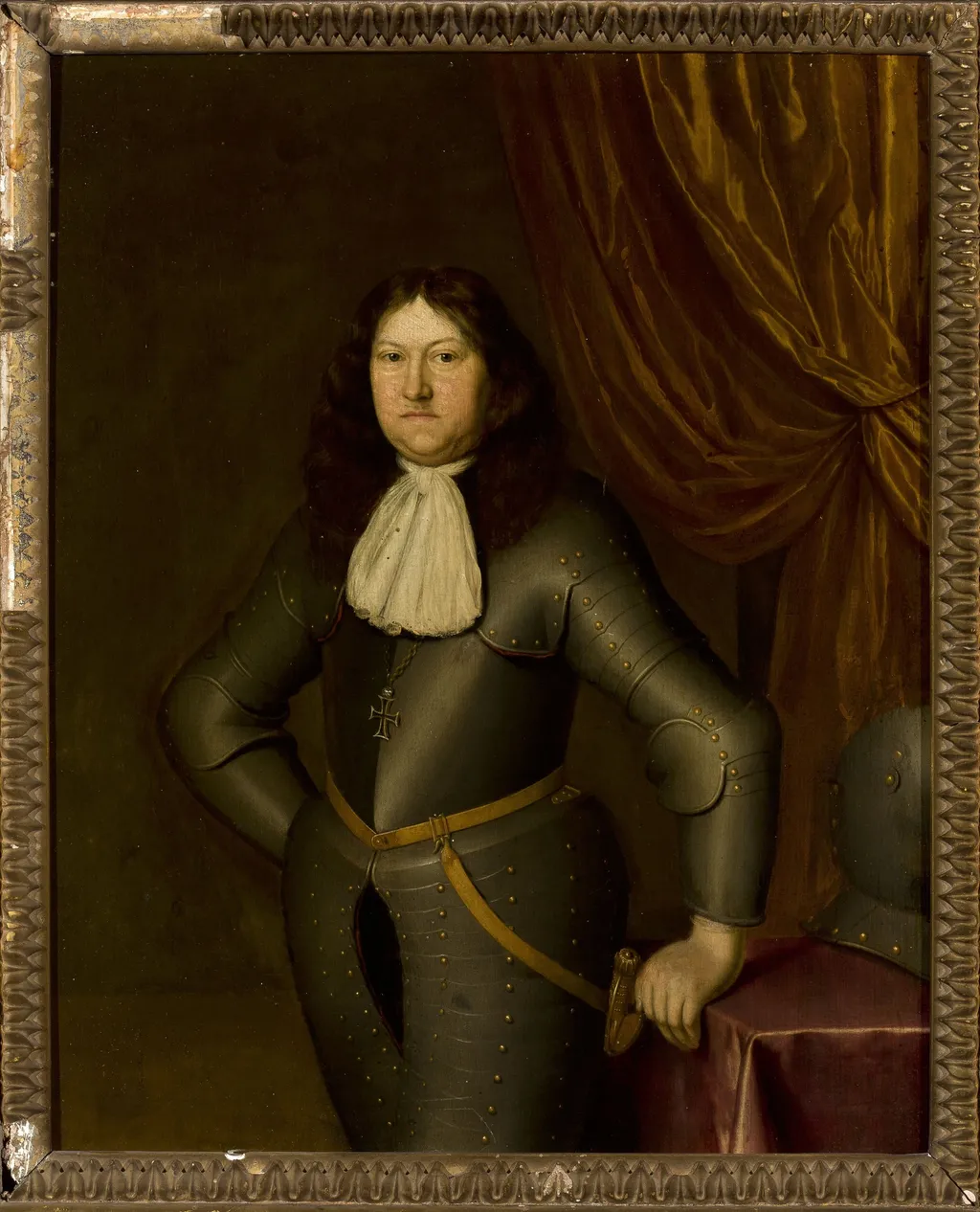
Knight in armour with a German order is an oil painting by the Dutch Golden Age artist Pieter Cornelisz. van Slingelandt. It dates from 1675 and is held in the collection of the National Museum in Warsaw. Painted around 1675 by Pieter Cornelisz.
About this work
Overview
Van Slingelandt, trained under Gerard Dou, was a leading figure among Leiden’s fijnschilders—artists known for meticulous detail and refined technique.
Painted around 1675 by Pieter Cornelisz. van Slingelandt, this oil portrait captures a knight in full armor, likely a nobleman affiliated with a German chivalric order. Van Slingelandt, trained under Gerard Dou, was a leading figure among Leiden’s fijnschilders—artists known for meticulous detail and refined technique. The work exemplifies the Dutch Golden Age’s fascination with portraiture that blends realism with symbolic prestige.
Subject & Meaning
The figure is depicted in formal pose, standing beside a draped table, his armor adorned with gold embellishments and a prominent cross pendant. The German order suggests ties to a continental military or religious brotherhood, signaling status and loyalty. The absence of weapons or overt action shifts focus to identity and rank, emphasizing the sitter’s social standing rather than martial deeds.
Technique & Style
Van Slingelandt employed fine brushwork to render textures with precision: the metallic sheen of armor, the soft folds of the ruffled collar, and the rich red fabric of the tablecloth. The dark background and gold curtain isolate the figure, enhancing three-dimensionality. His technique reflects the fijnschilder tradition—subtle gradations, controlled lighting, and an almost tactile realism that invites close inspection.
History & Provenance
The painting entered the collection of the National Museum in Warsaw, though its earlier ownership remains undocumented. Its presence in Poland may reflect 18th- or 19th-century acquisitions by collectors or institutions interested in Northern European portraiture. No records indicate commission or original patron, leaving the knight’s identity speculative but not obscure.
Context
In mid-to-late 17th-century Holland, portraiture often served to convey personal or familial prestige. While military subjects were less common than civic or merchant portraits, depictions of armored figures persisted among elites with continental ties. Van Slingelandt’s focus on detail aligned with Leiden’s artistic culture, where technical mastery was prized over dramatic narrative.
Legacy
Though van Slingelandt’s output was modest, his precision influenced later Dutch portraitists. This work survives as a quiet testament to the era’s interest in aristocratic identity and material culture. Its preservation in Warsaw underscores the transnational circulation of Dutch art, even beyond its original cultural sphere.
Artist & collection
Artist
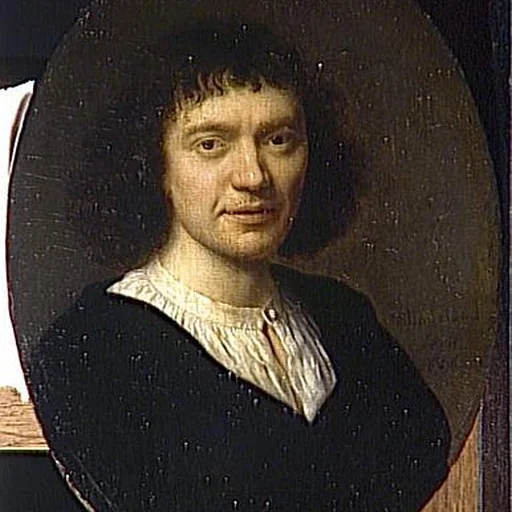
Pieter Cornelisz. van Slingelandt
Pieter Cornelisz van Slingelandt (20 October 1640 – 7 November 1691) was a Dutch Golden Age portrait painter who had been a pupil of Gerard Dou and is known as one of Leiden's fijnschilders.

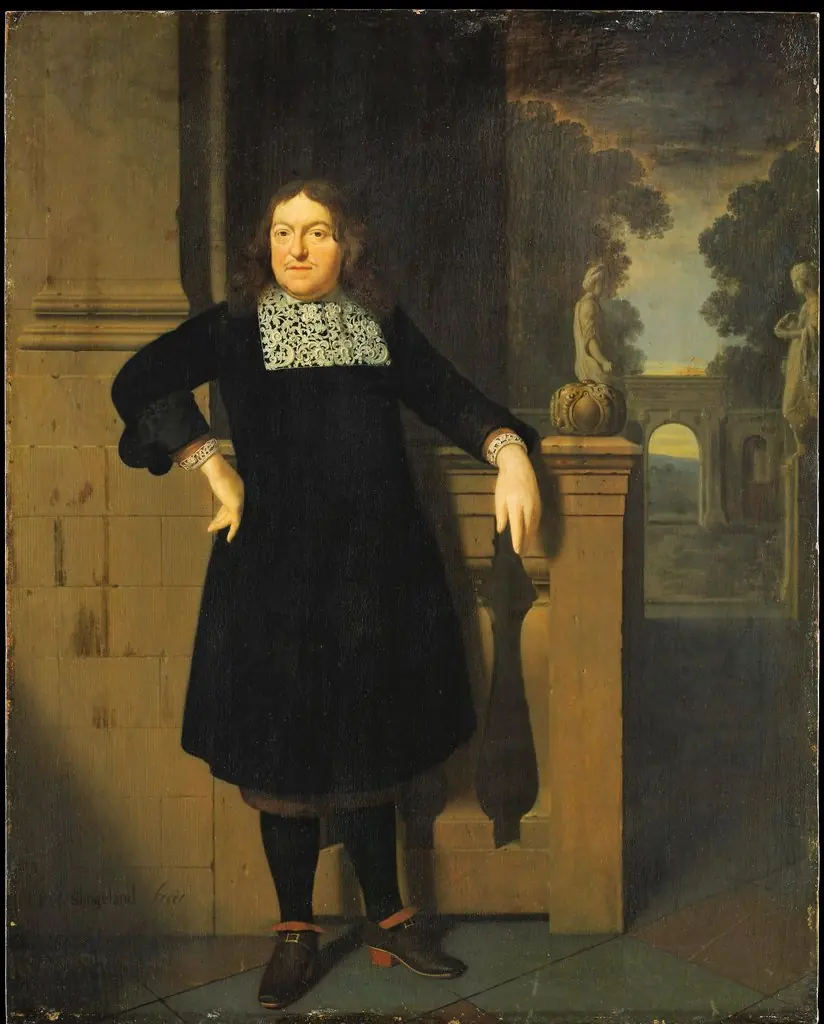 Portrait of Johan Hulshout (1623–1687)
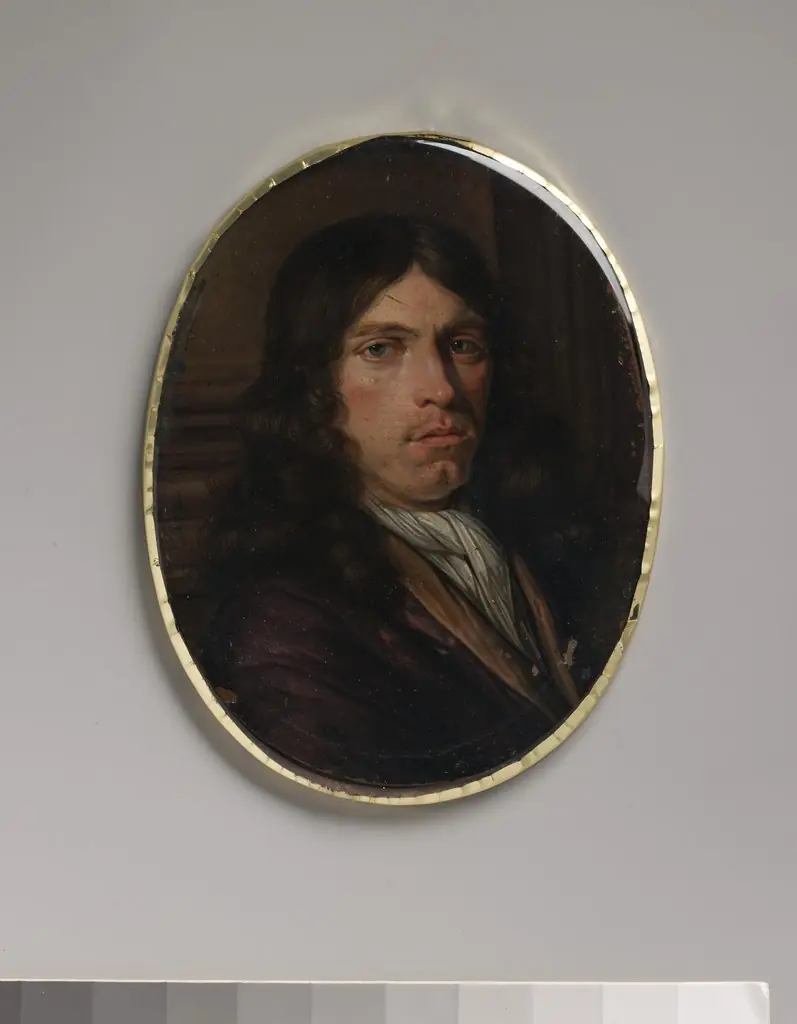 Portrait of a Man
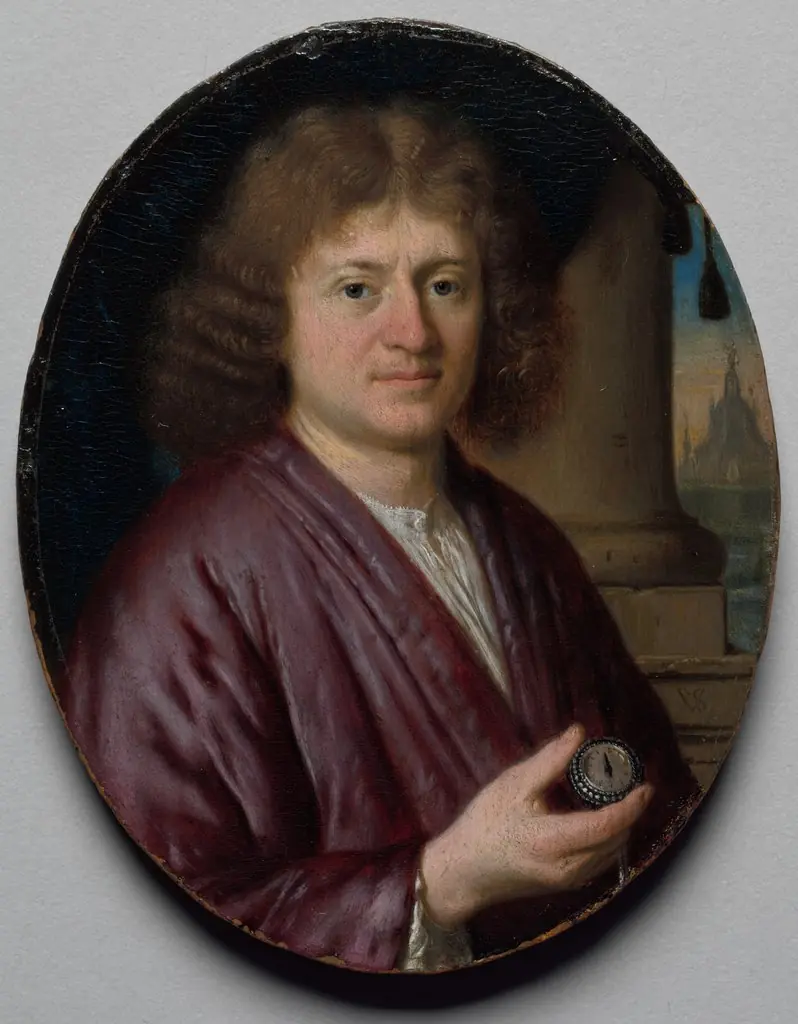 Portrait of a Man Holding a Watch
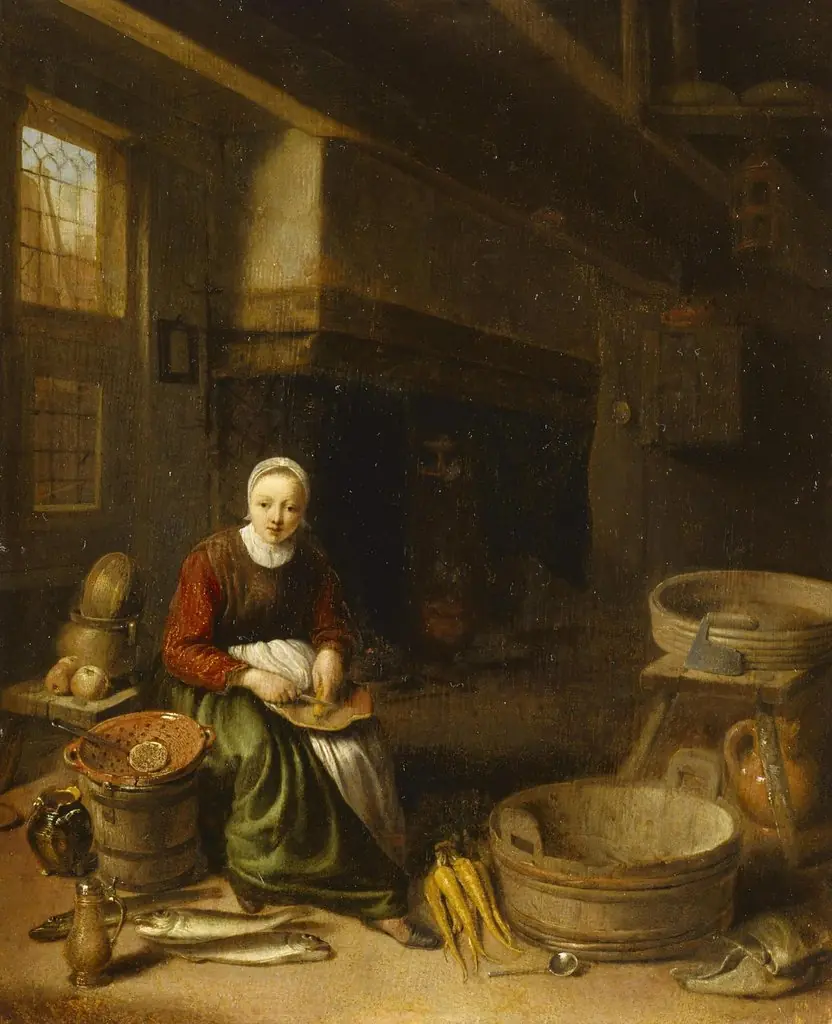 Kitchen Scene
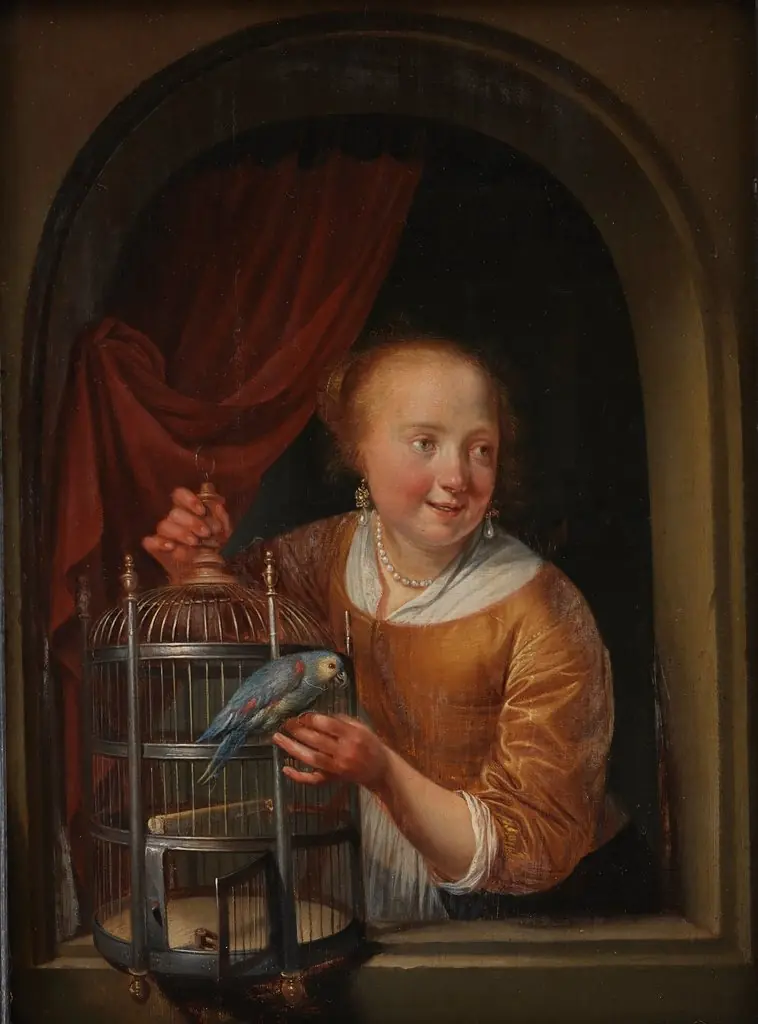 Girl with a Parrot
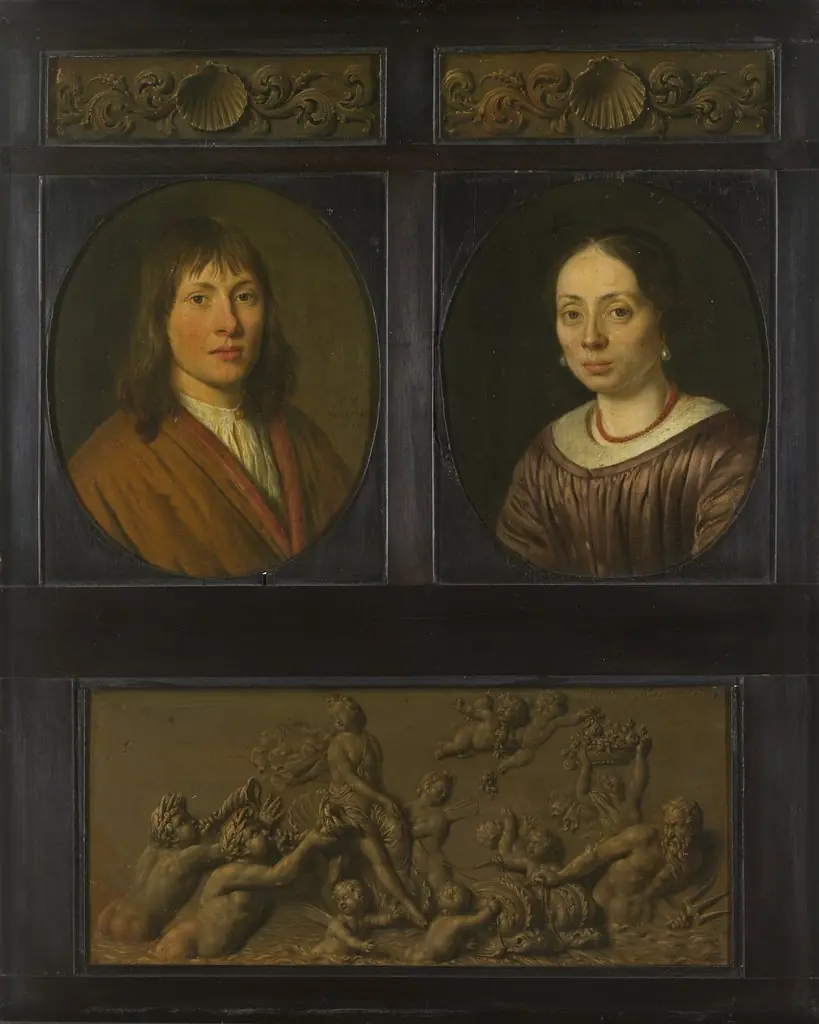 Portraits of a Man and a Woman framed with two ornamental frieze miniatures with shell motif and a Triumph of Amphitrite
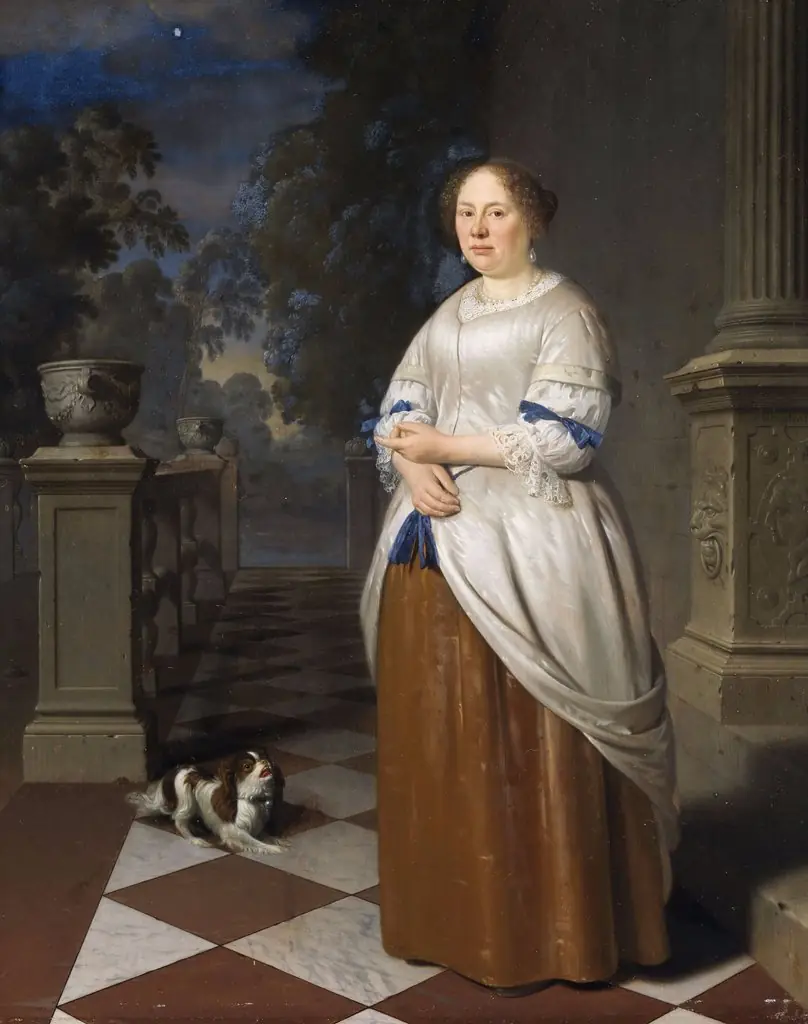 Portrait of Anna Splinter, wife of Johan Hulshout (1623–1687)
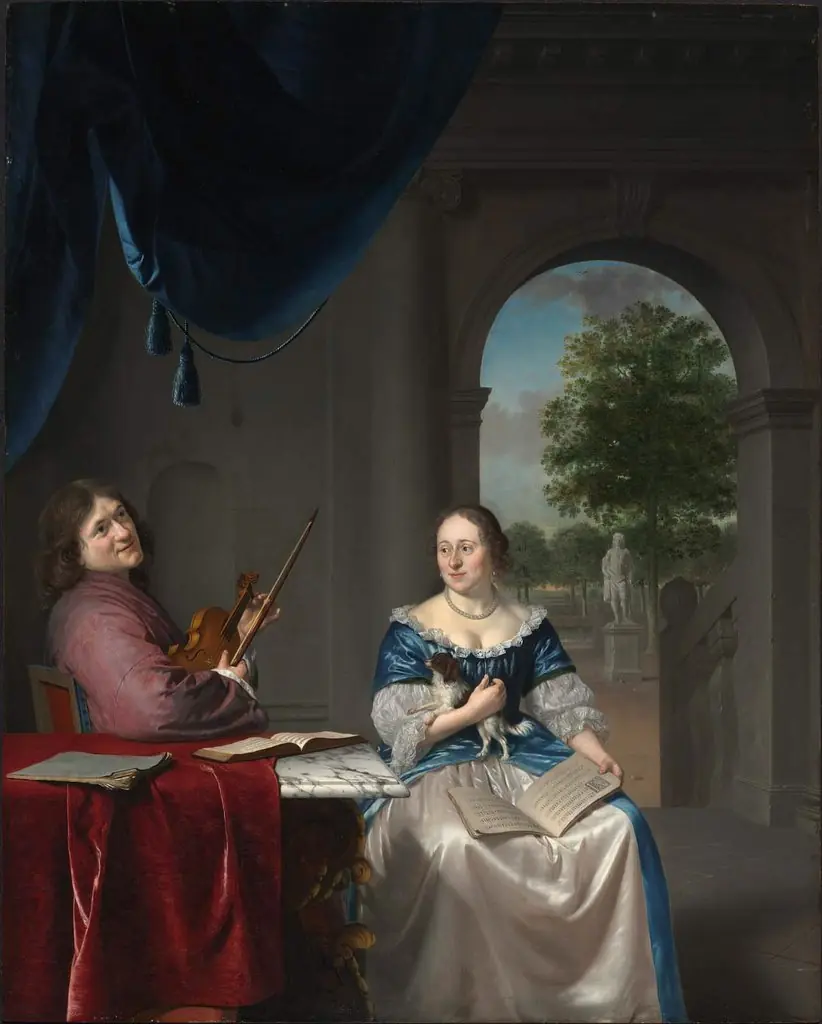 Johan van Musschenbroek and His Wife
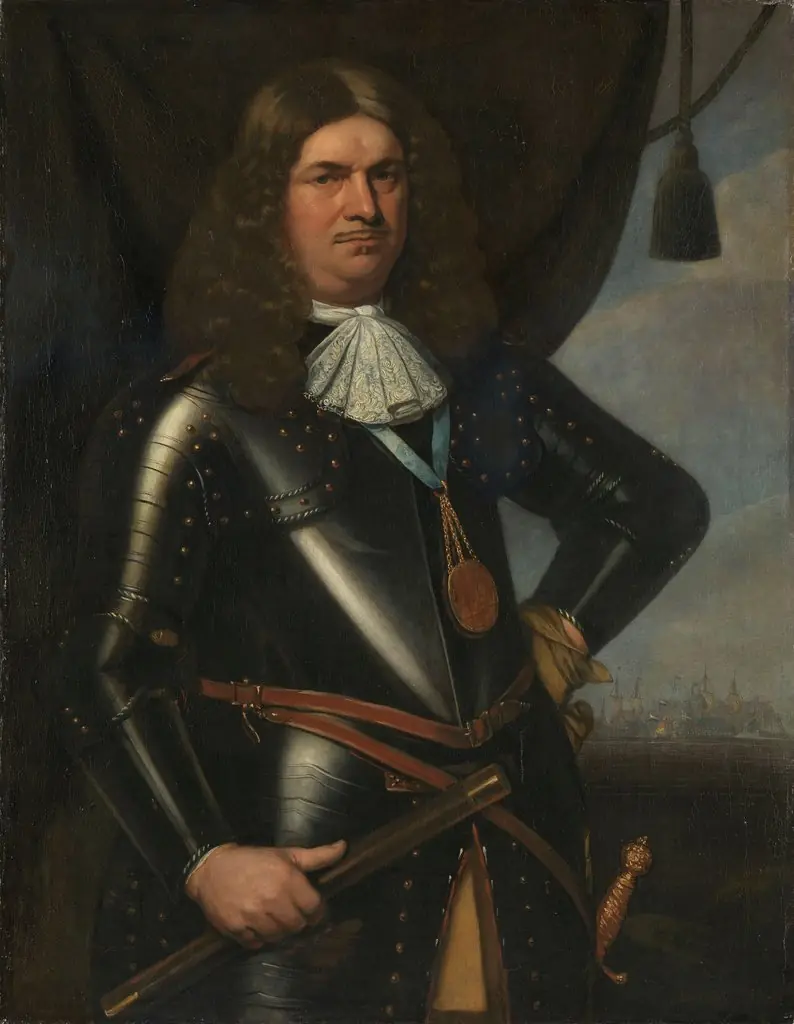 Adriaen Banckert (c 1620-1684), Vice Admiral of Zeeland
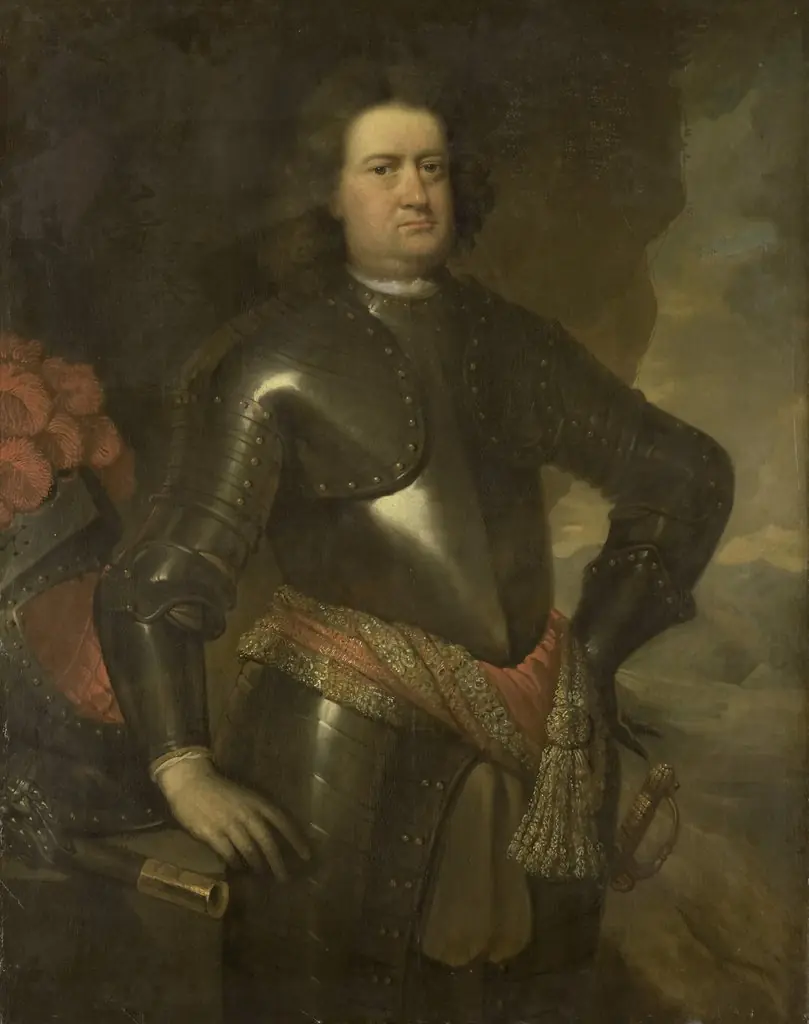 Portrait of an army officer
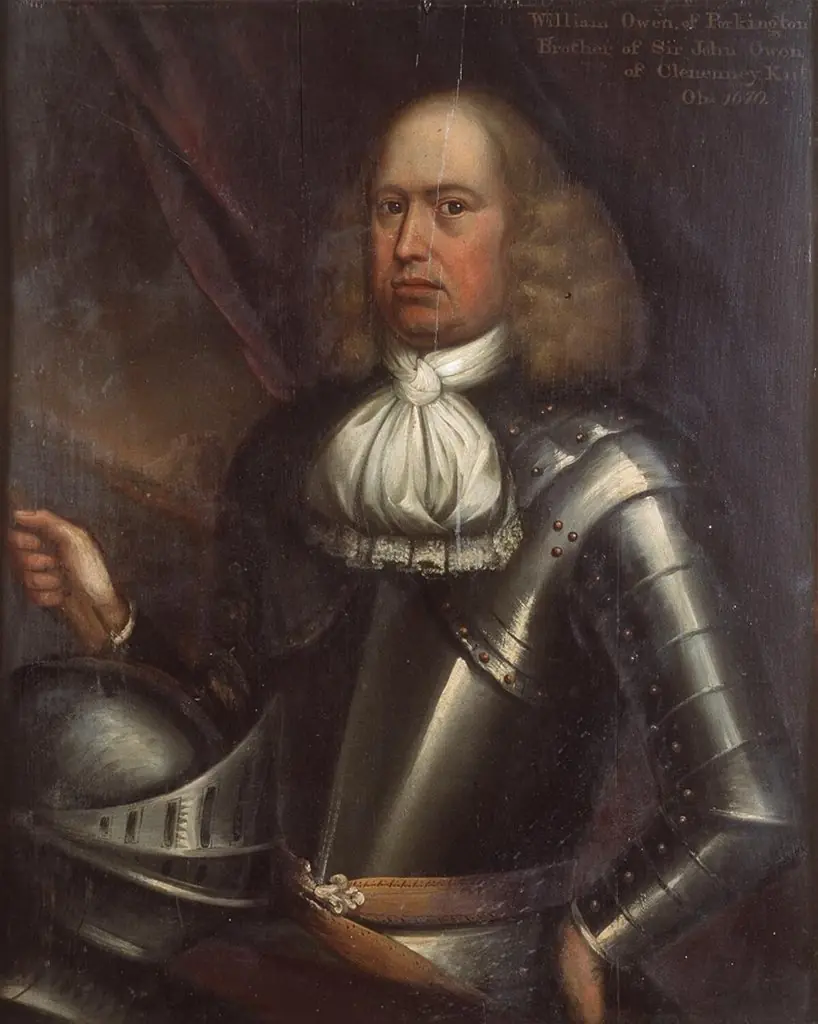 William Owen I of Porkington
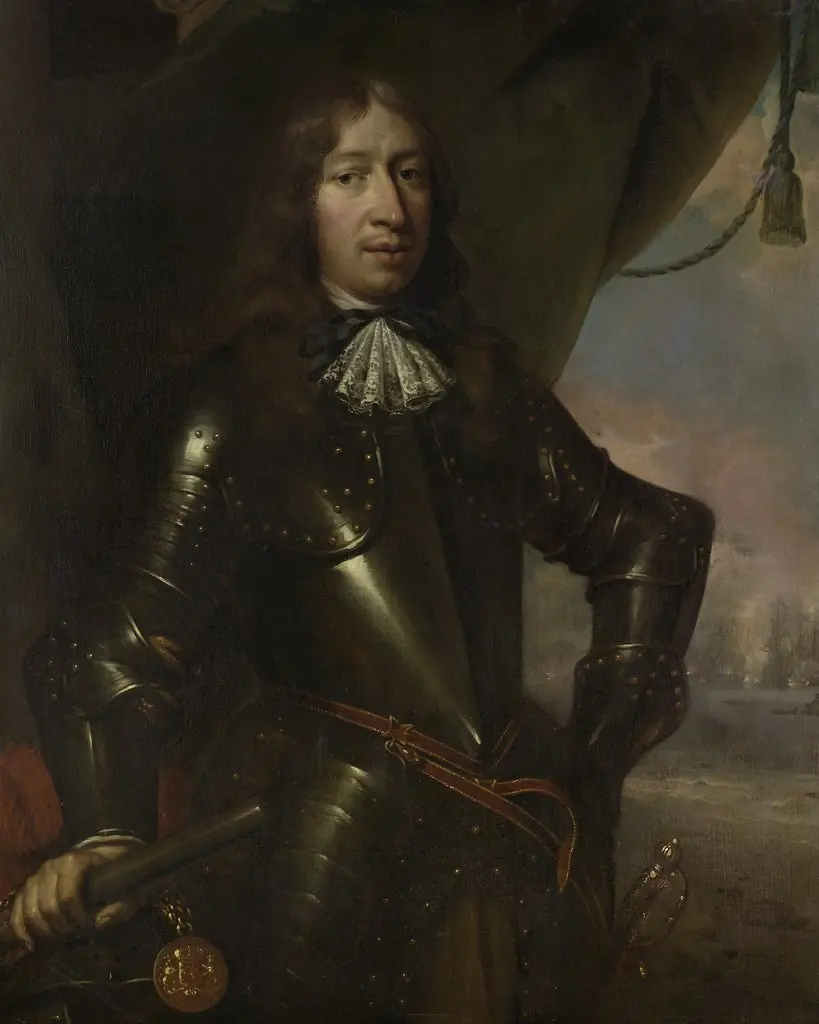 Portrait of Willem Joseph Baron van Ghent (1626-72), vice-admiral
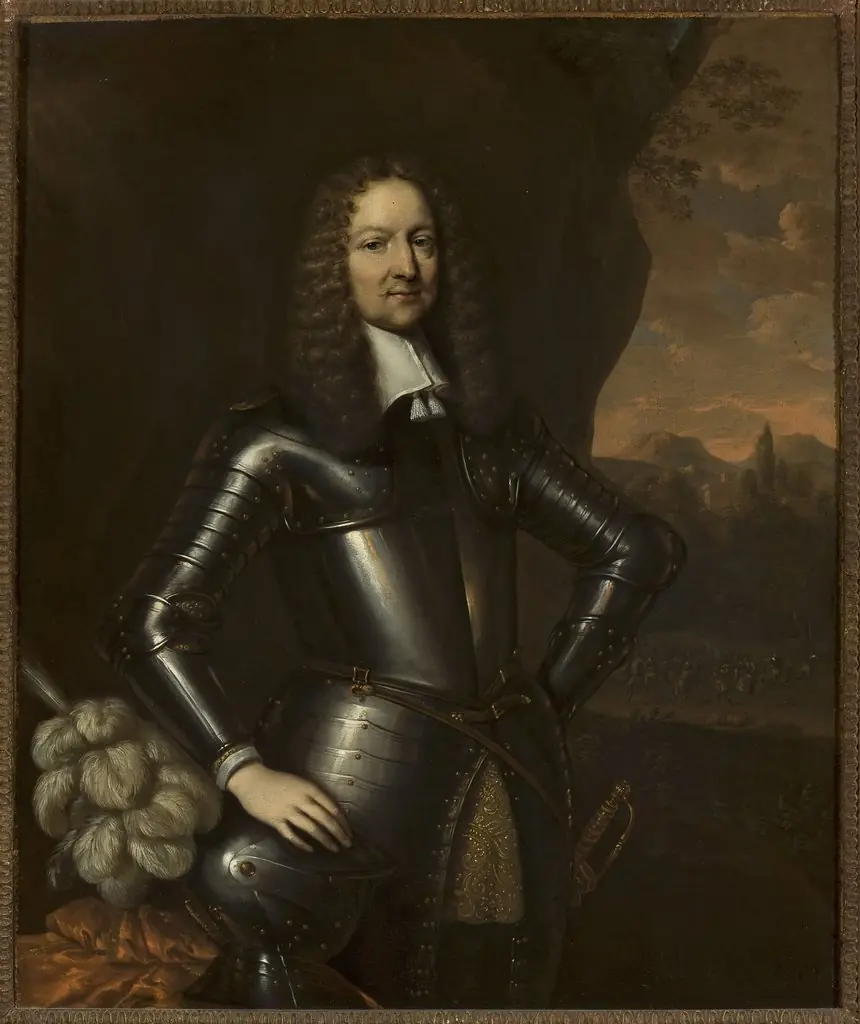 Portrait of Kronprinz Wilhelm Heinrich zu Brandenburg
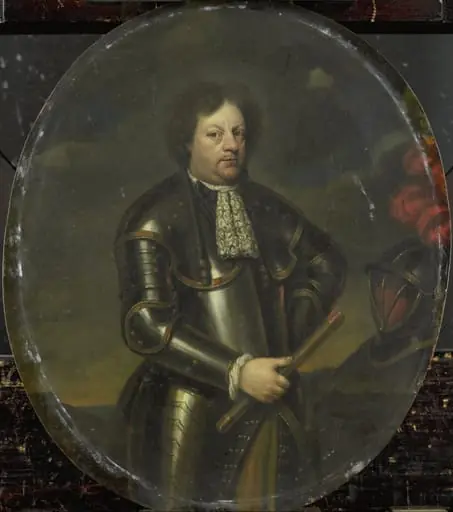 Portrait of Major-General Hans Willem, Baron van Aylva, called The Formidable General
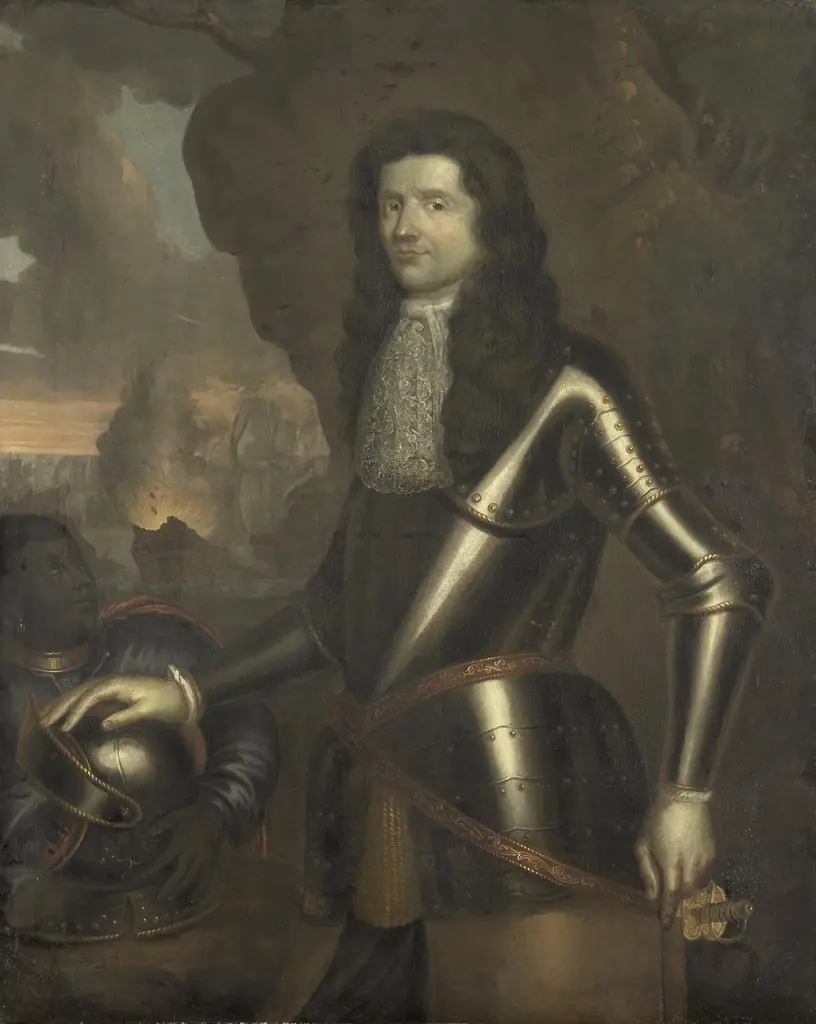 Portrait of an Admiral, probably Willem van Ewijck
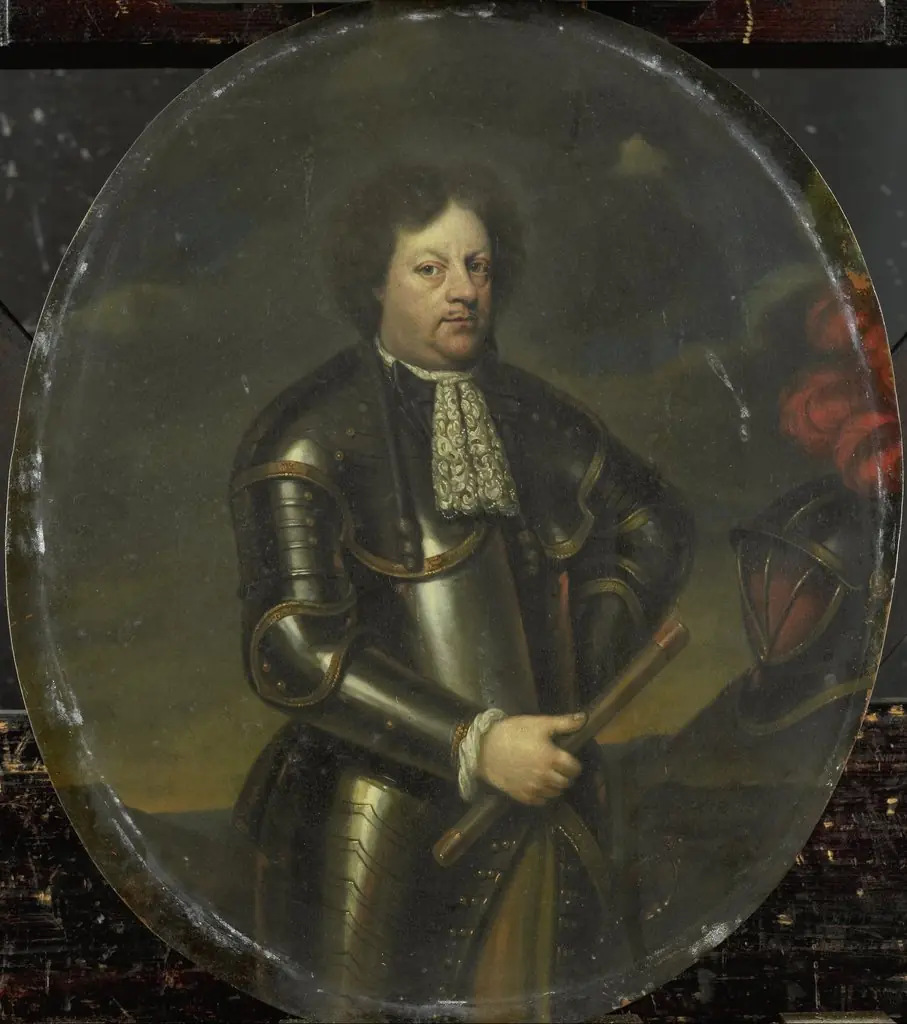 Portrait of Major-General Hans Willem, Baron van Aylva, called The Formidable General
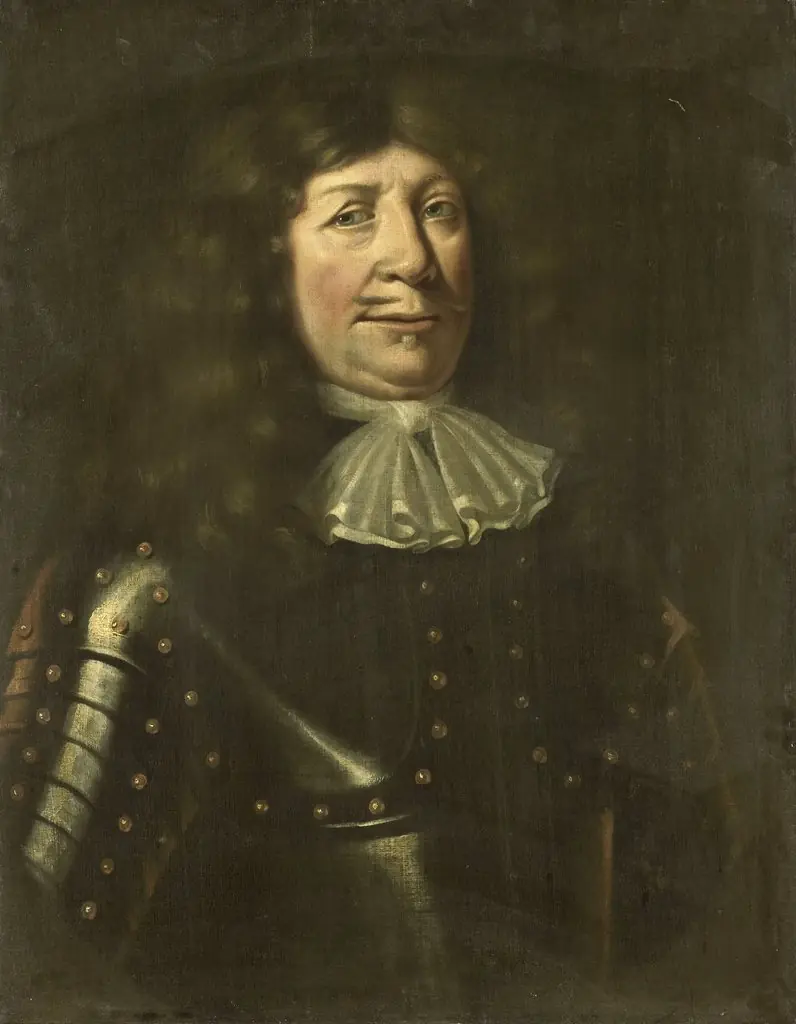 Portrait of Carel Rabenhaupt, Lieutenant-General
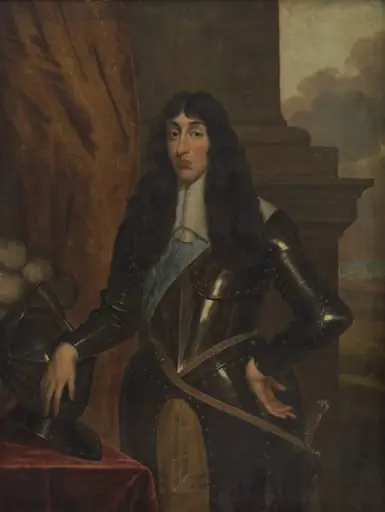 Portrait of Prince Henry of England
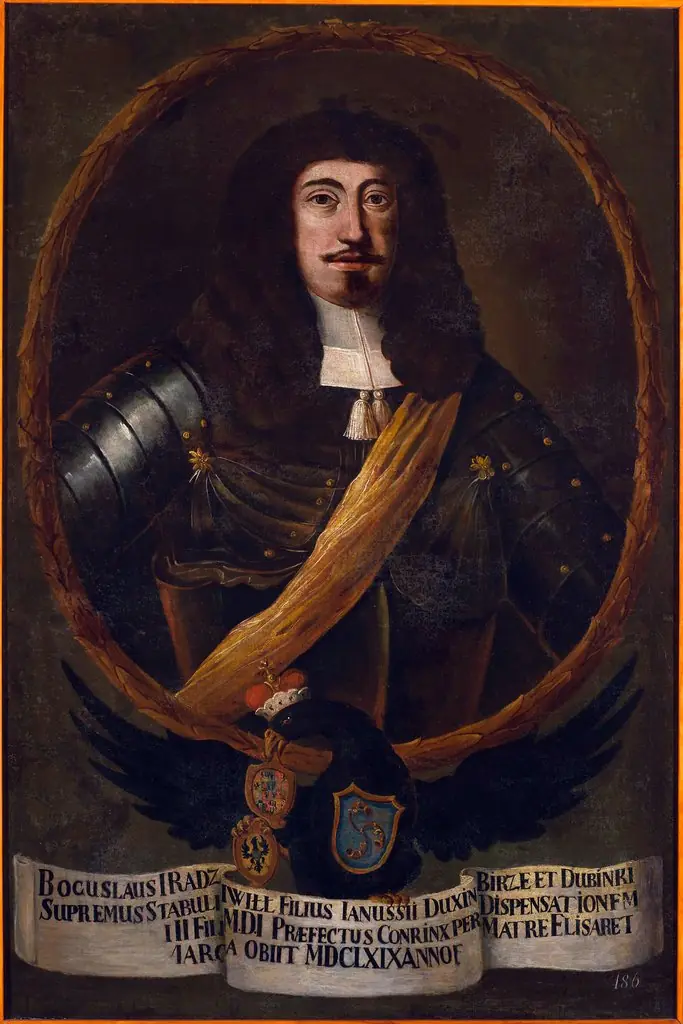 Portrait of Bogusław Radziwiłł (1620–1669)
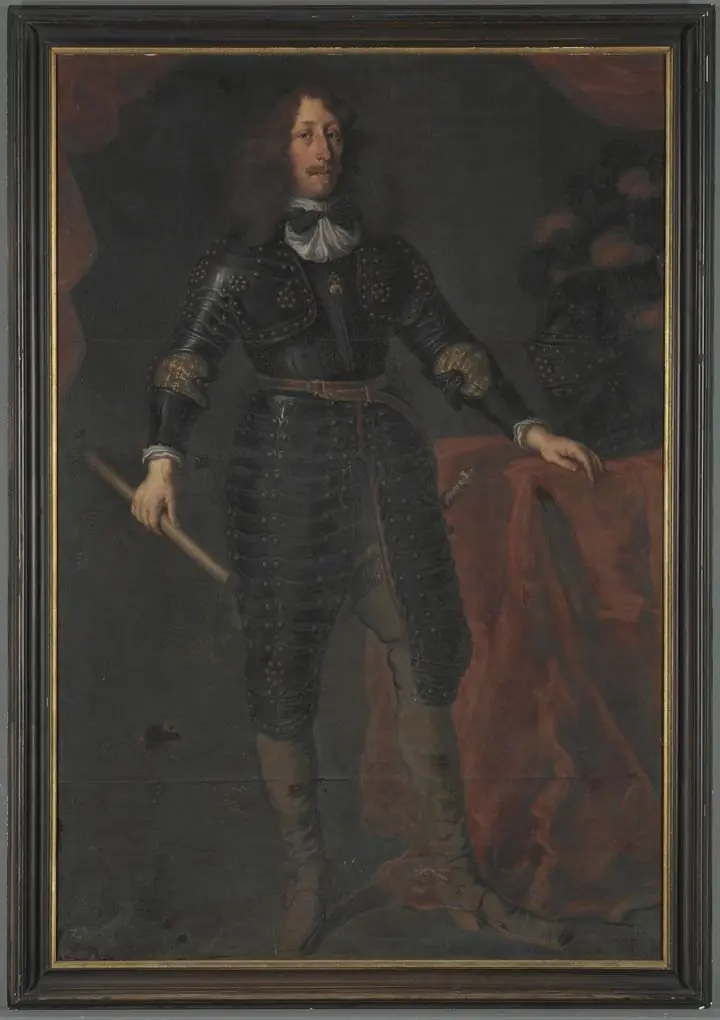 Portrait of duke Philipp Wilhelm, Elector Palatine (1615-1690)