Artwork
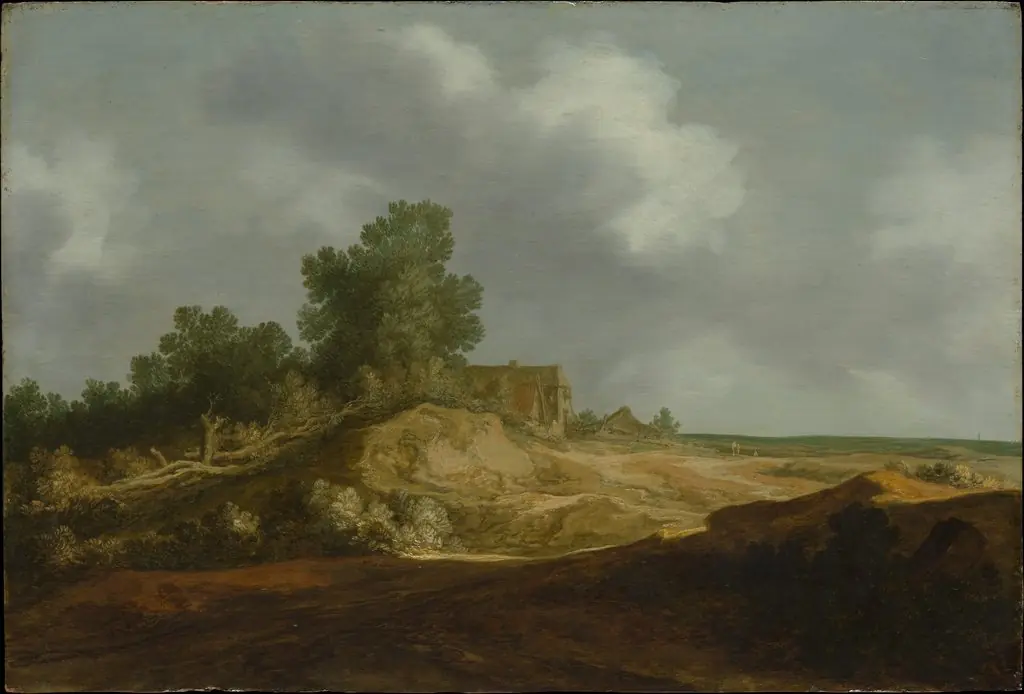
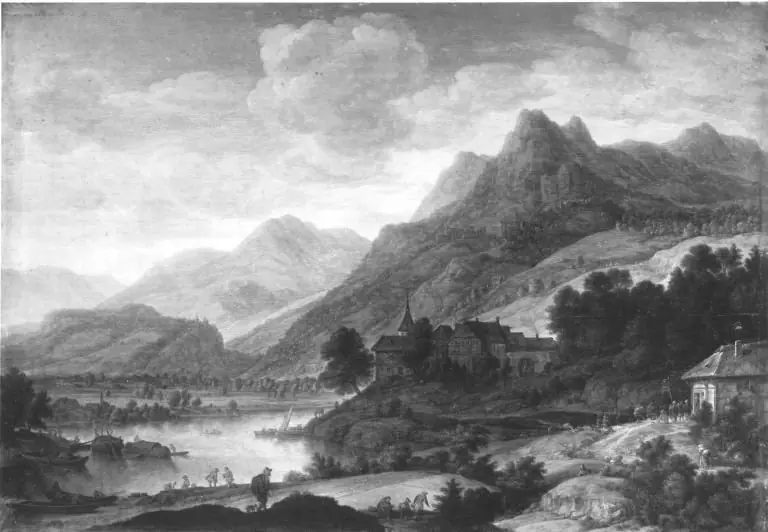
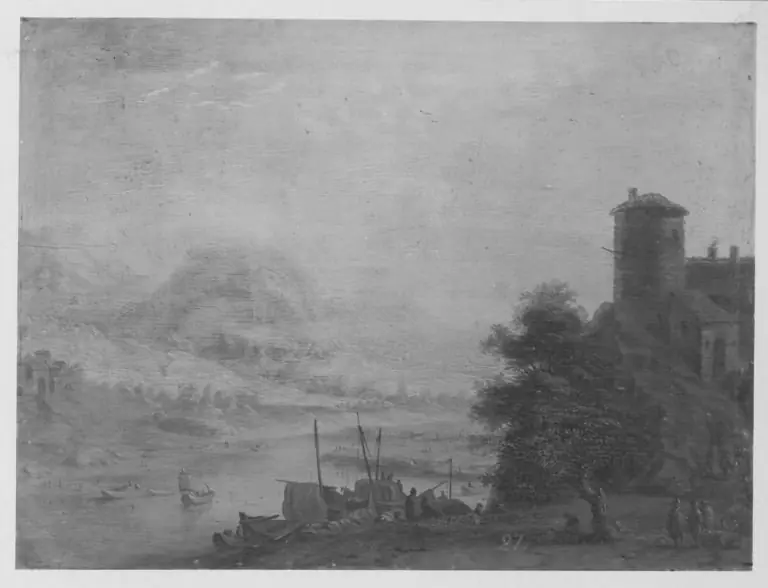
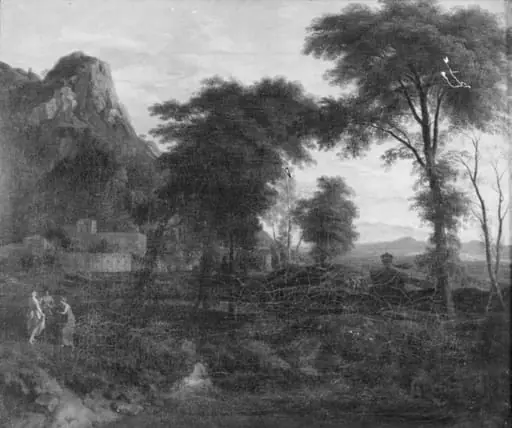
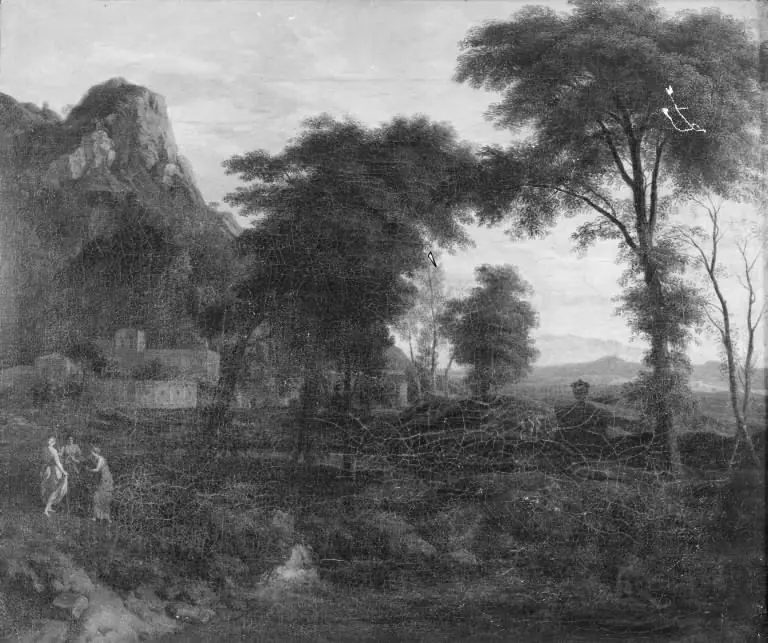
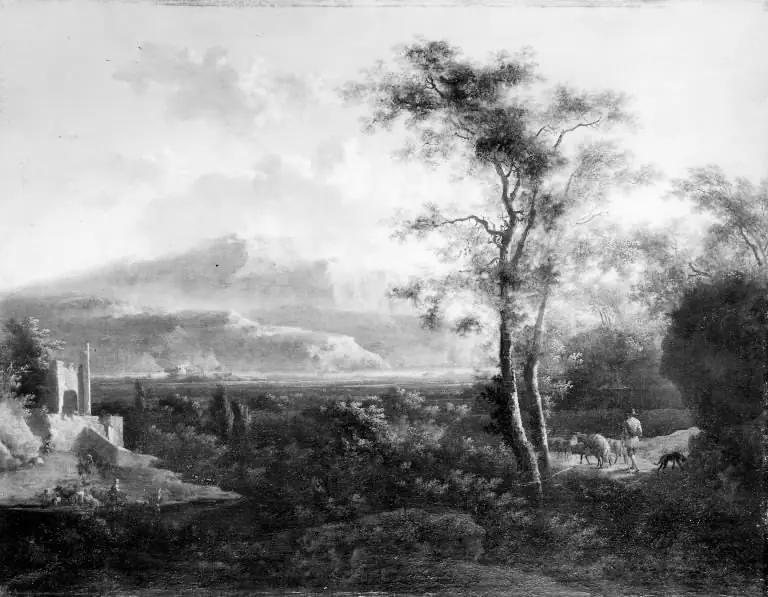
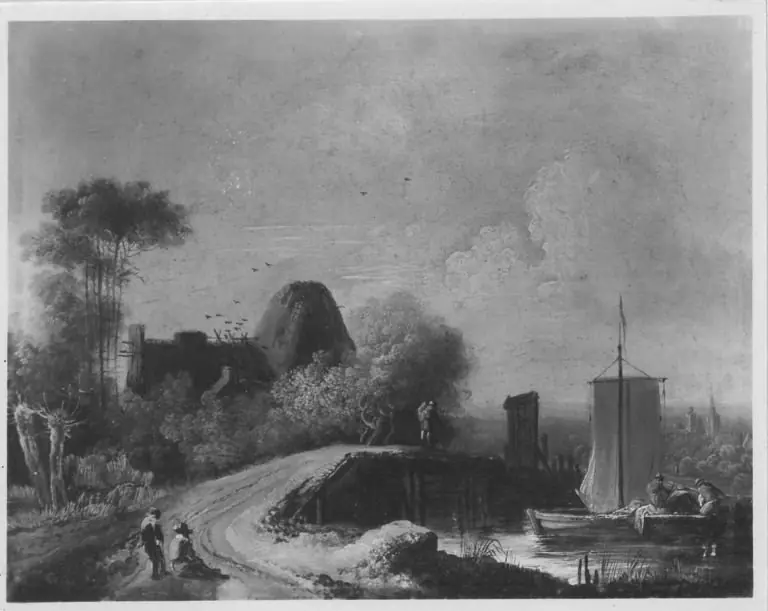
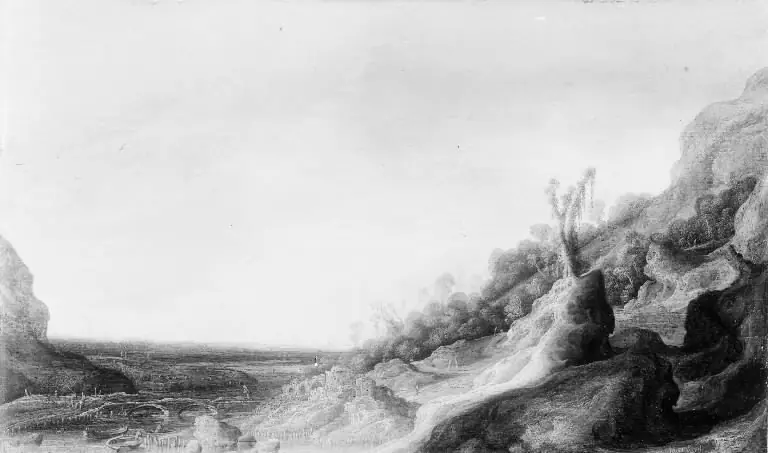
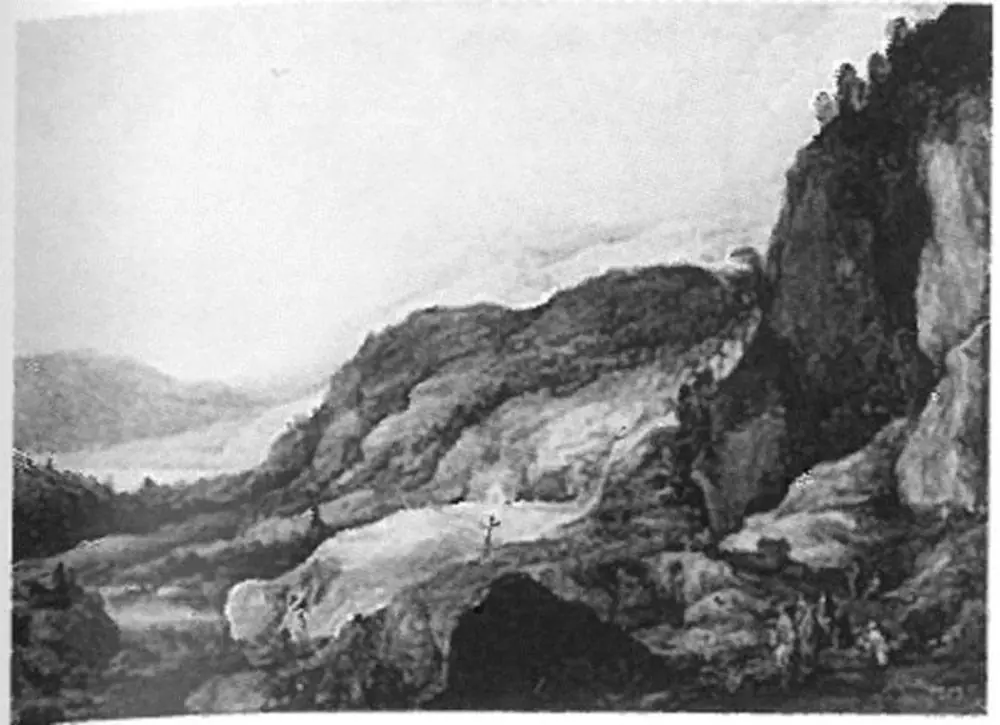
Landscape with River Valley
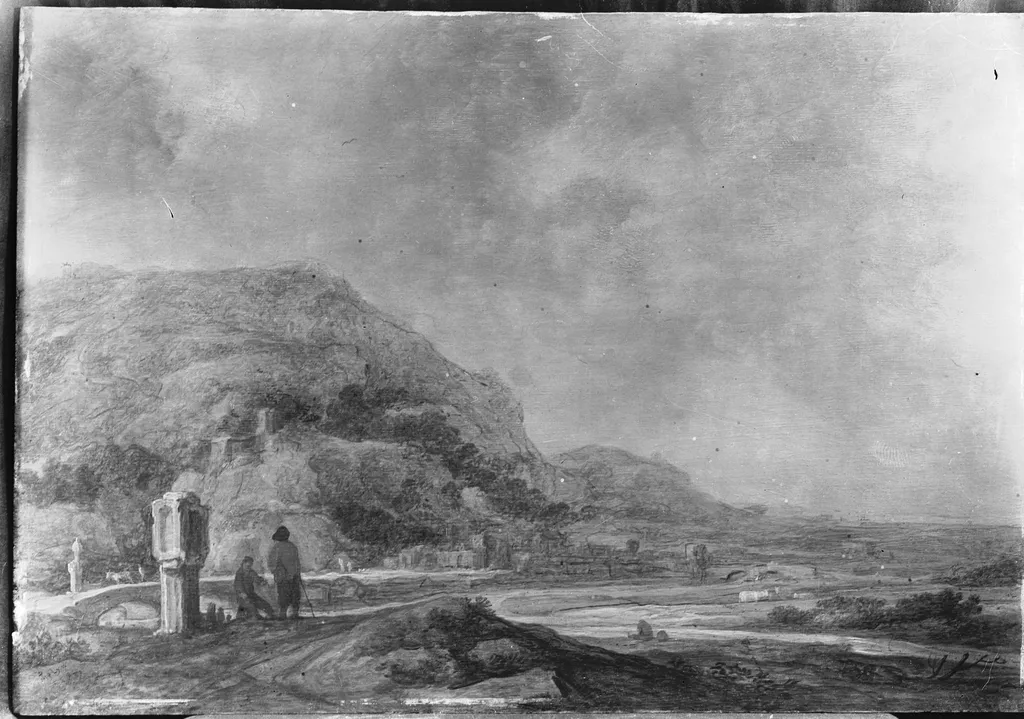
Landscape with River Valley is a paint painting by the Dutch Golden Age artist Pieter de Molijn. It dates from 1639 and is held in the collection of the Gemäldegalerie Berlin.
About this work
Overview
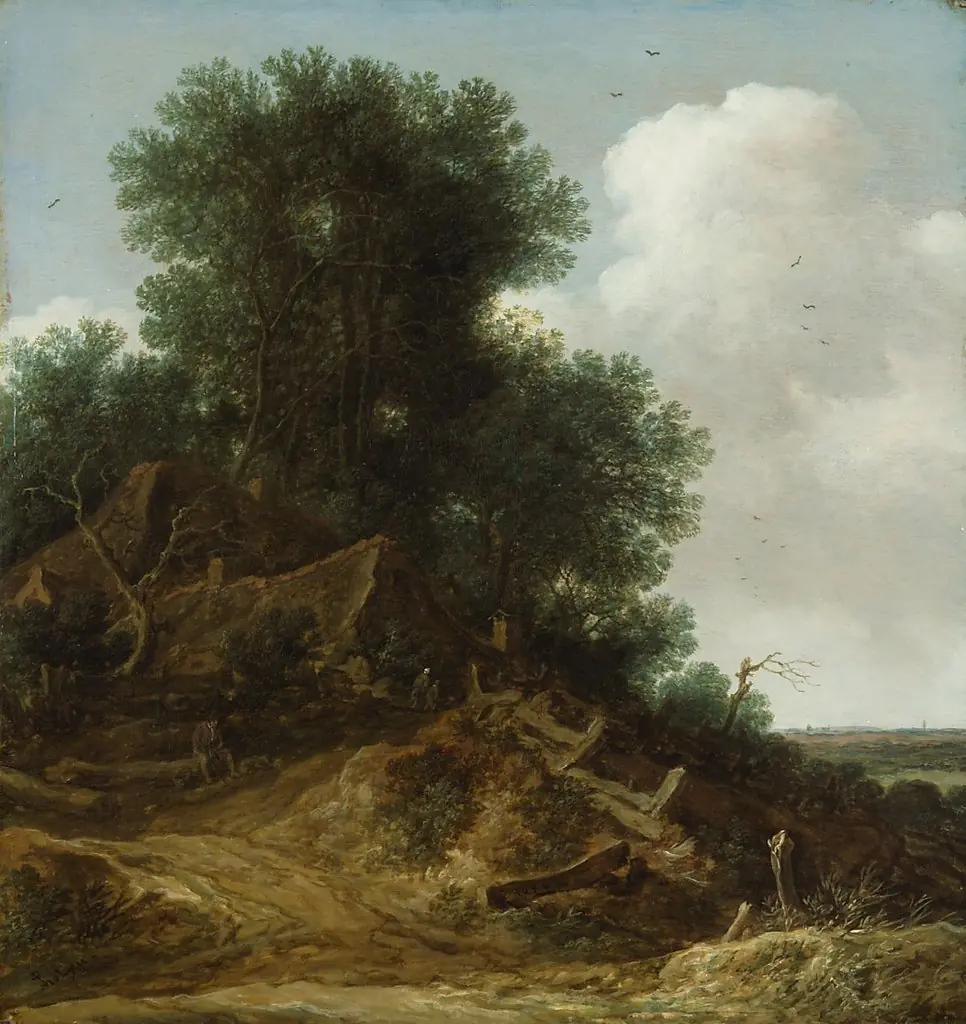
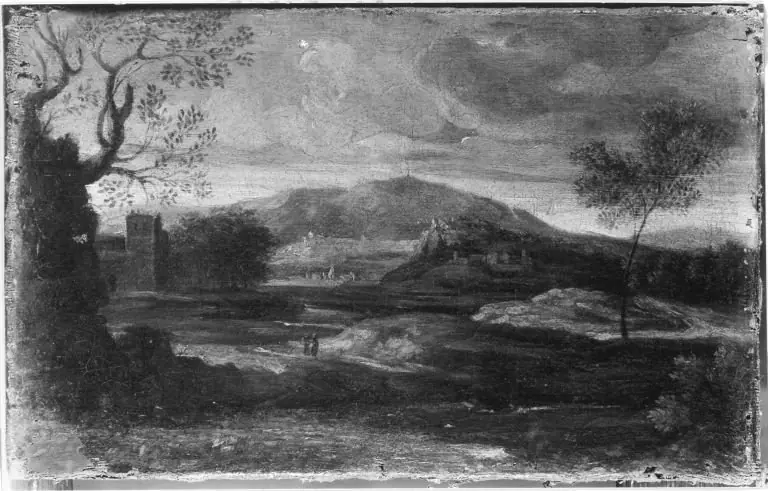
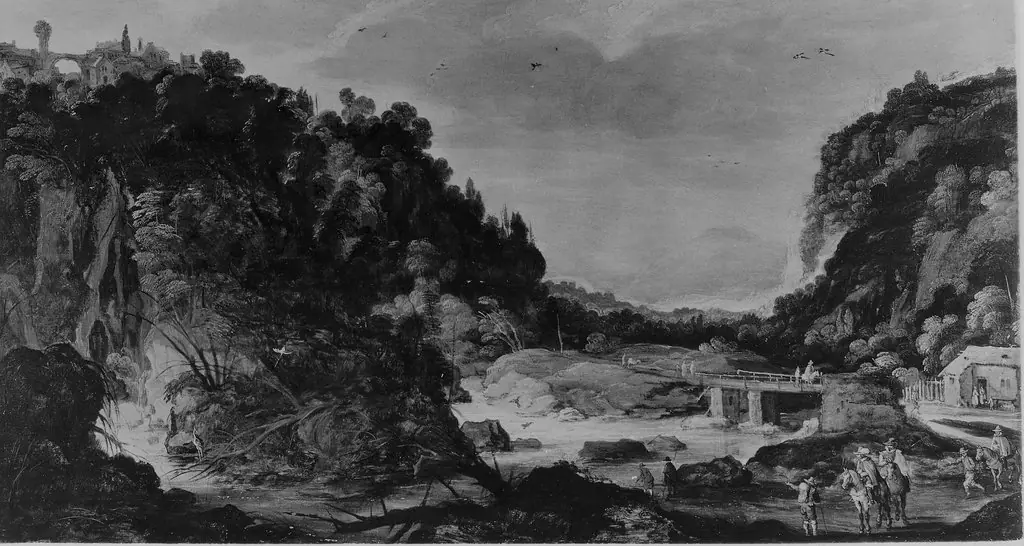
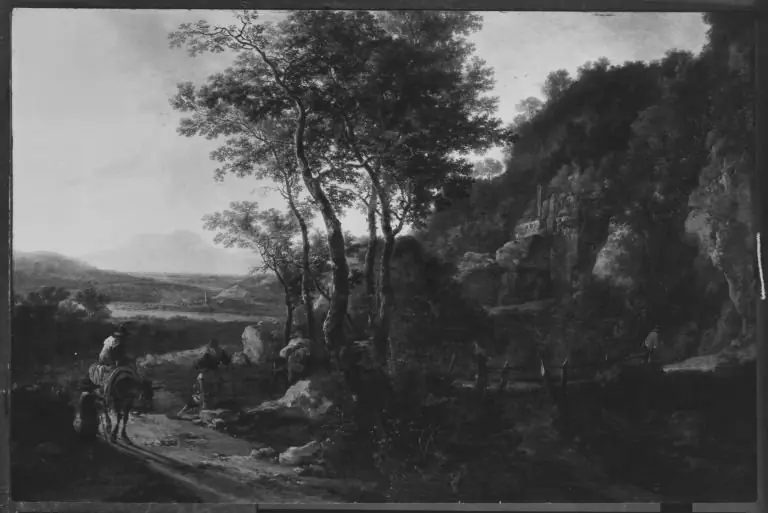
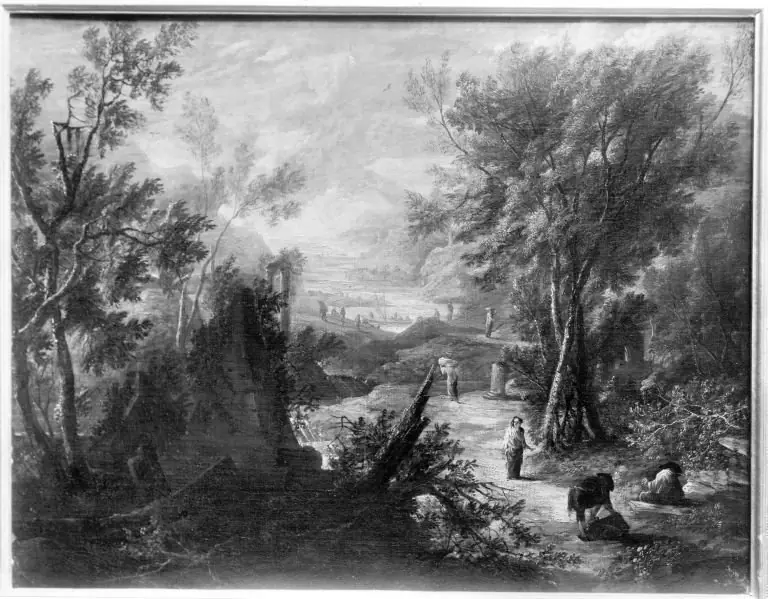
Rendered in muted earth tones, the composition presents a serene river cutting through rolling terrain, framed by a steep embankment.
Pieter de Molijn’s *Landscape with River Valley* (1639) exemplifies Dutch Golden Age landscape painting. Rendered in muted earth tones, the composition presents a serene river cutting through rolling terrain, framed by a steep embankment. The work belongs to a tradition that prioritized natural scenery over narrative, reflecting the era’s interest in observable environments and atmospheric effects.
Subject & Meaning
The scene centers on a tranquil river valley, its still waters reflecting the subdued light. Two figures stand near fragmented stone columns, remnants of an earlier structure, suggesting themes of time’s passage. Their presence is secondary to the landscape itself, which dominates the composition. The ruins may allude to the transience of human achievement against the enduring power of nature.
Technique & Style
Molijn employed a restrained palette of grays, browns, and soft greens, creating a harmonious tonal range. Subtle gradations of light and shadow define the hill’s rugged surface, while delicate brushwork conveys the river’s gentle flow. The distant landscape dissolves into a hazy horizon, a technique that enhances spatial depth. This approach aligns with the Dutch Golden Age’s emphasis on naturalistic representation and atmospheric perspective.
History & Provenance
Born in London to Flemish parents, Pieter de Molijn established himself in Haarlem, joining the Guild of St. Luke in 1616. *Landscape with River Valley* dates to 1639, a period when the artist focused on landscape subjects. The painting entered the collection of the Gemäldegalerie Berlin, where it remains part of the museum’s holdings of Dutch Golden Age works.
Context
During the 17th century, Dutch landscape painting evolved as an independent genre, moving away from religious or allegorical themes. Artists like Molijn depicted local scenery, often imbued with quiet moods rather than dramatic events. This shift reflected broader cultural values, including an appreciation for the natural world and the rise of a merchant class that commissioned such works for domestic display.
Artist & collection
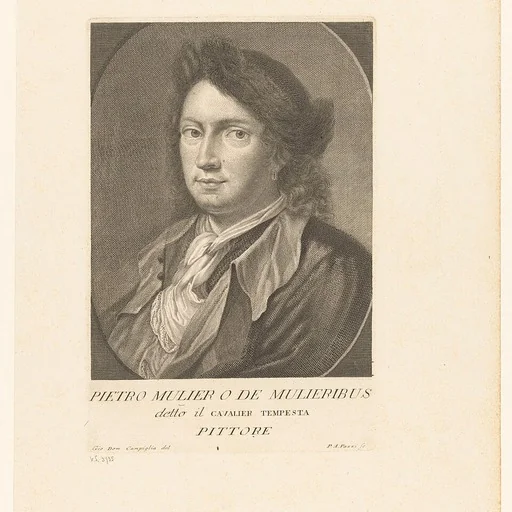
Artist
Pieter de Molijn (6 April 1595 in London – 23 March 1661 in Haarlem) was a Dutch Golden Age painter and engraver of English birth and Flemish descent.