Artwork
Still life
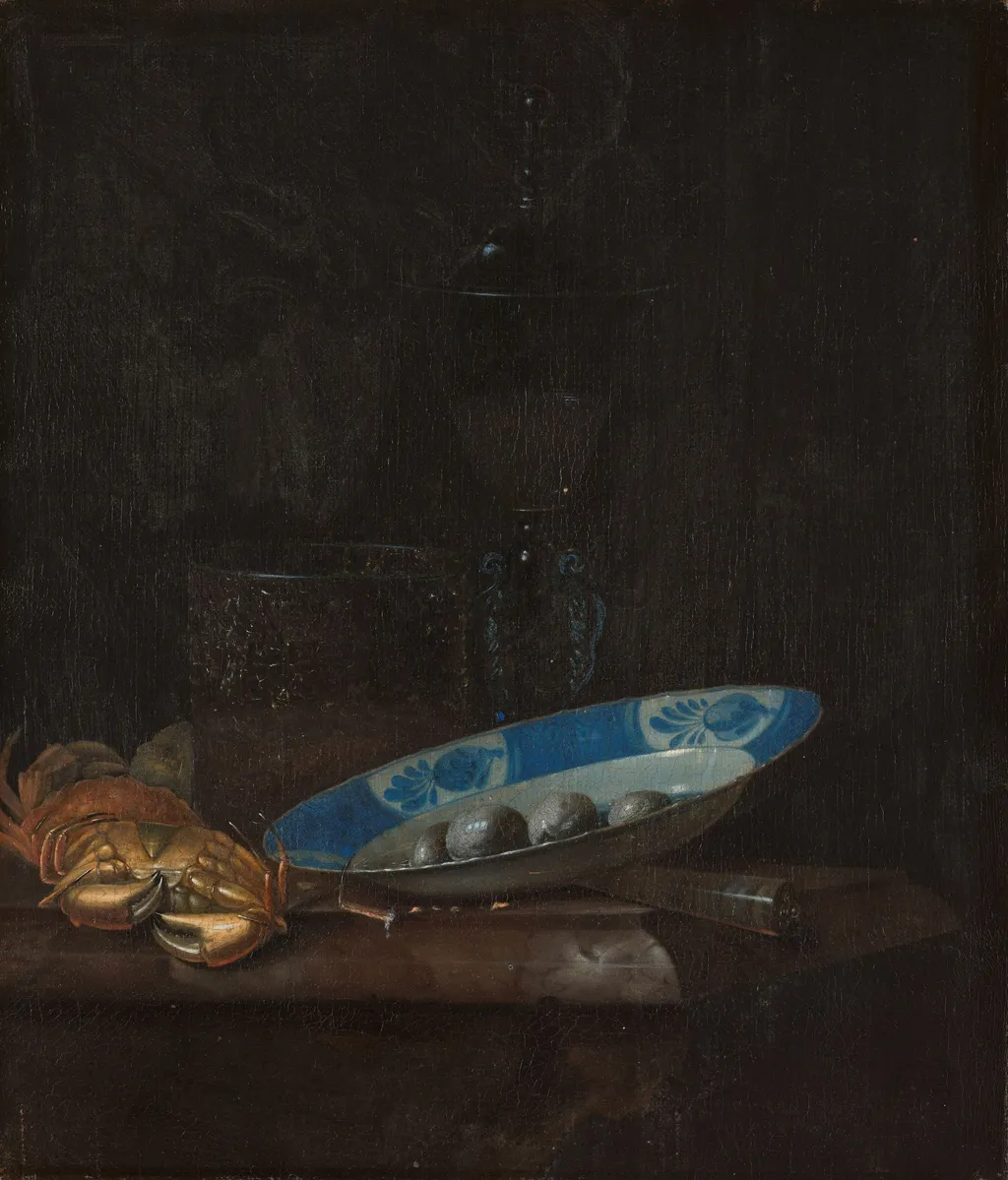
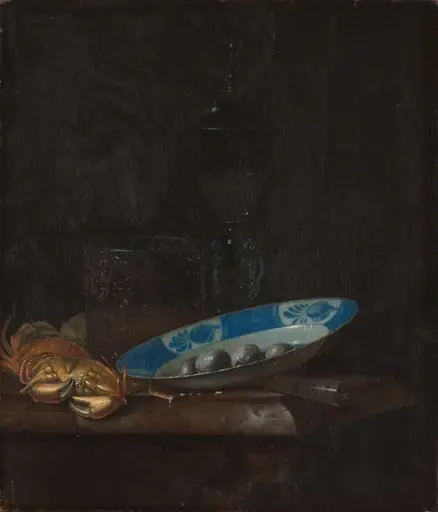
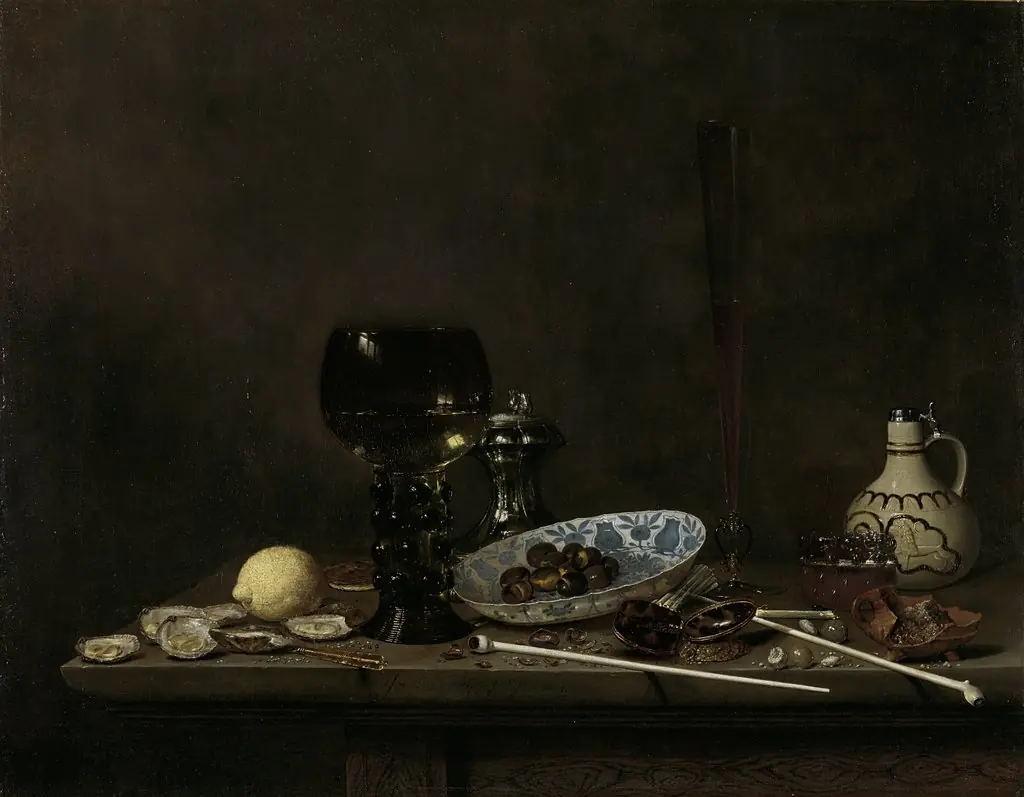
Still life is an oil painting by the Dutch Golden Age artist Pieter Gallis. It dates from 1667 and is held in the collection of the Rijksmuseum.
About this work
Overview
Pieter Gallis’s oil painting titled Still Life, dated 1667, presents a compact arrangement of everyday objects set against a dark backdrop.
Pieter Gallis’s oil painting titled Still Life, dated 1667, presents a compact arrangement of everyday objects set against a dark backdrop. The composition features a blue‑and‑white ceramic dish holding small stones, a handful of copper coins, a rusted metal implement, and a modest wooden box, all placed on a narrow ledge. The stark contrast between the illuminated items and the surrounding darkness draws immediate visual focus to the objects themselves.
Subject & Meaning
The work gathers modest, utilitarian items—a dish, coins, a tool, and a box—suggesting themes of domesticity and the passage of time. By juxtaposing polished metal with weathered wood and ceramic, Gallis invites contemplation of material value versus everyday function, highlighting the quiet significance of ordinary objects within a private interior space.
Technique & Style
Gallis employs a pronounced chiaroscuro effect, using deep shadows to isolate each element and accentuate texture. The smooth glaze of the porcelain, the reflective surfaces of the copper coins, and the corroded metal are rendered with meticulous brushwork that captures subtle variations in light. This handling of light and dark creates a three‑dimensional presence within the flat oil medium.
History & Provenance
Created in the latter half of the 17th century, the painting entered the collection of the Rijksmuseum, where it remains on display. Its provenance traces back to the Dutch Golden Age, a period in which still‑life compositions were frequently commissioned for private homes and modest collections.
Context
During the 1660s, Dutch artists often explored still‑life subjects to demonstrate skill in rendering material surfaces and to convey moral messages about transience. Gallis’s composition aligns with this tradition, employing a limited palette and restrained setting that reflect the period’s preference for realism and subtle symbolism.
Own this work as a print
Artist & collection

 Still life
 Still Life
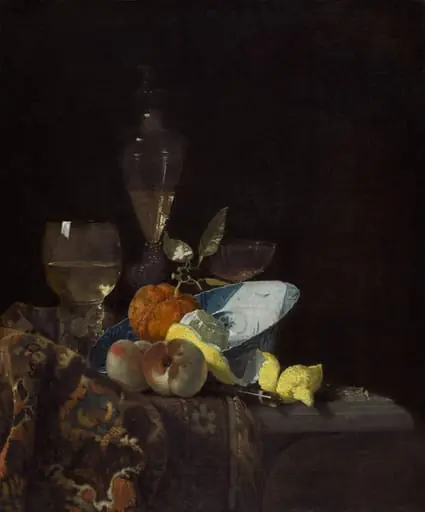 Still Life
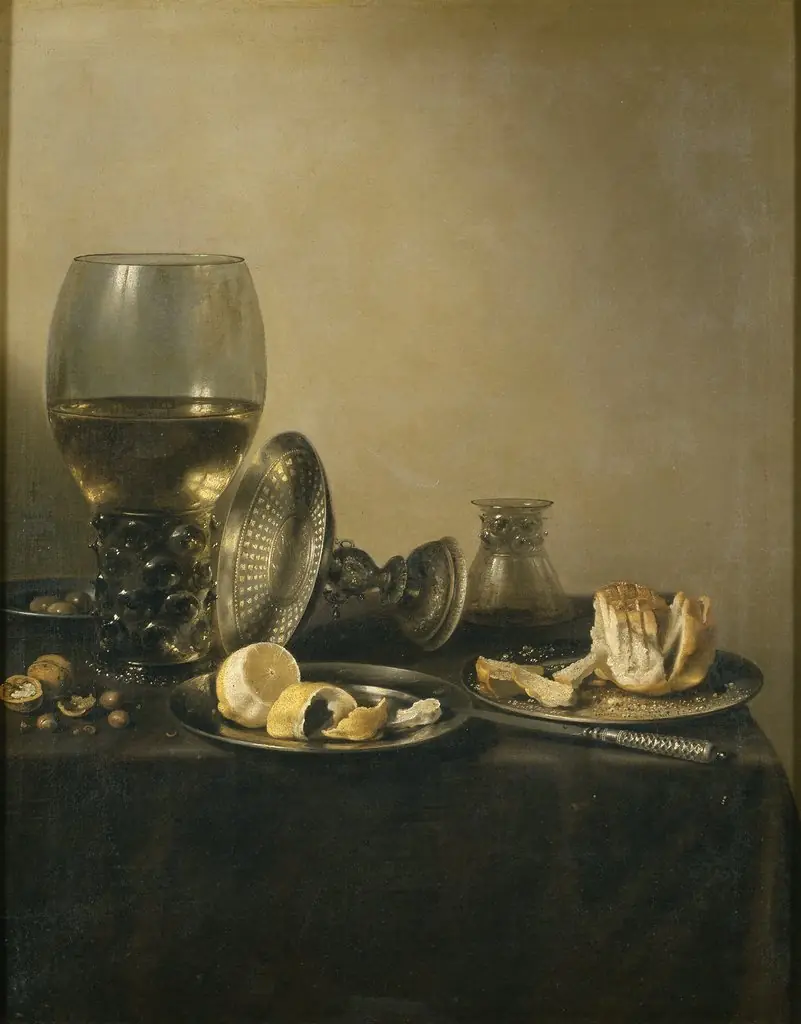 Still Life
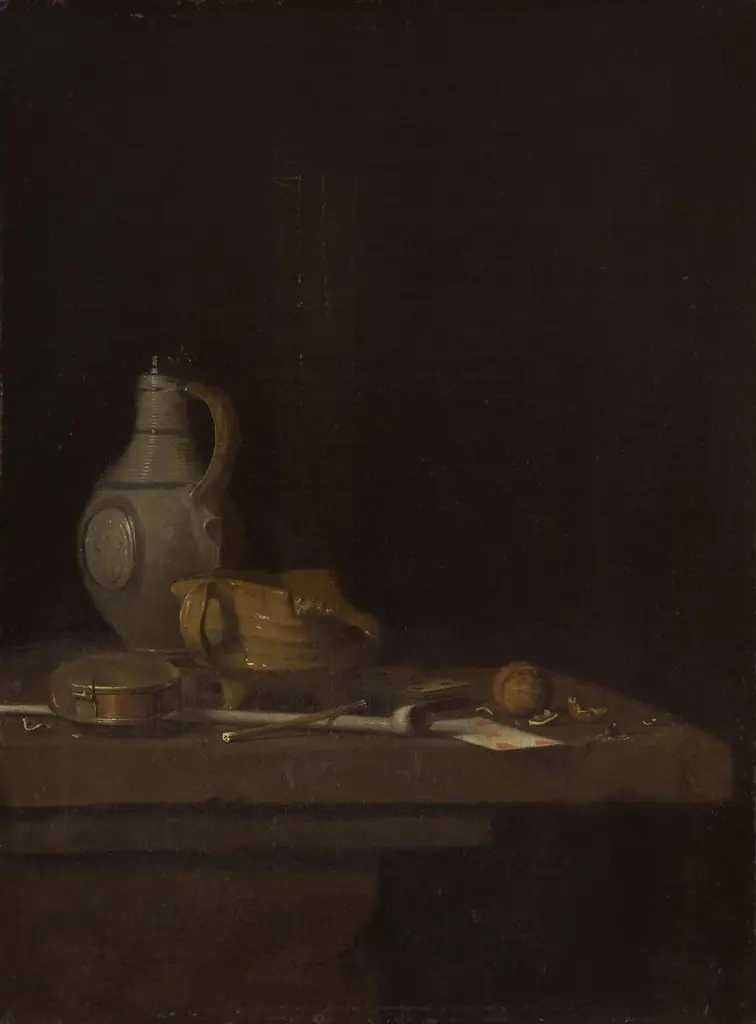 Still Life with a Stoneware Jar and a Brazier
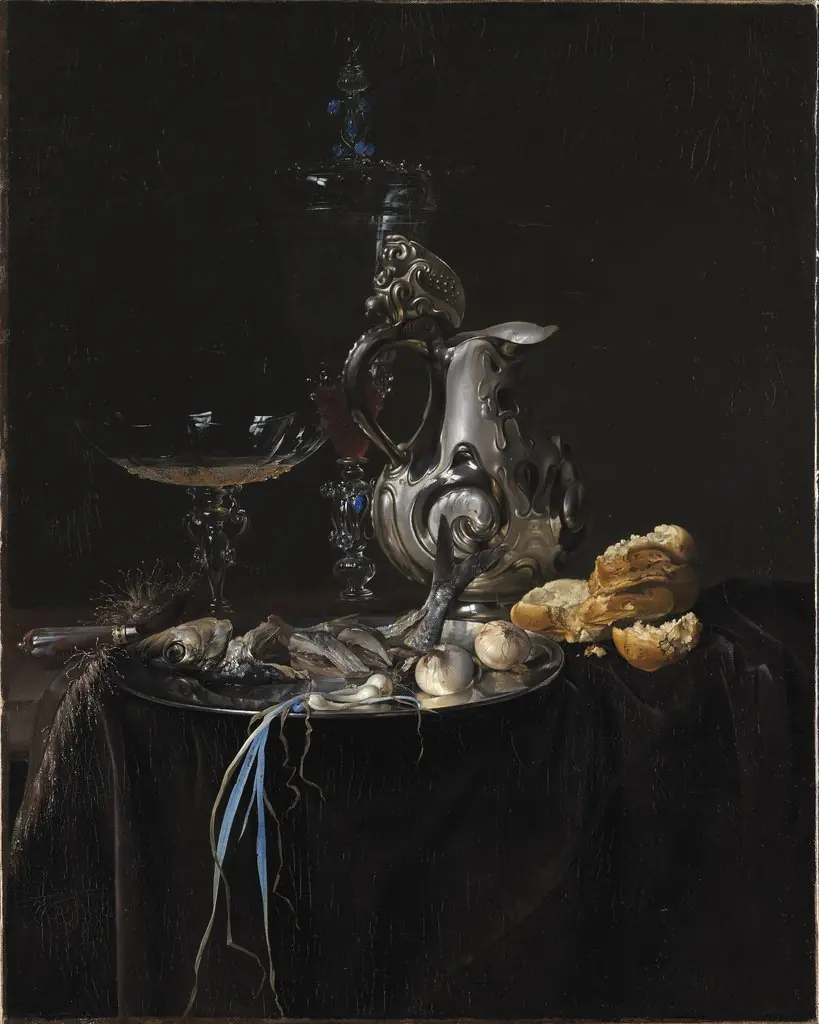 Still Life. Breakfast Piece with a Silver Jug
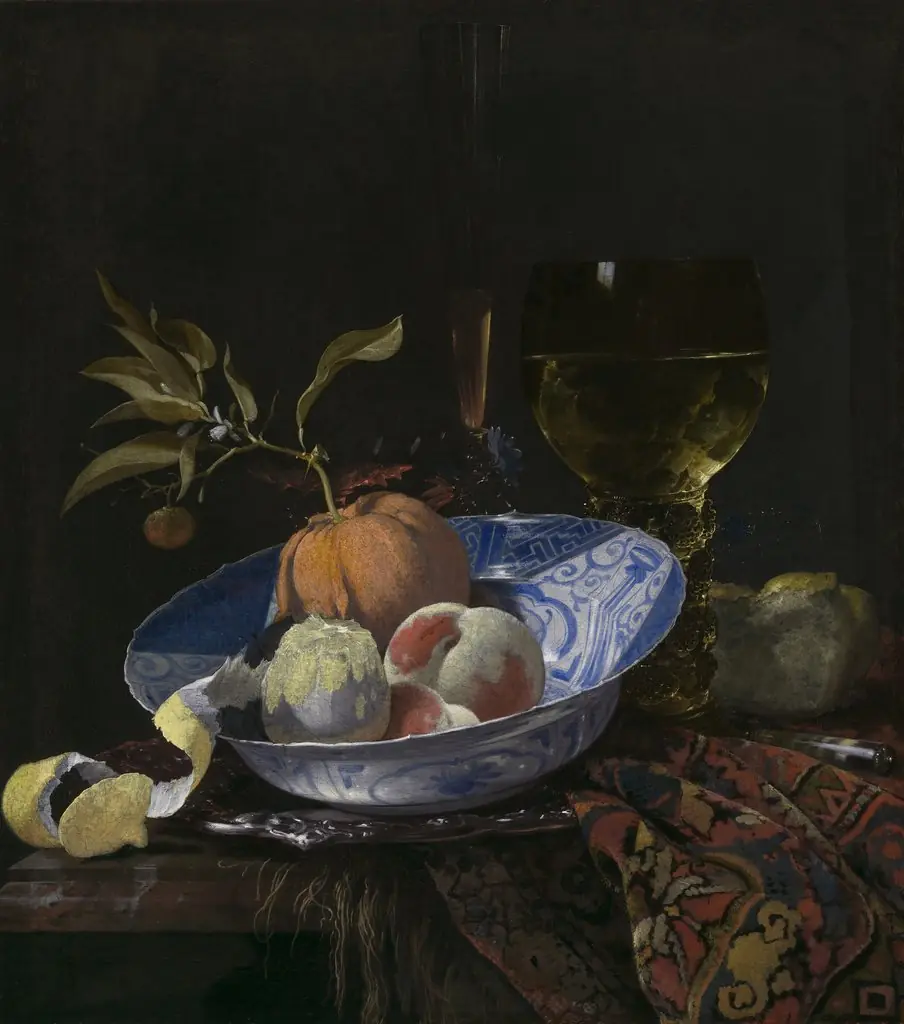 Still Life with Lemon Peel
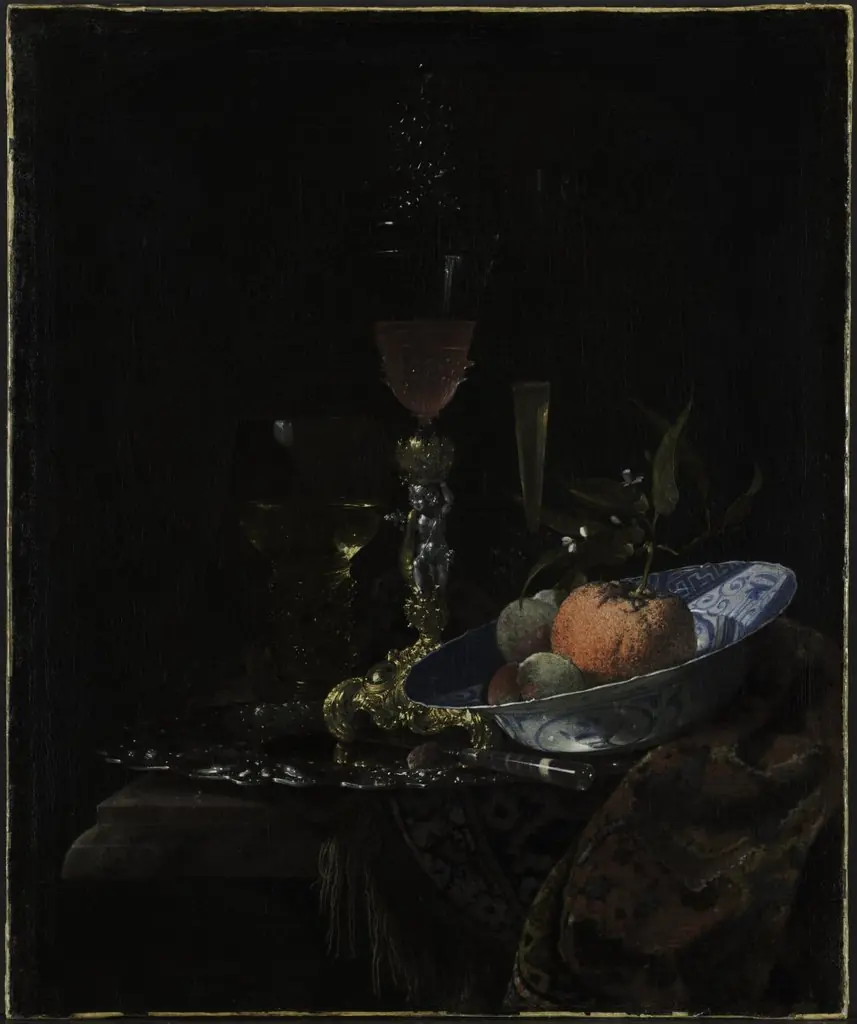 Wineglass and a Bowl of Fruit
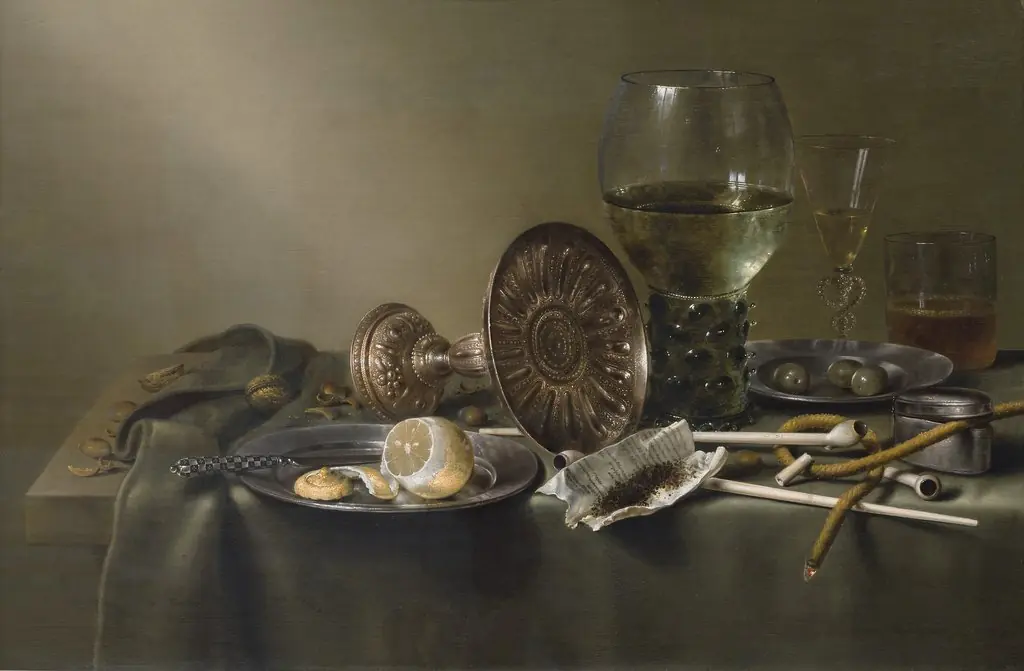 Still Life with Glasses and Tobacco
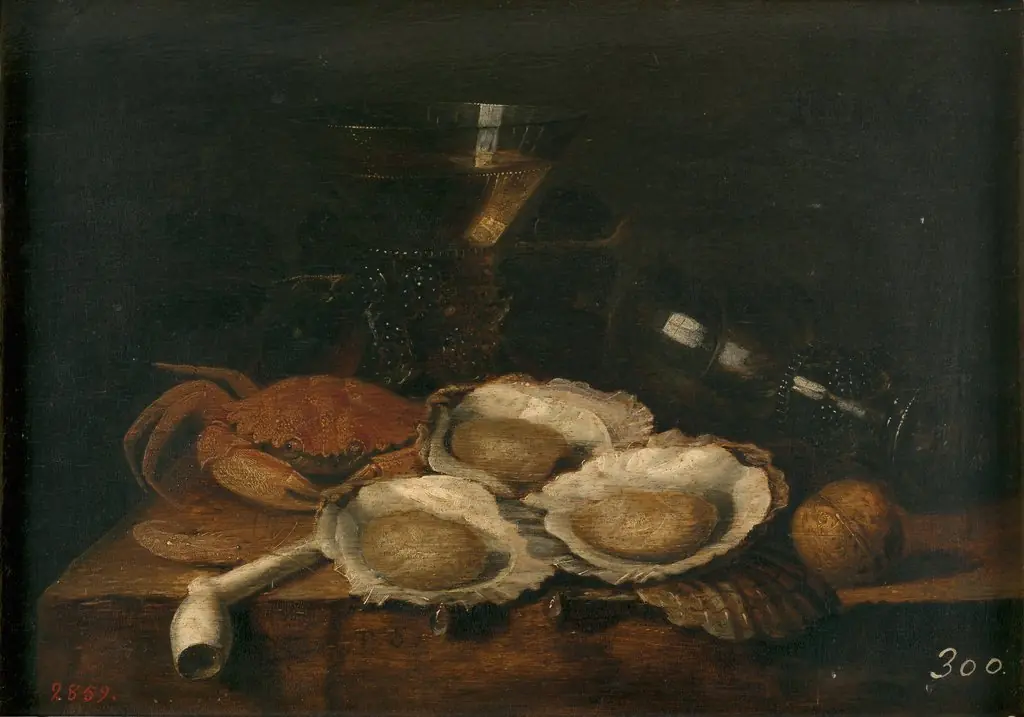 Still life with crab and oysters
 Still life with wineglass, flute, glass, earthenware jug and pipes