Artwork
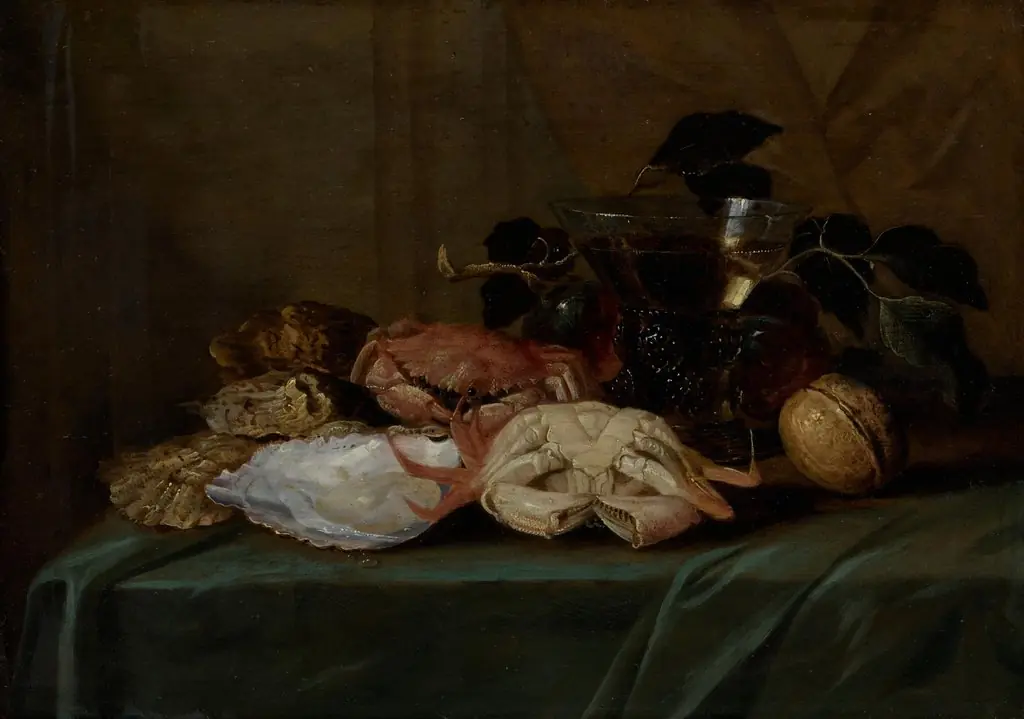
Still life with crab and oysters
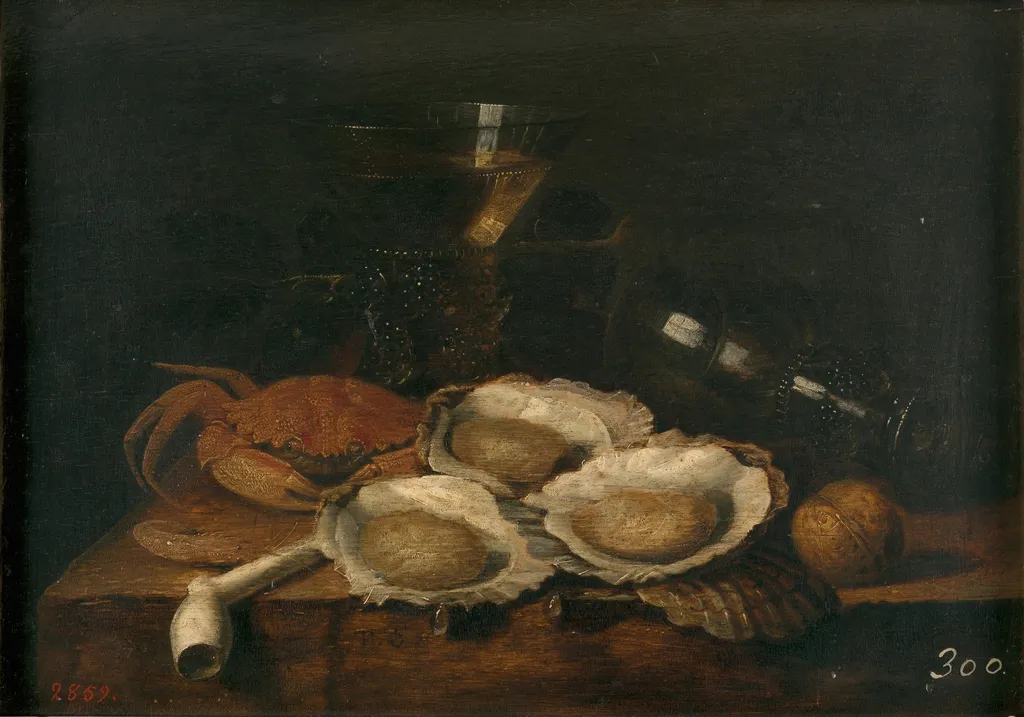
Still life with crab and oysters is an oil painting by the Dutch Golden Age artist Theodoor Smits. It dates from 1601 and is held in the collection of the Museo del Prado.
About this work
Overview
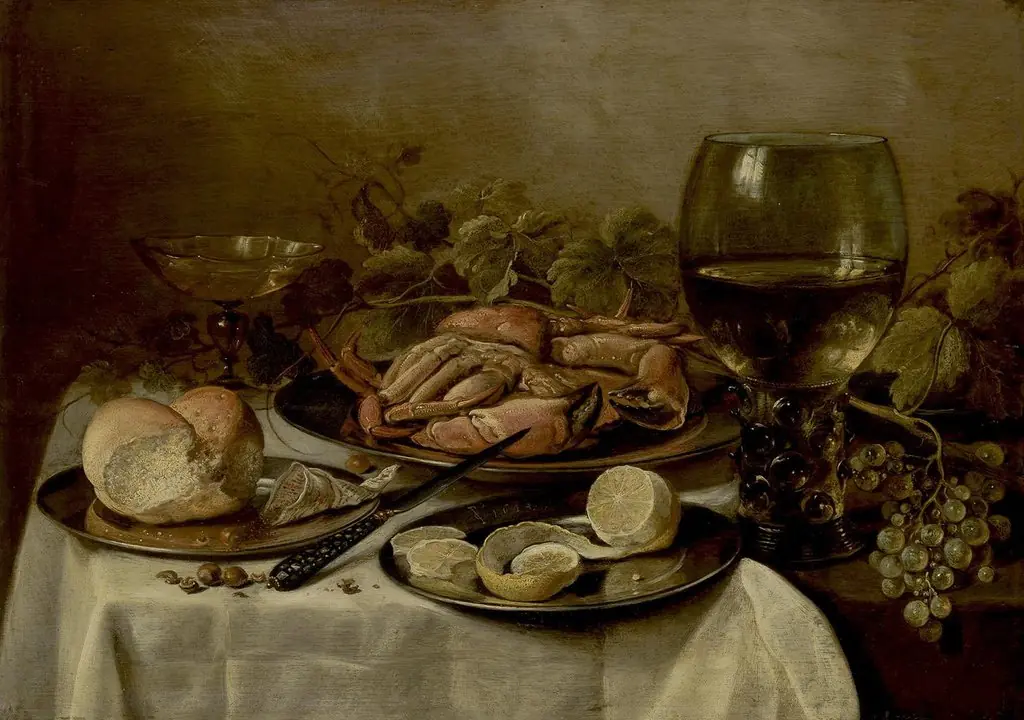
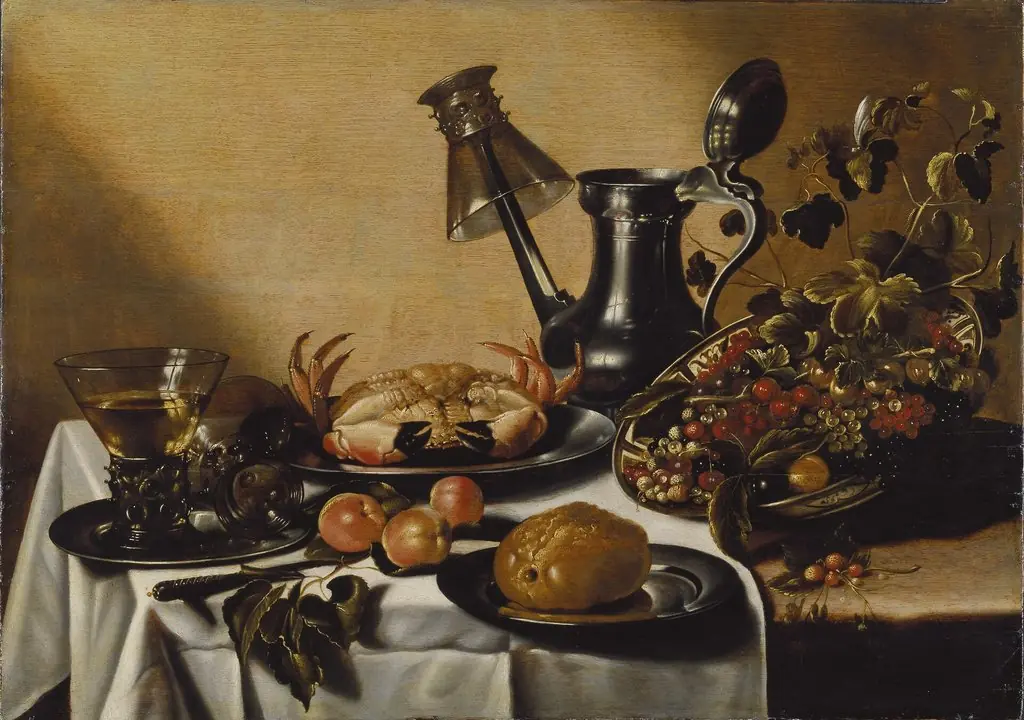
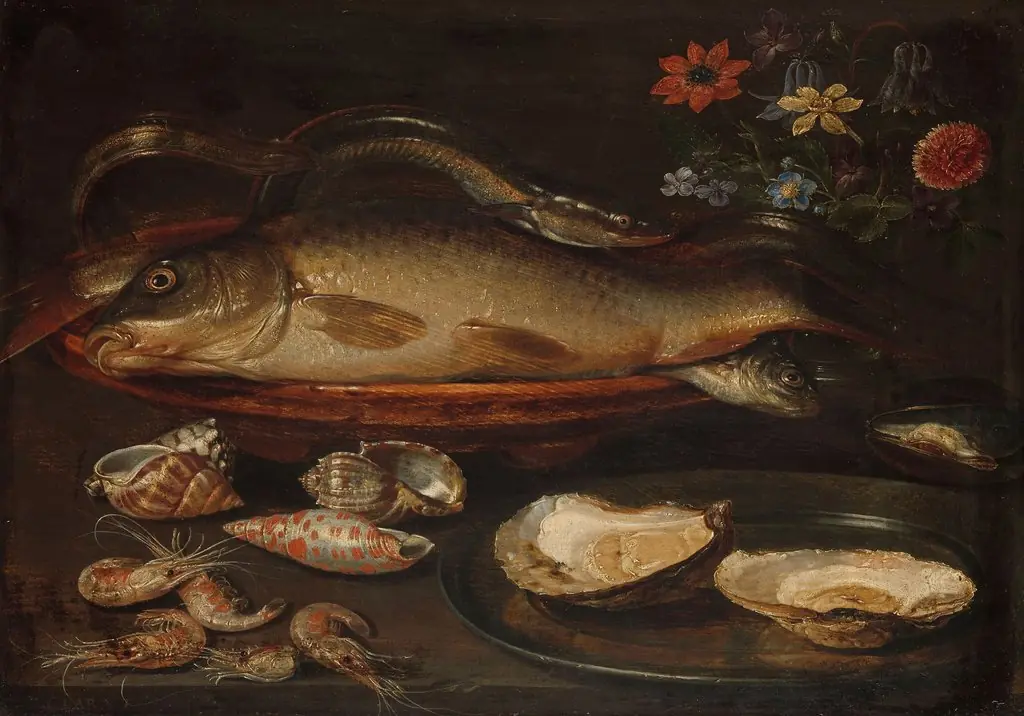
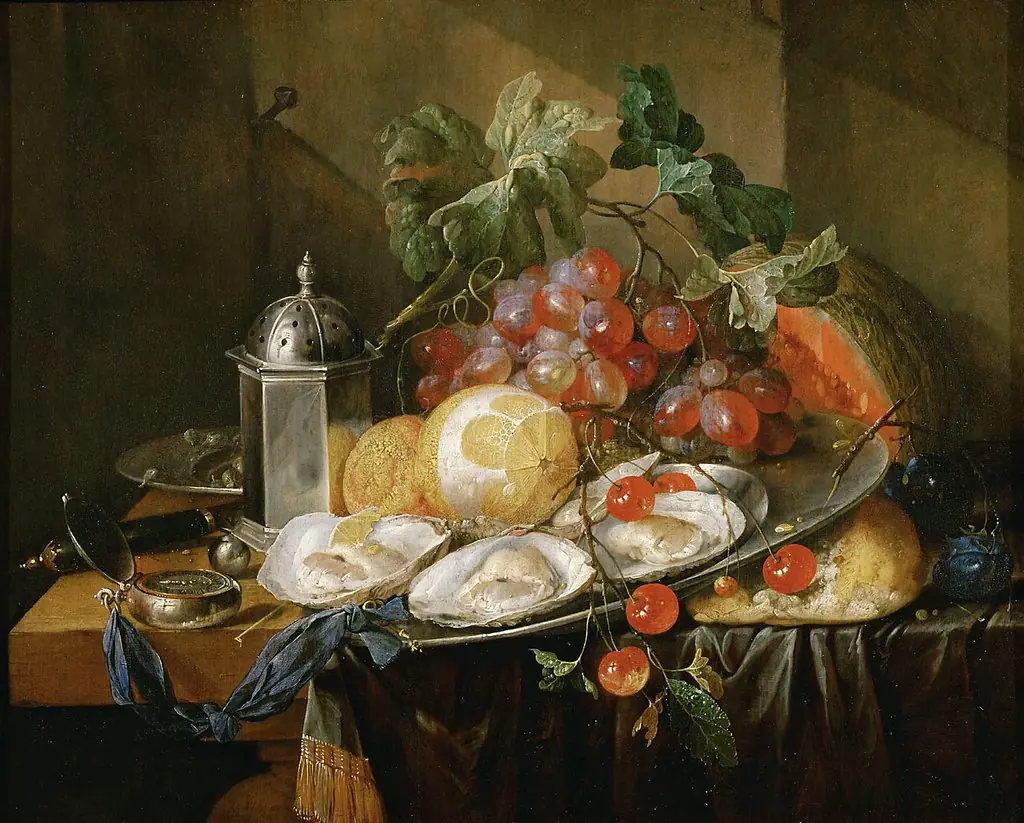
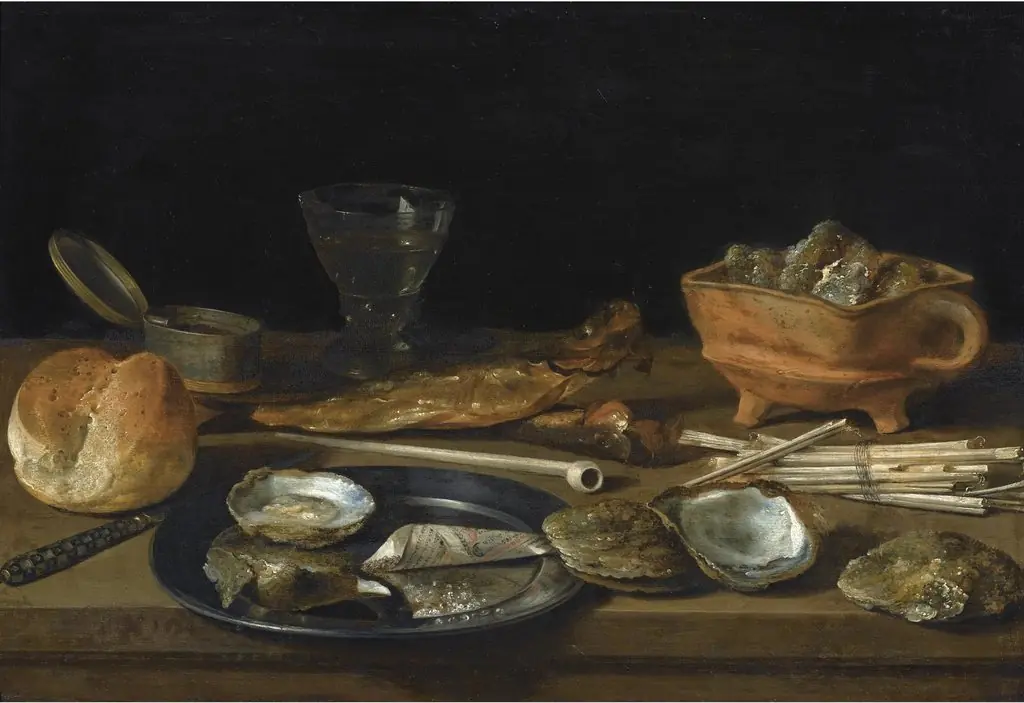
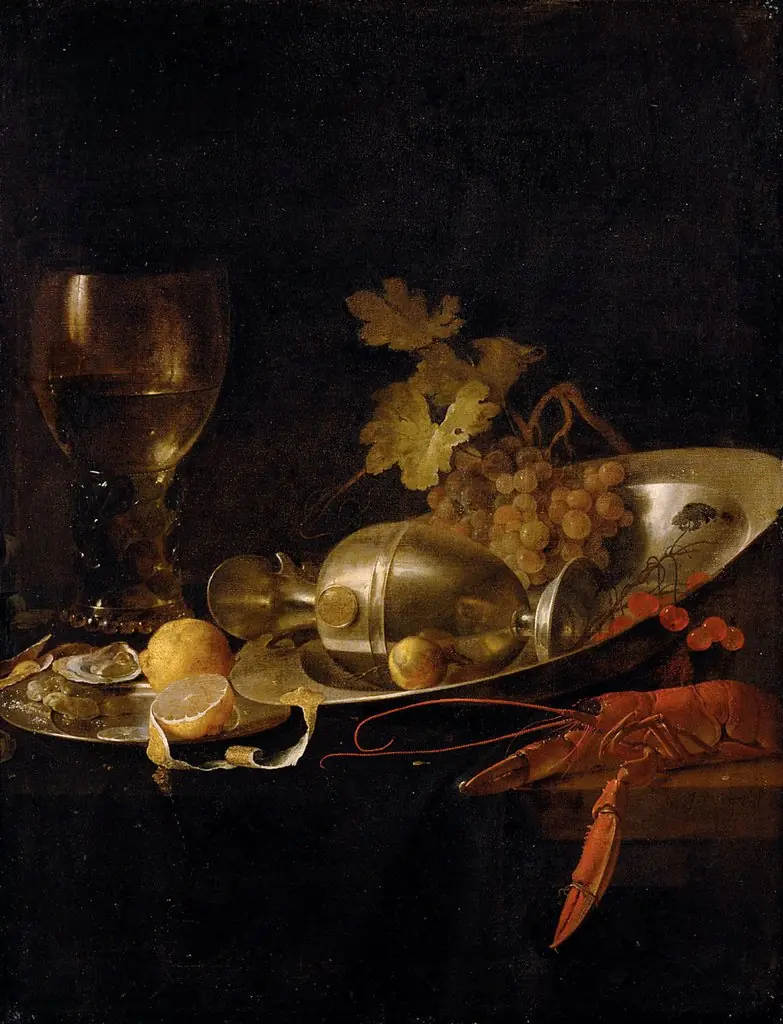
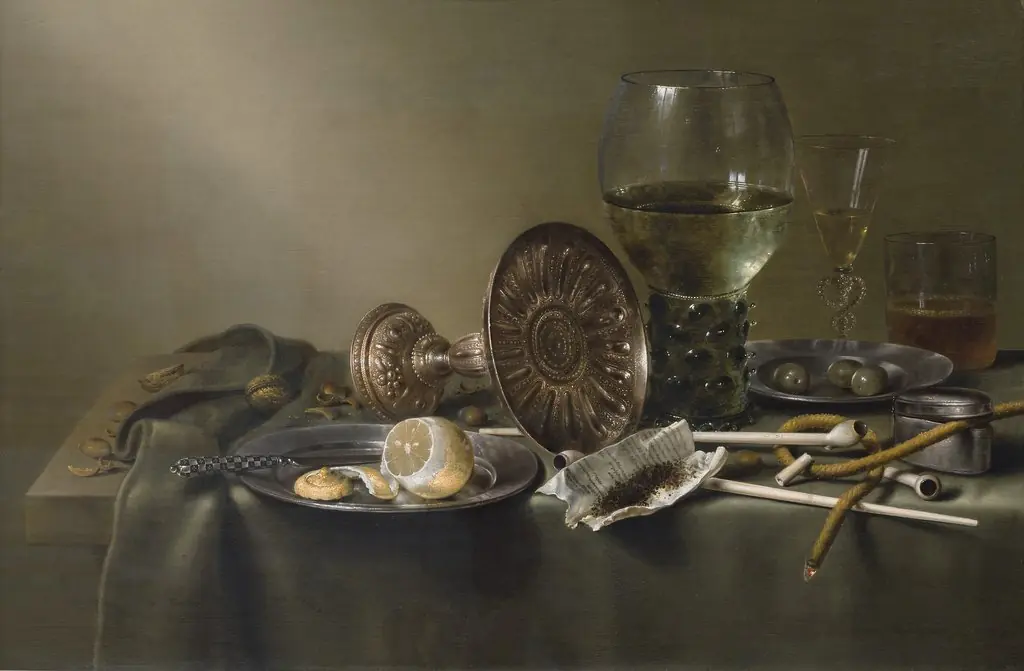
Theodoor Smits’ oil painting dated 1601 presents a modest arrangement of marine and domestic objects on a wooden surface. Central to the composition are an orange crab, a cluster of oysters, and a white Gouda clay pipe, accompanied by a glass berkemeyer. The work resides in the collection of the Museo del Prado, offering a quiet study of material culture through careful observation.
Subject & Meaning
The still‑life gathers items associated with nourishment and leisure: the crab and oysters suggest a seaside feast, while the pipe and berkemeyer reference contemporary drinking customs. By juxtaposing these elements, the painting reflects the early‑17th‑century interest in the tangible details of everyday life, inviting contemplation of the sensory pleasures of food and drink.
Technique & Style
Executed in oil on canvas, Smits employs a restrained palette of browns, tans and muted whites, allowing the textures of shell, crustacean carapace and ceramic to emerge with tactile clarity. Fine brushwork renders the glossy surface of the oysters and the roughness of the crab’s shell, while subtle chiaroscuro models the forms against a dark, indistinct background.
History & Provenance
Created in the early 1600s, the work entered the holdings of Spain’s Museo del Prado, where it is displayed among other Northern European still‑lifes. Its presence in the museum highlights the cross‑regional circulation of Dutch and Flemish art during the period, and provides a reference point for the development of still‑life conventions in the seventeenth century.
Own this work as a print
Artist & collection