Artwork
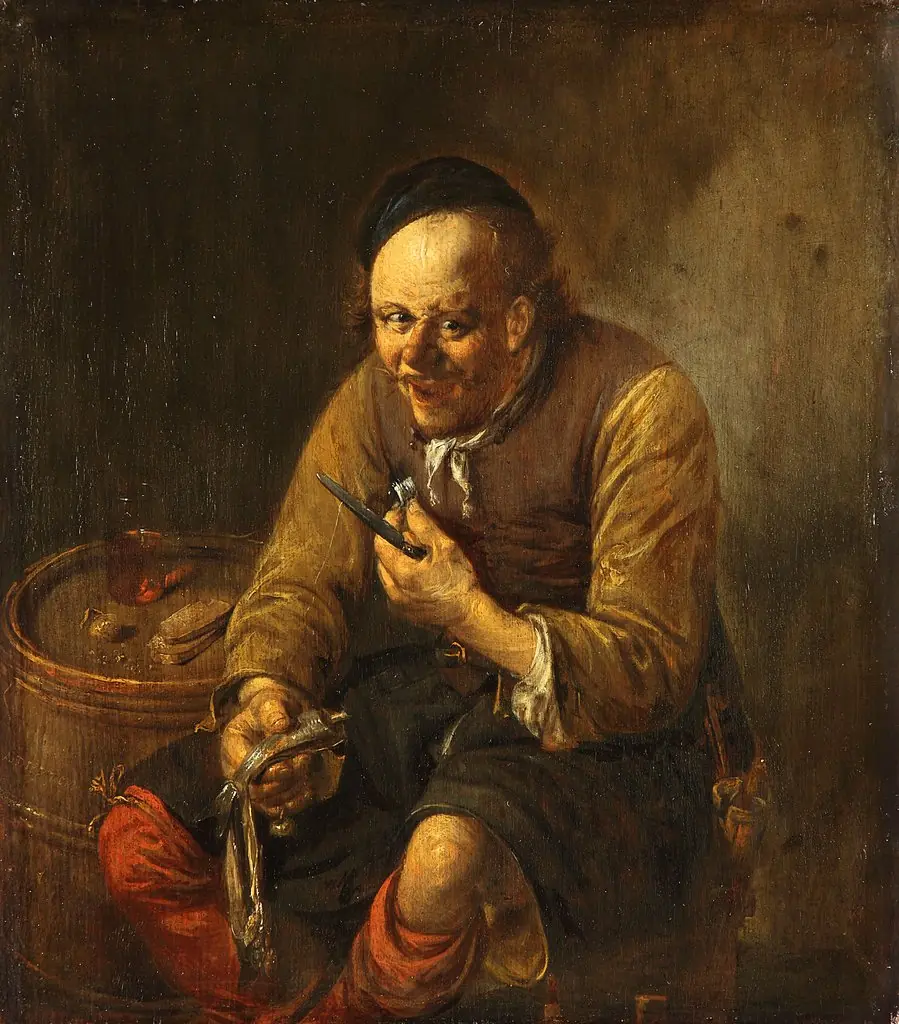
The herring eater
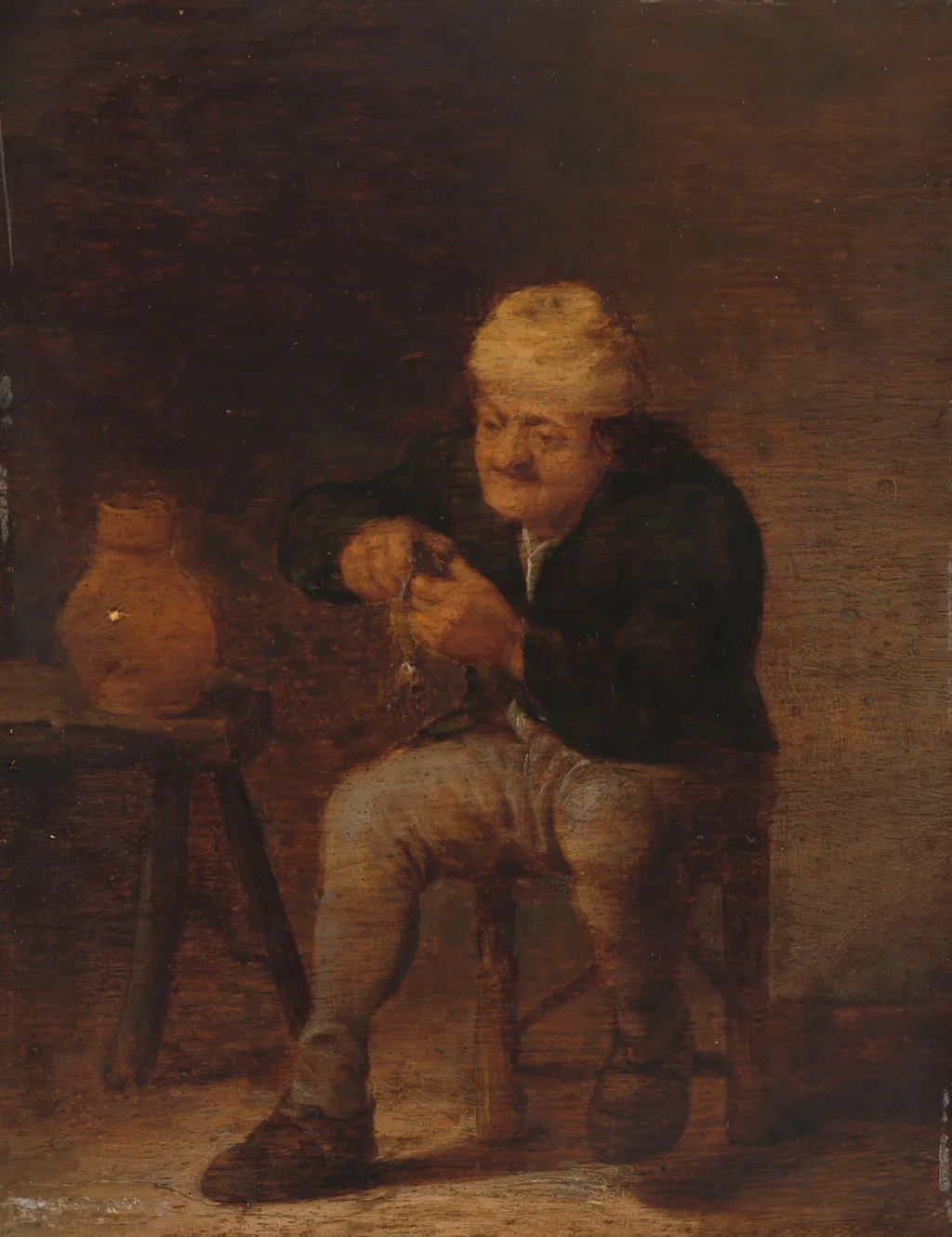
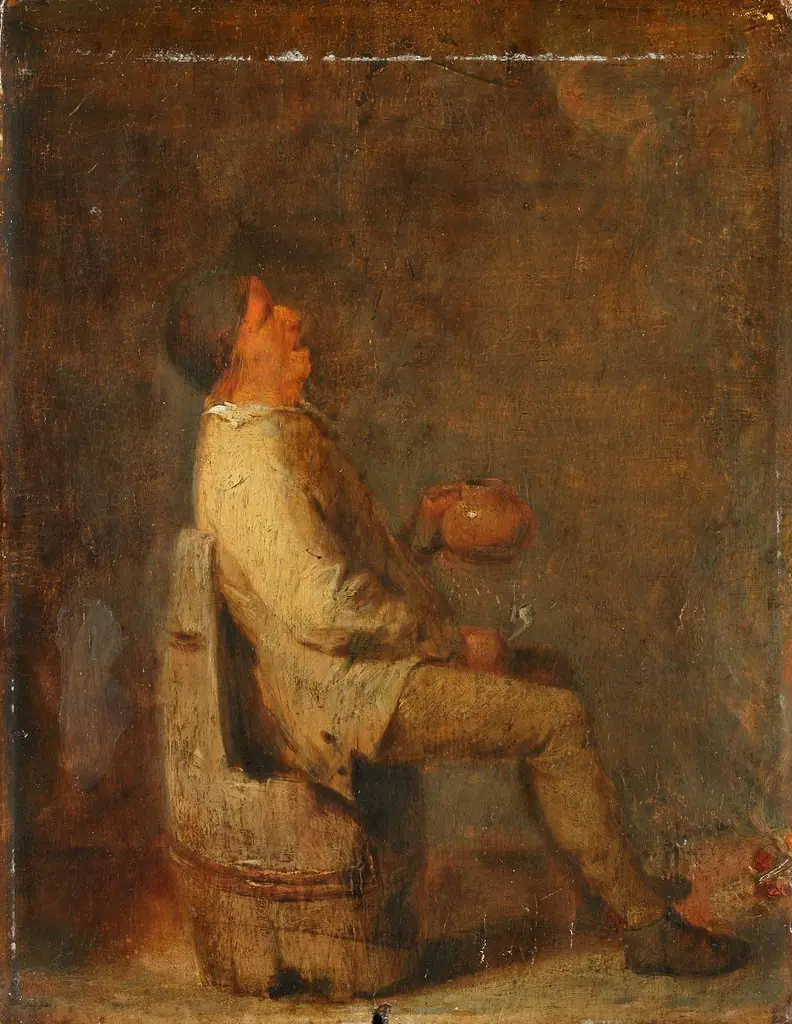
The herring eater is an oil painting by the Dutch Golden Age artist Pieter Hermansz Verelst. It dates from 1650 and is held in the collection of the Rijksmuseum.
About this work
Overview
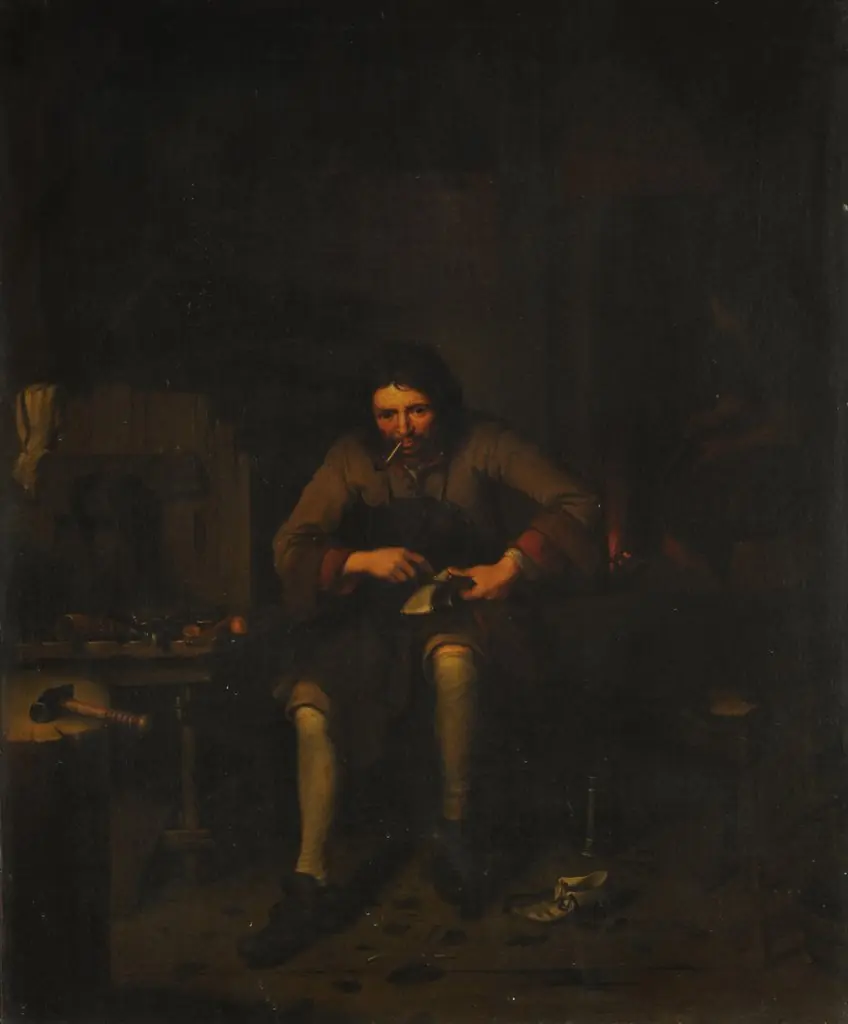
Created around 1650 by Pieter Harmensz Verelst, a Dutch painter of the mid‑17th century, *The Herring Eater* is an oil on canvas that belongs to the Rijksmuseum’s collection. The work presents a solitary, older man seated in a dim interior, poised to eat a freshly caught herring held in his lap.
Subject & Meaning
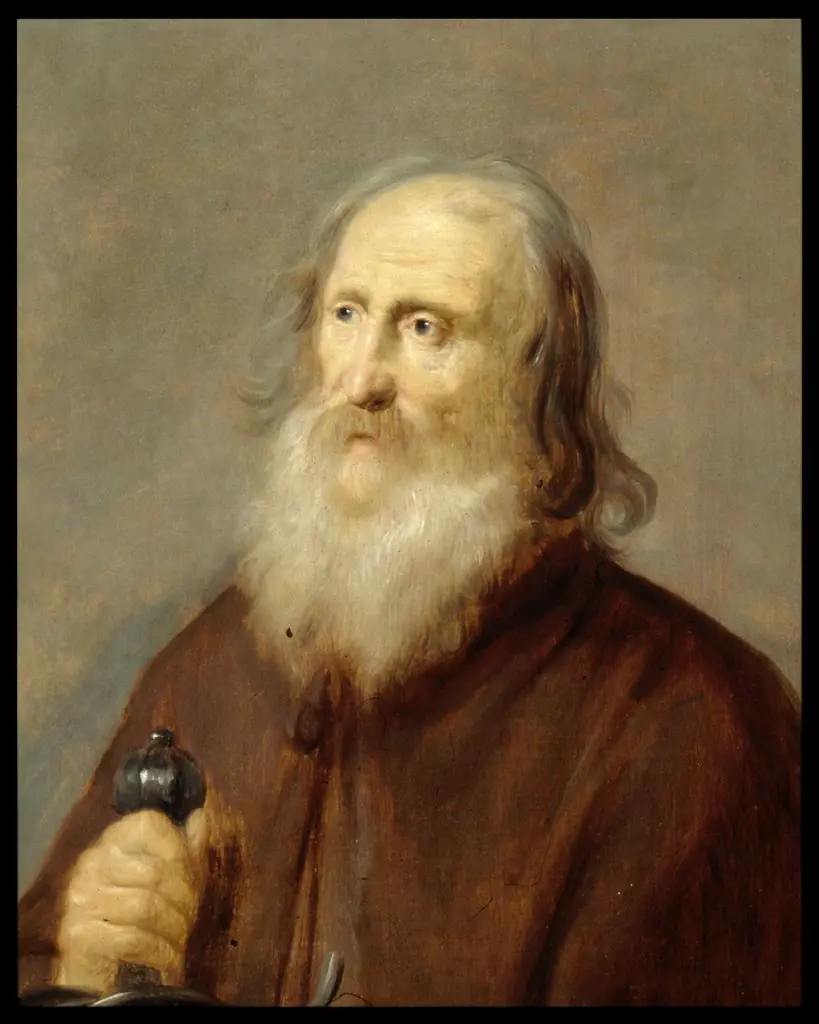
The central figure—a bearded man in a white wig, dark coat, and light shirt with a cravat—embodies a common Dutch genre motif: the everyday act of eating herring. The fish, rendered with a wet, dripping realism, underscores the immediacy of the scene and reflects the cultural significance of herring as a staple food in the Netherlands.
Technique & Style
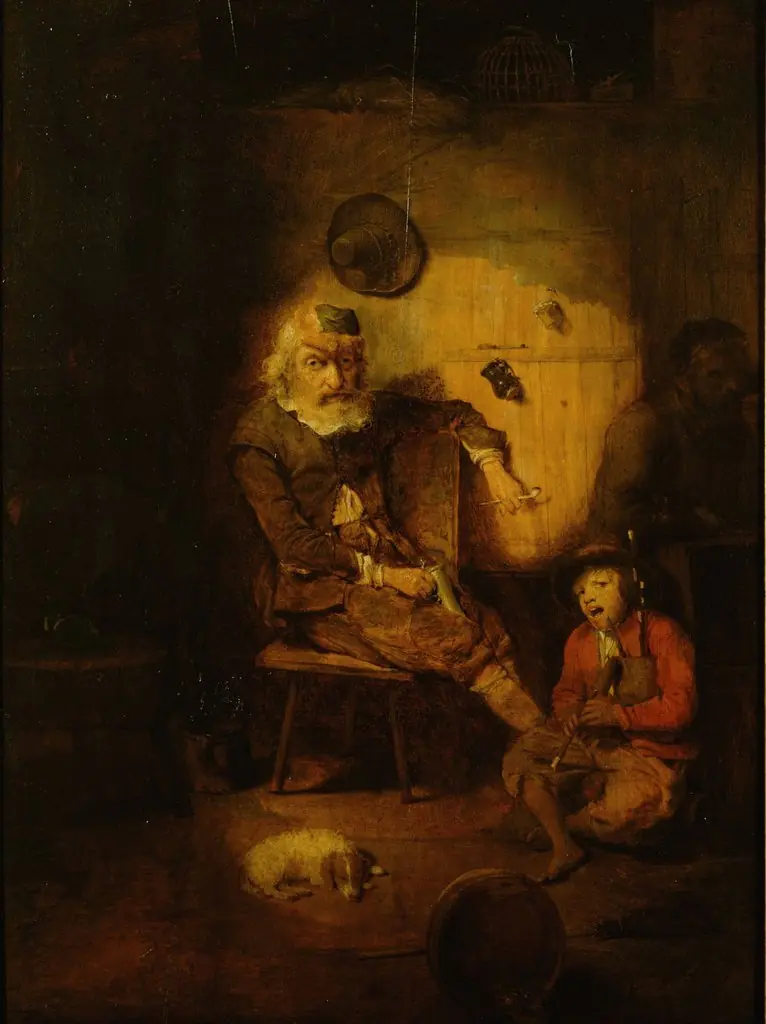
Verelst employs chiaroscuro, using a narrow light source to illuminate the man’s face, hands, and the fish while the surrounding room recedes into deep shadow. The contrast heightens the tactile quality of the herring and the texture of the rough, brown walls, creating a focused, intimate atmosphere.
History & Provenance
Verelst, known for genre scenes, worked primarily in the Dutch Republic before moving to England later in his career. *The Herring Eater* entered the Rijksmuseum’s holdings through acquisition, where it remains on view as part of the museum’s representation of Dutch Golden Age genre painting.
Own this work as a print
Artist & collection
Artist
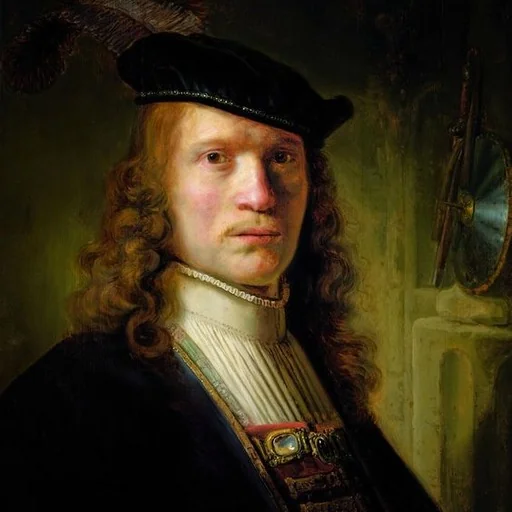
Pieter Harmensz Verelst (c. 1616-1618, Dordrecht – 1668 in England) was a Dutch Golden Age painter. Four of his sons, Herman, Simon, John (1648-1679) and William (1651–1702), also became painters.