Artwork
Peasant taking a pinch of snuff
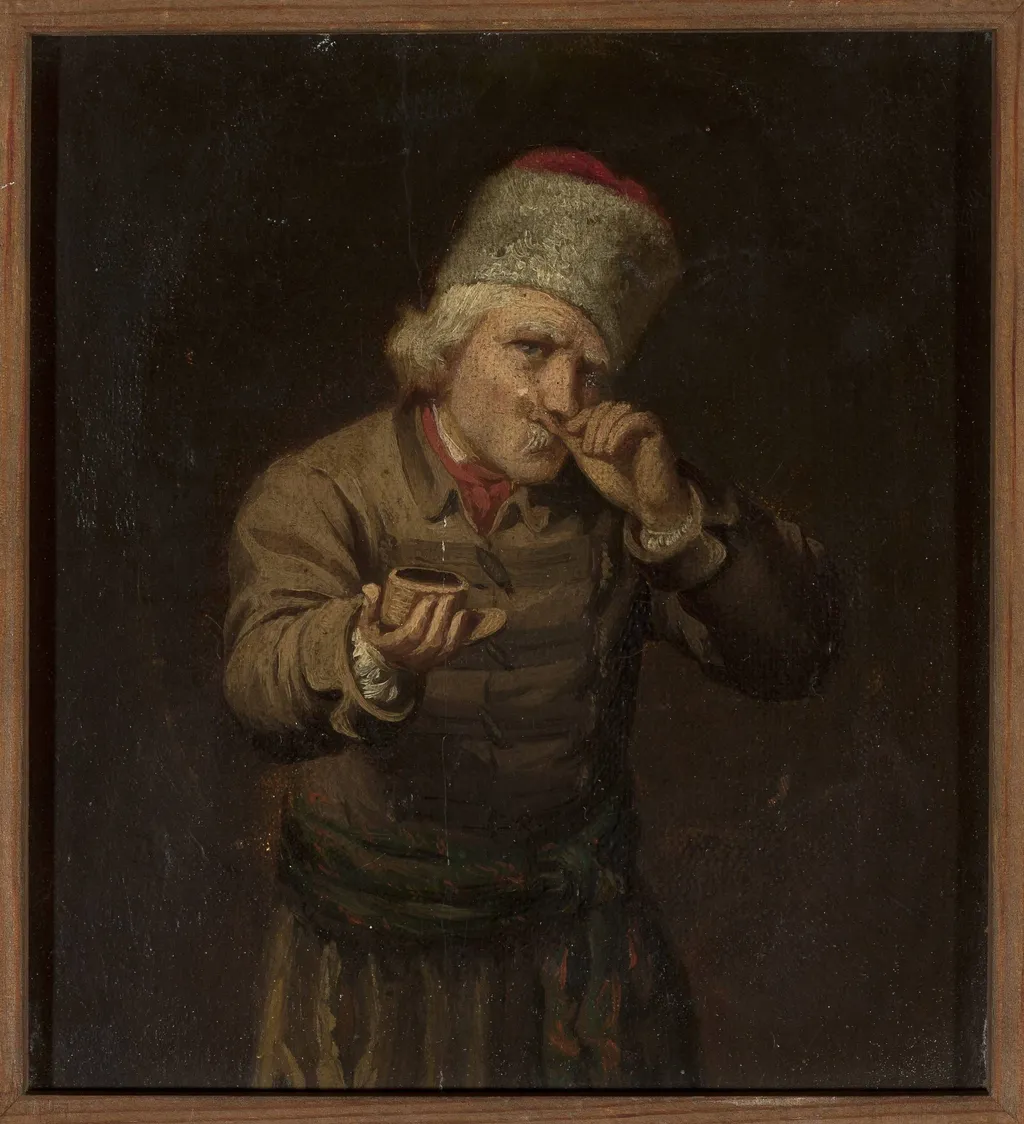
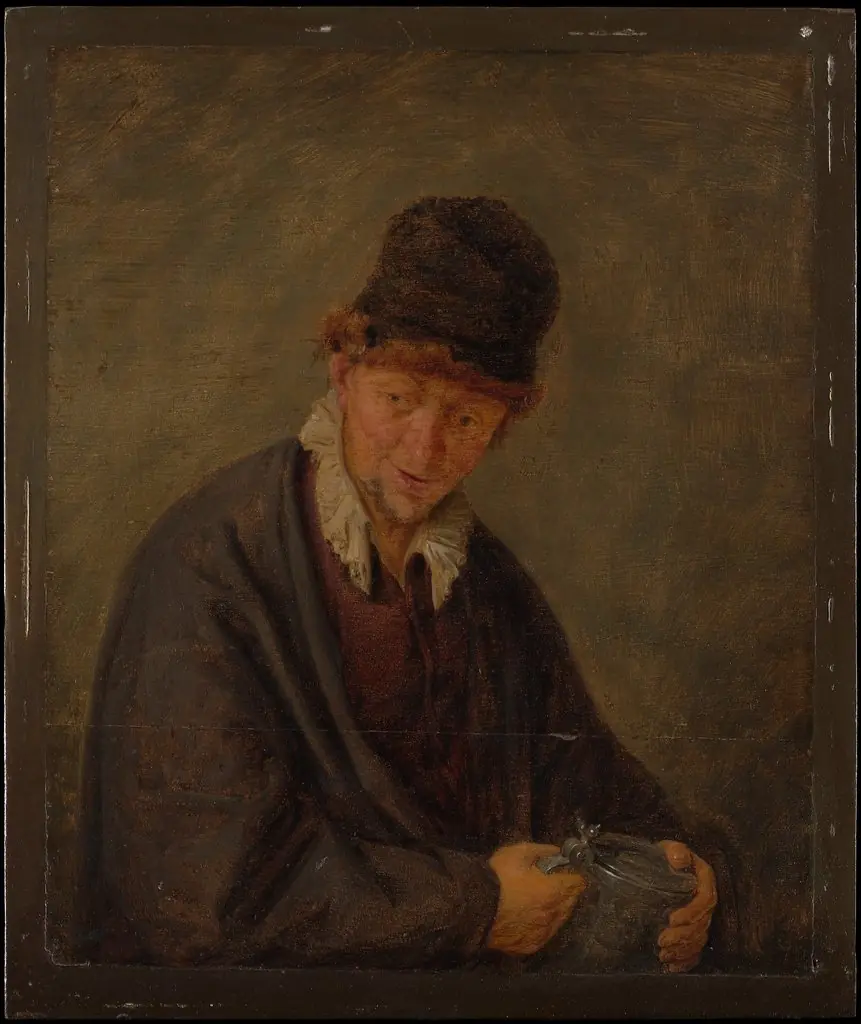
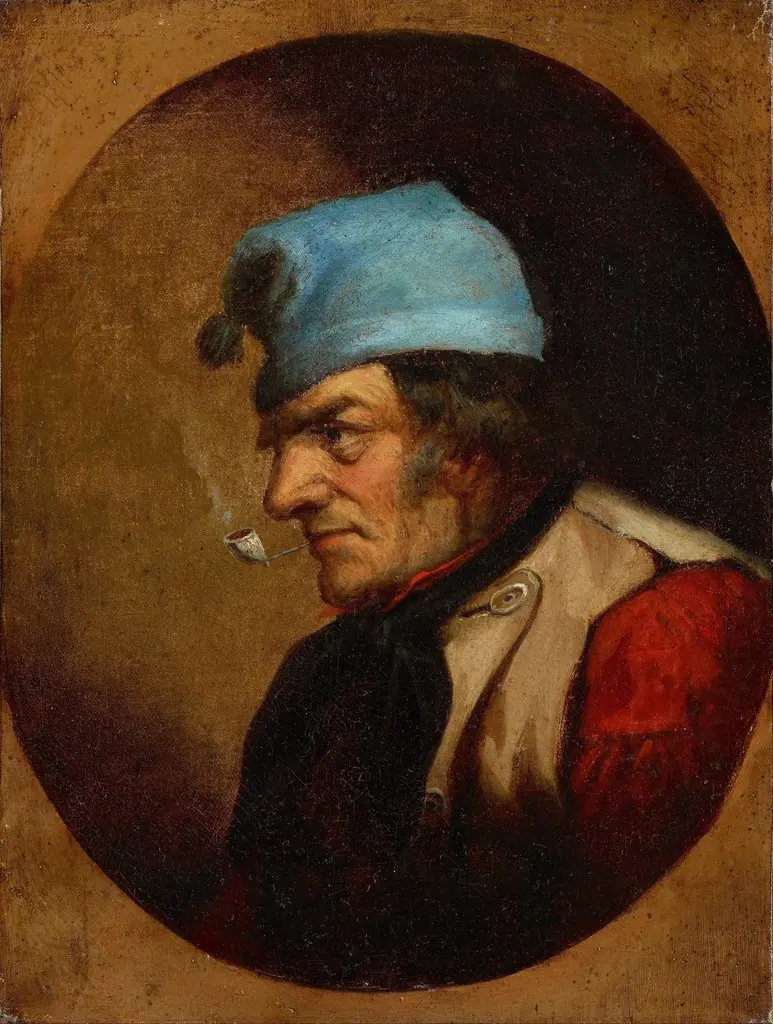
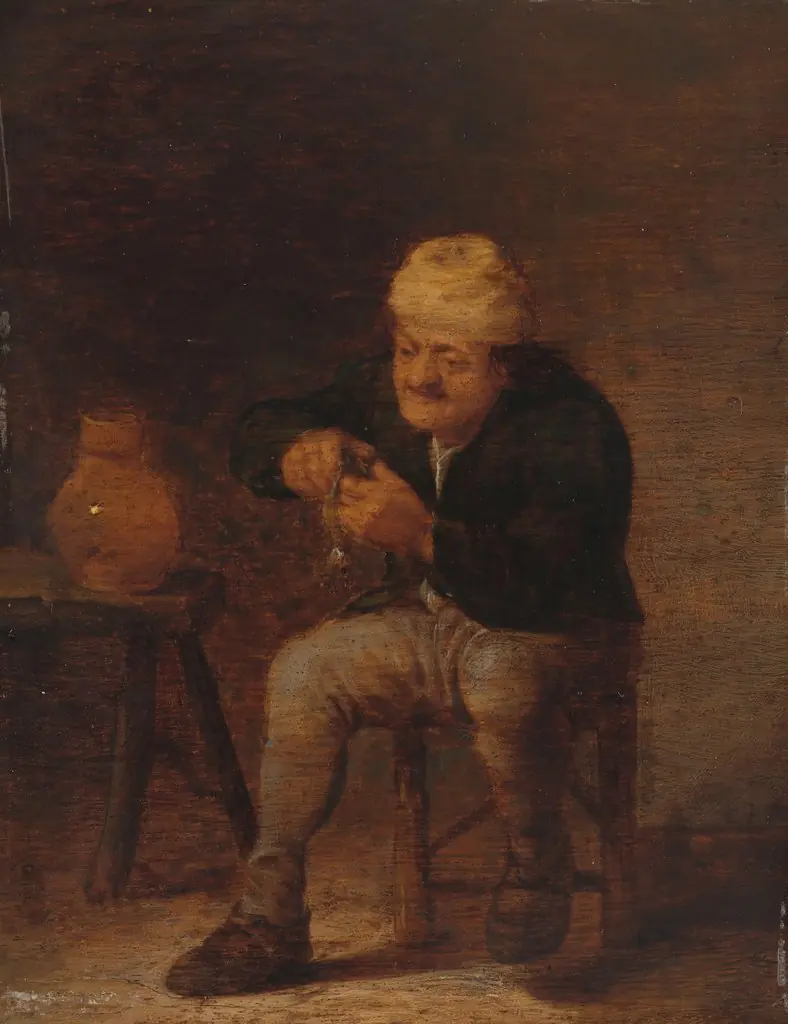
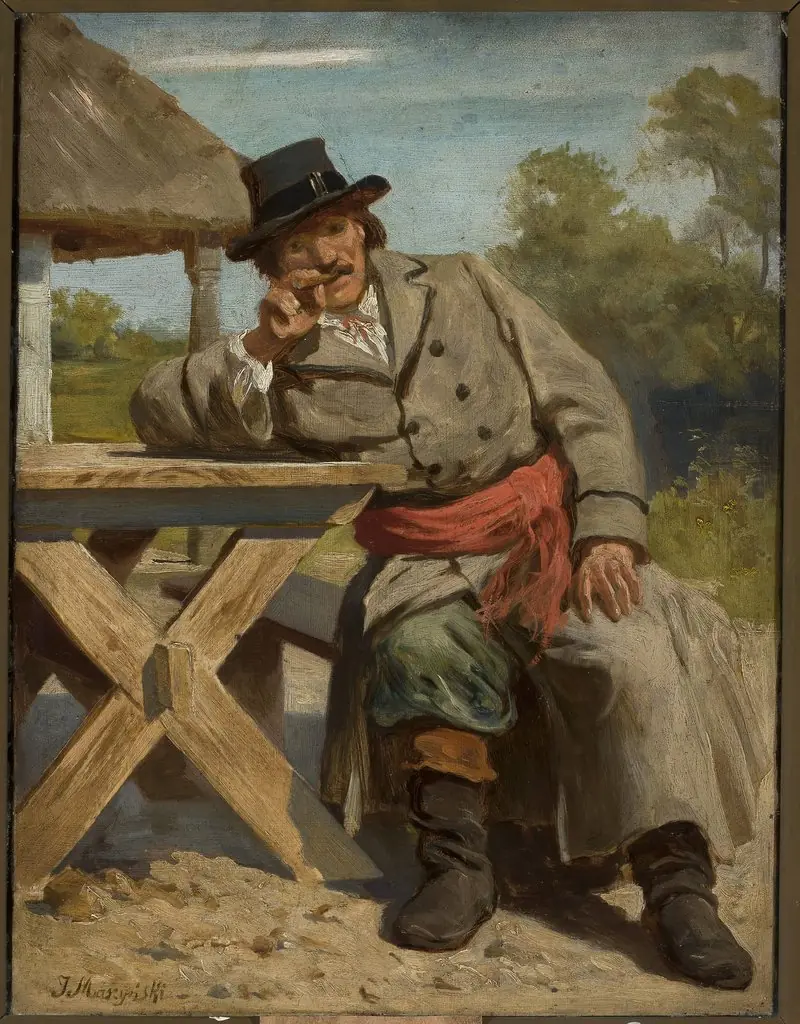
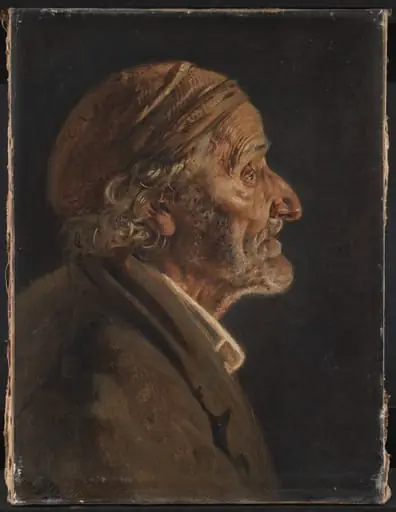
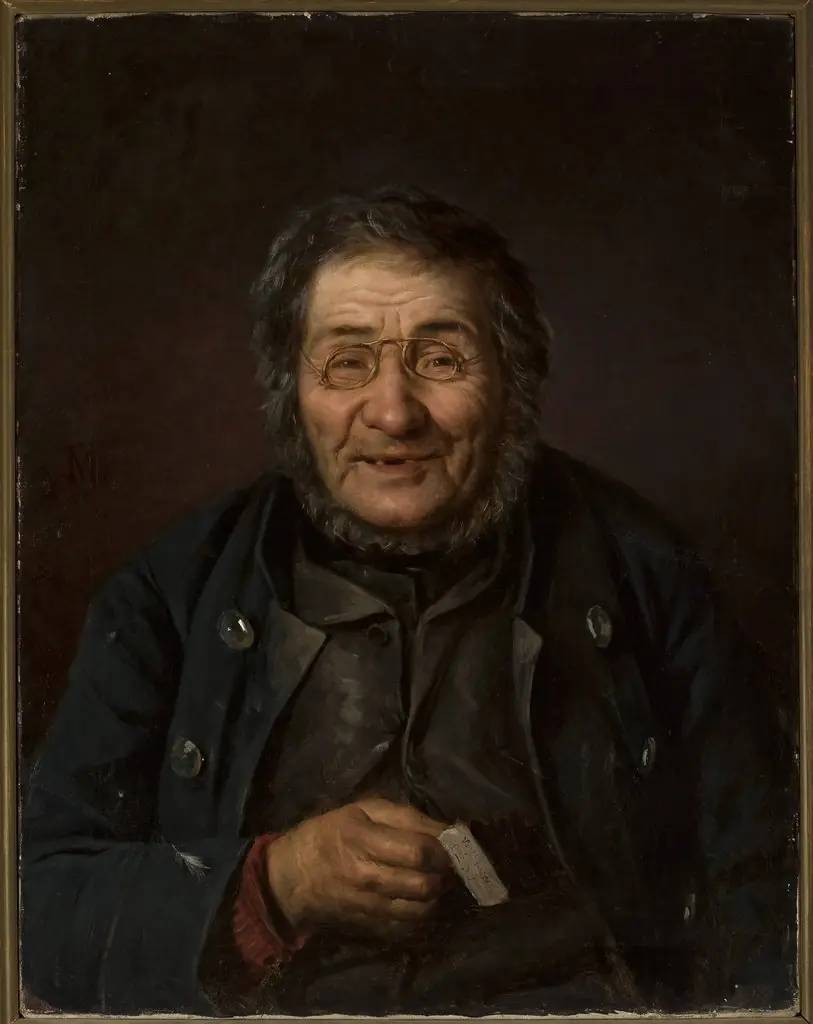
Peasant taking a pinch of snuff is an oil painting by the Realist artist Maksymilian Antoni Piotrowski. It dates from 1857 and is held in the collection of the National Museum in Warsaw.
About this work
Overview
Painted in 1857 by Maksymilian Antoni Piotrowski, this oil on canvas depicts a rural Polish peasant in a moment of quiet routine.
Painted in 1857 by Maksymilian Antoni Piotrowski, this oil on canvas depicts a rural Polish peasant in a moment of quiet routine. The work belongs to the Realist tradition, emphasizing unidealized daily life. It is held in the National Museum in Warsaw, where it represents a broader 19th-century interest in documenting the lives of ordinary people through careful observation rather than romanticized narrative.
Subject & Meaning
The figure, dressed in worn rural attire, is captured mid-action as he takes snuff from a small wooden box. His focused expression and still posture suggest introspection rather than performance. The act, common among peasants of the time, is rendered without sentimentality, inviting attention to the dignity of mundane rituals. The painting avoids moralizing, instead presenting the subject with quiet neutrality.
Technique & Style
Piotrowski employed a restrained palette of browns, beiges, and muted earth tones to ground the scene in realism. Brushwork is precise but unobtrusive, emphasizing texture over flourish—the coarse weave of fabric, the grain of the snuff box, the fur trim of the hat. Light falls evenly, avoiding dramatic contrast, reinforcing the painting’s understated, observational character.
History & Provenance
Created during Piotrowski’s tenure at the Academy of Fine Arts in Kaliningrad, the painting was likely made as part of his pedagogical focus on genre scenes. It entered the National Museum in Warsaw’s collection in the late 19th or early 20th century, where it has remained as an example of Polish Realist painting. Its provenance reflects institutional interest in documenting national life beyond aristocratic or historical themes.
Context
In mid-19th-century Poland, under foreign partitions, artists increasingly turned to rural subjects as a form of cultural preservation. Depictions of peasant life, though not overtly political, carried implicit resonance—affirming the value of indigenous traditions. Piotrowski’s work aligns with this trend, offering a sober record of everyday existence amid broader national upheaval.
Legacy
Though not widely exhibited beyond Poland, the painting contributes to the corpus of Central European Realism. It exemplifies how academic artists used precise observation to elevate ordinary subjects, influencing later generations interested in social documentation. Its endurance in a major national collection underscores its role as a quiet but significant record of 19th-century rural identity.
Artist & collection
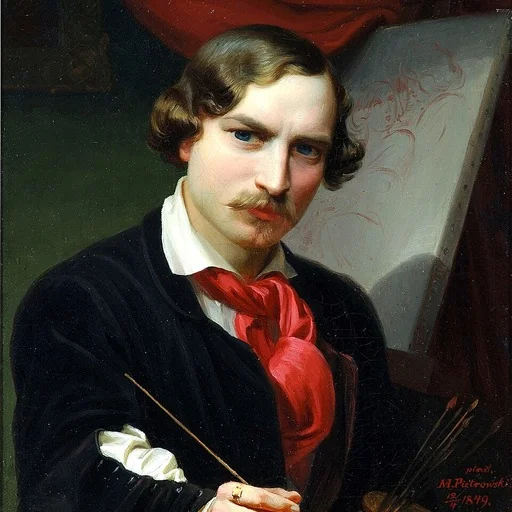
Artist
Maximilian (Maksymilian) Antoni Piotrowski (1813–1875) was a Polish painter and professor at the Academy of Fine Arts in Kaliningrad. Additionally, he was a Polish patriot who took part in the national uprisings of the time.