Artwork
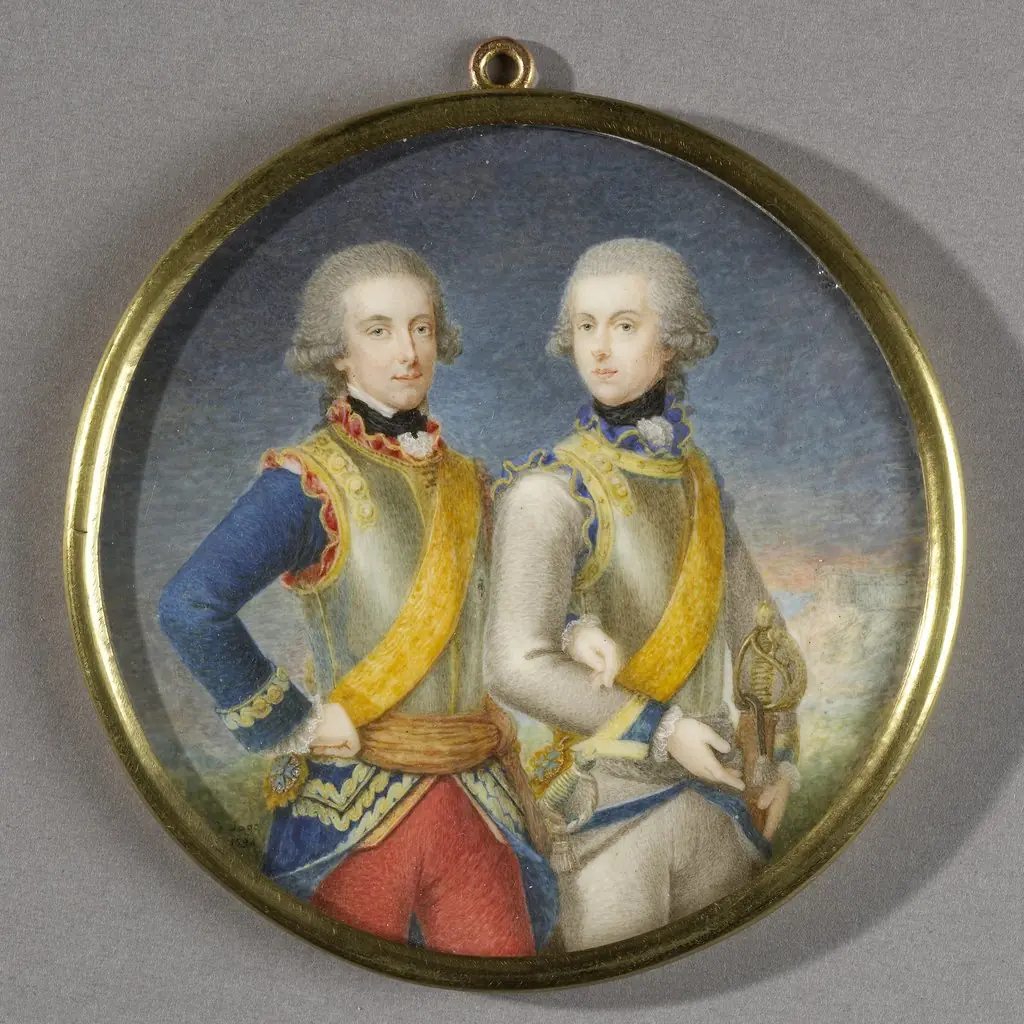
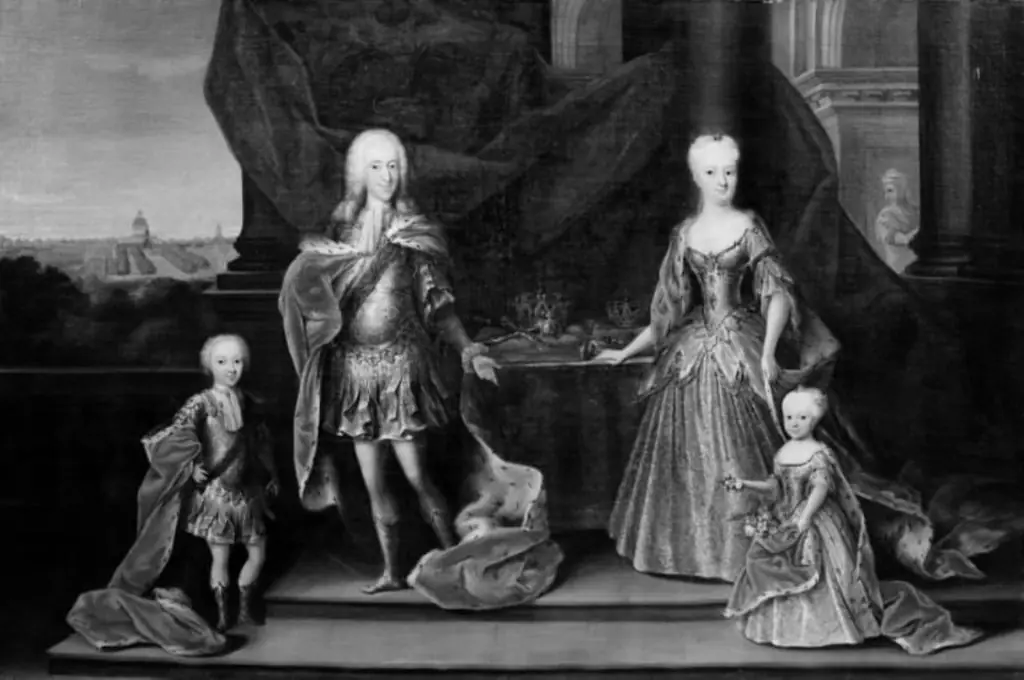
Family portrait of stadtholder Willem V (1748-1806), Wilhelmina van Pruisen (1751-1820) and their three children
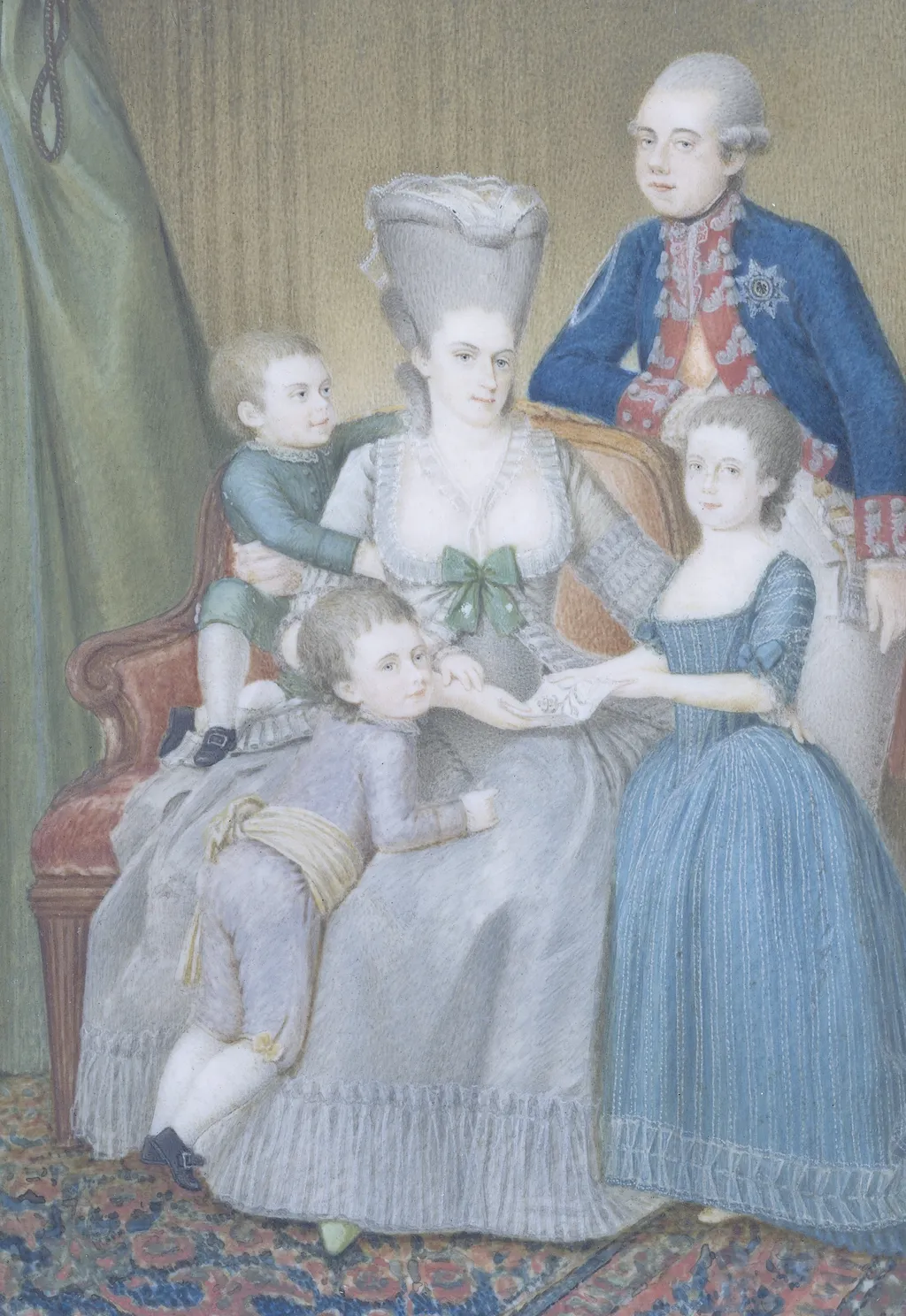
Family portrait of stadtholder Willem V (1748-1806), Wilhelmina van Pruisen (1751-1820) and their three children is an ivory painting by the Rococo painting artist Pieter le Sage. It dates from 1790 and is held in the collection of the Rijksmuseum.
About this work
Overview
Created in 1790 by Dutch painter Pieter le Sage, this intimate family portrait presents the stadtholder Willem V, his wife Wilhelmina of Prussia, and their three offspring. Executed on a single sheet of ivory, the work is part of the Rijksmuseum’s collection and exemplifies late‑18th‑century courtly portraiture, emphasizing the cohesion of the princely household.
Subject & Meaning
The composition places the adult couple centrally, with Willem V in a blue coat trimmed with gold buttons and a red cravat, while Wilhelmina appears in a light gray dress topped by a tall white wig. Their three children are arranged before them: a boy in a striped shirt with a green sash, a girl in a light dress with a bow, and a younger child standing in a dark blue gown, underscoring lineage and familial unity.
Technique & Style
The use of ivory as a support yields a luminous, muted palette, allowing fine brushwork to render delicate fabrics and subtle facial expressions. The plain background eliminates distractions, directing attention to the figures’ attire and gestures. Le Sage’s handling reflects the restrained elegance typical of Dutch court portraiture in the final decades of the eighteenth century.
History & Provenance
After its completion, the portrait remained in the private collection of the House of Orange‑Nassau before entering the Rijksmuseum’s holdings, where it is displayed as part of the museum’s representation of Dutch political and familial portraiture. Its attribution to Pieter le Sage has been consistently affirmed by scholarly catalogues of the artist’s oeuvre.
Artist & collection

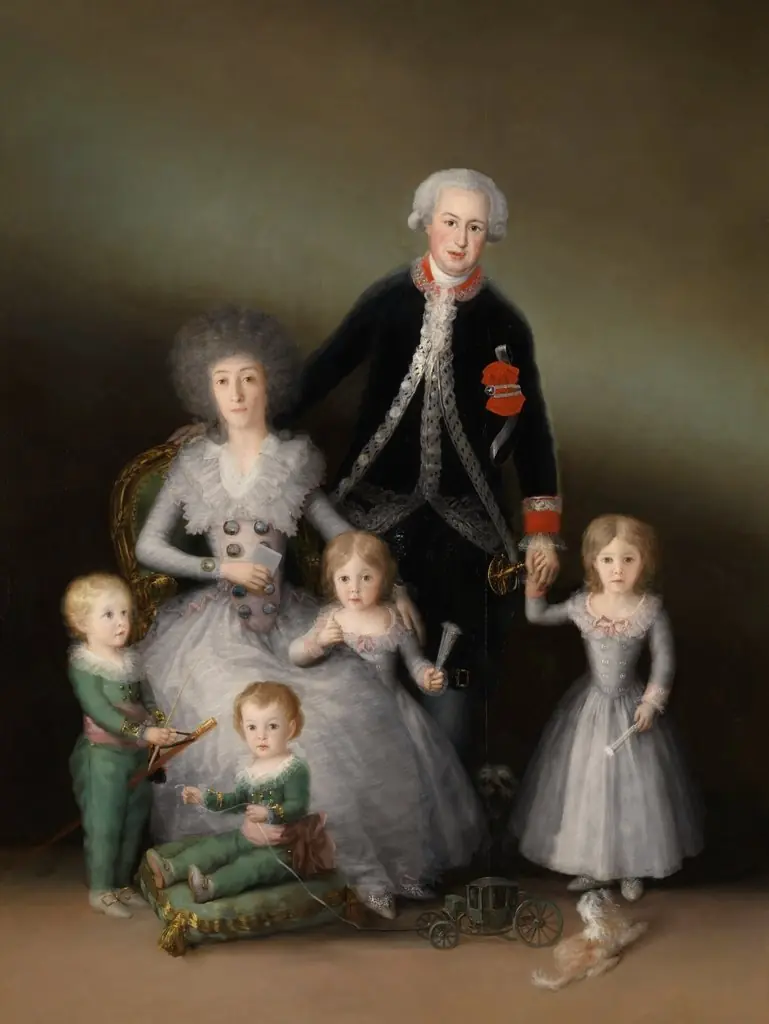 The Duke and Duchess of Osuna and their Children
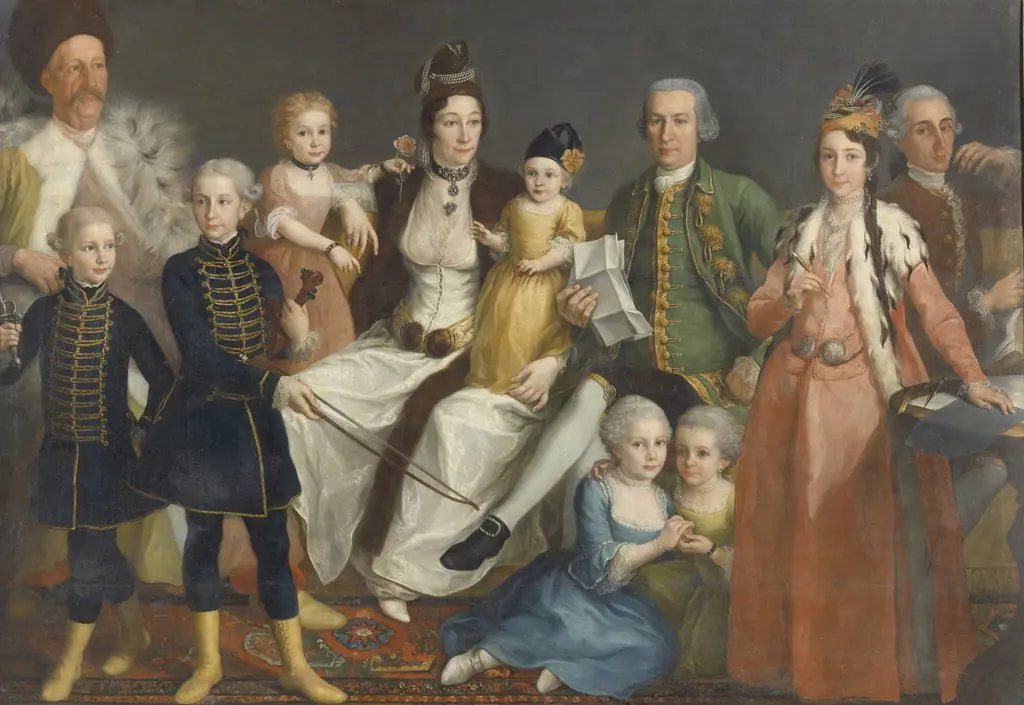 Portrait of David George van Lennep, Chief Merchant of the Dutch Factory at Smyrna (Izmir) and his Wife and Children
 Portrait of the Van Lennep Family, a Merchant Family in Izmir
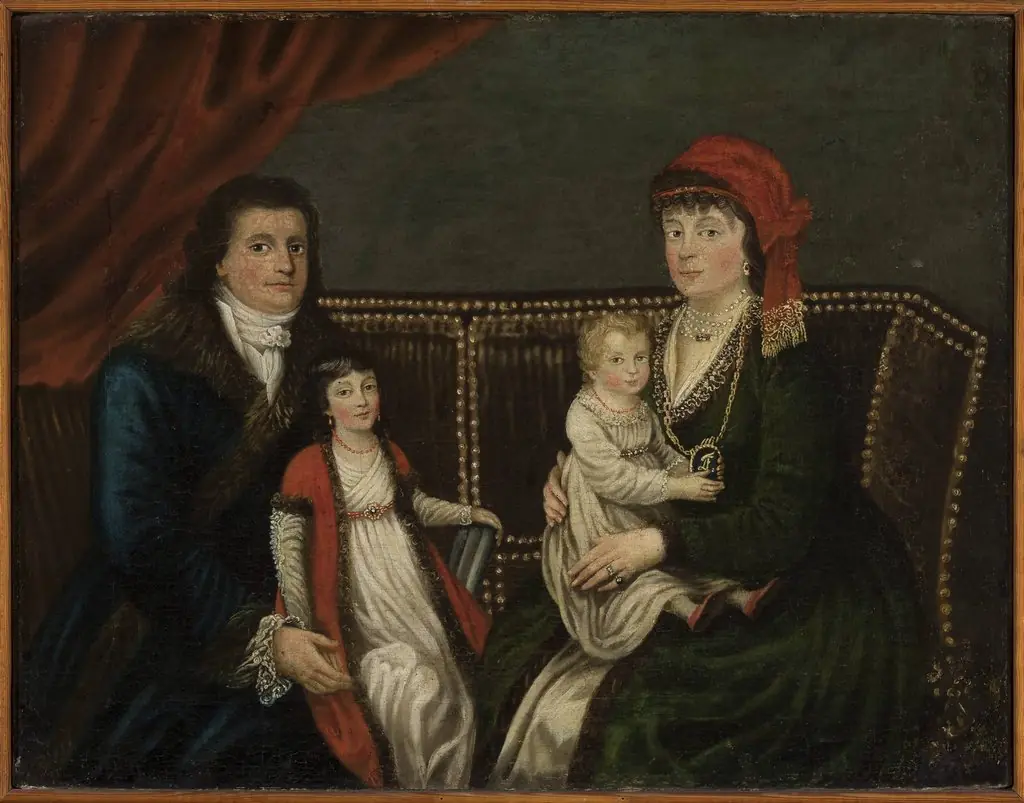 Portrait of the Lafontaine family, Leopold (1756–1812), surgeon, with his wife Teresa née Korneli (1768–1827) and daughters, Zofia (?–1831) and Wiktoria (1800–1849)
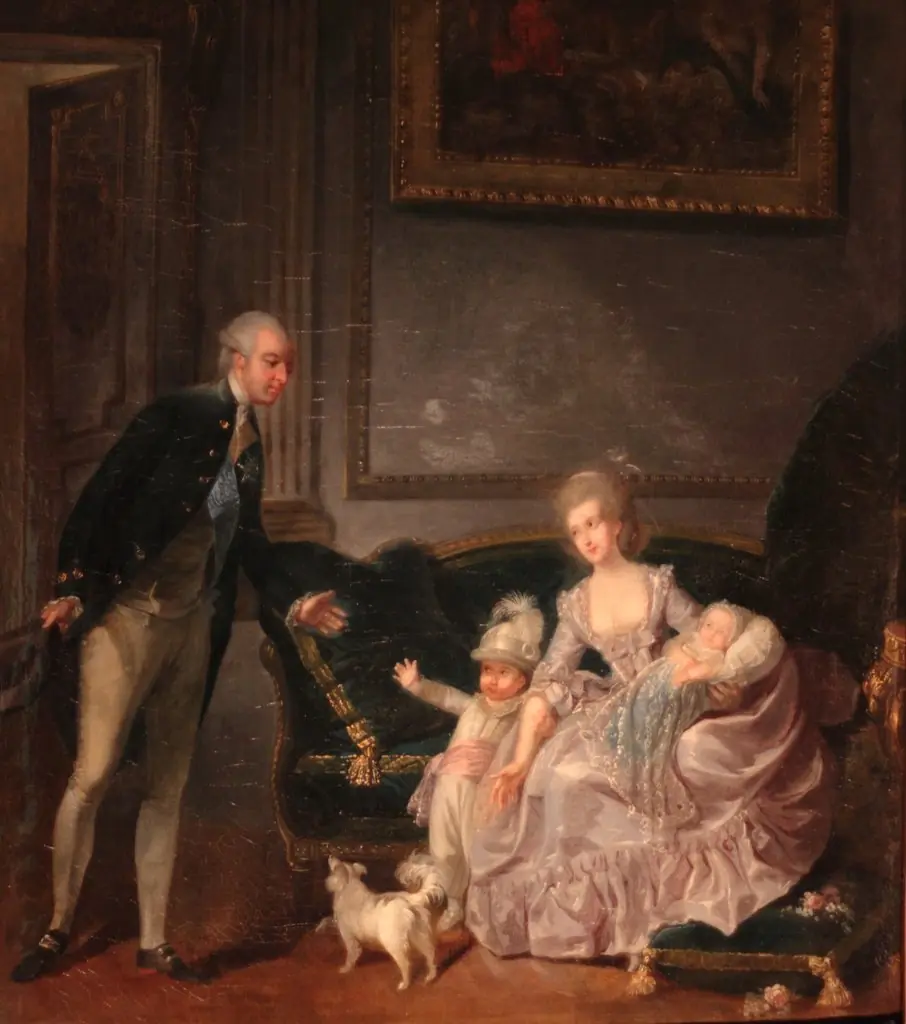 The Duke of Chartres and his Family at the Palais Royal
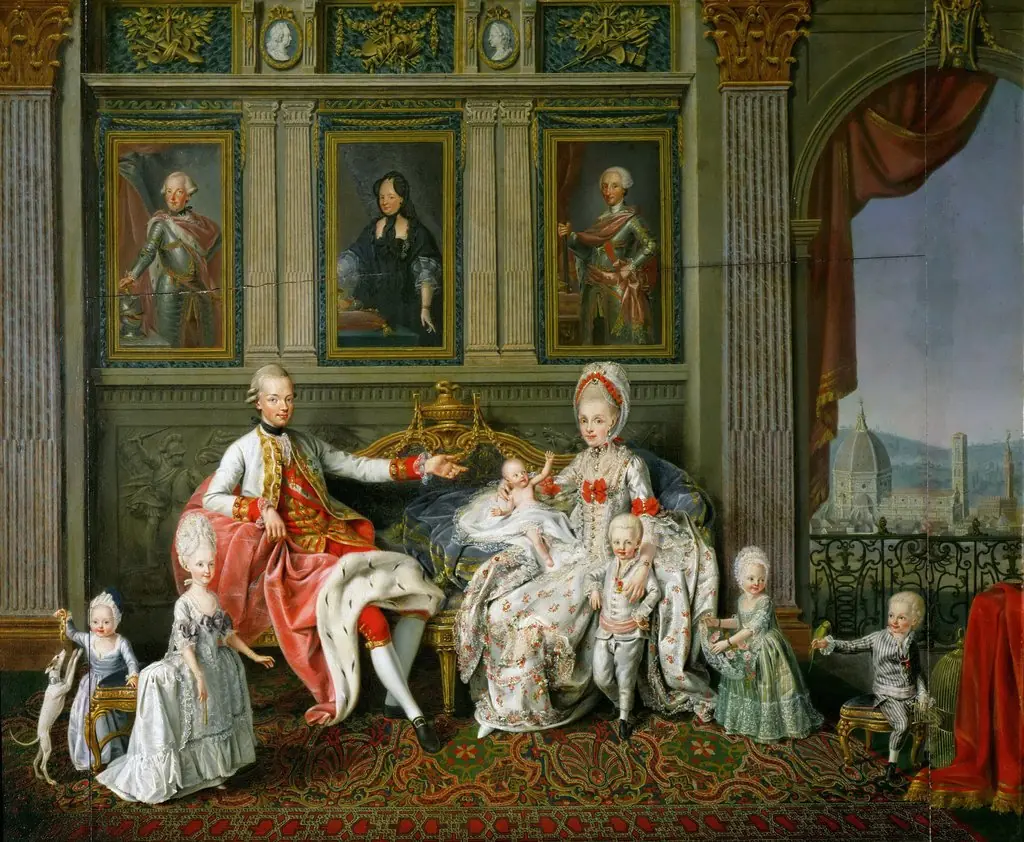 Grand Duke Leopold with his family (Emperor Leopold II, 1747-1792)
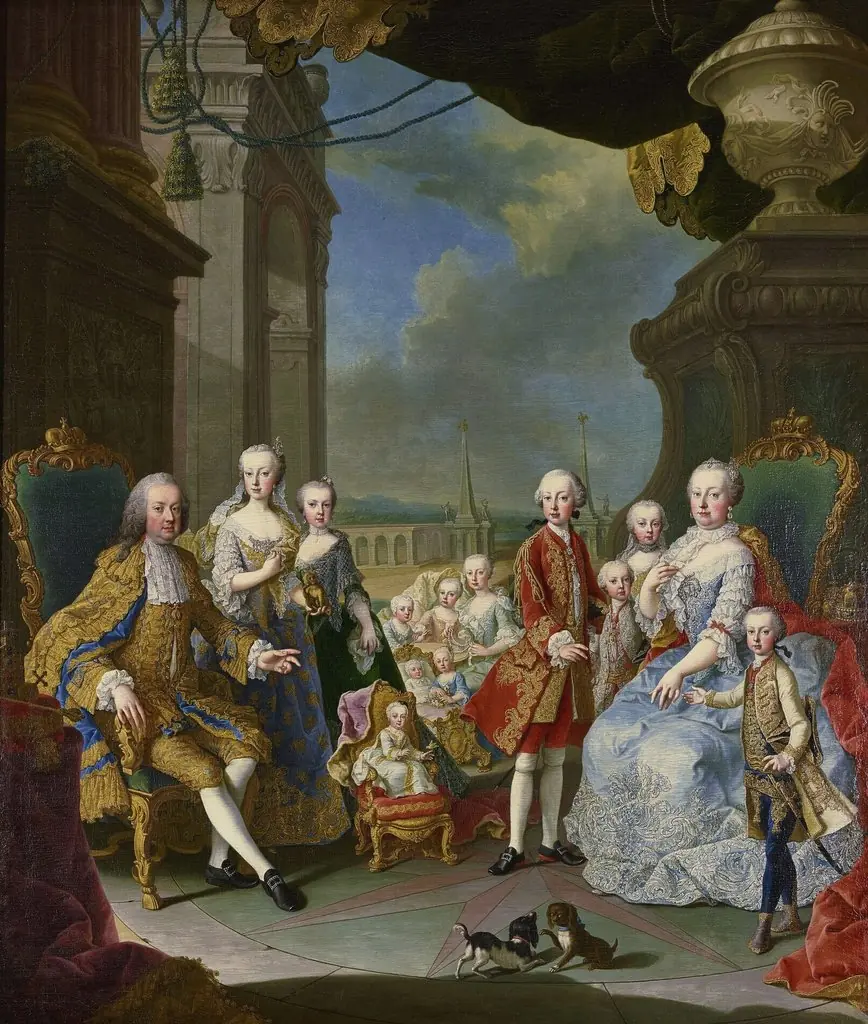 The Imperial family in 1756
 Kong Christian VI med familie