Artwork
Portrait of a Woman
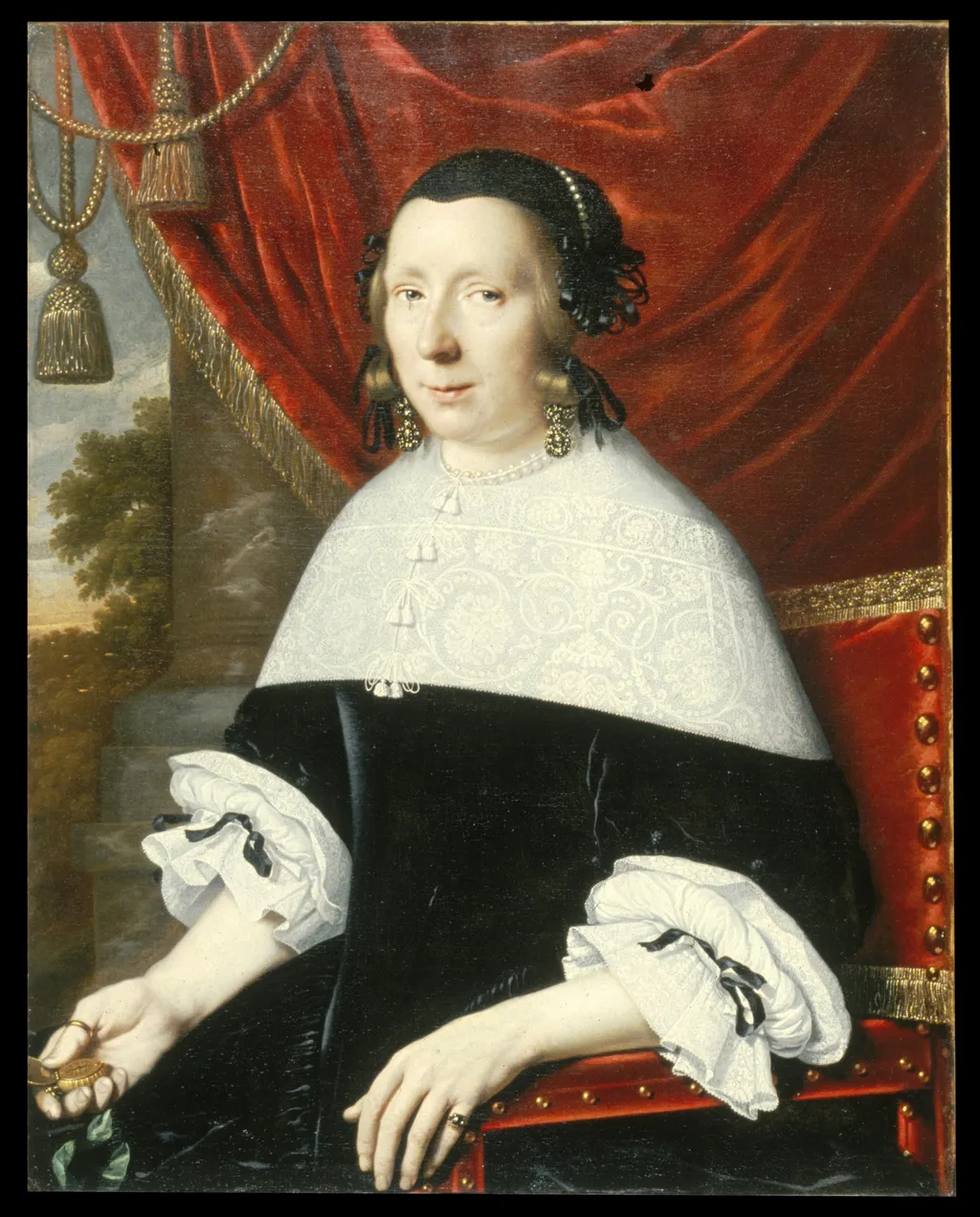
Portrait of a Woman is an oil painting by the Dutch Golden Age artist Pieter Nason. It dates from 1663 and is held in the collection of the Walters Art Museum.
About this work
Overview
Painted in 1663 by Pieter Nason, a Dutch artist based in The Hague, this oil portrait captures a woman of apparent social standing. Nason, active during the Dutch Golden Age, was a member of the local Guild of Painters and helped establish the Pictura Society. The work is now held in the Walters Art Museum, representing a quiet yet precise example of mid-17th-century Dutch portraiture.
Subject & Meaning
Her attire—black dress, white lace, and a pearl-adorned headband—signals affluence without ostentation.
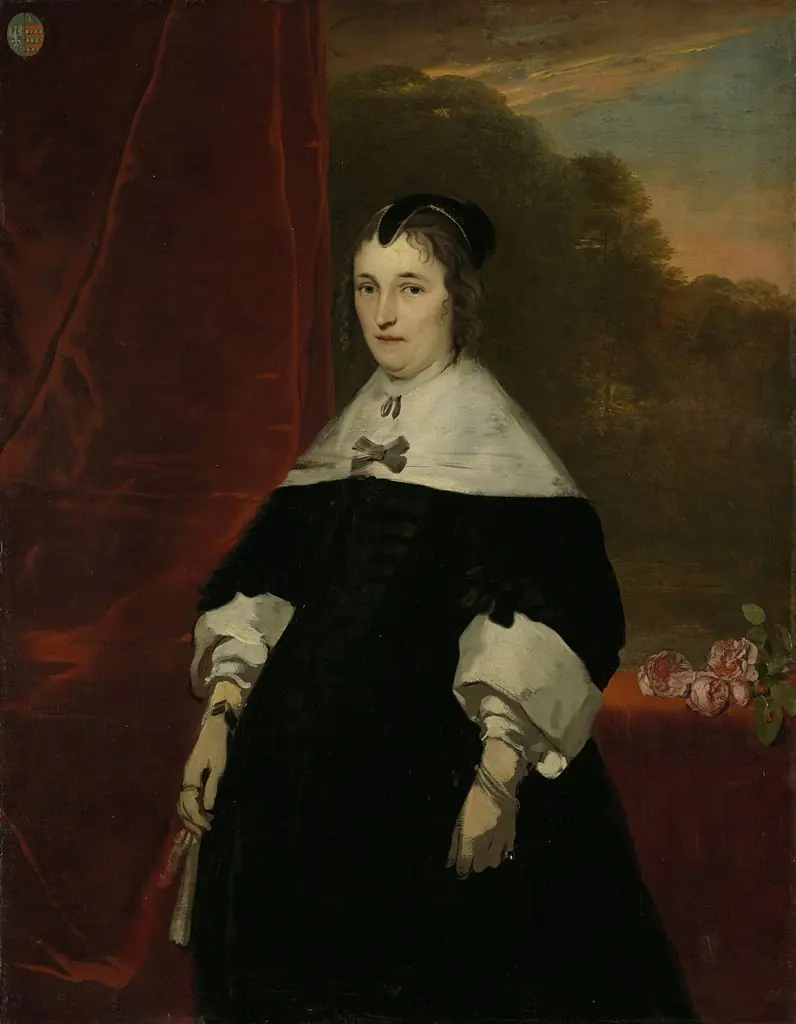
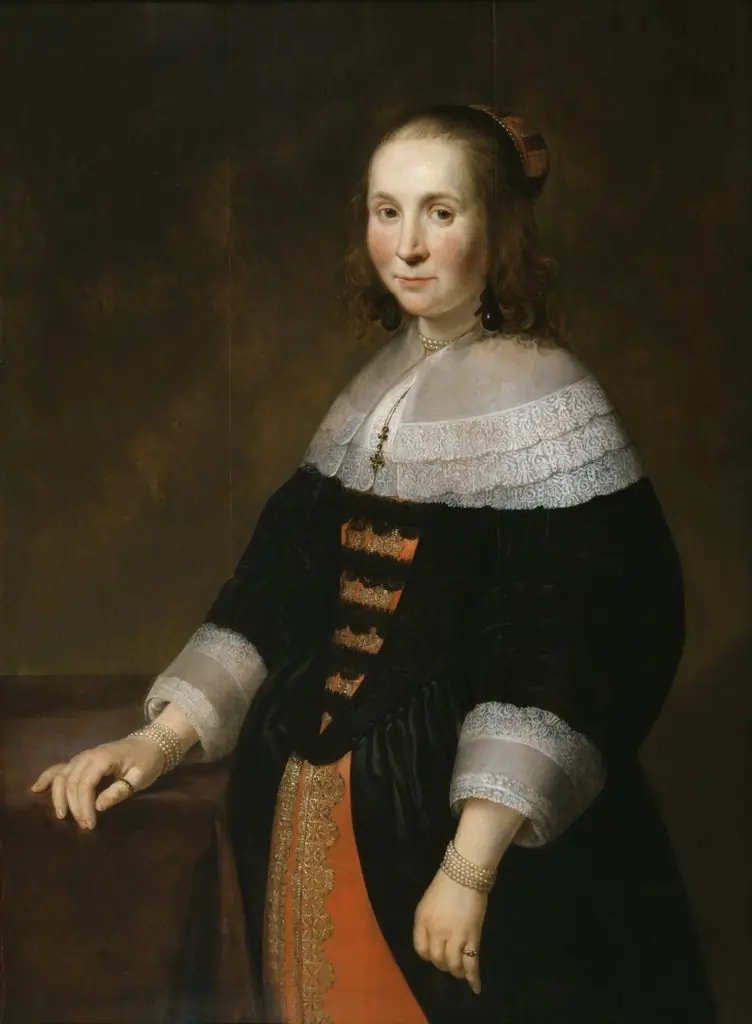
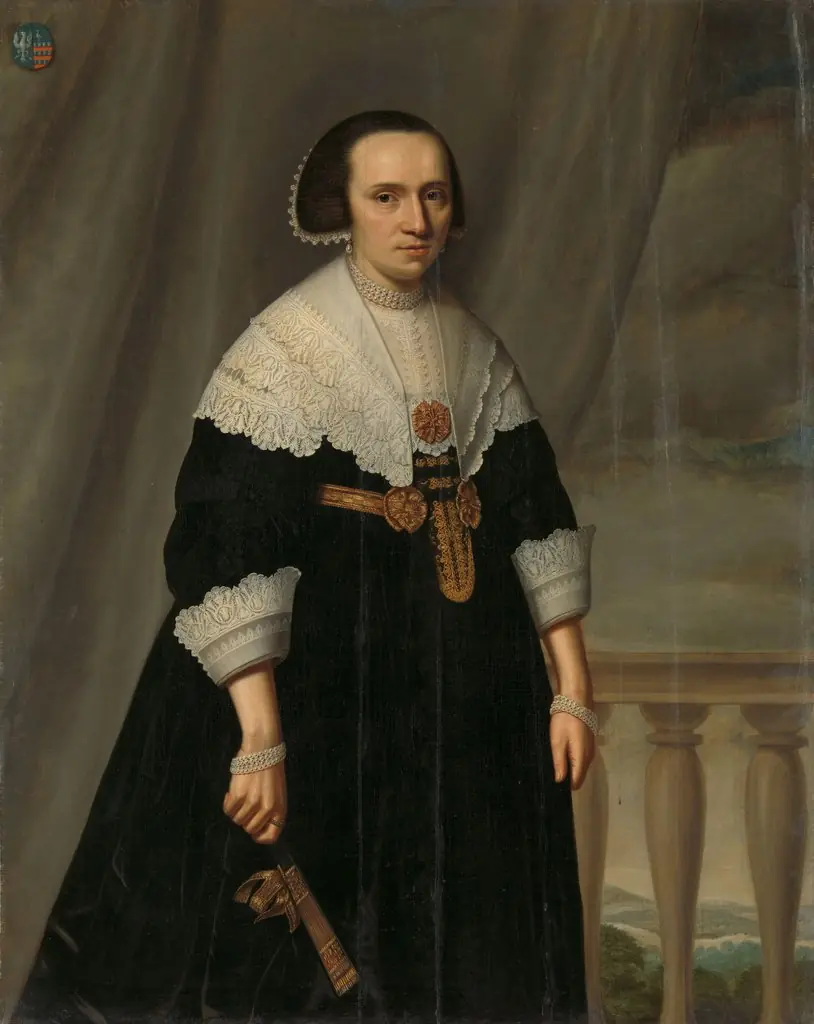
The woman is depicted with composed dignity, her gaze direct and unadorned by theatrical gesture. Her attire—black dress, white lace, and a pearl-adorned headband—signals affluence without ostentation. The gold ring in her left hand may allude to marital status or personal identity, while the rich curtain and distant landscape behind her reinforce a domestic setting of refinement, suggesting private wealth rather than public display.
Technique & Style
Nason employed oil paint with careful layering to render textures: the sheen of silk, the crispness of lace, the cool gleam of pearls. The background’s red curtain and painted landscape are rendered with subtle tonal variation, creating depth without distraction. His brushwork is controlled, emphasizing realism over idealization, characteristic of Dutch portraiture that valued fidelity to the individual and material detail.
History & Provenance
The painting has been documented in the Walters Art Museum’s collection for decades, though its earlier ownership remains unclear. Nason’s works were occasionally misattributed to contemporaries due to stylistic similarities, but this portrait’s signature and stylistic consistency have helped confirm its authorship. It reflects the regional artistic economy of The Hague, where portraiture catered to the urban elite.
Context
In 1660s The Hague, portraiture flourished among the merchant and administrative classes seeking to affirm their status through visual representation. Unlike courtly portraits elsewhere, Dutch examples favored restraint and domestic intimacy. Nason’s work fits this trend, offering a private moment that balances personal identity with the cultural norms of modest elegance and material precision.
Legacy
Though not widely known today, Nason’s portraits contribute to the broader understanding of Dutch regional painting beyond Rembrandt or Hals. This work exemplifies how lesser-documented artists sustained a vibrant portrait tradition. Its preservation allows ongoing study of how wealth, gender, and identity were visually negotiated in 17th-century Dutch society.
Artist & collection
Artist
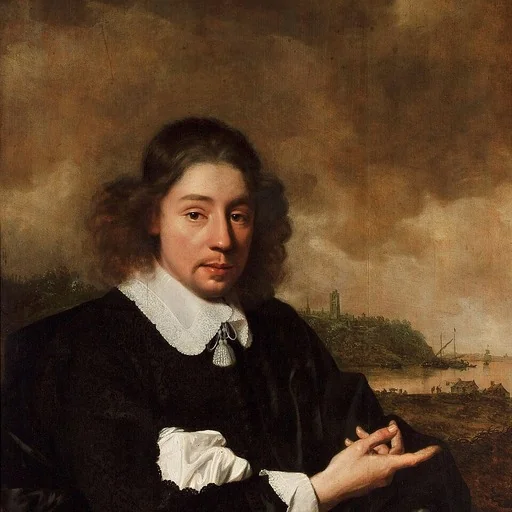
Pieter Nason (bapt. 16 February 1612, Amsterdam - 1688/90, The Hague) was a Dutch painter. He became a member of the Guild of Painters of The Hague in 1639, and in 1656 was one of the forty seven members who established…

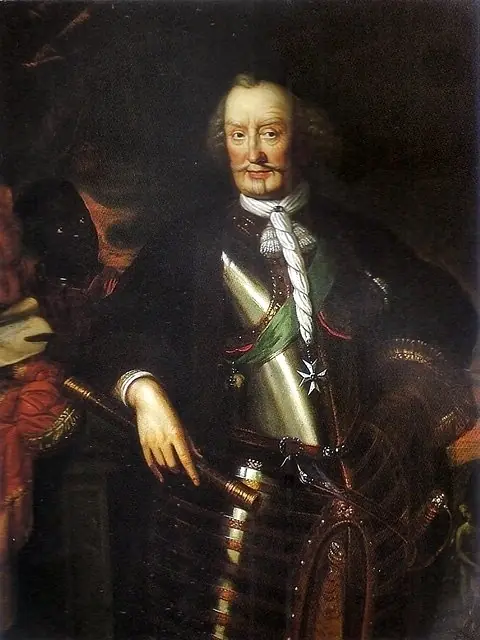 Portrait of John Maurice, Prince of Nassau-Siegen
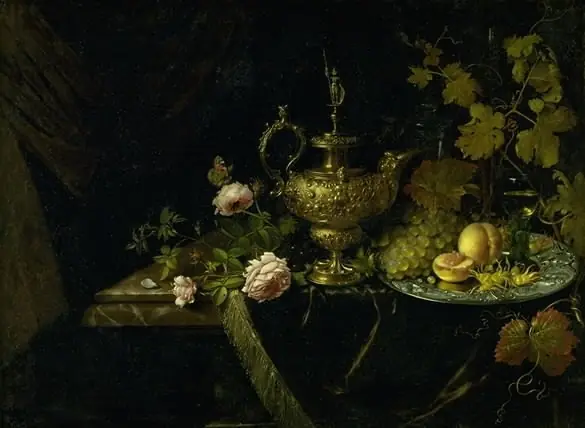 Still Life
 Still life with Akelei covered beaker dish of grapes, lemon and wine glasses
 Four Generations of the Princes of Orange: William I, Maurice and Frederick Henry, William II and William III
 Portrait of a Man
 Portrait of a man
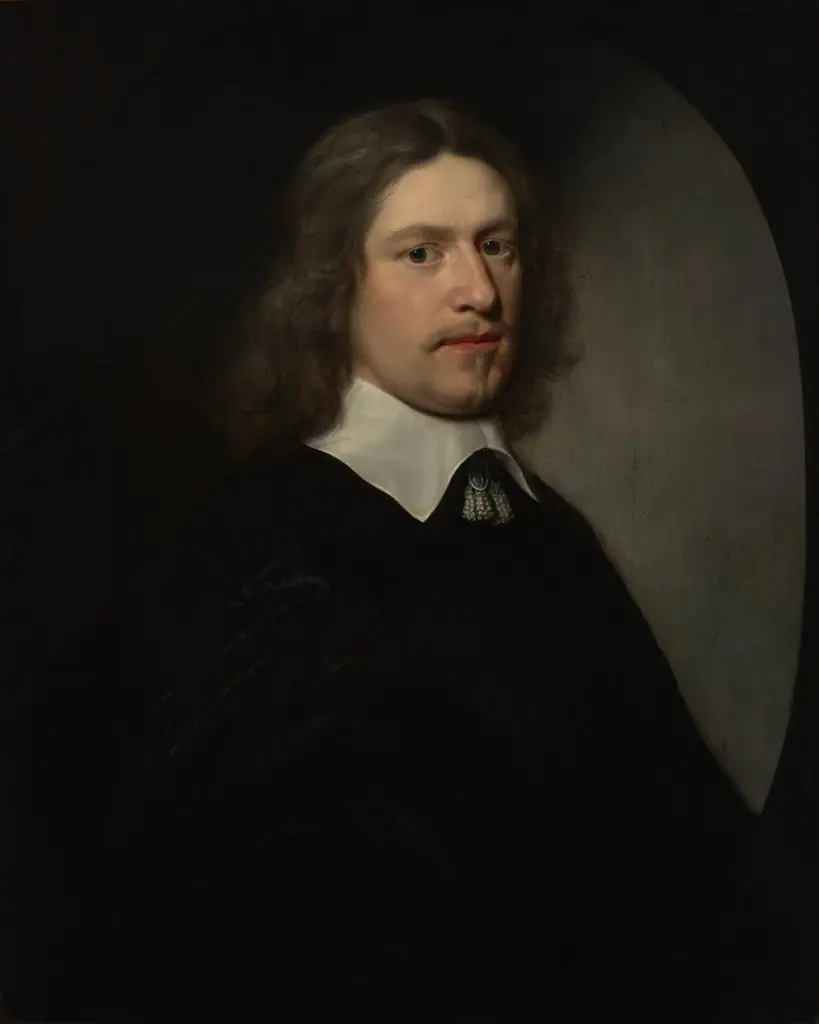 Portrait of a Man
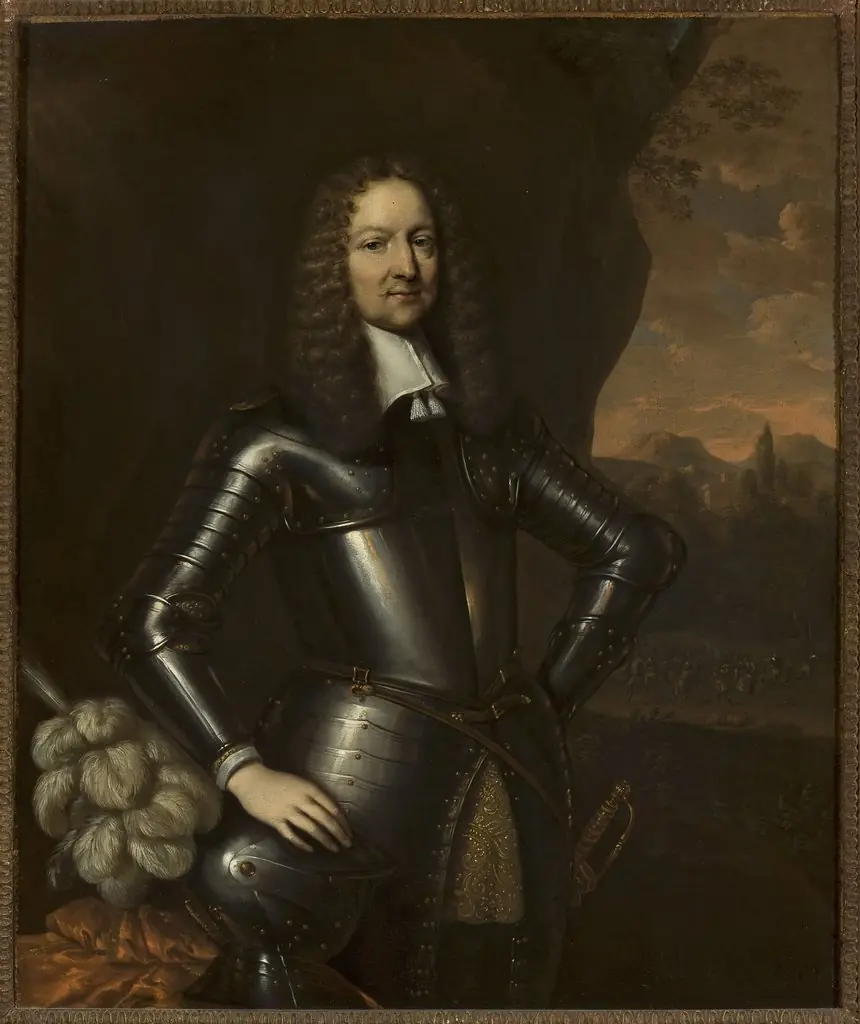 Portrait of Kronprinz Wilhelm Heinrich zu Brandenburg
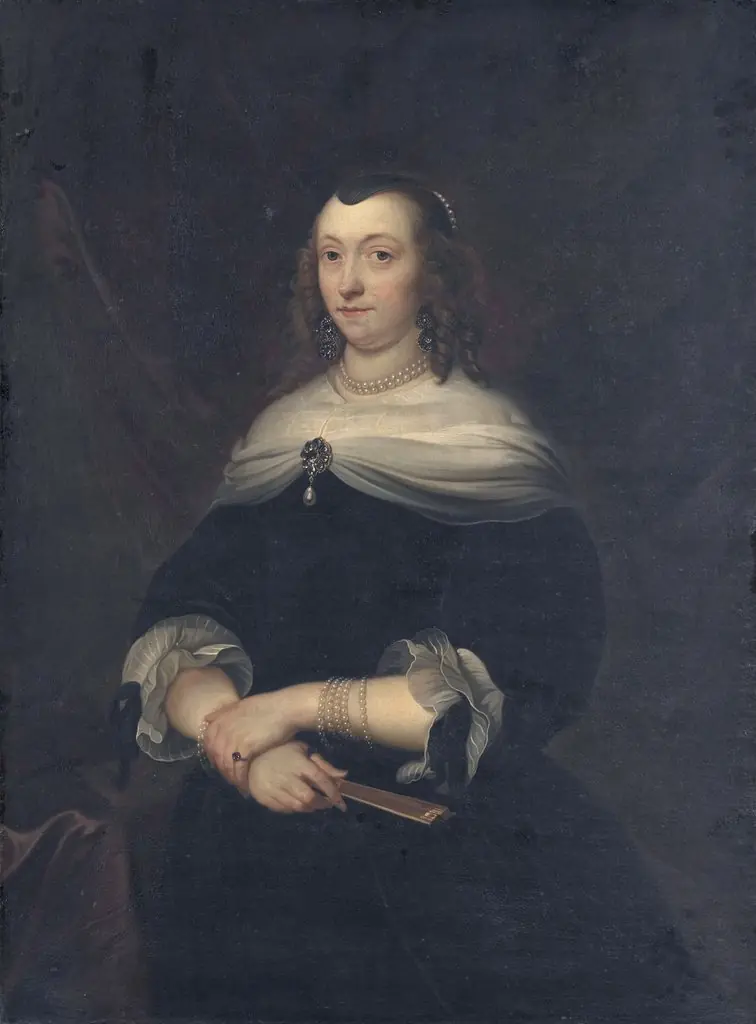 Portrait of a woman, thought to be Lucretia Boudaen
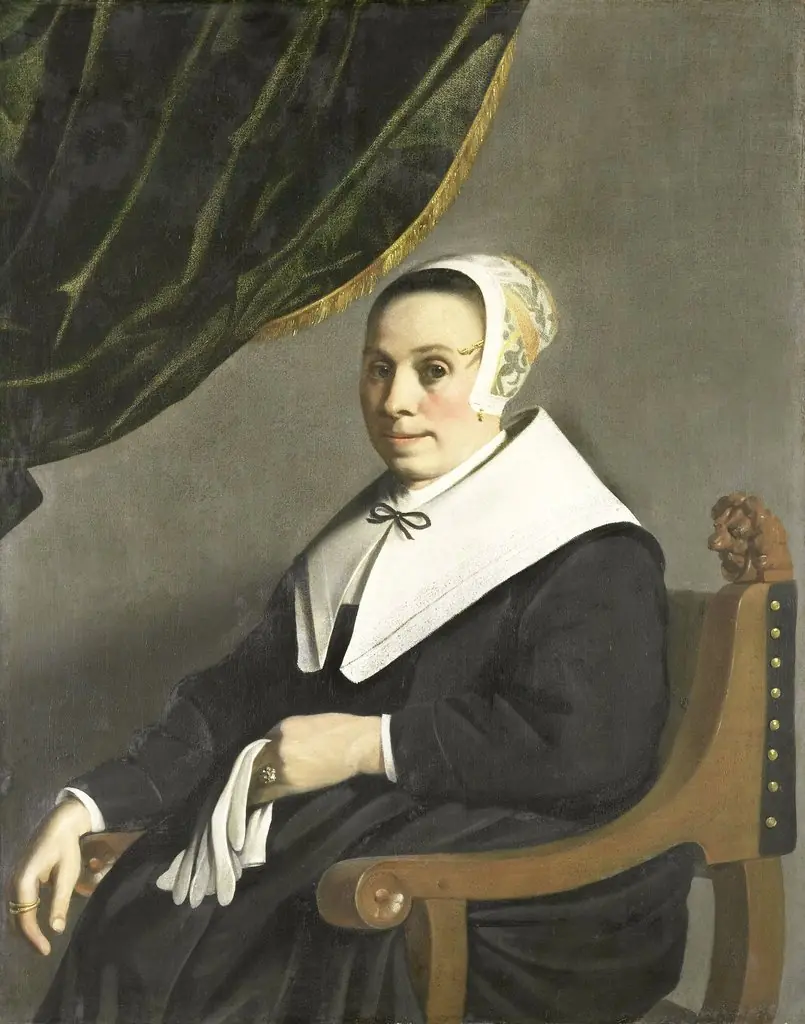 Portrait of a Woman
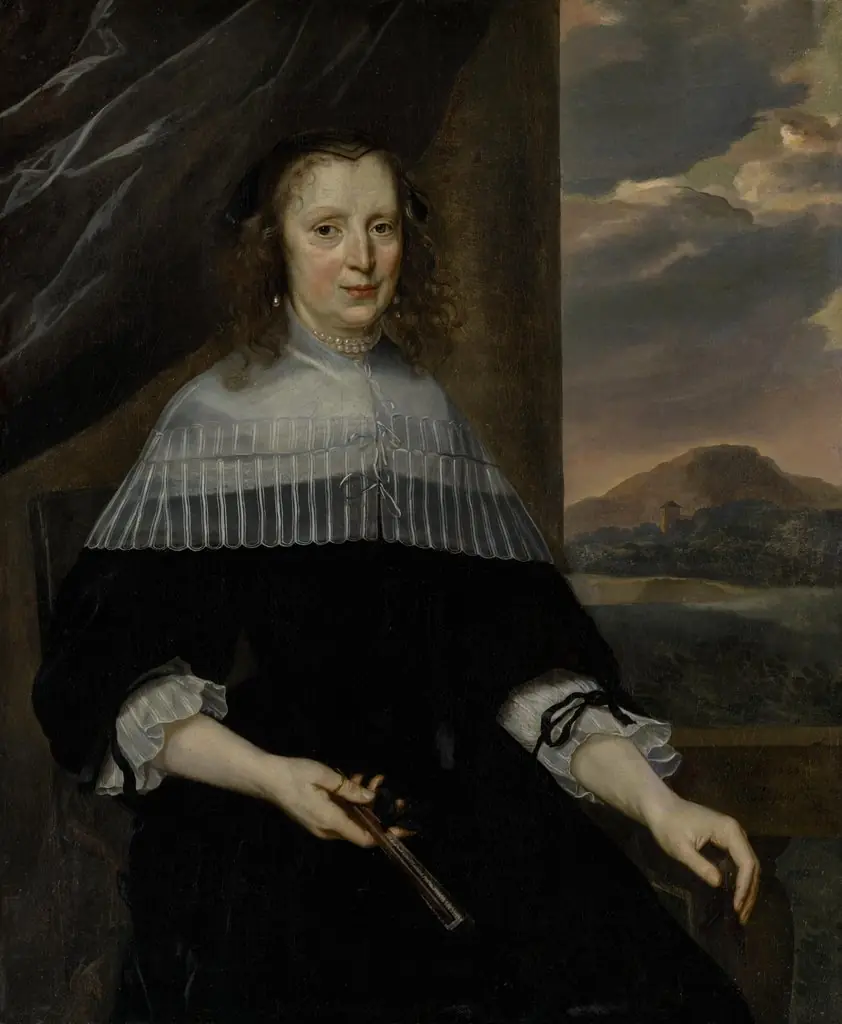 Bildnis einer Dame
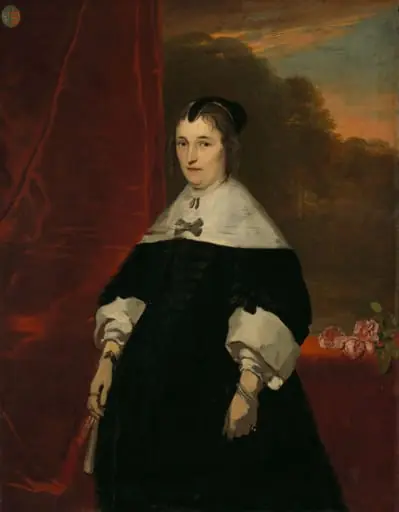 Portrait of Machtelt Bas (?-1681)
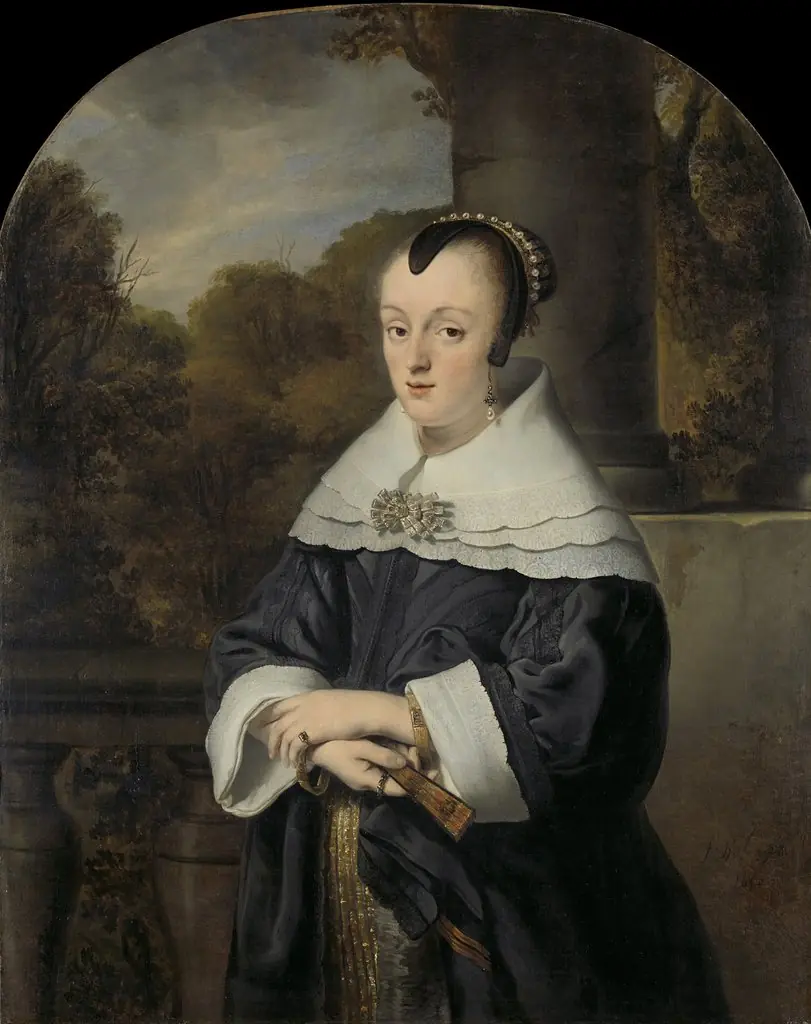 Portret van Maria Rey (1630/31-1703), wife of Roelof Meulenaer
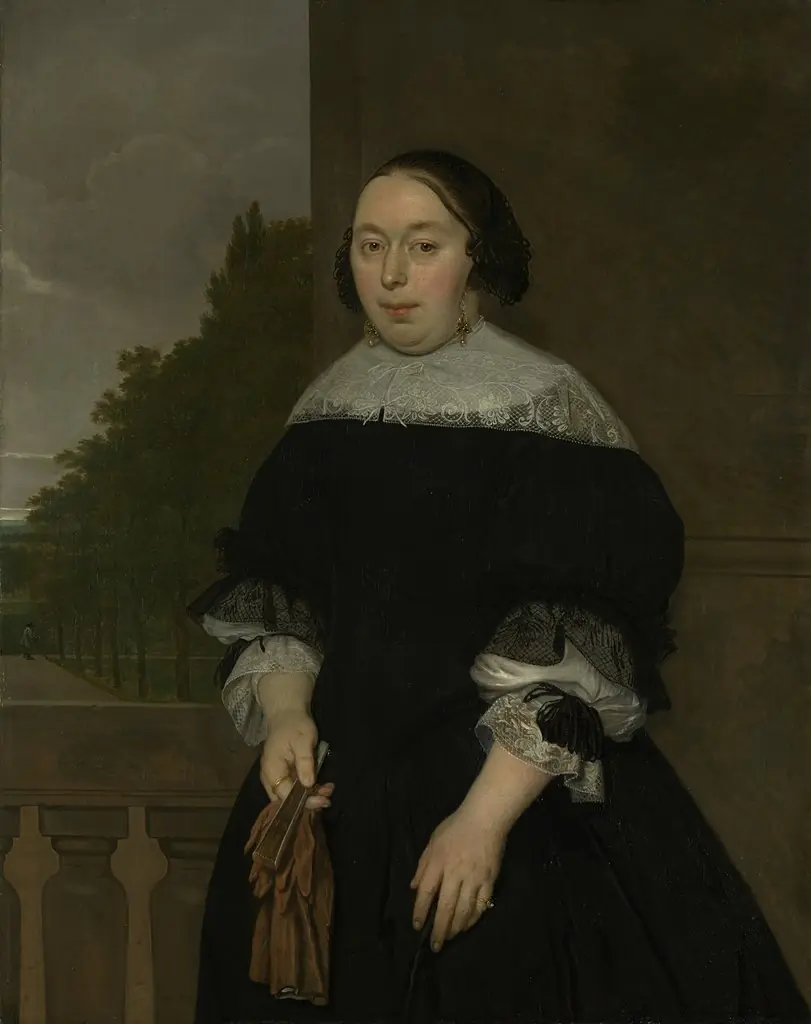 Portrait of Aletta van Ravensberg (1635-77). Wife of Jan van Nes
 Machteld Bas (d 1681). Wife of Abraham de Visscher
 Portrait of Aeltje Denijs (b. 1598/99), wife of Hendrick Wijnands and mother of Dionijs Wijnands
 Portrait of Volkera van Beresteyn (1624–1653), wife of Salomon van Schoonhoven (1617–1653)
 Portrait of a Lady
 Portrait of a Wife
 Portrait of Machteld Bas ( - 1681)