Artwork
Portrait of a Lady
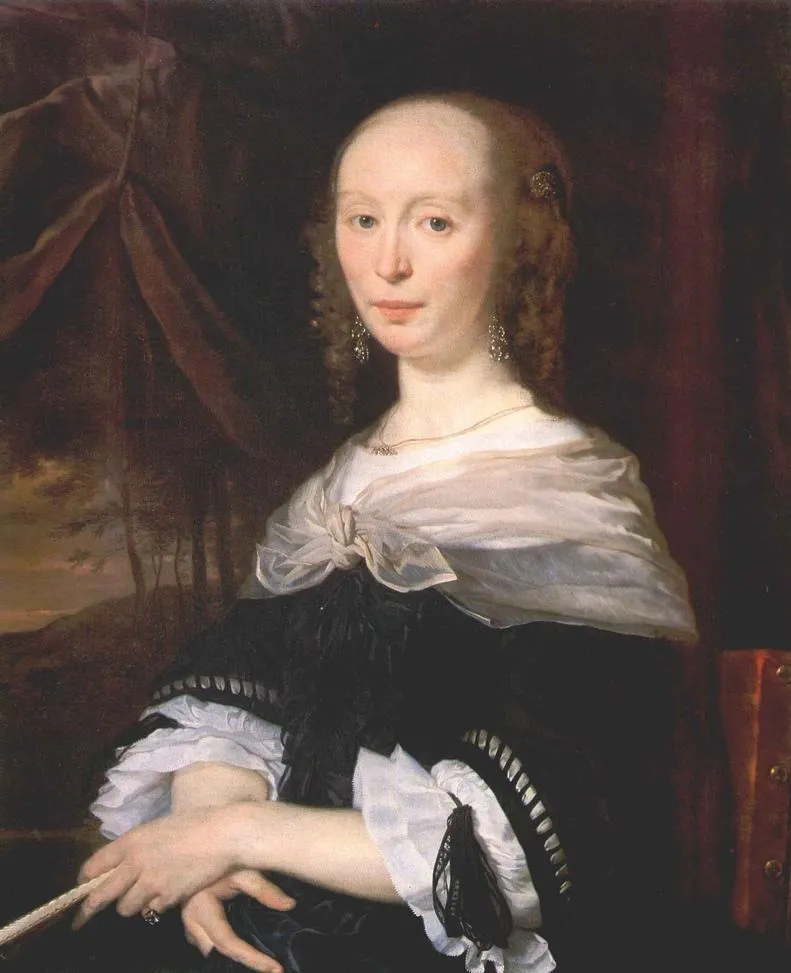
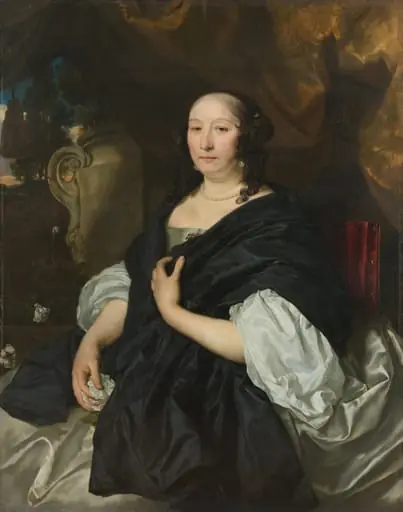
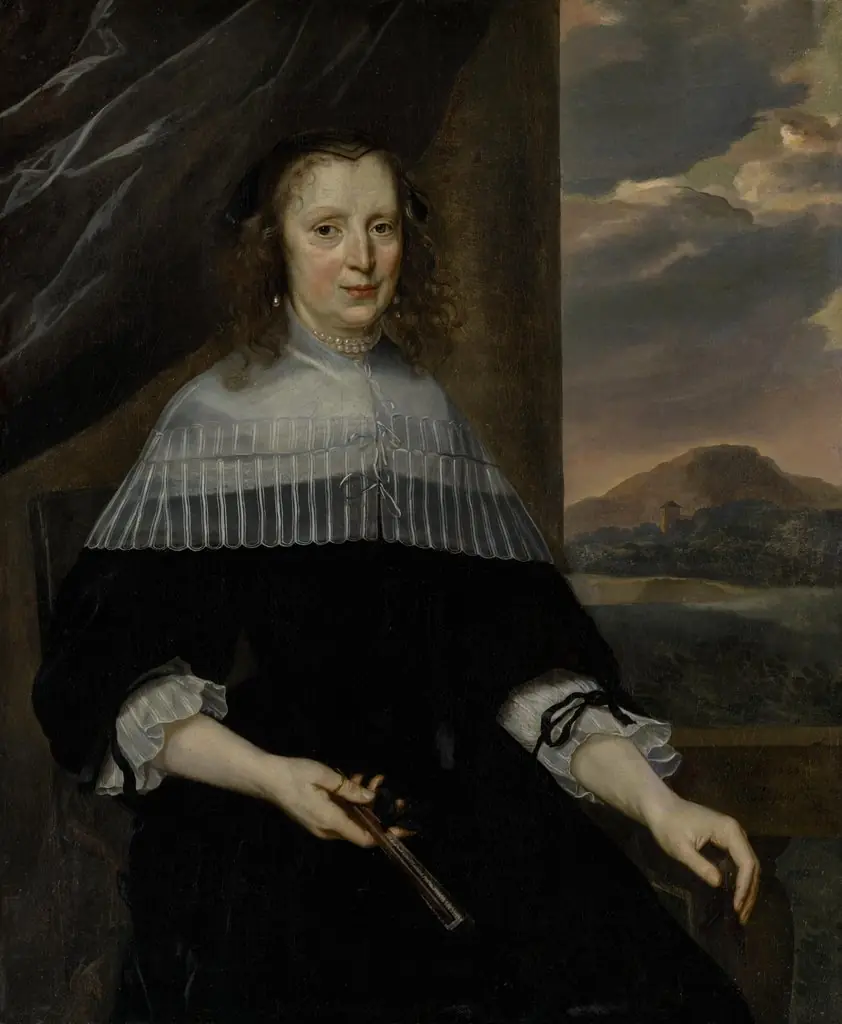
Portrait of a Lady is an oil painting by the Dutch Golden Age artist Abraham Lambertsz van den Tempel. It dates from 1660 and is held in the collection of the National Gallery of Ireland.
About this work
Overview
The subject’s direct gaze and formal attire suggest a deliberate presentation of social standing and personal poise.
Painted in 1660 by Abraham Lambertsz van den Tempel, this oil portrait captures a woman of quiet composure. Executed with restrained elegance, the work is part of the collection at the National Gallery of Ireland. The composition emphasizes stillness and dignity, typical of Dutch portraiture in the mid-seventeenth century. The subject’s direct gaze and formal attire suggest a deliberate presentation of social standing and personal poise.
Subject & Meaning
The sitter, dressed in a dark, high-collared gown with a white lace ruff, appears in formal attire consistent with middle- or upper-class women of the period. Her calm, unwavering gaze and the subtle presence of a fan imply composure and self-possession. The inclusion of minimal jewelry and neatly arranged hair underscores modesty and refinement. The painting conveys neither narrative nor symbolism, instead focusing on the quiet assertion of identity and social status.
Technique & Style
Van den Tempel employs chiaroscuro to model the sitter’s face and hands, drawing attention to her expression while subduing the background. The dark curtain behind her, faintly suggesting a landscape, creates depth without distraction. Brushwork is precise yet unobtrusive, particularly in the rendering of lace and fabric folds. The lighting is directional and controlled, enhancing the three-dimensionality of the figure against a muted, shadowed setting.
History & Provenance
The painting entered the National Gallery of Ireland’s collection in the 19th century, though its earlier ownership remains undocumented. It has been consistently attributed to Abraham Lambertsz van den Tempel since its acquisition. No records of commission or original context survive, but its style aligns with portraits produced in the Netherlands during the 1650s–1670s, a period marked by rising demand for individualized portraiture among the urban elite.
Context
In mid-17th-century Dutch society, portraiture flourished as a means of personal and familial representation, often commissioned by prosperous merchants and professionals. Unlike grand European court portraits, these works favored restraint and realism. Van den Tempel’s portrait reflects this trend: the absence of ostentation, the focus on the individual’s presence, and the subdued palette all align with the values of Dutch civic culture at the time.
Legacy
Though not widely known outside institutional circles, the portrait exemplifies the quiet sophistication of Dutch genre portraiture. It contributes to the understanding of how non-noble individuals were visually represented with dignity during the Golden Age. Its preservation in a public collection ensures continued study of regional techniques and social norms reflected in everyday portraiture of the period.
Artist & collection
Artist
Abraham Lambertsz van den Tempel
Abraham Lambertsz van den Tempel (1622–1672) was an artist, born in Leeuwarden.

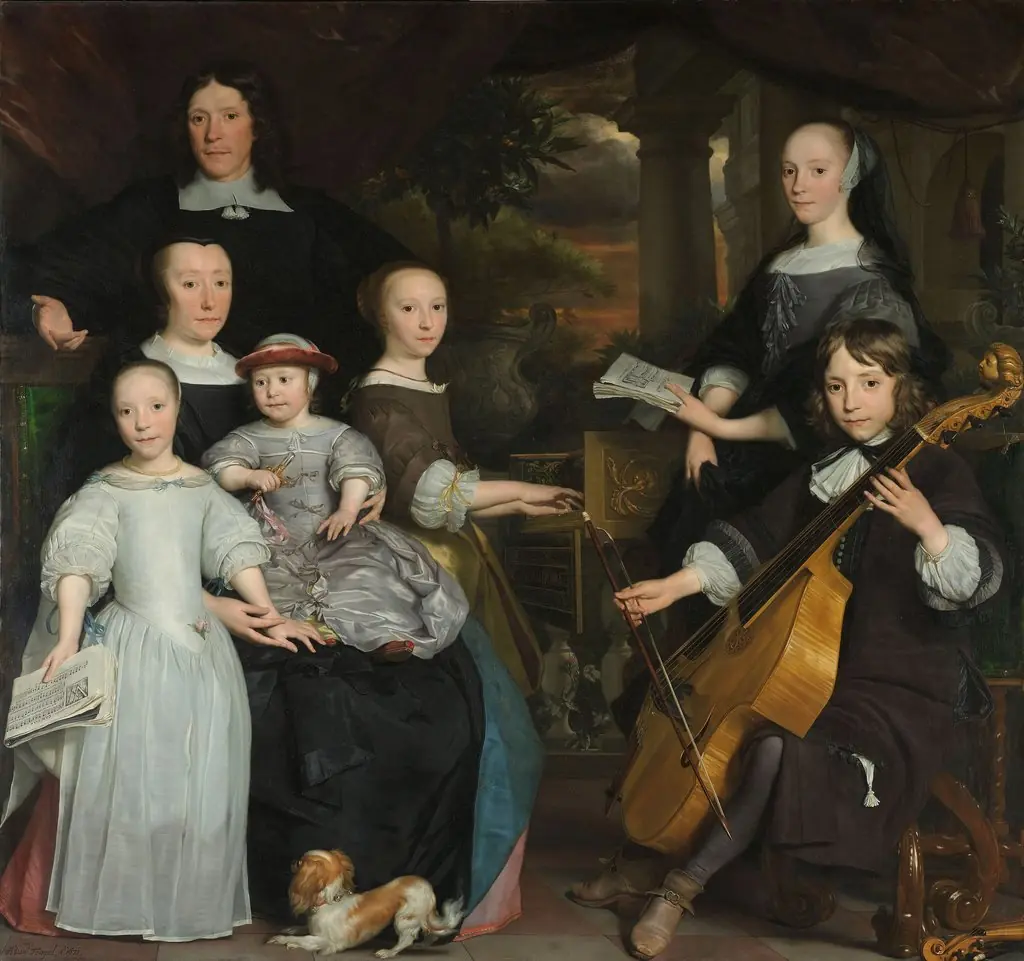
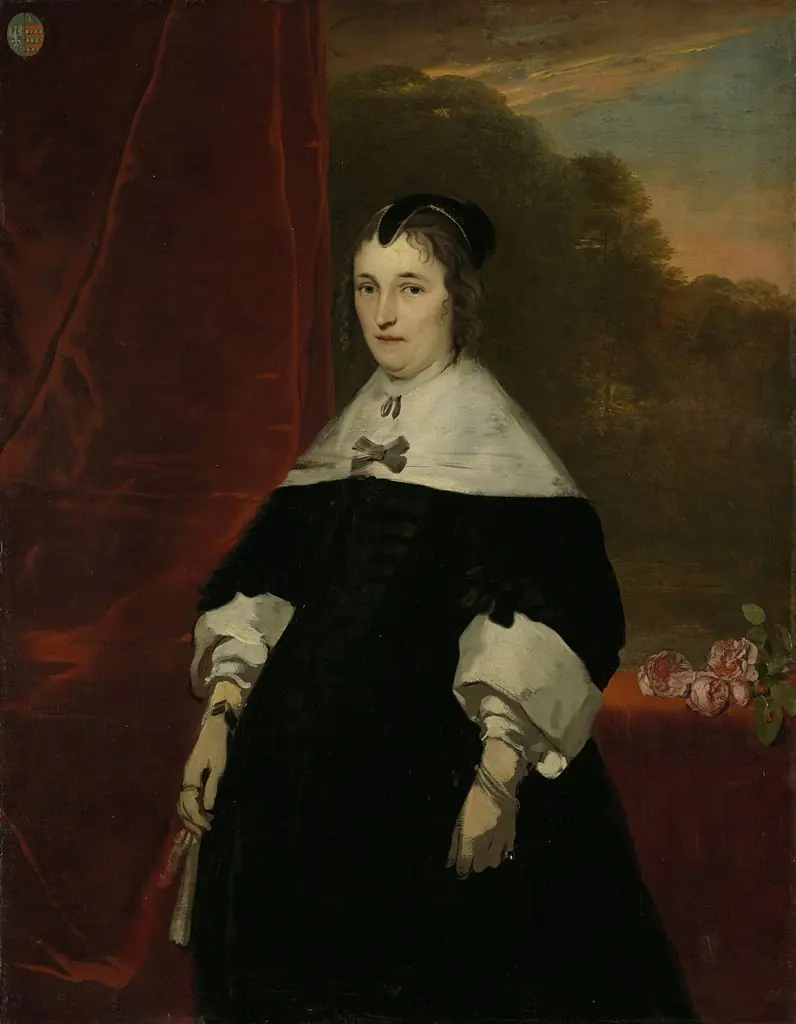
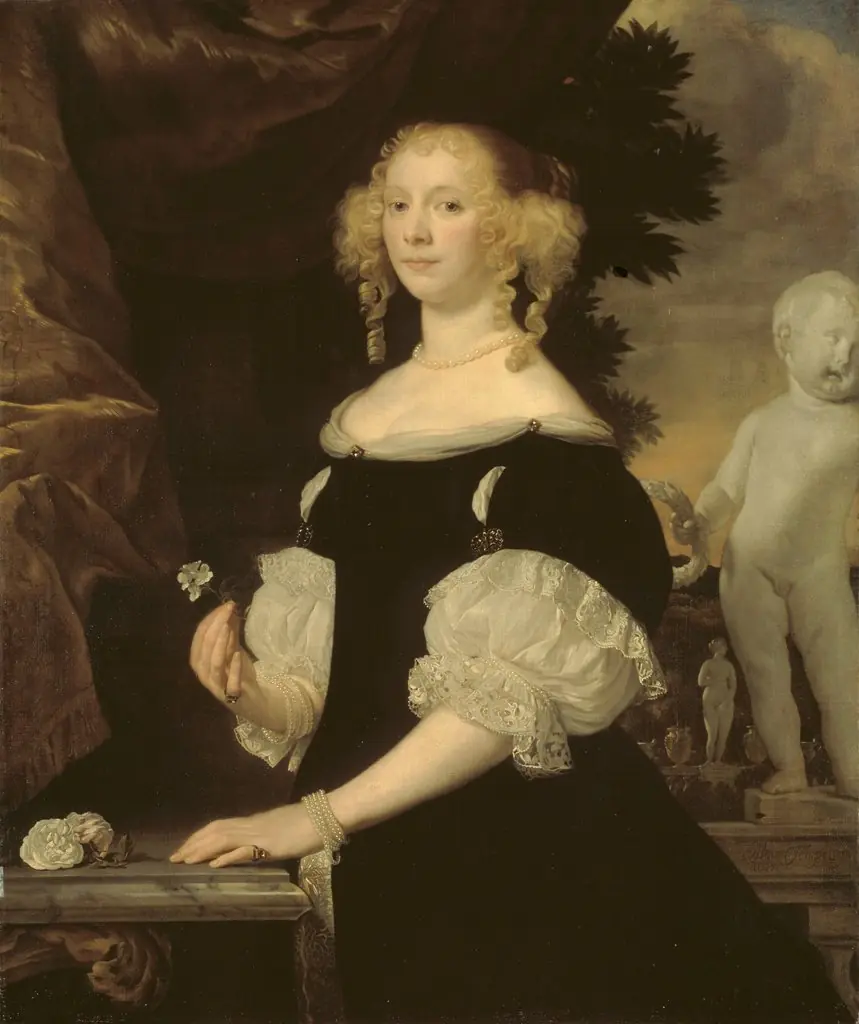
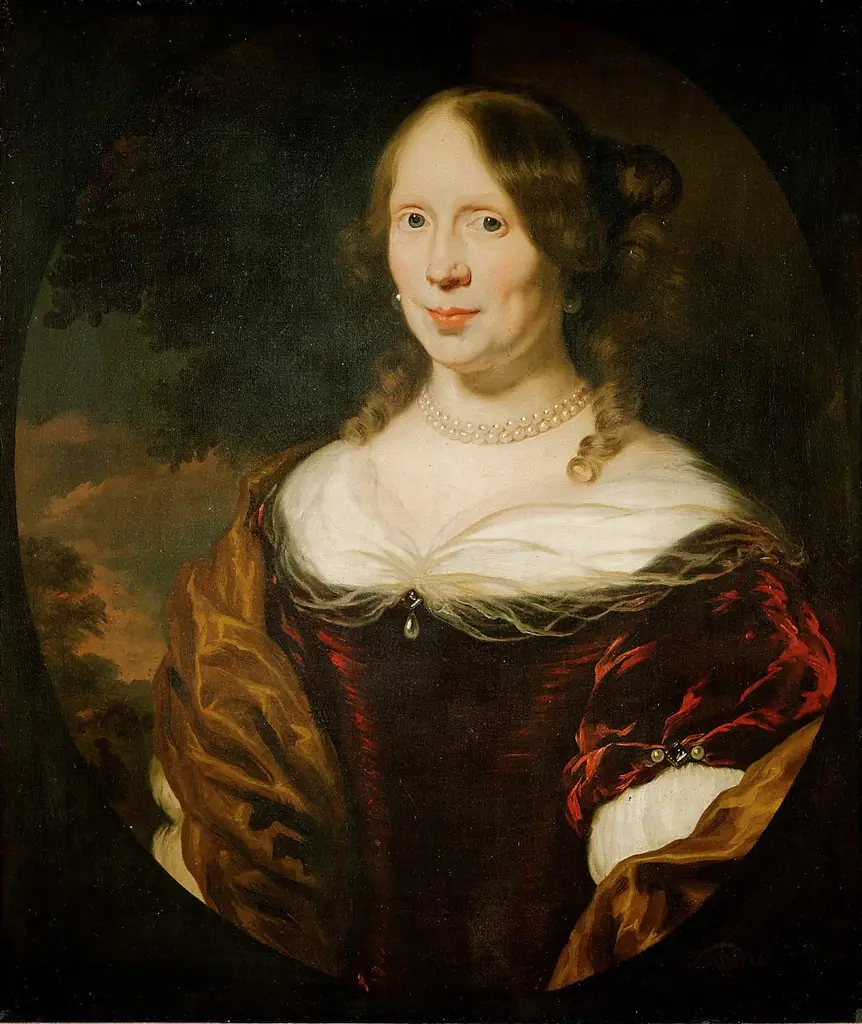 Portrait of Sara Ingelbrechts (1636-1711)
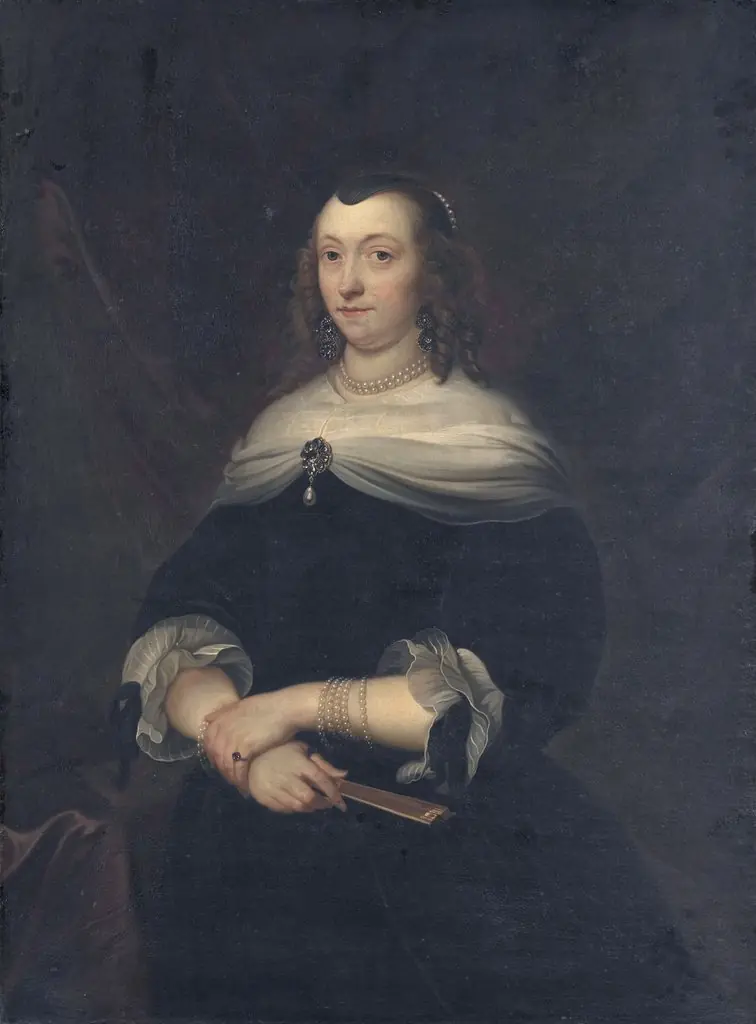 Portrait of a woman, thought to be Lucretia Boudaen
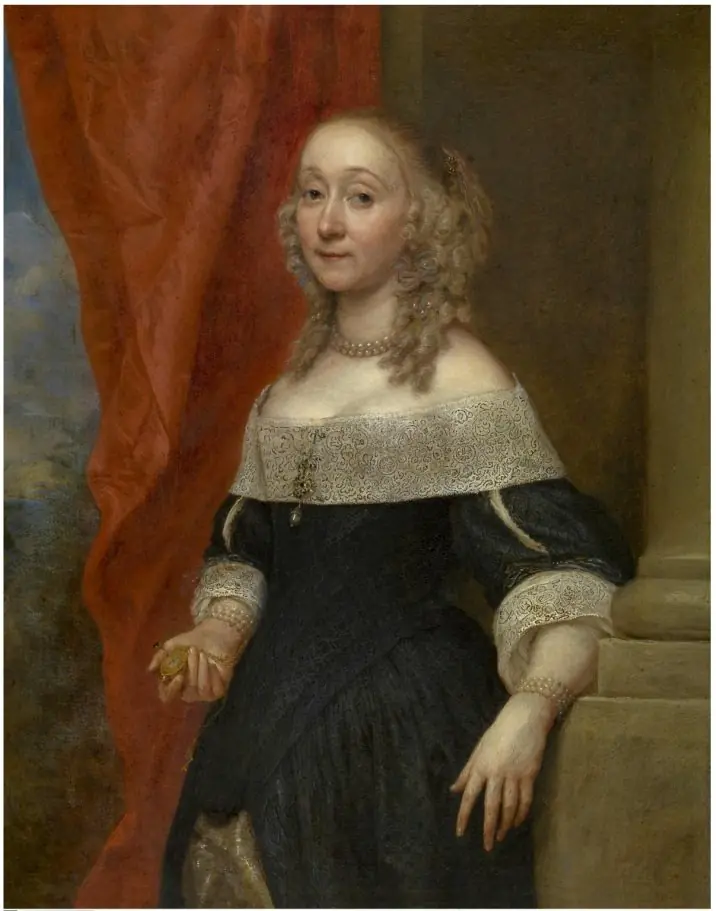 Portrait of a Woman
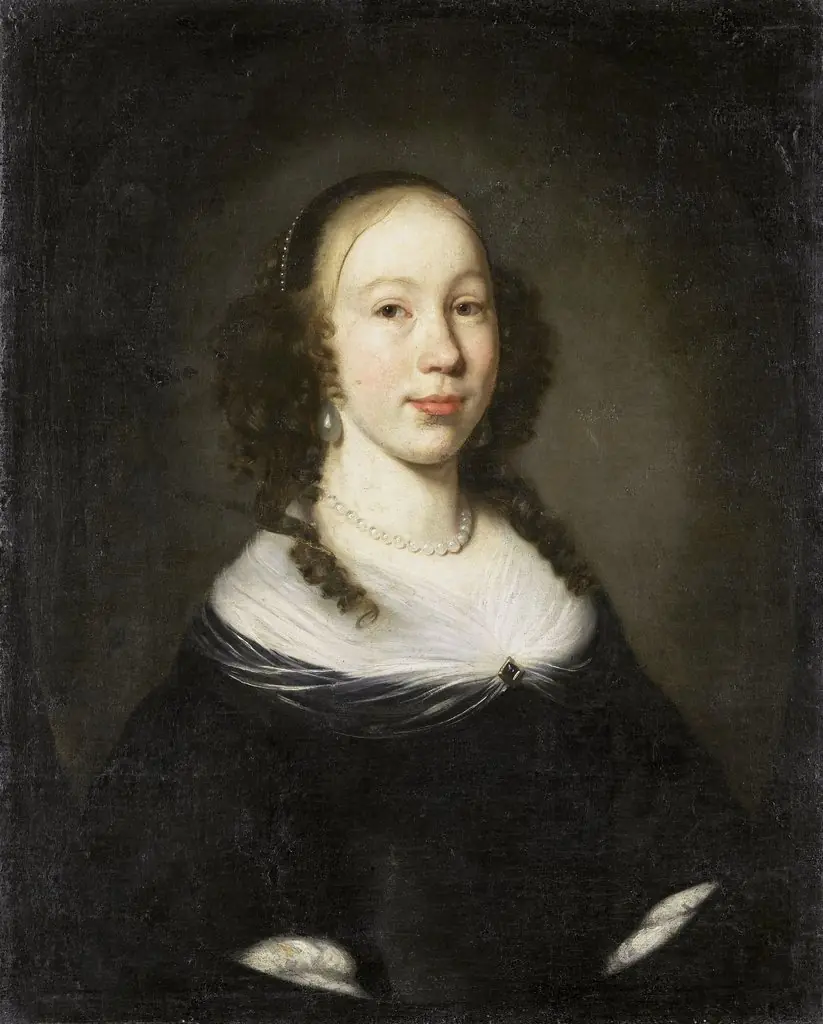 Portrait of a young woman
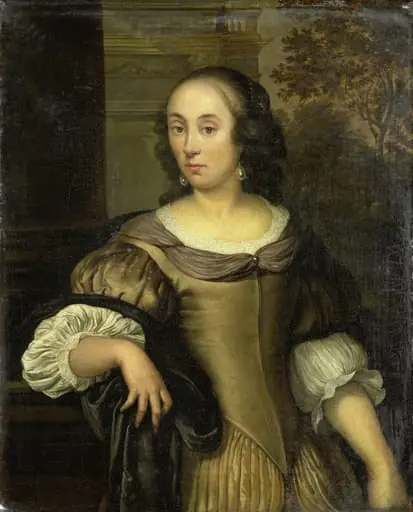 Portrait of a young woman
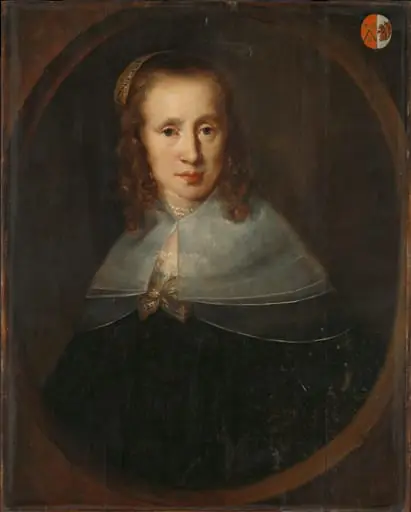 Portrait of Digna de Maets (?-before 1667)
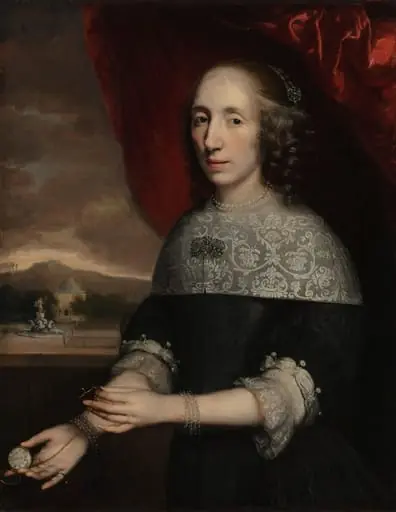 Naisen muotokuva
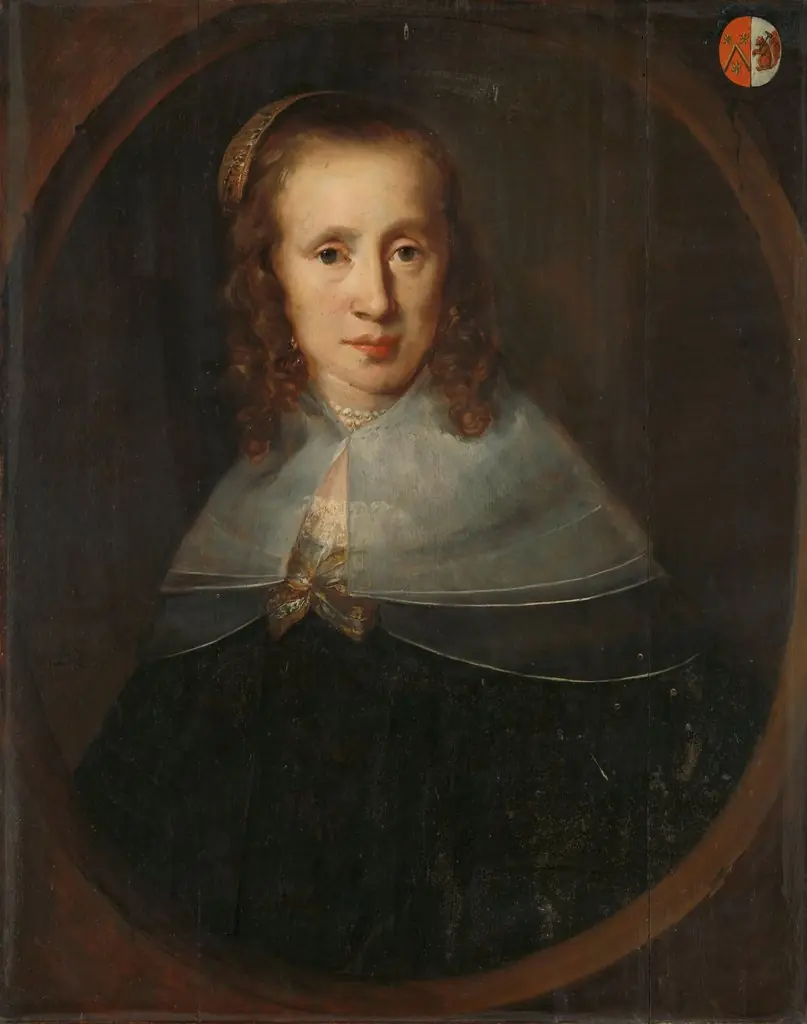 Digna de Maets. Wife of François Leydecker
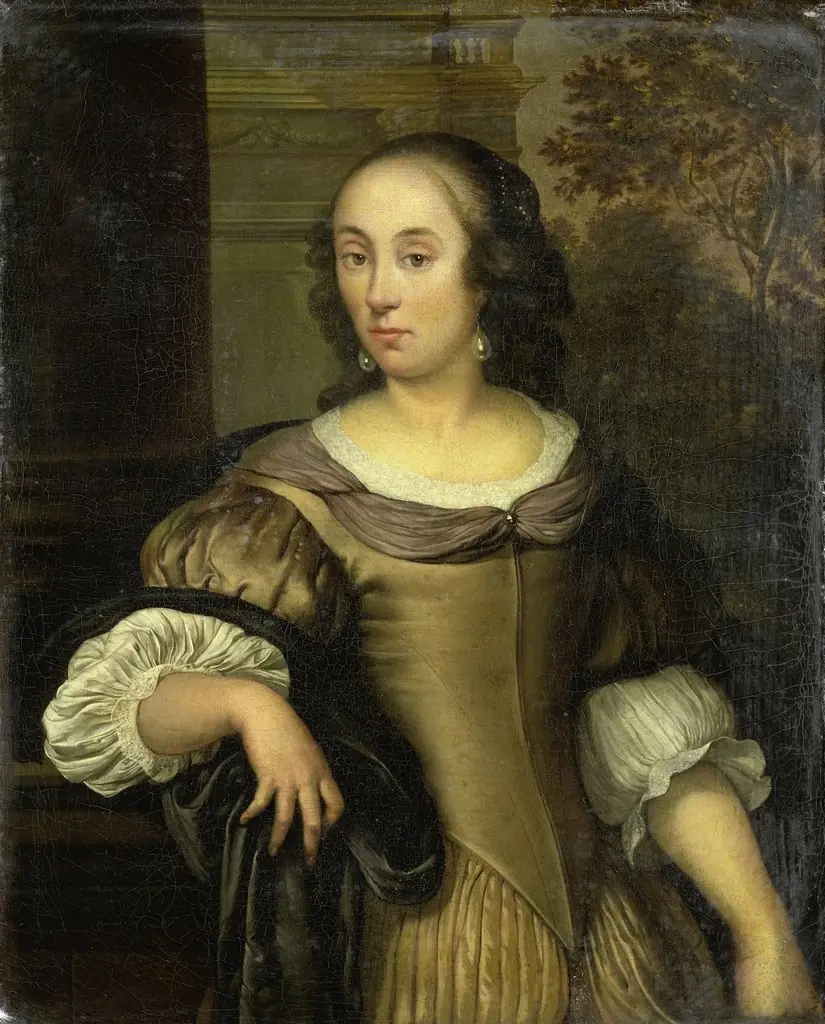 Portrait of a young woman
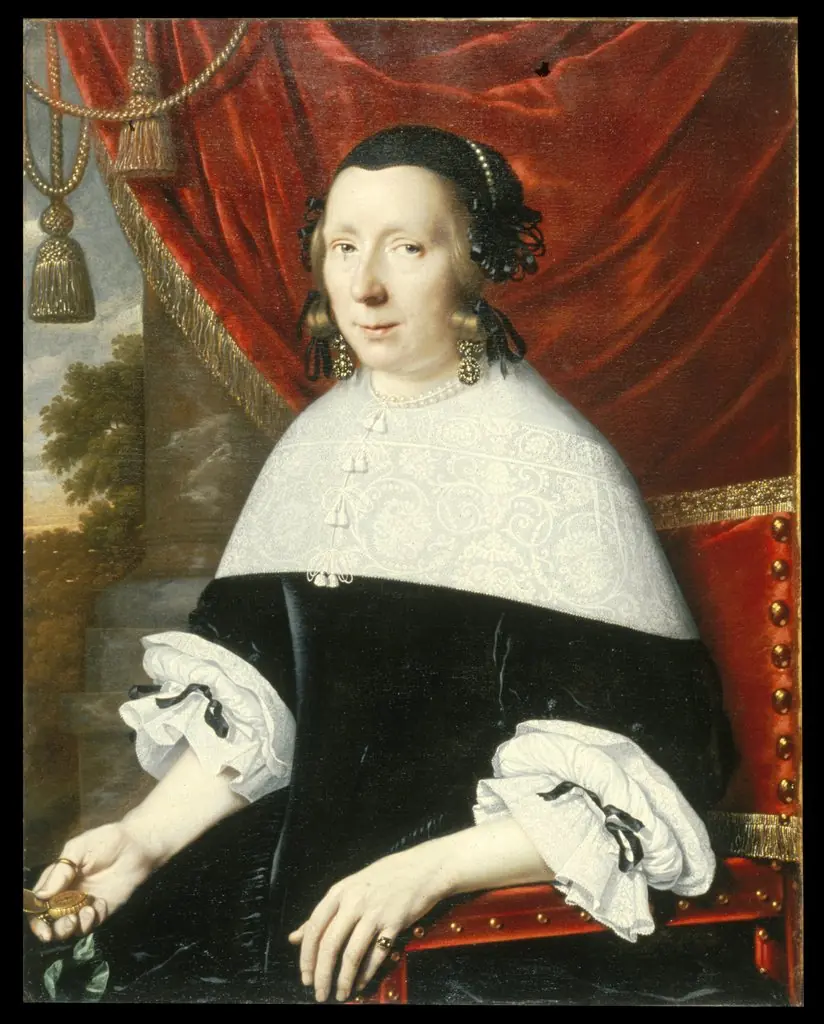 Portrait of a Woman
 Bildnis einer Dame
 Helena van Heuvel