Artwork
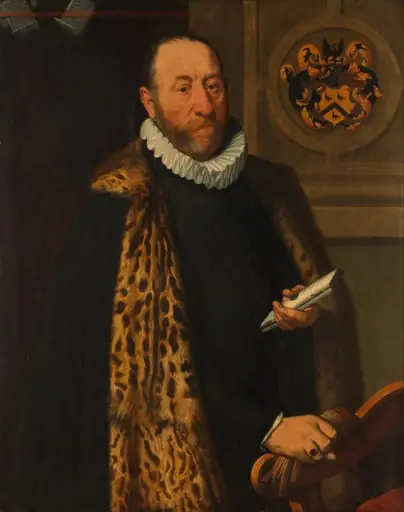
Portrait of Cornelis Cornelisz Schellinger
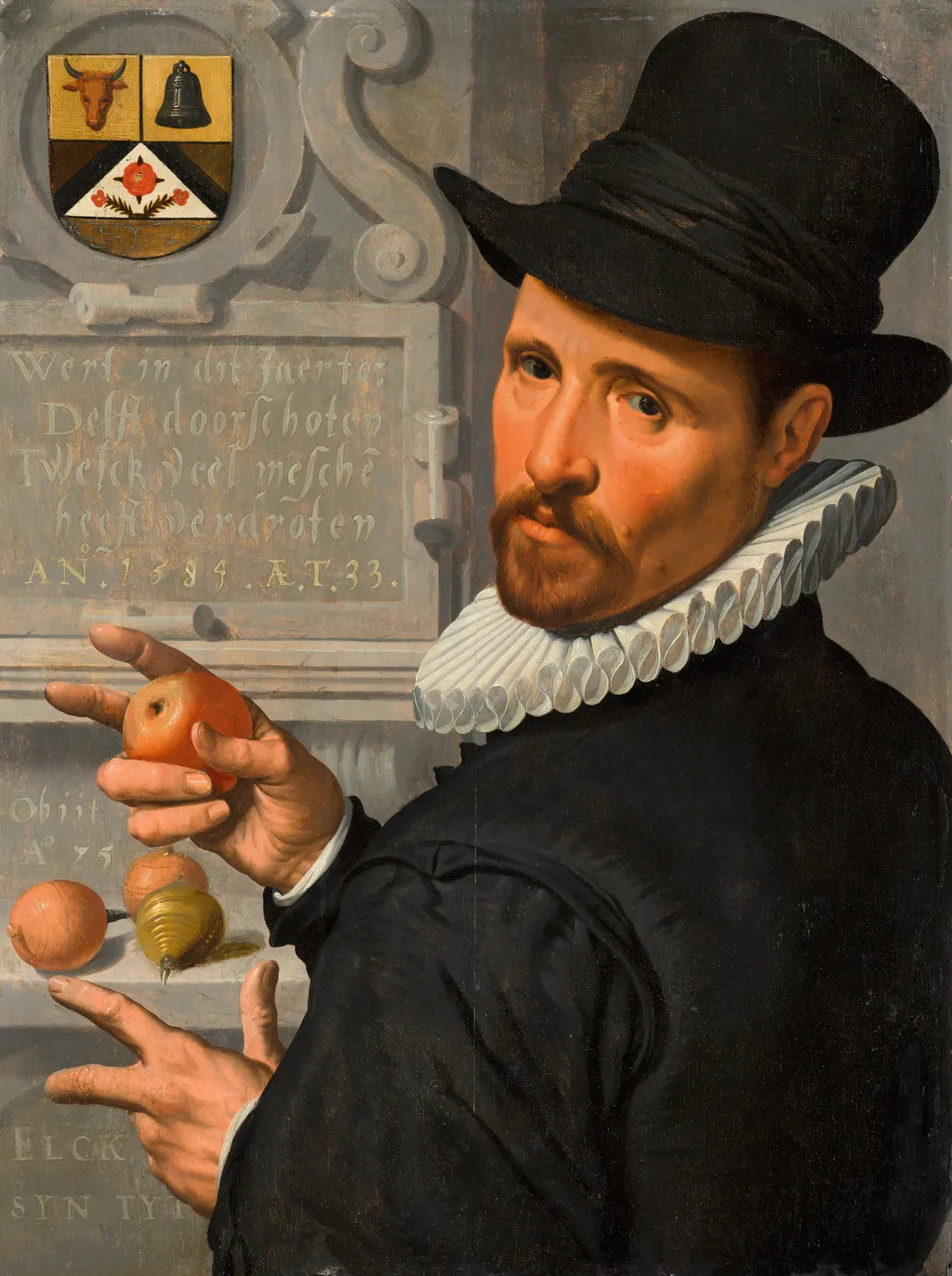
Portrait of Cornelis Cornelisz Schellinger is an oil painting by the Mannerist artist Pieter Pietersz the Elder. It dates from 1592 and is held in the collection of the Mauritshuis.
About this work
Overview
Painted in 1592 by Pieter Pietersz the Elder, this oil-on-panel portrait depicts Cornelis Cornelisz Schellinger, a Dutch civic figure. The work is part of the Mauritshuis collection in The Hague. Its restrained composition and precise detail reflect the conventions of late 16th-century Netherlandish portraiture, emphasizing status and individual presence without overt ornamentation.
Subject & Meaning
Cornelis Cornelisz Schellinger is portrayed with a solemn demeanor, dressed in formal black attire typical of the Dutch burgher class.
Cornelis Cornelisz Schellinger is portrayed with a solemn demeanor, dressed in formal black attire typical of the Dutch burgher class. The apple he holds may allude to knowledge, moral choice, or personal symbolism, though its exact meaning remains unconfirmed. The presence of a coat of arms and an inscription suggests his familial or civic identity, reinforcing his social standing through visual markers of lineage and authority.
Technique & Style
Pietersz employs fine brushwork to render textures: the crisp folds of the ruffled collar, the sheen of the black coat, and the roughness of the stone wall. The lighting is even and directional, modeling the figure without dramatic contrast. The background, though minimal, includes engraved lettering and heraldic elements rendered with precision, indicating a deliberate integration of symbolic detail into the portrait’s structure.
History & Provenance
The painting has been in the Mauritshuis collection since at least the early 19th century, likely acquired as part of a broader consolidation of Dutch Golden Age works. Its documented attribution to Pieter Pietersz the Elder dates to the late 19th century, based on stylistic comparison and archival records. No significant alterations or restorations are recorded, preserving its original condition.
Context
Created during the Dutch Revolt, this portrait reflects the rising prominence of civic leaders in the Northern Netherlands. Unlike aristocratic portraits elsewhere in Europe, Dutch likenesses of this period favored modesty and intellectual gravitas. The inclusion of heraldry and inscriptions aligns with regional traditions where family identity and public role were visually asserted through understated symbols.
Legacy
The portrait stands as an example of early Dutch civic portraiture, illustrating the transition from medieval iconography to human-centered representation. It contributes to the understanding of how identity was constructed visually in the Dutch Republic, influencing later artists who balanced individuality with social conformity in their depictions of the burgher class.
Own this work as a print
Artist & collection
Artist
Pieter Pietersz the Elder (1540–1603) was an artist, born in Antwerp.

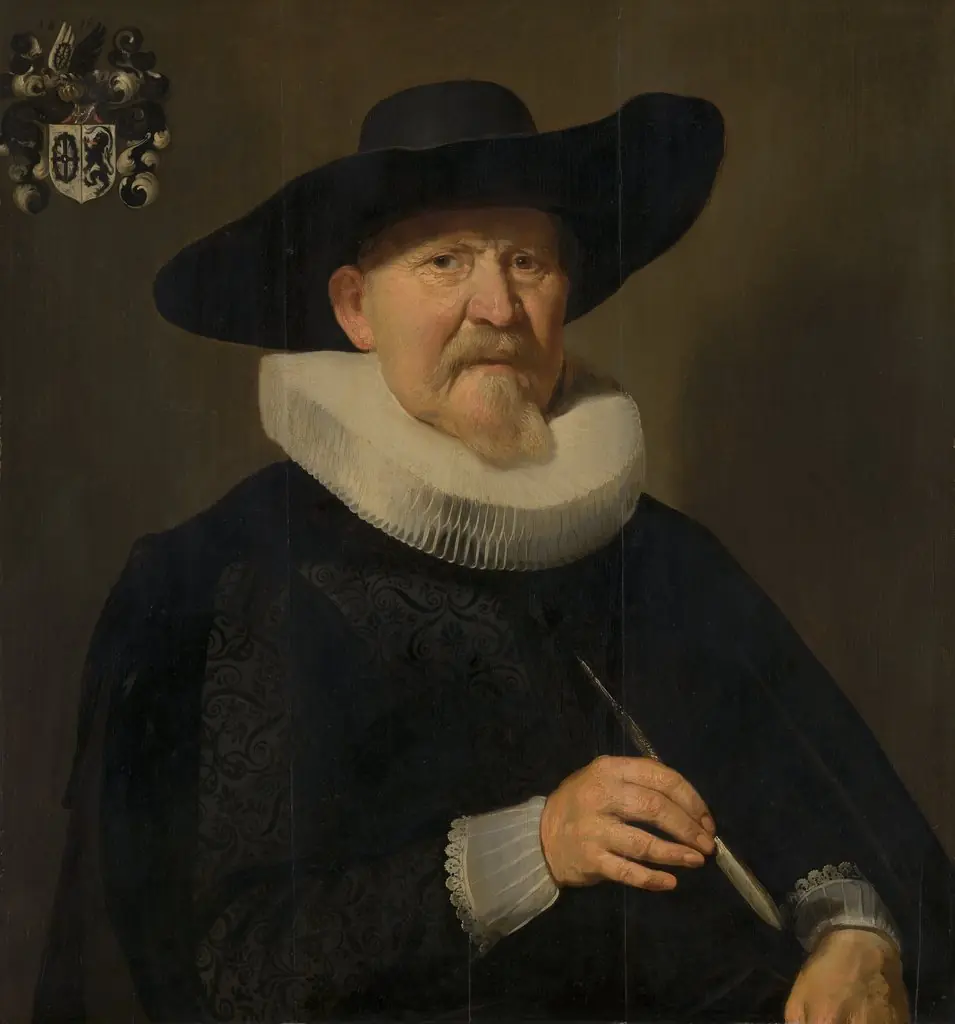 Portrait of a Man, probably Hans van Hogendorp
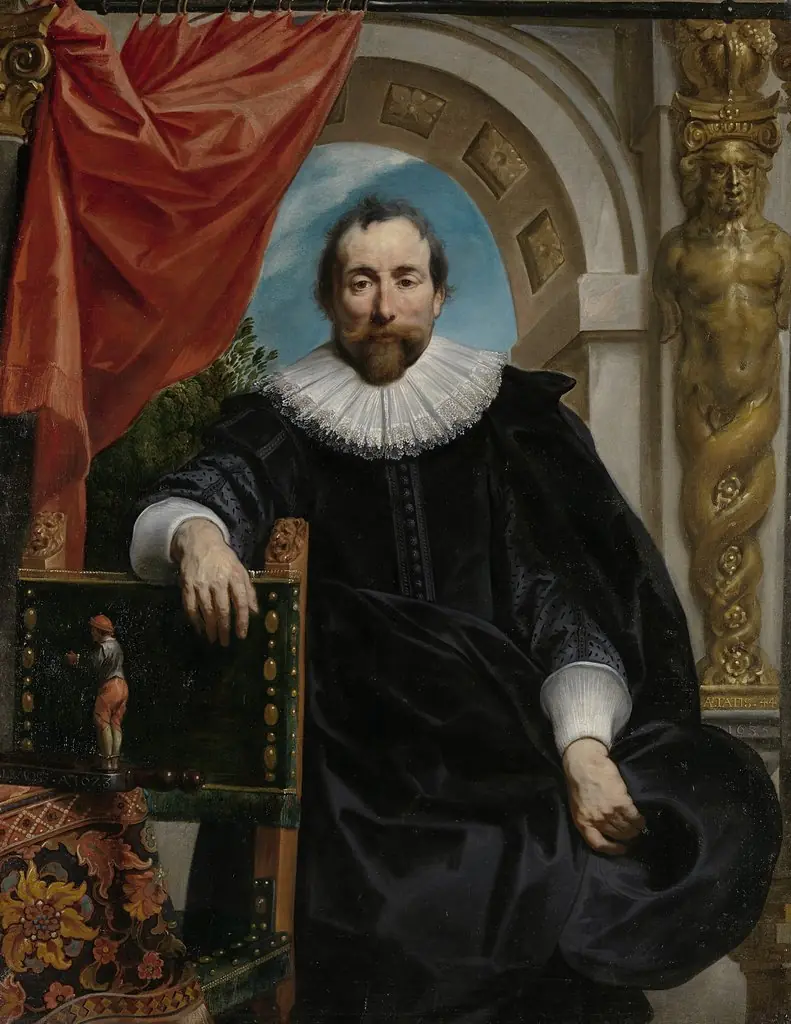 Portrait of Rogier Le Witer (1591-1678), Merchant in Antwerp
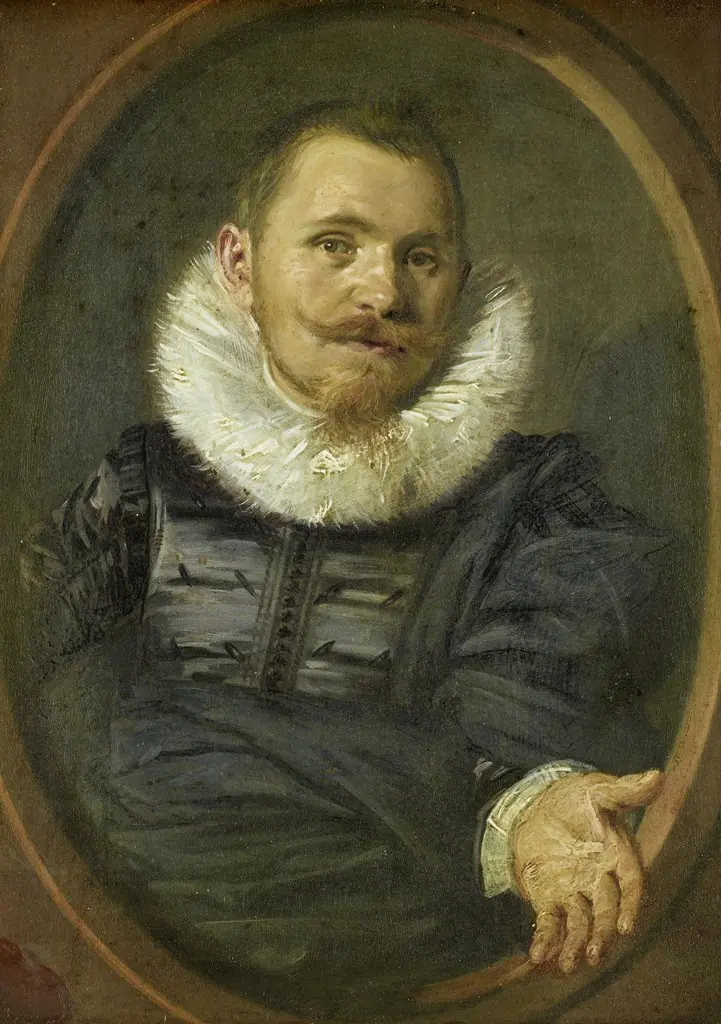 Portrait of a man
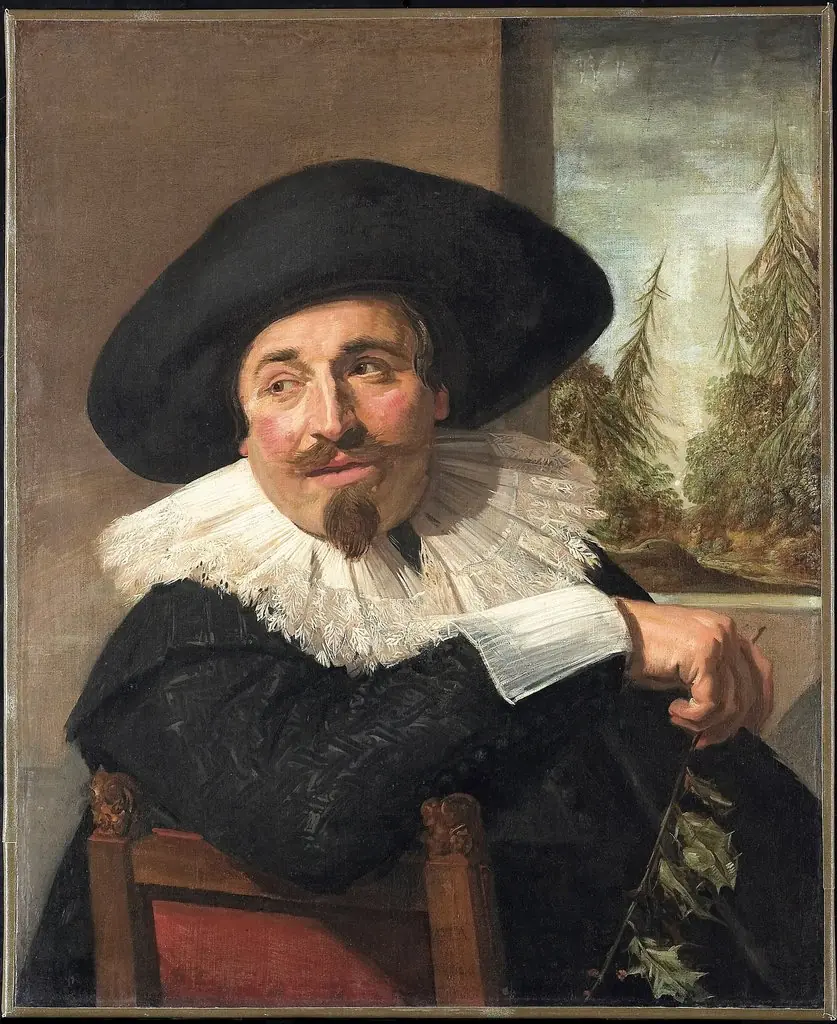 Portrait of Isaak Abrahamsz. Massa
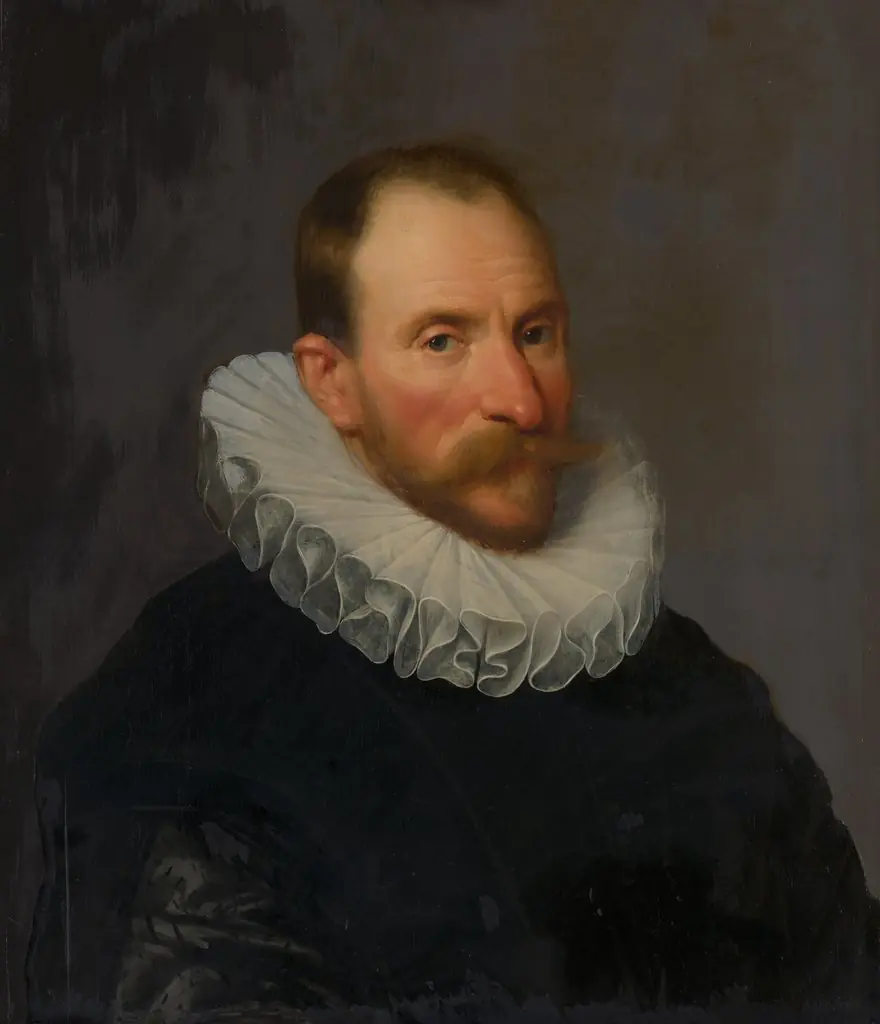 Portrait of Cornelis van Aerssen (1545-1627)
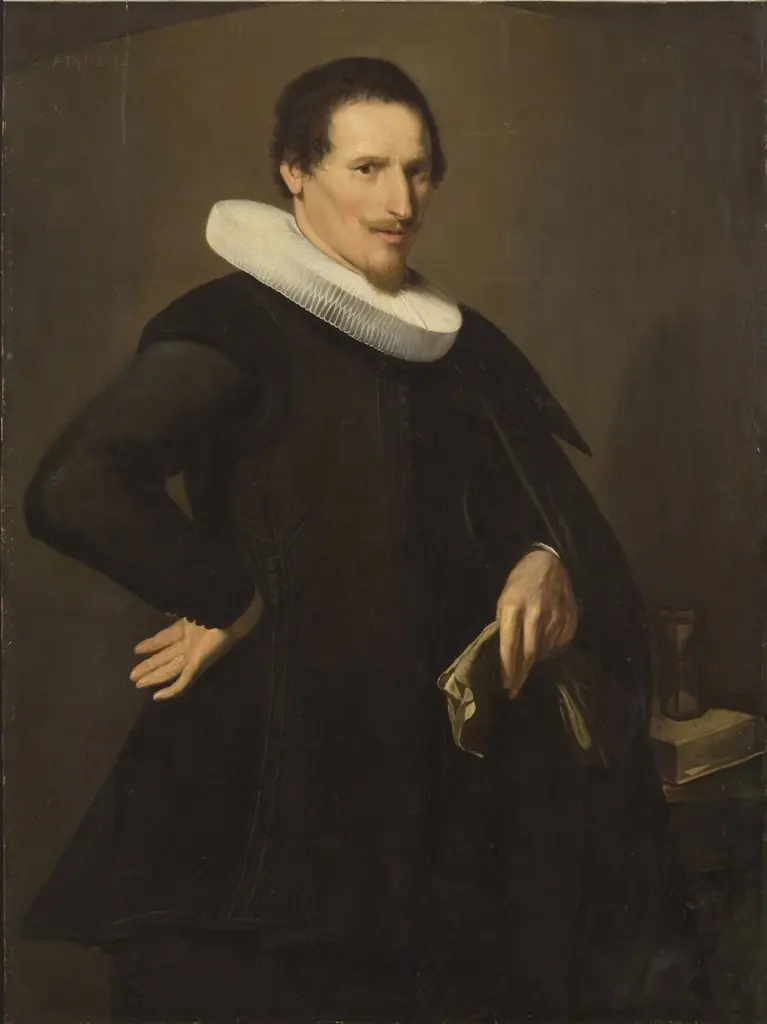 Portrait of Pieter de la Court
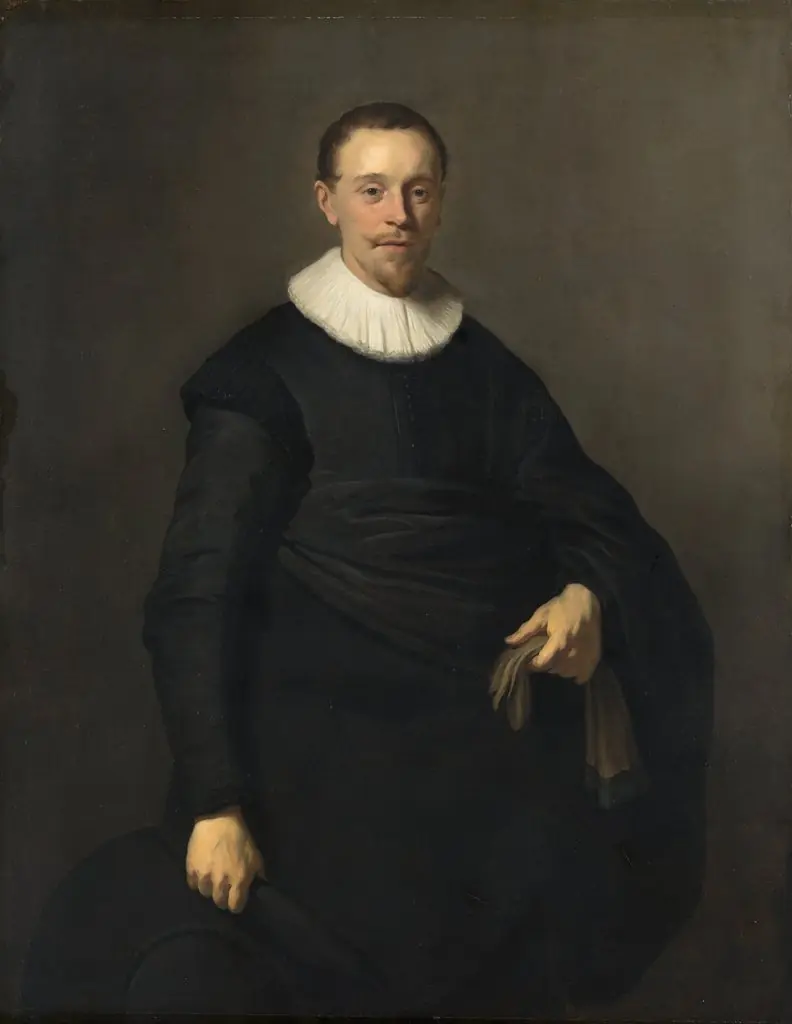 Portrait of a Man
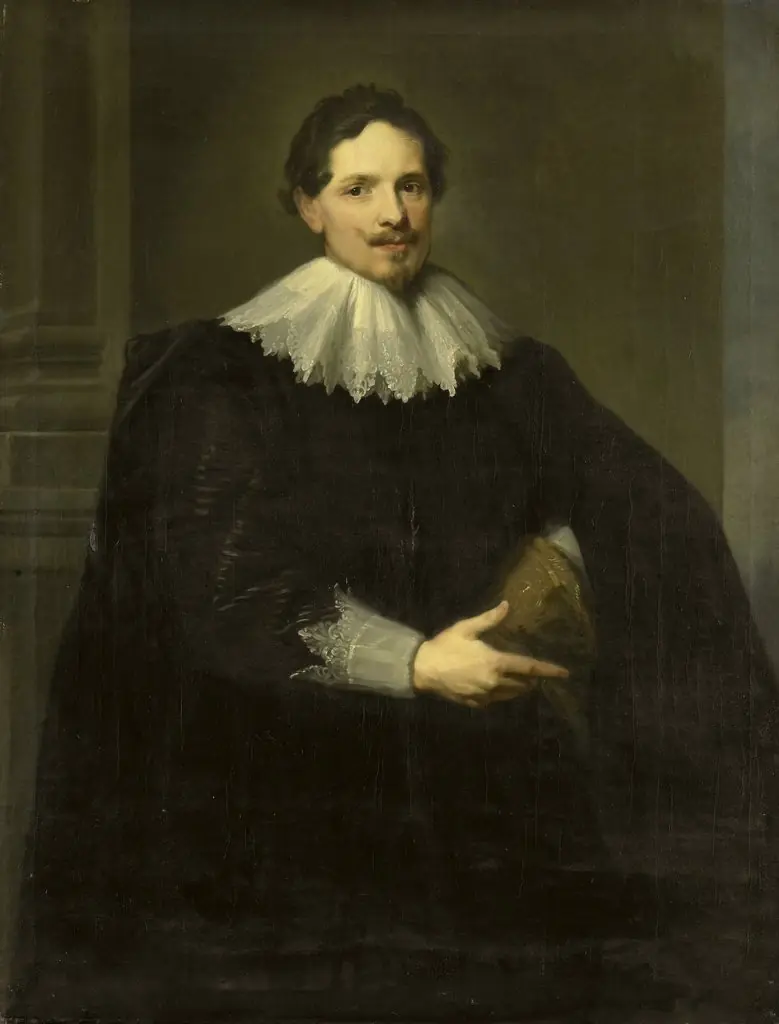 Sebastiaan Leerse, Antwerp Merchant
 Portrait of Pieter Tjarck
 Portrait of a man
 Portrait of a Man
 Portrait of a man