Artwork
Rich Children, Poor Parents
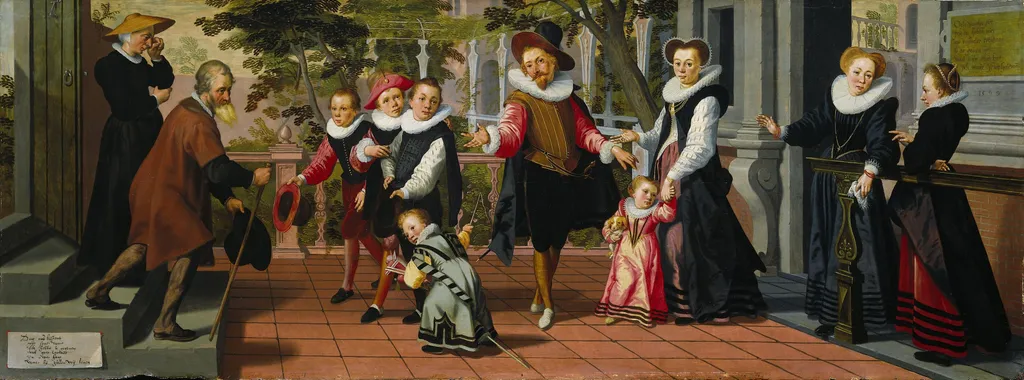
Rich Children, Poor Parents is an oil painting by Pieter Pietersz the Elder. It dates from 1600 and is held in the collection of the Rijksmuseum.
About this work
Overview
Painted in 1600 by Pieter Pietersz the Elder, this oil-on-panel work depicts a domestic scene of eight figures on a brick terrace.
Painted in 1600 by Pieter Pietersz the Elder, this oil-on-panel work depicts a domestic scene of eight figures on a brick terrace. It resides in the Rijksmuseum’s collection and exemplifies early 17th-century Dutch genre painting. The composition centers on familial interaction, rendered with careful attention to spatial depth and material texture, reflecting the period’s interest in everyday life.
Subject & Meaning
The scene portrays a group of children and elders in a moment of quiet connection. A man holds the hand of a young girl, while a boy in red kneels nearby, suggesting a gesture of instruction or affection. Two older women, one playing a lute, stand to the right, their presence implying generational continuity. The title hints at social contrast, though the painting avoids overt moralizing, focusing instead on intimate domestic dynamics.
Technique & Style
Pietersz employs soft chiaroscuro to model the figures, using subtle gradations of light to define volume in faces, hands, and fabric. The brick terrace and folded clothing are rendered with precise attention to surface texture, enhancing tactile realism. The stiff, high-collared garments and wide-brimmed hats reflect contemporary fashion, while the background garden recedes with atmospheric perspective, grounding the scene in a believable space.
History & Provenance
The painting has been in the Rijksmuseum’s collection since at least the 19th century, though its earlier ownership remains undocumented. It was likely commissioned by a middle-class Dutch household, as such domestic scenes were popular among urban patrons seeking to reflect their values in art. Its preservation suggests it was valued within the family or local community before entering institutional care.
Context
Created during the Dutch Golden Age, the work aligns with a broader trend of genre painting that elevated ordinary life as worthy of artistic attention. Unlike religious or mythological subjects, this scene emphasizes quiet human interaction, reflecting Protestant cultural values that favored modesty and familial bonds. The lute and formal attire hint at aspirations toward refinement, even amid modest means.
Legacy
Pietersz’s painting contributes to the foundation of Dutch genre painting, influencing later artists who explored domestic interiors and family dynamics. Its restrained emotional tone and attention to material detail set a precedent for the nuanced observation of daily life. Though not widely known today, it remains a quiet example of how early Dutch painters transformed the mundane into enduring visual records.
Own this work as a print
Artist & collection
Artist
Pieter Pietersz the Elder (1540–1603) was an artist, born in Antwerp.

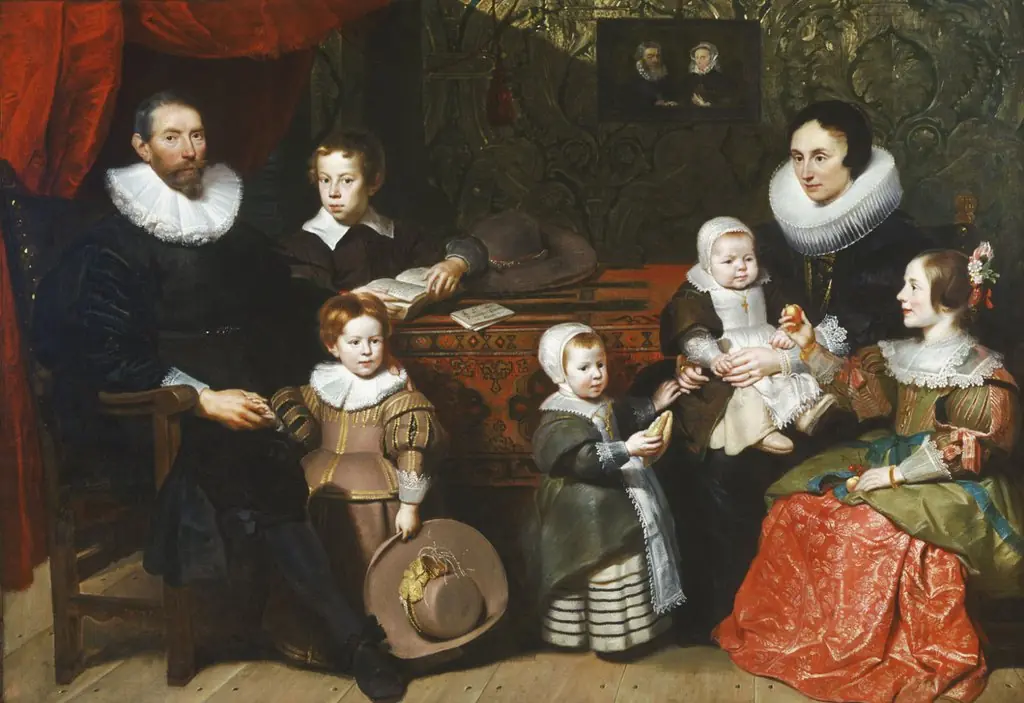 Portrait of Anthony Reyniers and His Family
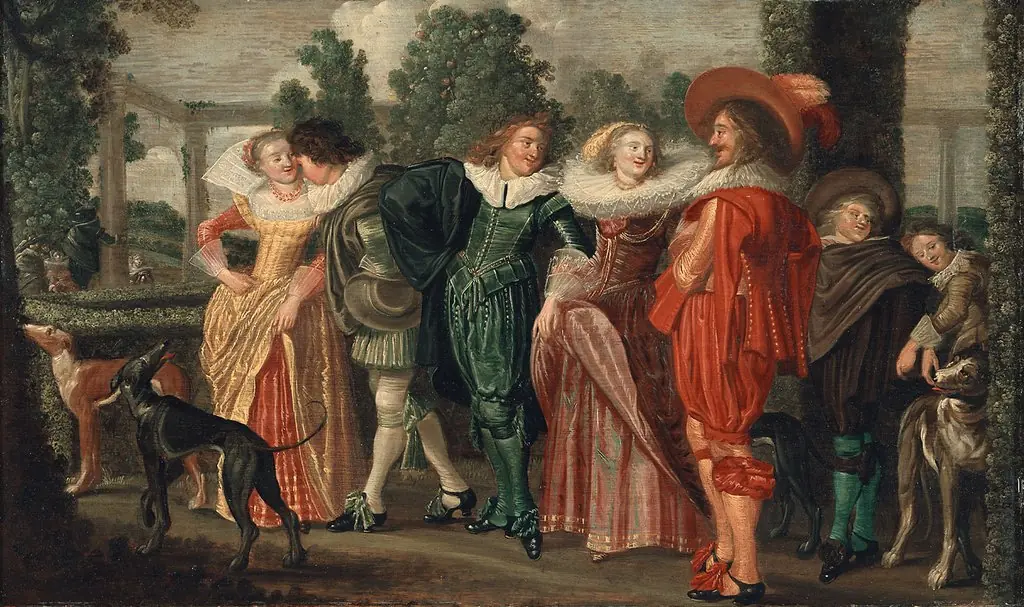 Spaziergang im Garten
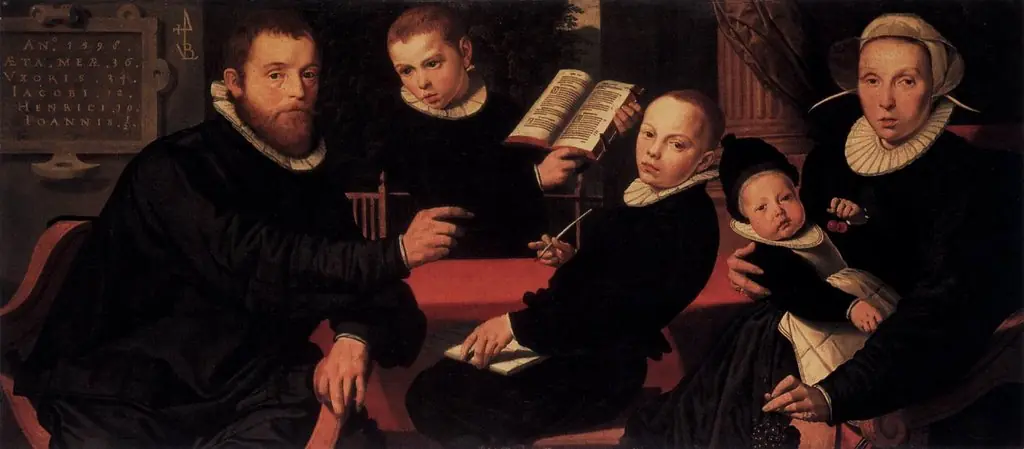
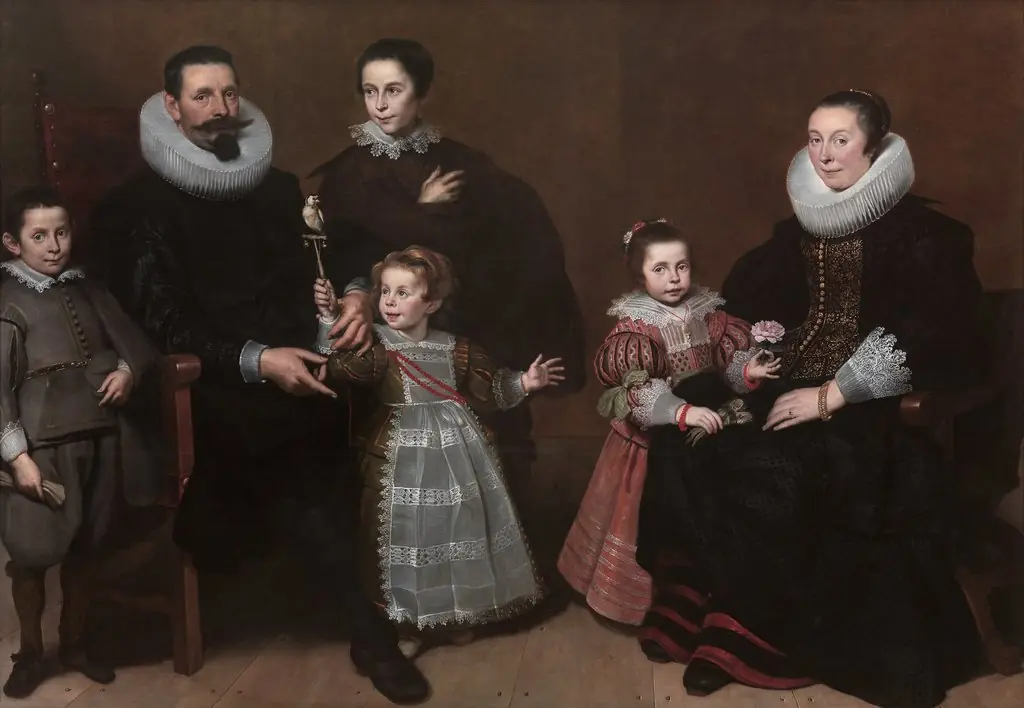 Portrait of a Family
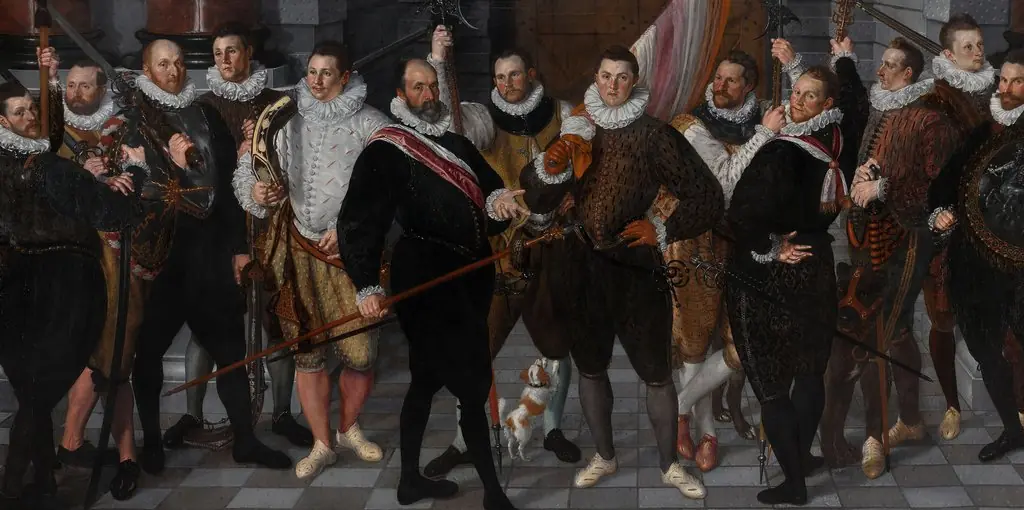 The Company of Captain Dirck Jacobsz Rosecrans and Lieutenant Pauw
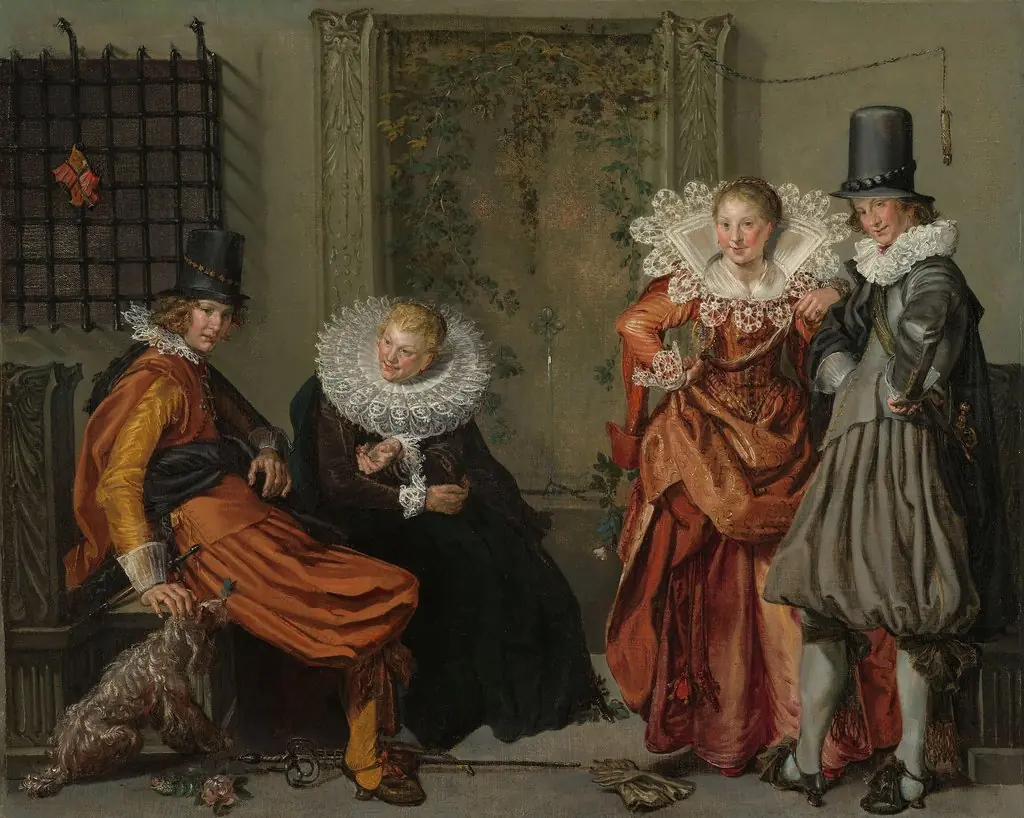 Merry Company
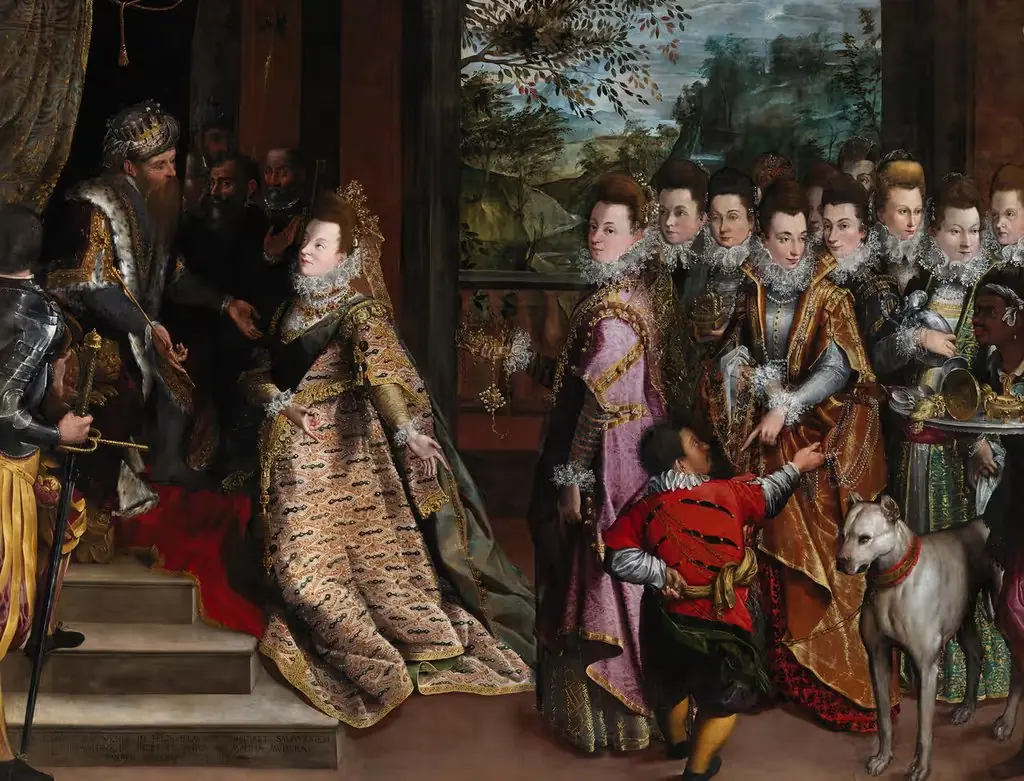 Visit of the Queen of Sheba
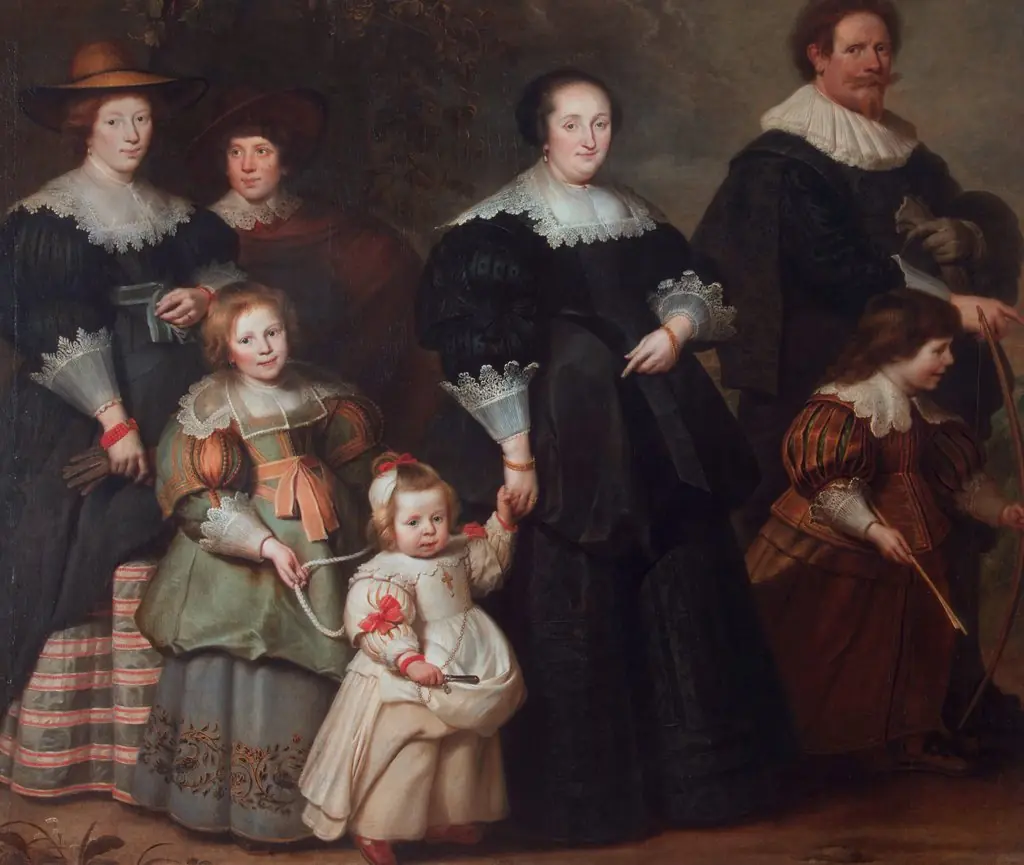 Self-Portrait of the Artist with his Wife Suzanne Cock and their Children
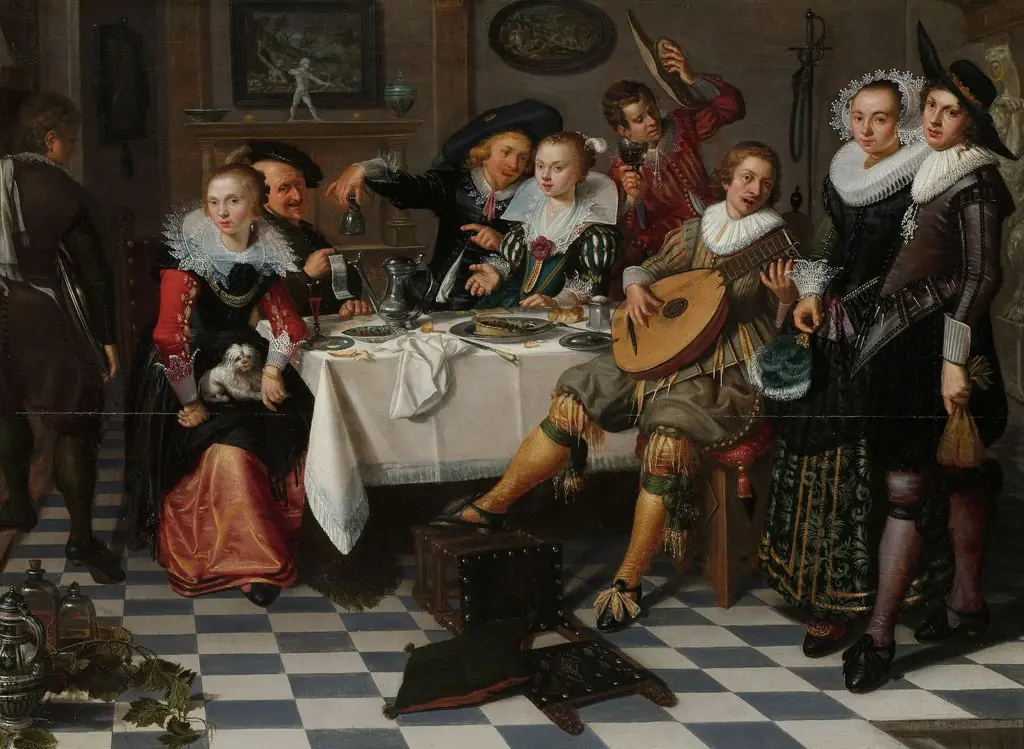 Merry Company
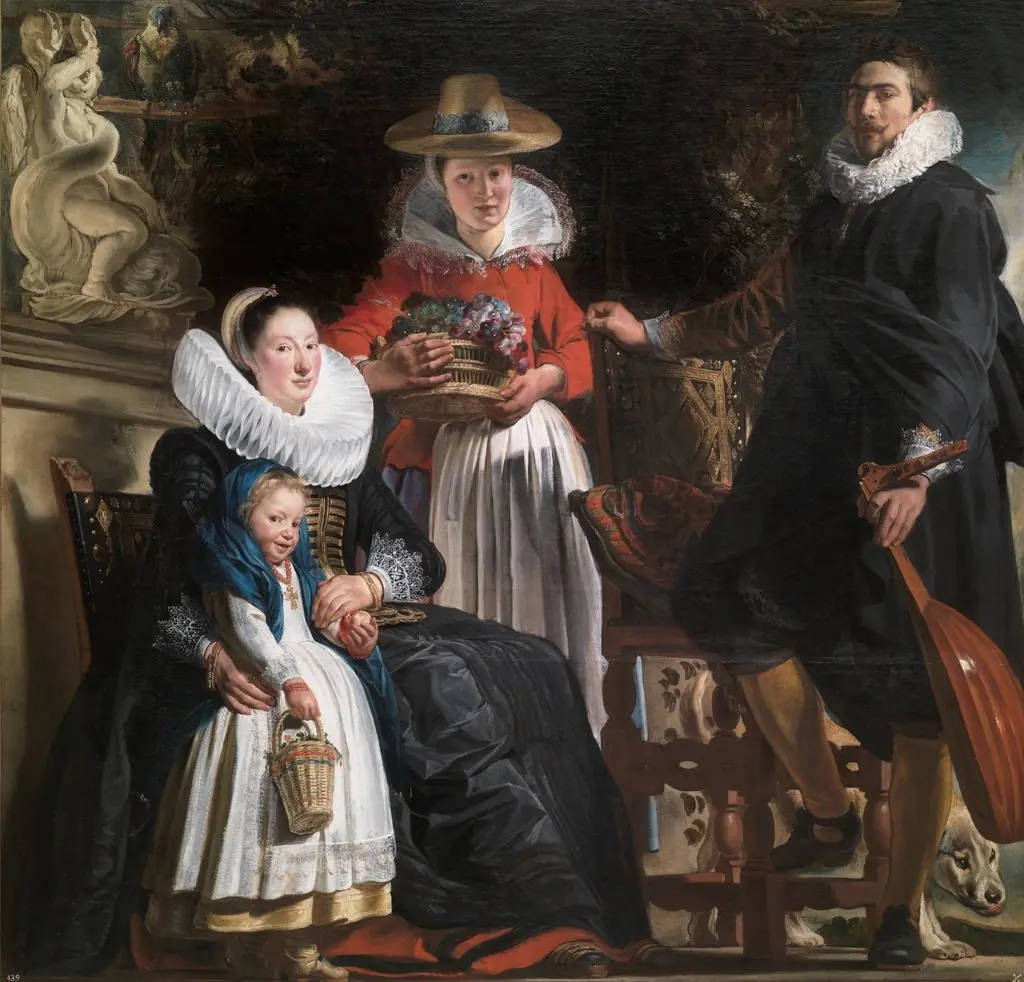 Portrait of the artist with his family
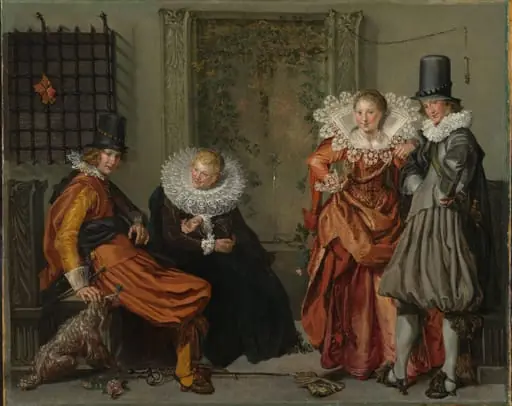 Elegant Couples Courting
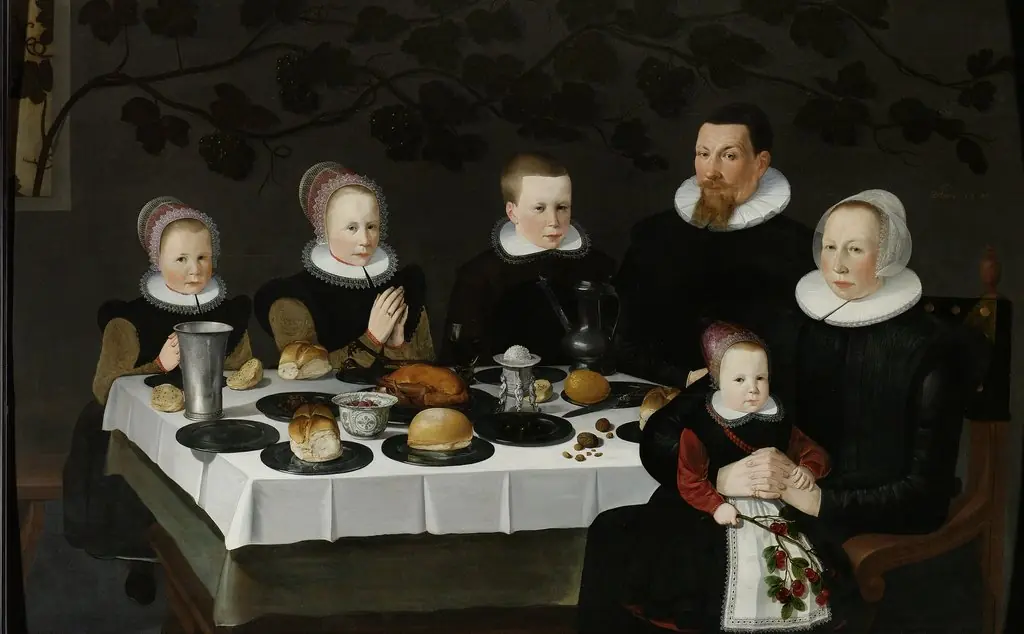 Family portrait
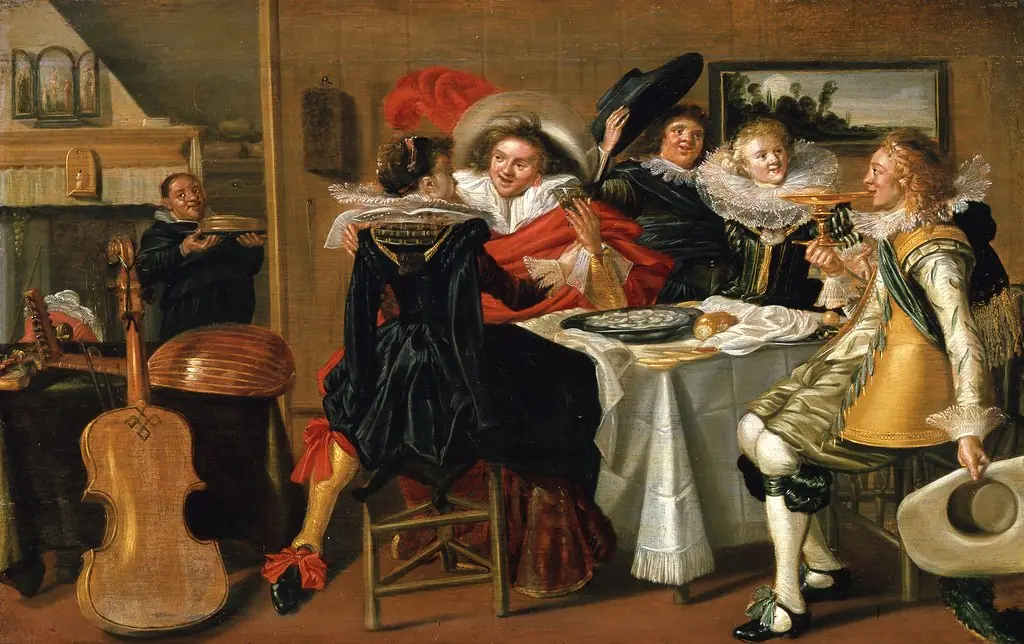 Elegant company drinking in an interior