Artwork
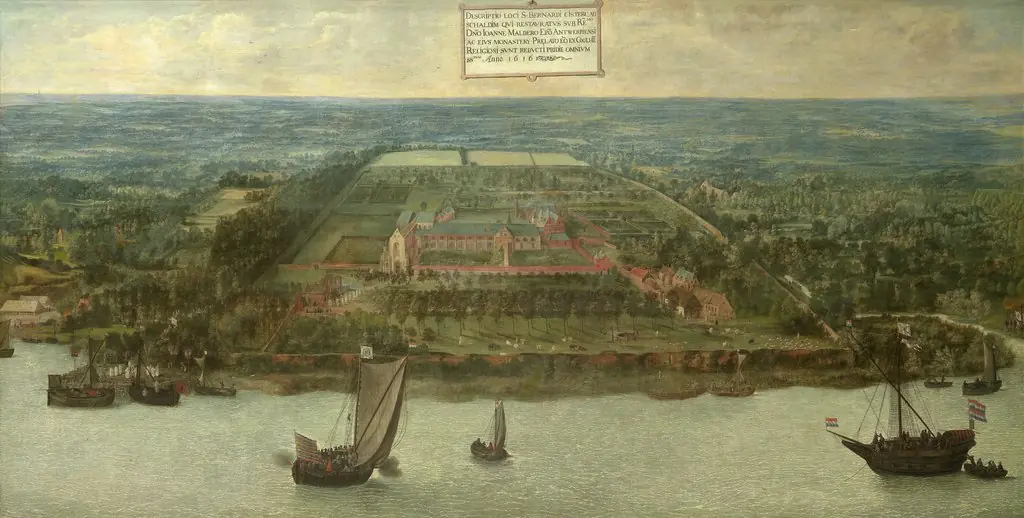
Plan of the Abbey of the Dunes at Koksijde
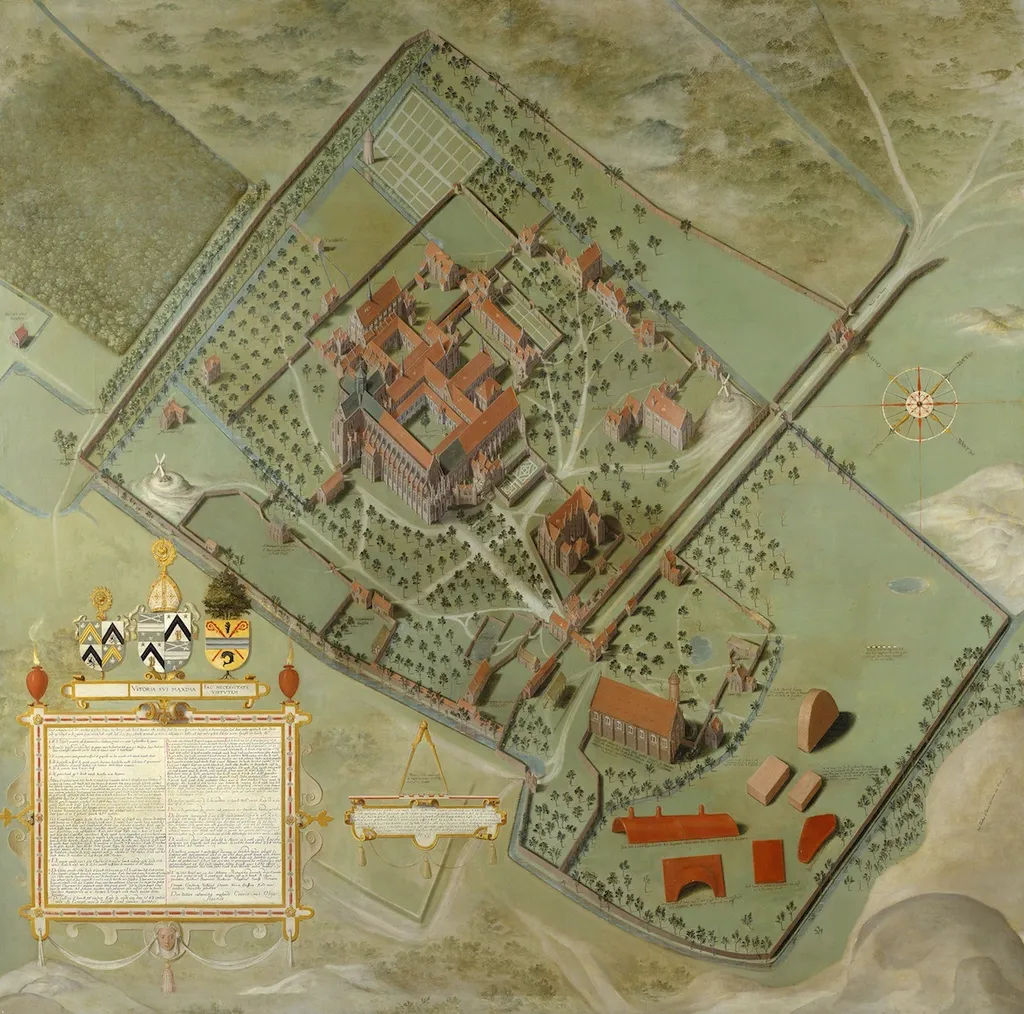
Plan of the Abbey of the Dunes at Koksijde is an oil painting by the Northern Renaissance artist Pieter Pourbus. It is held in the collection of the Groeningemuseum.
About this work
The painting features a mix of colors, including greens, browns, and grays, which gives it a sense of depth and texture.
This painting is a detailed plan of the Abbey of the Dunes at Koksijde, showcasing the abbey's layout and surroundings. The abbey is depicted in the center, surrounded by trees and buildings, with a large courtyard and gardens.
The painting features a mix of colors, including greens, browns, and grays, which gives it a sense of depth and texture. The level of detail in the painting suggests that it was created with great care and attention to detail.
The painting is an oil on panel work, created by Pieter Pourbus in 1580. To learn more about the artist's technique, you can look up the use of chiaroscuro in his work.
Overview
Pieter Pourbus, a 16th‑century Flemish artist known for portraiture and religious scenes, produced an oil on panel plan of the Abbey of the Dunes in Koksijde in 1590. The work records the monastery’s architectural arrangement, situating the central complex amid surrounding trees, ancillary buildings, a courtyard and garden spaces.
Subject & Meaning
The image functions as a topographical study, illustrating the spatial relationships of the abbey’s cloister, church, and auxiliary structures. By presenting the site in plan view, Pourbus provides a practical reference for the layout of the monastic community and its landscape context, rather than a narrative or devotional image.
Technique & Style
Executed in oil on panel, the composition relies on a restrained palette of greens, browns and grays to convey depth and texture. Precise draftsmanship, characteristic of Pourbus’s training, combines with subtle chiaroscuro to model the relief of walls and terrain, emphasizing the meticulous nature of the cartographic rendering.
History & Provenance
The plan entered the collection of the Groeningemuseum in Ghent, where it is displayed among works that document regional architecture and urban planning. Its presence in the museum underscores the artist’s occasional role as a cartographer and engineer alongside his more familiar portraiture.
Context
Created during the late Renaissance, the work reflects a broader Flemish interest in accurate site plans for ecclesiastical and civic purposes. Pourbus’s involvement aligns with contemporary demands for visual documentation of monastic properties, especially in the wake of the Counter‑Reformation’s emphasis on order and clarity.
Artist & collection
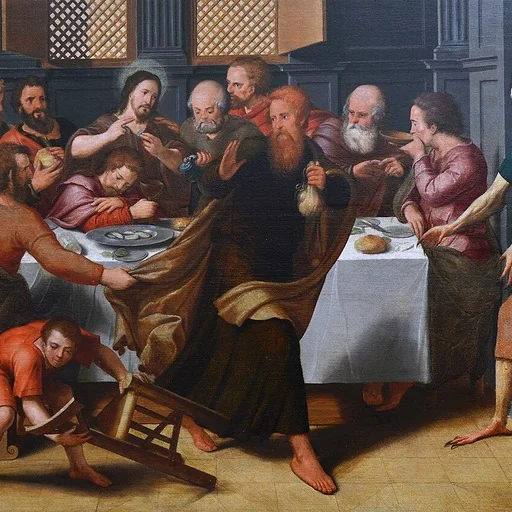
Artist
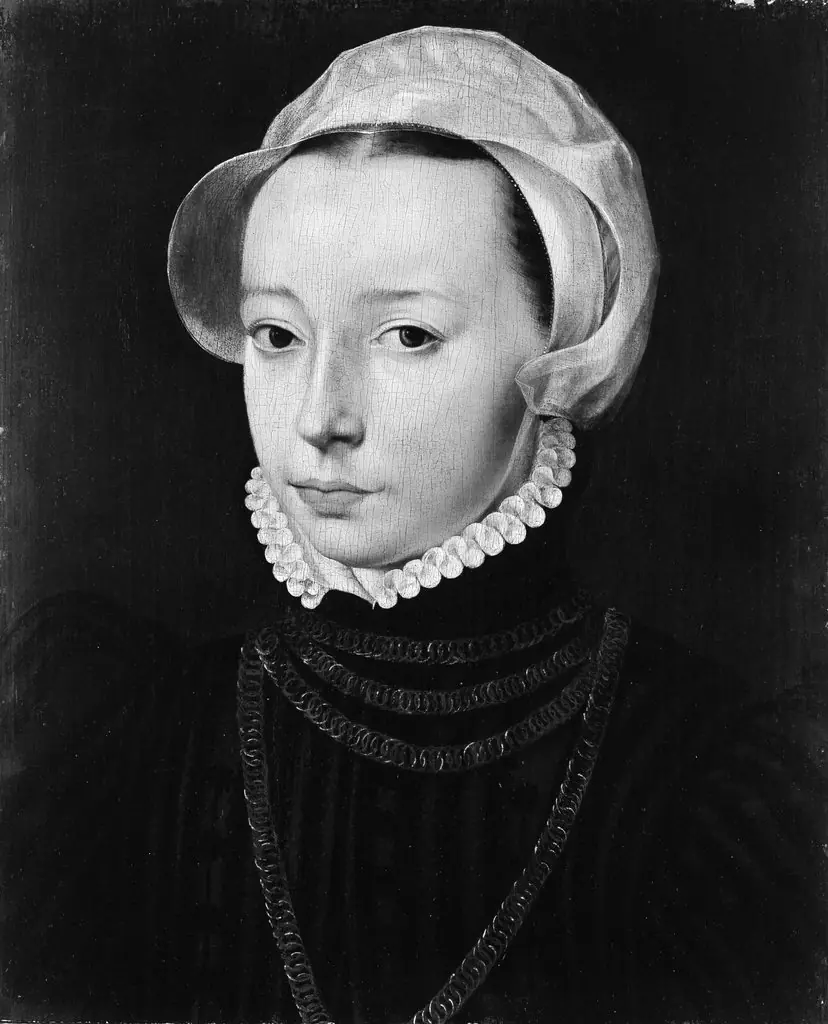
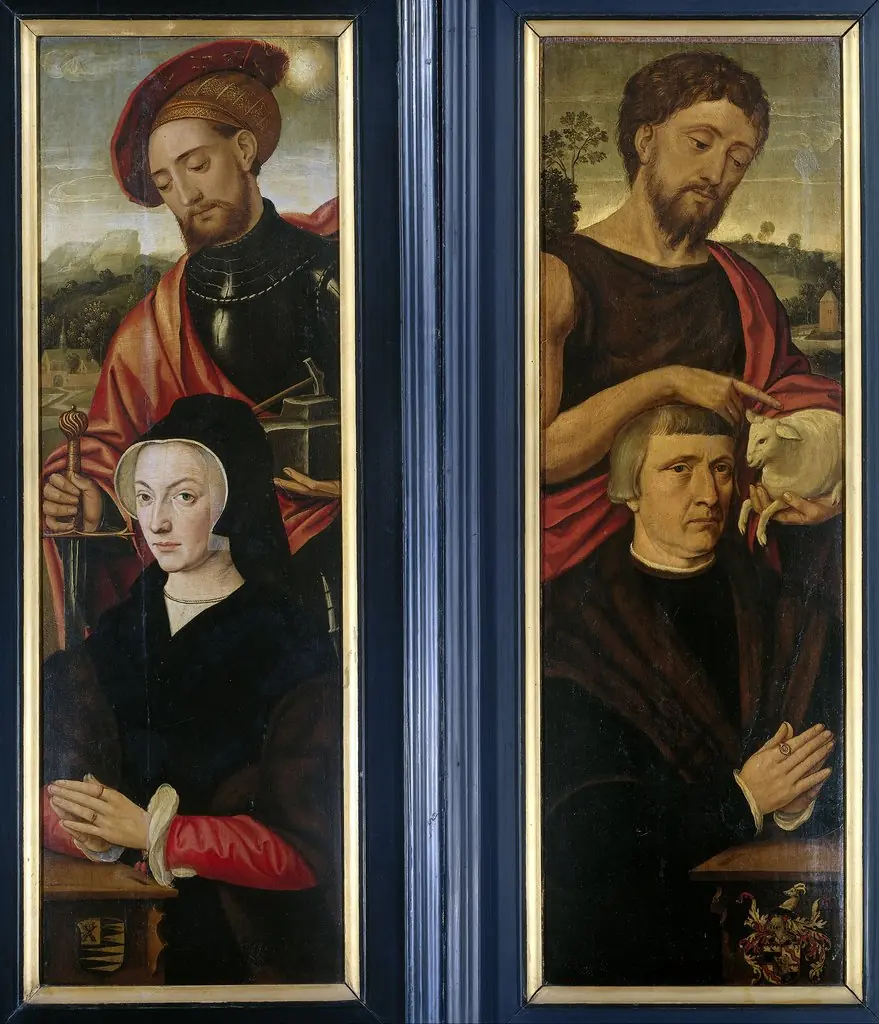
Pieter Jansz. Pourbus (c. 1523–1584) was a Flemish Renaissance painter, draftsman, engineer and cartographer who was active in Bruges during the 16th century. He is known primarily for his religious and portrait paintings.

 The Abbey of Saint Bernard
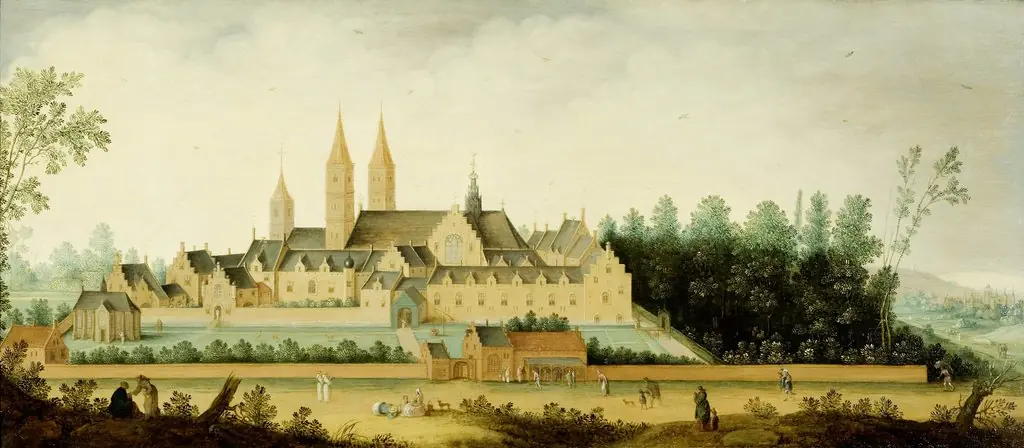 View of the Abbey of Egmond-Binnen
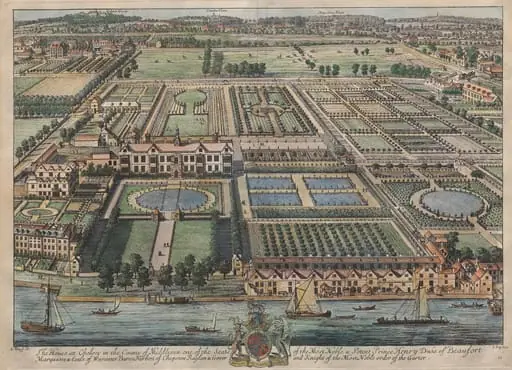 Beaufort House, Chelsea
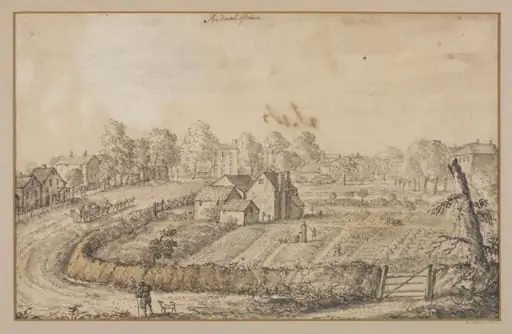 Coates' Farm, Bethnal Green
![The Siege of Breda [plate 3 of 6], by Jacques Callot](https://artifactworldgallery.com/img/jacques-callot--the-siege-of-breda-plate-3-of-6--c43bd4a835426ed7-w320.webp) The Siege of Breda [plate 3 of 6]
The Siege of Breda [plate 3 of 6]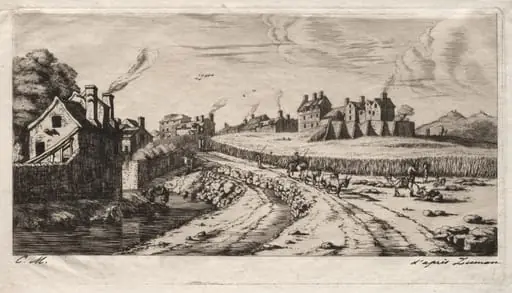 Entrance to the Faubourg, Saint-Marceau, Paris
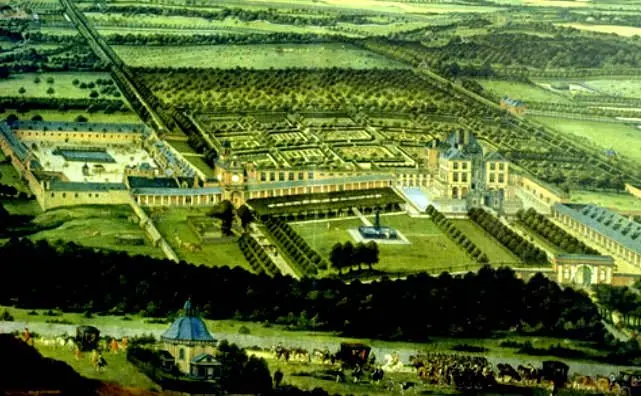 Chateau de Mariemont
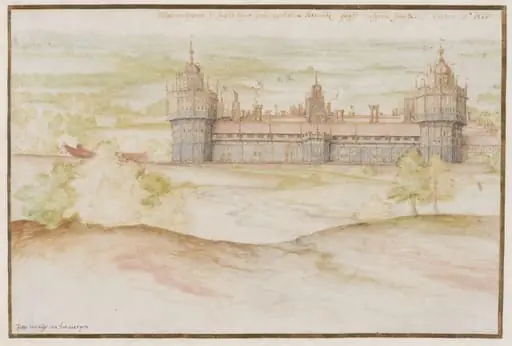 Nonsuch Palace from the South
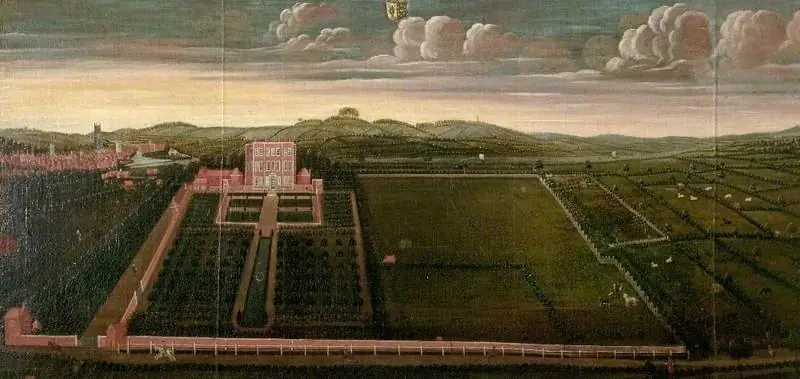 Castlefields, Derbyshire
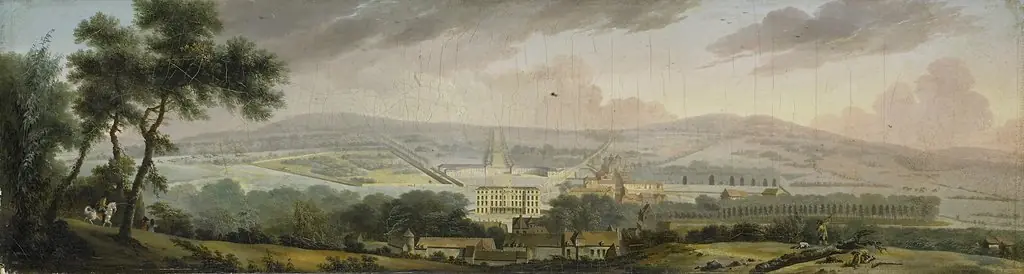 View of the back of a Palace
![View of the Plunket's [sic] Castle, near St. Margaret's, 5 1/2 miles from Dublin [...], by Gabriel, ca.1729-1817 Beranger](https://artifactworldgallery.com/img/gabriel-ca-1729-1817-beranger--view-of-the-plunket-s-sic-castle-near-st-margaret-s-5-1-2-mi--aaf2a207a5920843-w320.webp) View of the Plunket's [sic] Castle, near St. Margaret's, 5 1/2 miles from Dublin [...]
View of the Plunket's [sic] Castle, near St. Margaret's, 5 1/2 miles from Dublin [...]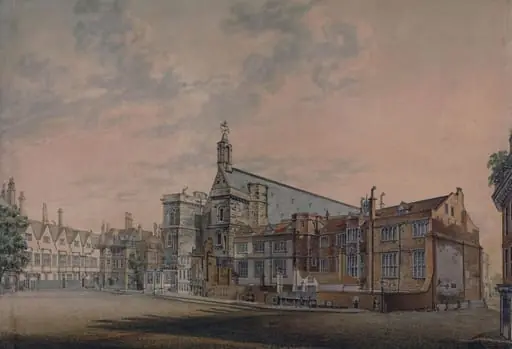 New Palace Yard with the Augmentation Office as in 1793 and the Offices of the Exchequer