Artwork
Portrait of King Sigismund III Vasa.
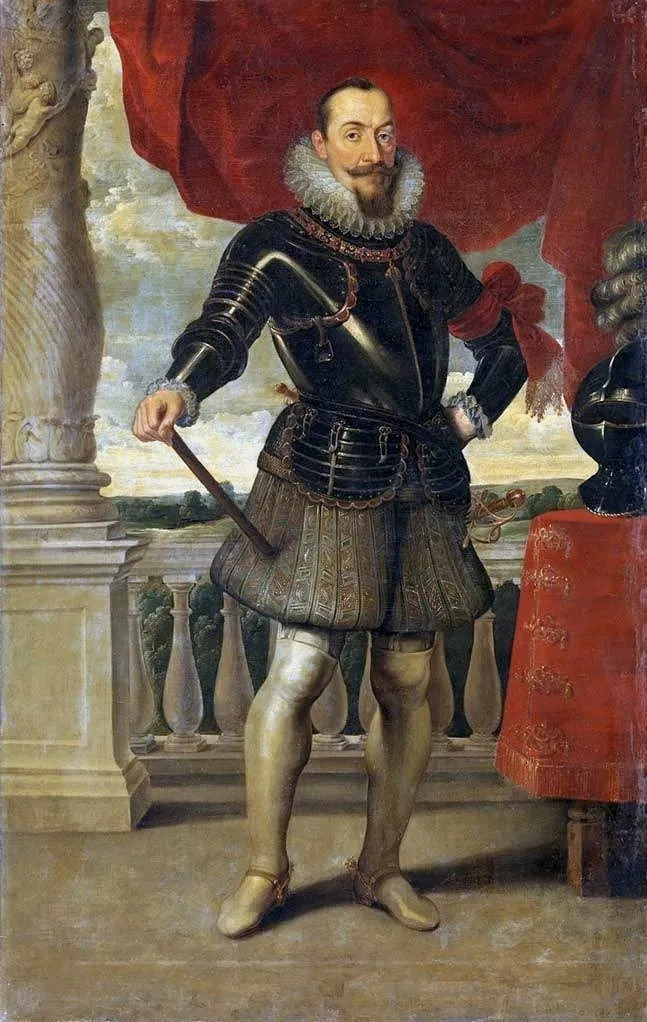
Portrait of King Sigismund III Vasa. is an oil painting by the Flemish Baroque painting artist Pieter Soutman. It dates from 1620 and is held in the collection of the Bavarian State Painting Collections.
About this work
Overview
Created in 1620, this oil portrait by the Dutch painter Pieter Soutman presents King Sigismund III Vasa in full regalia. The work is part of the collection of the Alte Pinakothek in Munich, where it is displayed among other seventeenth‑century European portraits.
Subject & Meaning
The figure is the Polish‑Lithuanian monarch Sigismund III Vasa, shown in ceremonial armor and a dark coat edged with gold. The king’s posture—sword in one hand, the other resting on his hip—conveys authority and readiness, while the stiff white ruff emphasizes his status as a ruler of the early modern era.
Technique & Style
Soutman employs a restrained palette of deep reds, muted blacks, and metallic highlights, allowing the subject’s face to emerge through subtle chiaroscuro. Soft shadows model the facial features, and the crisp rendering of the armor contrasts with the velvety texture of the surrounding drapery and furnishings.
History & Provenance
After its completion, the portrait entered the royal collections of the Vasa dynasty before eventually being acquired by the Bavarian state. It has been housed in the Alte Pinakothek since the museum’s early acquisitions, where it remains a documented example of Soutman’s court portraiture.
Context
The painting reflects the diplomatic and cultural ties between the Polish‑Lithuanian Commonwealth and the Dutch artistic world in the early seventeenth century. Soutman, known for his work for the Swedish and German courts, applied a Northern European portrait tradition to a monarch whose reign spanned both Catholic and Protestant realms.
Artist & collection

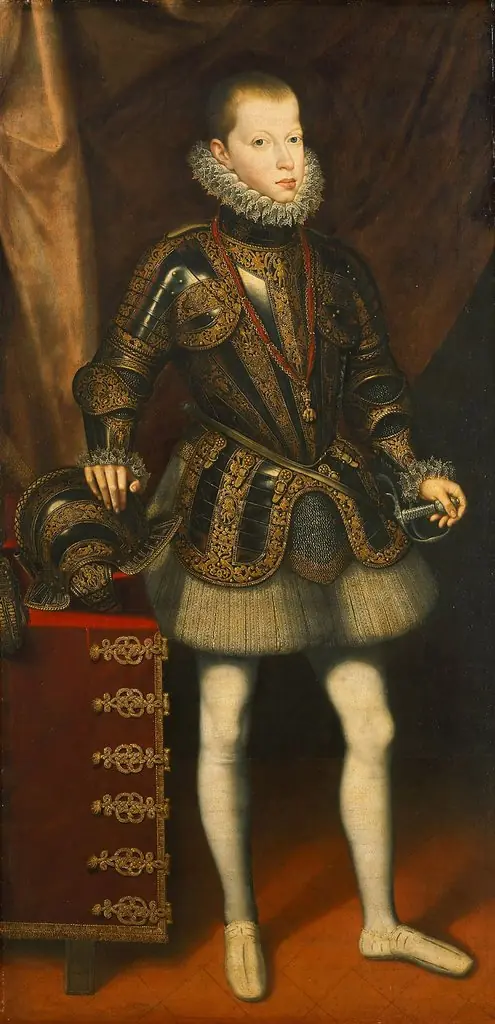 Infant Philipp in einem Harnisch
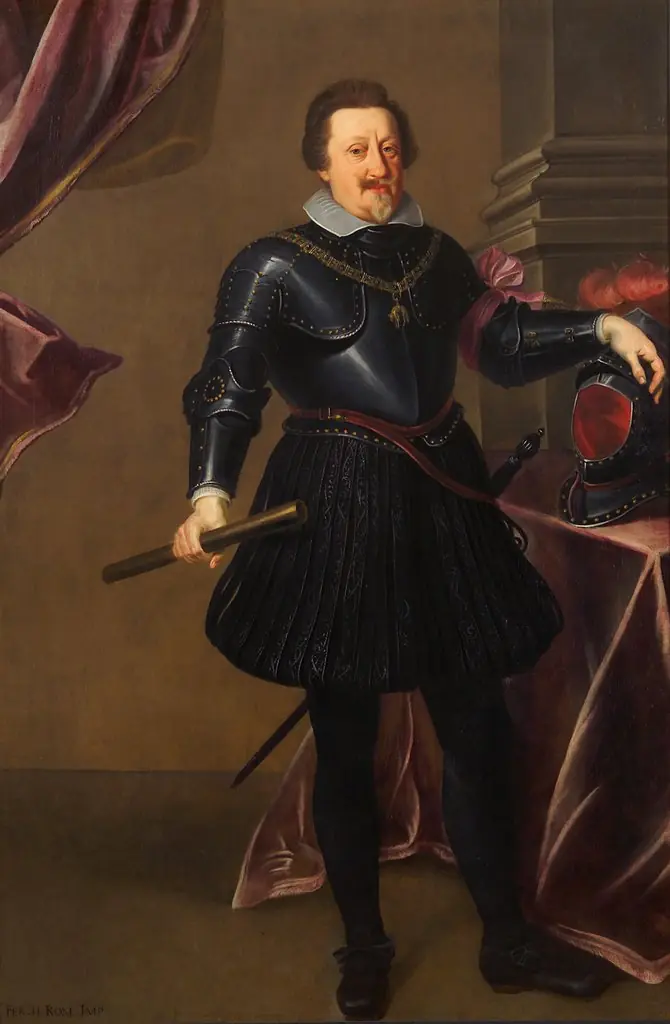 Emperor Ferdinand II. (1578-1637) in black armor, full-length
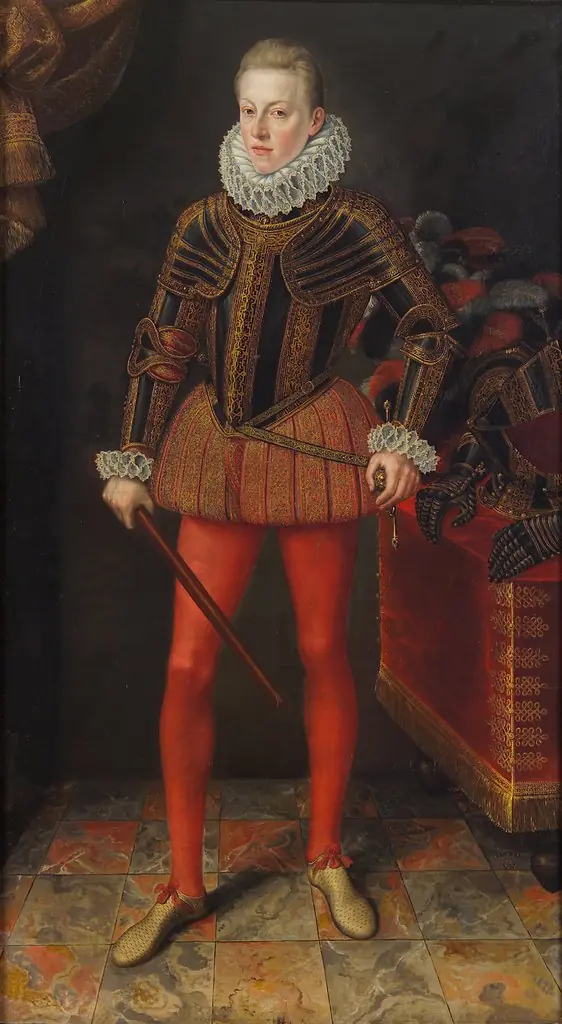 Portrait of Matthias II of Habsburg (1557-1619), the future Holy Roman Emperor
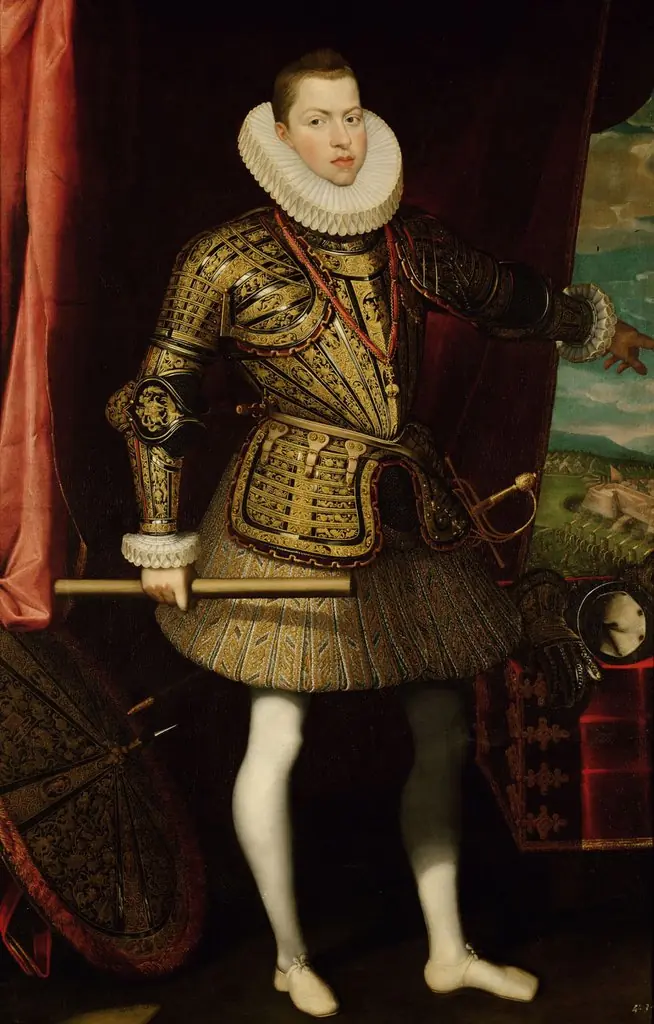 König Philipp III.(1578-1621) von Spanien, Bildnis in ganzer Figur als General der Infanterie (Im Hintergrund: Die Belagerung von Ostende 1601-1604)
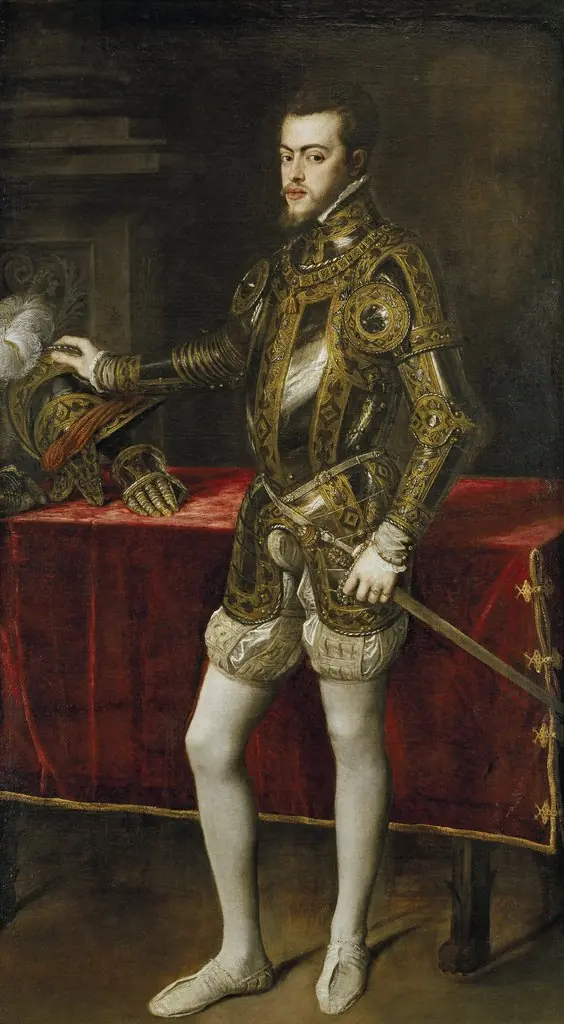 Philip II in Armour
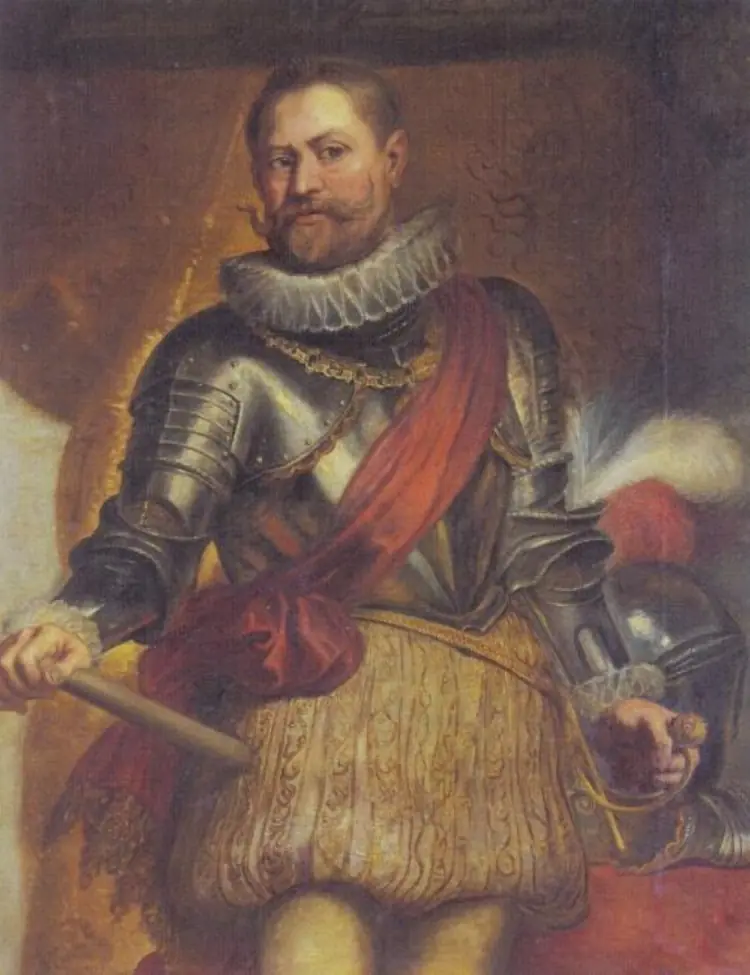 Portrait of Ernest, Archduke of Austria (1553-1595)
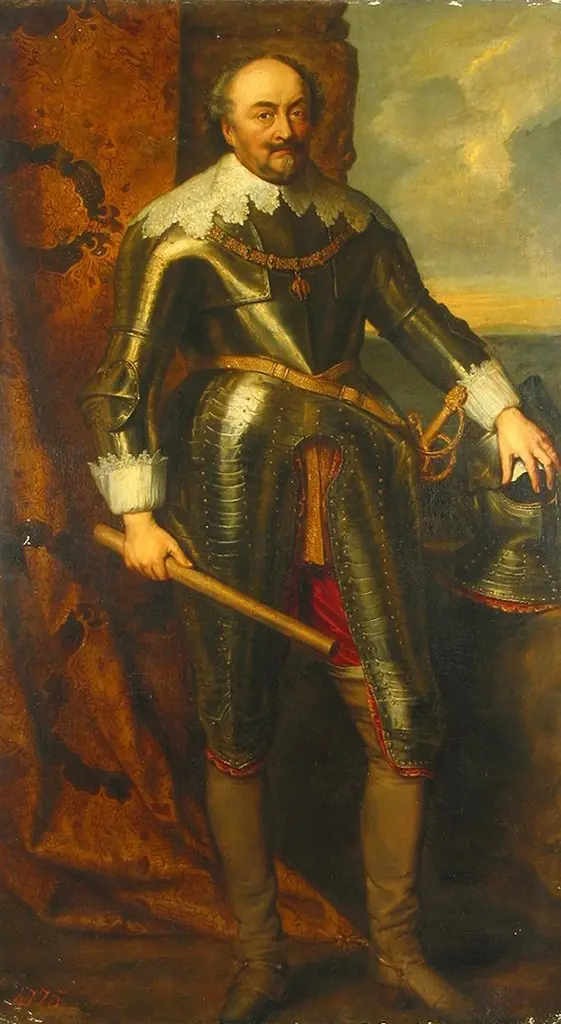 Portrait of Johan, Count of Nassau-Siegen (1583-1638)
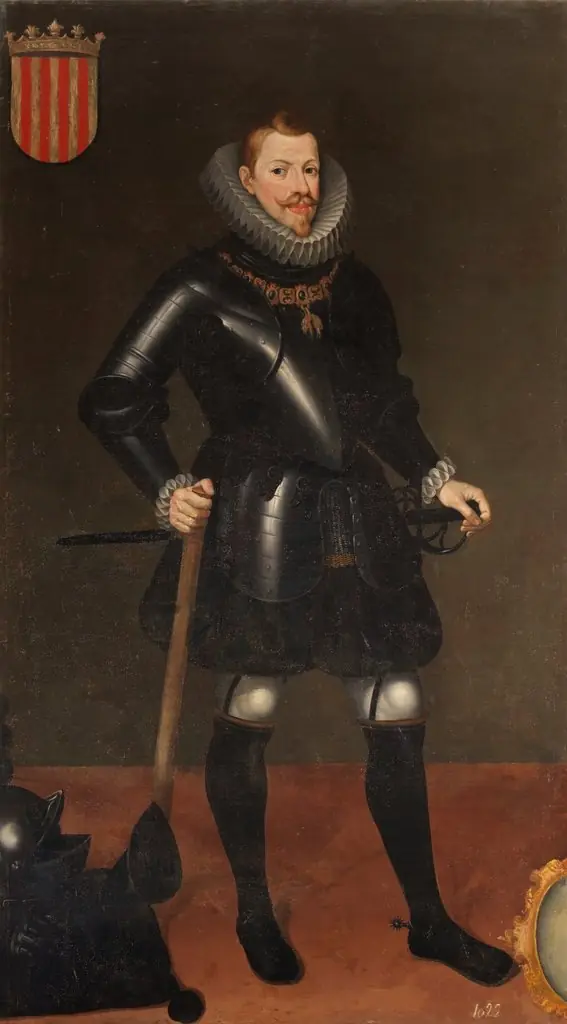 Felipe III El Piadoso y El Bueno
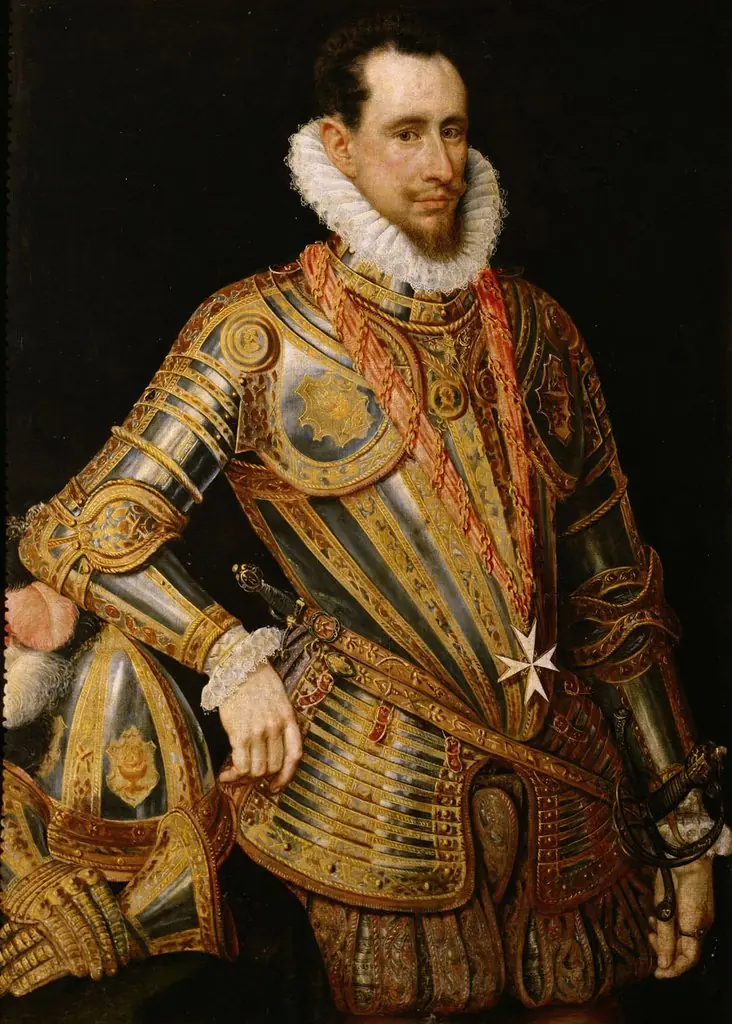 Bildnis eines Malteserritters
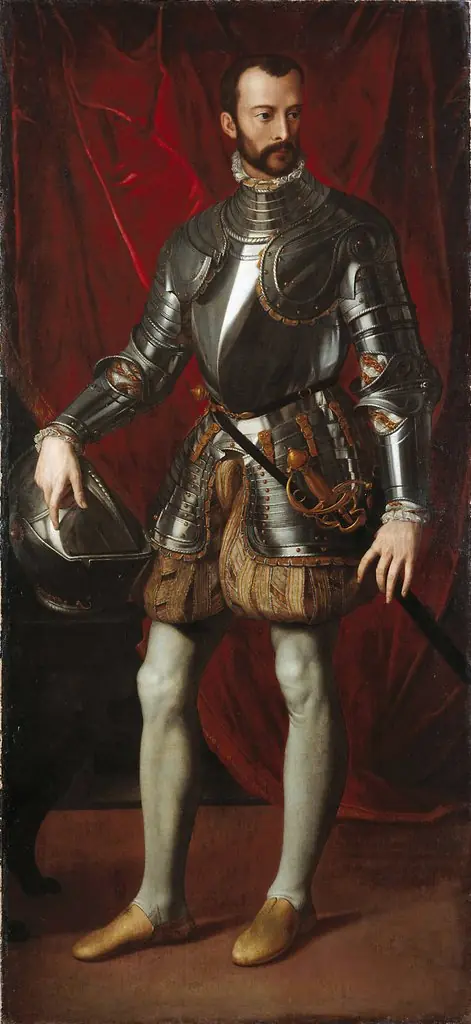 Großherzog Francesco I. (1541-1587) von Toskana
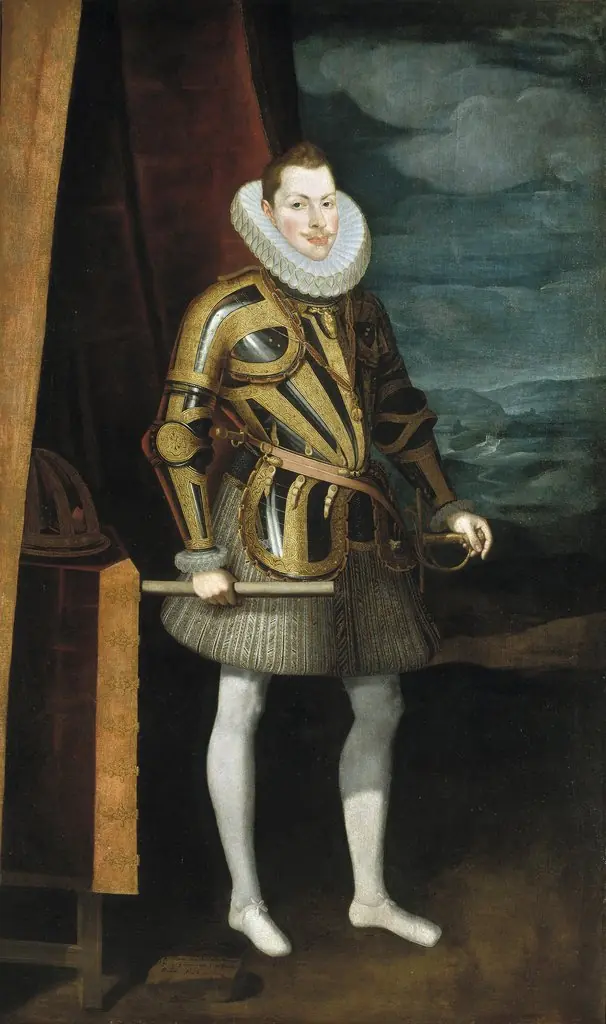 Philip III
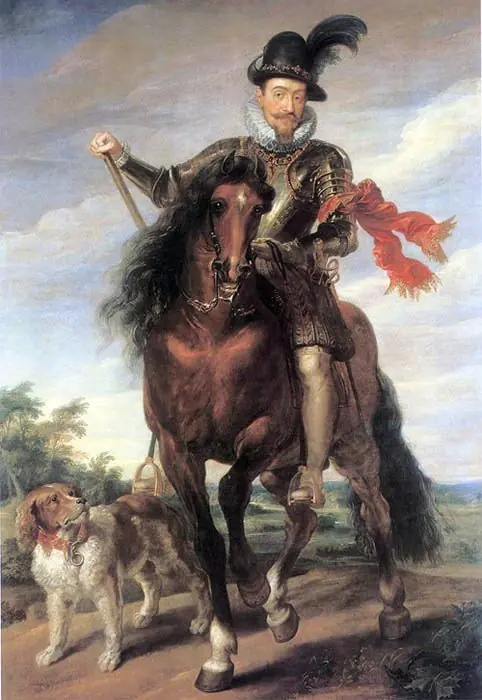 Sigismund I/III, king of Sweden and Poland