Artwork
Sigismund I/III, king of Sweden and Poland
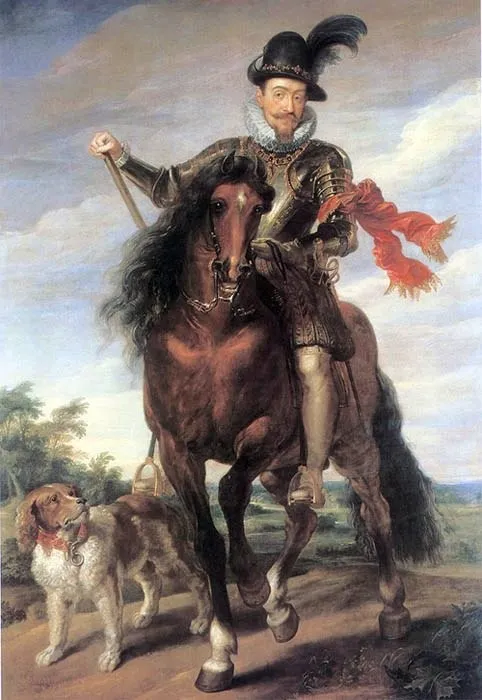
Sigismund I/III, king of Sweden and Poland is an oil painting by the Flemish Baroque painting artist Cornelis de Vos. It dates from 1625 and is held in the collection of the Nationalmuseum.
About this work
Overview
Painted in 1625 by Flemish artist Cornelis de Vos, this oil portrait depicts Sigismund III Vasa, monarch of both Sweden and Poland.
Painted in 1625 by Flemish artist Cornelis de Vos, this oil portrait depicts Sigismund III Vasa, monarch of both Sweden and Poland. De Vos, based in Antwerp, was known for his refined portraiture and frequent collaborations with leading artists of the time. The work is part of the Nationalmuseum’s collection in Stockholm, reflecting the cultural and political ties between the Low Countries and the Polish-Swedish court during the early 17th century.
Subject & Meaning
Sigismund III Vasa is portrayed in ceremonial armor, emphasizing his dual role as a military leader and sovereign. The feathered hat, red sash, and poised stance convey authority and aristocratic bearing. The presence of two attentive dogs suggests loyalty and nobility, while the tranquil landscape behind him implies stable rule. The composition avoids overt symbolism, instead projecting dignity through composed demeanor and refined attire.
Technique & Style
De Vos employs subtle chiaroscuro to model the king’s armor and face, creating a lifelike interplay of light and shadow. The horse’s musculature is rendered with careful observation, its form suggested through layered glazes and precise brushwork. The soft sky and distant hills are painted with loose, atmospheric strokes, contrasting with the sharp detail of the figure. The texture of fabric, metal, and fur is rendered with quiet precision, typical of Flemish portraiture of the period.
History & Provenance
Commissioned during Sigismund’s reign, the portrait likely served diplomatic or dynastic purposes, reinforcing his image across European courts. It entered the Nationalmuseum’s collection in Sweden, where it has remained since the 18th century. Its survival through political upheavals, including the eventual loss of the Swedish throne by the Vasa line, underscores its role as a historical artifact rather than a political statement.
Context
In the early 1600s, the Polish-Swedish union was fracturing, and Sigismund’s rule faced increasing opposition. Despite this, portraits like this one were produced to project continuity and legitimacy. Flemish artists like de Vos were sought after by Northern European elites for their technical skill and international reputation, making Antwerp a key center for royal portraiture beyond its borders.
Legacy
The portrait stands as a representative example of early 17th-century court portraiture, blending Flemish realism with the ceremonial expectations of a multi-kingdom ruler. While not widely reproduced, it remains a key reference for understanding how monarchs used visual culture to assert identity amid political instability. De Vos’s restrained approach influenced later portraitists in Scandinavia and the Low Countries.
Artist & collection
Artist
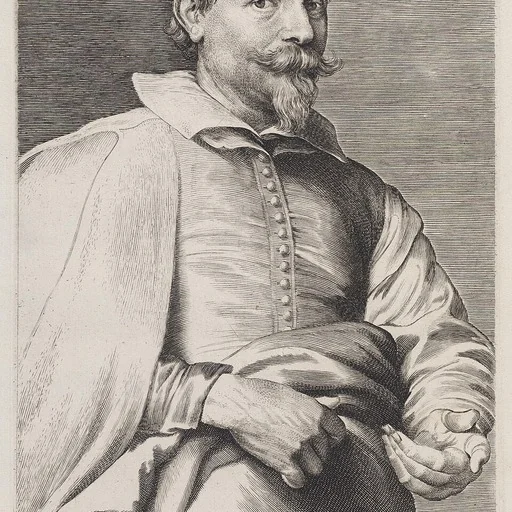
Cornelis de Vos (1584 - 9 May 1651) was a Flemish painter, draughtsman and art dealer.

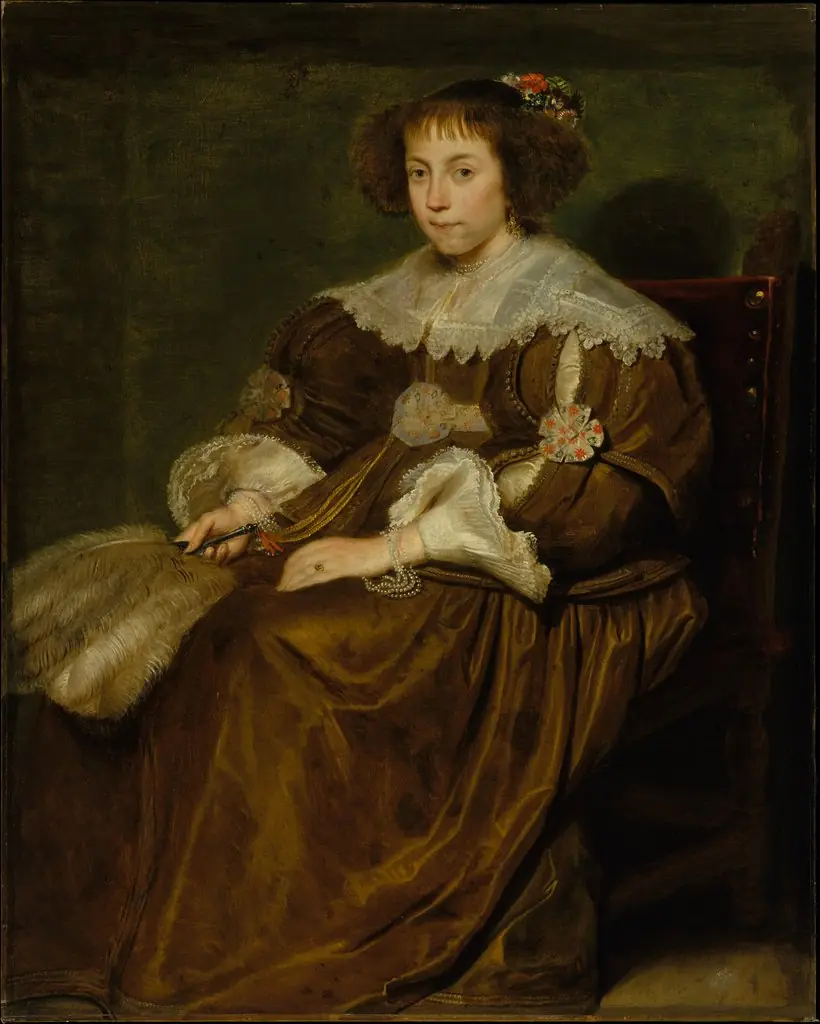 Portrait of a Young Woman
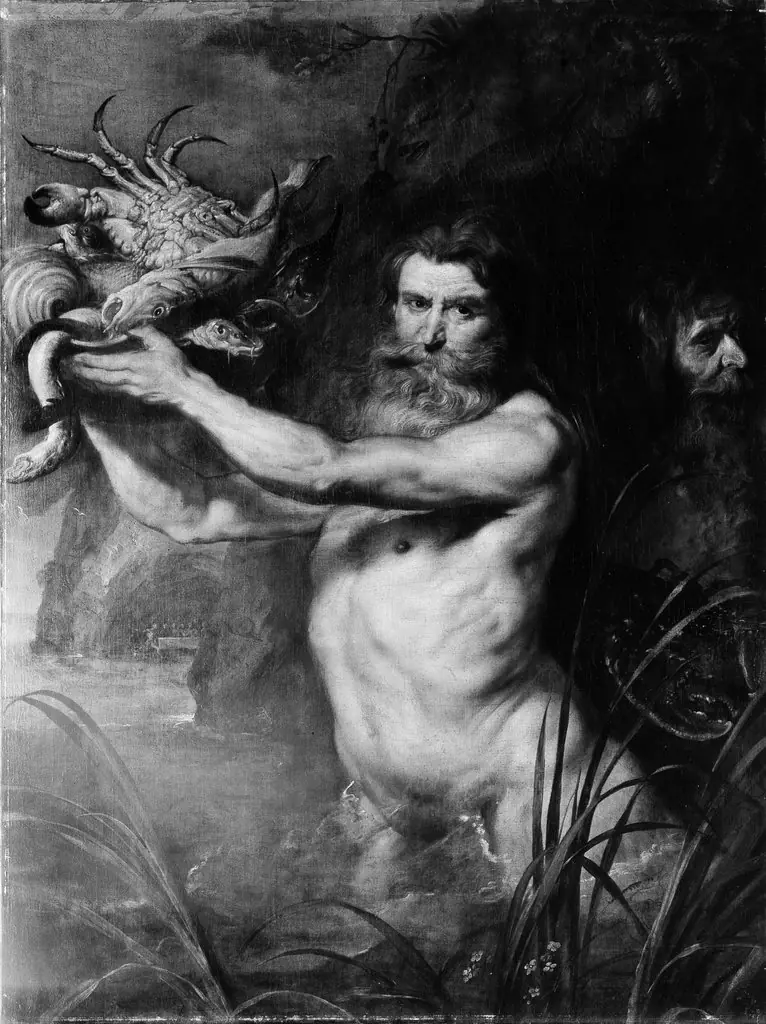 Two Tritons at the Feast of Acheloüs
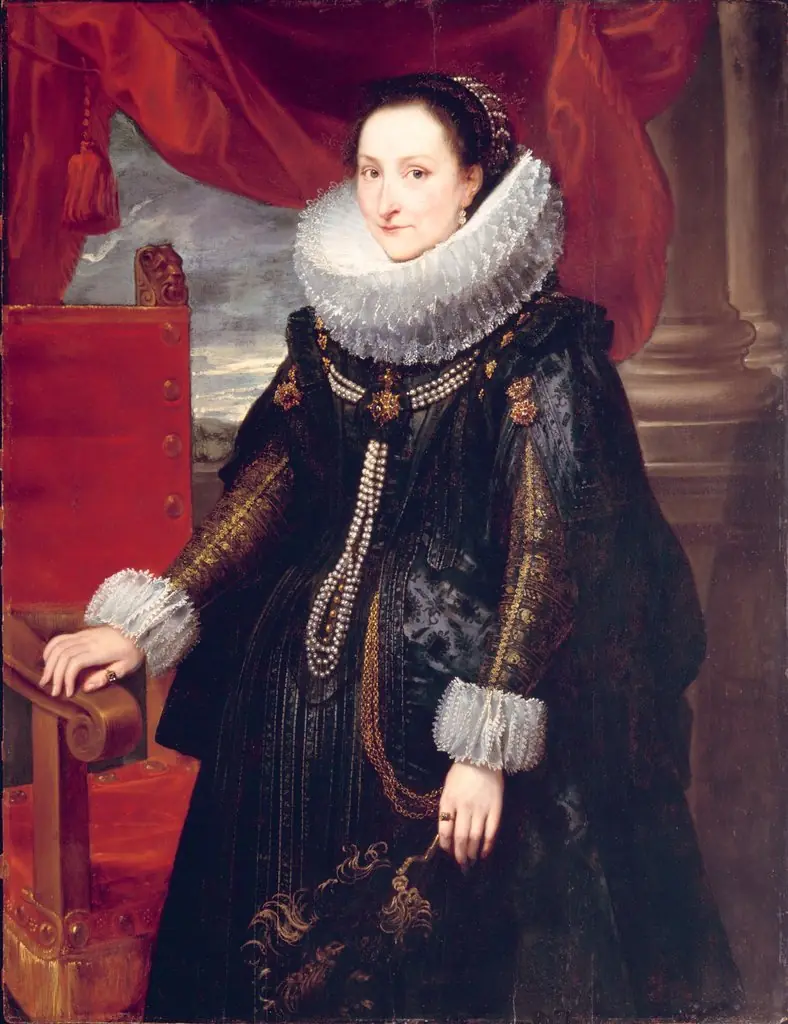 Portrait of a Woman
 The Holy Family with John the Baptist as child
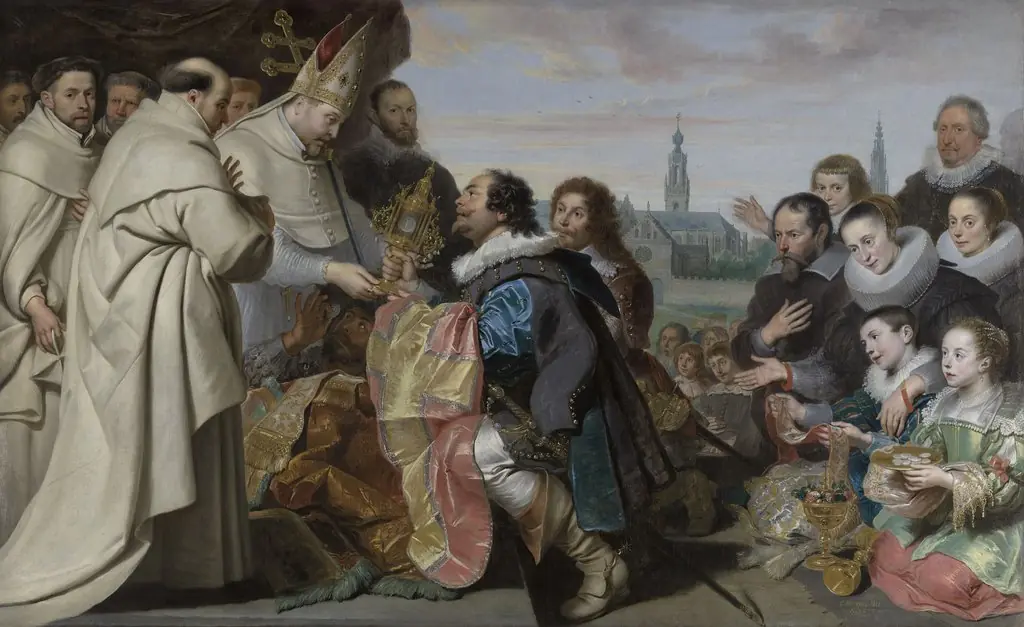 The Citizens of Antwerp bring back to Saint Norbert the Monstrance and other Sacred Vessels that they had hidden from Tankelin
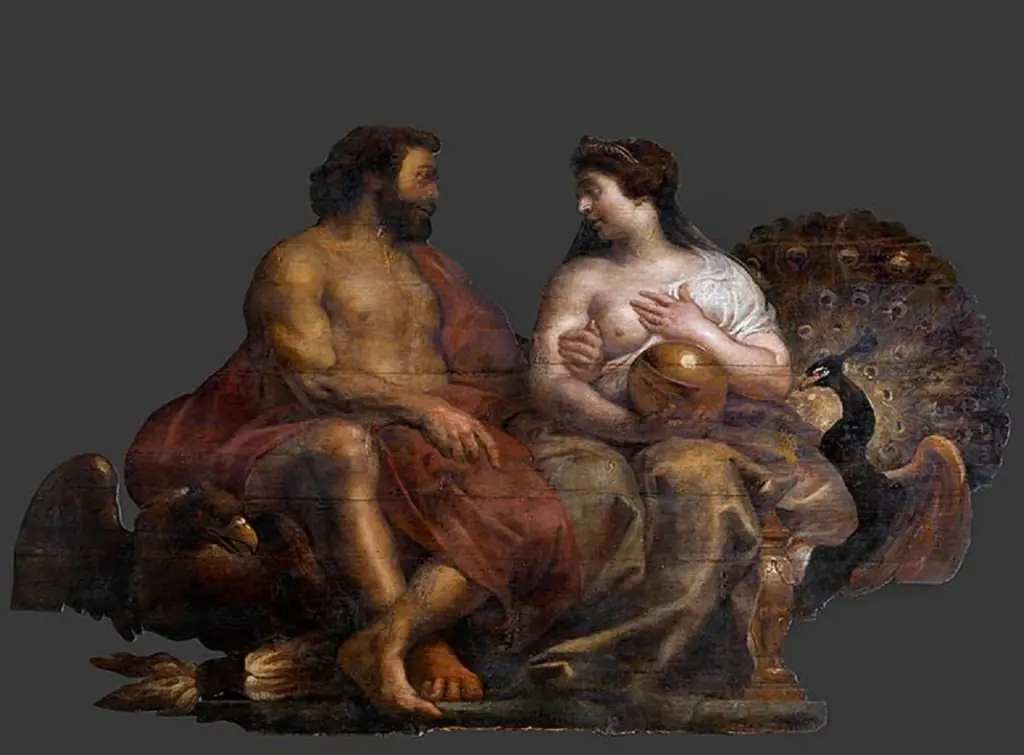 Jupiter and Juno
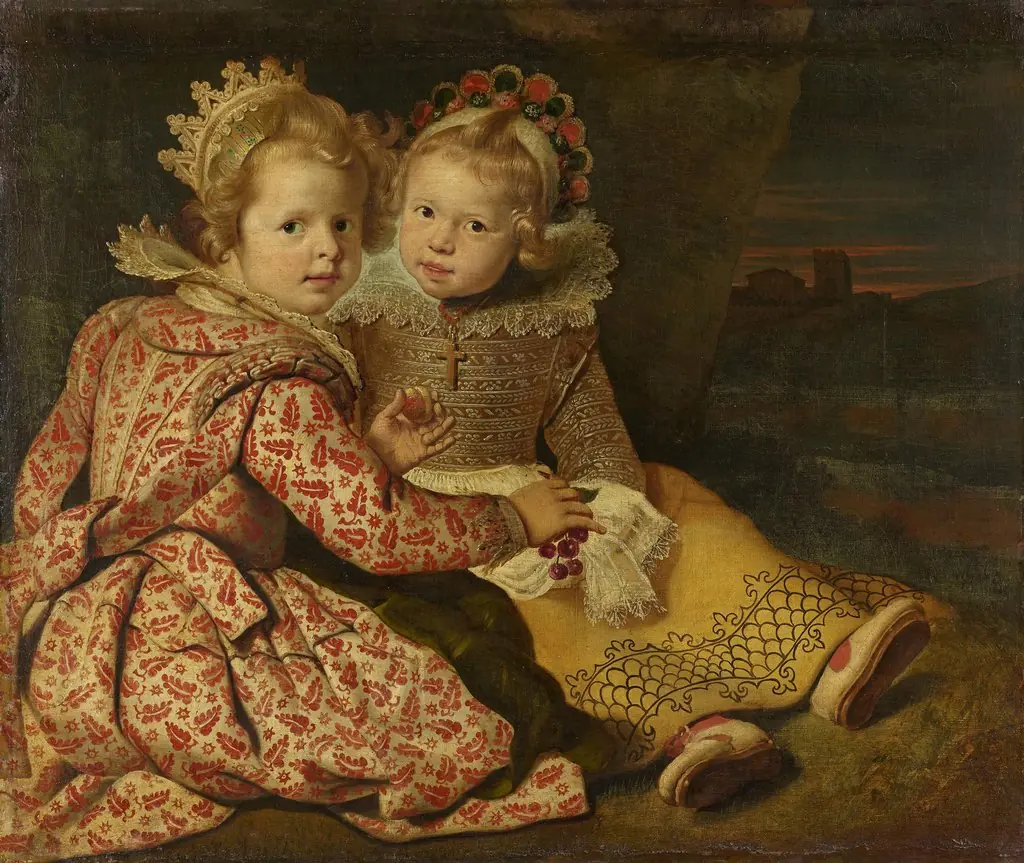 Magdalena and Jan-Baptist de Vos, Children of the Painter
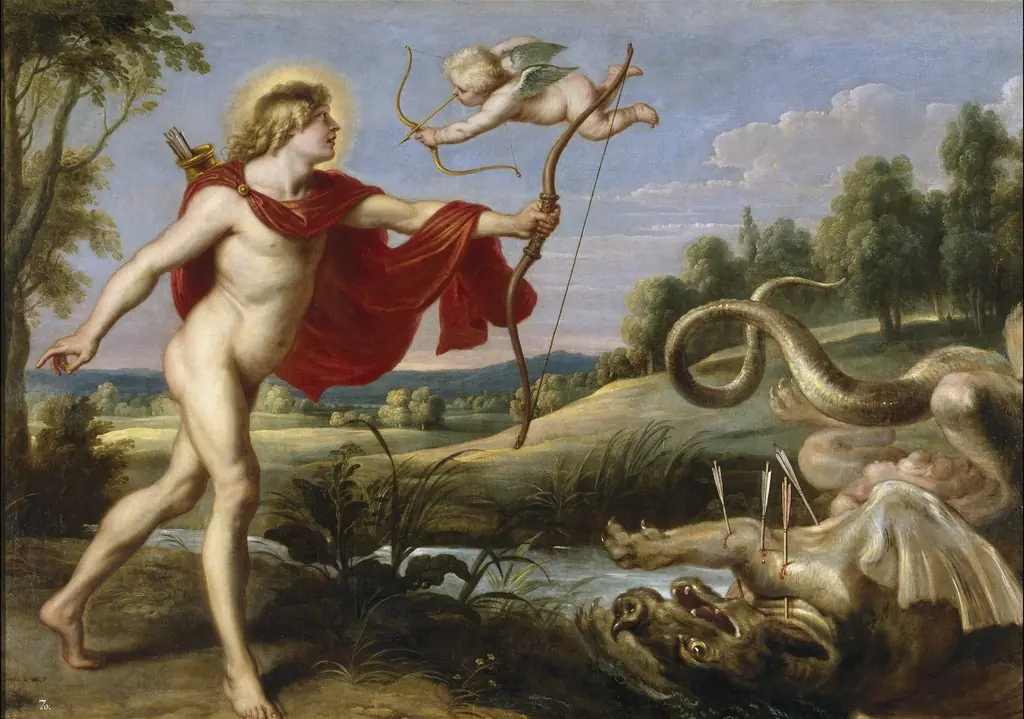 Apollo and the Python
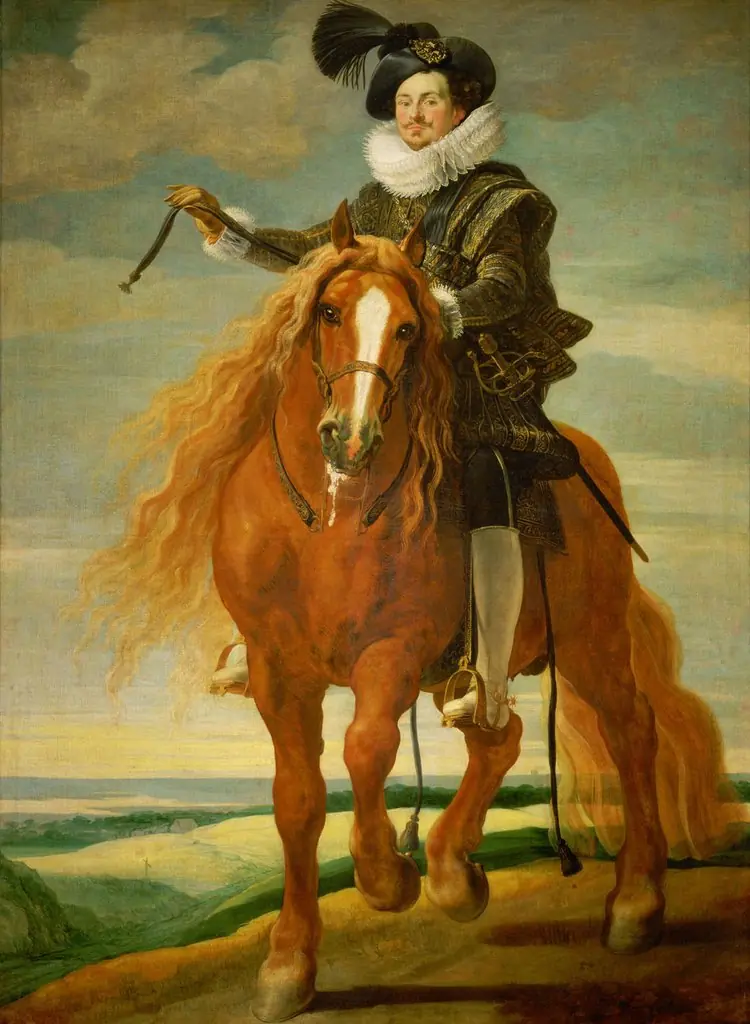 Equestrian portrait of Don Diego Messia Felipe de Guzmán, Marquis of Leganés
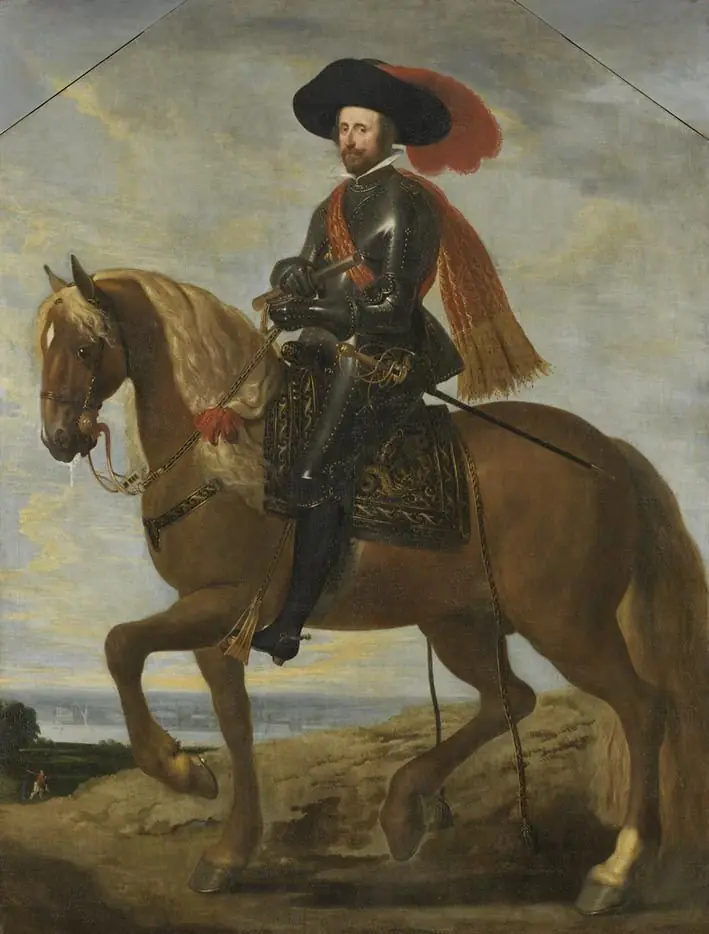 Equestrian portrait of Wolfgang Wilhelm von Pfalz-Neuburg
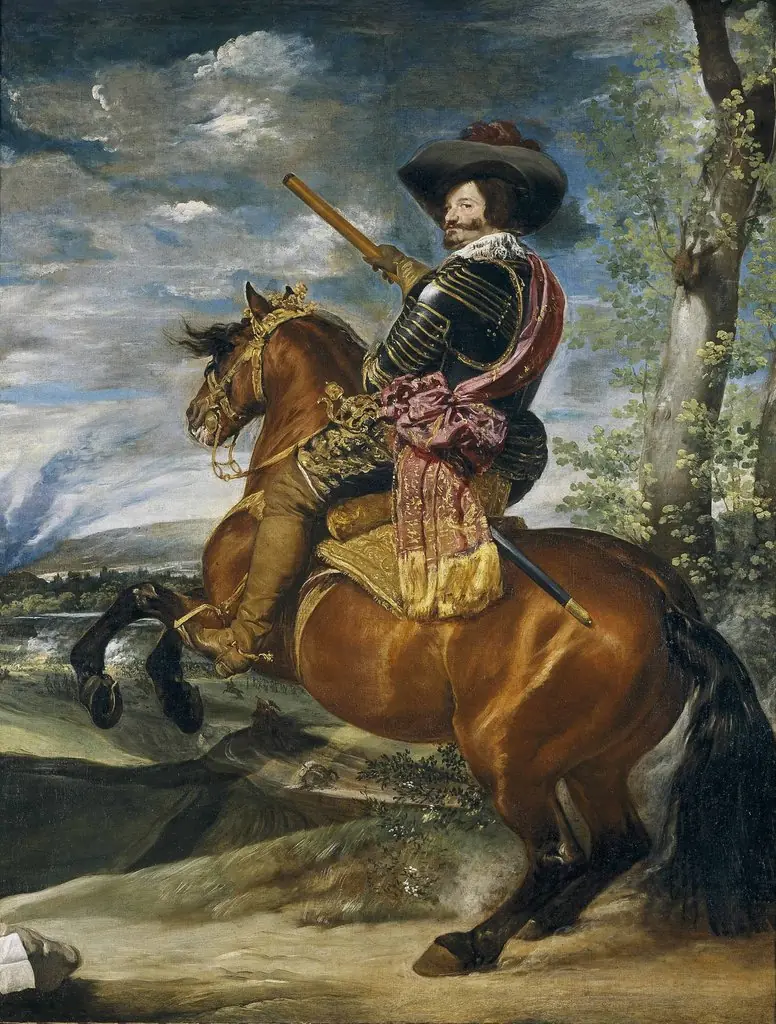 Equestrian Portrait of the Count-Duke of Olivares
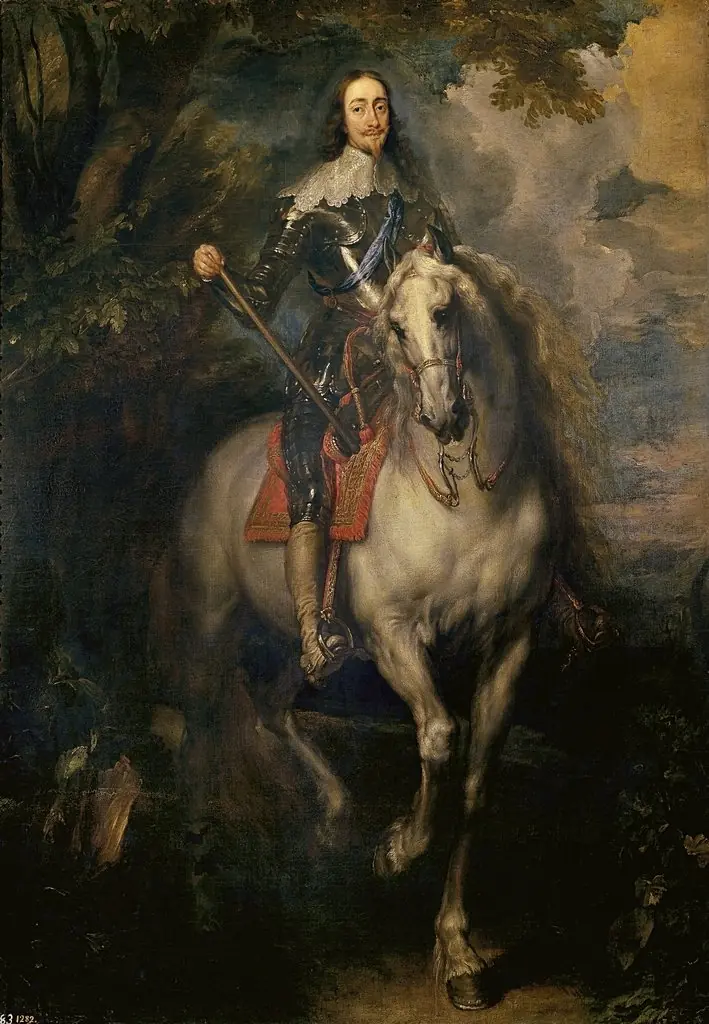 Equestrian portrait of Charles I of England
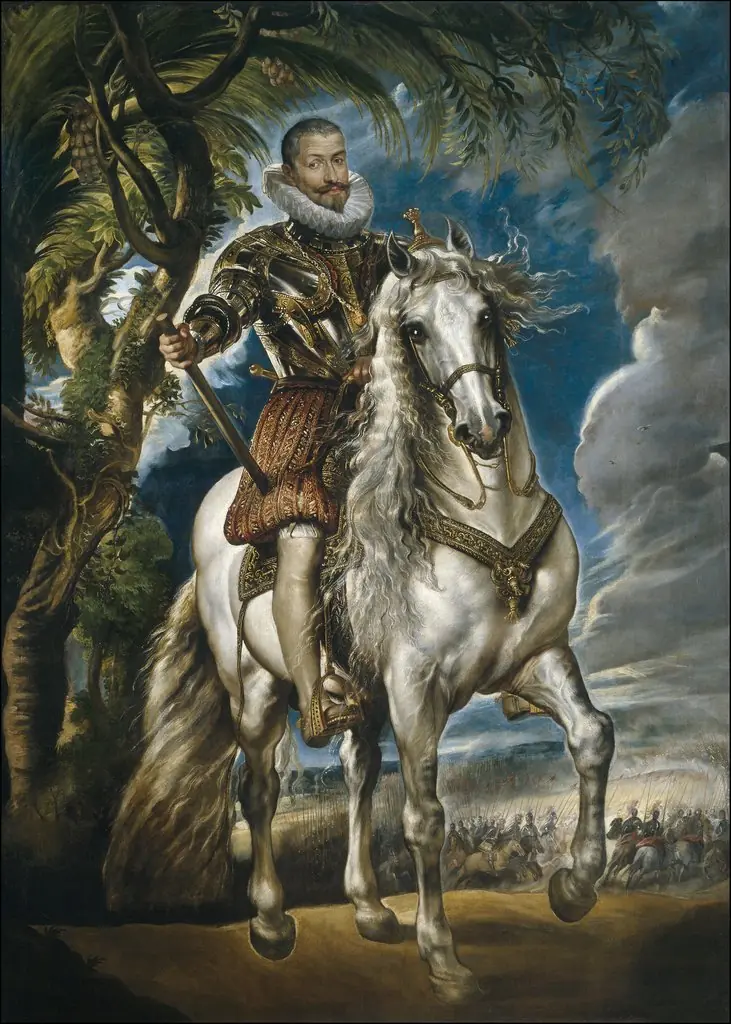 Equestrian Portrait of the Duke of Lerma
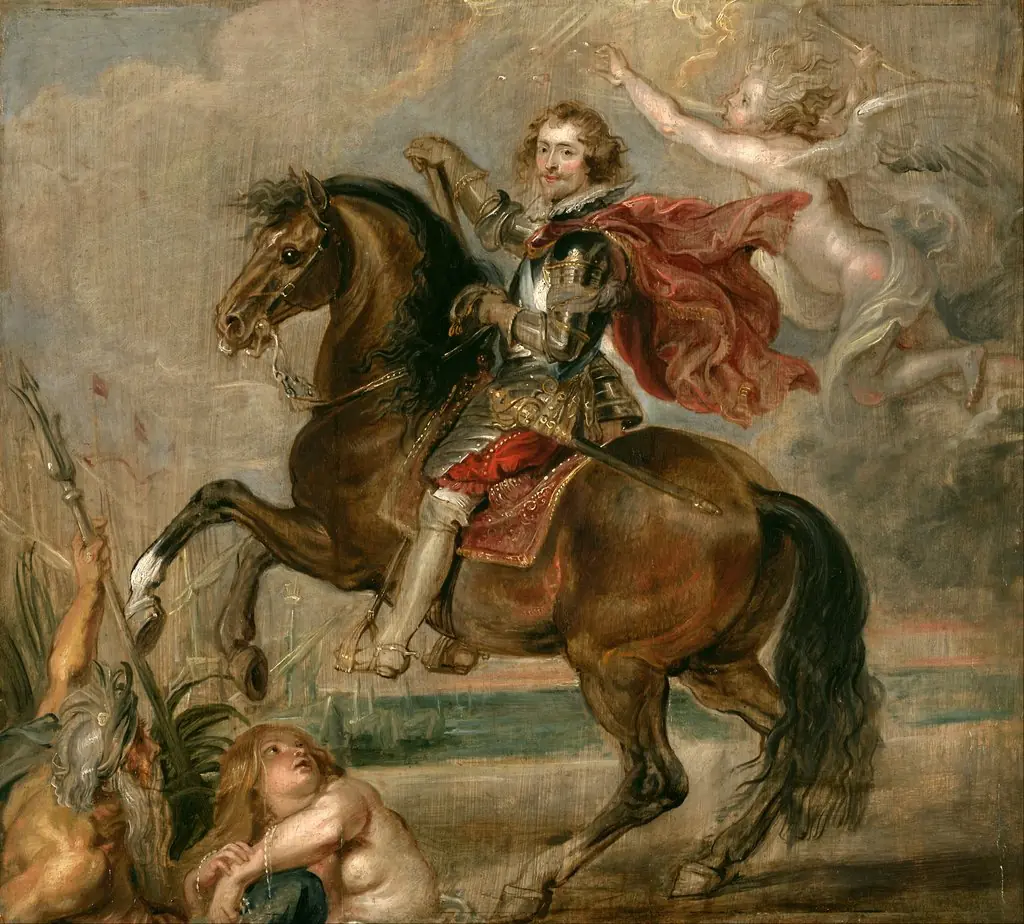 Equestrian Portrait of the Duke of Buckingham
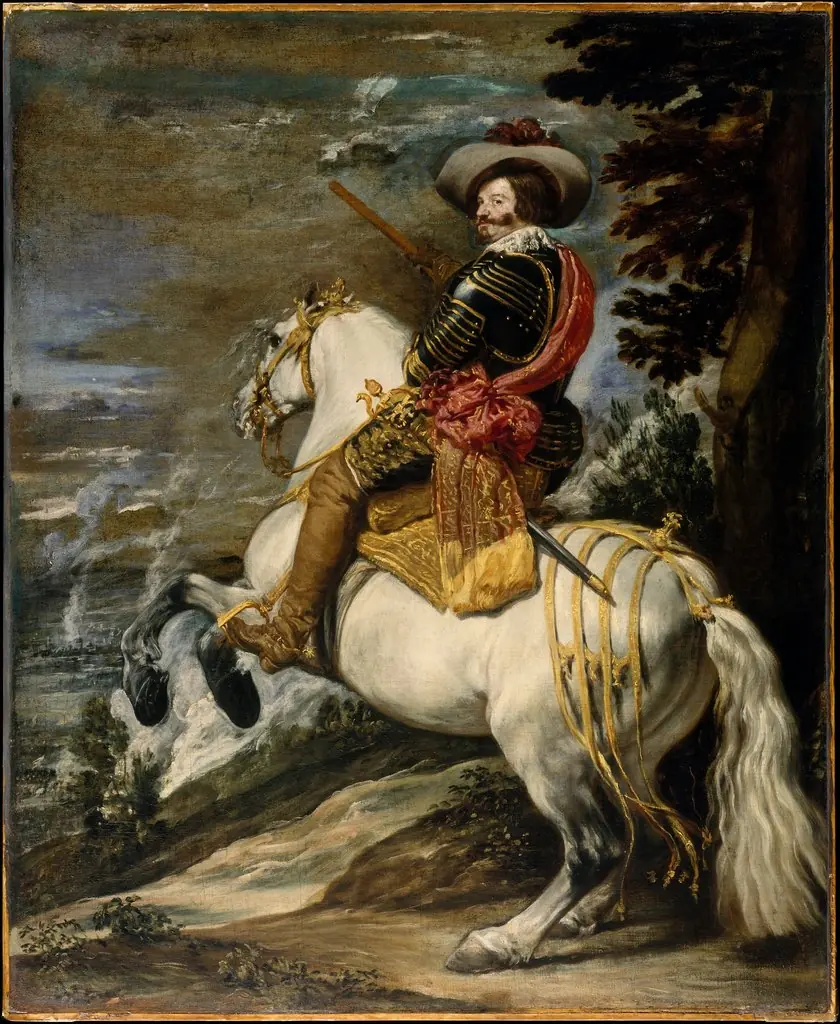 Don Gaspar de Guzmán (1587–1645), Count-Duke of Olivares
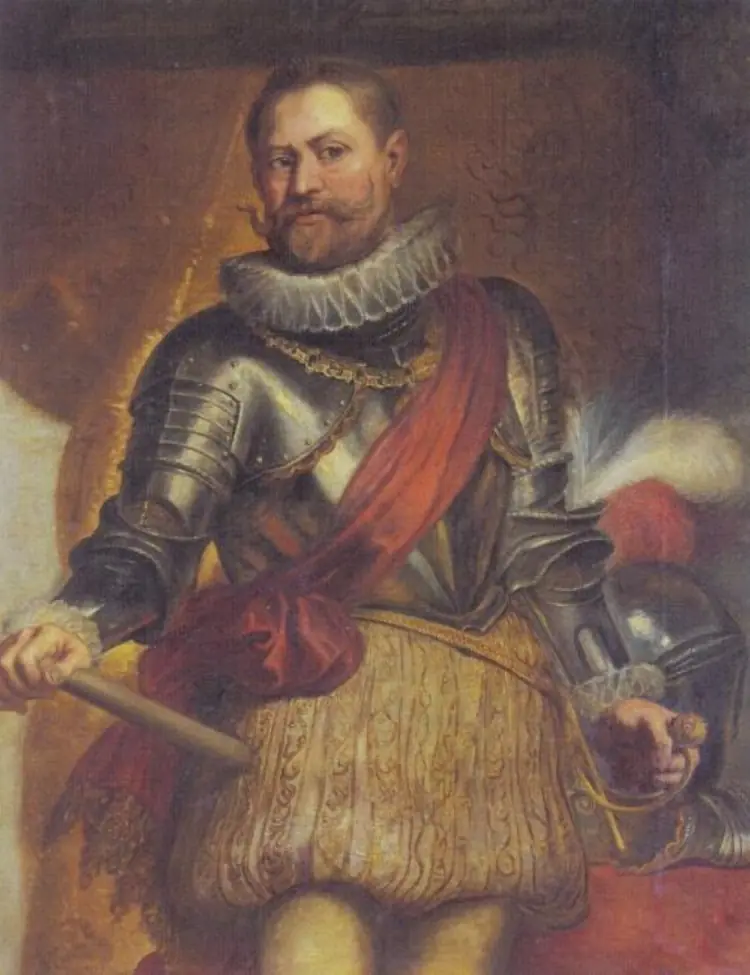 Portrait of Ernest, Archduke of Austria (1553-1595)
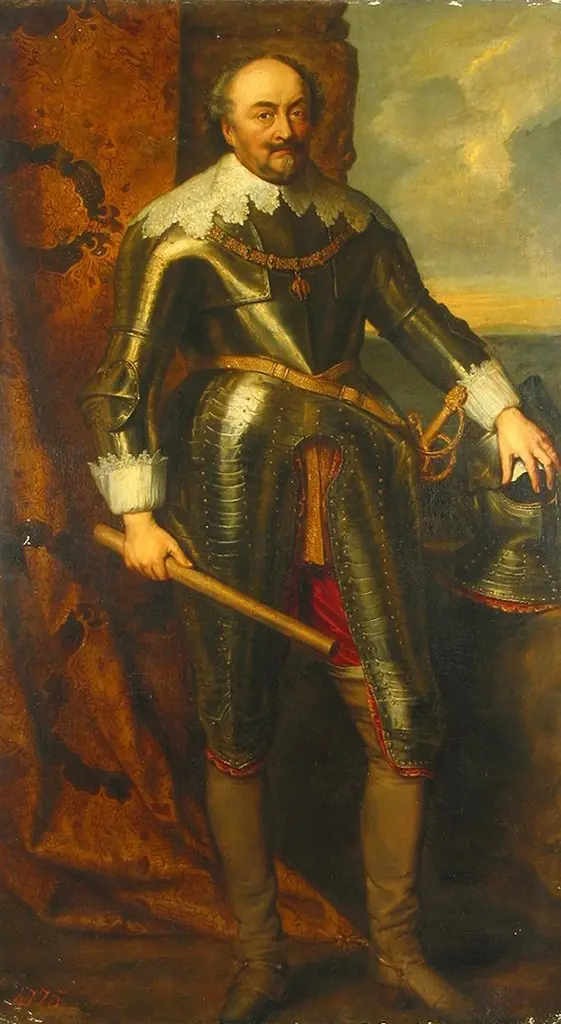 Portrait of Johan, Count of Nassau-Siegen (1583-1638)
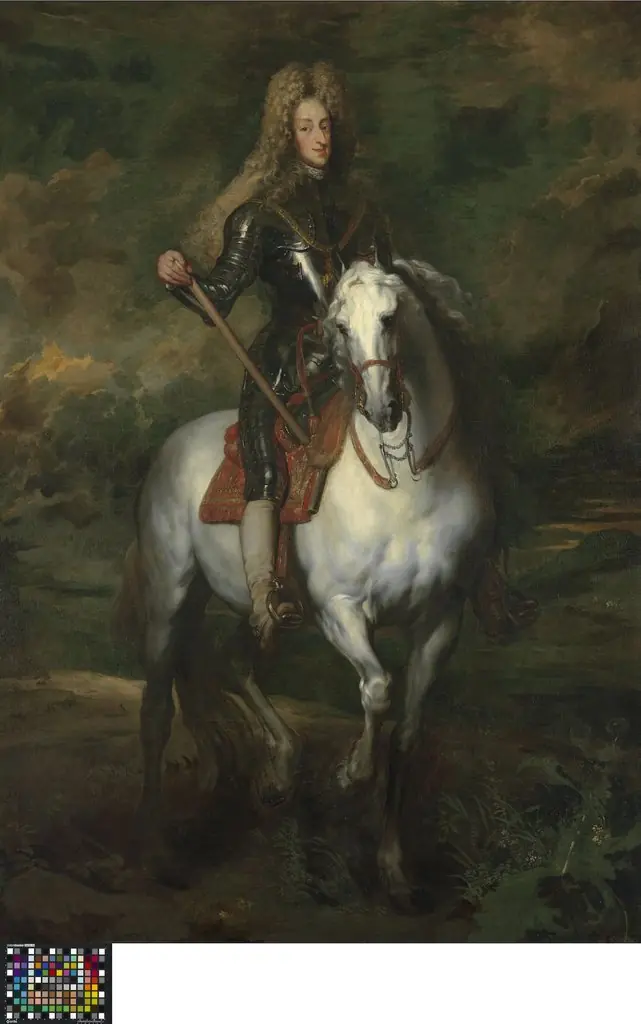 Ruiterportret van Maximiliaan Emmanuel van Beieren
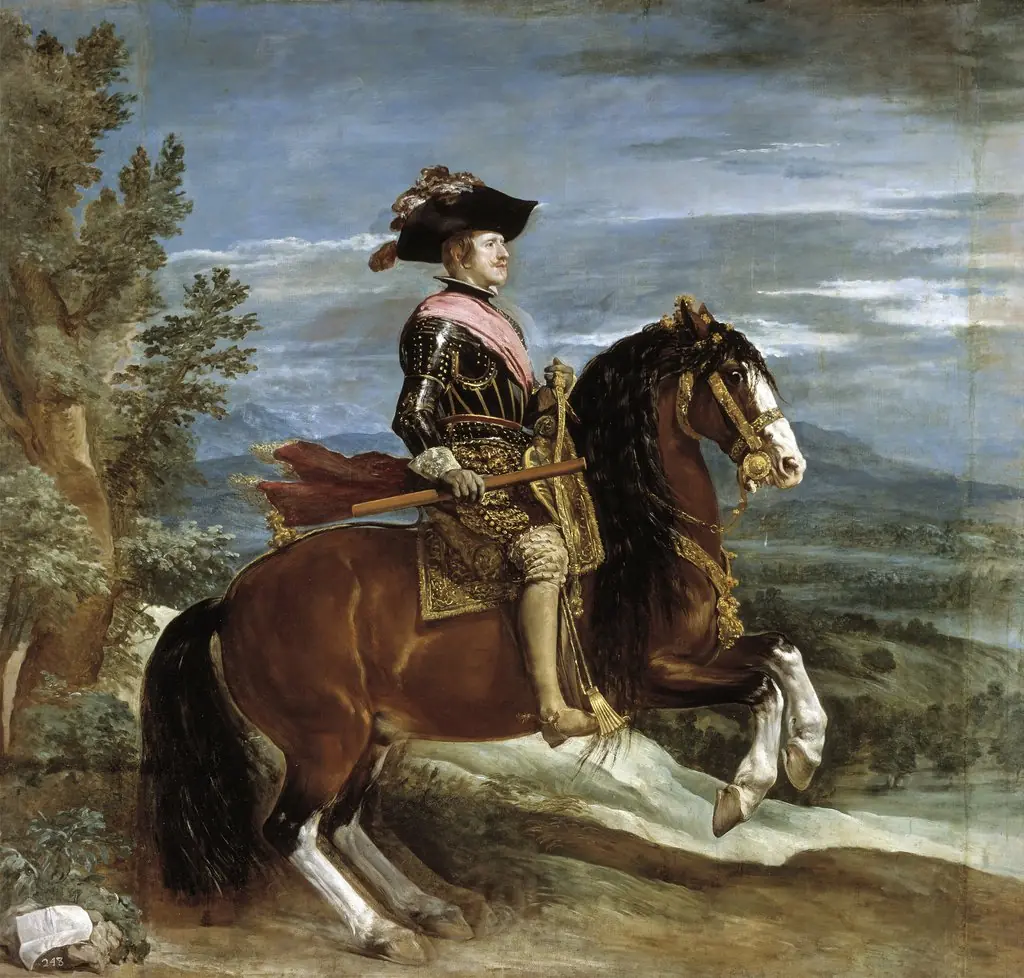 Equestrian Portrait of Philip IV
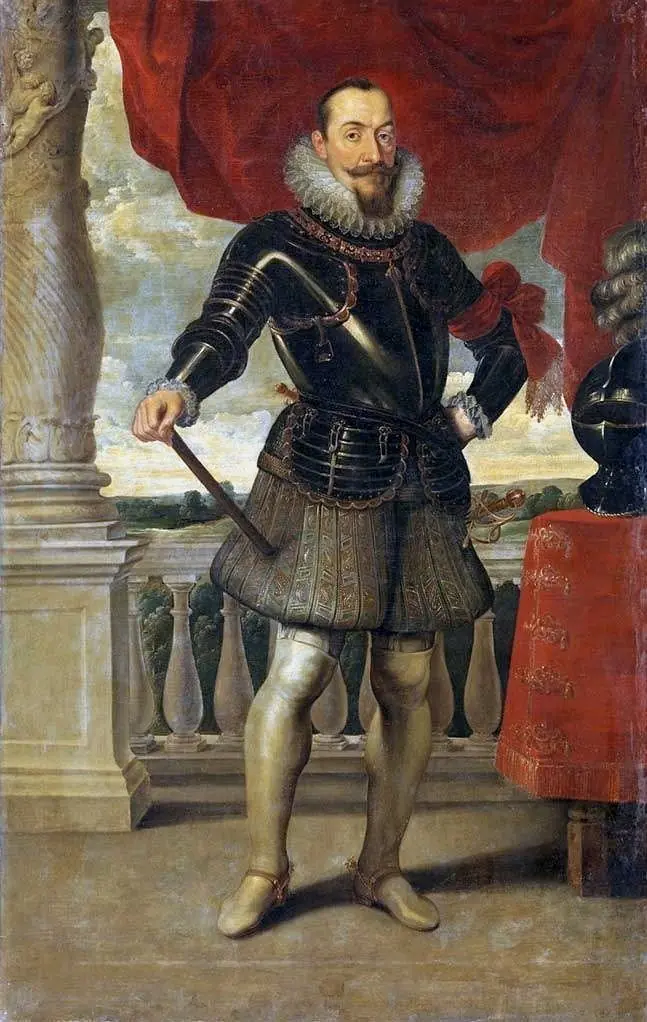 Portrait of King Sigismund III Vasa.