Artwork
Vision of Saint John of the Cross
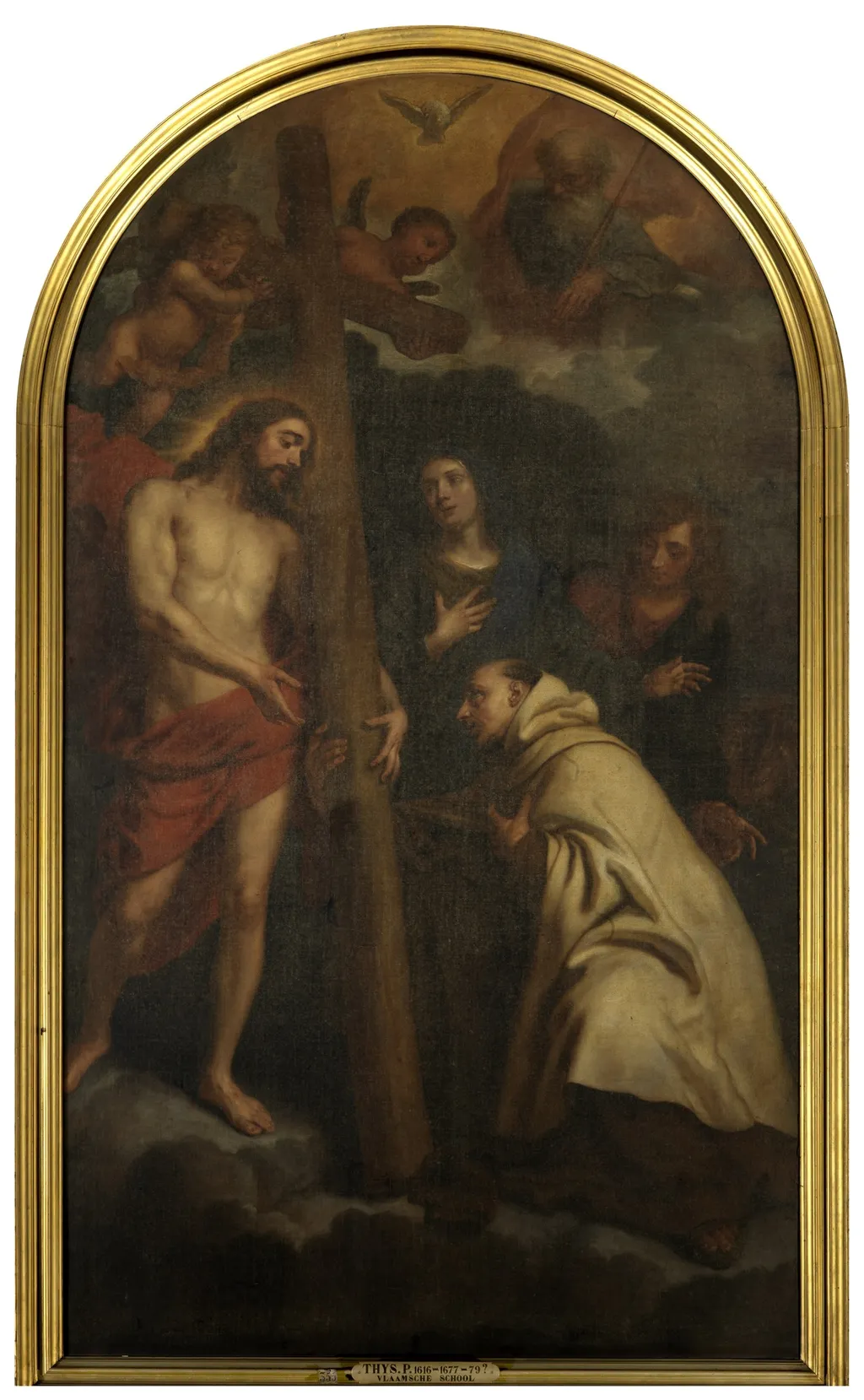
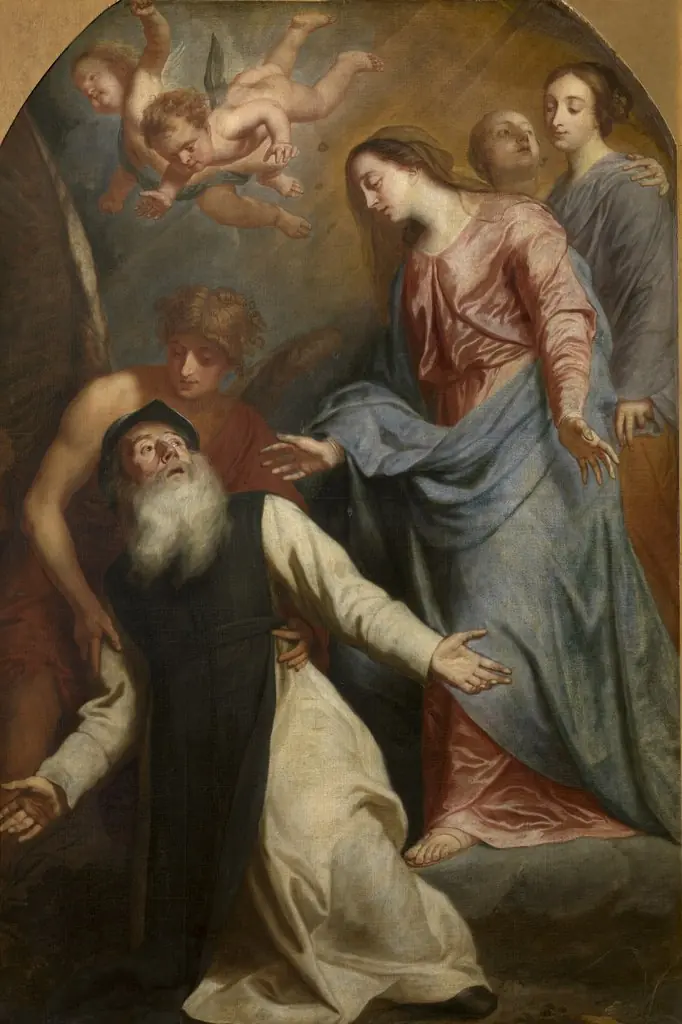
Vision of Saint John of the Cross is an oil painting by Pieter Thijs. It dates from 1656 and is held in the collection of the Royal Museum of Fine Arts Antwerp.
About this work
Overview
The painting is part of the Royal Museum of Fine Arts Antwerp’s collection, reflecting its significance within 17th-century Flemish religious art.
Painted around 1656 by Pieter Thijs, a Flemish artist based in Antwerp, this oil-on-canvas work depicts a mystical religious scene inspired by Saint John of the Cross. Thijs, trained in the tradition of Anthony van Dyck, employed a polished, courtly aesthetic to convey spiritual intensity. The painting is part of the Royal Museum of Fine Arts Antwerp’s collection, reflecting its significance within 17th-century Flemish religious art.
Subject & Meaning
The scene illustrates a vision experienced by Saint John of the Cross, a Spanish mystic and Carmelite friar. Central to the composition is the saint, depicted with long hair and beard, standing beside a cross as divine figures descend from above. A kneeling figure in white, likely representing the soul in prayer, and other observers frame the moment, emphasizing contemplation and divine revelation. The imagery aligns with Counter-Reformation ideals of personal spiritual encounter.
Technique & Style
Thijs used oil paint to achieve subtle gradations of light and shadow, enhancing the three-dimensionality of the figures. The dark, atmospheric background isolates the sacred group, directing focus to their gestures and expressions. His brushwork is refined, with delicate rendering of fabrics and textures, echoing the elegance of Van Dyck’s portraiture. The composition is carefully balanced, combining dramatic lighting with restrained emotional expression.
History & Provenance
Commissioned likely for a religious institution or private patron in Antwerp, the painting remained within Flemish collections after its completion. It entered the Royal Museum of Fine Arts Antwerp in the 19th century, where it has been preserved as part of the city’s artistic heritage. Its survival through centuries of political and religious change underscores its enduring cultural value in the region.
Context
Created during the height of the Counter-Reformation, the painting reflects the Catholic Church’s emphasis on mystical experiences as a means of spiritual renewal. Flemish artists like Thijs responded to this by producing visually rich devotional images for churches and monasteries. The influence of Italian Baroque drama, filtered through Northern European realism, shaped the work’s emotional gravity and compositional clarity.
Legacy
Though less widely known than contemporaries like Rubens, Thijs contributed to the continuity of Flemish religious painting in the mid-17th century. This work exemplifies how courtly refinement and devotional subject matter were fused in Antwerp’s artistic milieu. It remains a quiet but significant witness to the spiritual and aesthetic priorities of its time, preserved for study and reflection in a major public collection.
Artist & collection
Artist
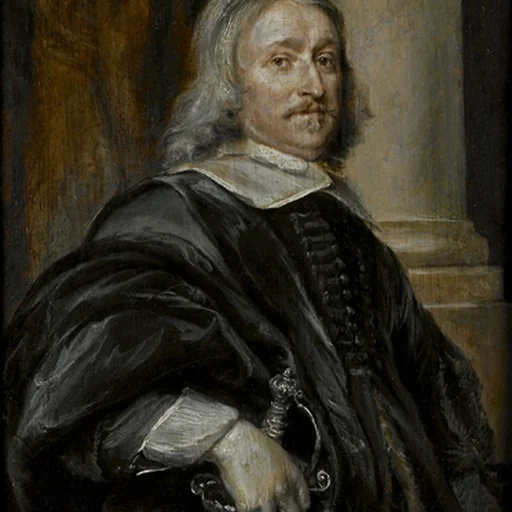
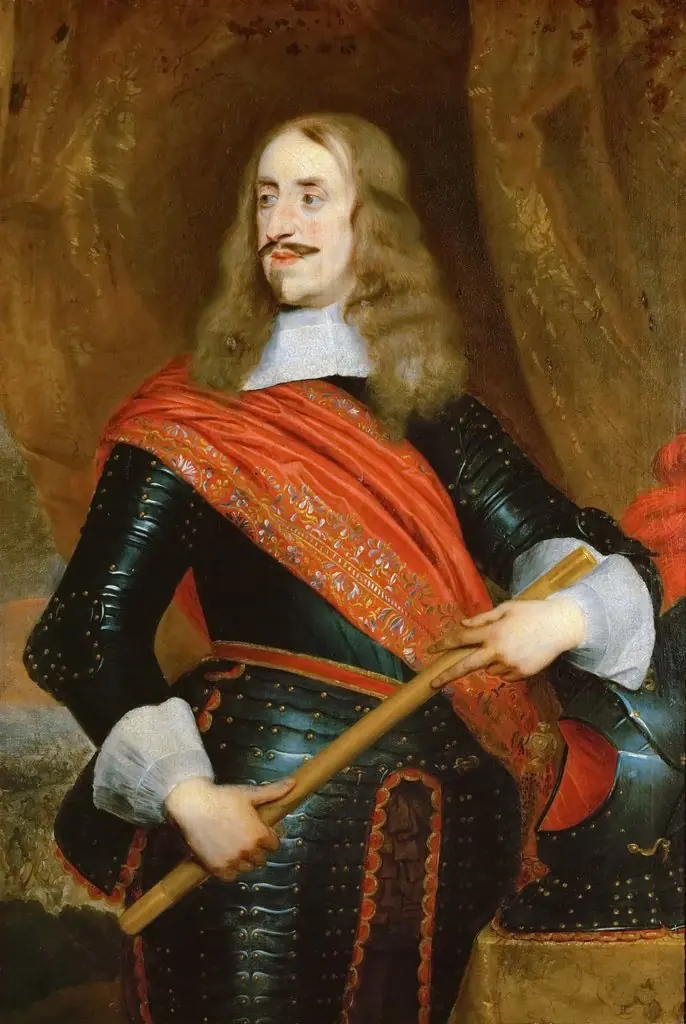
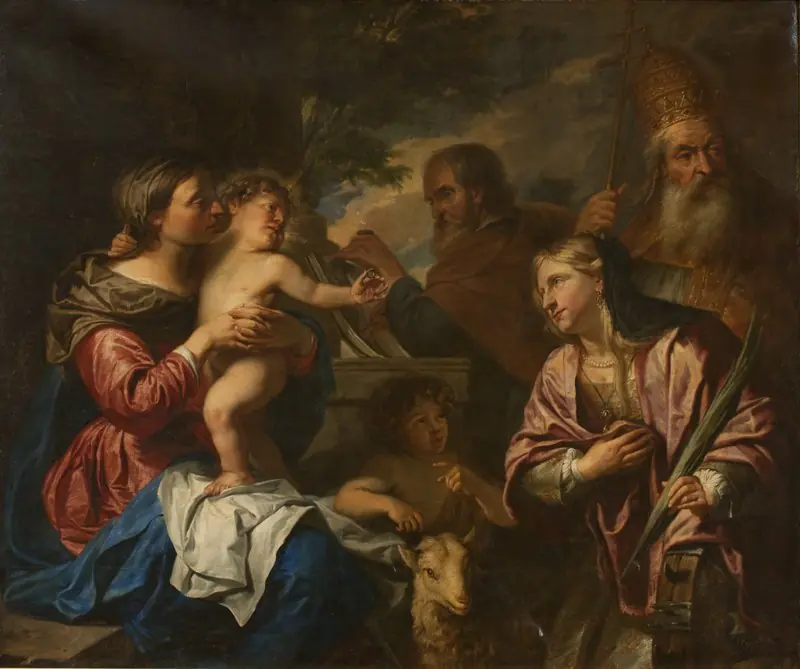
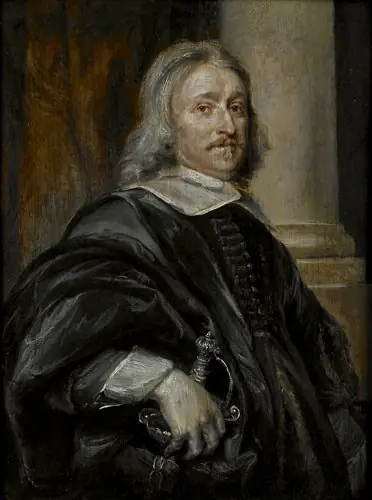
Pieter Thijs, Peter Thijs or Pieter Thys (1624 in Antwerp – 1677 in Antwerp) was a Flemish painter of portraits as well as religious and history paintings.

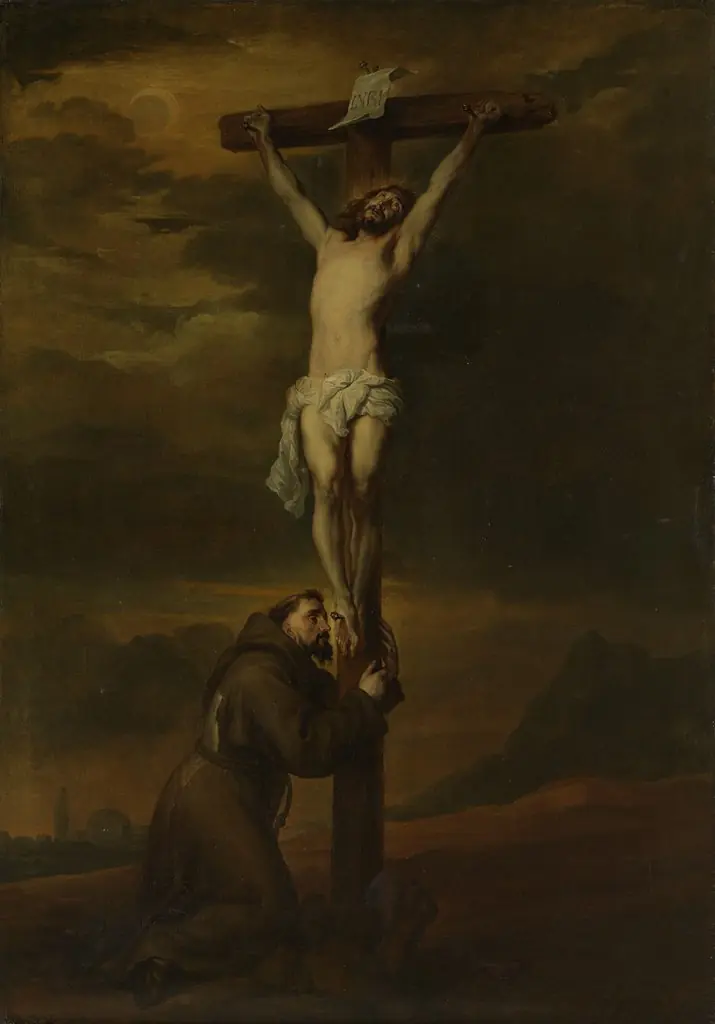 St Francis at the foot of the cross
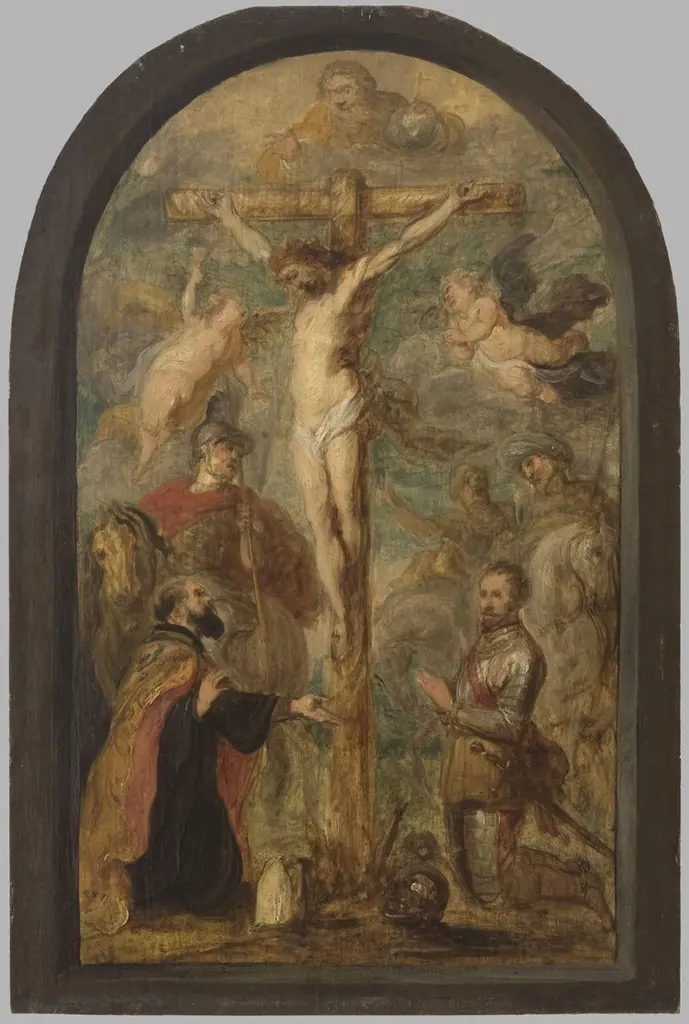 The Crucifixion, with a Bishop, a Saint, and a Donor in Armor
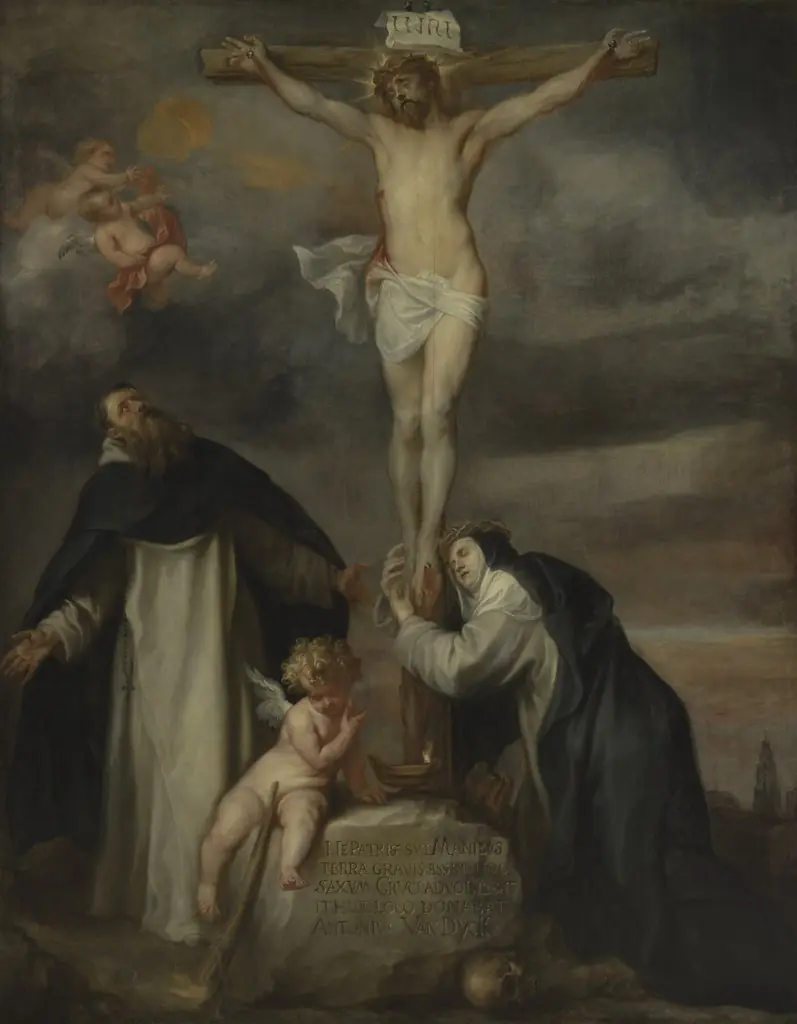 Christ on the Cross with Saint Catherine of Siena, Saint Dominic and an Angel
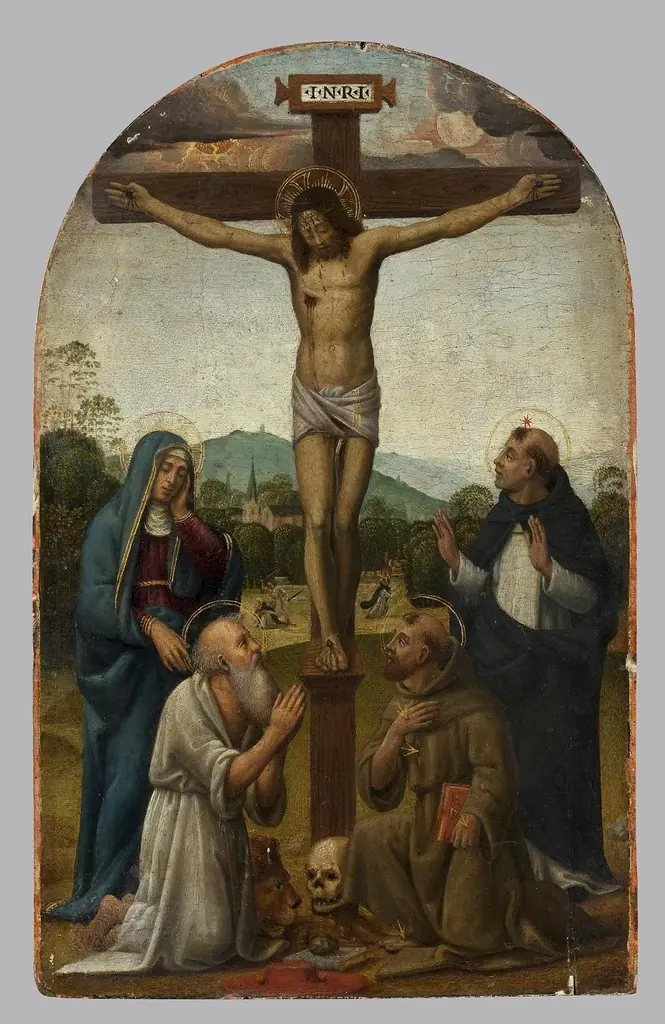 Crusifixion with the Virgin Mary and Sts Dominic, Jerome and Francis
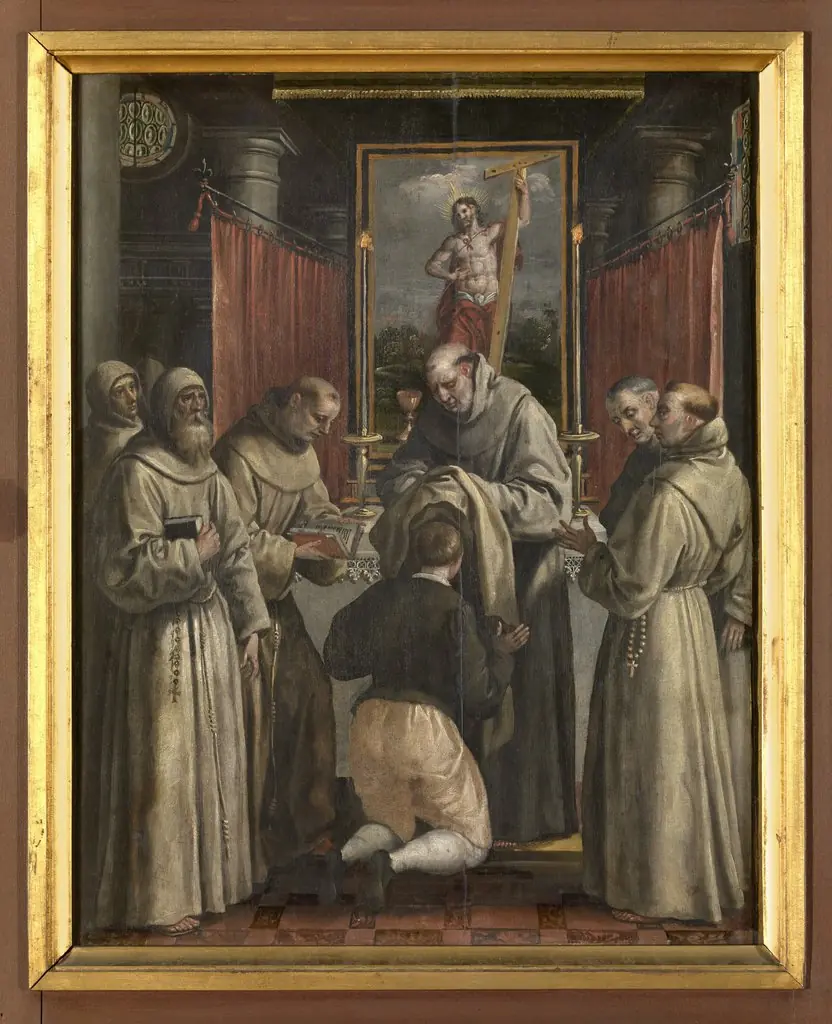 The Story of Saint Didacus of Alcalà
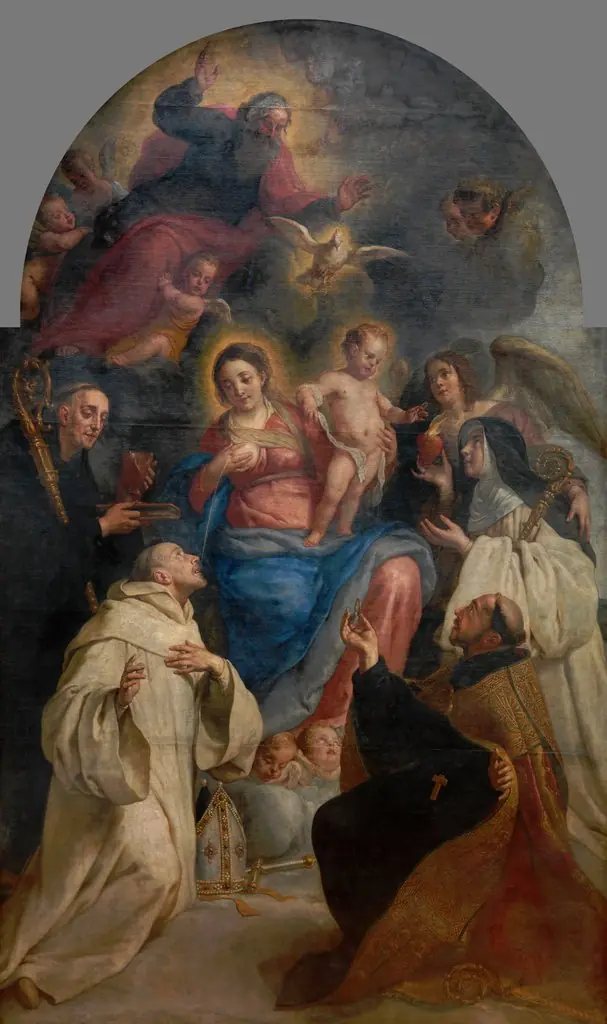 Lactatio of Saint Bernard of Clairvaux
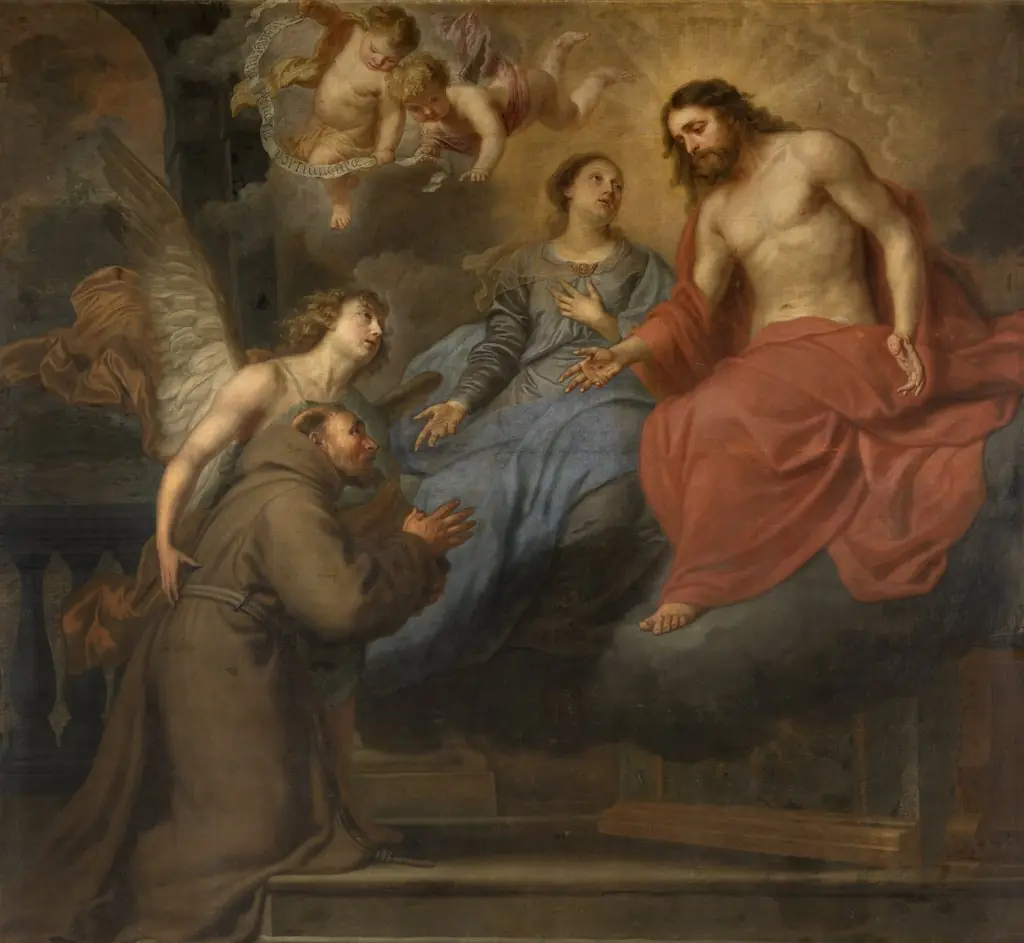 Portiuncula
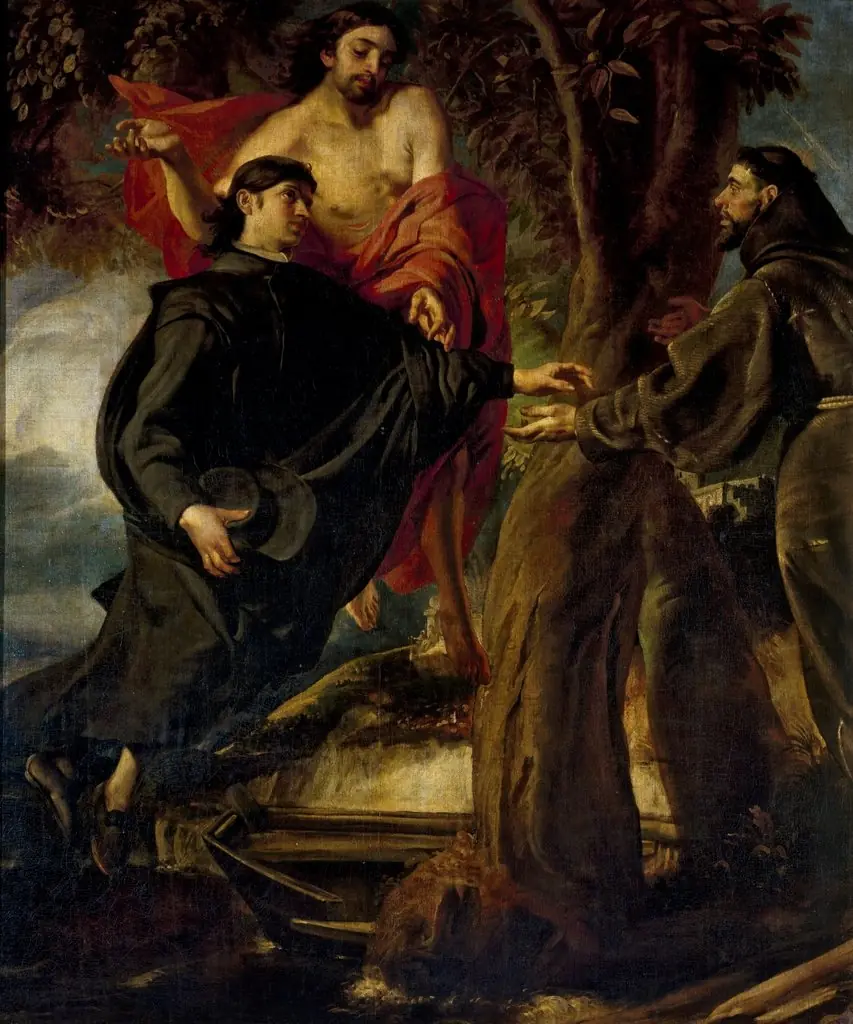 Passage from the Life of Saint Francis
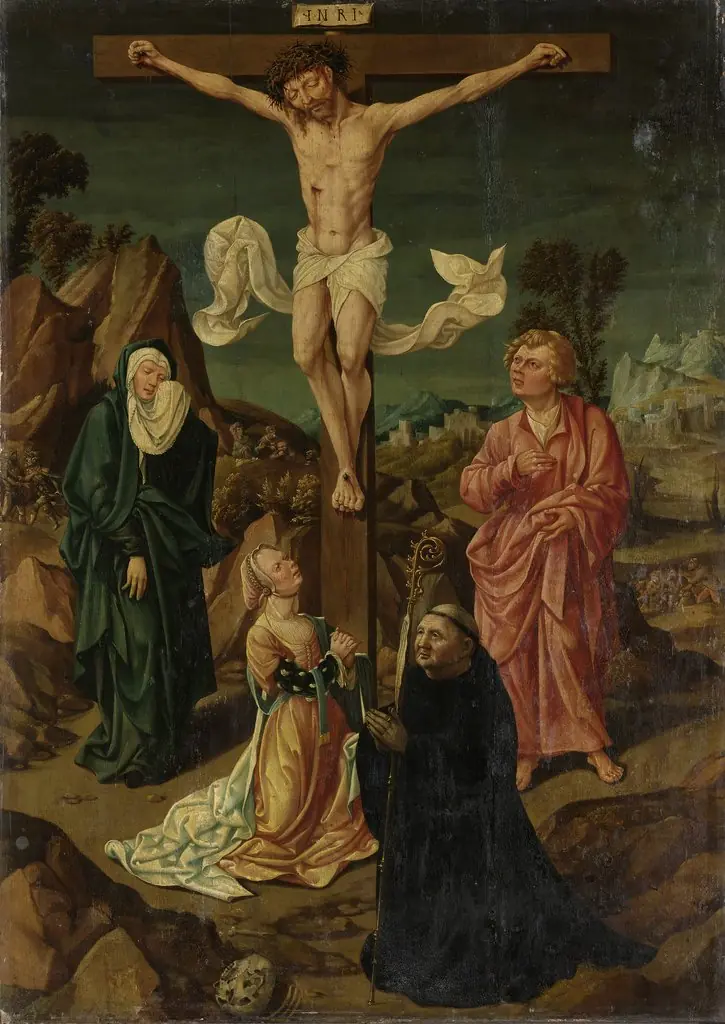 Crucifixion with the Virgin, Saint John, Mary Magdalene, a Donor
 The Coronation of the Virgin
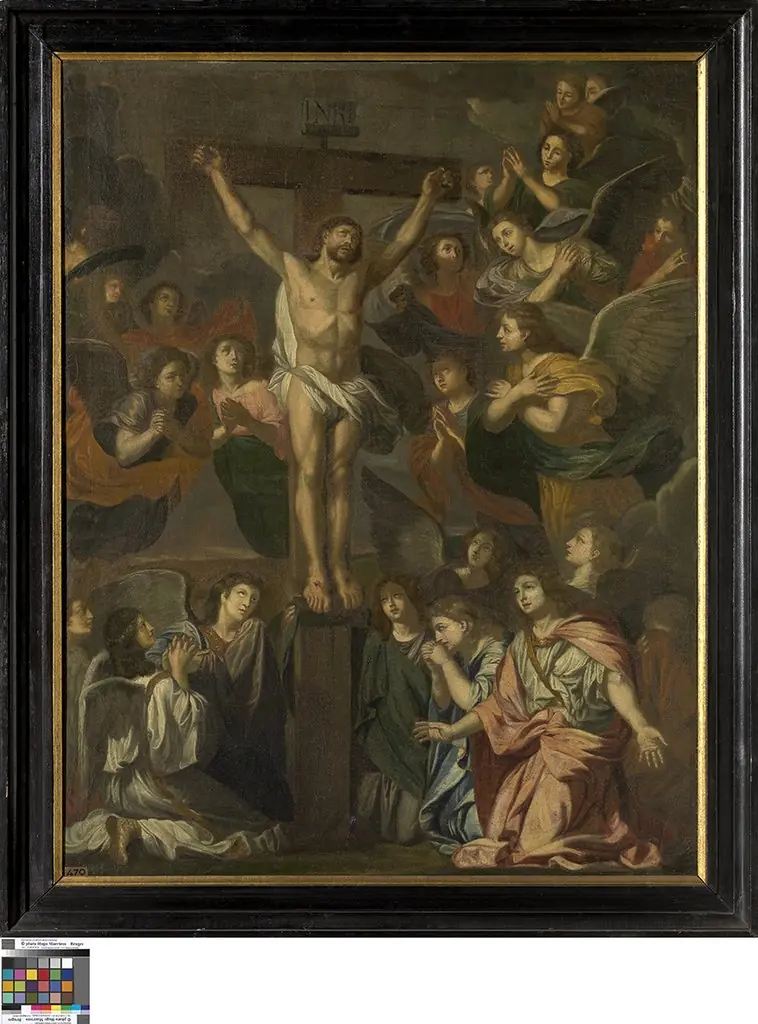 Christ on the cross surrounded by angels
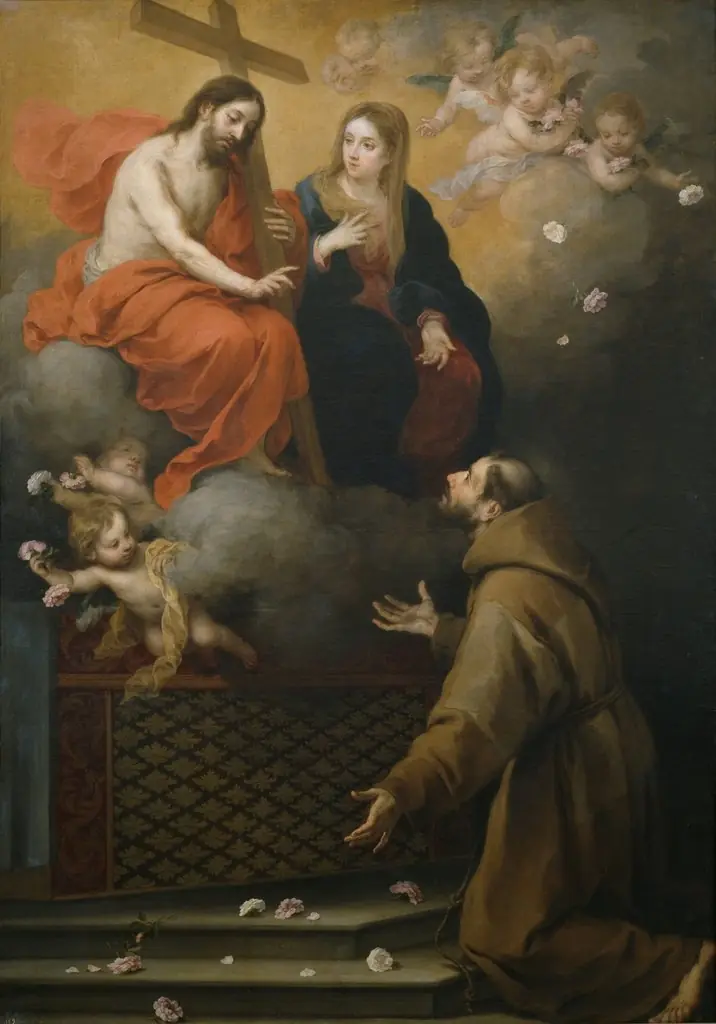 The Vision of Saint Francis in the Portiuncula