Artwork
Passage from the Life of Saint Francis
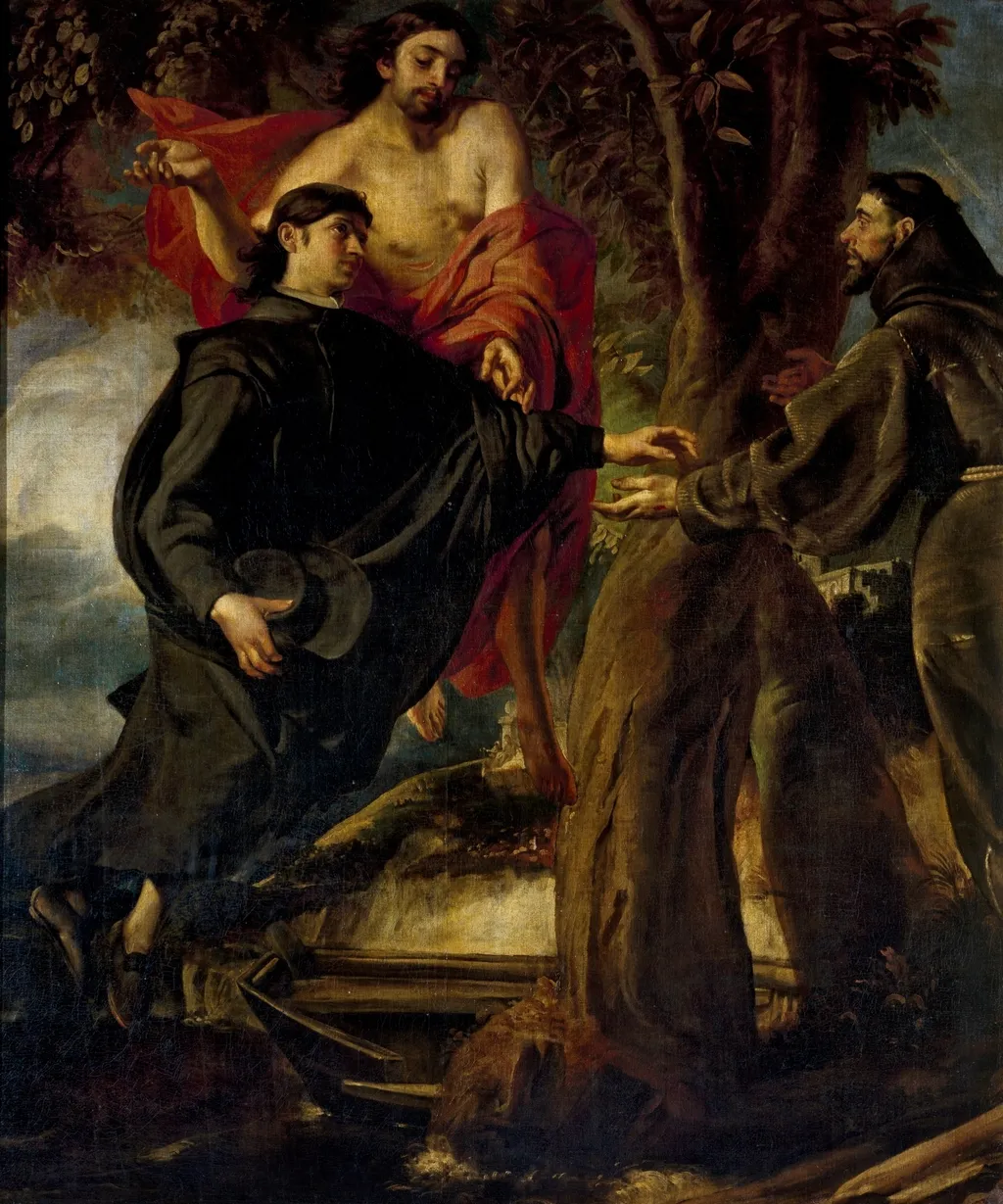
Passage from the Life of Saint Francis is an oil painting by Juan Martín Cabezalero. It is held in the collection of the Museo del Prado.
About this work
Overview
The composition centers on three male figures arranged in a quiet, intimate grouping, with lighting and posture suggesting a moment of spiritual encounter.
Painted in 1675 by Juan Martín Cabezalero, this oil work illustrates a moment from the life of Saint Francis of Assisi. It is part of the permanent collection at the Museo del Prado in Madrid. The composition centers on three male figures arranged in a quiet, intimate grouping, with lighting and posture suggesting a moment of spiritual encounter. The painting reflects the devotional themes common in Spanish Baroque art of the period.
Subject & Meaning
The scene depicts Saint Francis, identifiable by his simple robe and the presence of a nude figure, likely representing a penitent or a symbol of humility, standing behind him. The figure on the right, possibly a companion or disciple, reaches toward Francis’s hand—an act suggesting blessing, guidance, or spiritual transmission. The nudity may allude to the renunciation of worldly goods, a core tenet of Francis’s teachings, reinforcing the theme of spiritual purity.
Technique & Style
Cabezalero employs chiaroscuro to model the figures with dramatic light and shadow, enhancing their three-dimensionality and emotional gravity. The light falls selectively on faces and outstretched hands, drawing attention to the moment of contact. Dark, muted robes contrast with the pale skin of the nude figure, creating visual tension. The background, rendered with loose brushwork, recedes into a hazy sky and trees, focusing attention on the central interaction.
History & Provenance
The painting entered the Museo del Prado’s collection in the 19th century, having likely been acquired from a Spanish religious institution. Its attribution to Cabezalero, a lesser-known Madrid-based painter active in the late 17th century, is supported by stylistic comparisons with his other documented works. No significant alterations or restorations are recorded, preserving its original surface and tonal balance.
Context
Created during the height of Spanish Counter-Reformation devotion, the painting aligns with efforts to visualize sacred lives with emotional immediacy. While grand altarpieces dominated church spaces, smaller devotional works like this one were intended for private contemplation. Cabezalero’s restrained composition and focus on human gesture reflect the influence of Caravaggisti and Spanish naturalism, adapting Italian innovations to local spiritual needs.
Legacy
Though not widely exhibited outside Spain, the painting remains a representative example of late 17th-century Spanish religious art. It contributes to the understanding of how devotional narratives were rendered with psychological subtlety rather than theatrical spectacle. Cabezalero’s work, including this piece, continues to inform scholarly studies on regional Baroque practices beyond the major artistic centers.
Own this work as a print
Artist & collection

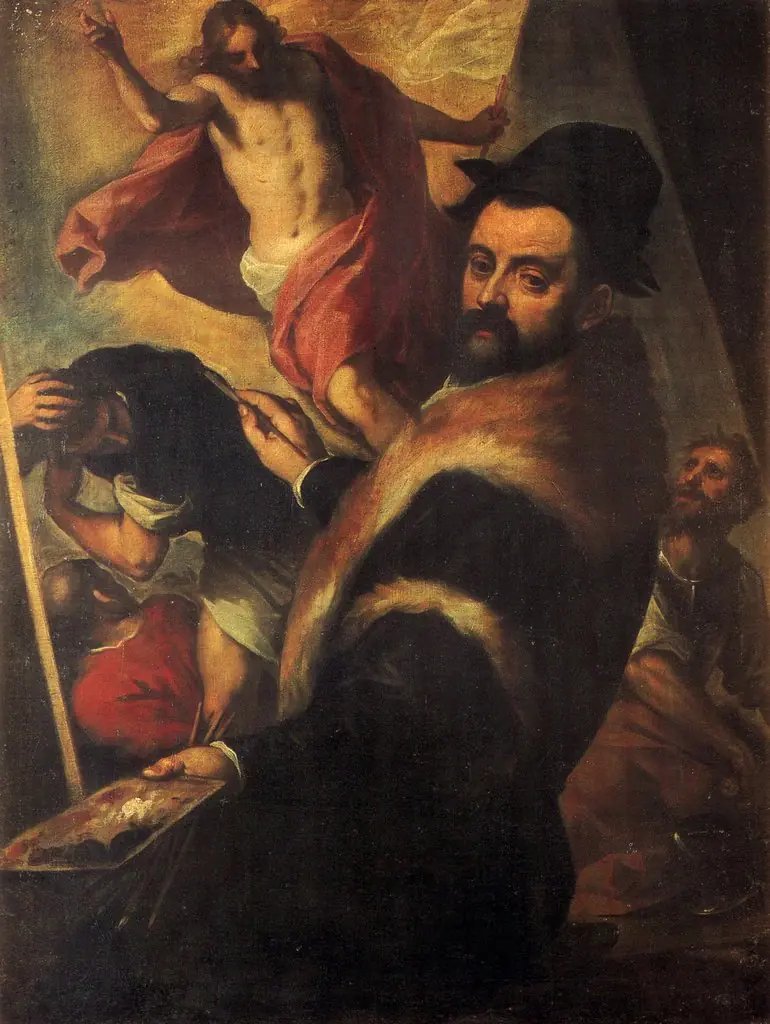 Self-portrait
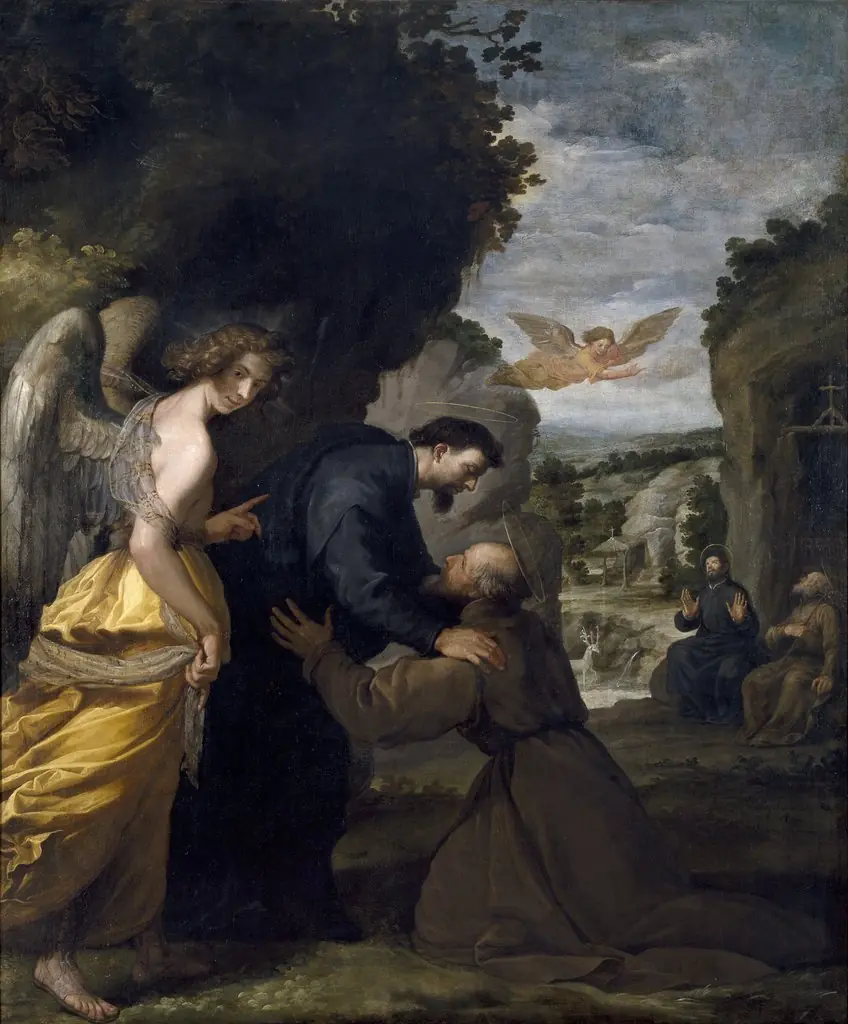 Encuentro de San Juan de Mata y San Félix de Valois
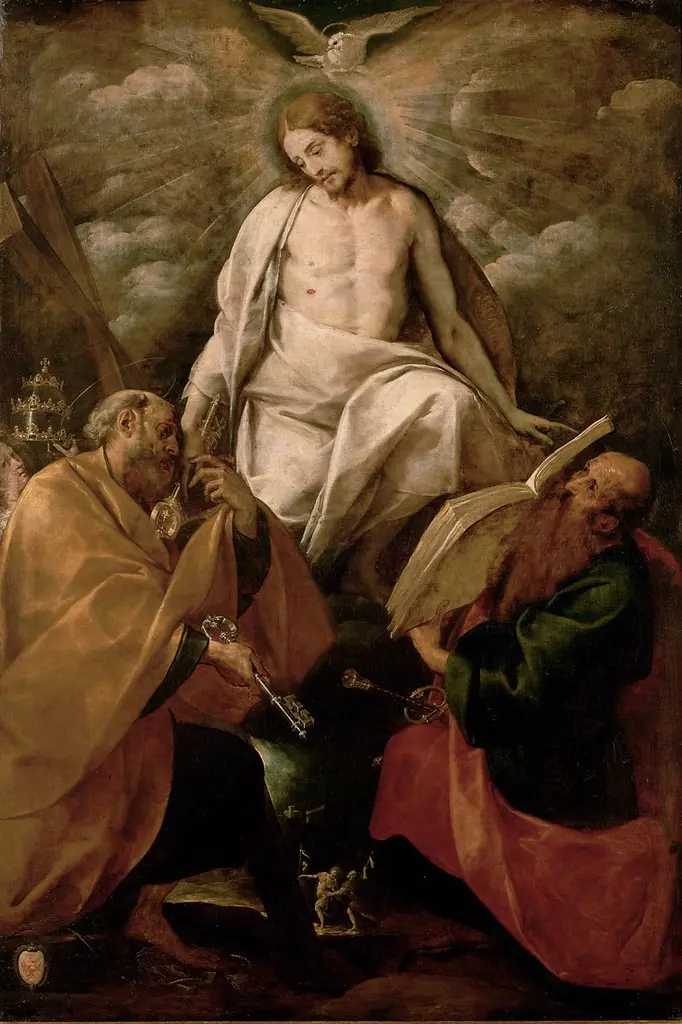 Christ appears to the apostles Peter and Paul
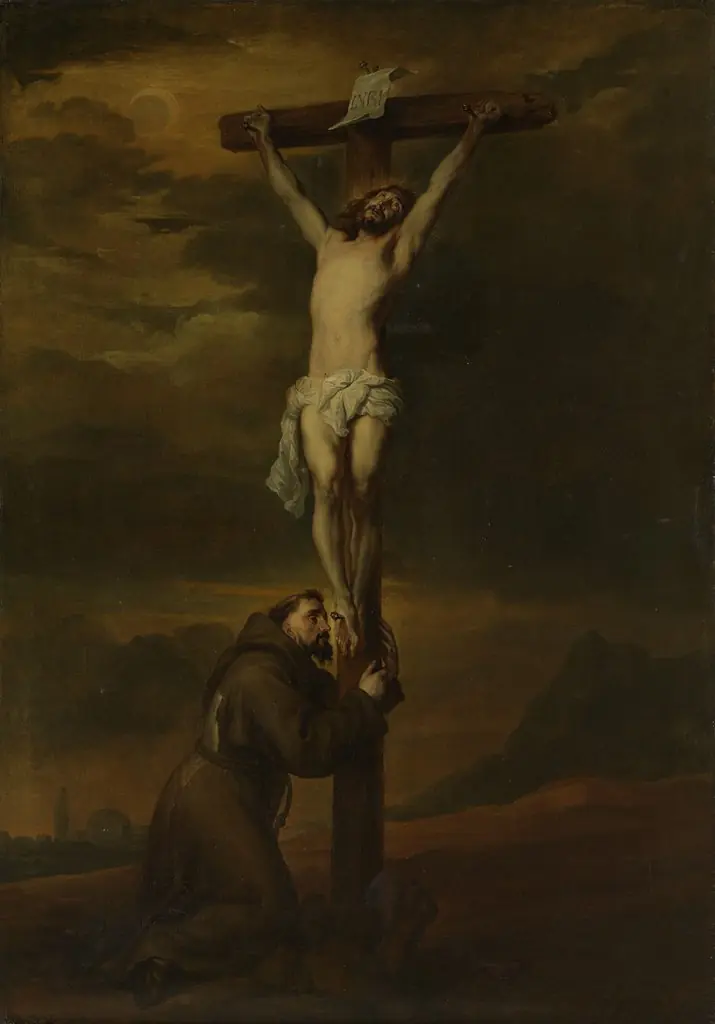 St Francis at the foot of the cross
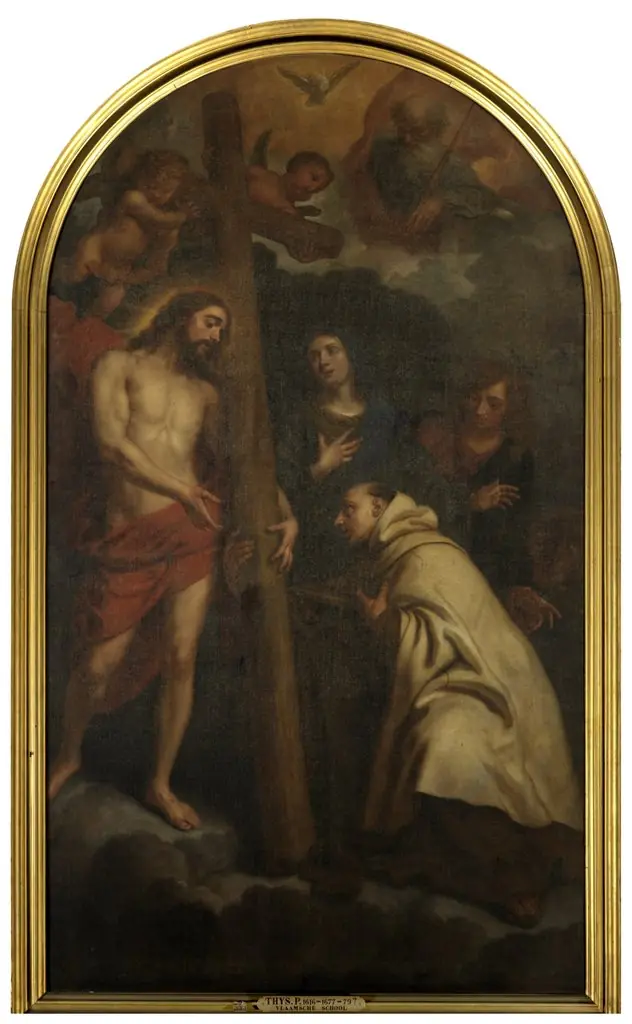 Vision of Saint John of the Cross
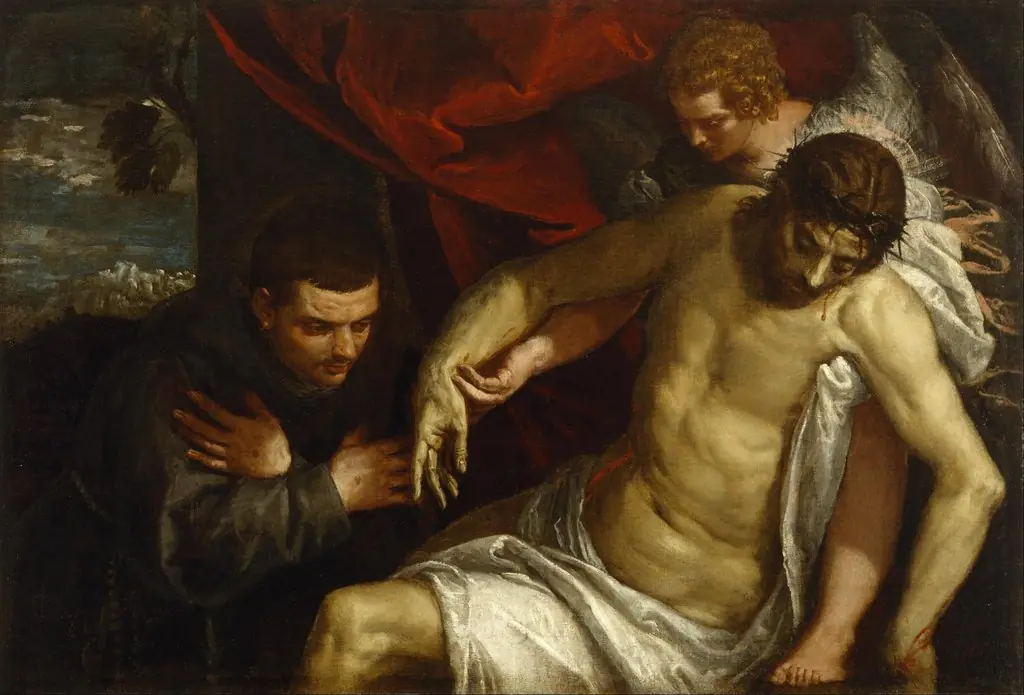 The Dead Christ Supported by an Angel and Adored by a Franciscan
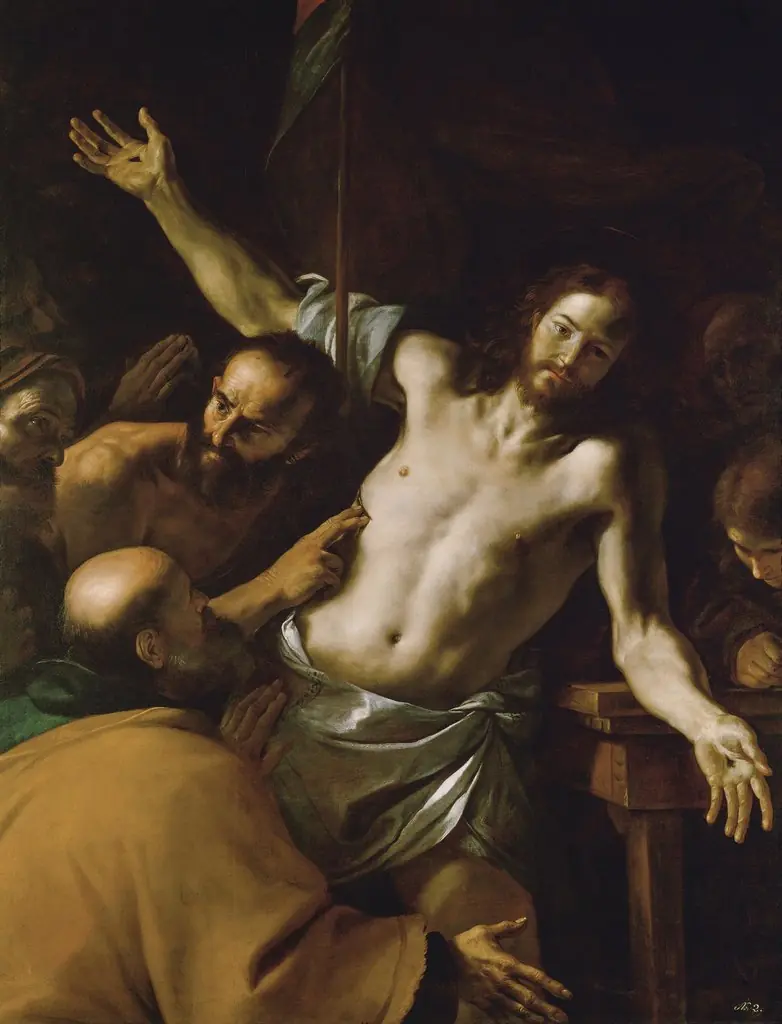 Doubting Thomas
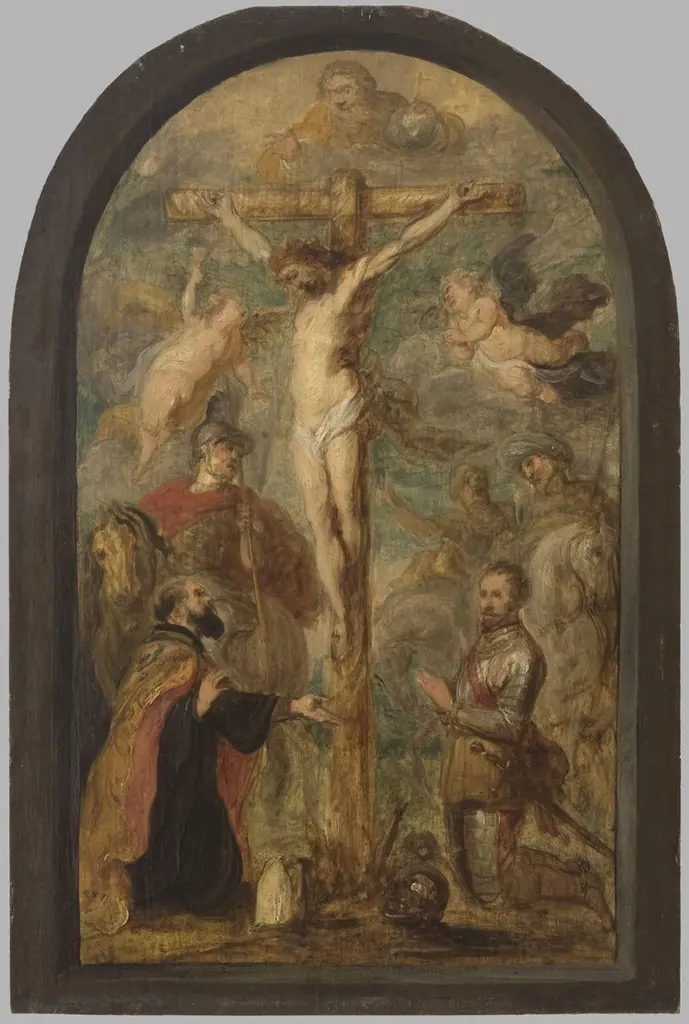 The Crucifixion, with a Bishop, a Saint, and a Donor in Armor
 Portiuncula
 Christ on the Cross with Saint Catherine of Siena, Saint Dominic and an Angel
 Baptism of Christ
 Saint Francis