Artwork
Madonna and Child, St John the Baptist and Angels
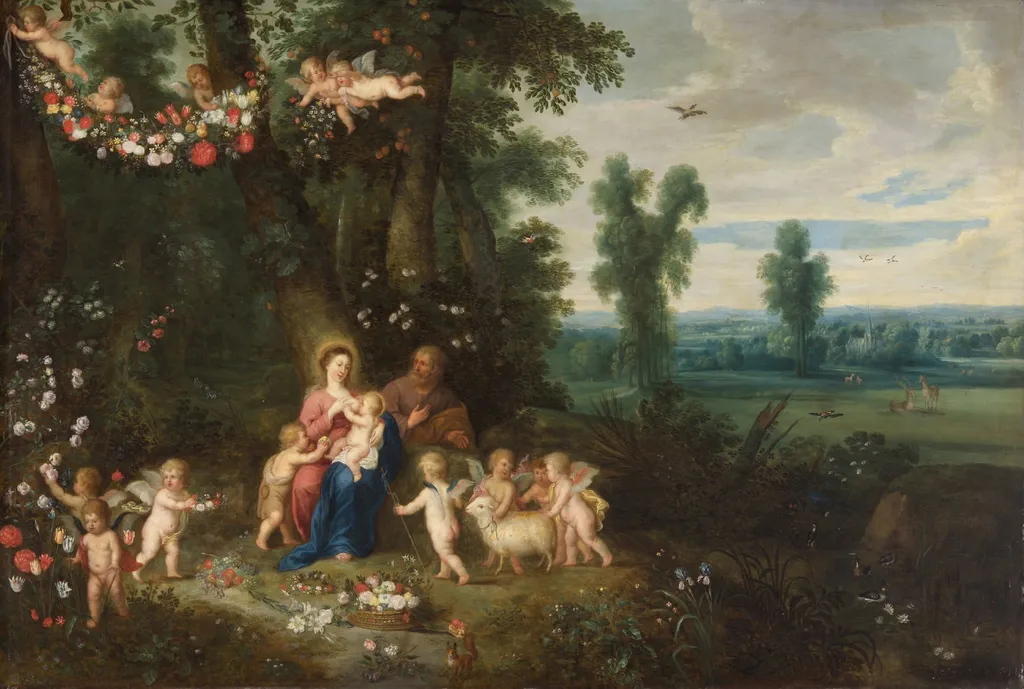
Madonna and Child, St John the Baptist and Angels is an oil painting by the Flemish Baroque painting artist Pieter van Avont. It dates from 1650 and is held in the collection of the Kunsthistorisches Museum.
About this work
Overview
Painted around 1650 on copper, this small-scale religious work by Pieter van Avont exemplifies the Flemish Baroque tradition of intimate devotional imagery.
Painted around 1650 on copper, this small-scale religious work by Pieter van Avont exemplifies the Flemish Baroque tradition of intimate devotional imagery. The artist, active in Antwerp, specialized in cabinet paintings rich with angelic figures and tender childlike forms. Its compact size and luminous surface suggest it was intended for private contemplation rather than public display, reflecting the devotional practices of the period.
Subject & Meaning
The composition centers on the Virgin Mary with the infant Christ, flanked by the young John the Baptist and a group of playful angels. The presence of the lamb and flowers alludes to Christ’s future sacrifice and earthly innocence, while the angels’ interaction with nature reinforces a sense of divine harmony. The scene blends sacred narrative with pastoral serenity, inviting quiet reflection on spiritual themes through familiar, gentle imagery.
Technique & Style
Van Avont employed fine brushwork to achieve smooth transitions in skin tones and fabric, enhancing the tactile quality of the figures. The use of copper as a support allowed for precise detail and a luminous finish. Chiaroscuro is subtly applied to model forms, with soft light illuminating faces and hands while deep shadows in the foliage create spatial depth. The delicate rendering of wings and foliage reflects a refined, almost miniature-like attention to texture.
History & Provenance
The painting entered the collection of the Kunsthistorisches Museum in Vienna, where it remains today. While its early ownership is undocumented, its style and medium align with works produced in Antwerp’s thriving art market during the mid-17th century. Van Avont’s collaborations with other artists suggest this piece may have been part of a broader network of workshop production, typical for devotional works of the era.
Context
Created during the height of the Counter-Reformation, such intimate religious scenes served to deepen personal piety among Catholic audiences. Flemish artists like van Avont responded to Church demands for emotionally accessible imagery by blending sacred subjects with naturalistic settings. The inclusion of children and angels reflected contemporary devotional trends that emphasized tenderness and innocence as pathways to spiritual connection.
Legacy
Van Avont’s work contributed to the enduring popularity of small-scale religious paintings in northern Europe. Though less widely known than his contemporaries, his integration of pastoral elements and delicate figuration influenced later generations of cabinet painters. The painting’s preservation in a major European museum underscores its value as a representative example of mid-17th-century Flemish devotional art.
Artist & collection
Artist
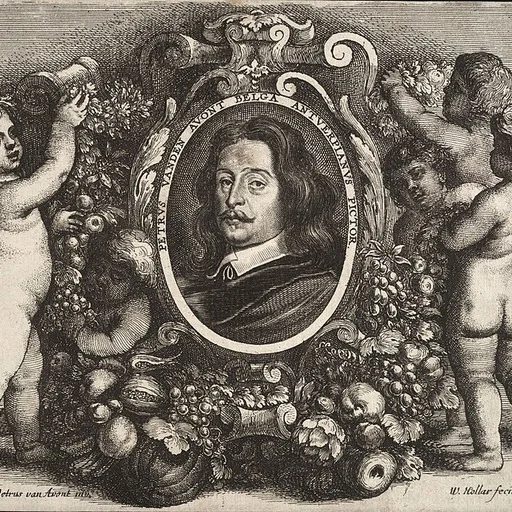
Pieter van Avont or Peter van Avont, (1600–1652) was a Flemish painter, draughtsman and printmaker known for his religious scenes and cabinet paintings often including nude children and putti.

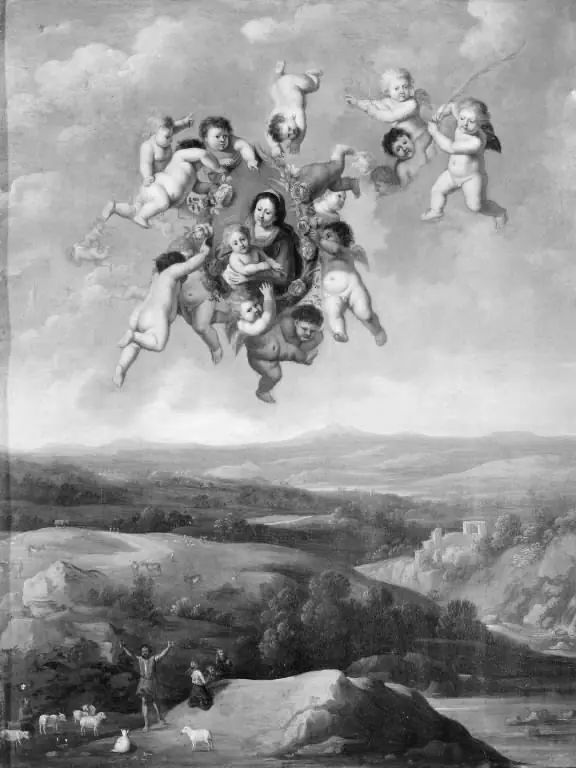
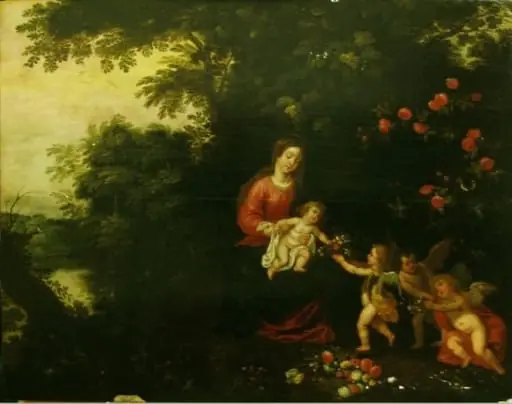
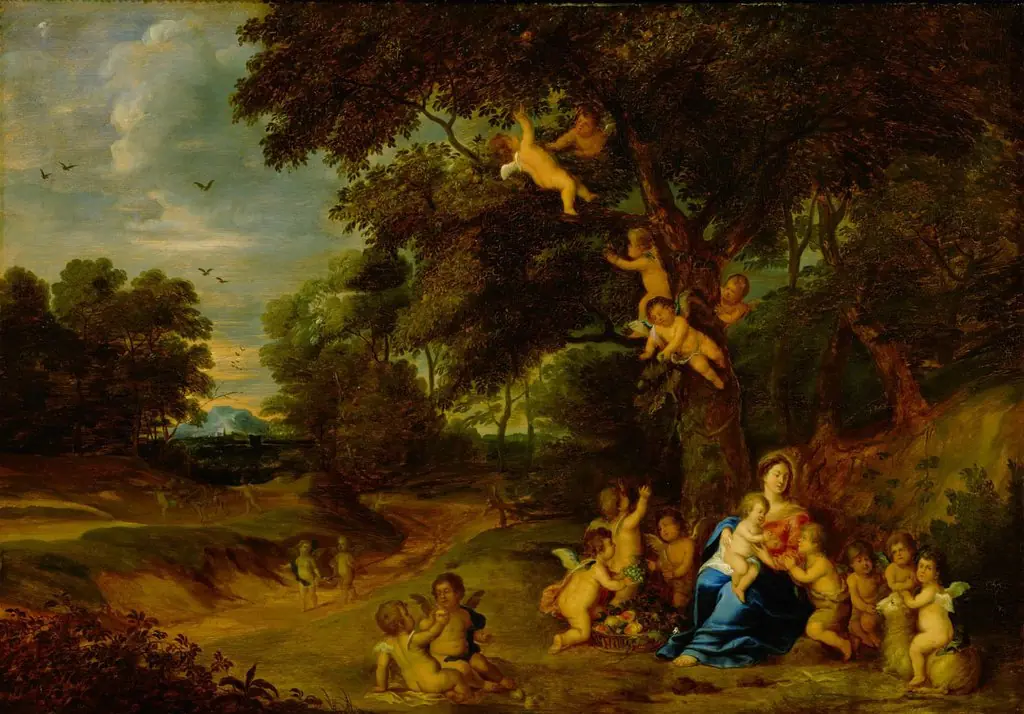 Madonna and Child, St John the Baptist as a Boy and Angels in a Woodland Landscape
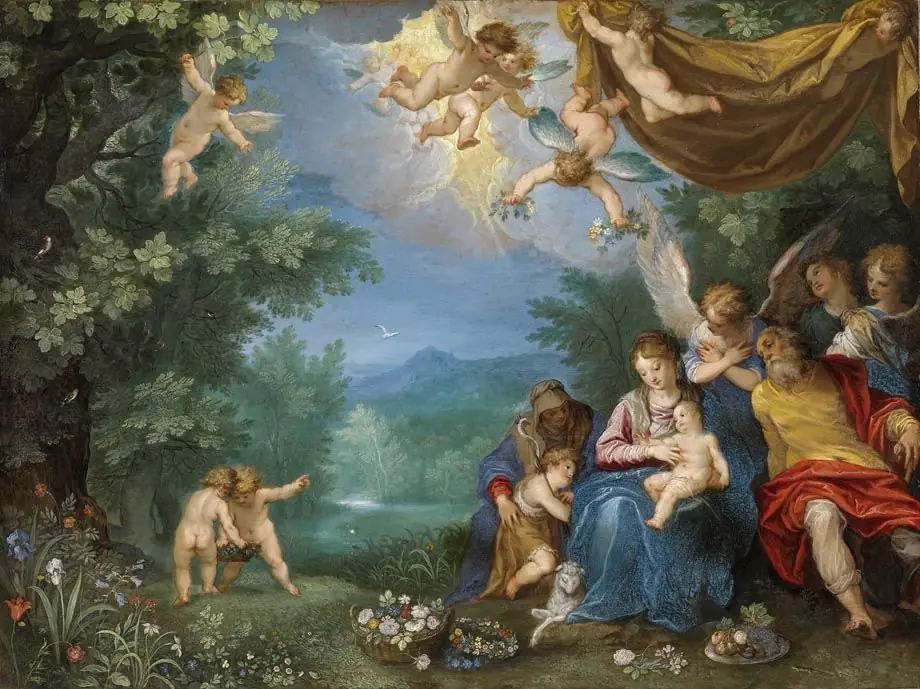 Rest on the Flight into Egypt
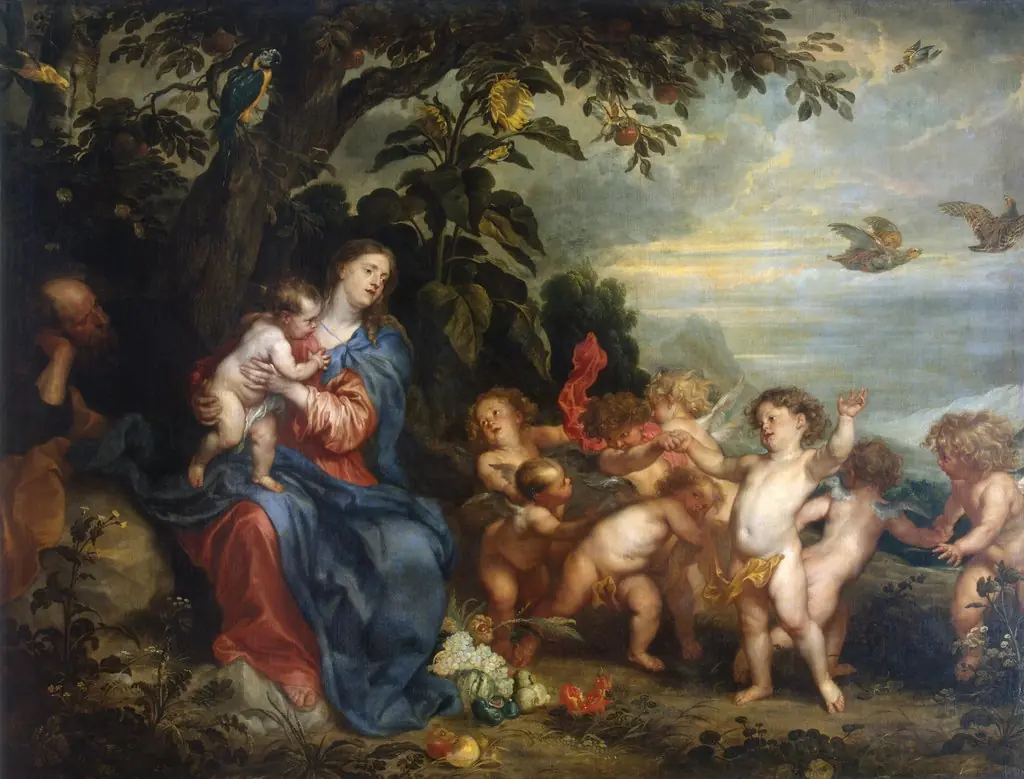 Rest on the Flight into Egypt (Madonna with Partridges)
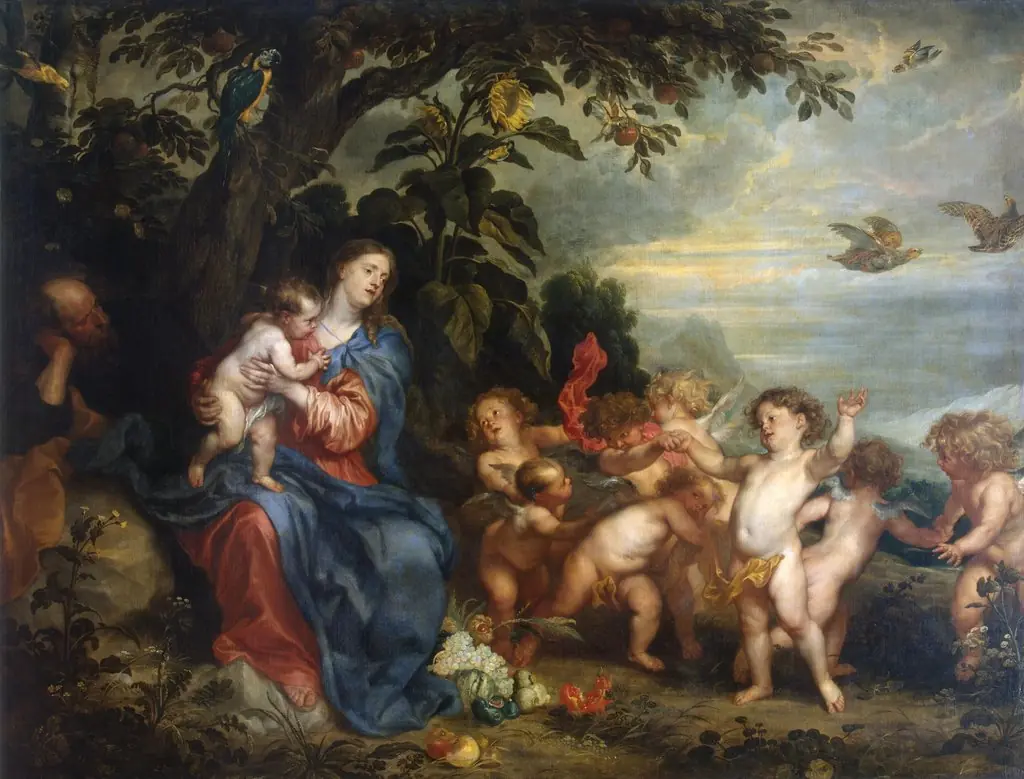 Madonna with Partridges
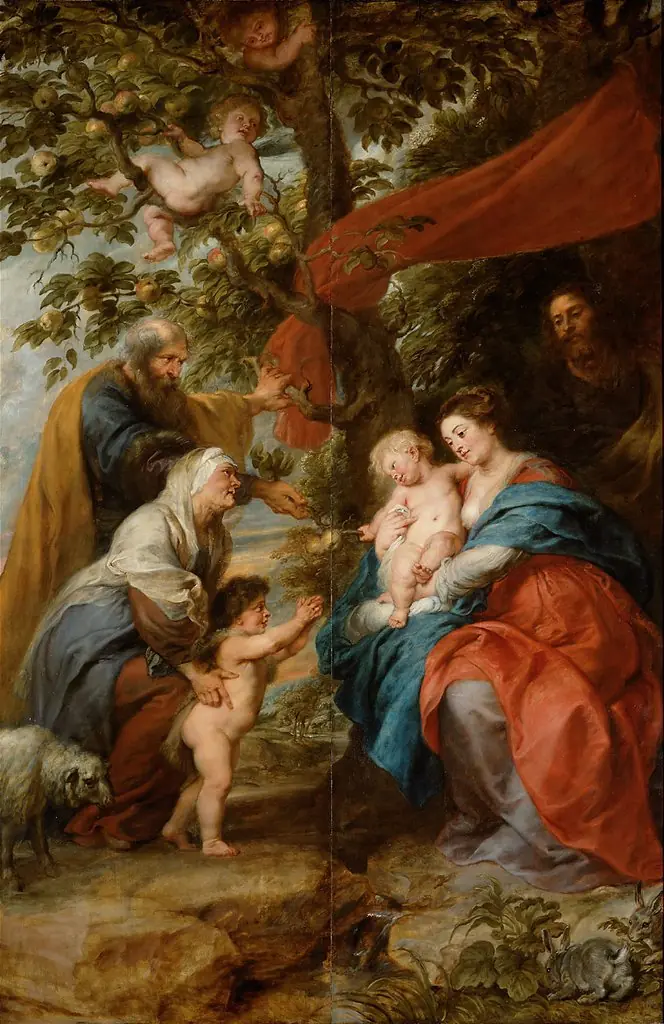 The Holy Family under the Apple Tree
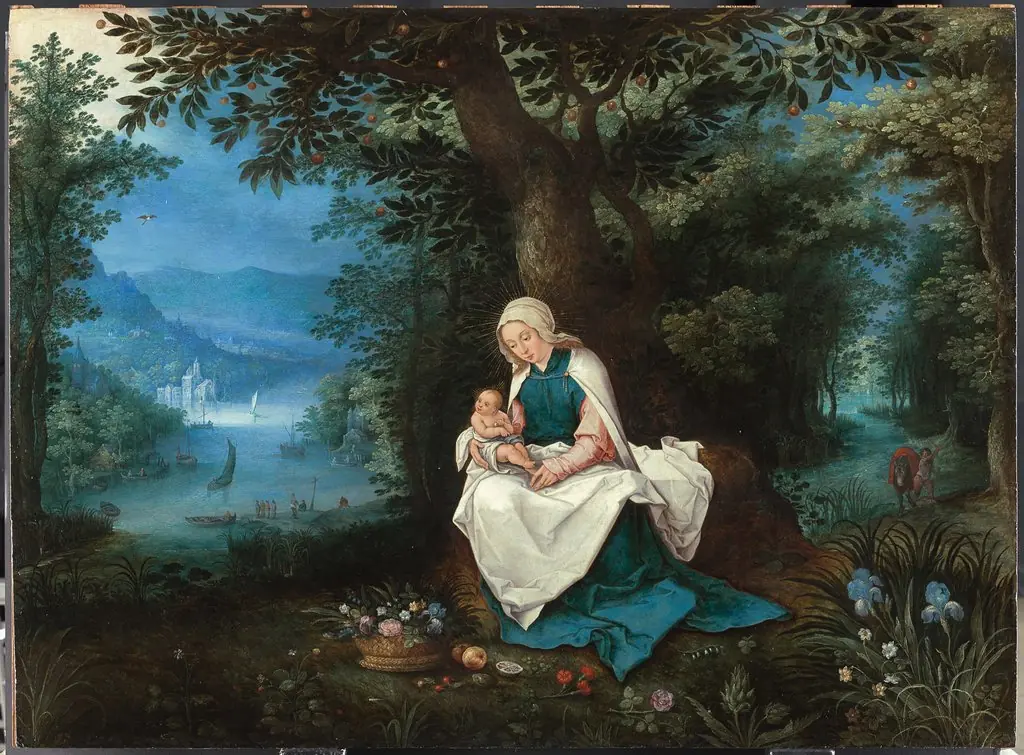 Rest on the Flight into Egypt
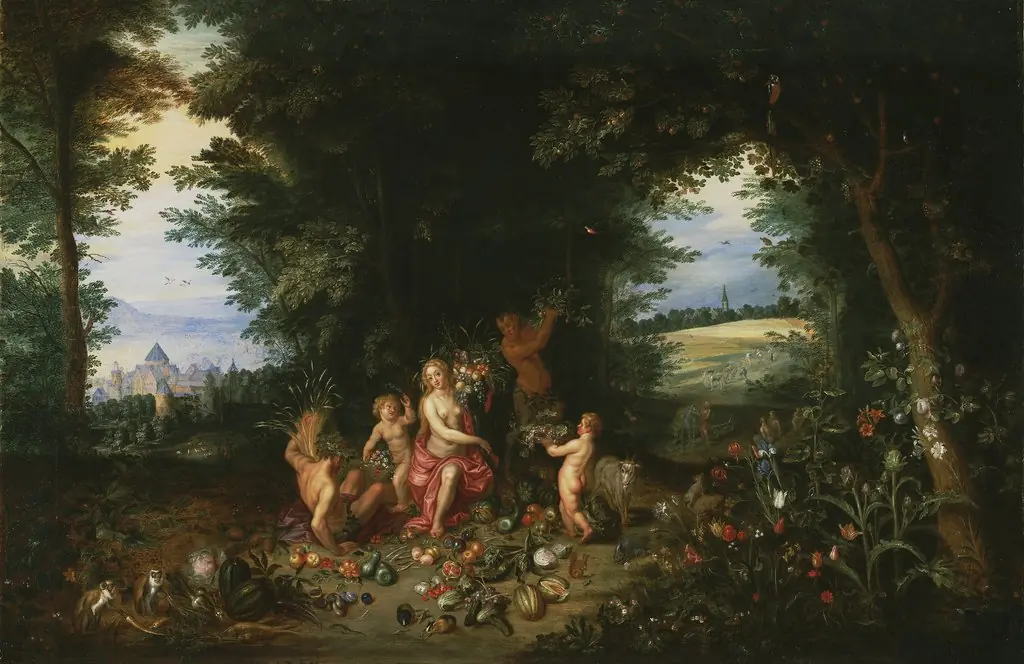 Landscape with Ceres (Allegory of Earth)
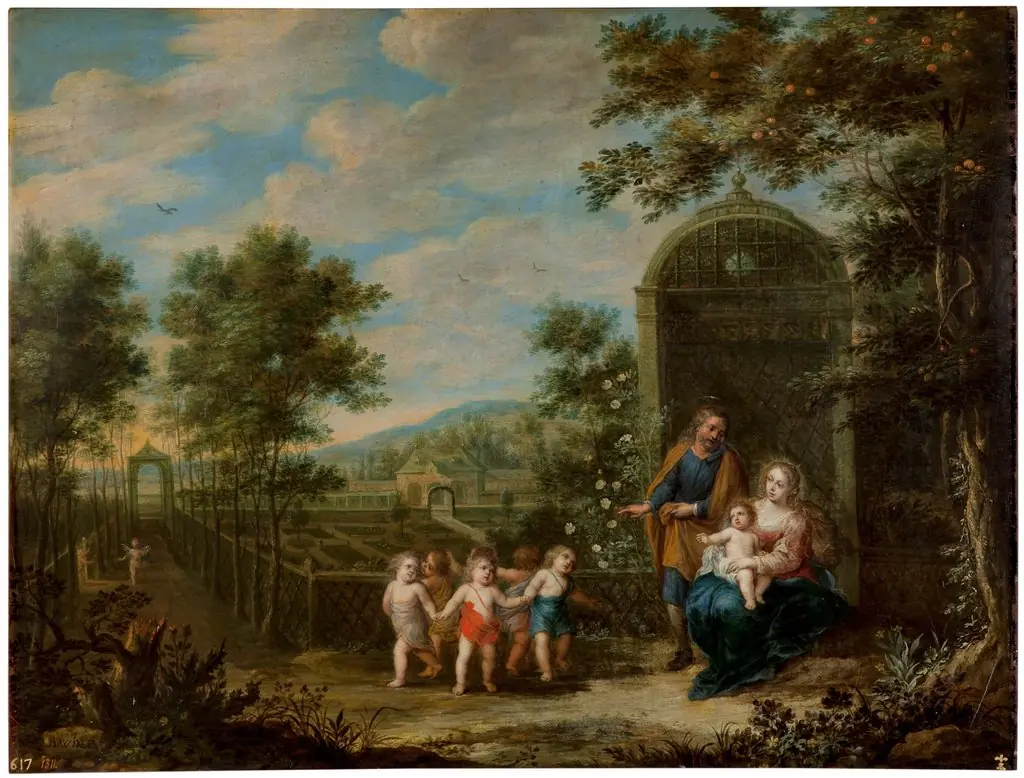 Rest on the Flight into Egypt
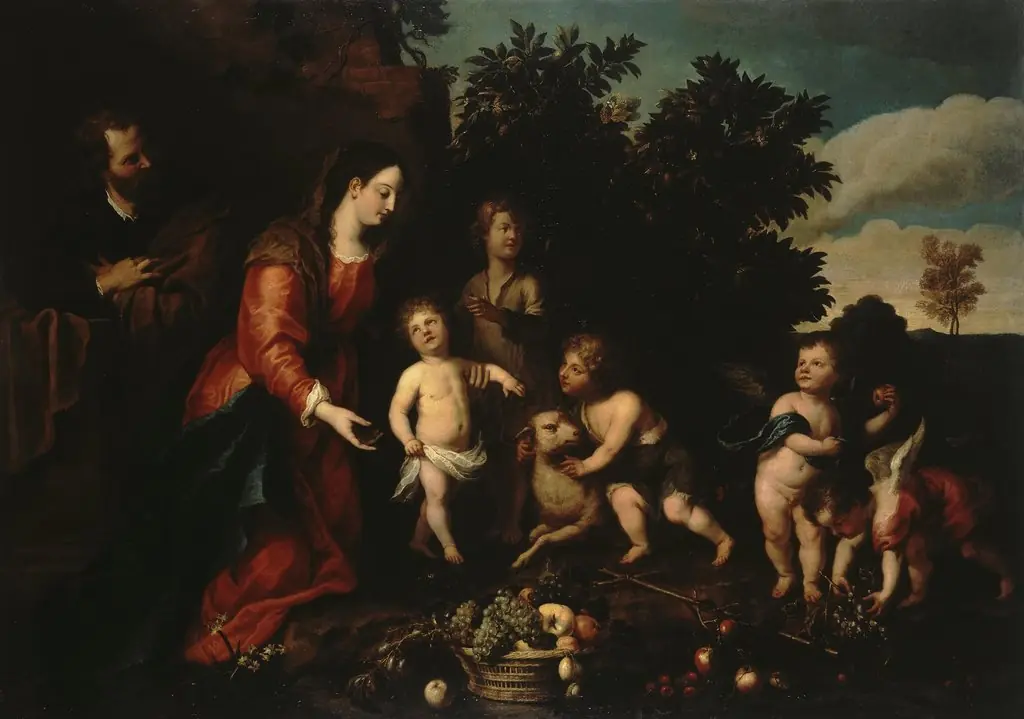 Holy Family with the Infant John and Angels
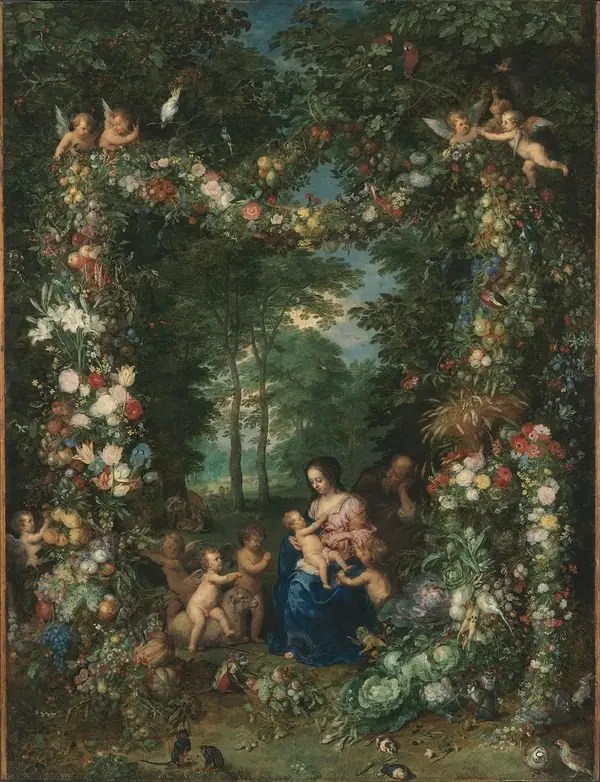 Holy family with a garland of flowers and fruits
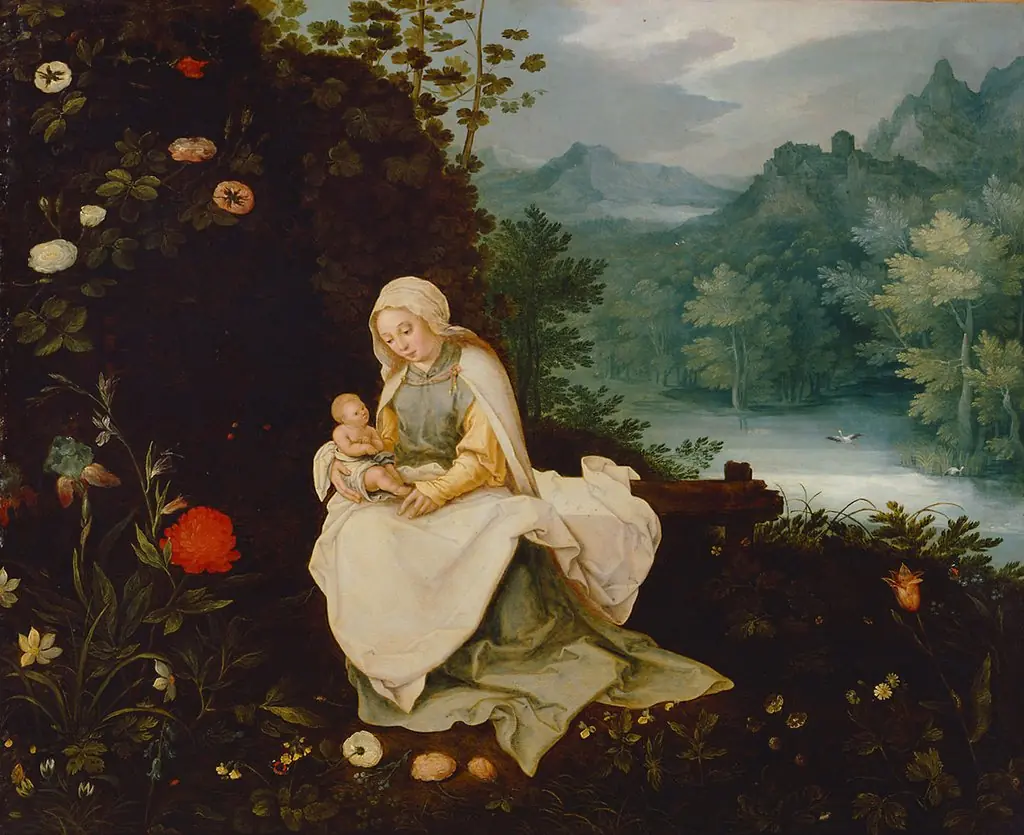 The Virgin and Child in a Landscape
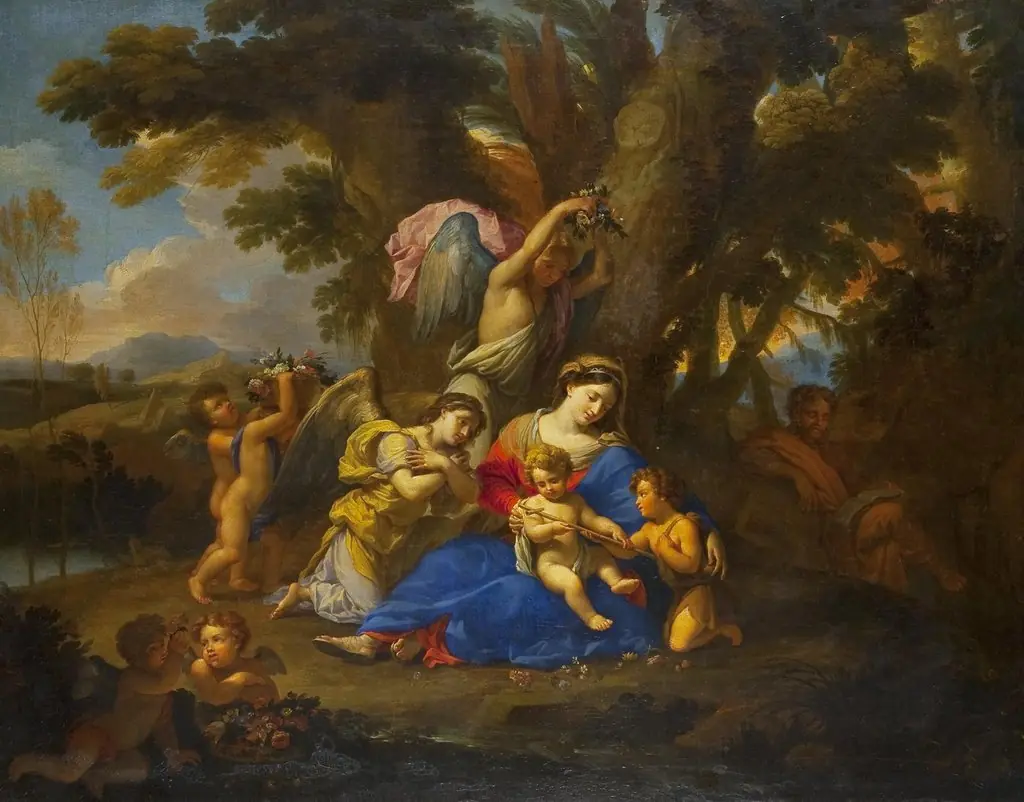 Madonna and Christ Child, with St John the Baptist and Angels