Artwork
Landscape with Ceres (Allegory of Earth)
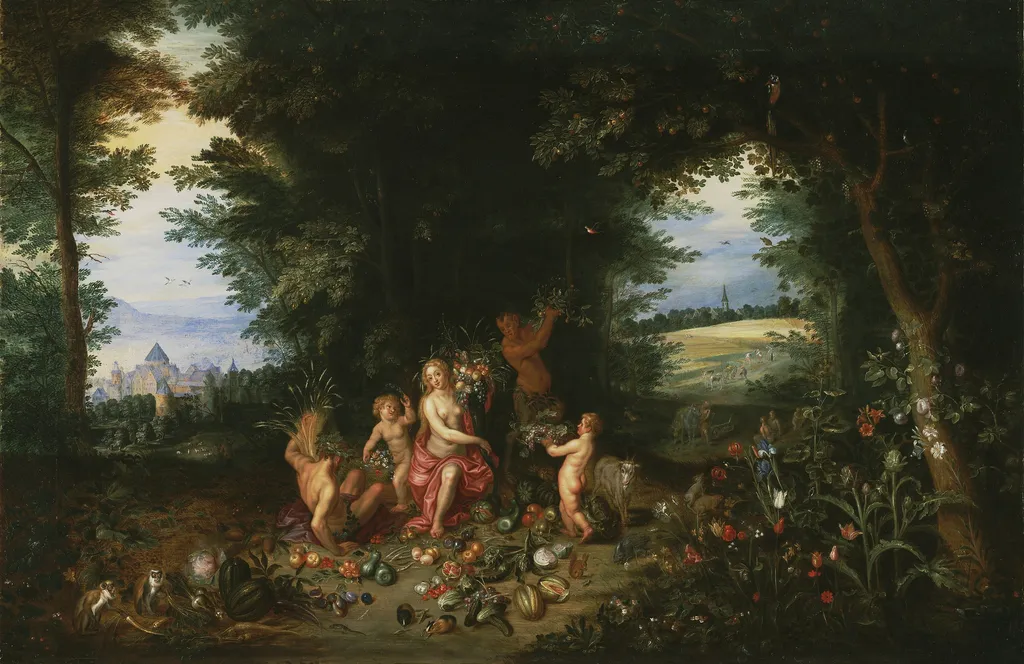
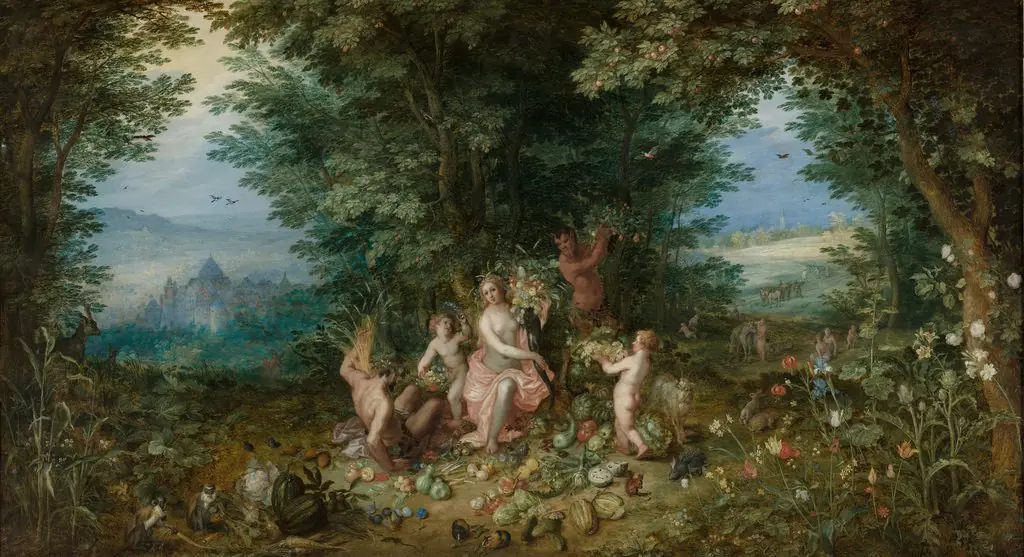
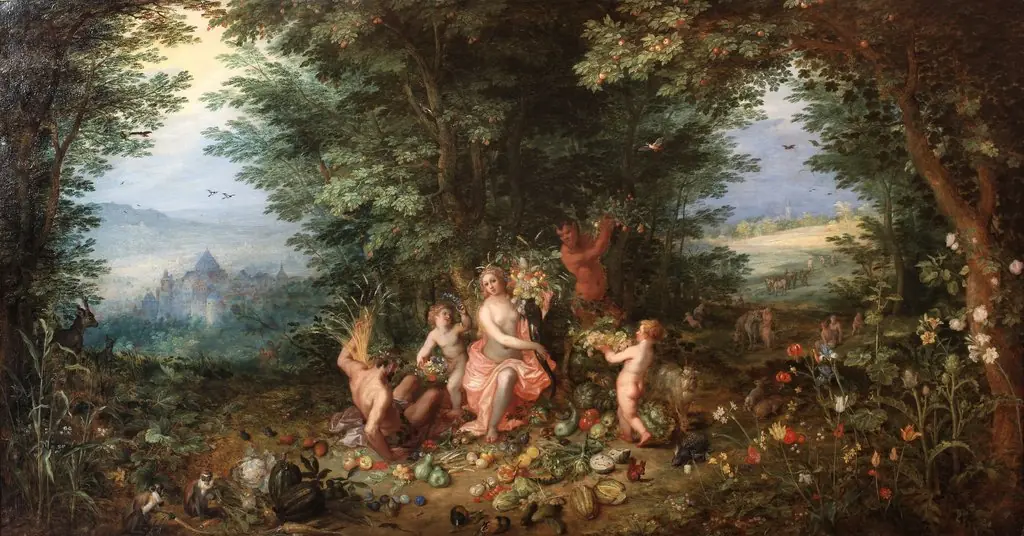
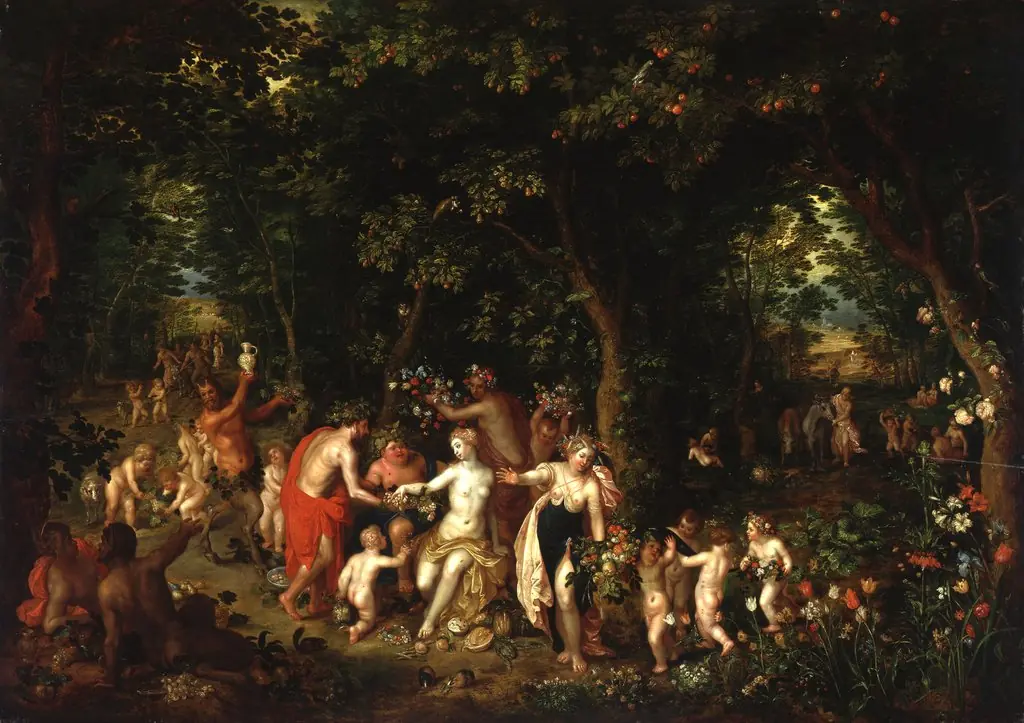
Landscape with Ceres (Allegory of Earth) is an oil painting by the Flemish Baroque painting artist Jan Brueghel the Younger. It dates from 1630 and is held in the collection of the J. Paul Getty Museum.
About this work
Overview
As a Flemish Baroque artist, Brueghel the Younger continued the visual traditions of his father’s workshop while gradually refining his own approach.
Painted in 1630 by Jan Brueghel the Younger, this oil-on-panel work is a landscape imbued with allegorical meaning. As a Flemish Baroque artist, Brueghel the Younger continued the visual traditions of his father’s workshop while gradually refining his own approach. The painting is part of the J. Paul Getty Museum’s collection and exemplifies the period’s interest in combining naturalistic scenery with mythological symbolism to convey broader philosophical ideas about nature and abundance.
Subject & Meaning
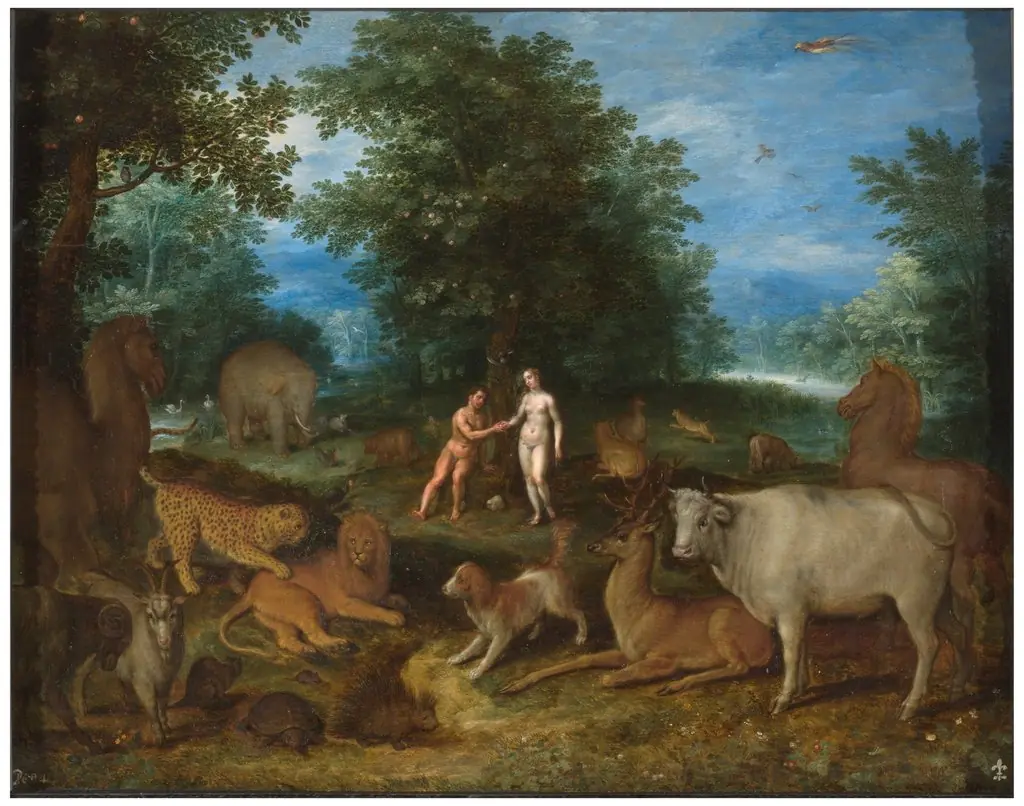
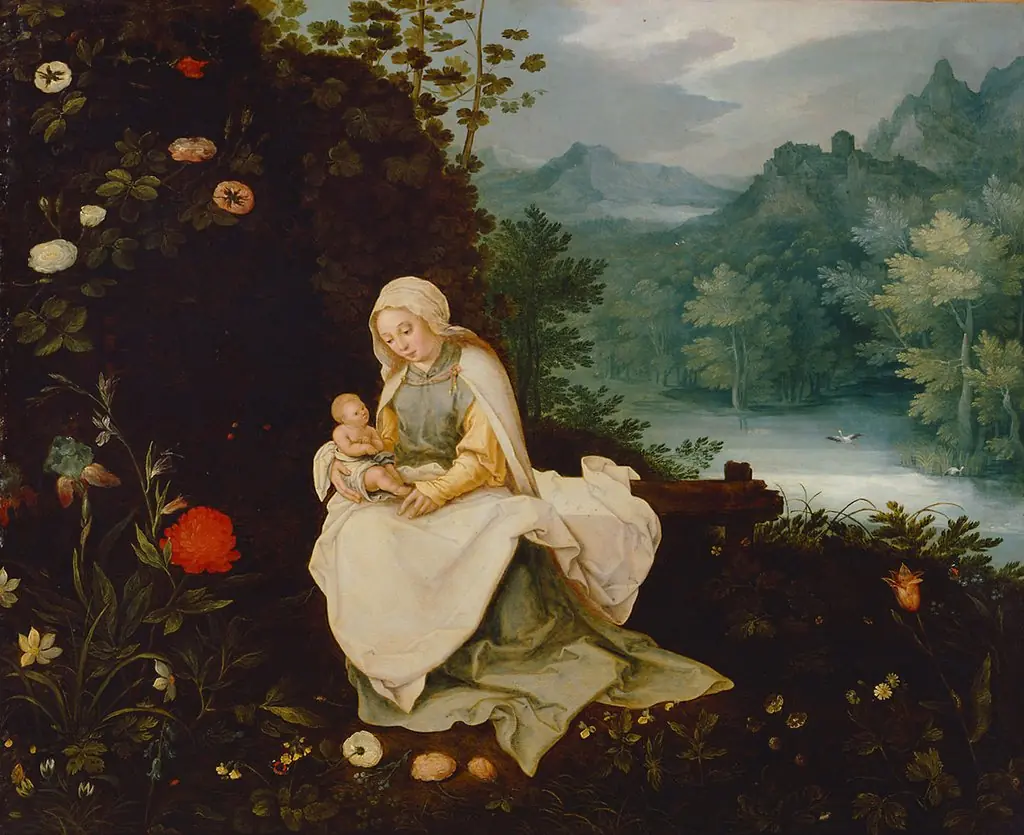
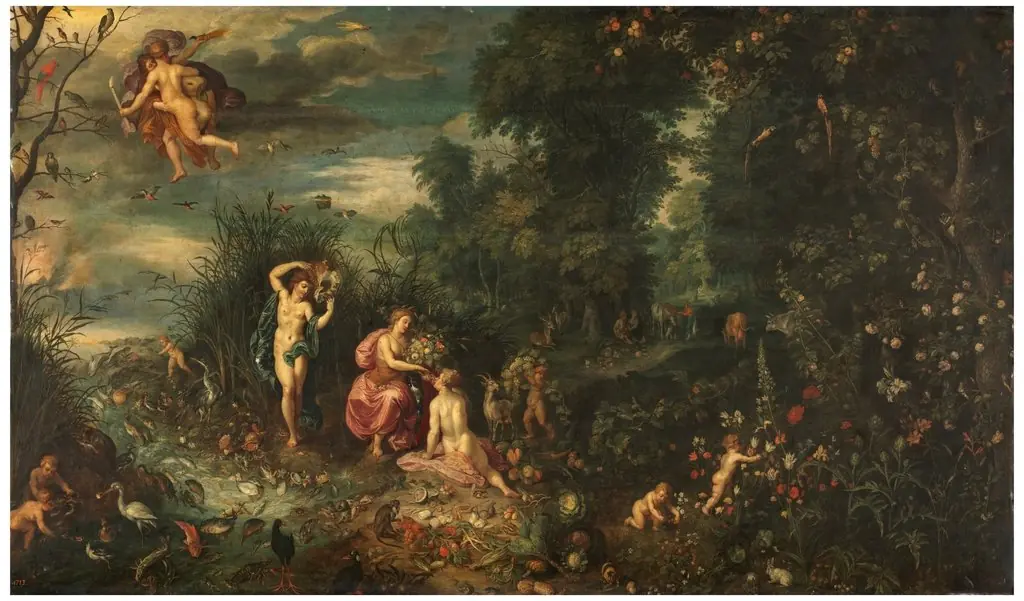
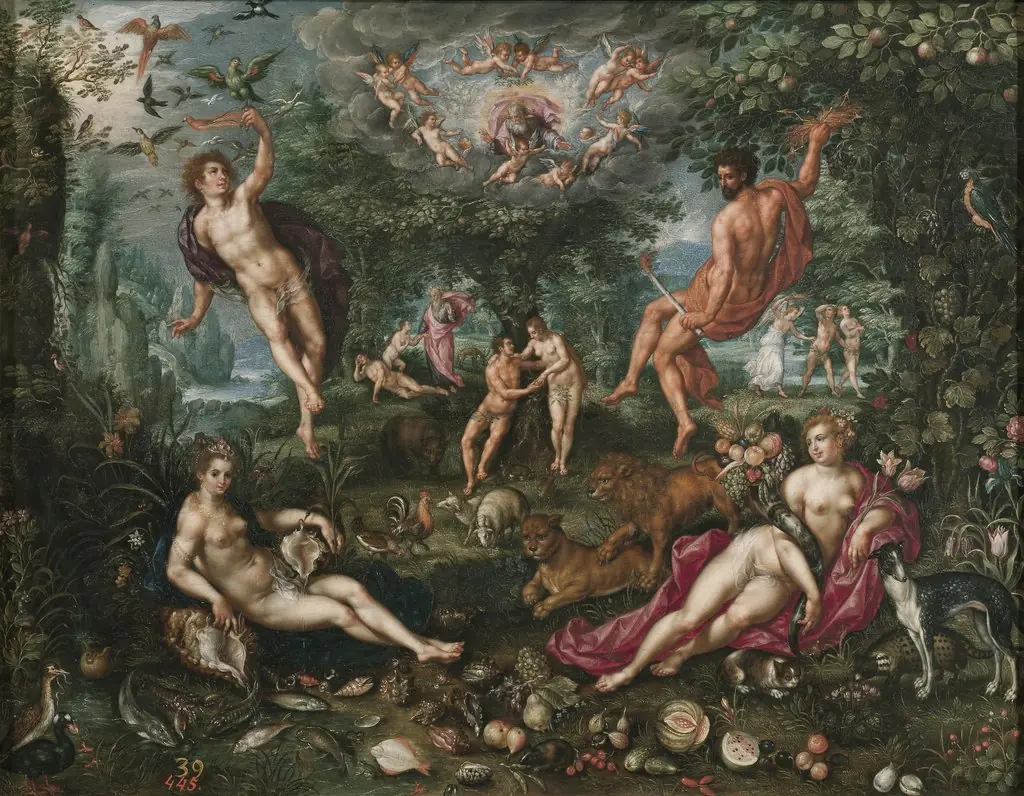
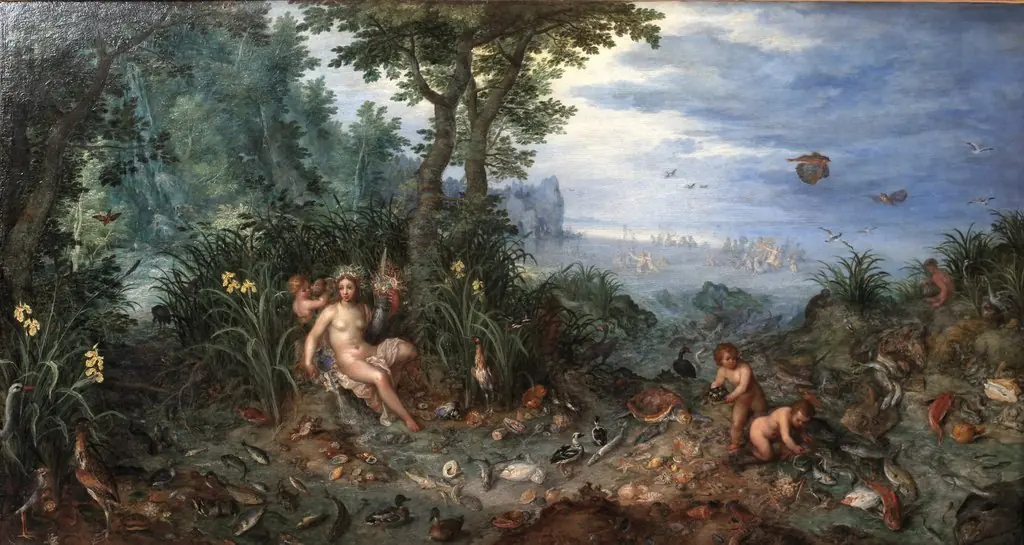
The central figure is Ceres, the Roman goddess of agriculture and harvest, depicted seated amid a profusion of fruits, grains, and vegetables. Surrounding her are children and domestic animals—a goat, a dog—symbolizing nurture and the cyclical rhythms of the land. The scene is not a literal depiction but an allegory: Ceres embodies the earth’s generative power, and the abundance around her reflects ideals of fertility, sustenance, and harmony between humans and nature.
Technique & Style
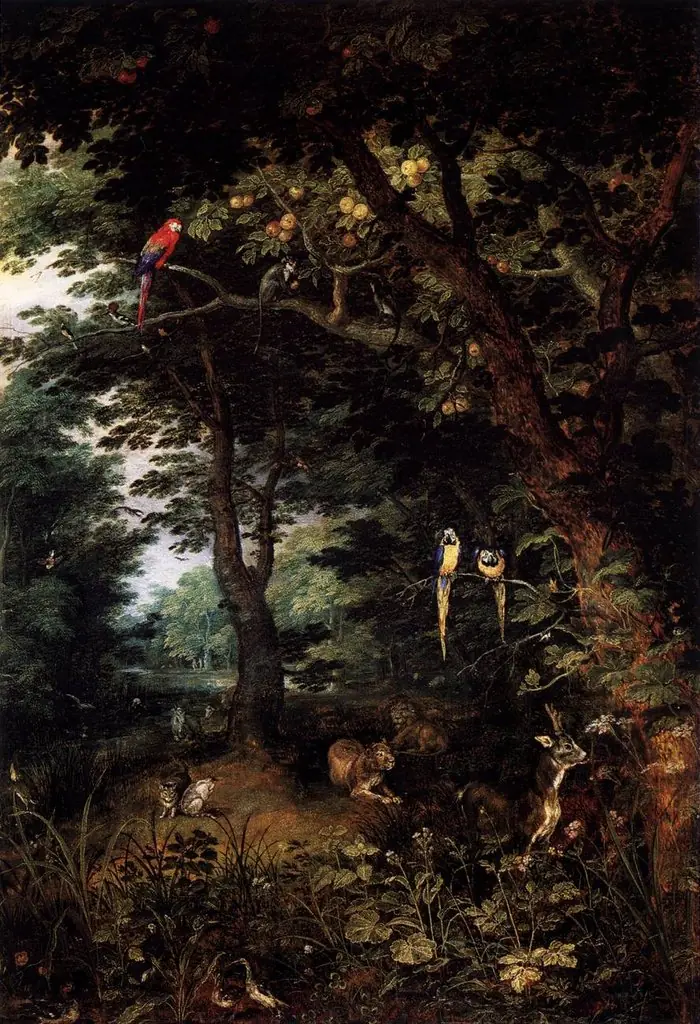
Brueghel employed rich, layered oil pigments to render textures with precision: the softness of skin, the sheen of fruit, the depth of foliage. His brushwork is deliberate yet expressive, with bold strokes defining forms while maintaining a sense of atmospheric depth. The background recedes through subtle gradations of blue and green, guiding the eye from the vibrant foreground to a hazy, distant horizon, enhancing the painting’s spatial complexity without sacrificing detail.
History & Provenance
Created during Brueghel the Younger’s mature period, the painting reflects his transition from imitating his father’s style toward a more personal aesthetic. It remained in private collections in Europe before entering the Getty Museum’s holdings. Its survival through centuries of ownership changes speaks to its enduring appeal among collectors drawn to Flemish allegorical landscapes and the Brueghel family’s artistic legacy.
Context
In early 17th-century Flanders, allegorical landscapes were popular among elite patrons seeking visual metaphors for order, prosperity, and divine favor. Artists like Brueghel responded to humanist interests in classical mythology and the natural world. This work aligns with broader trends in Flemish art that fused detailed observation of nature with symbolic narratives, reflecting both scientific curiosity and moral ideals of the time.
Legacy
Though less celebrated than his father, Jan Brueghel the Younger contributed significantly to the evolution of Flemish landscape painting. His ability to balance mythological allegory with meticulous naturalism influenced later generations of artists. *Landscape with Ceres* remains a key example of how Baroque painters used the natural world to articulate abstract concepts, preserving a visual language that connected classical tradition with contemporary observation.
Own this work as a print
Artist & collection
Artist
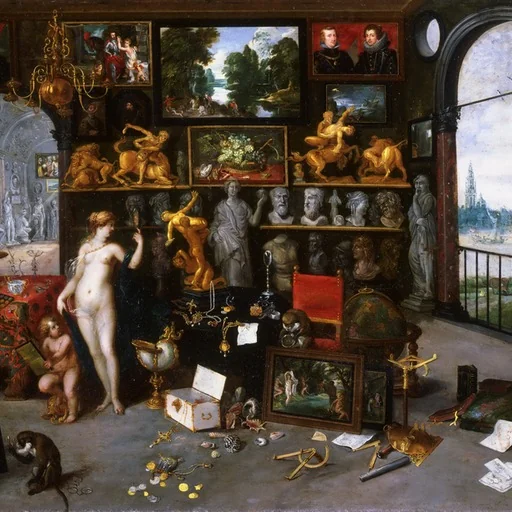
Jan Brueghel (also Bruegel or Breughel) the Younger ( BROY-gəl, US also BROO-gəl; Dutch: ; 13 September 1601 – 1 September 1678) was a Flemish Baroque painter.