Artwork
Flora in the Garden
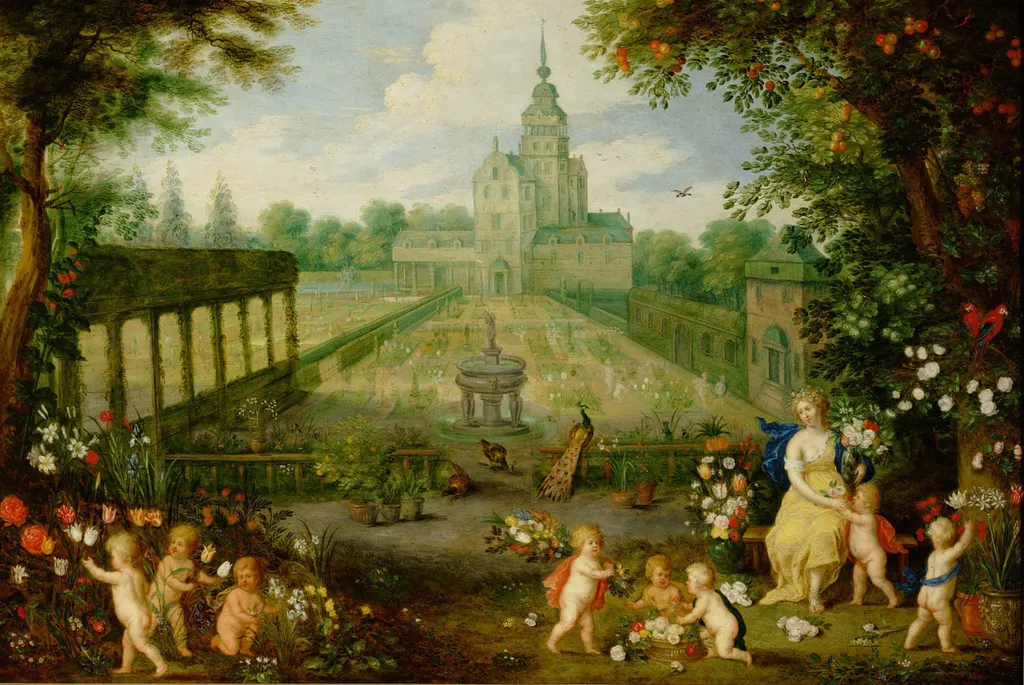
Flora in the Garden is an oil painting by the Flemish Baroque painting artist Pieter van Avont. It dates from 1630 and is held in the collection of the Kunsthistorisches Museum.
About this work
Overview
Pieter van Avont painted *Flora in the Garden* in 1630 on a copper support, a favored medium for its smooth surface and luminous finish.
Pieter van Avont painted *Flora in the Garden* in 1630 on a copper support, a favored medium for its smooth surface and luminous finish. A Flemish artist active in Antwerp during the early Baroque period, van Avont specialized in intimate cabinet paintings. This work exemplifies his tendency to blend mythological themes with naturalistic detail, often incorporating figures of children and mythic attendants in serene outdoor settings.
Subject & Meaning
The central figure, identified as Flora, the Roman goddess of flowers and spring, presides over a garden teeming with life. Surrounding her are putti and animals—a peacock and a dog—that symbolize fertility, vigilance, and the harmony of nature. The scene functions as an allegory of abundance and seasonal renewal, reflecting classical ideals adapted into a domesticated, tranquil landscape rather than a grand mythological narrative.
Technique & Style
Van Avont employed fine brushwork to render the textures of petals, fur, and foliage with precision, exploiting copper’s reflective quality to enhance the glow of sunlight filtering through trees. The composition is carefully layered, with foreground figures grounded in soft modeling and the distant architecture rendered in delicate atmospheric perspective. His style merges Flemish attention to detail with a lyrical, almost poetic sensibility.
History & Provenance
The painting entered the collection of the Kunsthistorisches Museum in Vienna, where it remains today. While specific early ownership records are sparse, its presence in a major Habsburg collection suggests it was acquired during the 17th or early 18th century, likely through the imperial network of art patronage that favored Flemish cabinet paintings for their refined detail and allegorical depth.
Context
In early 17th-century Antwerp, small-scale allegorical paintings like this one were popular among collectors seeking intellectual and aesthetic pleasure. Van Avont frequently collaborated with landscape and still-life specialists, though here he handled all elements himself. The work aligns with broader trends in Flemish Baroque art that fused classical mythology with natural observation, catering to a cultured, urban clientele.
Legacy
Though not widely exhibited outside institutional collections, *Flora in the Garden* exemplifies van Avont’s distinctive contribution to Flemish Baroque painting: the quiet integration of myth into everyday naturalism. His approach influenced later genre painters who favored intimate, symbolic scenes over grand historical narratives, preserving a tradition of poetic allegory in small-format works.
Artist & collection
Artist
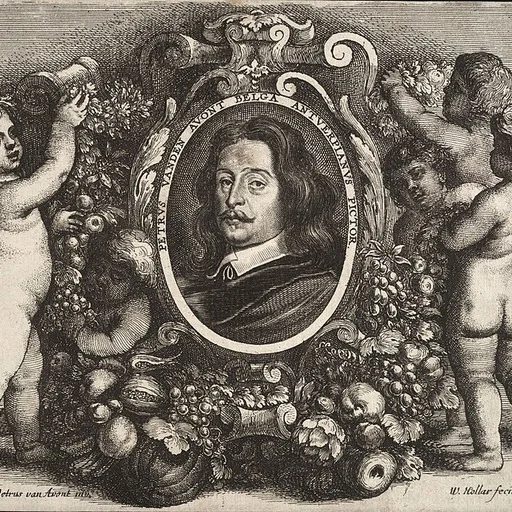
Pieter van Avont or Peter van Avont, (1600–1652) was a Flemish painter, draughtsman and printmaker known for his religious scenes and cabinet paintings often including nude children and putti.

 Garden
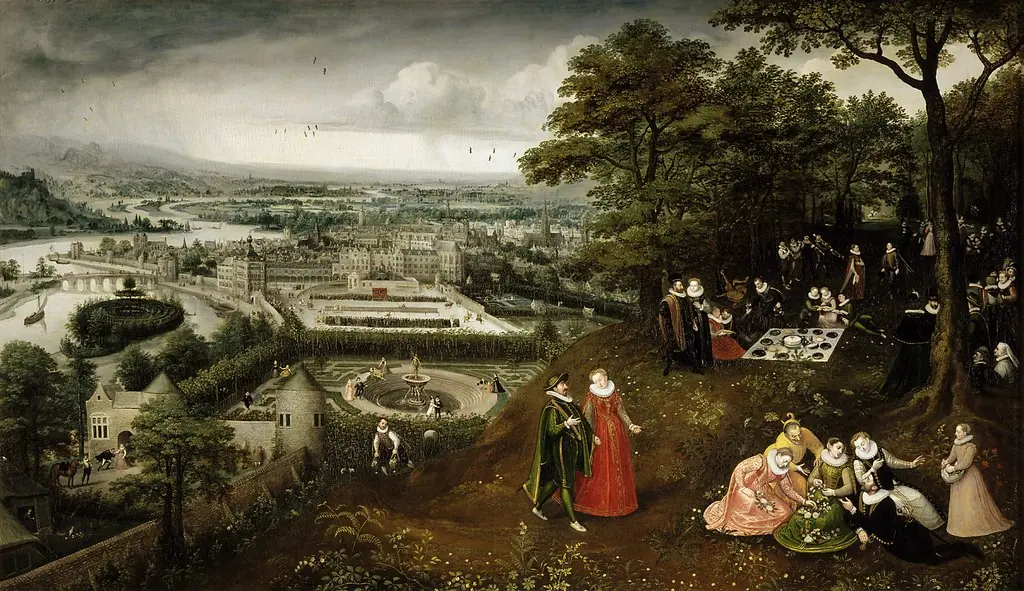 Spring Landscape (Representation of the month of May)
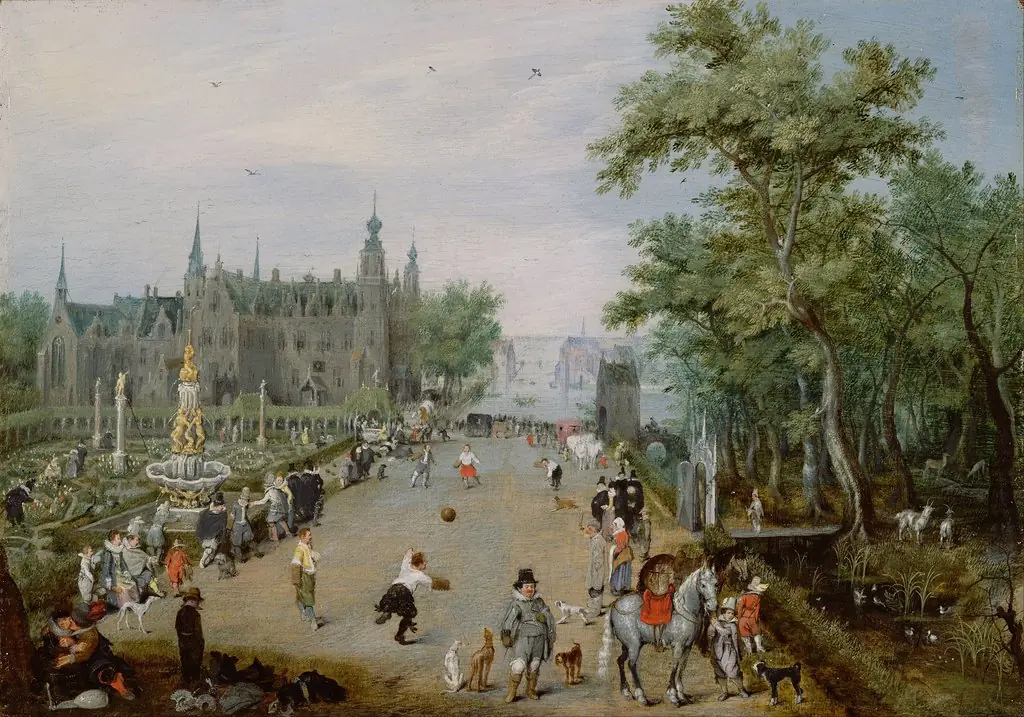 A Jeu de Paume Before a Country Palace
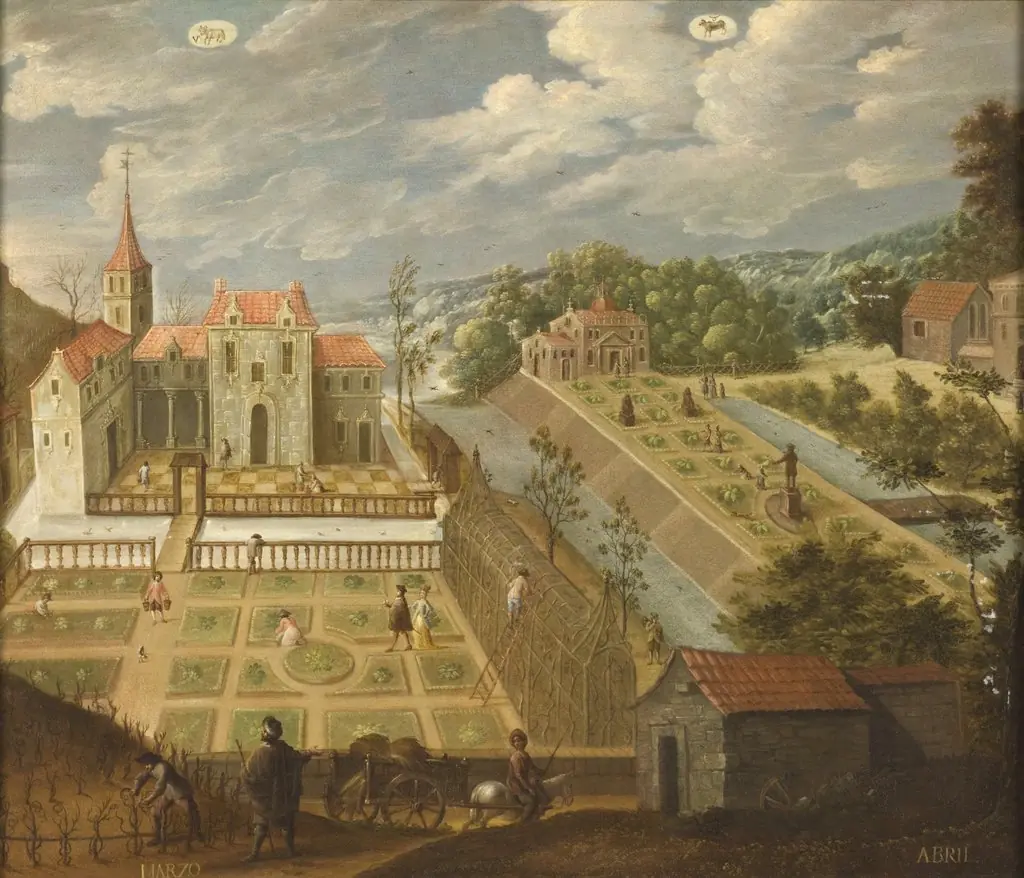 The Twelve Months of the Year (Los doce meses del año)
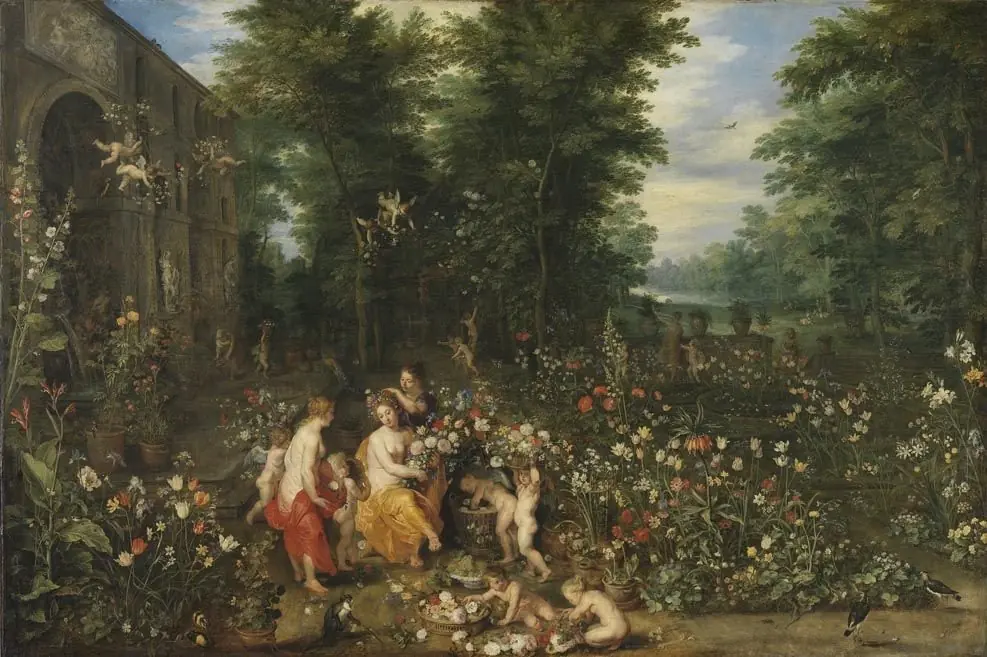 Flora im Blumengarten
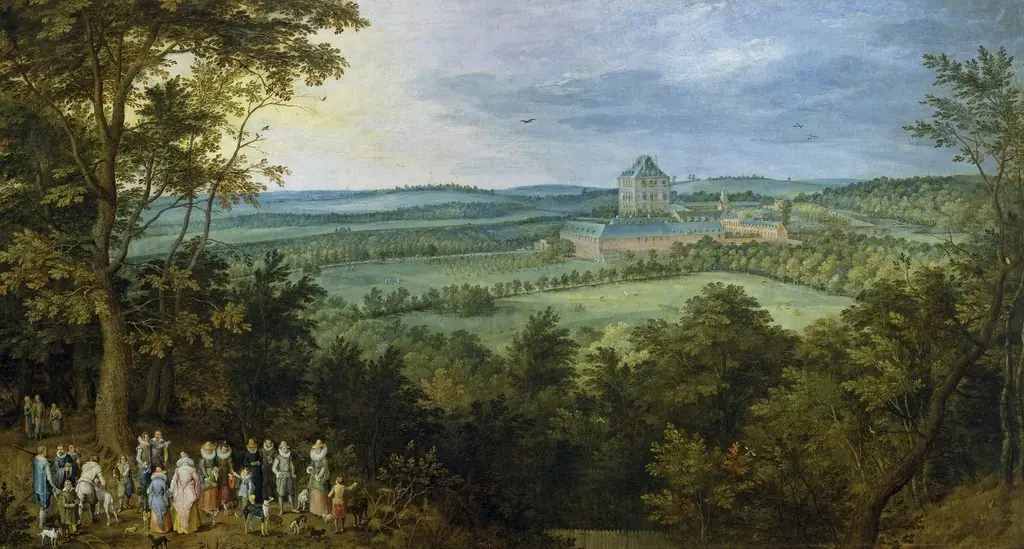 The Archdukes hunting in Mariemont
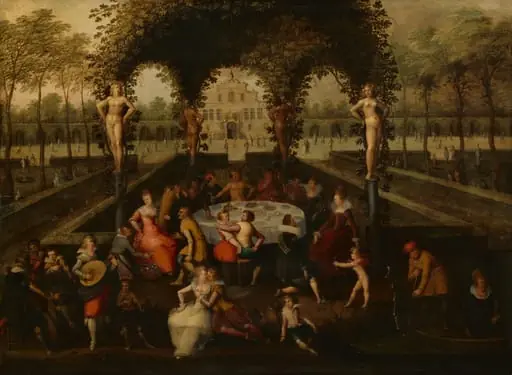 Venus, Bacchus and Ceres with Mortals in a Garden of Love
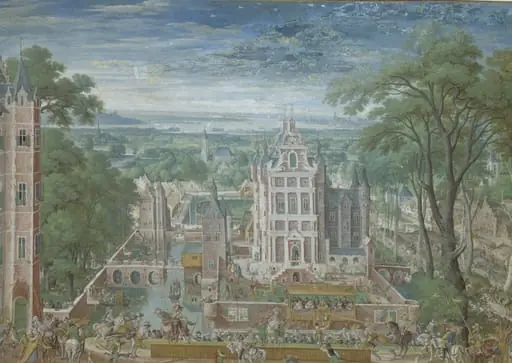 Tournament outside a Castle
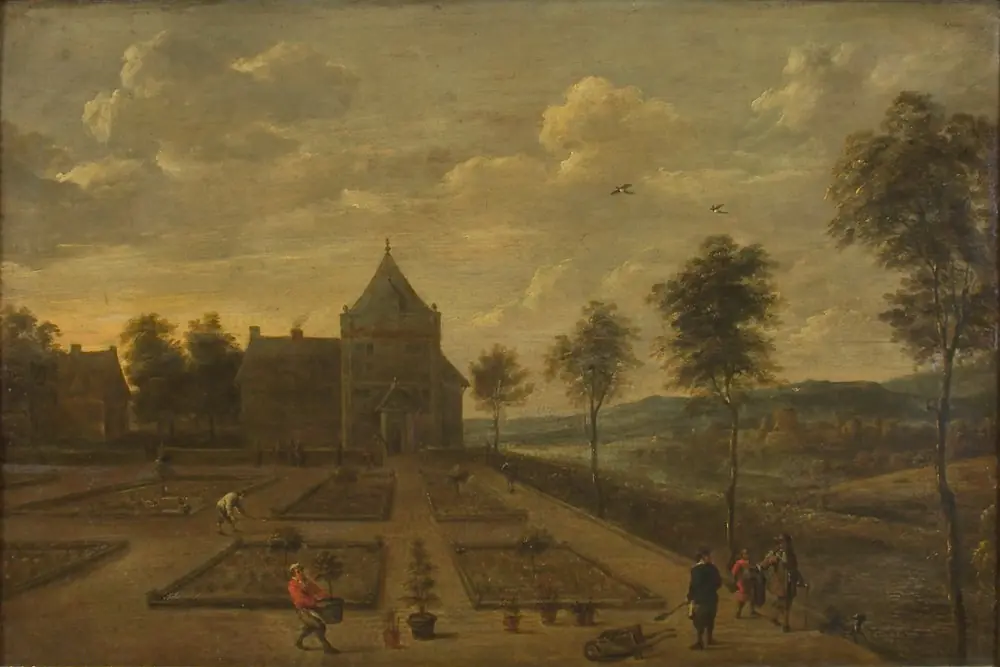 A Garden in front of a Country Seat
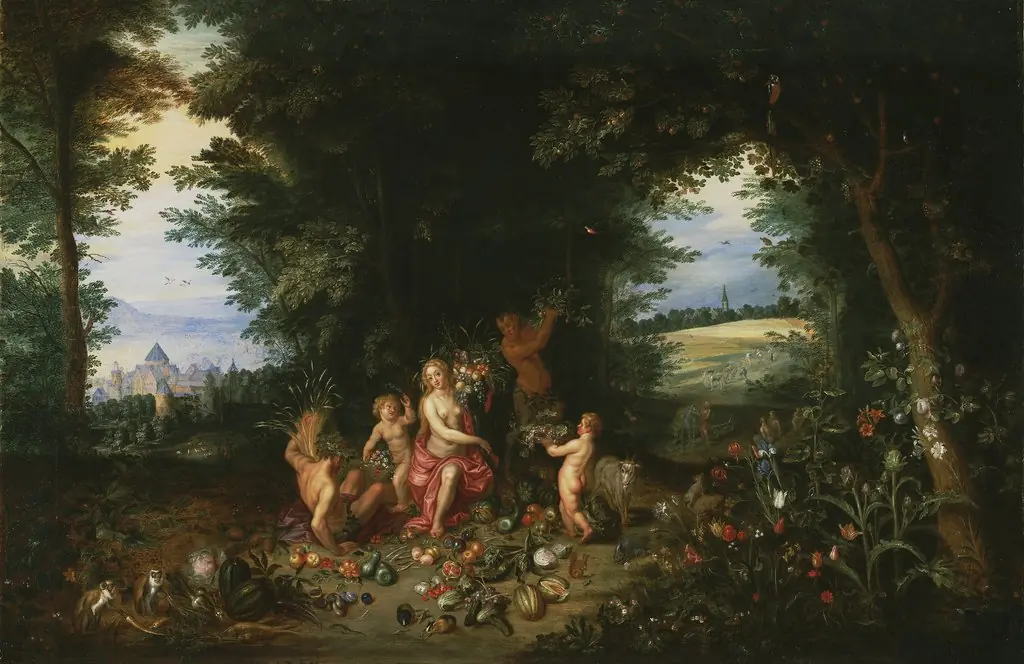 Landscape with Ceres (Allegory of Earth)
 Rest on the Flight into Egypt
 View of Tervuren Castle