Artwork
The Infant Bacchus
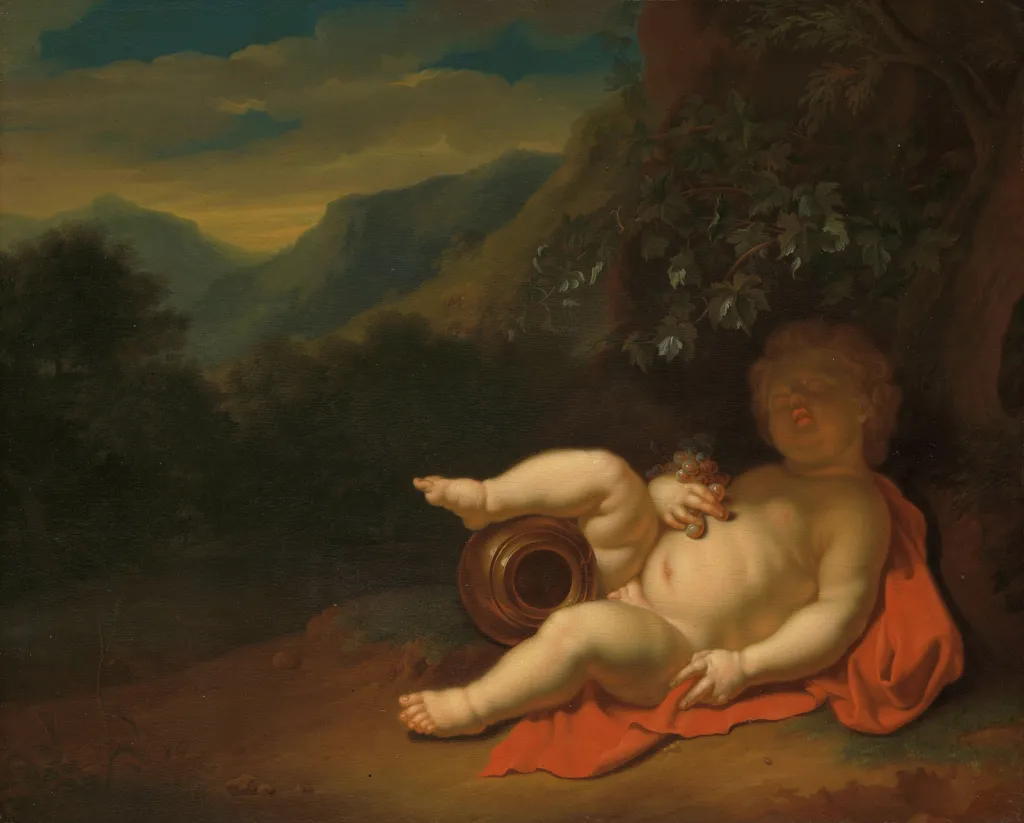
The Infant Bacchus is an oil painting by the Dutch Golden Age artist Pieter van der Werff. It dates from 1711 and is held in the collection of the Rijksmuseum.
About this work
Overview
Created in 1711 by Dutch painter Pieter van der Werff, this oil on canvas presents a youthful incarnation of the Roman god of wine. The work belongs to the late phase of the Dutch Golden Age, a period when artists frequently turned to classical mythology for subject matter. It is currently part of the Rijksmuseum’s collection in Amsterdam.
Subject & Meaning
The figure is a plump, bare‑chested child seated on a rock, clutching a shallow wine cup—a visual cue to Bacchus’s association with viticulture. A red cloth drapes over one knee, while a dark branch rises behind him against a sky mottled with pale green and gold clouds, reinforcing the pastoral, celebratory atmosphere linked to the god’s mythic role.
Technique & Style
Van der Werff renders the infant’s flesh with a smooth, luminous quality, achieved through delicate gradations of light and shadow that model the body’s rounded forms. The painter’s handling of chiaroscuro gives the figure a three‑dimensional presence, while the restrained palette and fine brushwork reflect the polished aesthetic typical of late‑Baroque Dutch portraiture.
History & Provenance
Pieter van der Werff, who often collaborated with his elder brother Adriaen, produced this composition toward the end of his career. After remaining in private hands for several decades, the painting entered the Rijksmuseum’s holdings, where it has been displayed as an example of early‑18th‑century Dutch engagement with classical themes.
Own this work as a print
Artist & collection
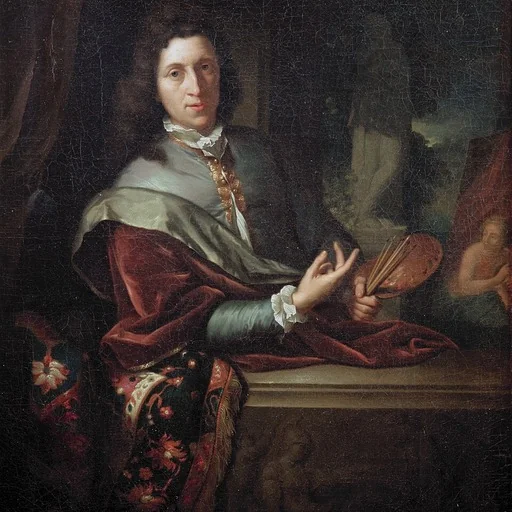
Artist
Pieter van der Werff (1665 – 26 September 1722) was a Dutch Golden Age painter. He assisted his older brother, Adriaen van der Werff.

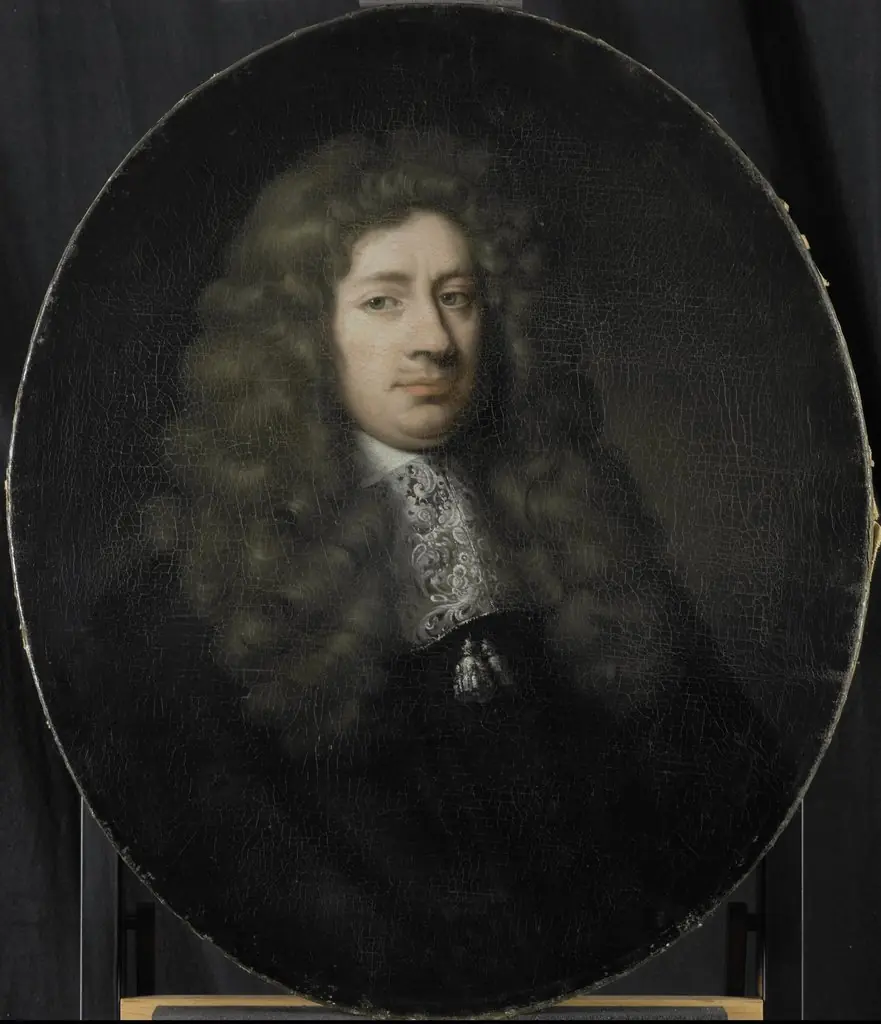 Portrait of Dominicus Rosmale, Director of the Rotterdam Chamber of the Dutch East India Company, elected 1677
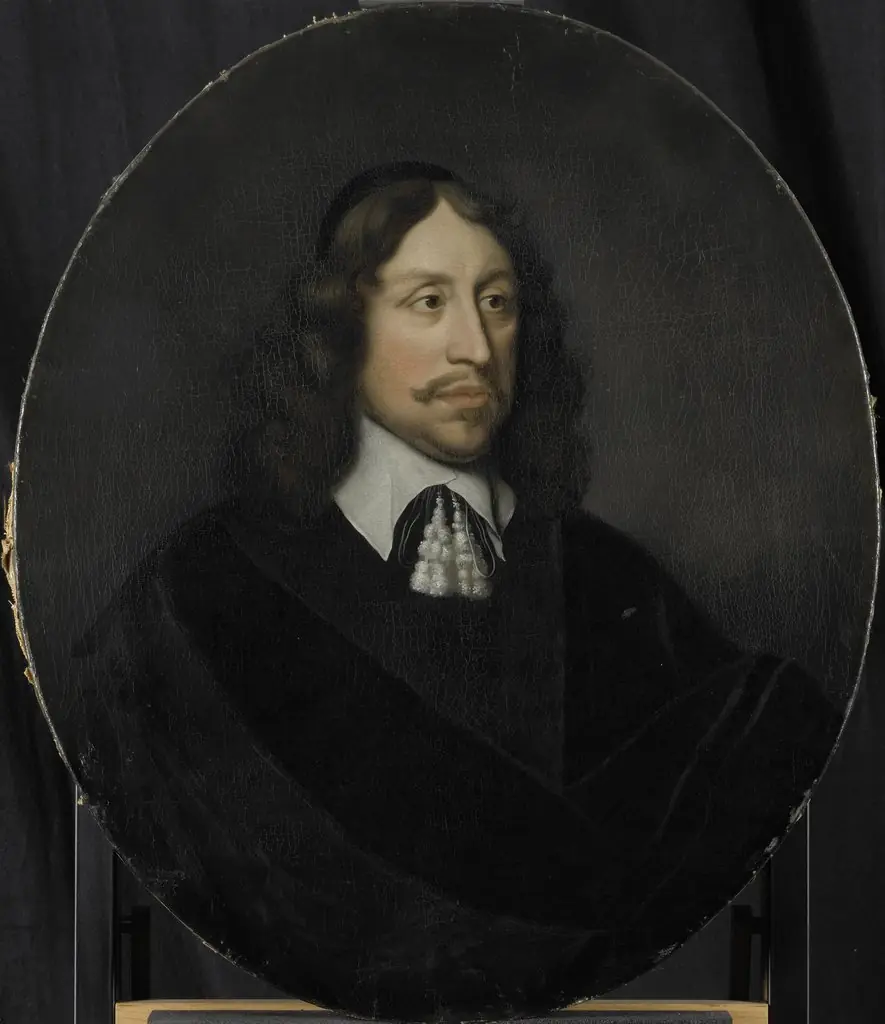 Portrait of Johan de Vries, Director of the Rotterdam Chamber of the Dutch East India Company, elected 1667
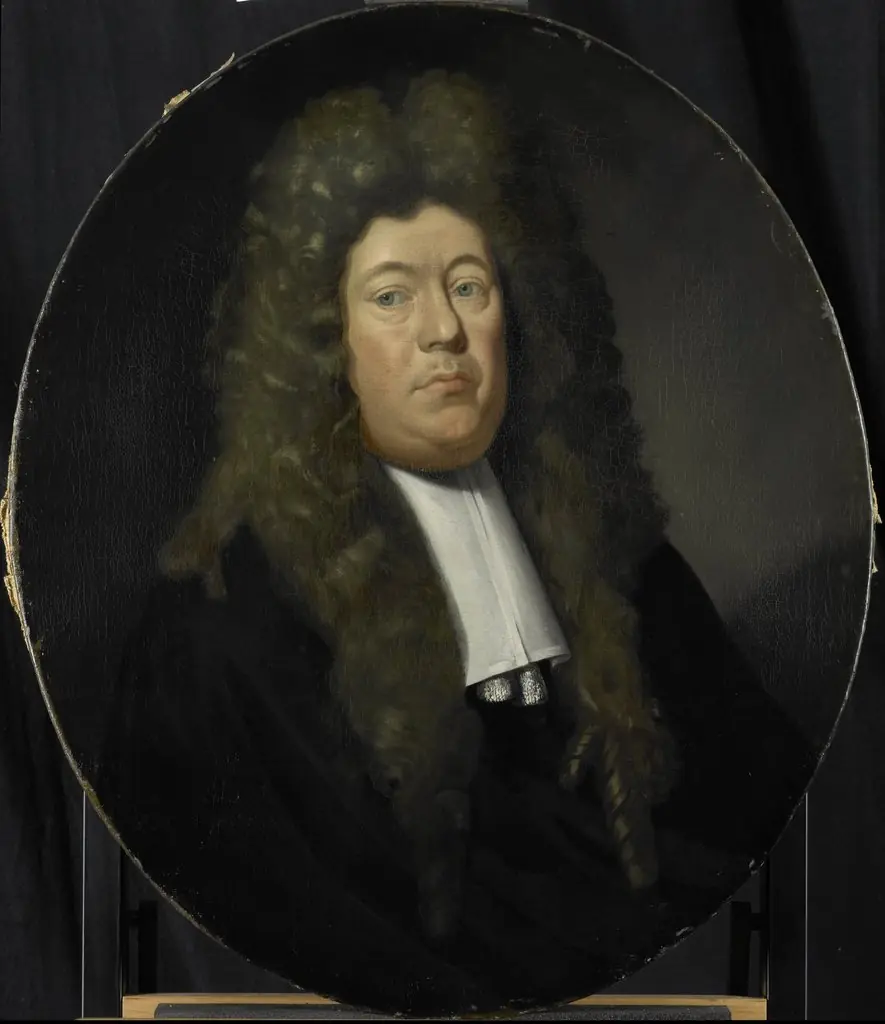 Portrait of Adriaen Paets, Director of the Rotterdam Chamber of the Dutch East India Company, elected 1668
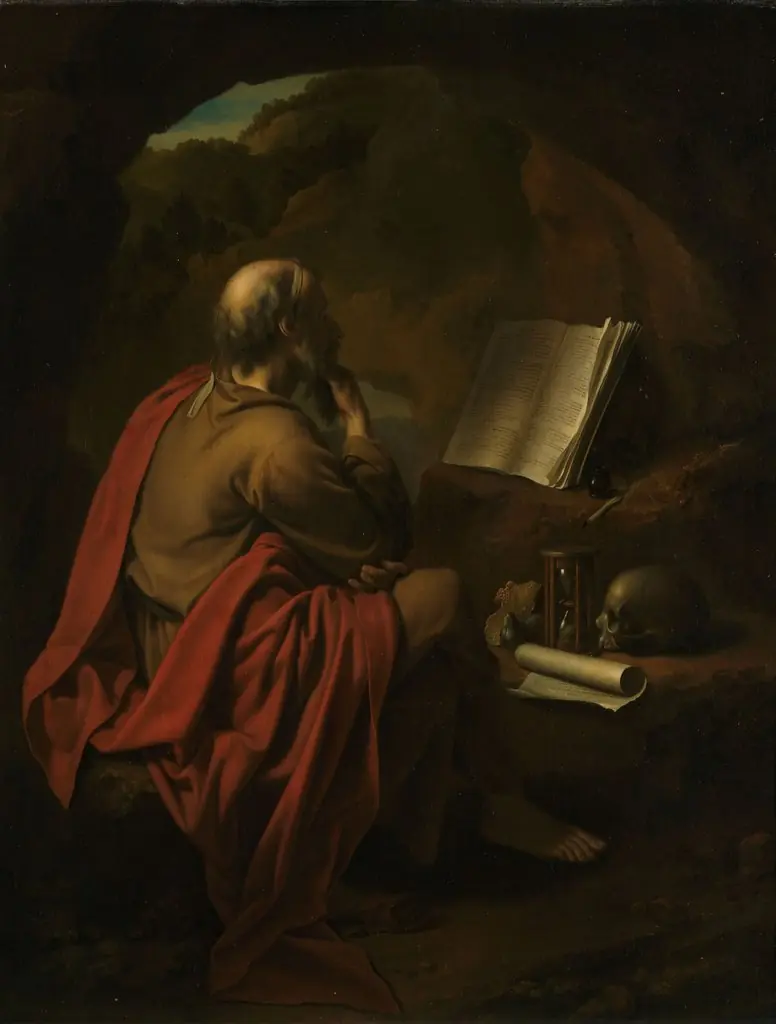 Saint Jerome
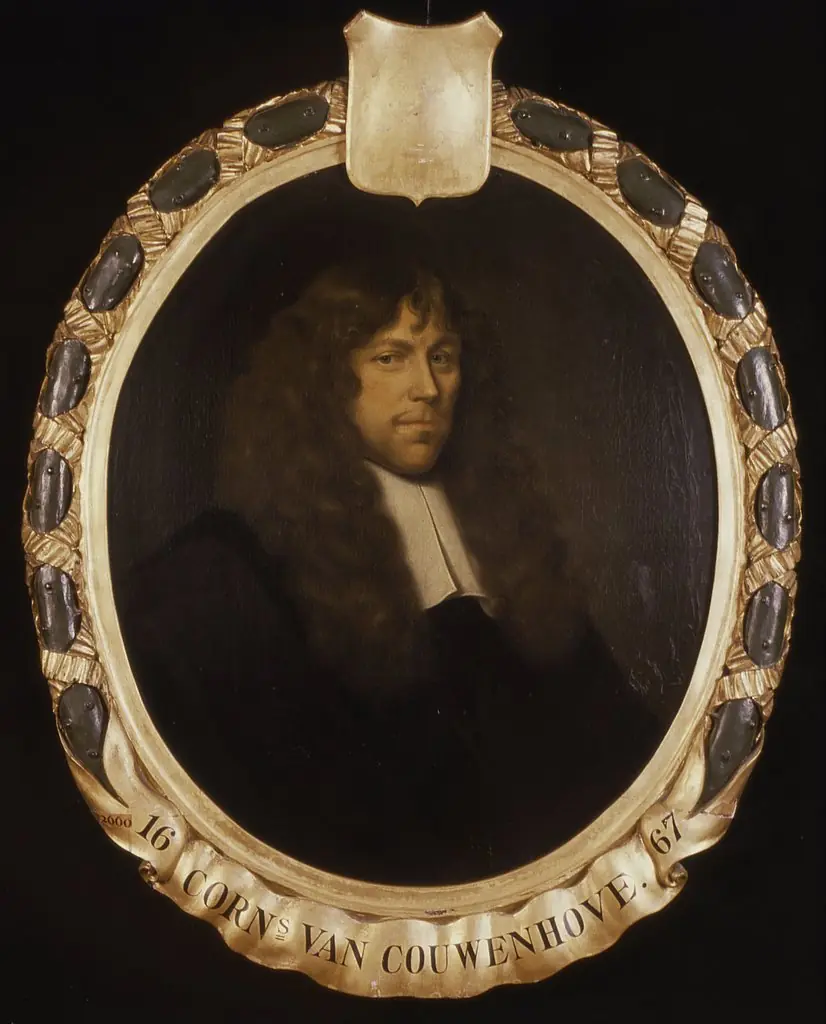 Portrait of Cornelis van Couwenhove, Director of the Rotterdam Chamber of the Dutch East India Company, elected 1667
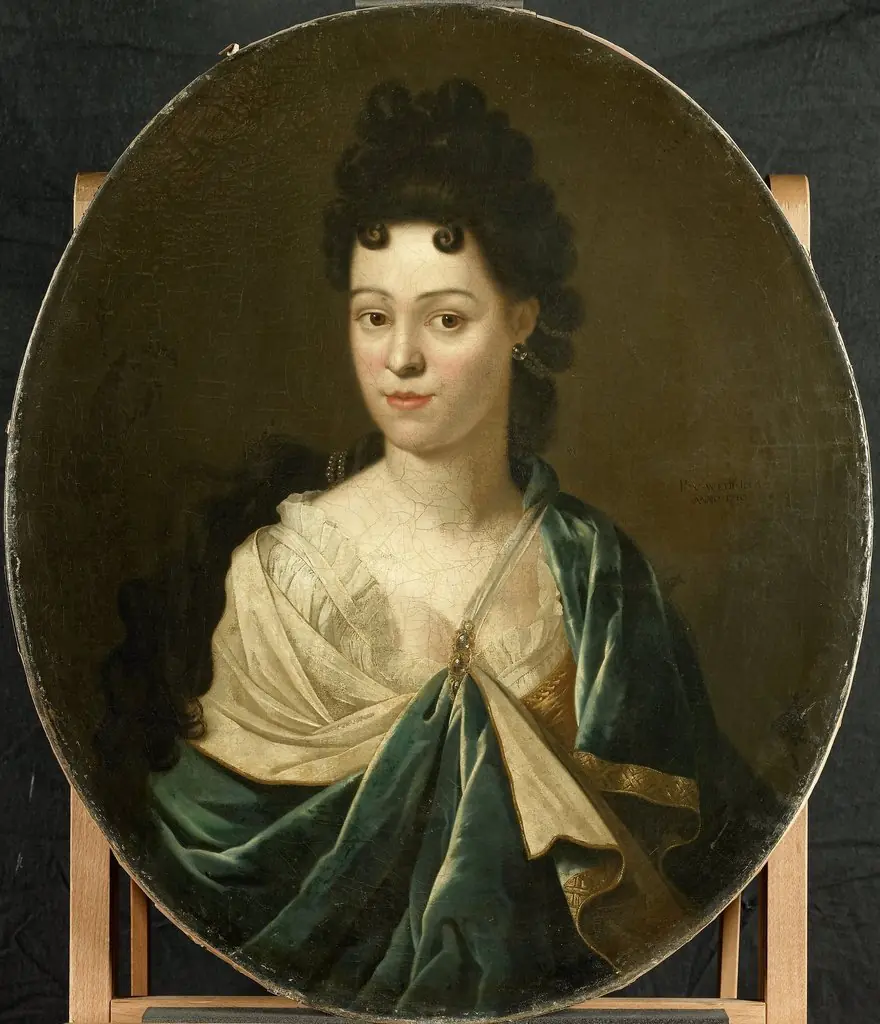 Portrait of Mrs. Brust-Batailhy
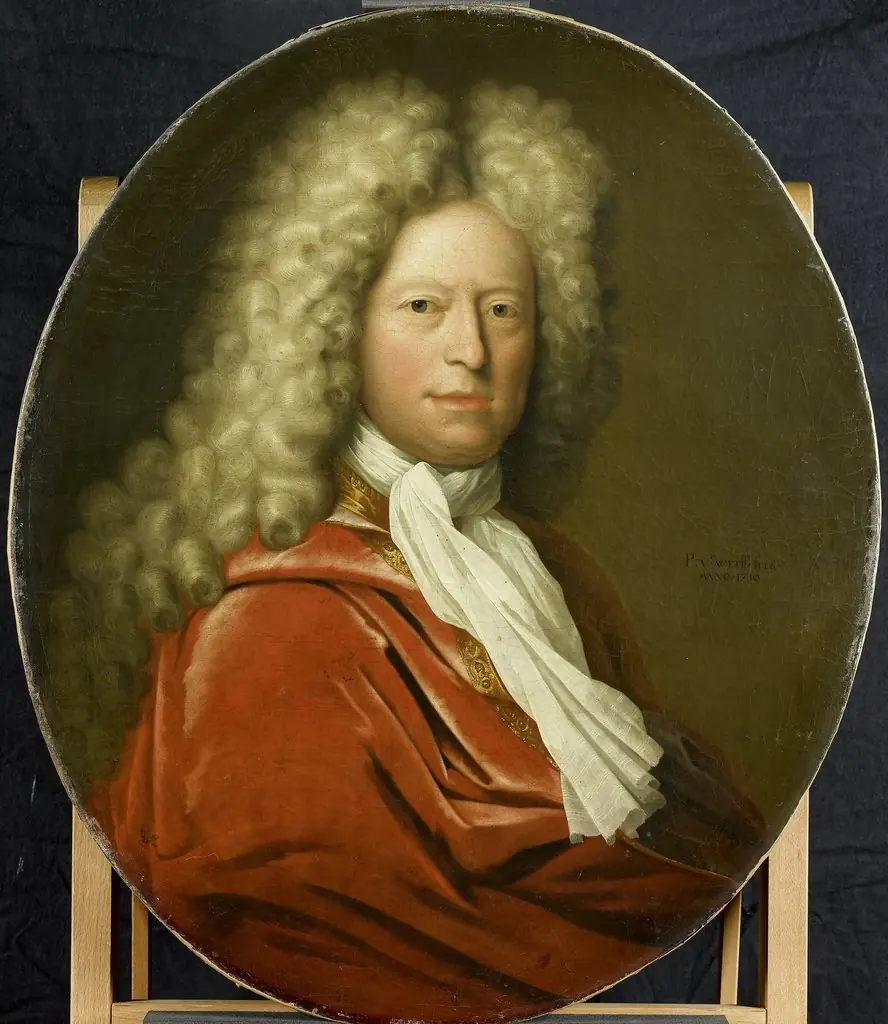 Portrait of Mr. Brust
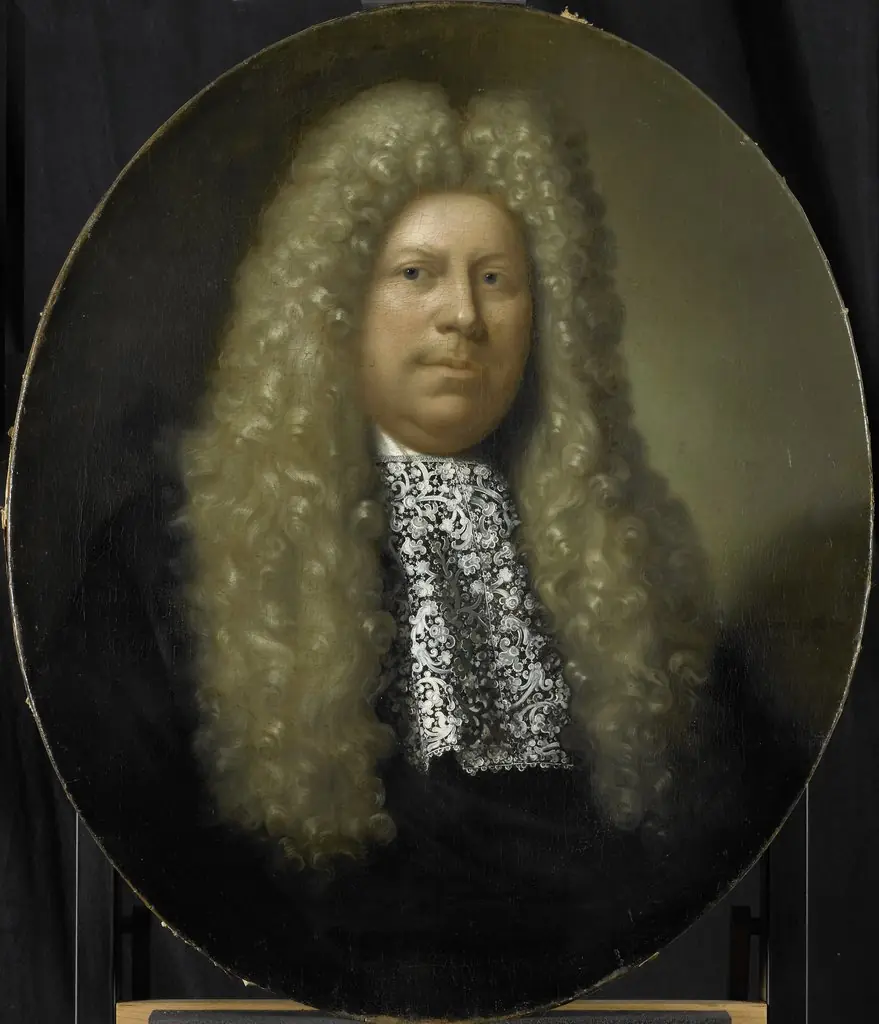 Portrait of Jacob Dane, Director of the Rotterdam Chamber of the Dutch East India Company, elected 1689