Artwork
Self-portrait
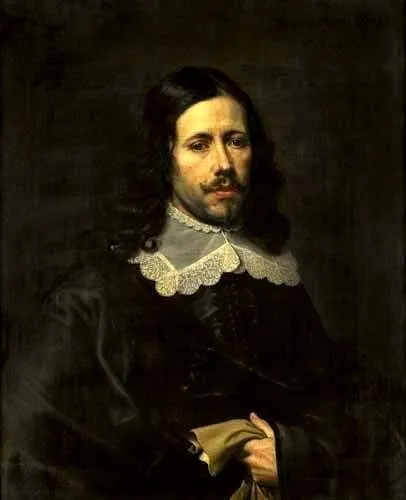
Self-portrait is an oil painting by the Flemish Baroque painting artist Pieter van Lint. It dates from 1646 and is held in the collection of the Royal Museums of Fine Arts of Belgium.
About this work
Overview
Painted in 1646, this oil-on-canvas self-portrait by Pieter van Lint captures the artist in mid-adult life.
Painted in 1646, this oil-on-canvas self-portrait by Pieter van Lint captures the artist in mid-adult life. A Flemish painter trained in Antwerp and influenced by his time in Italy, van Lint employed the medium’s richness to convey personal presence rather than narrative. The work belongs to the Royal Museums of Fine Arts of Belgium, where it remains as a quiet testament to his dual engagement with portraiture and the broader Baroque aesthetic.
Subject & Meaning
Van Lint depicts himself with a composed, introspective gaze, avoiding direct eye contact with the viewer. His dark attire and refined lace collar suggest professional dignity, while the folded paper in his hand may imply intellectual or artistic activity—perhaps a sketch or correspondence. The absence of symbolic props or setting shifts focus entirely to his demeanor, presenting identity through restraint rather than assertion.
Technique & Style
The painting demonstrates a controlled use of chiaroscuro, with light falling sharply across the face and collarbone, modeling form against a deep, neutral background. Brushwork is precise yet unobtrusive, emphasizing texture in the lace and the softness of skin without overt flourish. The tonal contrast enhances three-dimensionality, aligning with classical ideals absorbed during van Lint’s Italian sojourn, while retaining Flemish attention to detail.
History & Provenance
Created during van Lint’s mature period after his return from Italy, the portrait likely served as a personal record or professional calling card. It entered the Royal Museums of Fine Arts of Belgium’s collection in the 19th century, possibly through state acquisition or donation. Its preservation reflects its value as a rare surviving example of the artist’s self-representation, distinct from his more numerous religious and genre works.
Context
In mid-17th-century Flanders, self-portraiture was uncommon among artists not part of the elite or court circles. Van Lint’s decision to portray himself reflects both personal ambition and the influence of Italian Renaissance practices, where artists increasingly asserted individual identity. His work bridges Flemish realism and Italianate classicism, situating him within a transitional generation of painters seeking broader artistic legitimacy.
Legacy
Though less celebrated than contemporaries like Rubens, van Lint’s self-portrait endures as a subtle example of Flemish introspection in the Baroque era. It offers insight into how artists outside major centers constructed their public image through understated means. The painting contributes to scholarly understanding of artistic self-awareness in a period dominated by religious and mythological commissions.
Artist & collection
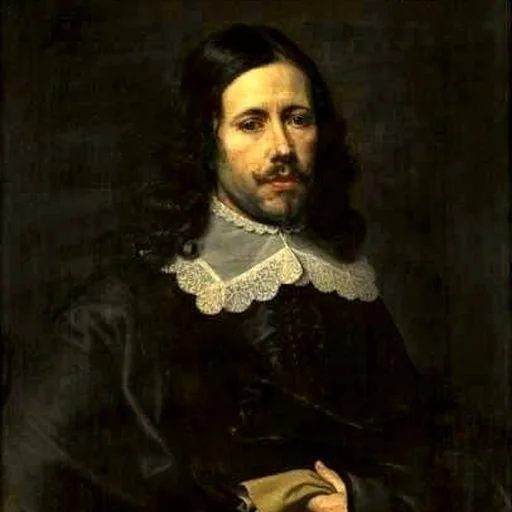
Artist
Pieter van Lint or Peter van Lint (1609–1690) was a Flemish painter, draughtsman and designer of tapestries.

Museum
Royal Museums of Fine Arts of Belgium
Continue through works from the same source collection.
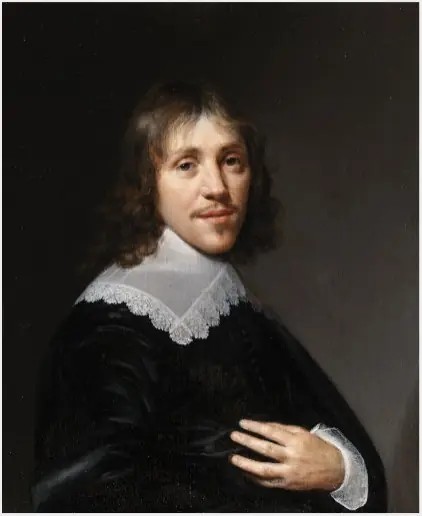 Portrait of a Man Aged 28
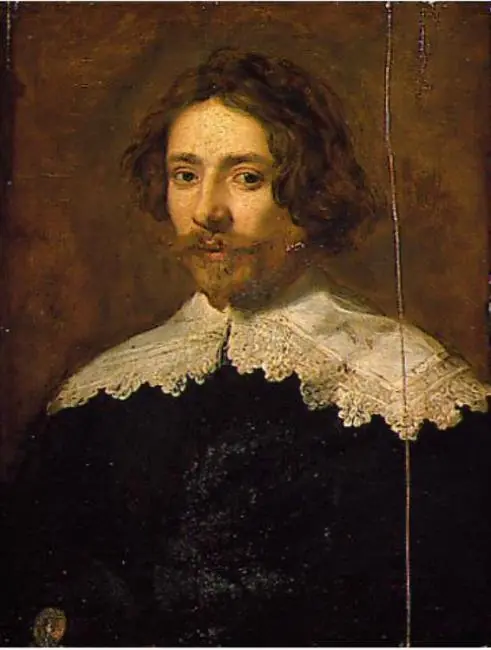 Portrait of a Man
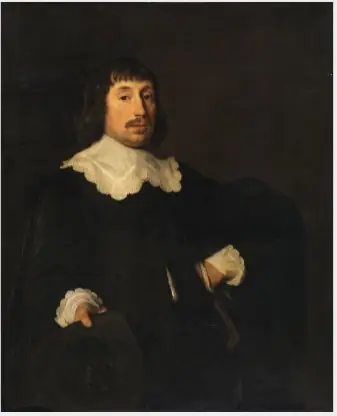 Portrait of a Man
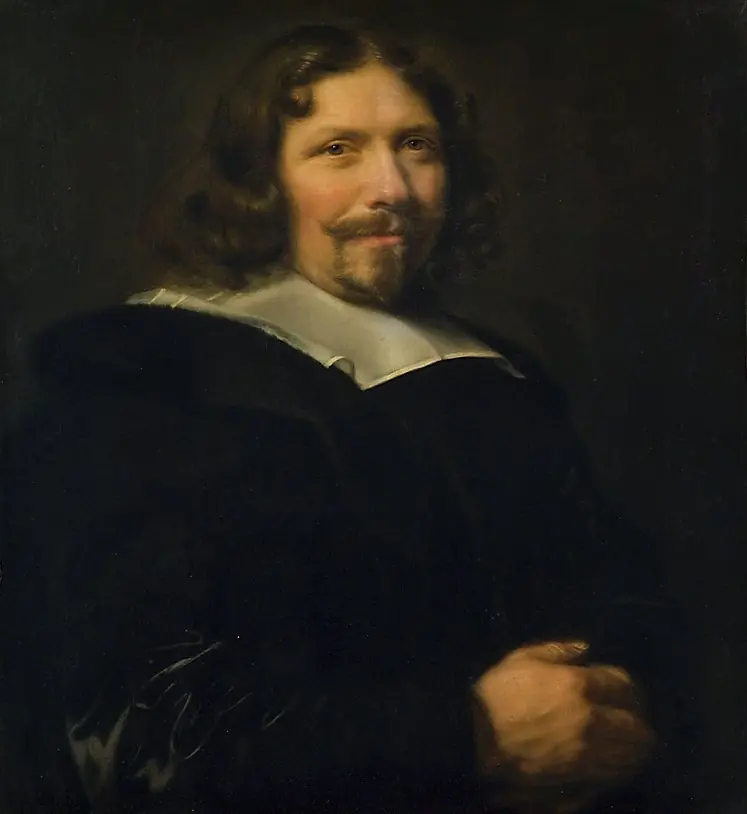 Portrait of Kerckhoven of Antwerp
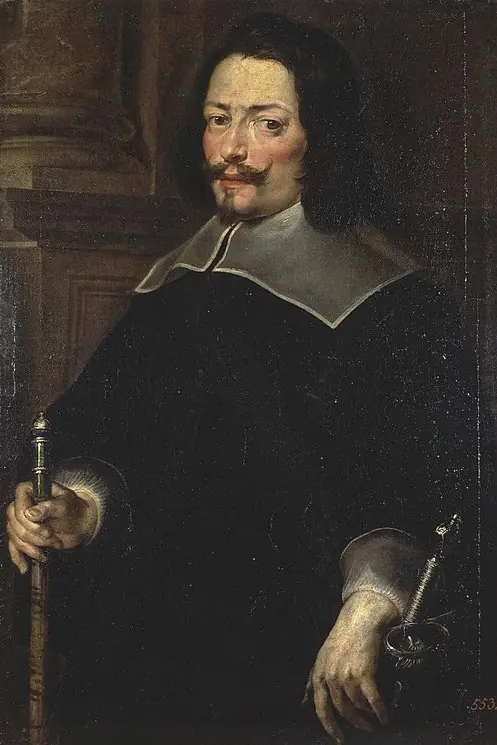 Portrait of a Man
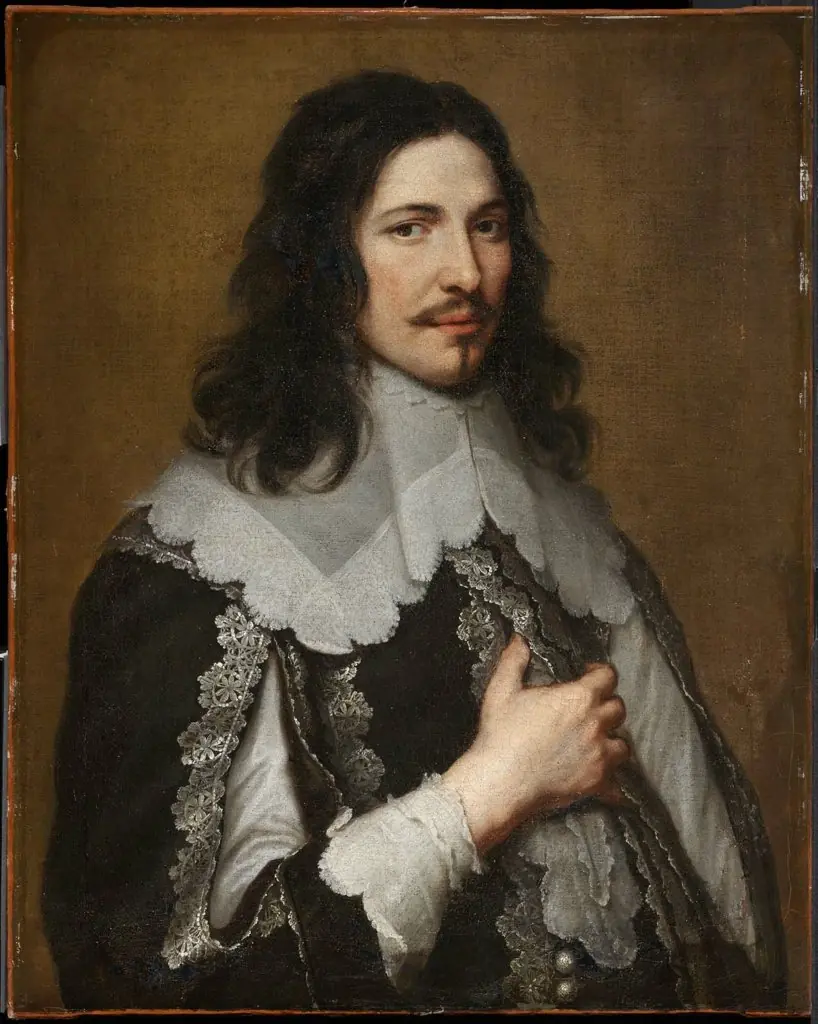 Portrait of a Man
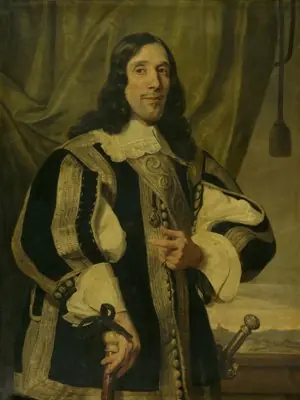 Portrait of an officer
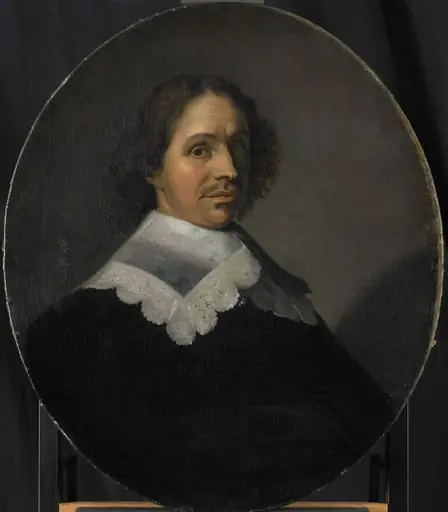 Portrait of Paulus Verschuur, Served seven terms as Burgomaster of Rotterdam and also Director of the Rotterdam Chamber of the East India Company, elected 1651
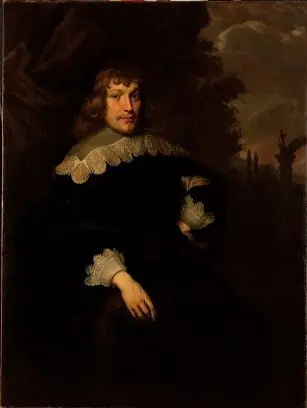 Portrait of Hendrick Bicker (1615-1651)
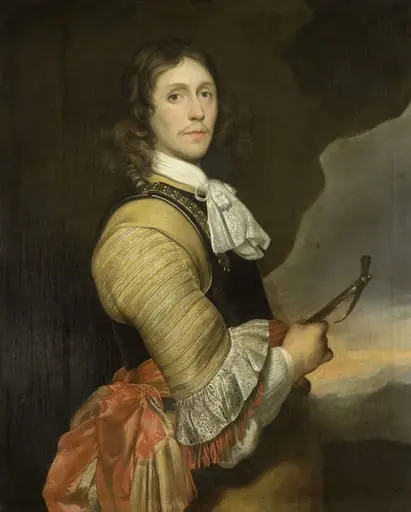 Portrait of a Captain
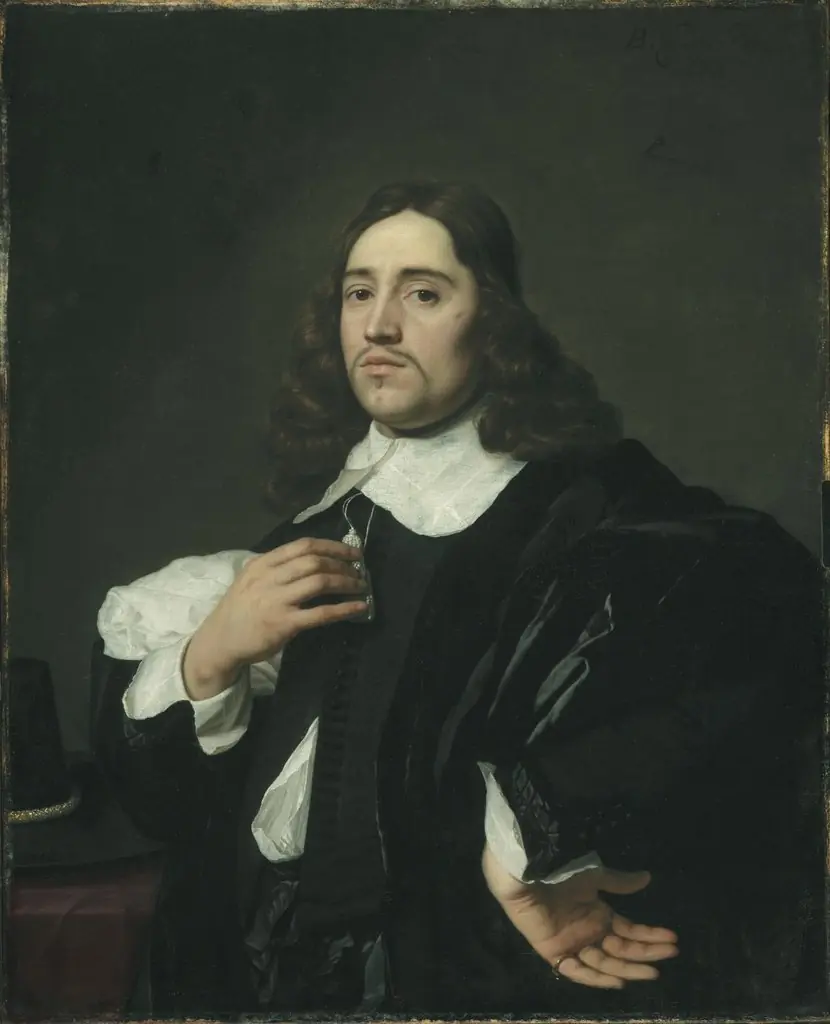 Portrait of a Gentleman (hand on hip)
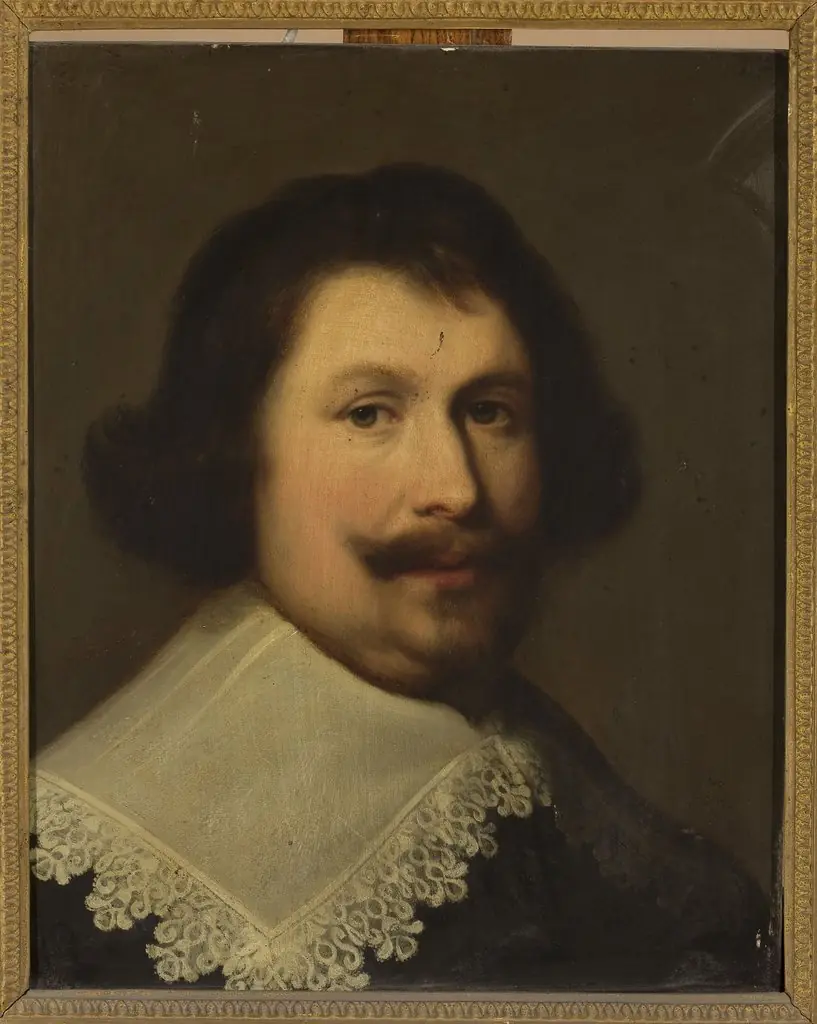 Portrait of a nobleman