Artwork
Jephthae's Daughter
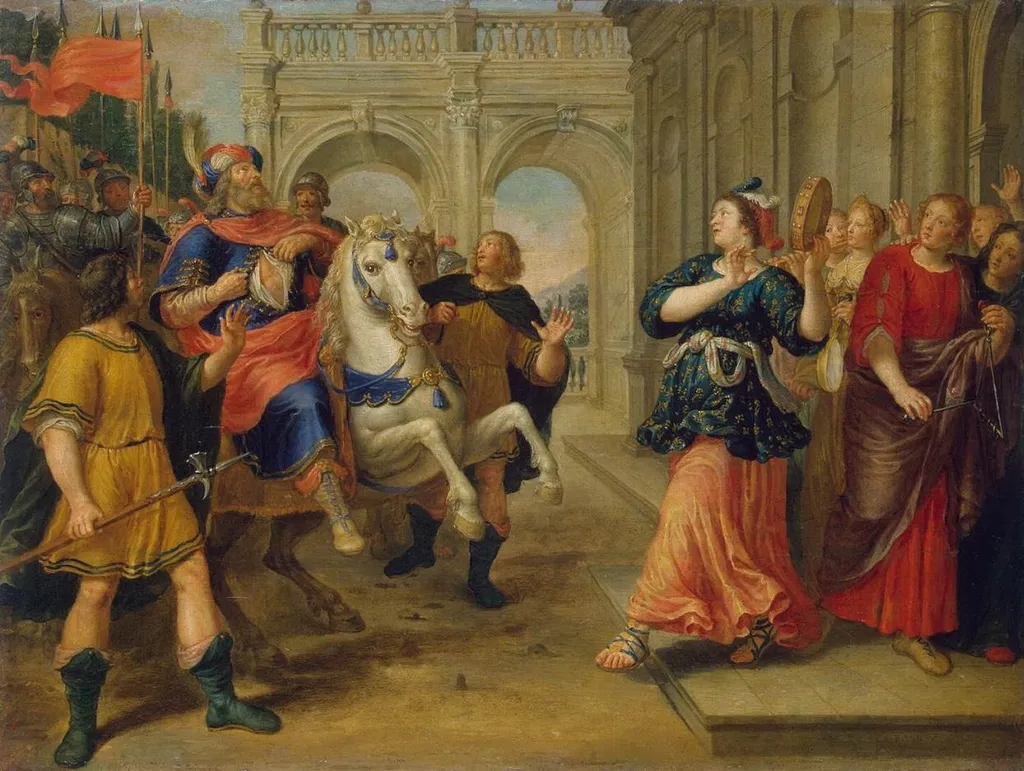
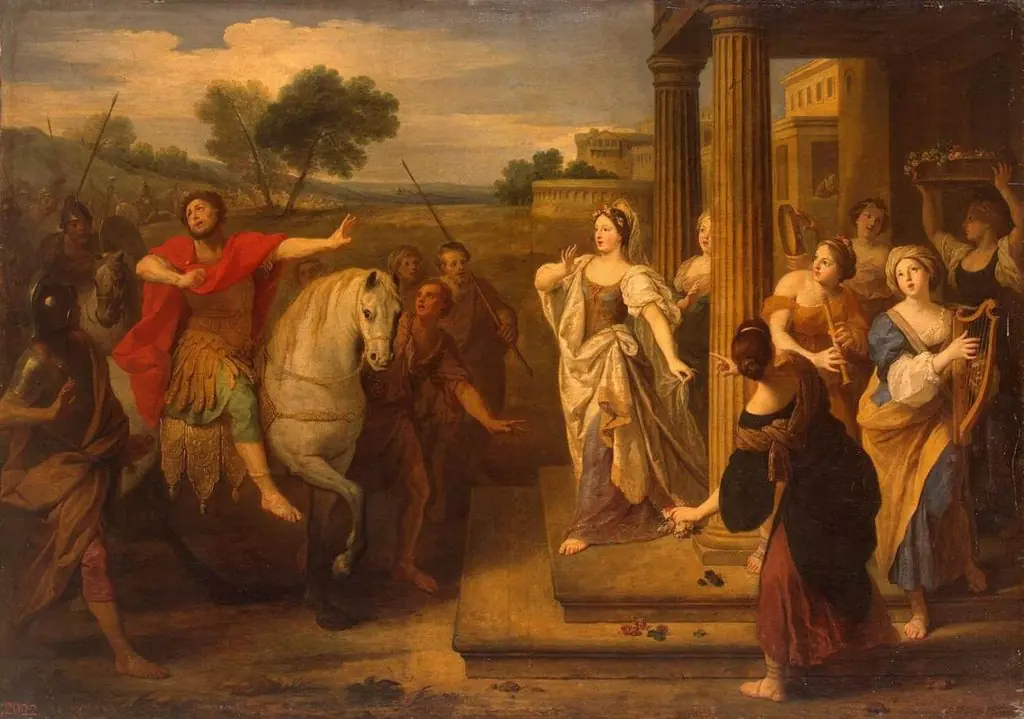
Jephthae's Daughter is an oil painting by the Flemish Baroque painting artist Pieter van Lint. It dates from 1640 and is held in the collection of the Hermitage Museum.
About this work
Overview
Painted in 1640 by Pieter van Lint, *Jephthae's Daughter* is an oil-on-canvas work rooted in the Flemish Baroque tradition.
Painted in 1640 by Pieter van Lint, *Jephthae's Daughter* is an oil-on-canvas work rooted in the Flemish Baroque tradition. Van Lint, trained in Antwerp and influenced by his time in Italy, specialized in narrative religious scenes. This painting captures a moment of high emotional tension from the biblical story of Jephthah, rendered with the theatricality and compositional clarity typical of his style and era.
Subject & Meaning
The scene illustrates the moment Jephthah, having vowed to sacrifice the first person he meets upon returning home, confronts his daughter. The central figure on horseback, sword raised, embodies the weight of a fatal promise. Surrounding figures react with anguish and disbelief, emphasizing the tragedy of unintended consequences. The woman holding the mirror may symbolize self-recognition or lost innocence, deepening the moral gravity of the moment.
Technique & Style
Van Lint employs strong chiaroscuro to isolate key figures against a dimly lit architectural backdrop, heightening the drama. Bold, saturated hues—particularly the red dress and blue garment—direct the viewer’s eye through the chaos. The figures are arranged in a dynamic arc, their gestures amplifying emotional intensity. The brushwork is precise yet expressive, balancing naturalism with the heightened realism favored in Baroque history painting.
History & Provenance
Created during van Lint’s mature period, the painting reflects his synthesis of Flemish and Italian Baroque influences after his stay in Rome. It likely originated in Antwerp, where he maintained a workshop and received commissions from religious and civic patrons. While its early ownership is undocumented, its stylistic coherence with his other known works supports its attribution and dating to circa 1640.
Context
In mid-17th-century Flanders, biblical narratives remained central to artistic patronage, especially after the Council of Trent encouraged emotionally engaging religious imagery. Van Lint’s depiction aligns with contemporary trends favoring psychological depth and physical realism. The inclusion of symbolic objects—mirror, drum—suggests a layered interpretation common among artists responding to Counter-Reformation demands for moral clarity.
Legacy
Though not widely exhibited today, *Jephthae's Daughter* exemplifies van Lint’s role in sustaining the Flemish Baroque tradition beyond Rubens’ shadow. His ability to convey moral conflict through controlled drama influenced later regional painters. The work remains a testament to the period’s preoccupation with fate, sacrifice, and the human cost of divine vows.
Artist & collection
Artist
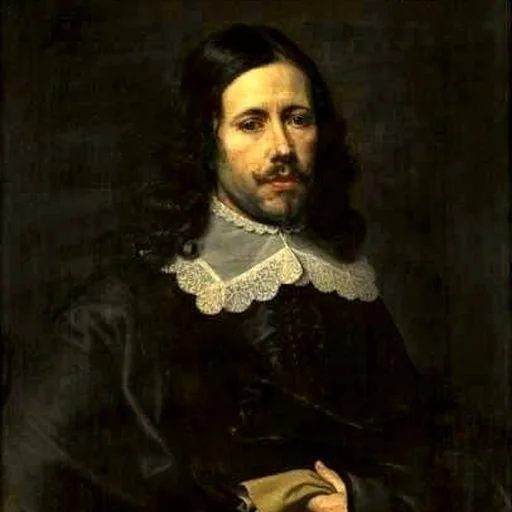
Pieter van Lint or Peter van Lint (1609–1690) was a Flemish painter, draughtsman and designer of tapestries.

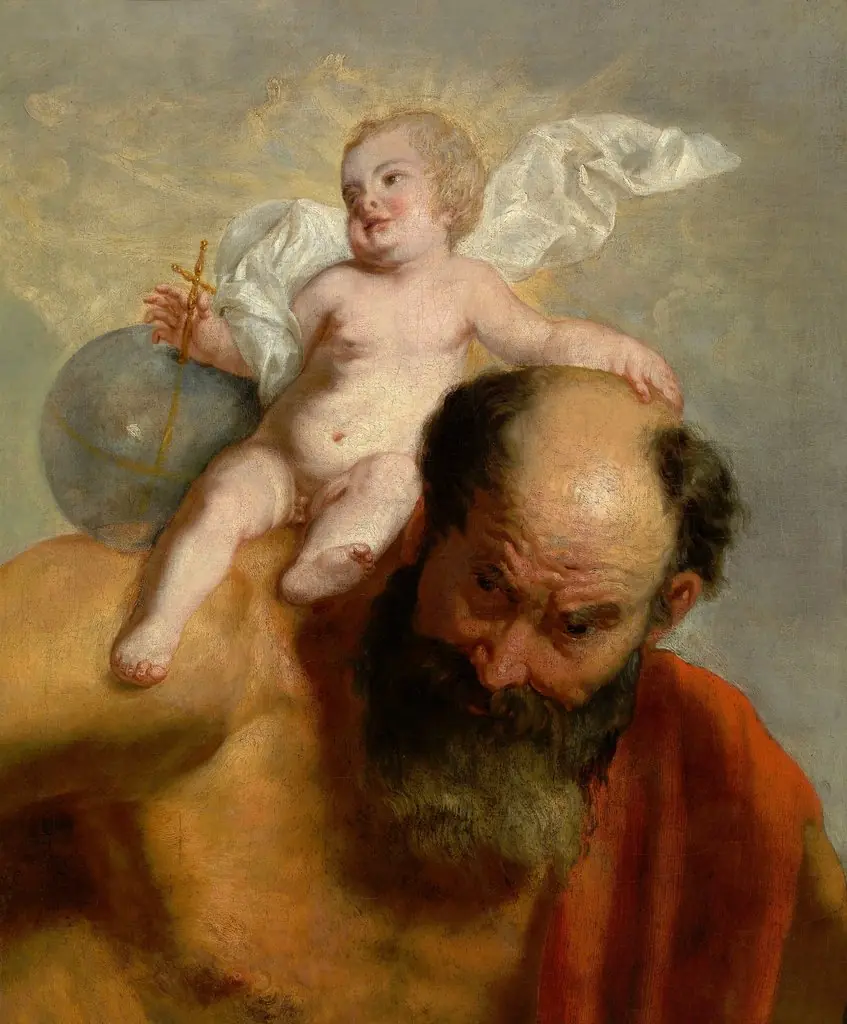
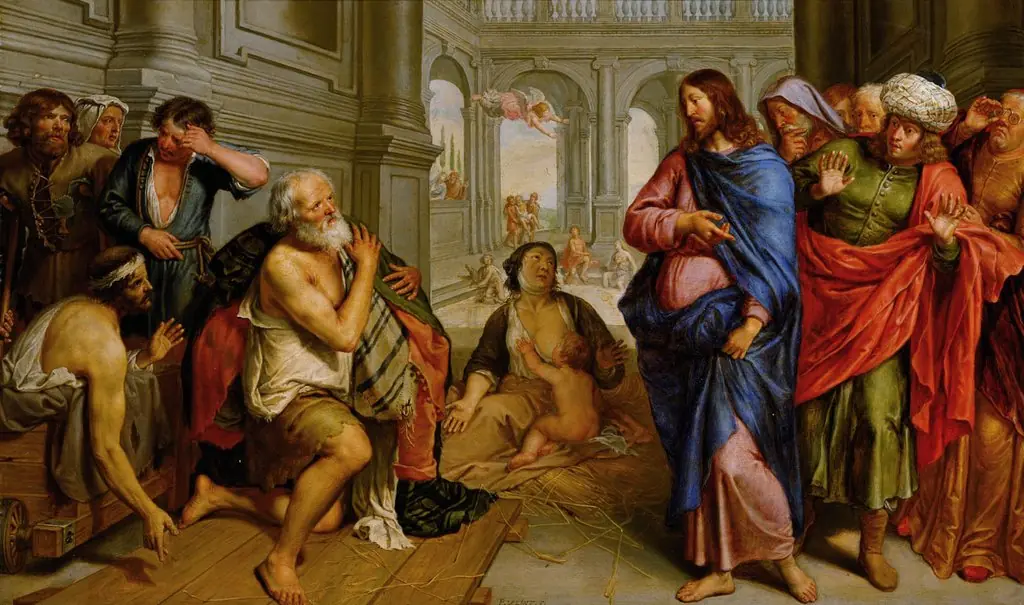
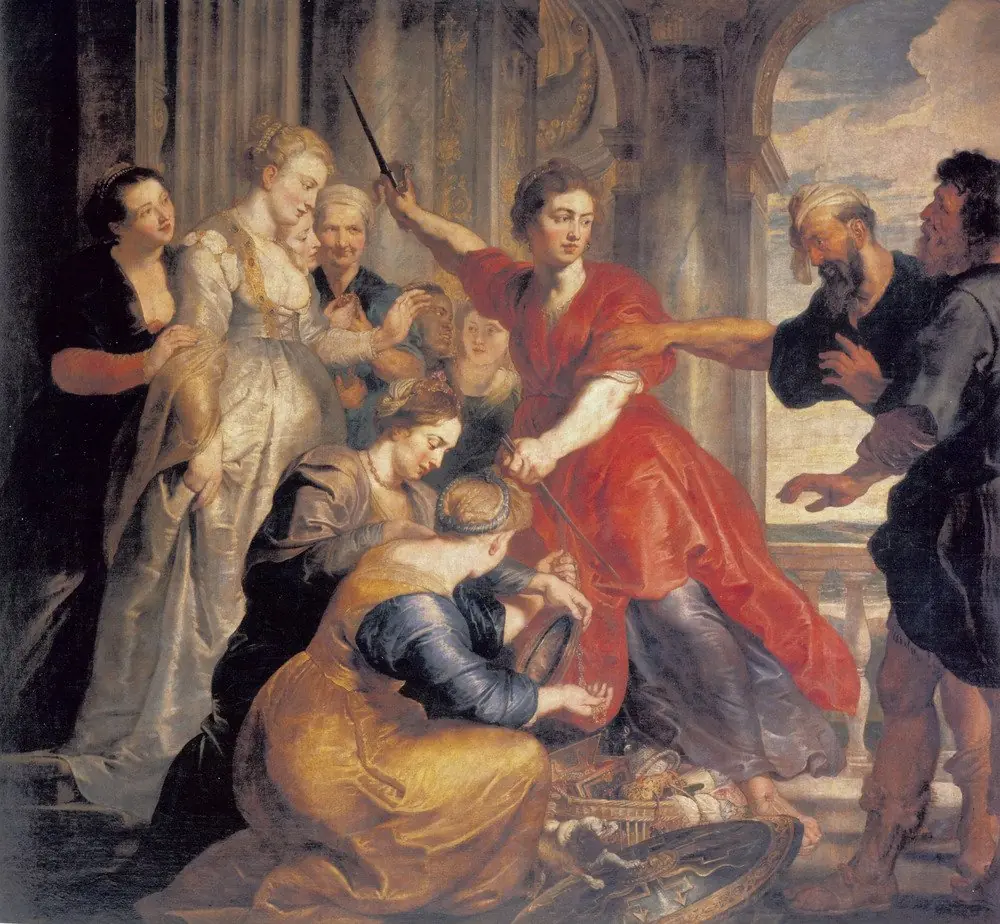 Achilles discovered by Ulysses and Diomedes
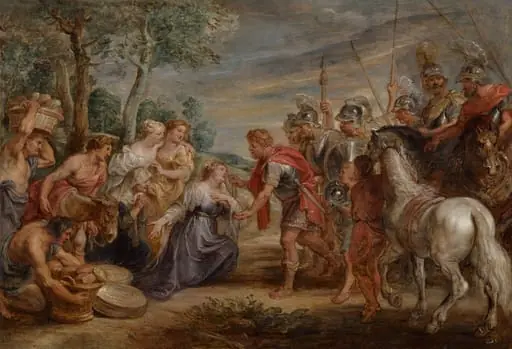 The Meeting of David and Abigail
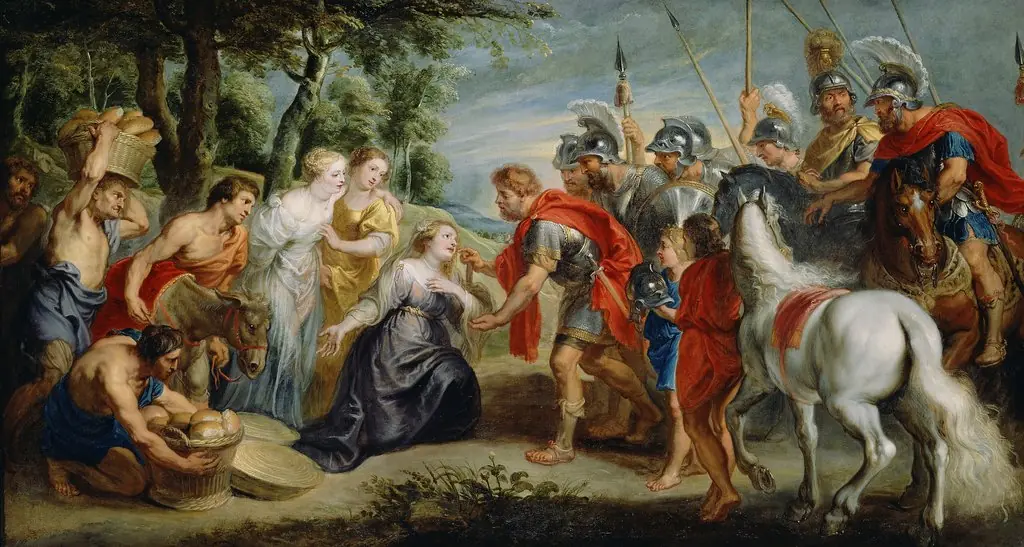 David Meeting Abigail
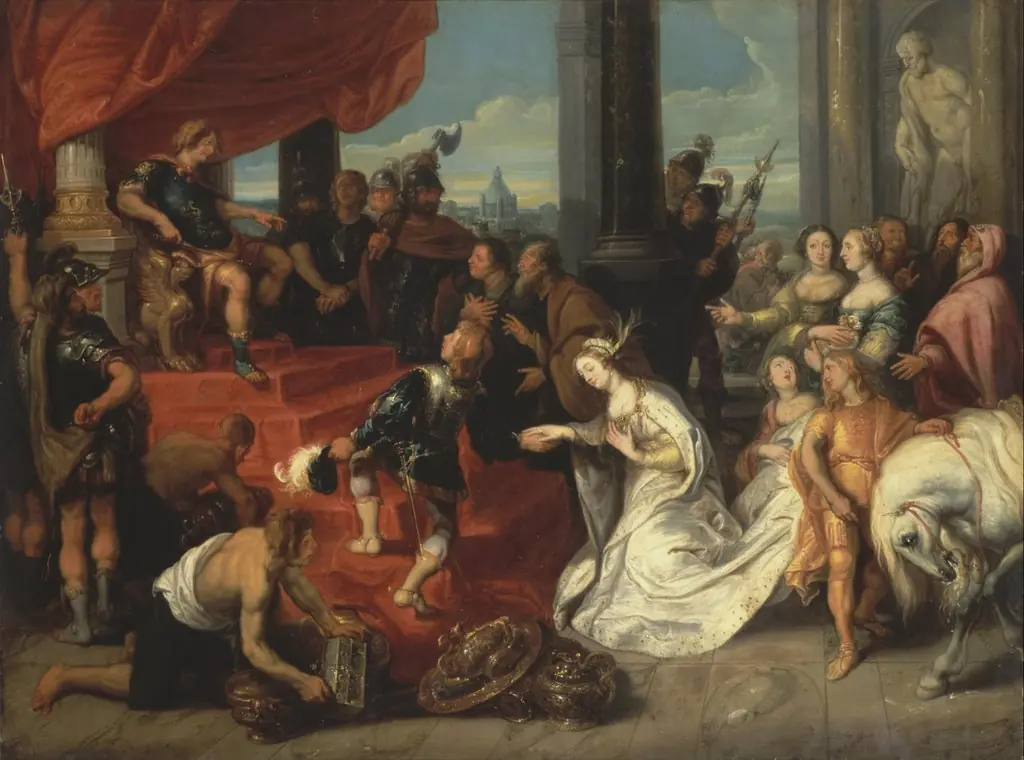 The Magnanimity of Scipio Africanus
 Königin von Saba vor Salomon
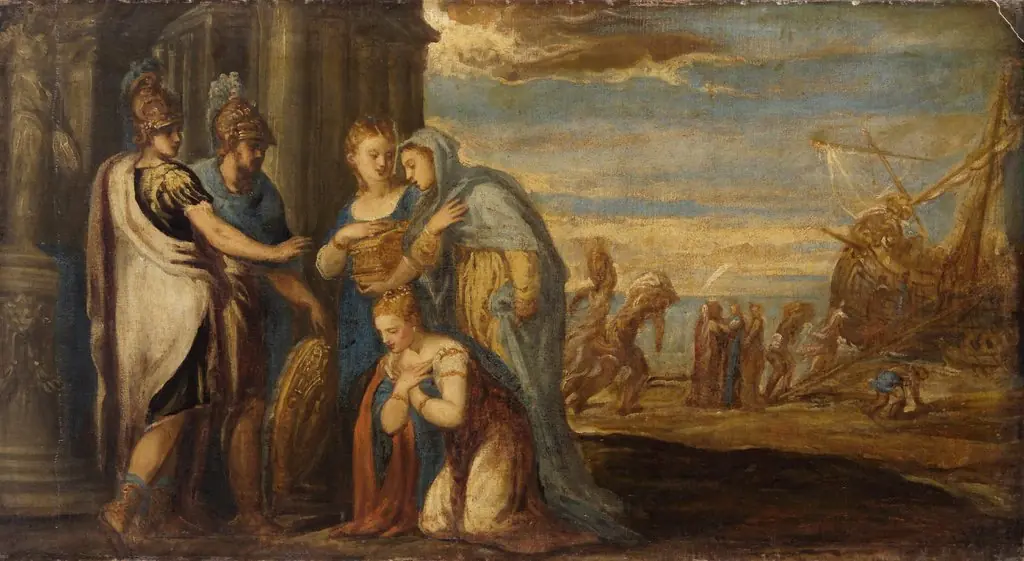 Aeneas Takes Leave of Dido
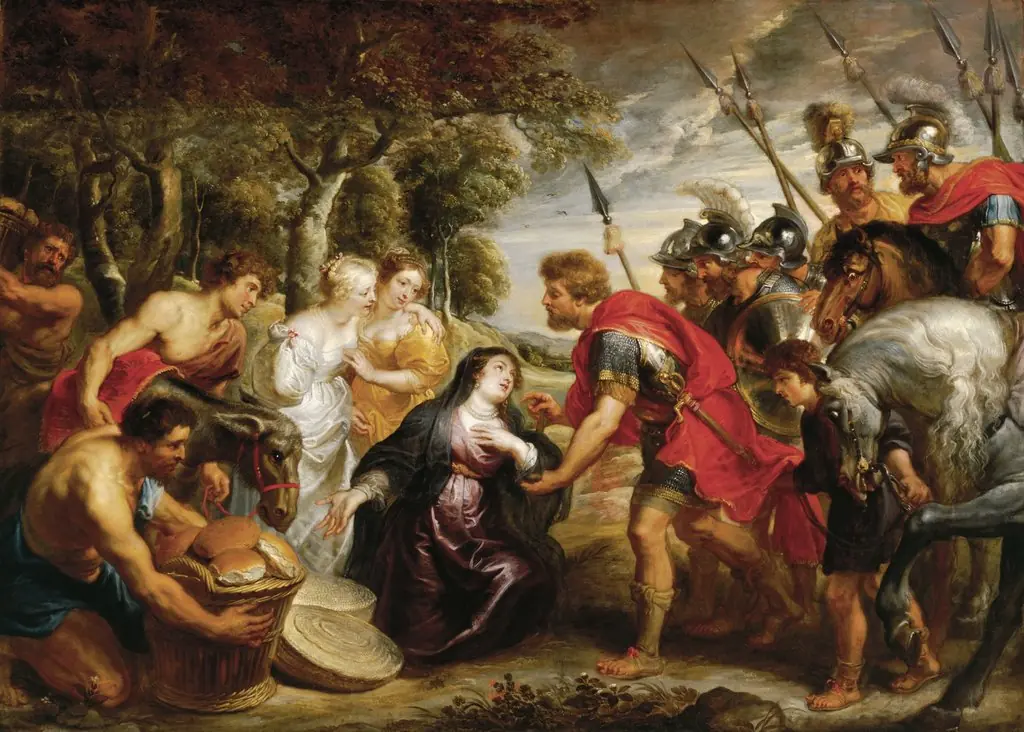 The Meeting of David and Abigail
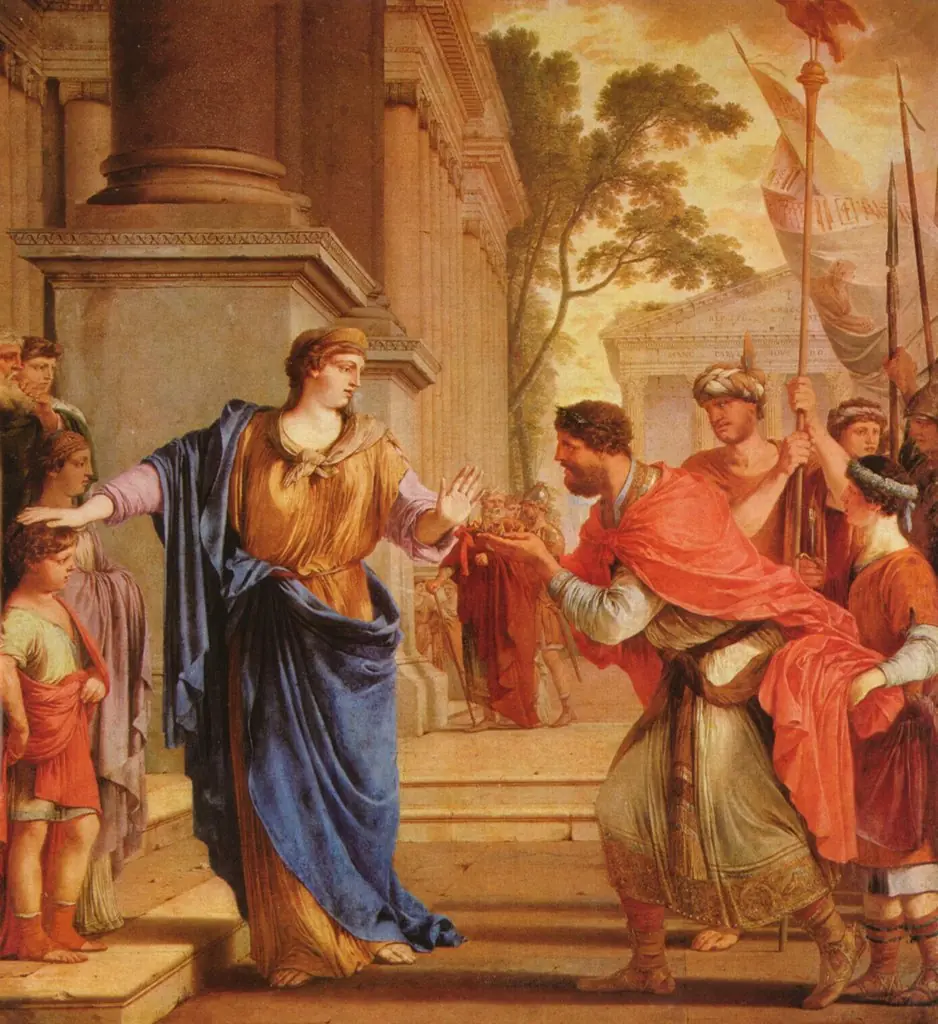 Cornelia rejects the crown of the Ptolemies
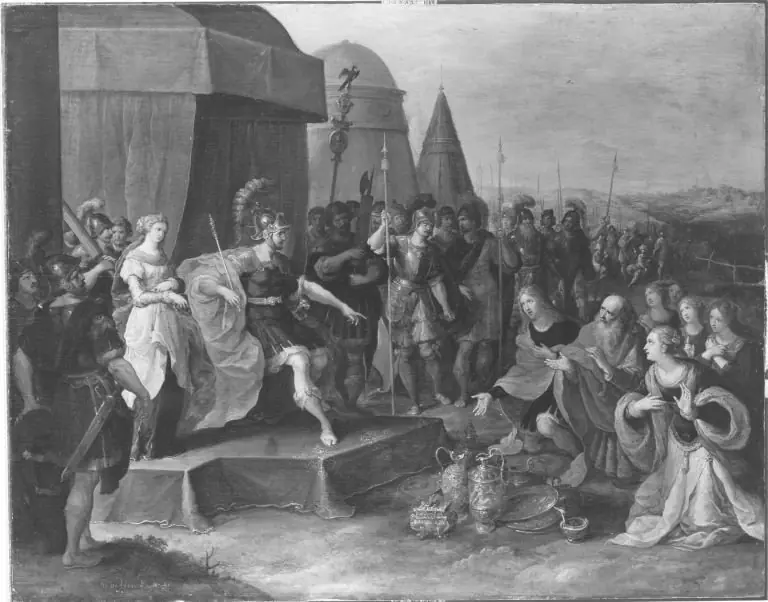 Enthaltsamkeit des Scipio
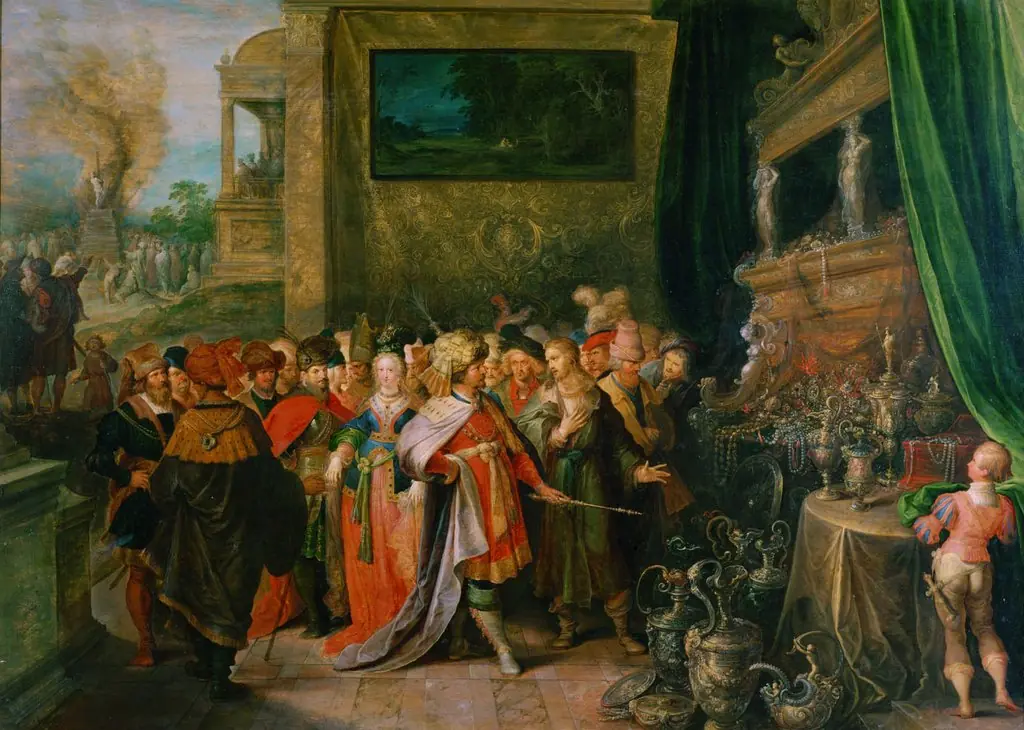 Croesus displays his treasures to Solon
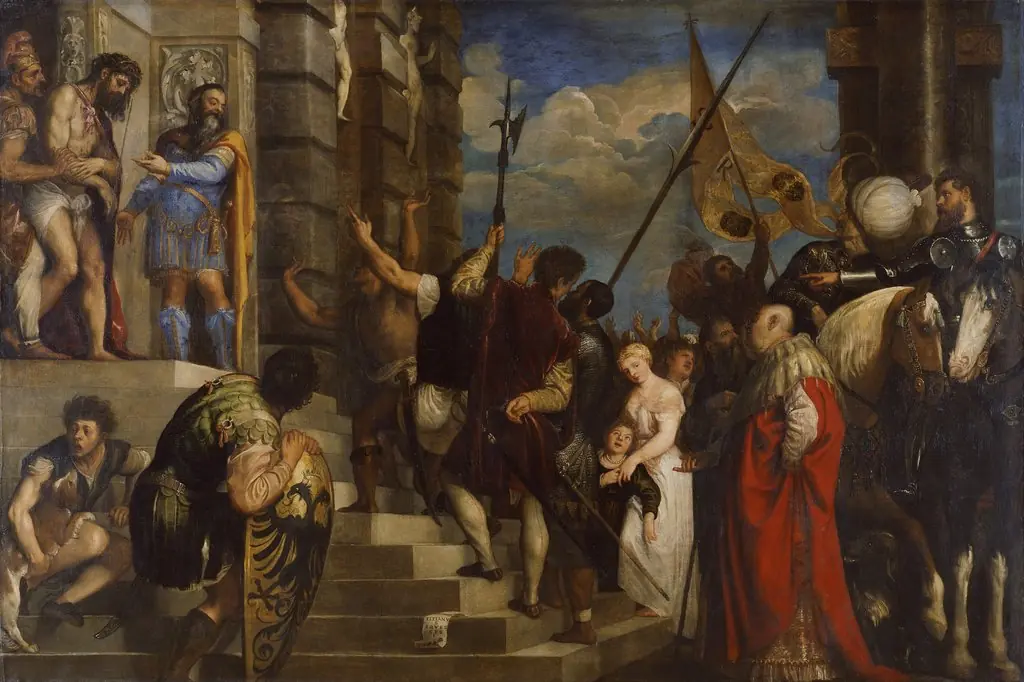 Ecce Homo
 Return of Jephtae