Artwork
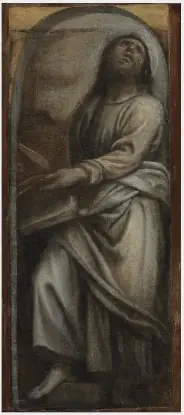
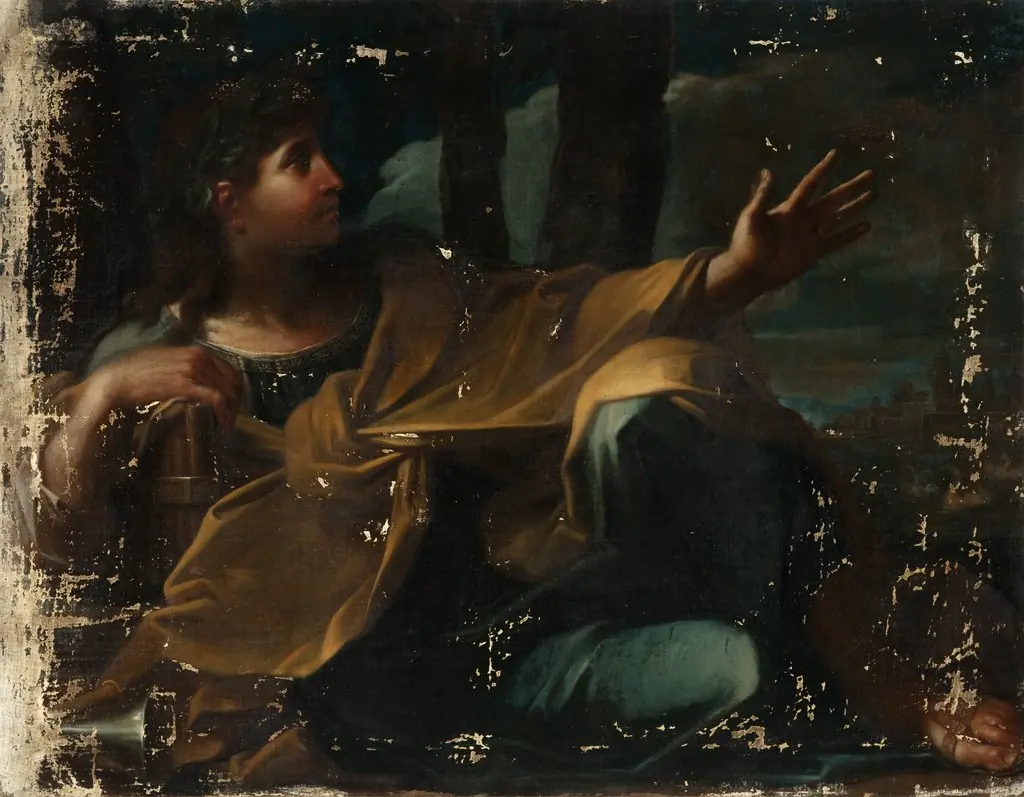
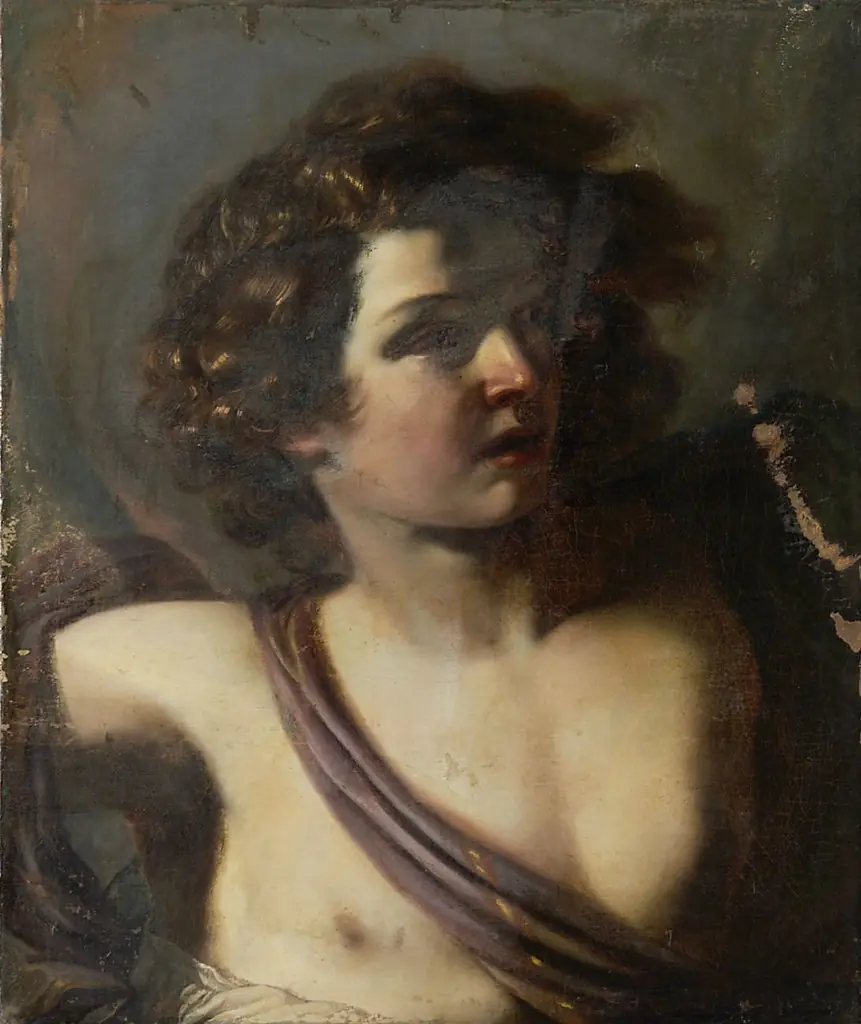
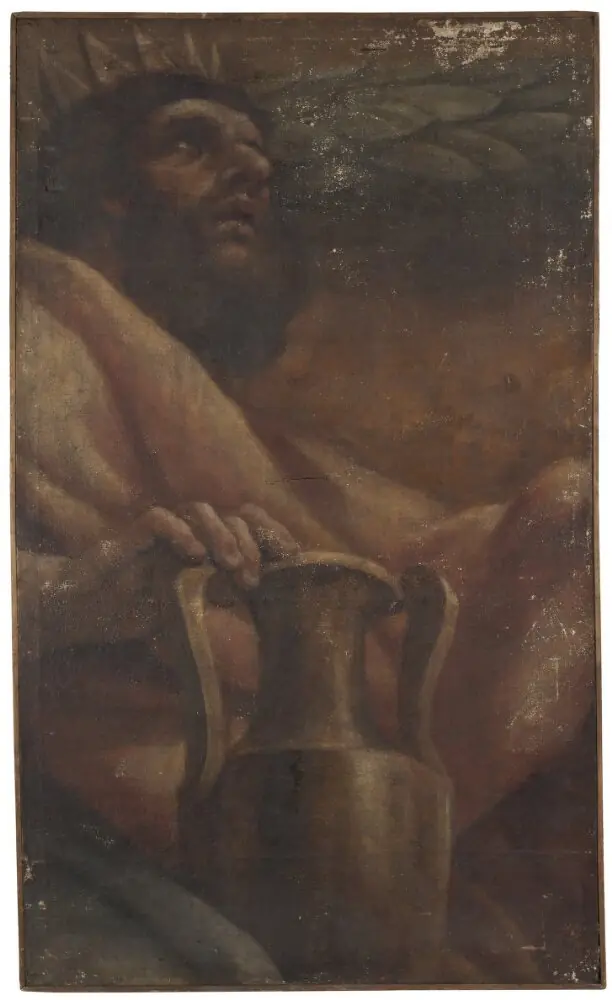
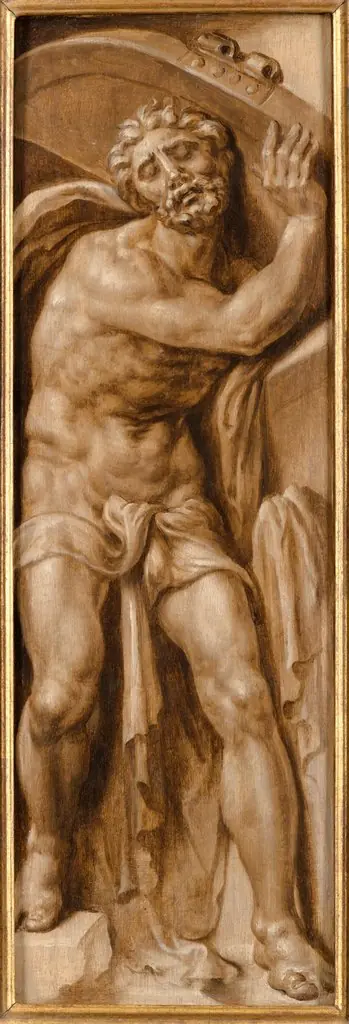
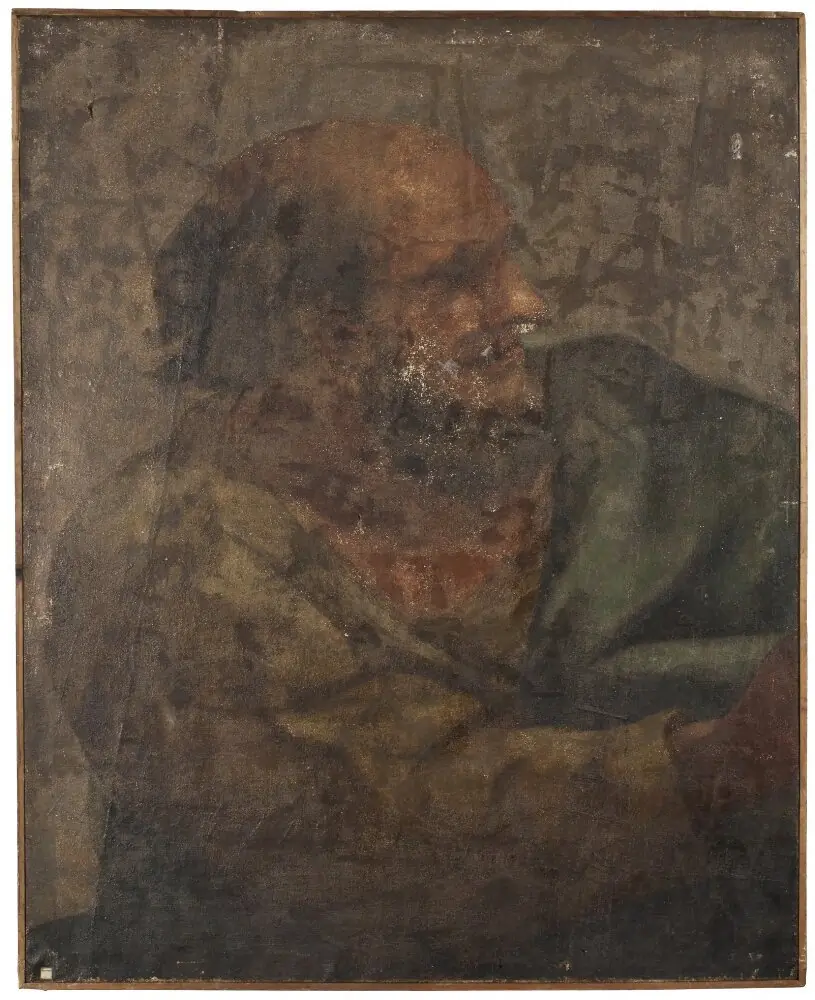
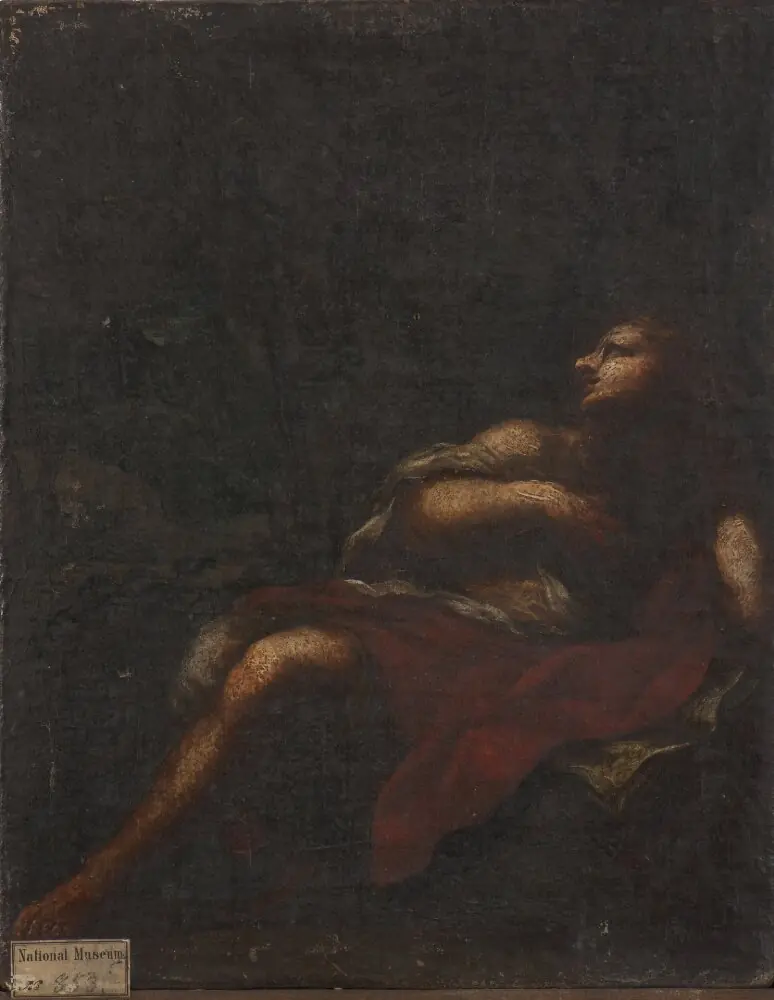
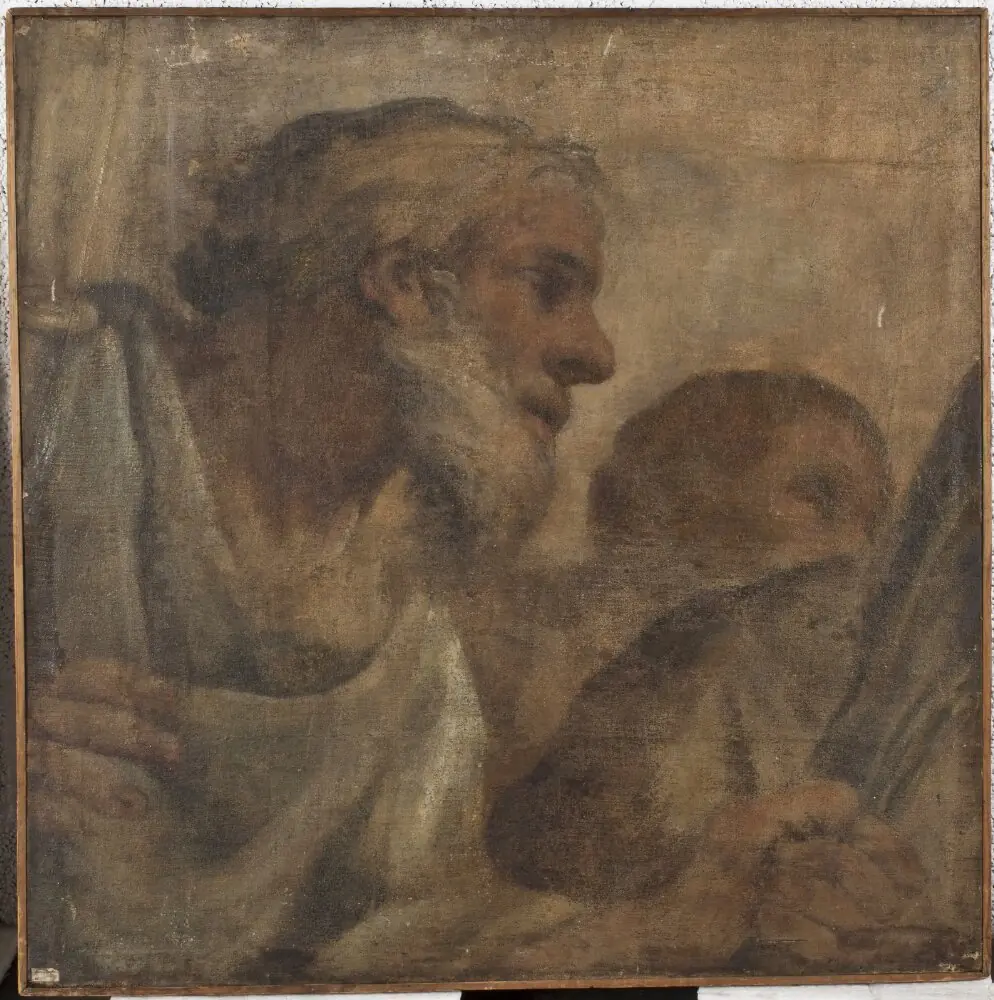
Detail of the vault of the Chapel of the Holy Sacrament in St Peter’s, Rome, cartoon
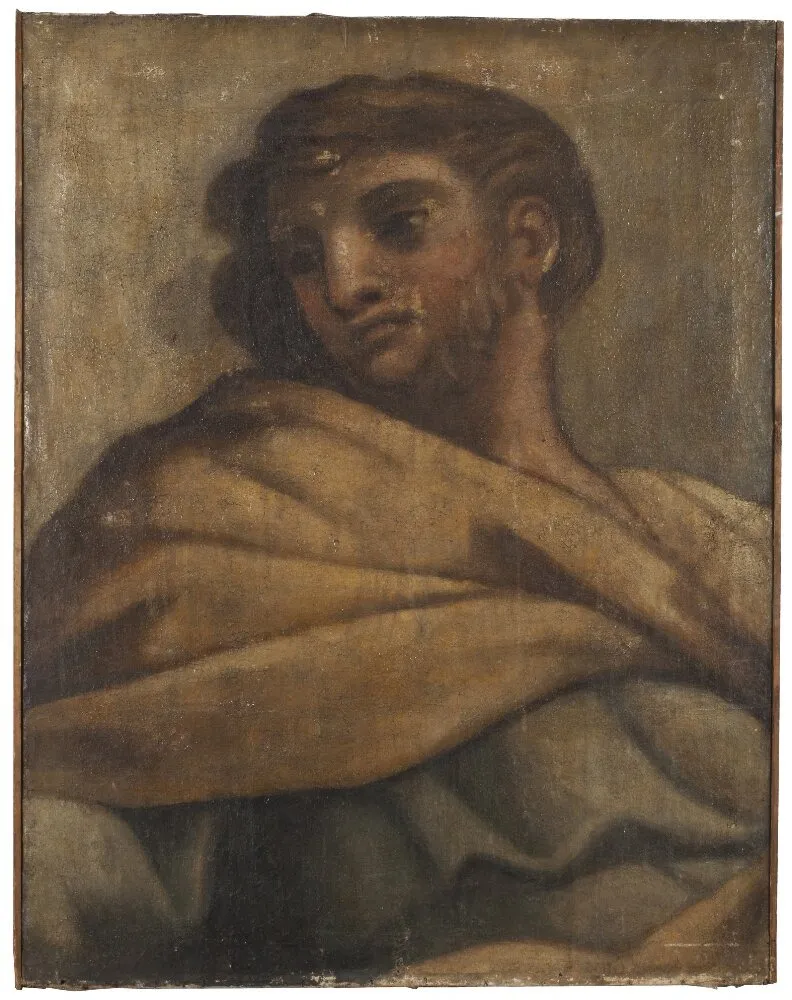
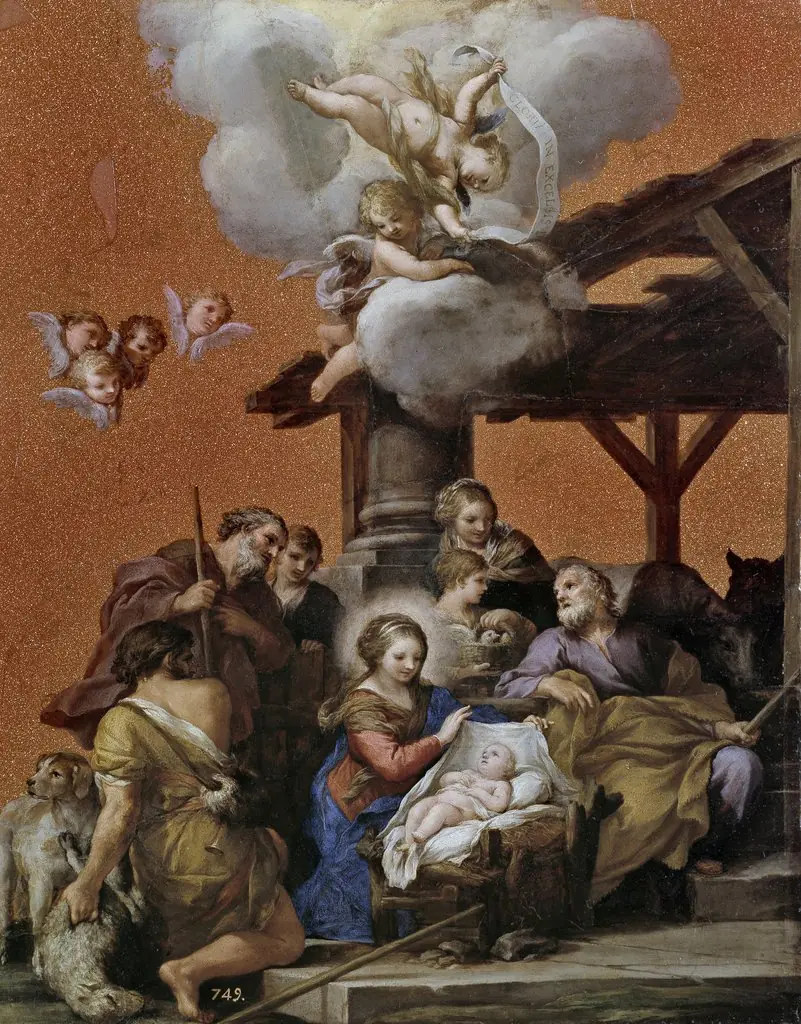
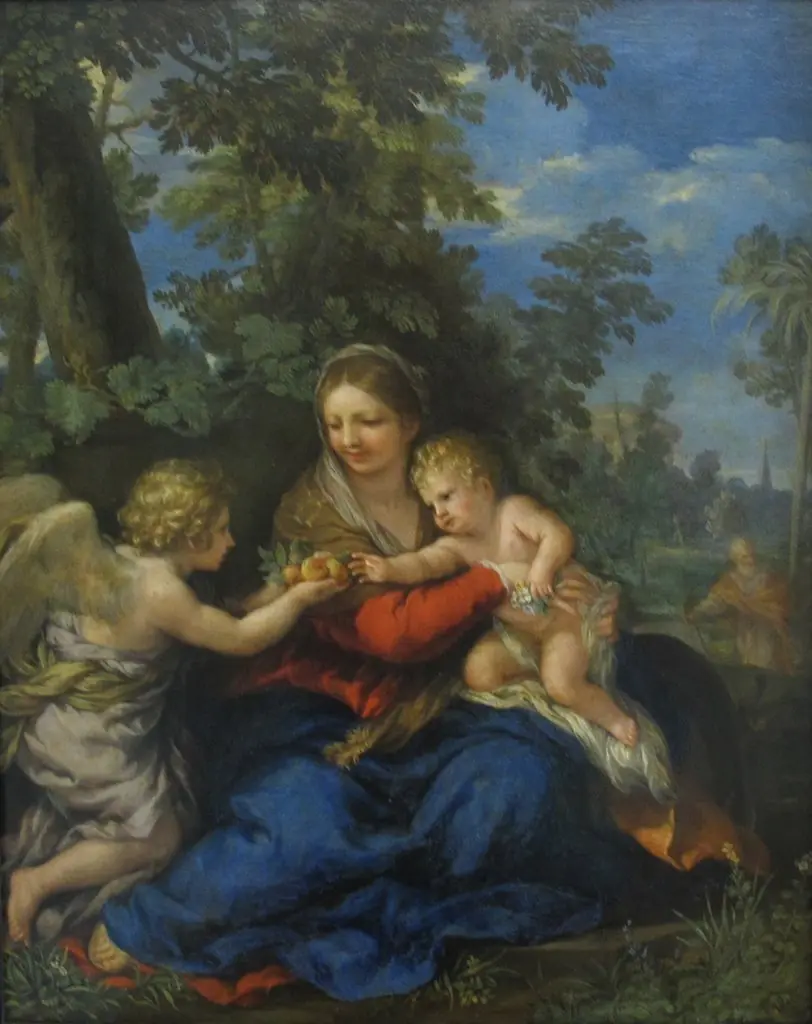
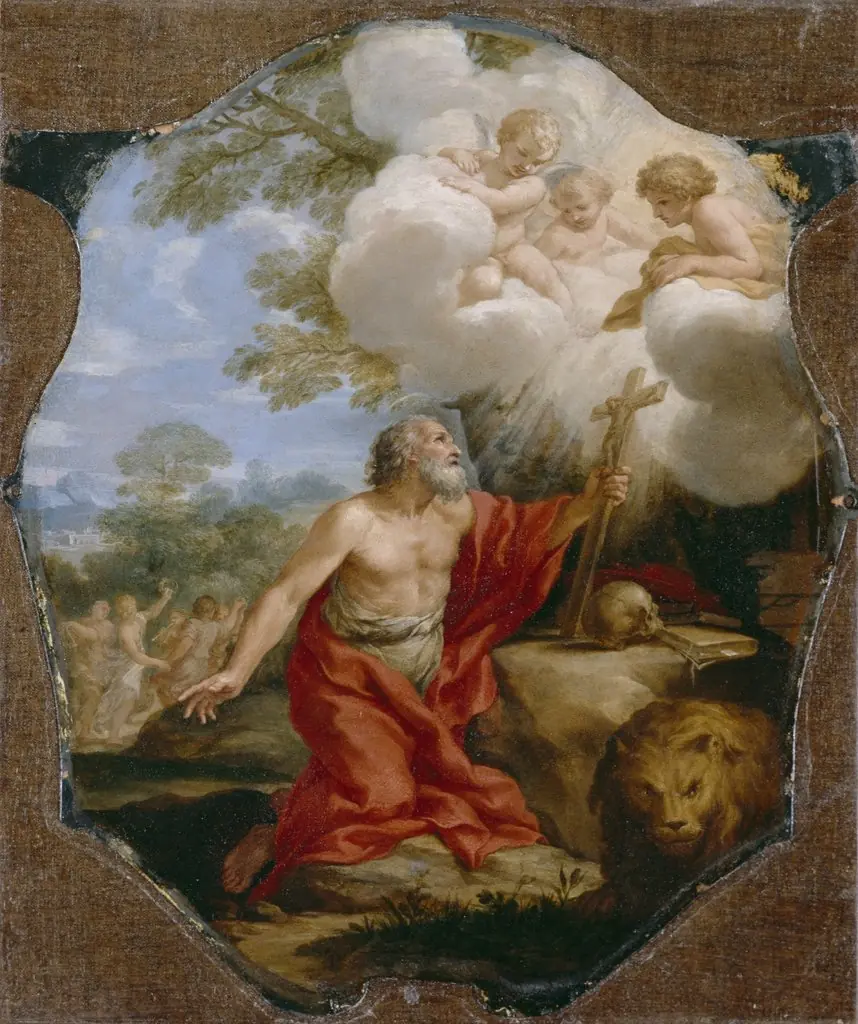
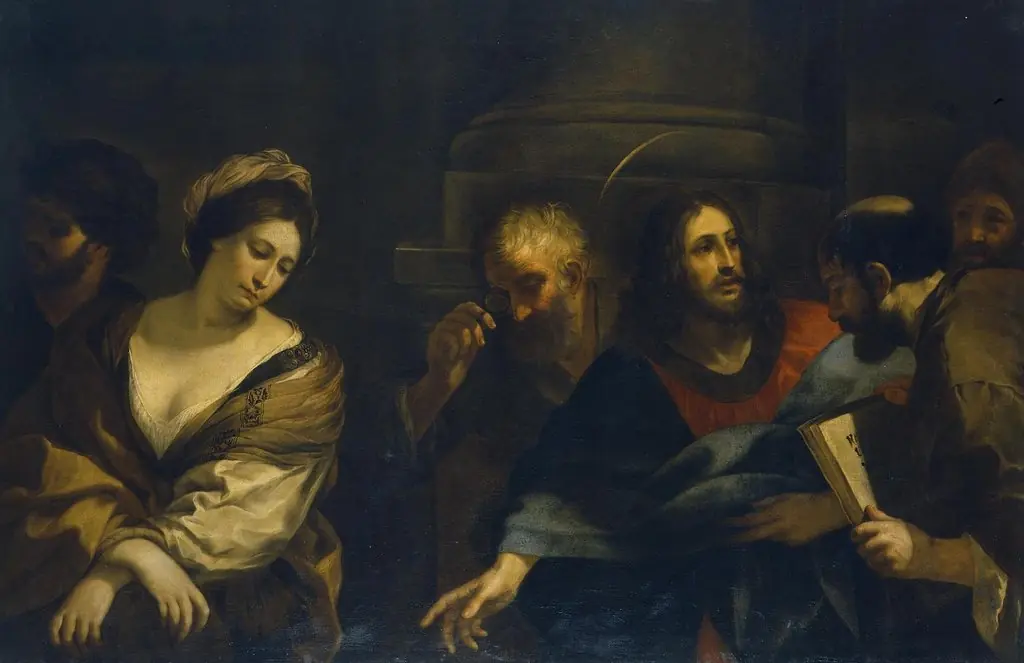
Detail of the vault of the Chapel of the Holy Sacrament in St Peter’s, Rome, cartoon is an oil painting by the Early Baroque Italian artist Pietro da Cortona. It dates from 1642 and is held in the collection of the Nationalmuseum.
About this work
Overview
Created during the height of the Roman Baroque, it served as a working template for artisans who would transfer its design onto the ceiling.
This oil-on-paper cartoon, dated around 1642, was prepared by Pietro da Cortona as a full-scale model for the painted vault of the Chapel of the Holy Sacrament in St. Peter’s Basilica, Rome. Created during the height of the Roman Baroque, it served as a working template for artisans who would transfer its design onto the ceiling. The piece reflects Cortona’s role in shaping ecclesiastical decoration through detailed, large-scale preparatory studies.
Subject & Meaning
The composition centers on a circular motif, likely representing divine presence or heavenly unity, surrounded by ornamental arabesques and architectural framing. These elements align with Counter-Reformation ideals, emphasizing the sacredness of the Eucharist. The design avoids figural narrative, instead using geometry and rhythm to evoke spiritual order, consistent with liturgical spaces meant to inspire contemplation.
Technique & Style
Executed in oil on paper, the cartoon demonstrates precise rendering of architectural detail and subtle gradations of tone. Cortona employed a restrained palette of ochres, umbers, and golds to simulate the effect of gilded stucco and painted fresco. The texture of the paint suggests careful modeling of light and shadow, anticipating the three-dimensional illusion to be achieved on the vault’s surface.
History & Provenance
Commissioned for St. Peter’s in the early 1640s, the cartoon remained in Rome until it entered the collection of the Nationalmuseum in Stockholm. Its survival is uncommon, as such preparatory works were often discarded after execution. Its preservation suggests early recognition of its artistic value, possibly through acquisition by a Swedish diplomat or collector active in 17th-century Italy.
Context
Cortona’s work emerged amid a surge in Baroque church decoration, where ceilings became canvases for theological expression. In Rome, artists like him replaced flat frescoes with illusionistic architectures that dissolved boundaries between real and painted space. This cartoon exemplifies the collaborative process between designers and craftsmen, where detailed models ensured fidelity in execution across vast surfaces.
Legacy
The cartoon stands as a rare surviving example of a full-scale preparatory study for a major papal commission. It illuminates the technical rigor behind Baroque ceiling schemes and underscores Cortona’s influence on later decorative practices. Its presence in a Nordic museum highlights the transnational circulation of Italian artistic models during the early modern period.
Artist & collection
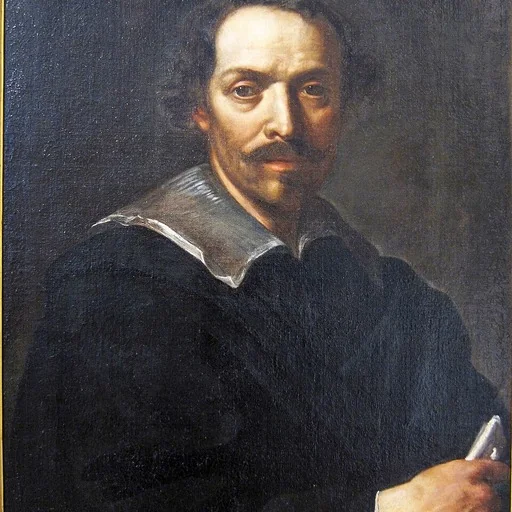
Artist
Pietro da Cortona (Italian: ; 1 November 1596 or 1597 – 16 May 1669) was an Italian Baroque painter and architect.