Artwork
John the Baptist
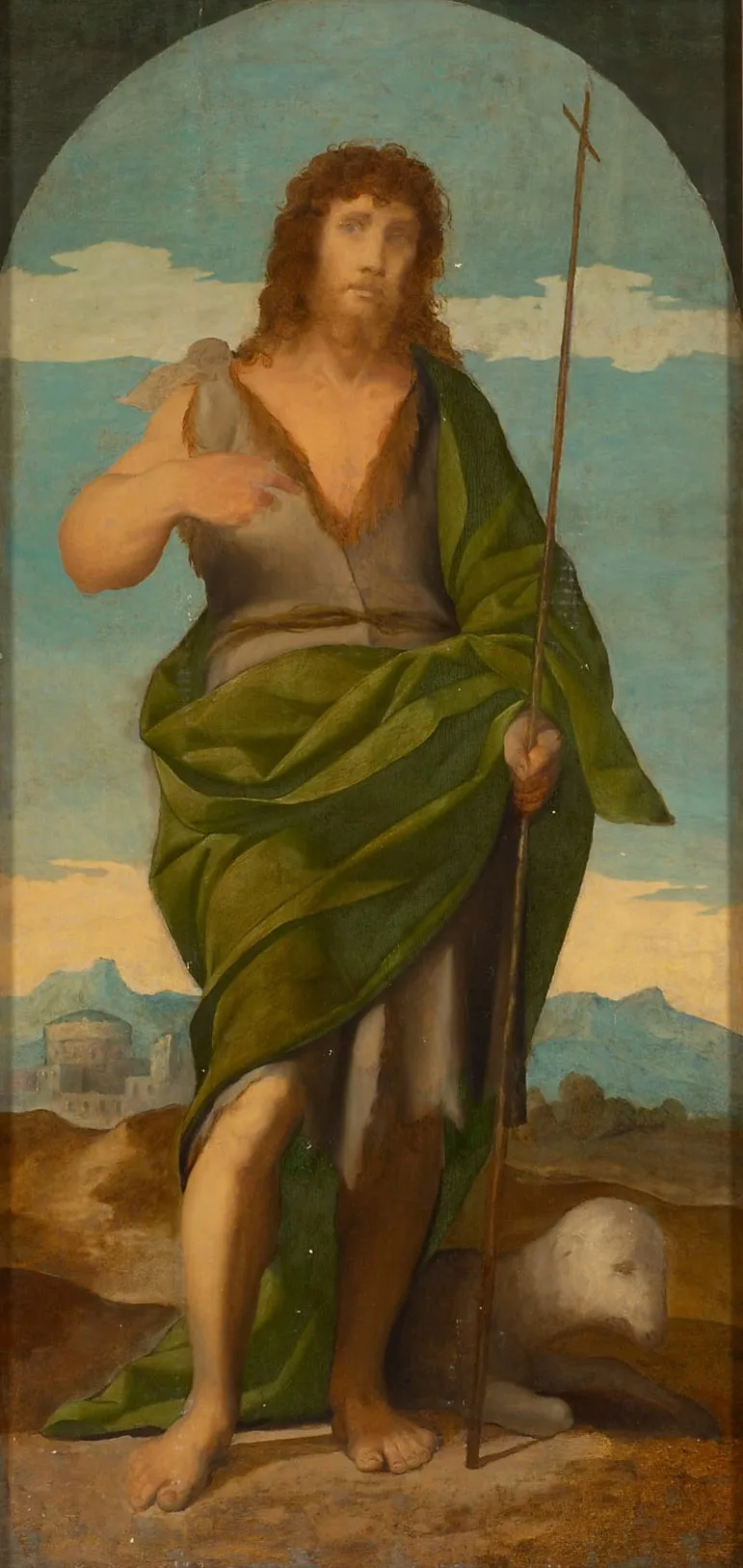
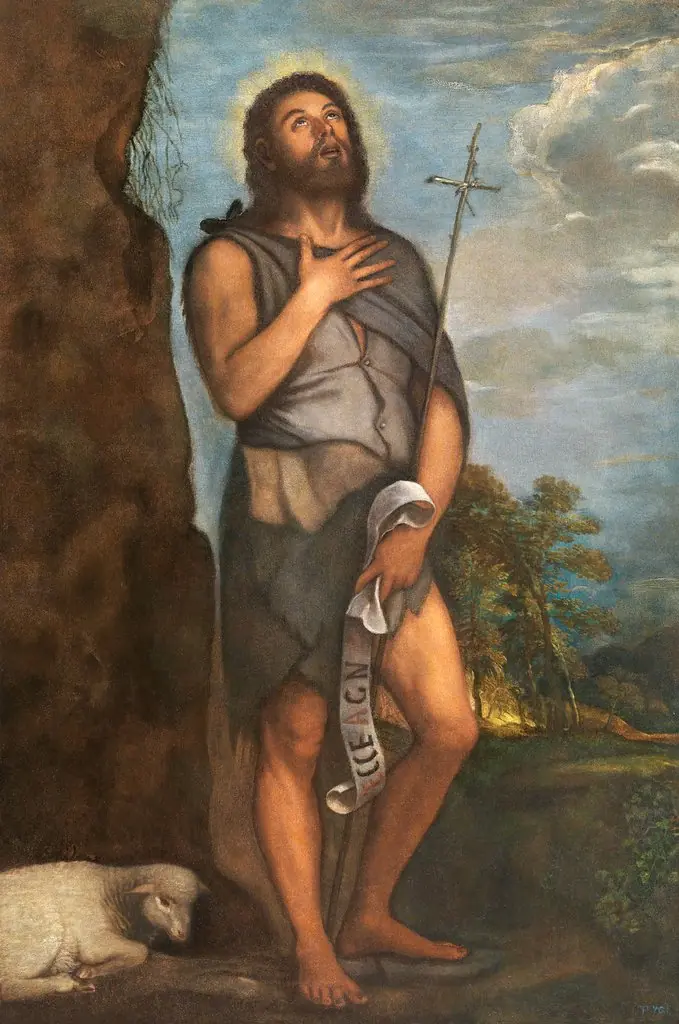
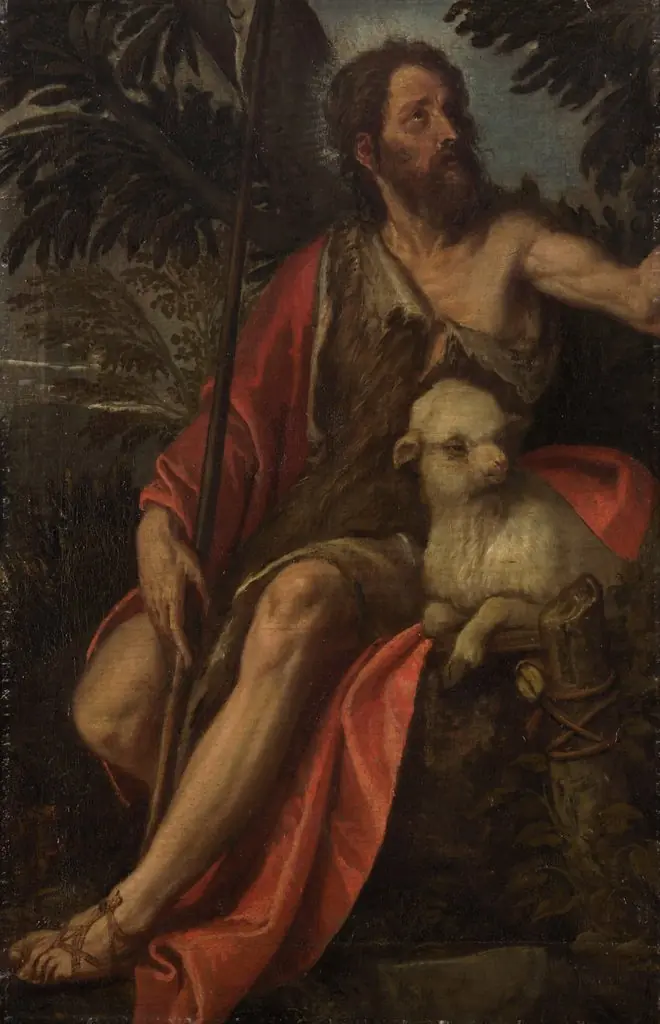
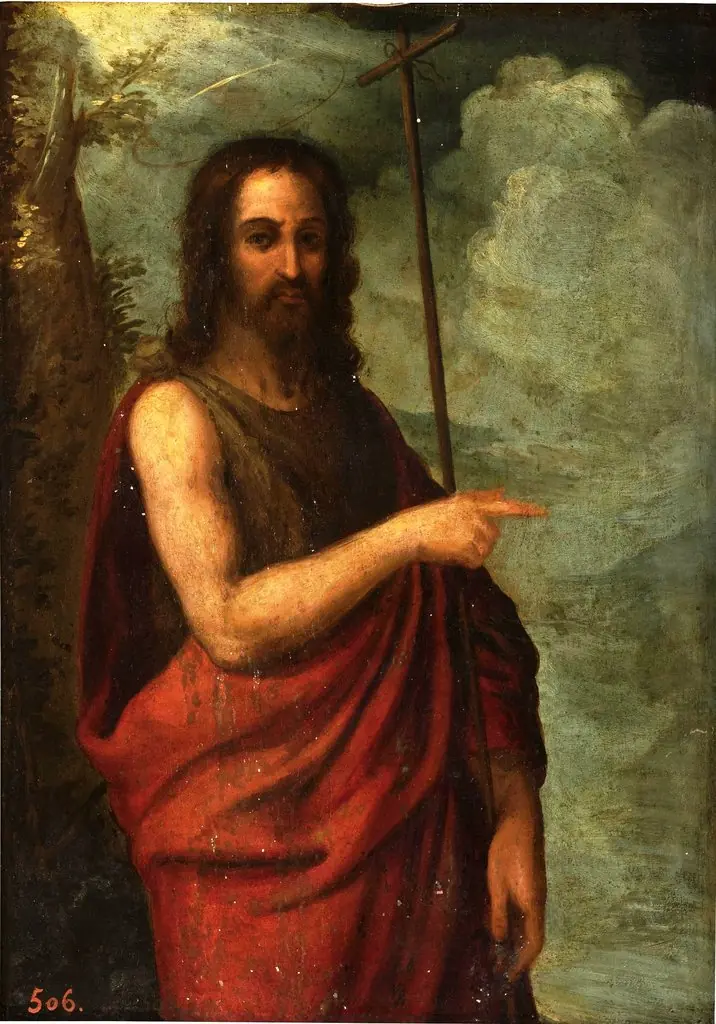
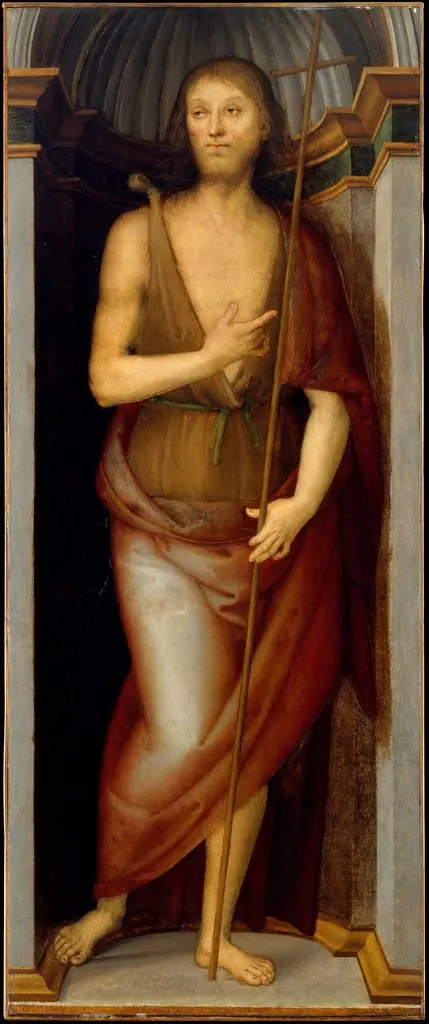
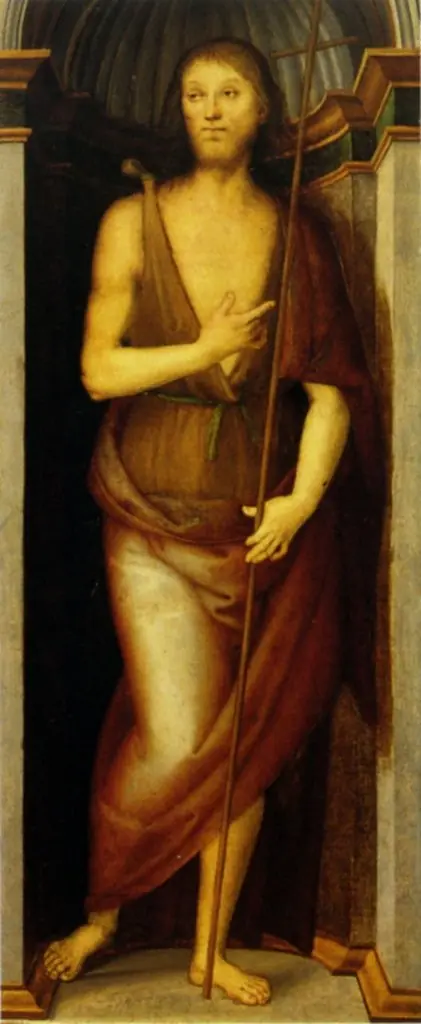
John the Baptist is an oil painting by the High Renaissance artist Palma Vecchio. It dates from 1528 and is held in the collection of the Kunsthistorisches Museum.
About this work
Overview
Painted in 1528, the year of his death, Palma Vecchio’s *John the Baptist* is an oil-on-canvas work from the Venetian High Renaissance.
Painted in 1528, the year of his death, Palma Vecchio’s *John the Baptist* is an oil-on-canvas work from the Venetian High Renaissance. It portrays the biblical prophet in a quiet, contemplative moment, set against a softly lit landscape. The painting resides in the Kunsthistorisches Museum, Vienna, and reflects the artist’s mature style—calm, luminous, and grounded in naturalistic observation rather than dramatic intensity.
Subject & Meaning
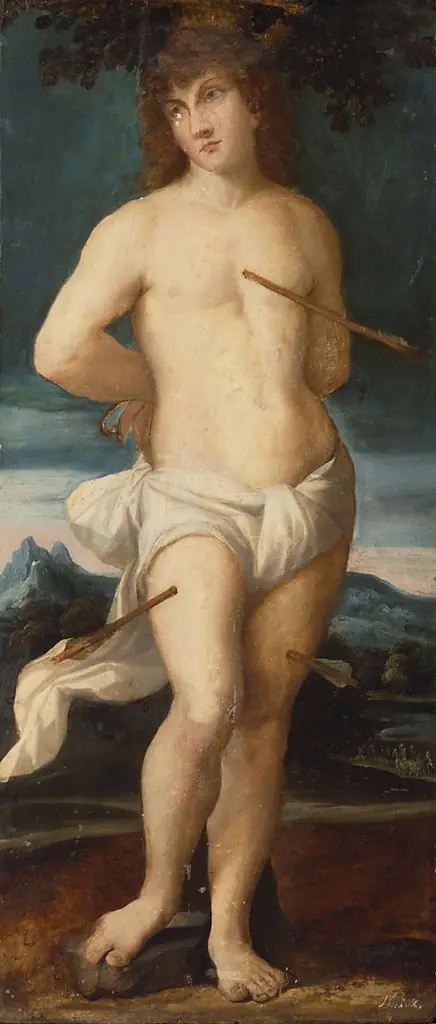
The figure of John the Baptist, identified by his long red hair and simple green robe, is depicted not in action but in stillness, suggesting introspection. His hand rests on a wooden staff crowned with a cross, a symbol of his role as the forerunner of Christ. The serene expression and minimal setting emphasize spiritual readiness over theatricality, aligning with Renaissance ideals of inner virtue and quiet devotion.
Technique & Style
Palma Vecchio employs chiaroscuro to model the figure with subtle gradations of light and shadow, giving the body a soft, almost luminous presence against the muted landscape. The brushwork is smooth, with delicate transitions between tones, characteristic of Venetian oil technique. The robe’s folds and the texture of the staff are rendered with quiet precision, avoiding overt drama in favor of atmospheric harmony.
History & Provenance
Completed shortly before Palma Vecchio’s death, the painting entered the Habsburg collections in the 16th or 17th century and has remained in Vienna since at least the 18th century. Its continuous presence in imperial holdings suggests early recognition of its artistic merit, though it was never widely reproduced or publicly celebrated beyond courtly circles.
Context
In early 16th-century Venice, religious subjects were often rendered with a humanizing tenderness, distinct from the grandeur of Roman or Florentine counterparts. Palma’s approach reflects this regional preference for intimate, lyrical piety. The landscape background, though modest, echoes Venetian landscape traditions, grounding sacred figures in a tangible, earthly world.
Legacy
Though not among Palma Vecchio’s most frequently cited works, *John the Baptist* exemplifies his late style—calm, luminous, and emotionally restrained. It contributes to the understanding of how Venetian painters adapted religious iconography to suit contemplative, rather than didactic, ends. The painting remains a quiet testament to the region’s distinctive approach to sacred imagery.
Artist & collection
Artist
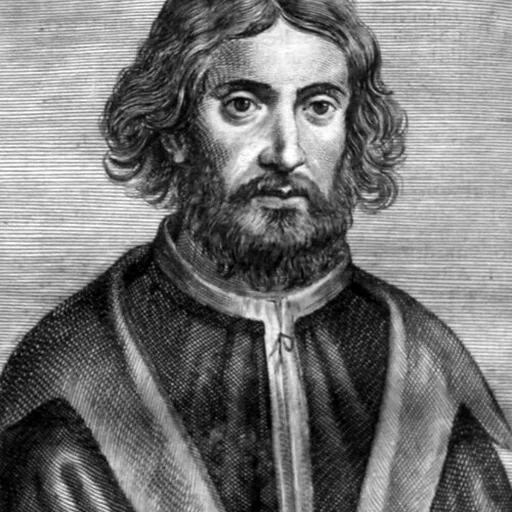
Palma Vecchio (c. 1480 – 30 July 1528), born Jacopo Palma, also known as Jacopo Negretti, was a Venetian painter of the Italian High Renaissance. He is called Palma Vecchio in English and Palma il Vecchio in Italian…