Artwork
St Mary Magdalen
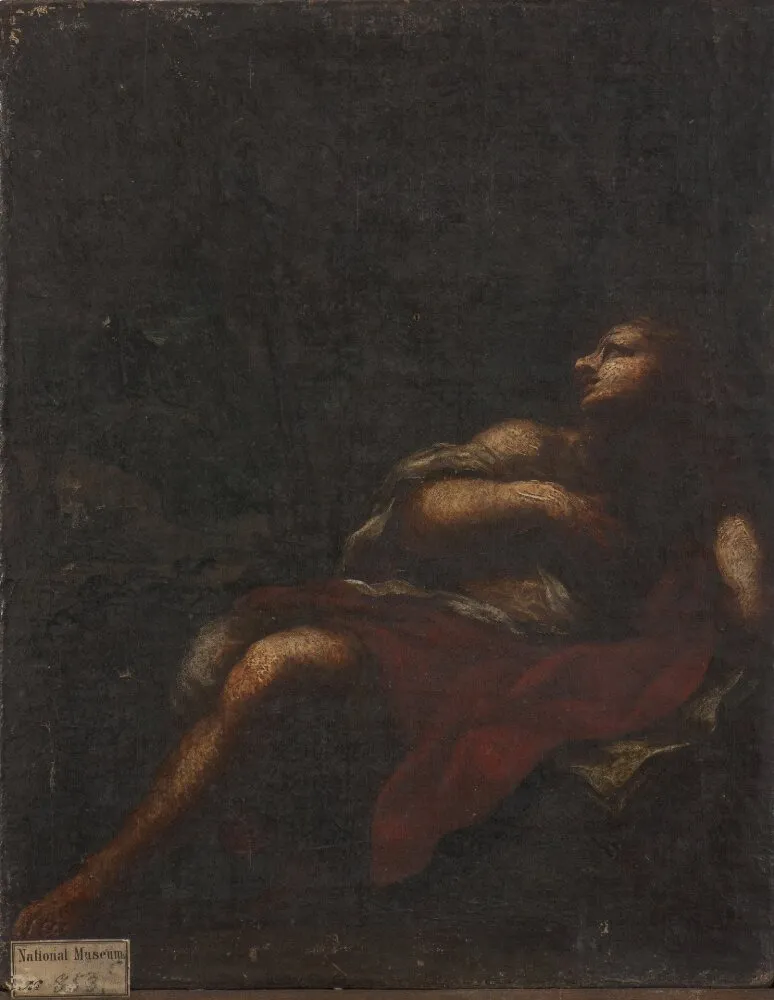
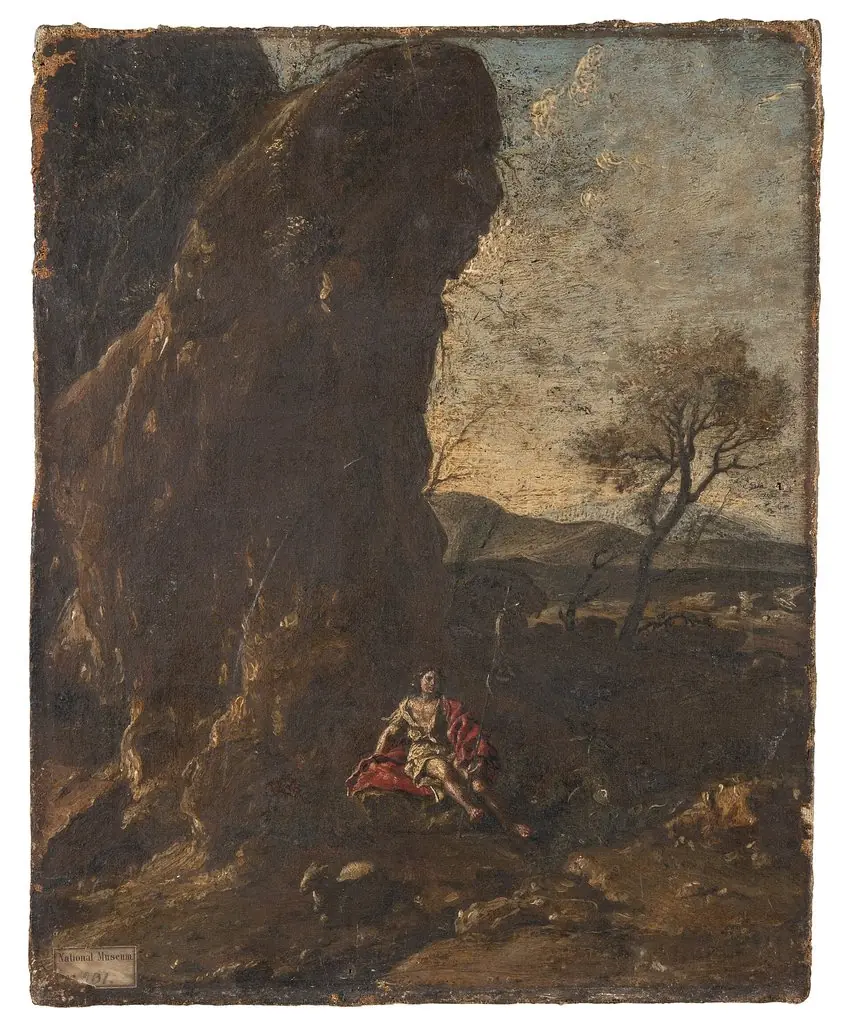
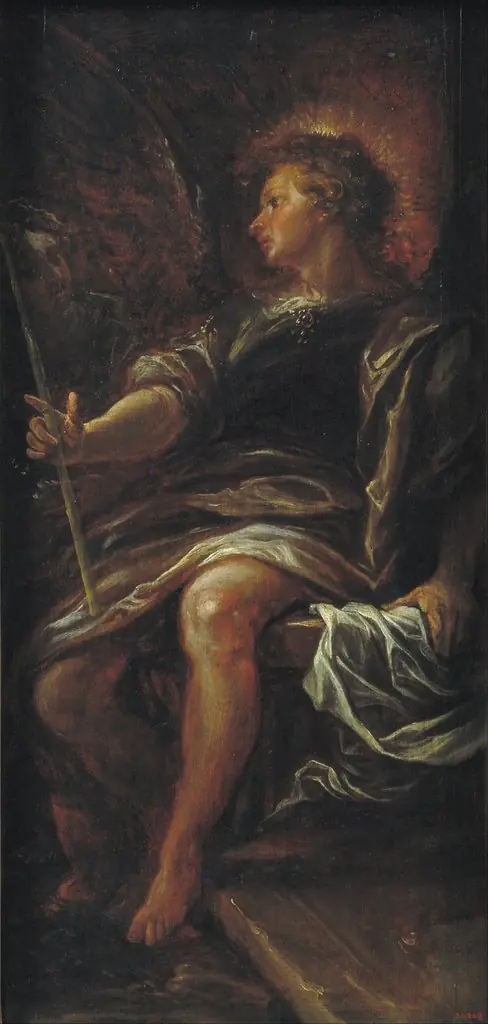
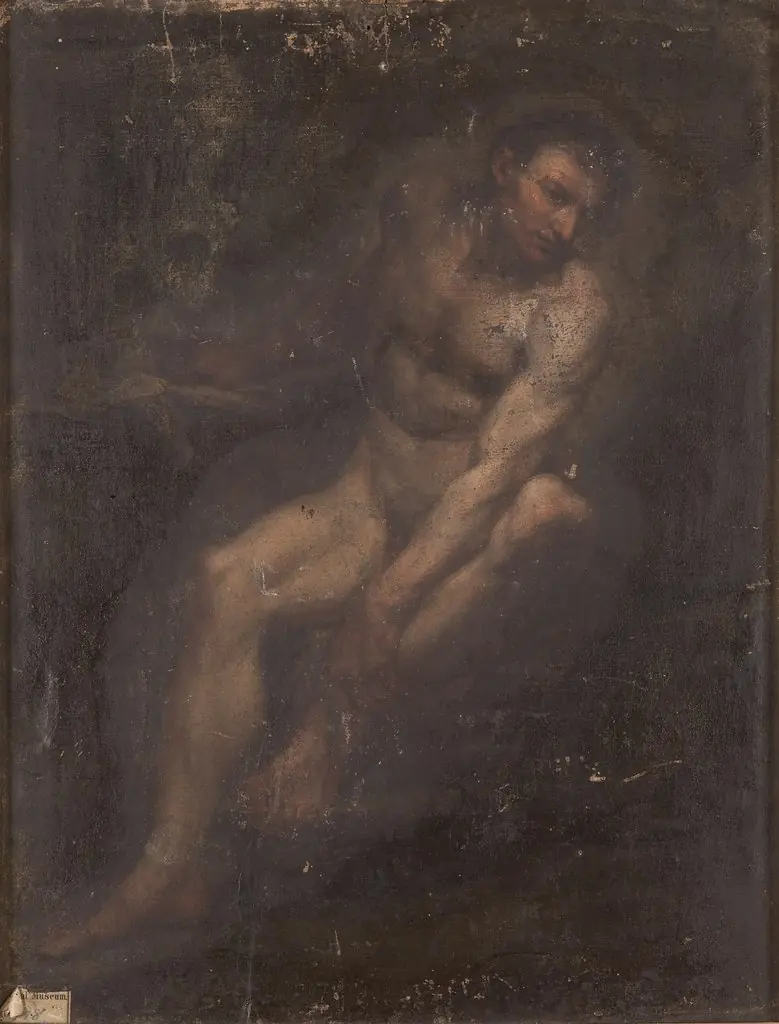
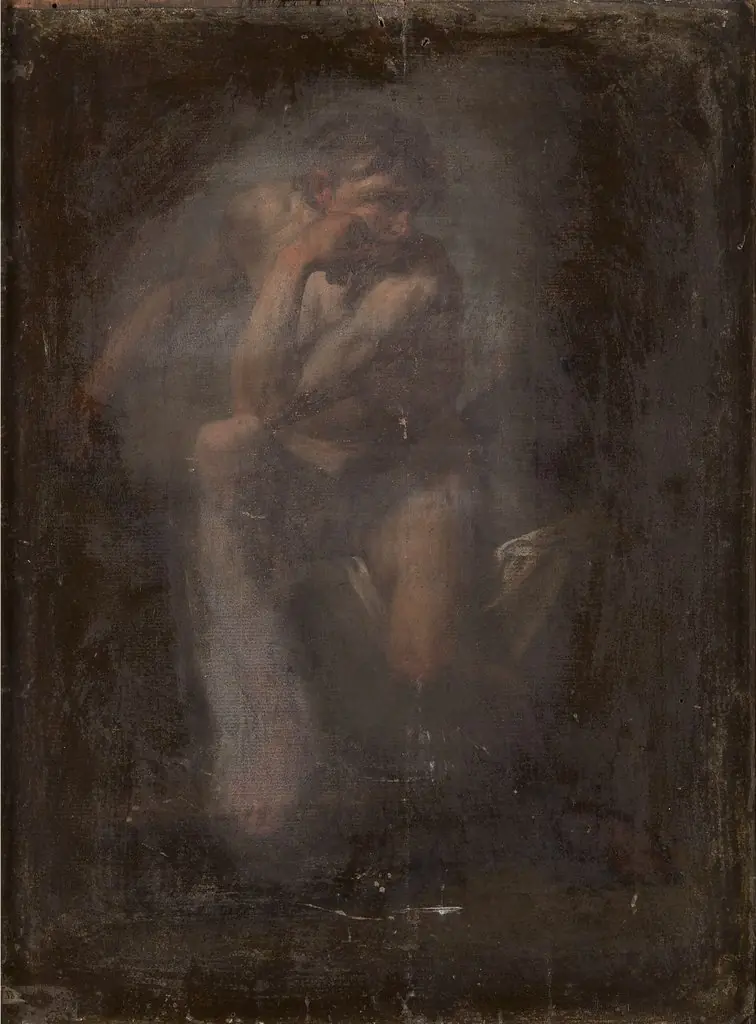
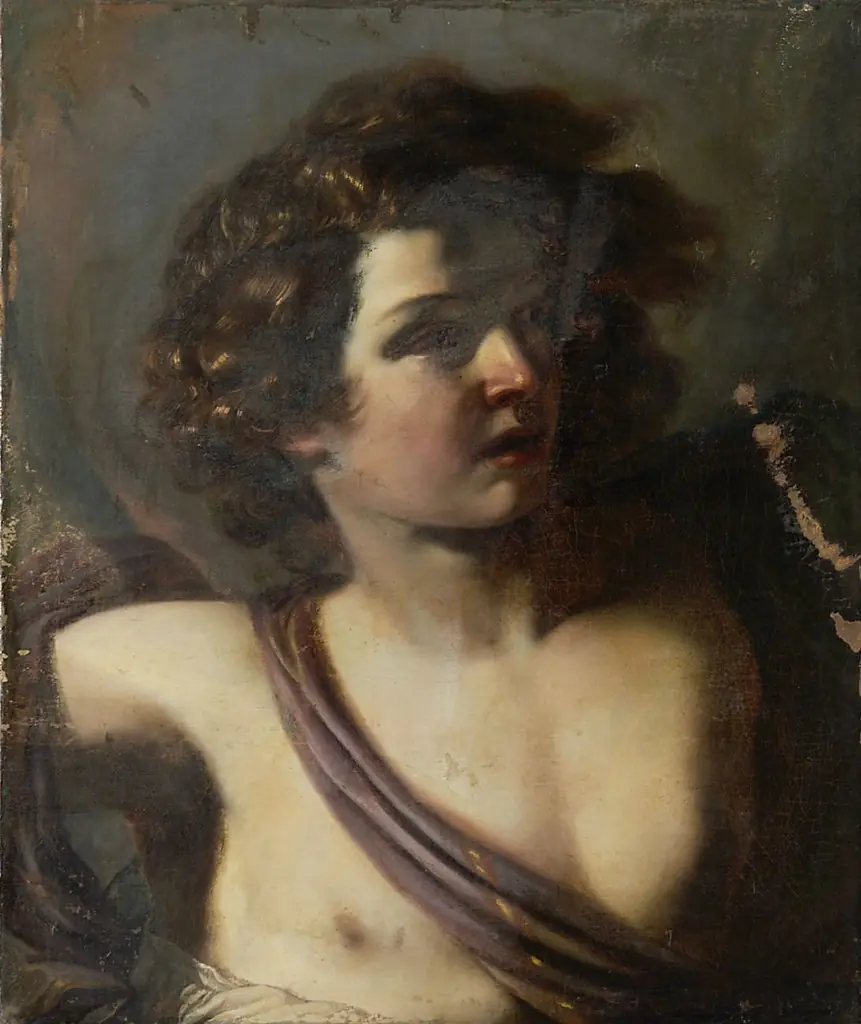
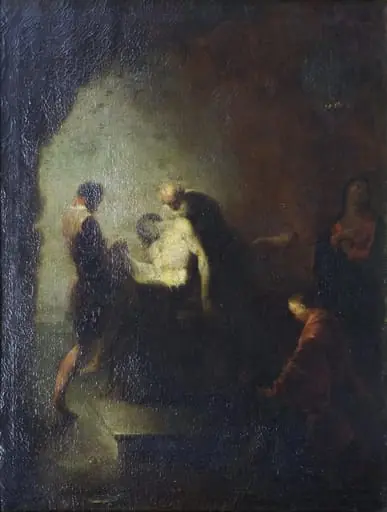
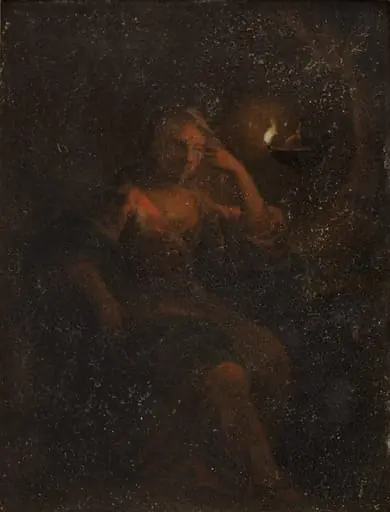
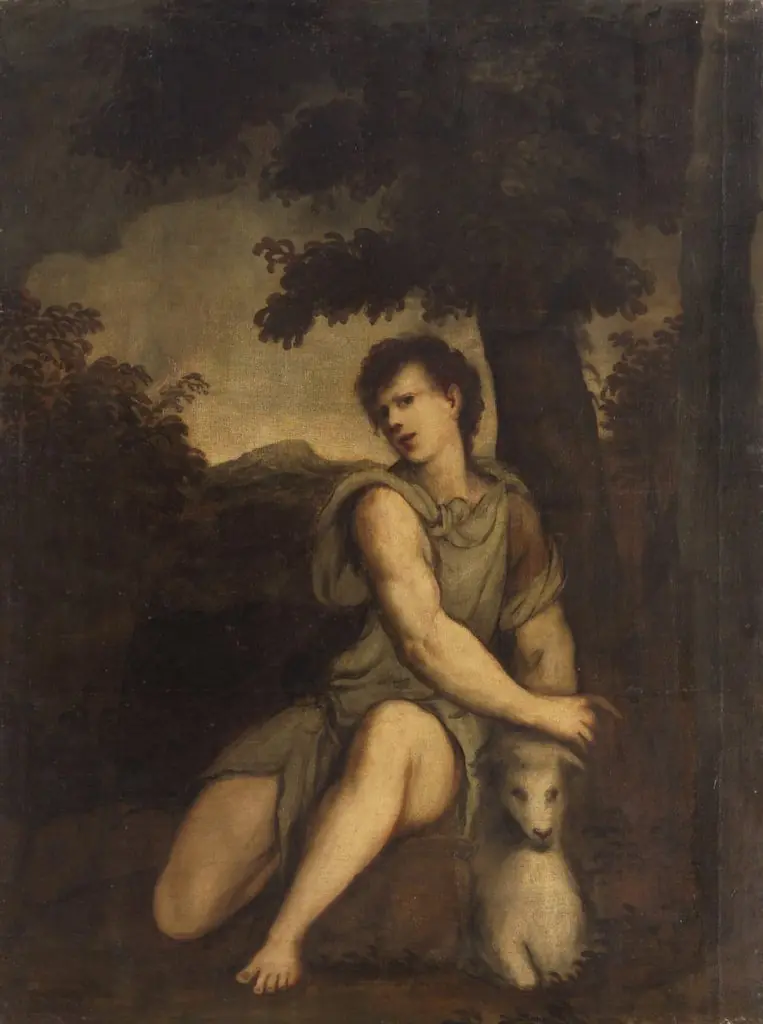
St Mary Magdalen is an oil painting by the Early Baroque Italian artist Unknown. It dates from 1649 and is held in the collection of the Nationalmuseum. This oil painting portrays Mary Magdalen in a moment of quiet contemplation, seated on a rugged stone surface.
About this work
Overview
This oil painting portrays Mary Magdalen in a moment of quiet contemplation, seated on a rugged stone surface.
This oil painting portrays Mary Magdalen in a moment of quiet contemplation, seated on a rugged stone surface. The figure is rendered with soft, luminous skin that contrasts against the dark, textured surroundings. A single light source above casts strong shadows, focusing attention on her face and upper body. The composition is tightly framed, eliminating extraneous detail to heighten the sense of introspection.
Subject & Meaning
The figure is identified as Mary Magdalen, a biblical figure associated with repentance and devotion. Her reclining posture and upward gaze suggest inner reflection rather than active prayer. The absence of traditional symbols like a skull or jar implies a more personal, psychological interpretation. The somber tone and isolation emphasize a spiritual turning point, stripped of narrative clutter.
Technique & Style
The artist employs chiaroscuro to model the figure with dramatic contrast, enhancing three-dimensionality and emotional weight. The smoothness of the skin is rendered with subtle gradations, while the rock’s roughness is achieved through thick, deliberate brushwork. Loose drapery flows naturally, adding movement to the stillness. The dark background recedes completely, isolating the figure in a void of shadow and light.
History & Provenance
The painting’s early ownership is undocumented, but stylistic analysis suggests it was produced in the early 17th century, likely in Italy or Spain. It shows clear influence from Caravaggio’s tenebrism, though without his theatricality. No definitive record of its commission or original location survives, and it entered institutional collections in the late 19th century after passing through private hands.
Context
During the Counter-Reformation, depictions of Mary Magdalen were common in Catholic art, often used to model penitence and divine grace. This work diverges from ornate, devotional traditions by focusing on solitude and inner life. Its minimalism aligns with emerging trends in spiritual realism, where emotional truth replaced symbolic excess in religious imagery.
Legacy
The painting’s restrained approach influenced later artists seeking psychological depth in religious subjects. Its emphasis on light as emotional language, rather than narrative tool, contributed to a shift toward intimate, contemplative portraiture in Baroque and post-Baroque traditions. Though not widely exhibited, it remains a studied example of quiet, luminous realism in early modern religious art.
Artist & collection

 Domestic Scene
 Giacomo and Cardinal Marco, investing Andrea, Abbot of San Zeno, with his Benefice
 The Nymph of Fontainebleau
 Portrait of a Woman
 Madonna and Child with Saints in the Enclosed Garden
 Venus and Minerva
 Family Group of Four on Sofa
 Wall painting from Room H of the Villa of P. Fannius Synistor at Boscoreale