Artwork
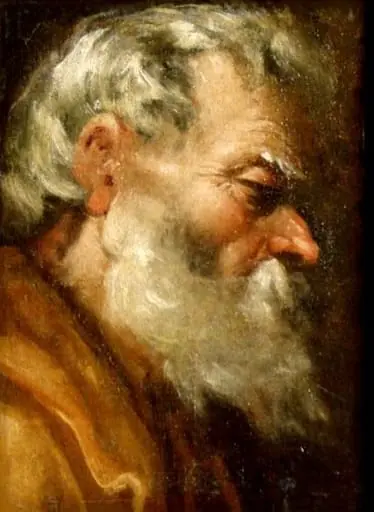
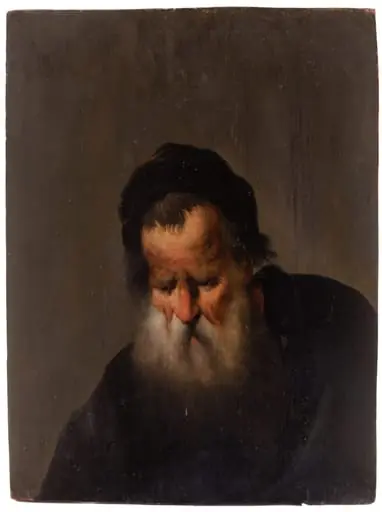
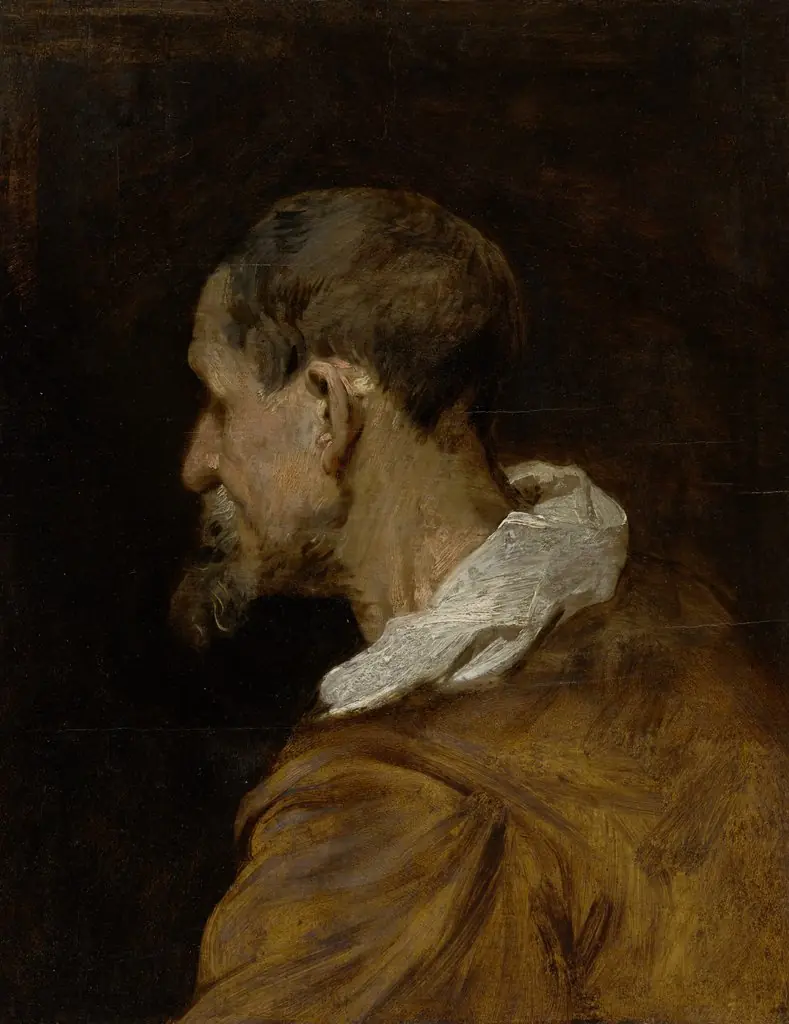
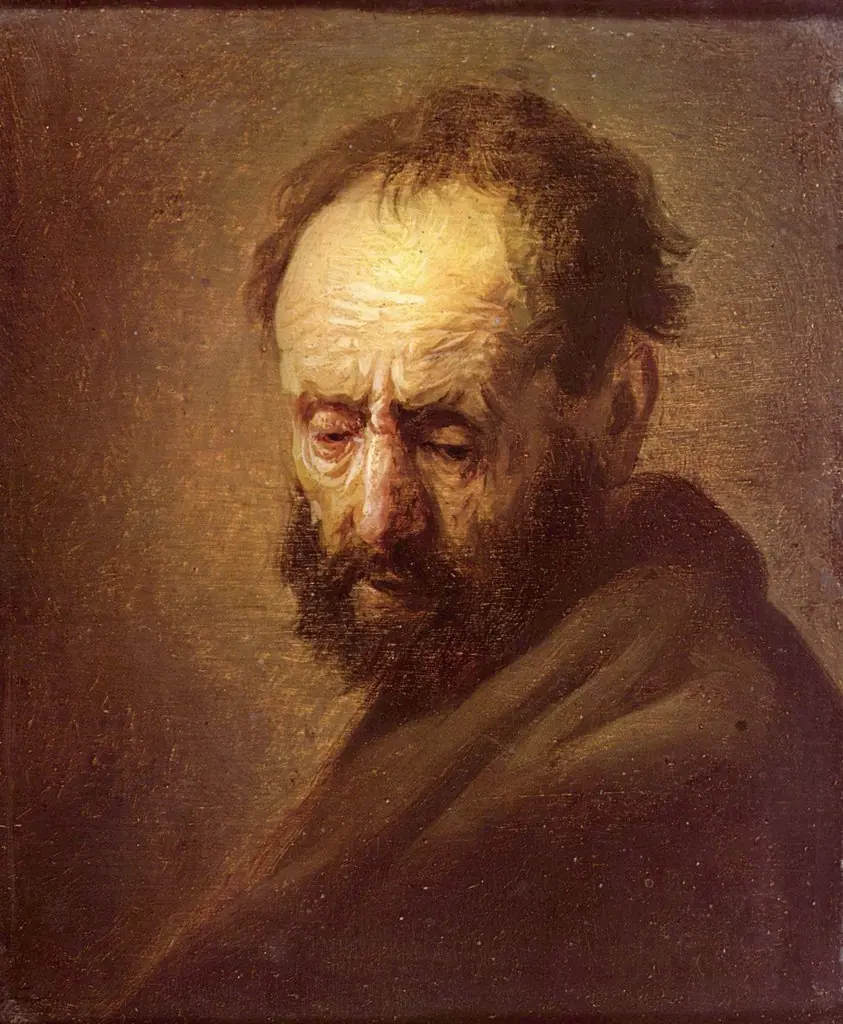
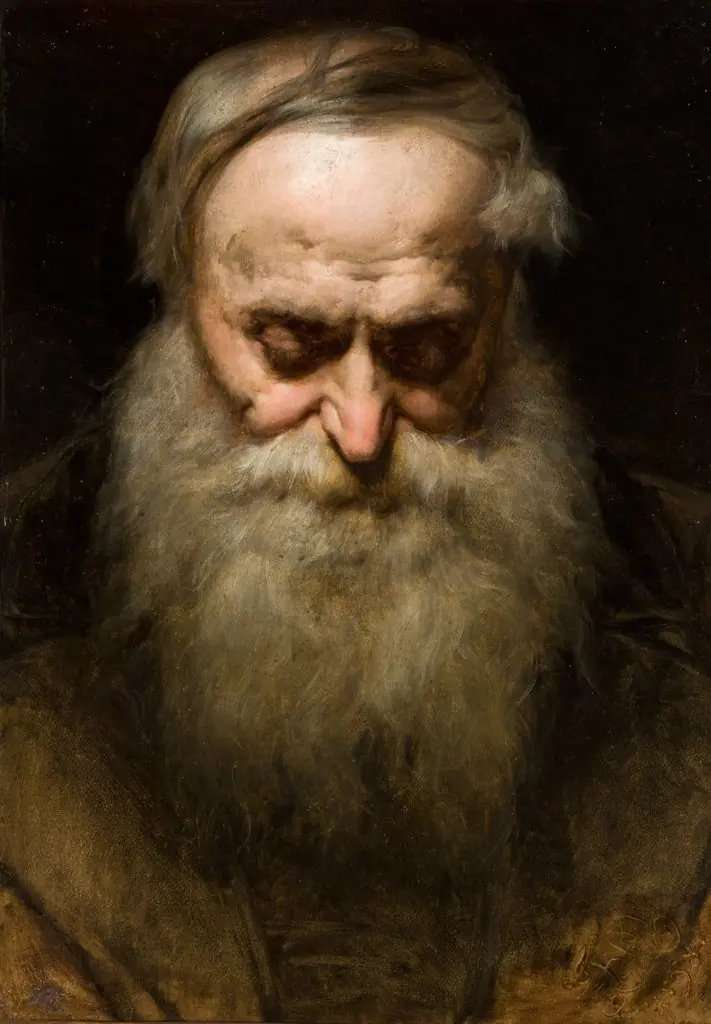
Cabeza de viejo
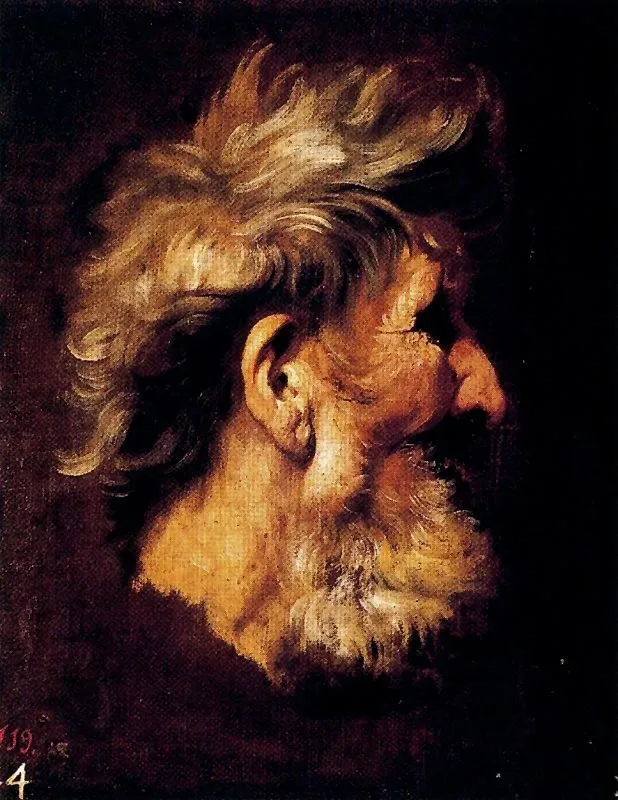
Cabeza de viejo is an oil painting by the Early Baroque Italian artist Pietro Paolo Bonzi. It dates from 1601 and is held in the collection of the Museo del Prado.
About this work
Overview
It reflects Bonzi’s training in Rome and his ties to the Carracci circle, emphasizing naturalism over idealization.
Painted in 1601, *Cabeza de viejo* is an oil portrait by Pietro Paolo Bonzi, an Italian artist known by the nickname il Gobbo dei Carracci due to his physical stature. Created during the early Baroque era, the work captures a solitary elderly man in intimate close-up. It reflects Bonzi’s training in Rome and his ties to the Carracci circle, emphasizing naturalism over idealization. The painting resides today in the Museo del Prado’s collection.
Subject & Meaning
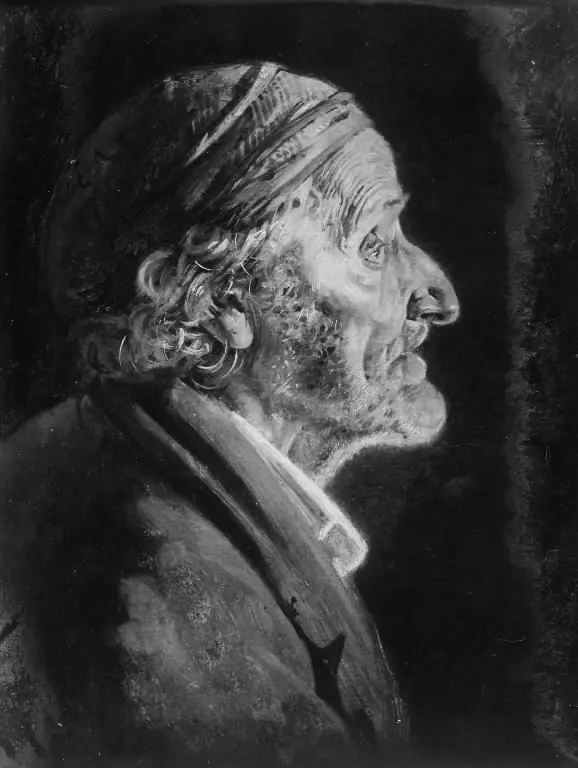
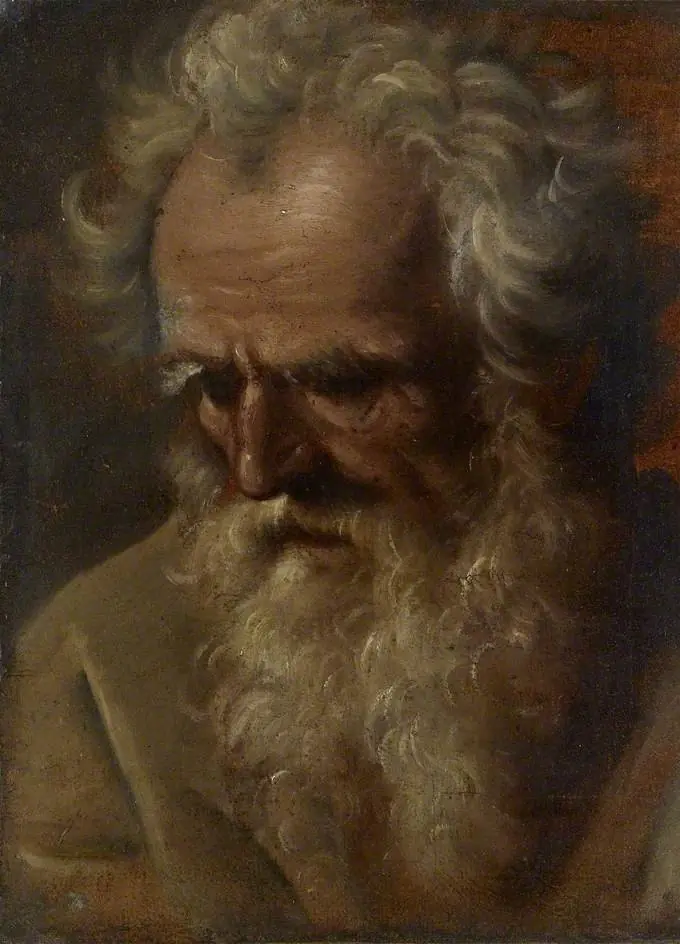
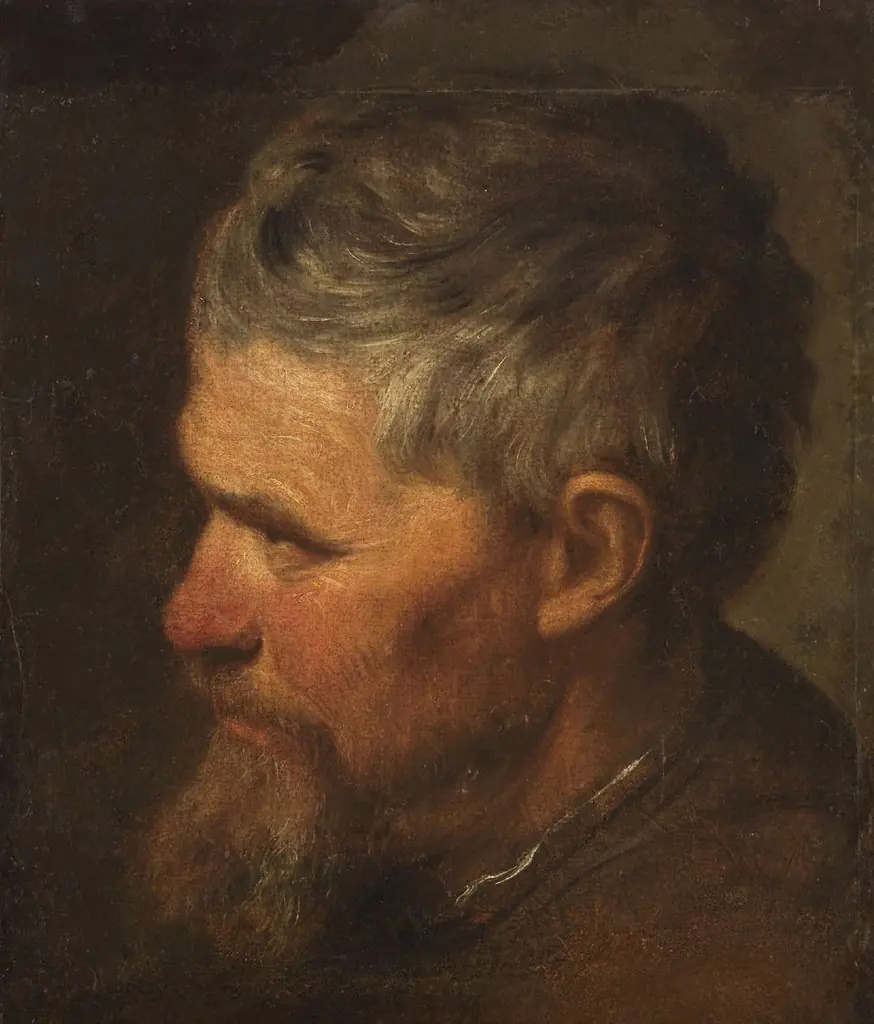
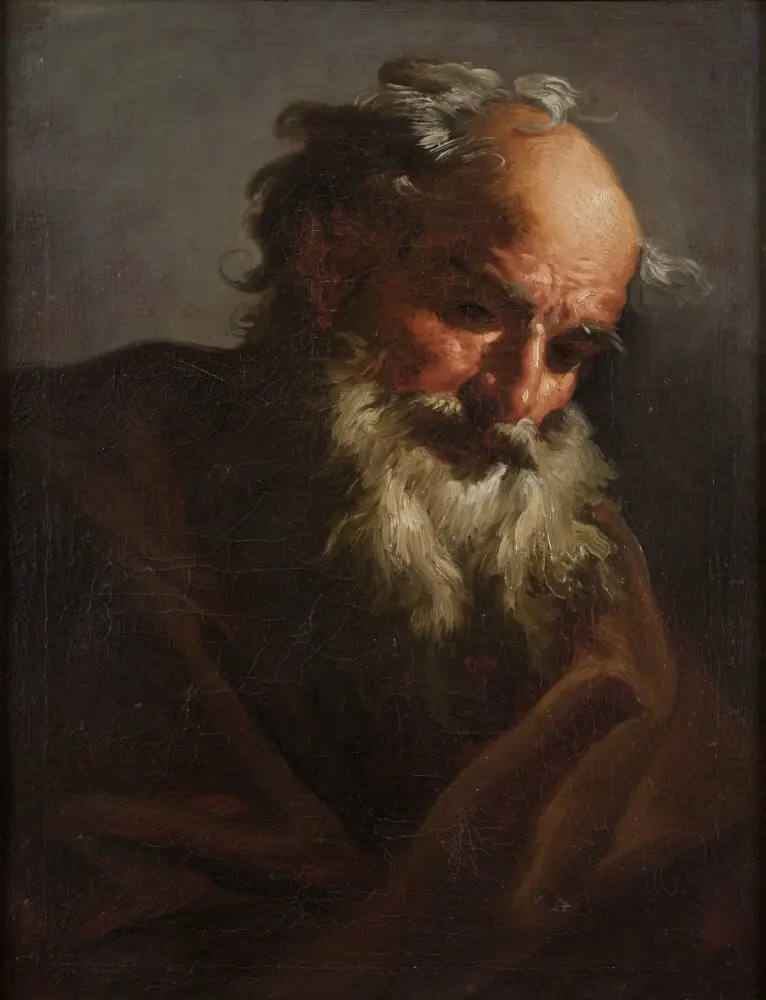
The subject is an aging man, his face rendered with unidealized realism. Wrinkles, sparse gray hair, and weathered skin suggest a life of labor or hardship. There is no indication of status or identity beyond his age and presence. The direct gaze and cropped composition invite quiet contemplation, focusing attention on the dignity of ordinary human experience rather than narrative or symbolism.
Technique & Style
Bonzi employed thick, textured brushwork—particularly in the beard and hair—using impasto to create a tactile, almost sculptural surface. Warm browns and golds contrast with the muted yellow of the skin, while the dark, indistinct background isolates the figure. The handling of paint is deliberate and physical, emphasizing materiality over polish, aligning with emerging Baroque tendencies toward sensory immediacy.
History & Provenance
Bonzi, born in Cortona around 1576, trained under Giovanni Battista Viola and moved within the orbit of Annibale Carracci and Domenichino in Rome. Though little documented, his work was known among contemporaries for its expressive realism. *Cabeza de viejo* entered the Prado’s collection in the 19th century, likely acquired during Spanish royal efforts to expand its Italian holdings.
Context
In early 17th-century Rome, artists increasingly turned to studies of the human condition beyond religious or mythological themes. Bonzi’s portrait aligns with this shift, echoing the naturalism of Caravaggio’s followers and the Carracci’s emphasis on observation. Such works reflected a growing interest in the individual, the transient, and the unadorned aspects of life.
Legacy
Though Bonzi’s oeuvre is small and largely undocumented, *Cabeza de viejo* stands as a testament to his skill in capturing psychological presence through texture and tone. It remains a rare example of his independent work, distinct from the grander narratives of his peers. The painting contributes to broader scholarly understanding of minor Baroque figures who prioritized intimate realism.
Artist & collection
Artist
Pietro Paolo Bonzi (c. 1576–1636), also known as il Gobbo dei Carracci (hunchback of the Carracci) or il Gobbo dei Frutti (of fruits), was an Italian painter, best known for his landscapes and still-lifes. A cartoon of…