Artwork
Polyptych of Sant'Agostino
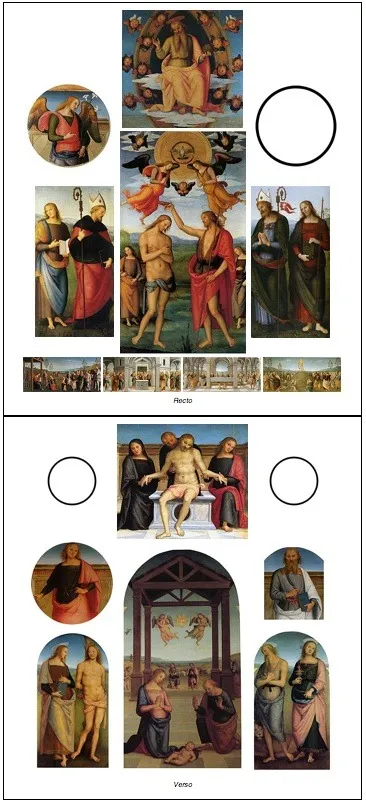
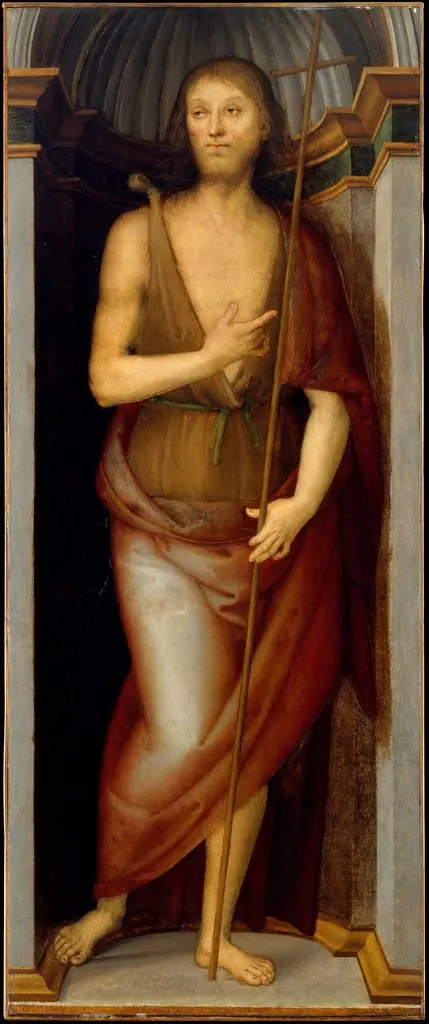
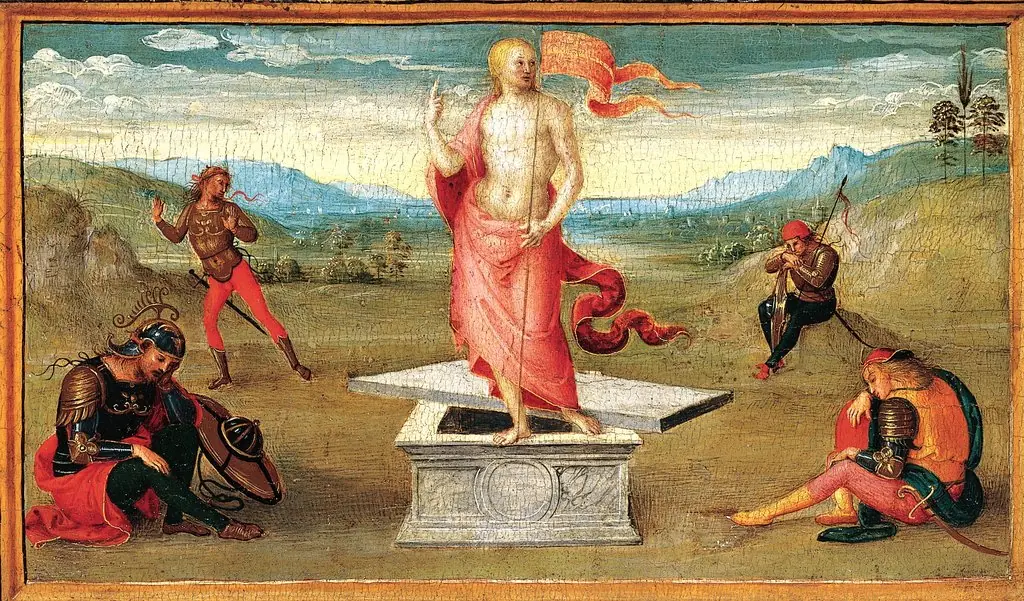
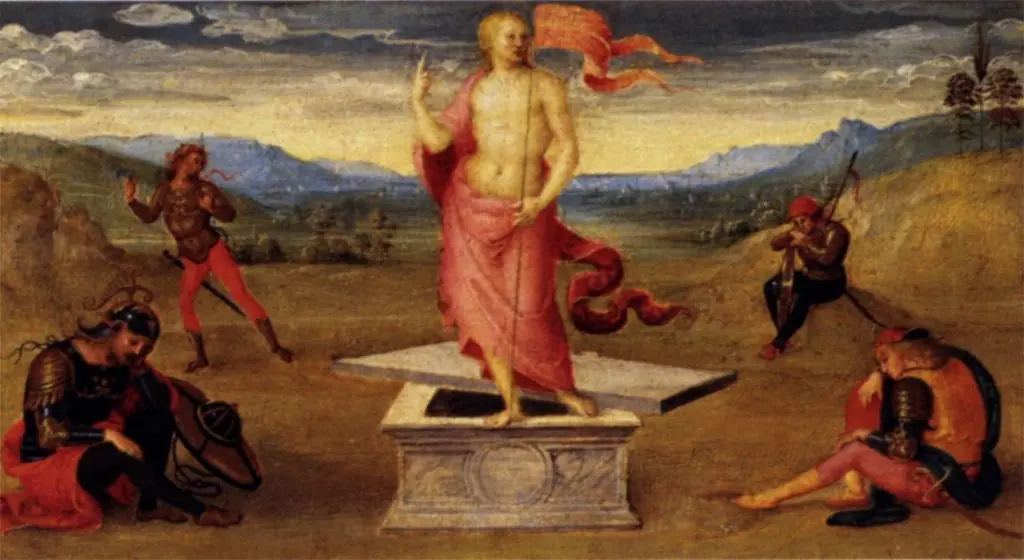
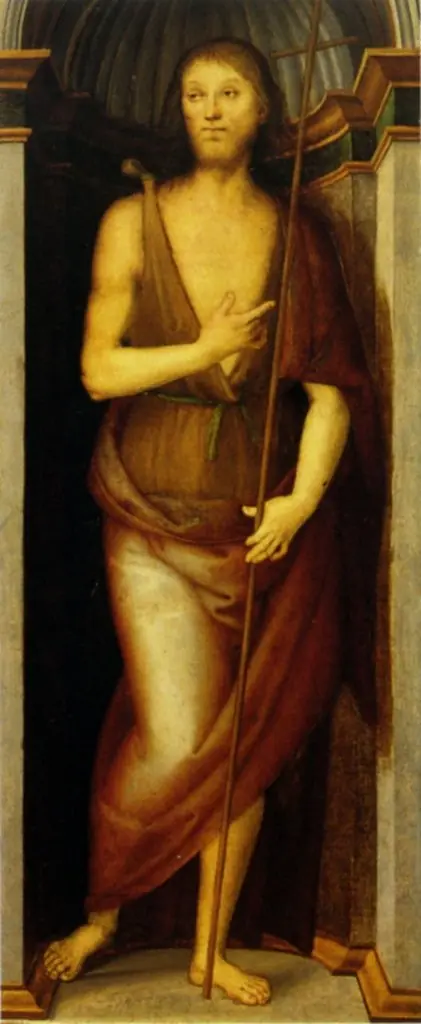
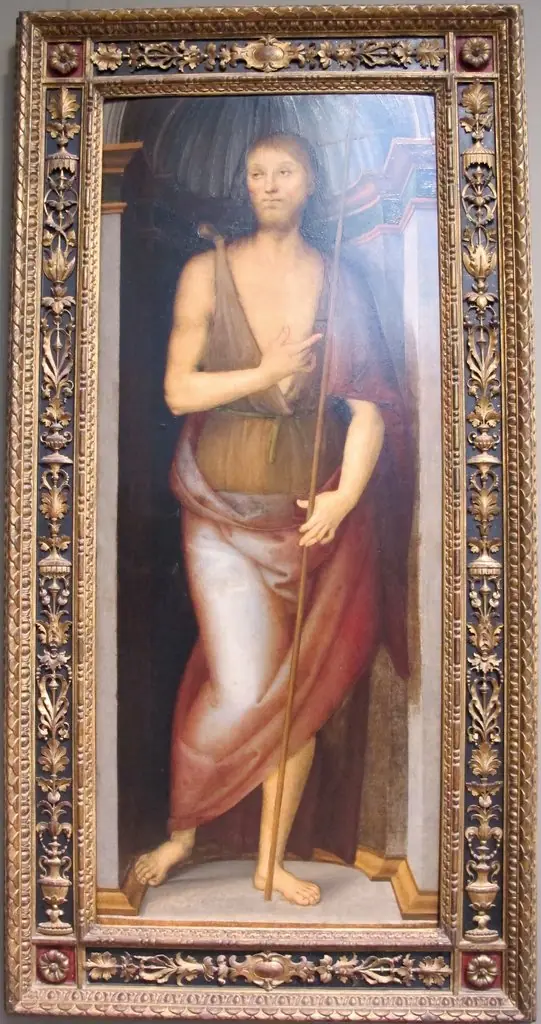
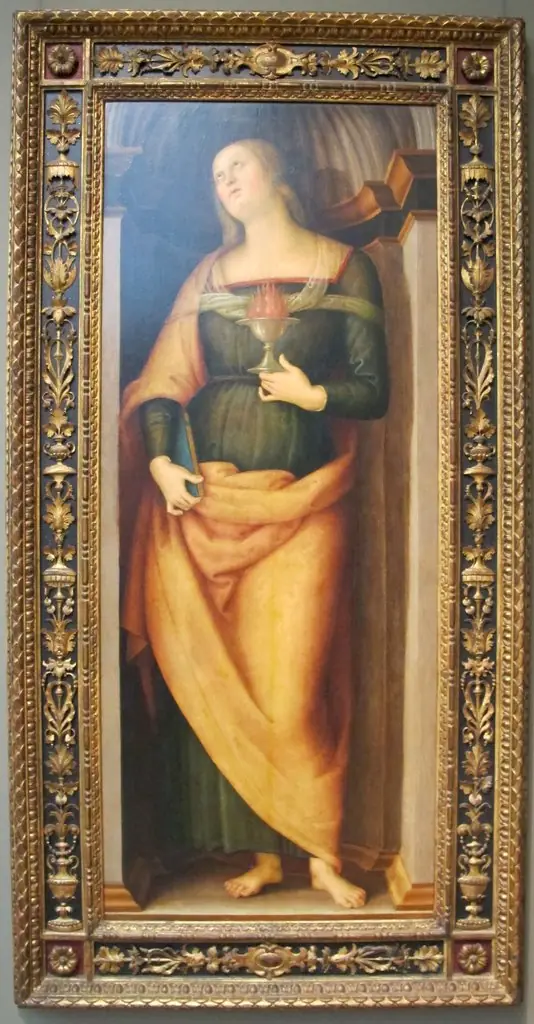
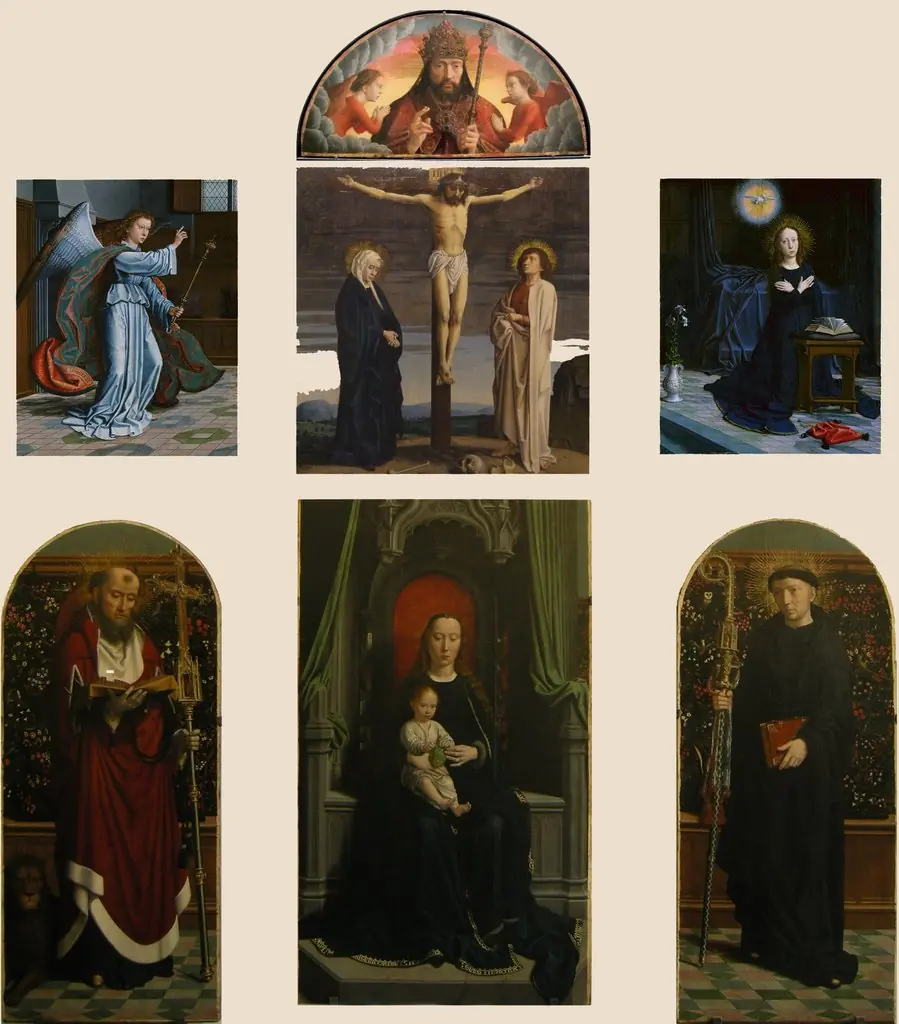
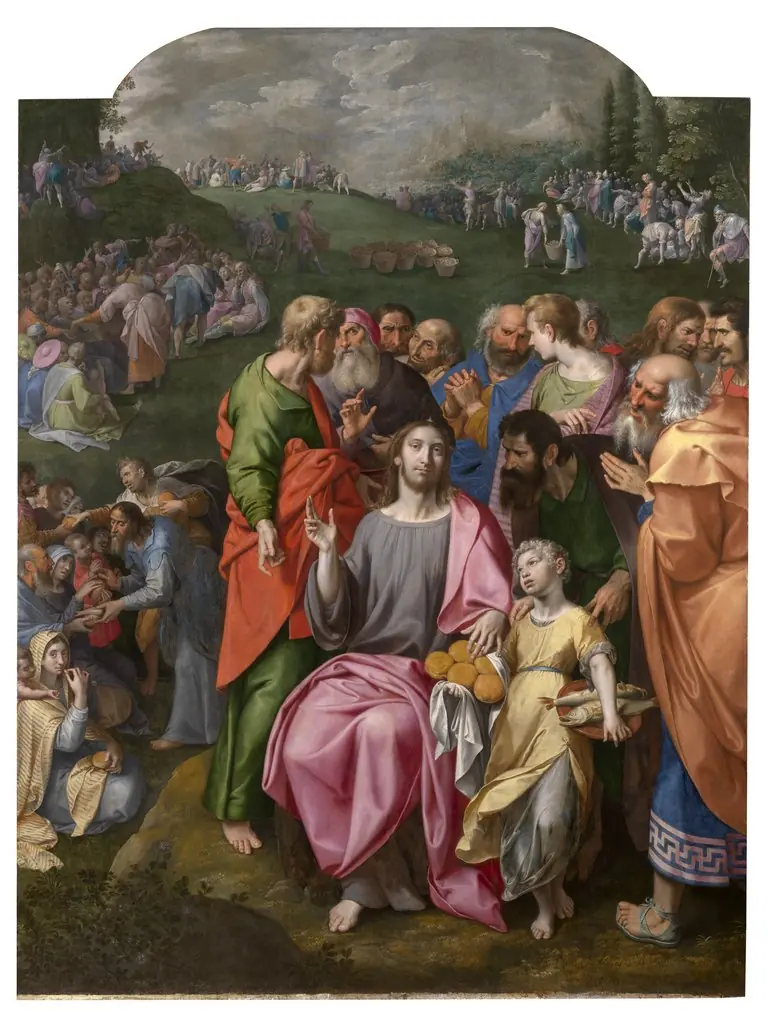
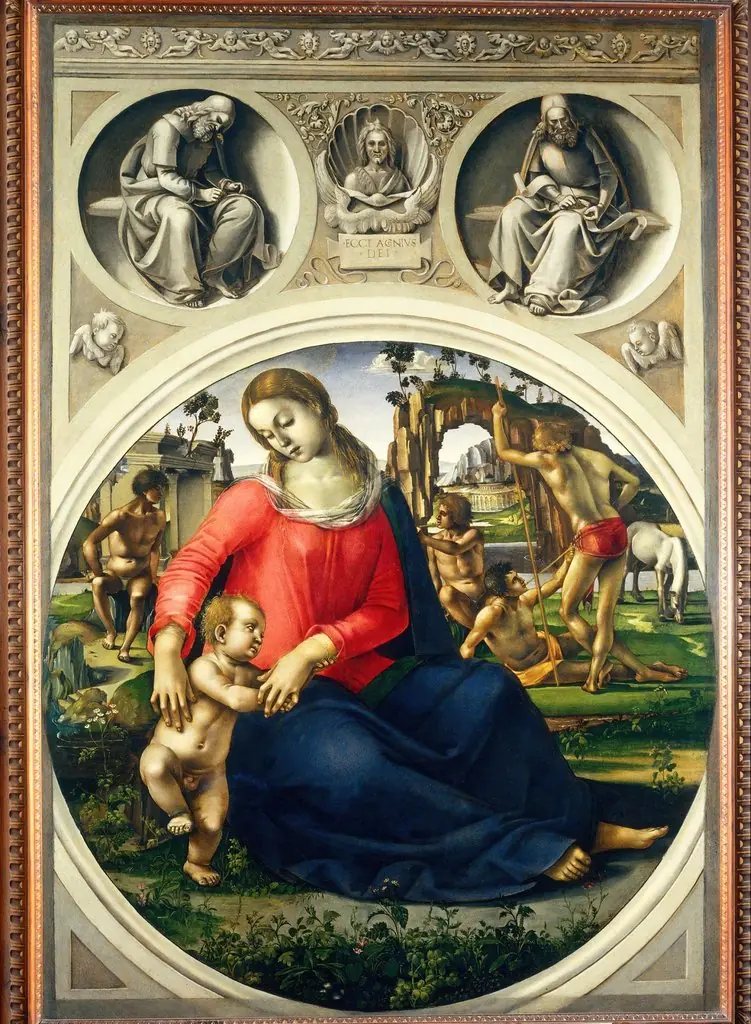
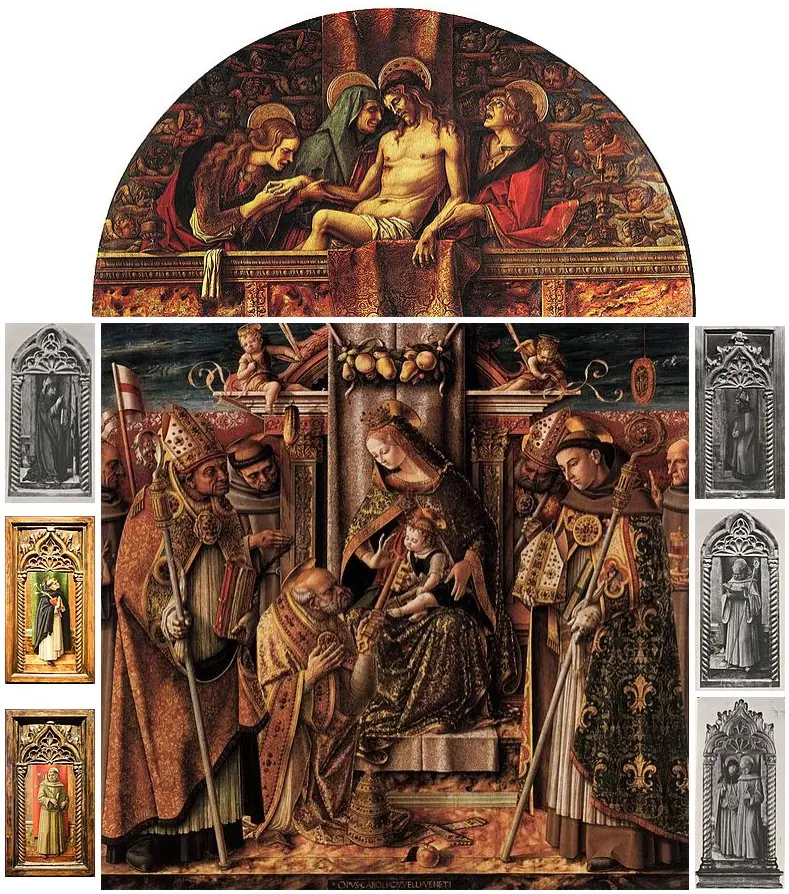
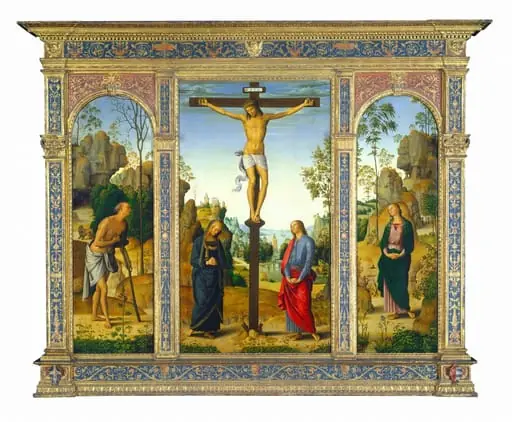
Polyptych of Sant'Agostino is a tempera painting by the High Renaissance artist Pietro Perugino. It dates from 1502 and is held in the collection of the National Gallery of Umbria.
About this work
Overview
Executed in tempera on panel, it originally consisted of around twenty-eight to thirty scenes.
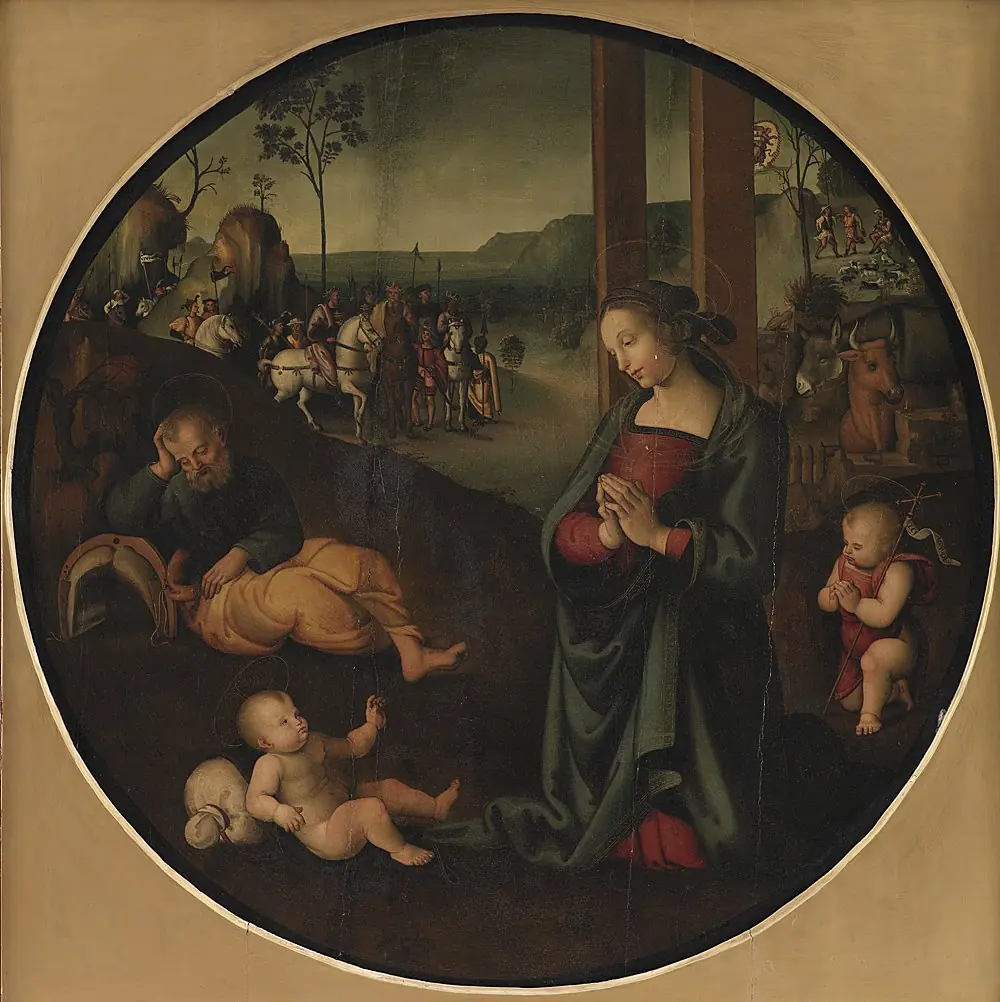
Created by Perugino between approximately 1502 and 1523, the Polyptych of Sant'Agostino was a large multi-panel altarpiece commissioned for the church of Sant'Agostino in Perugia. Executed in tempera on panel, it originally consisted of around twenty-eight to thirty scenes. Following the suppression of monastic institutions under Napoleon, the panels were dispersed, with the majority later reassembled in the Galleria Nazionale dell'Umbria.
Subject & Meaning
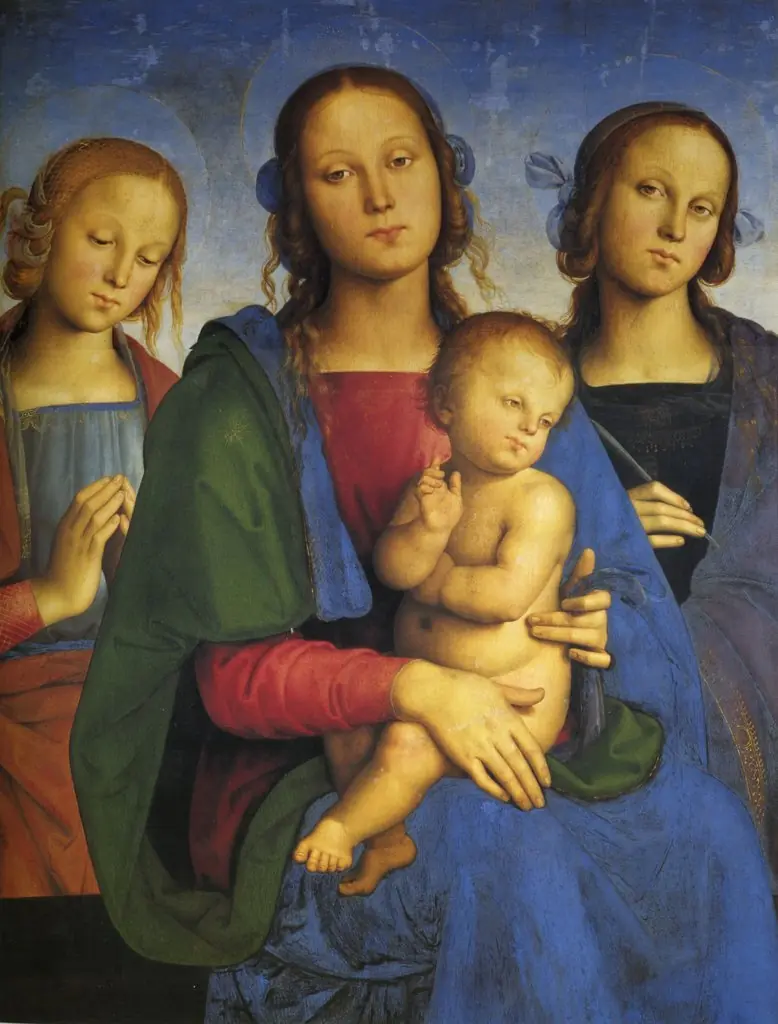
The altarpiece depicted scenes from the life of Saint Augustine, including his conversion, teachings, and miracles, arranged hierarchically to guide devotional contemplation. Central panels featured the Virgin and Child with saints, reinforcing the Augustinian order’s theological emphasis on divine grace and intellectual pursuit. The composition served both liturgical and didactic functions within the monastic setting.
Technique & Style
Perugino employed traditional tempera techniques, with delicate brushwork and muted, harmonious coloration characteristic of his mature style. Figures are arranged with calm symmetry and idealized proportions, reflecting his adherence to High Renaissance ideals. The spatial depth and architectural settings reveal his continued engagement with perspective, though the handling grows more restrained in later phases.
History & Provenance
Commissioned for the Augustinian church in Perugia, the altarpiece remained intact until the early 19th century, when Napoleonic reforms led to the dissolution of religious houses. Panels were sold off or relocated across Europe; many were recovered and consolidated in Perugia’s national gallery by the late 1800s, though some remain in private or foreign collections.
Context
Created during the final decades of Perugino’s career, the polyptych reflects the transition from High Renaissance ideals toward more formulaic production. While still technically refined, its scale and repetitive motifs suggest increasing reliance on workshop assistance. It stands as a bridge between his earlier Florentine-influenced works and the simpler commissions of his later years.
Legacy
Though overshadowed by contemporaries like Raphael, the Polyptych of Sant'Agostino remains a key example of late Quattrocento altarpiece design in Umbria. Its fragmentation highlights the impact of secularization on religious art, while its surviving panels continue to inform studies of Perugino’s evolving technique and the devotional culture of mendicant orders.
Artist & collection
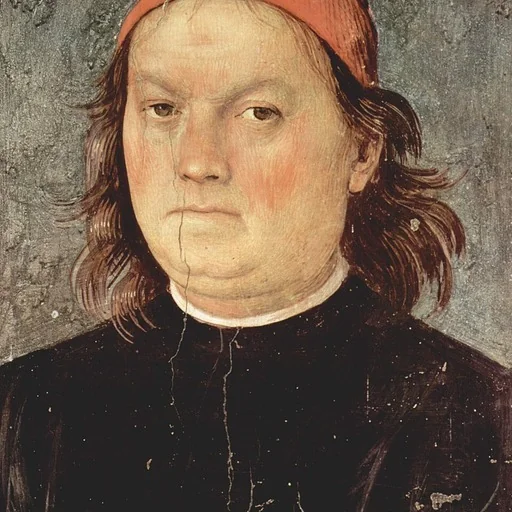
Artist
Pietro Perugino (US: PERR-ə-JEE-noh, -oo-; Italian: ; born Pietro Vannucci or Pietro Vanucci; c.