Artwork
The Mourning Virgin
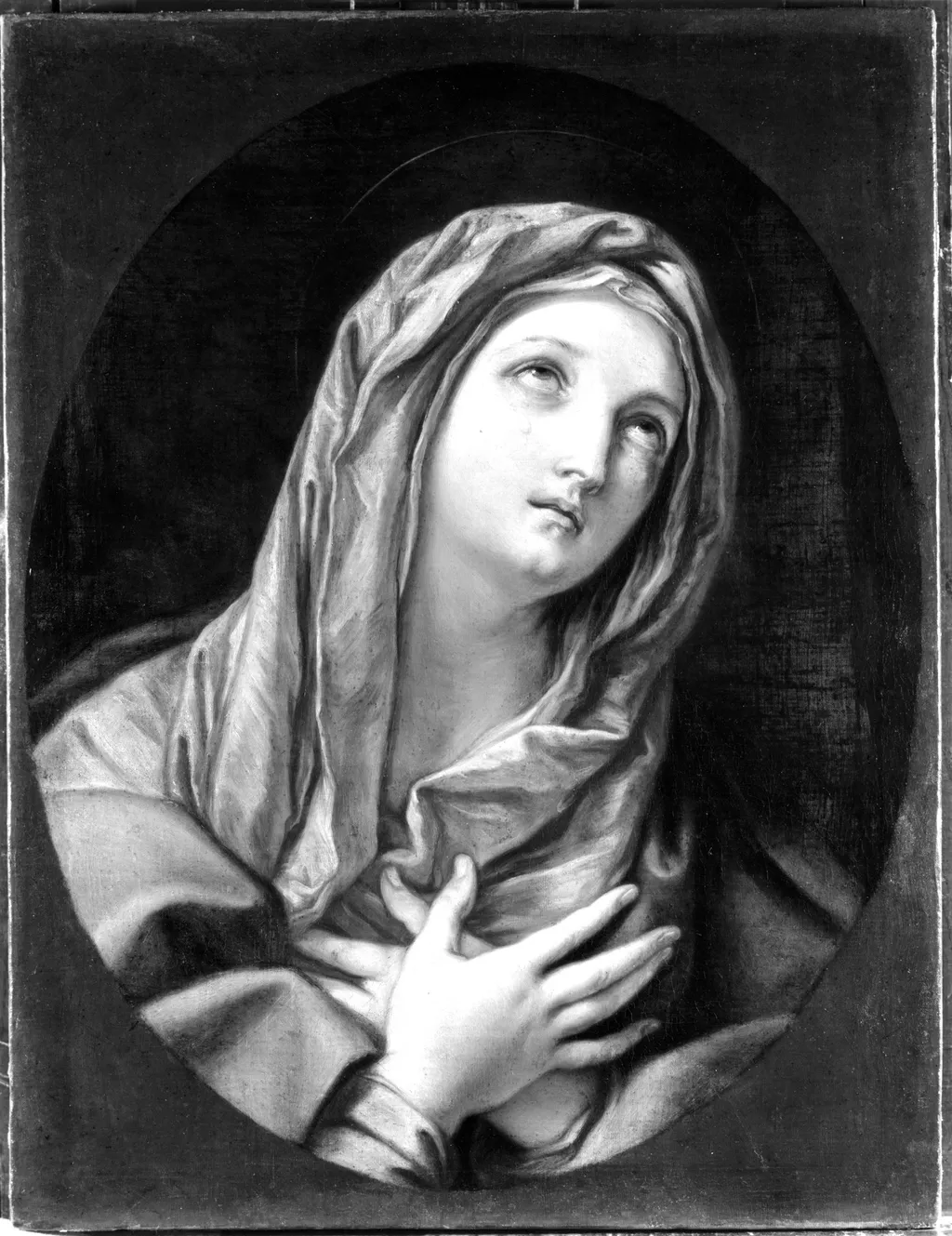
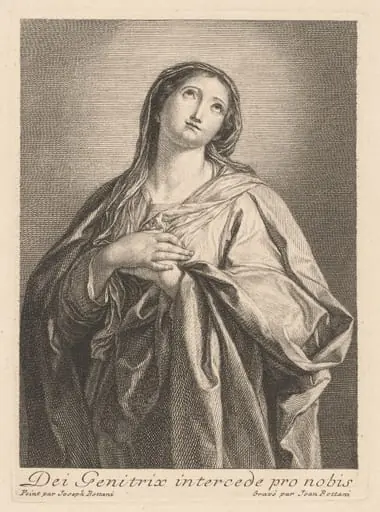
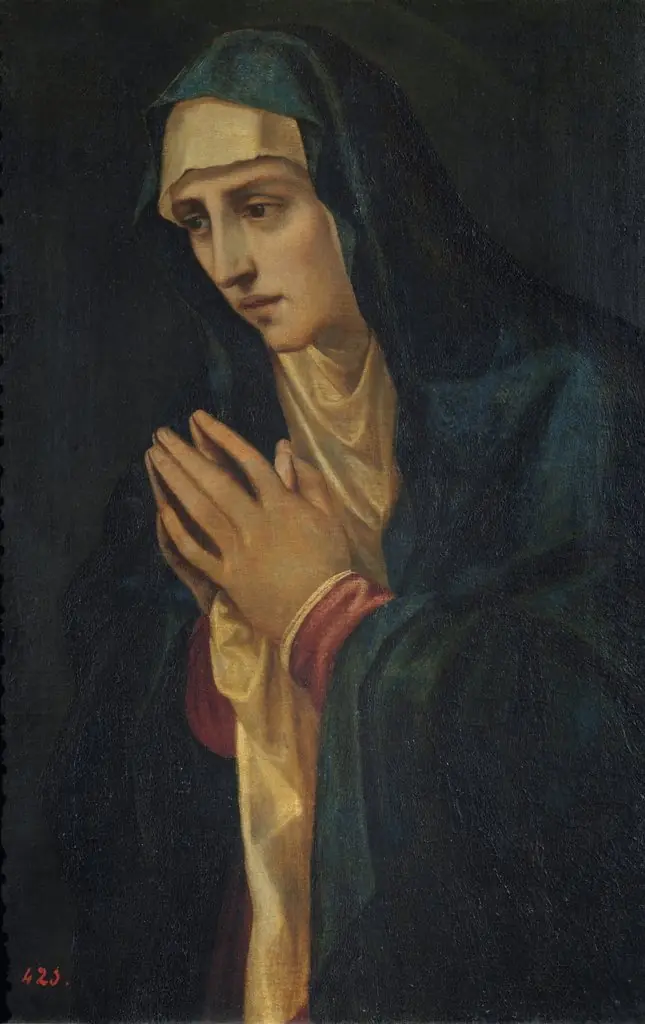
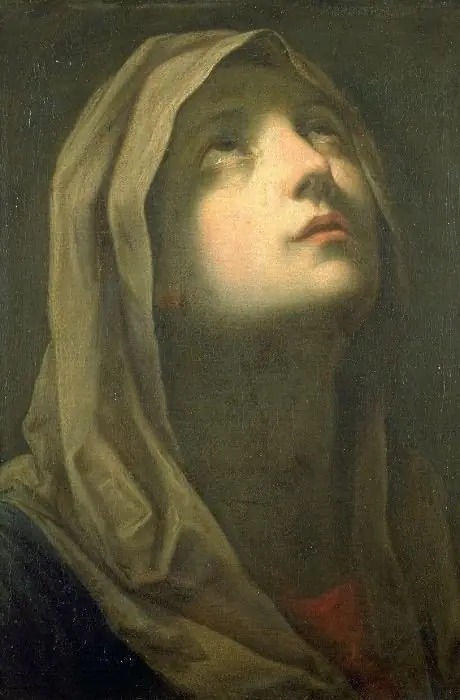
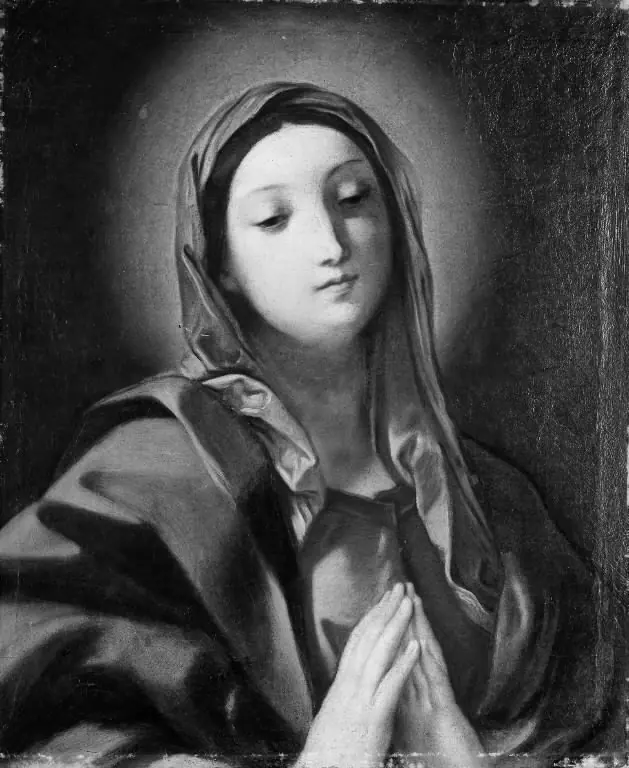
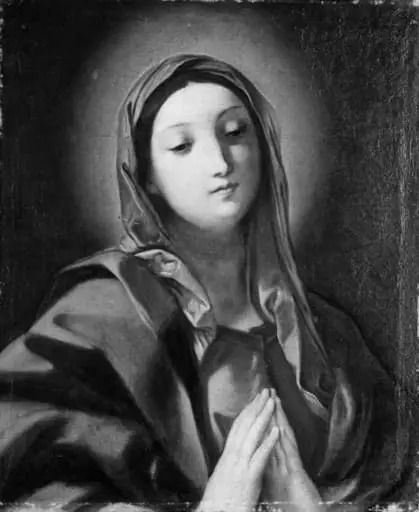
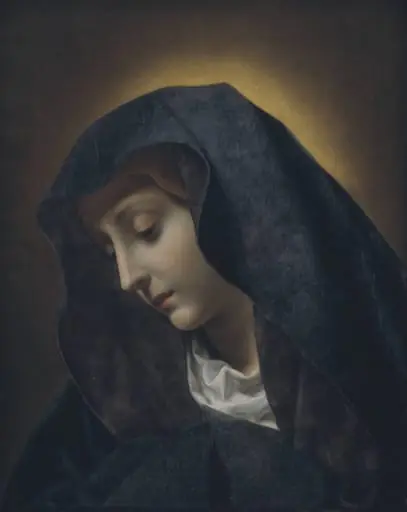
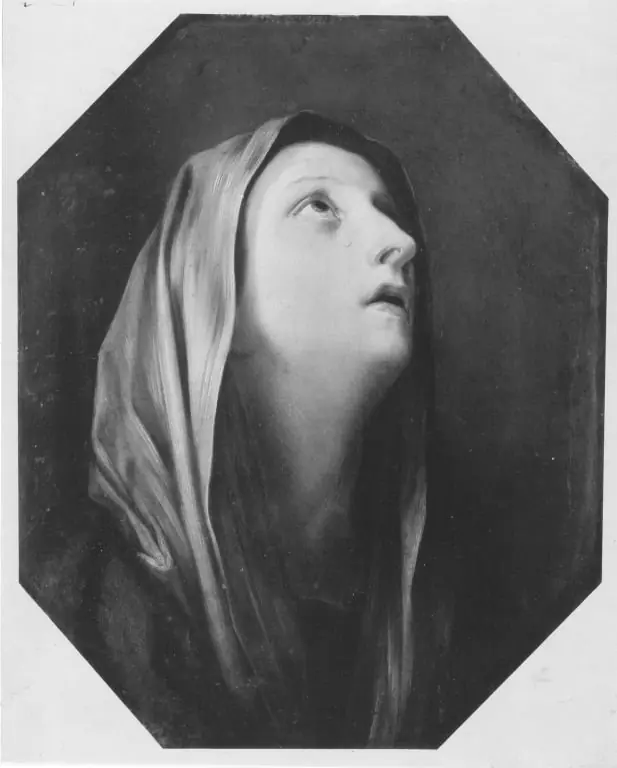
The Mourning Virgin is an oil painting by the Early Baroque Italian artist Guido Reni. It dates from 1608 and is held in the collection of the Walters Art Museum.
About this work
Overview
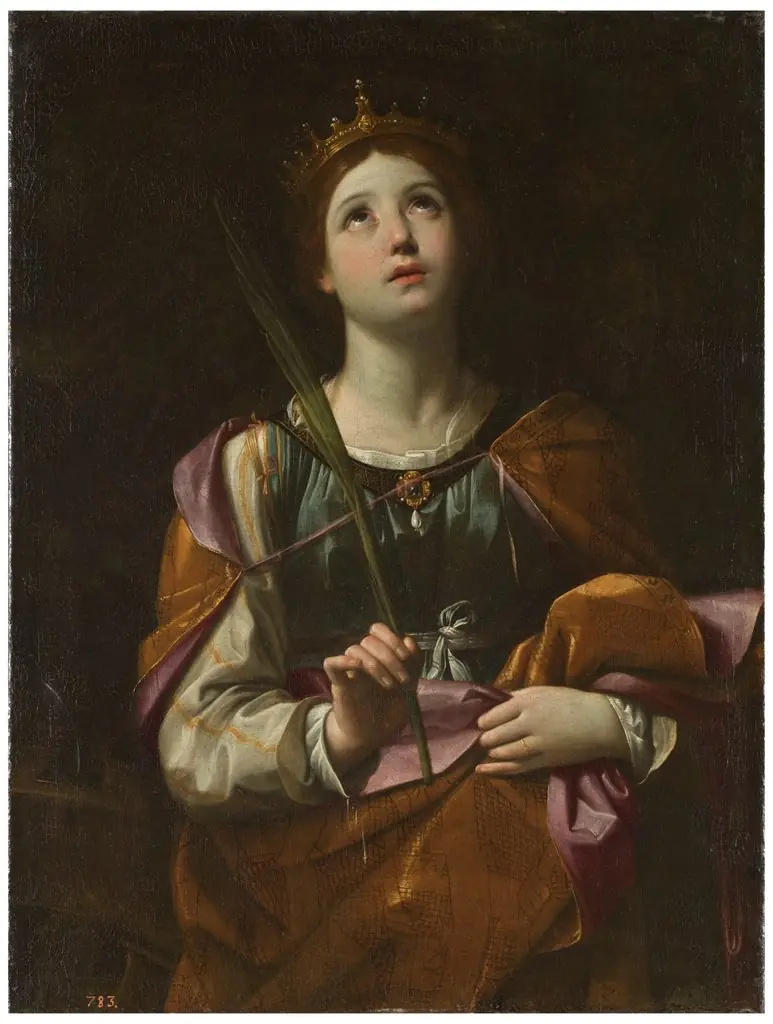
Painted in 1608 by Guido Reni, this oil-on-canvas work depicts a solitary female figure in a moment of quiet grief. The composition is tightly focused, eliminating distractions to emphasize emotional stillness. The painting resides in the Walters Art Museum, where it is recognized as an early example of Reni’s devotional style, marked by restrained expression and refined technique.
Subject & Meaning
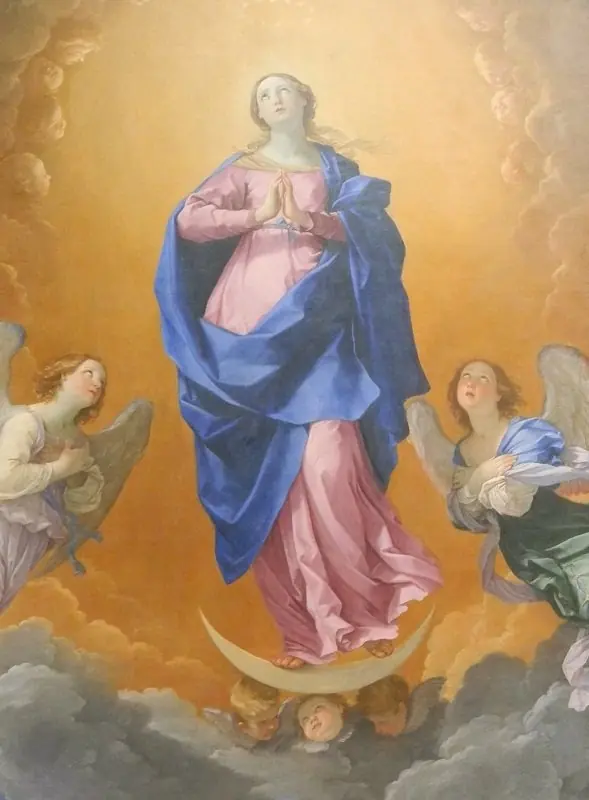
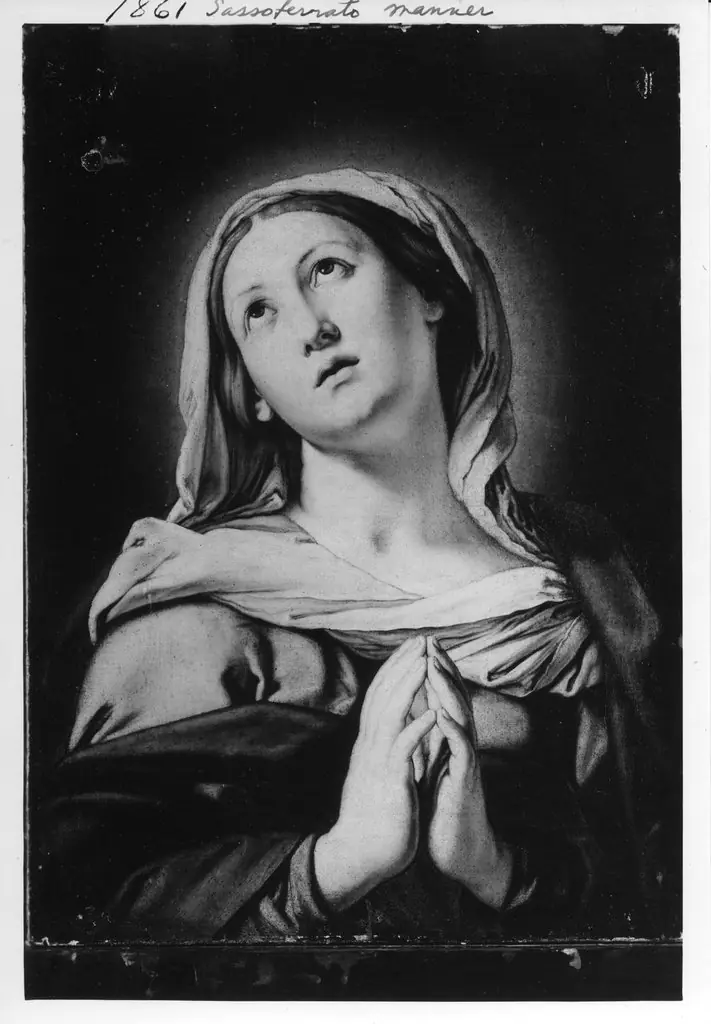
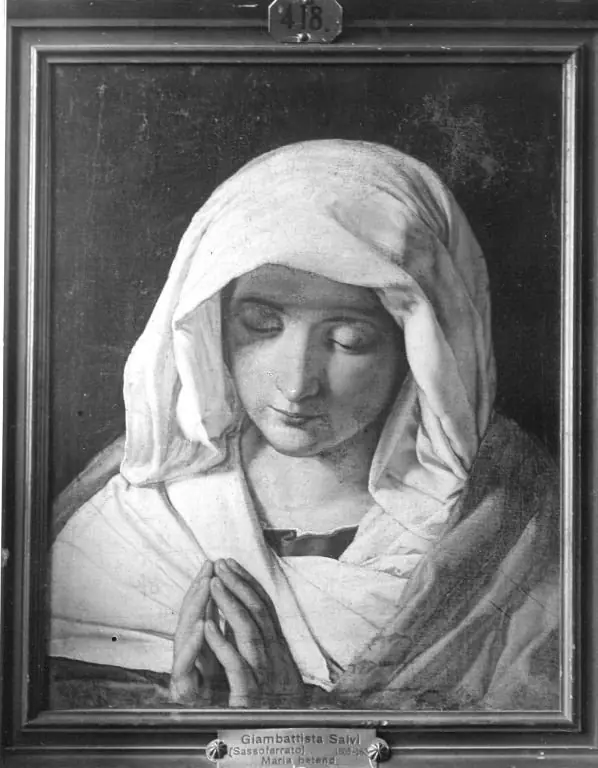
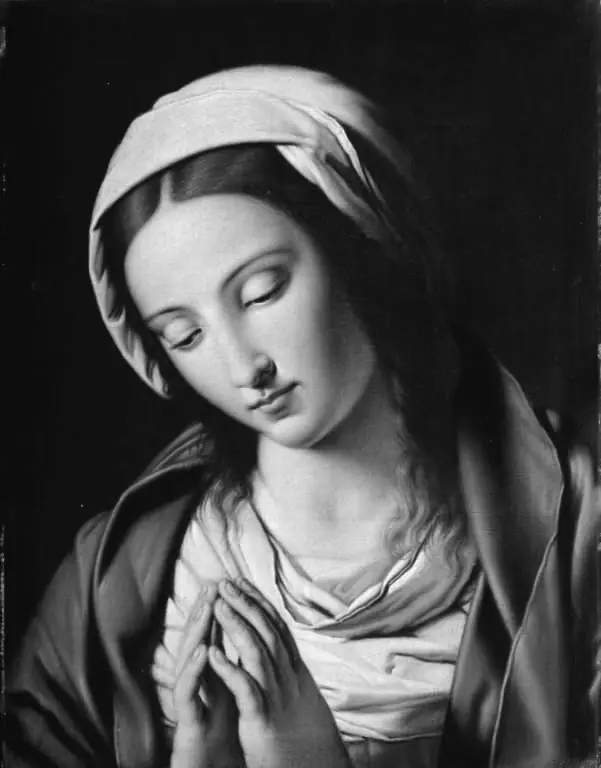
The figure is understood to represent the Virgin Mary in mourning, likely reflecting her sorrow after Christ’s crucifixion. Her upward gaze suggests contemplation or supplication, while her clasped hands convey inward devotion. The absence of narrative elements shifts focus from story to inner emotion, aligning with Counter-Reformation ideals that prioritized personal spiritual reflection.
Technique & Style
Reni employs soft chiaroscuro to model the figure’s form against a deep, neutral background, enhancing the sense of intimacy. The drapery is rendered with fluid, precise brushwork, suggesting weight and texture without ornamentation. Facial features are delicately shaded, avoiding theatricality; the subdued palette and controlled lighting reinforce the painting’s meditative tone.
History & Provenance
Commissioned during Reni’s early Roman period, the painting entered the Walters collection in the early 20th century through the acquisition of Henry Walters’ private holdings. Its documented history prior to this is limited, though its stylistic consistency with Reni’s known works from 1607–1610 supports its attribution and dating.
Context
Created amid the Catholic Church’s emphasis on emotional piety, the work reflects the influence of Caravaggio’s naturalism tempered by classical restraint. Reni, trained in Bologna and active in Rome, synthesized these currents to produce devotional images that were both accessible and spiritually elevated, catering to private worship and religious orders.
Legacy
Though less widely known than Reni’s larger altarpieces, this intimate panel exemplifies his ability to convey profound emotion through minimal means. It influenced later Baroque artists seeking to balance human vulnerability with spiritual dignity, and remains a key example of early 17th-century Italian devotional painting in American collections.
Artist & collection
Artist
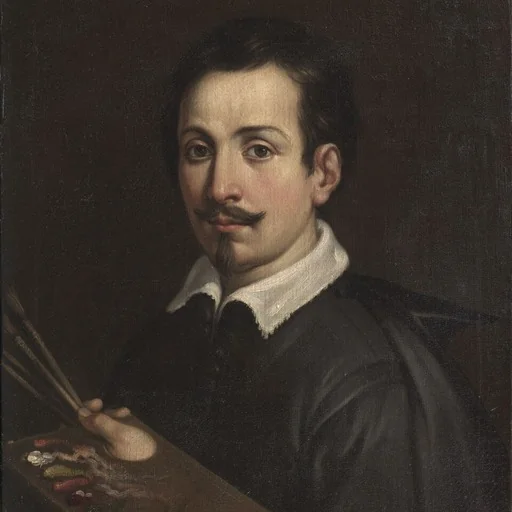
Guido Reni was an Italian Baroque painter, although his works showed a classical manner, similar to Simon Vouet, Nicolas Poussin, and Philippe de Champaigne.