Artwork
Paul Signac (Portrait de Paul Signac)
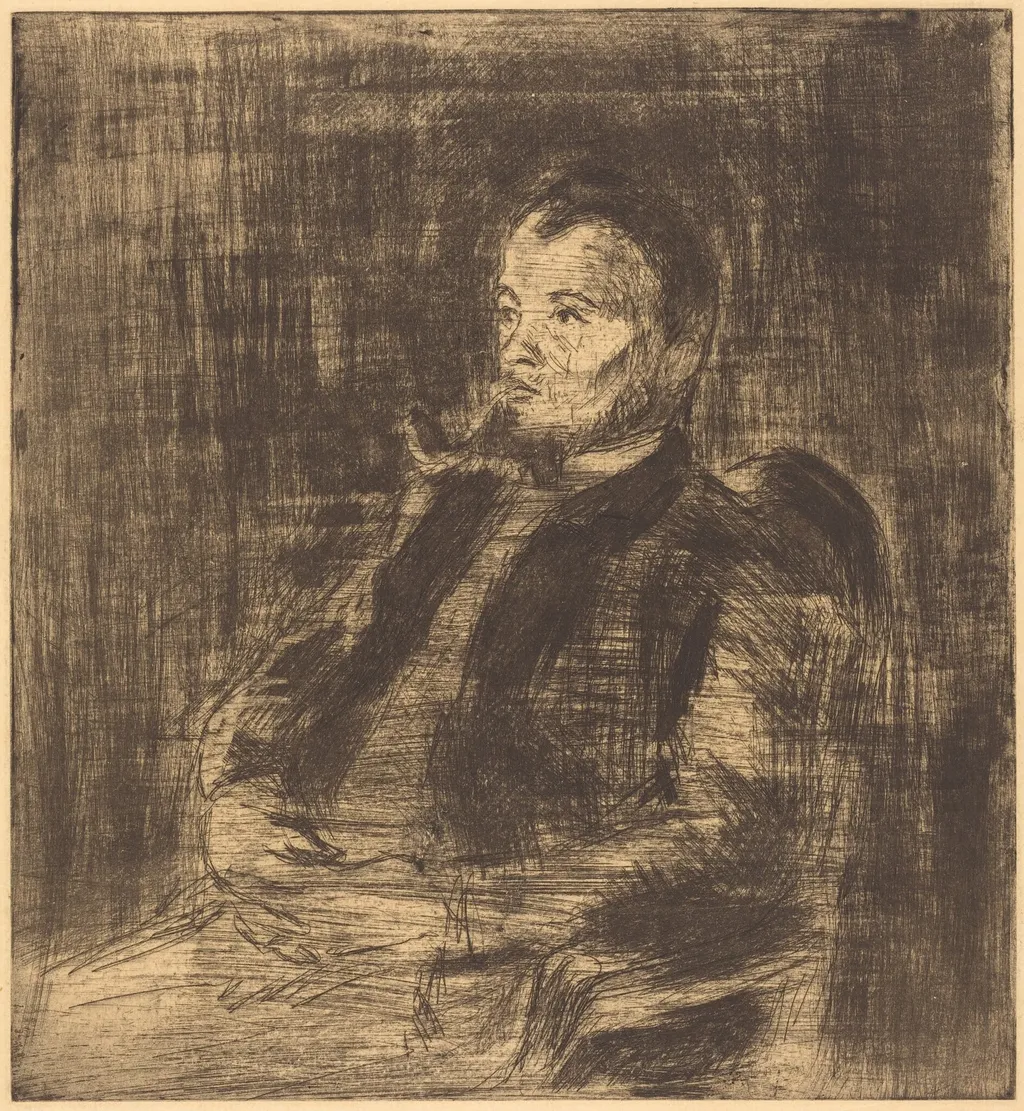
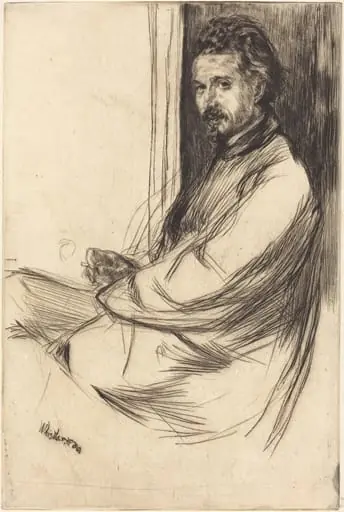
Paul Signac (Portrait de Paul Signac) is an ink print by the Impressionist artist Camille Pissarro. It dates from 1890 and is held in the collection of the National Gallery of Art. This black-and-white etching, dated around 1890, depicts the French Neo-Impressionist painter Paul Signac.
About this work
Overview
This black-and-white etching, dated around 1890, depicts the French Neo-Impressionist painter Paul Signac. Created by Camille Pissarro, it is one of few printed portraits Pissarro made of his contemporaries. The work captures Signac in profile, rendered with dense, angular lines that emphasize texture over smoothness, characteristic of etching’s direct, incised method.
Subject & Meaning
Signac, known for his role in developing Pointillism, is portrayed with quiet intensity.
Signac, known for his role in developing Pointillism, is portrayed with quiet intensity. His curly hair and high-collared jacket suggest a formal, introspective demeanor. The absence of color and the stark contrast between light and shadow focus attention on his expression, reflecting the intellectual and disciplined character often associated with his artistic philosophy and political convictions.
Technique & Style
Pissarro employed etching to create a network of fine, incised lines that mimic the spontaneity of drawing. The rough, scratchy texture contrasts with the smoothness of painted surfaces, emphasizing the medium’s tactile nature. The dark background isolates the figure, enhancing the sense of depth and concentration, while the lack of tonal gradation reinforces the print’s graphic clarity.
History & Provenance
Made during a period of close artistic exchange between Pissarro and Signac, the etching likely originated from their shared interest in printmaking as a means of personal expression. It was not widely distributed in its time and survives in limited impressions, primarily held in museum collections and private archives focused on late 19th-century print culture.
Context
In the 1890s, many Impressionist and Post-Impressionist artists turned to printmaking to bypass traditional exhibition channels and reach broader audiences. Pissarro, an advocate for experimental techniques, used etching to explore portraiture with immediacy. Signac, his younger associate, was a frequent subject, reflecting their mutual respect and shared commitment to artistic innovation.
Legacy
This etching stands as a rare visual document of the personal and professional bond between two pivotal figures in modern art. Its raw, linear quality offers insight into Pissarro’s printmaking practice and preserves Signac’s likeness in a medium that prioritized process over polish. It remains a quiet but significant artifact of artistic solidarity in the fin-de-siècle period.
Own this work as a print
Artist & collection


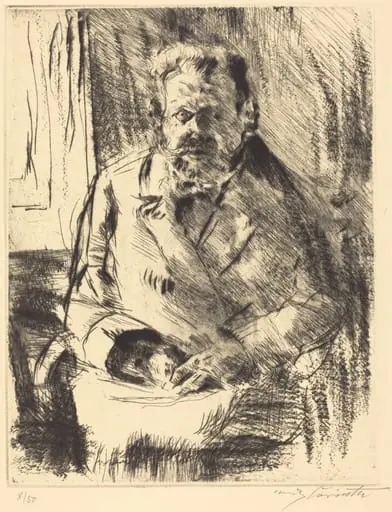 Der Dichter (The Poet)
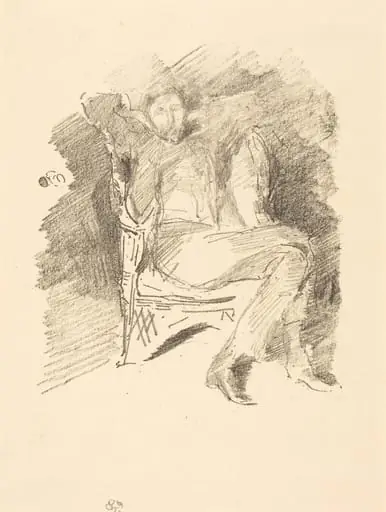 Firelight: Joseph Pennell, No. 1
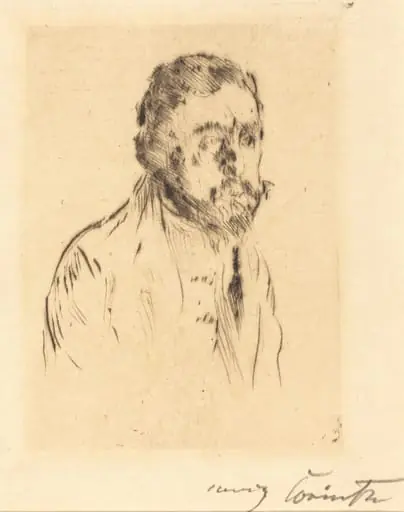 Bildnisstudie H. St. (Portrait Study of H. St.)
 Sleepless Night (Nuit blanche)
 The Fine Printmaker Adolphe Albert (Le bon graveur - Adolphe Albert)
 Selbstbildnis im Pelz (Self-Portrait in a Fur Coat)
 Bildnis des Grafen Keyserling (Portrait of Count Keyserling)
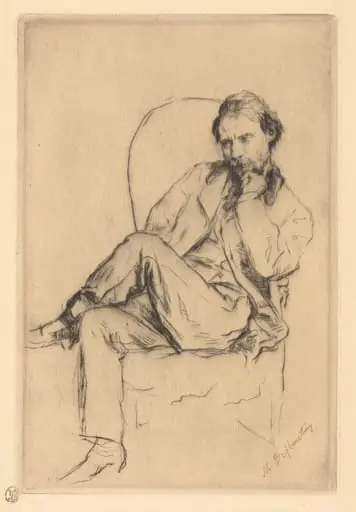 Renoir Seated
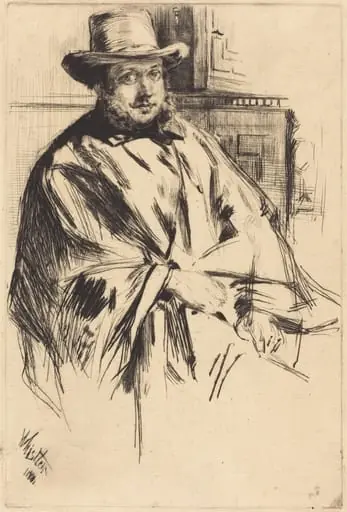 Mr. Davis (Mr. Mann)
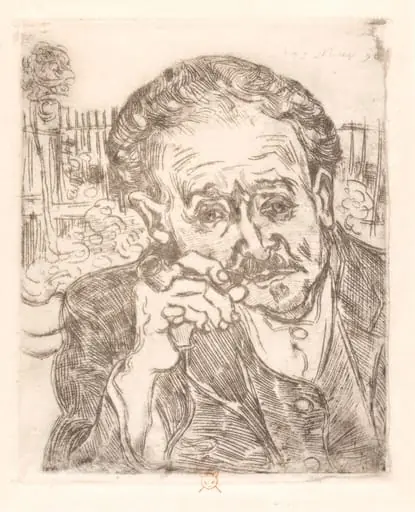 L'Homme à la Pipe
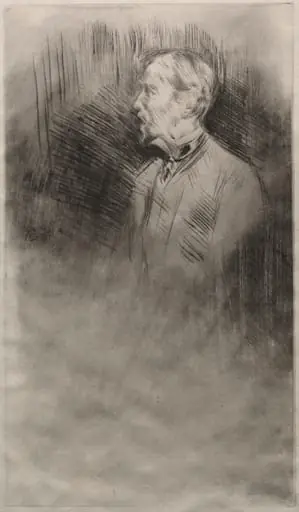 Lord Wolseley
 Axenfeld