Artwork
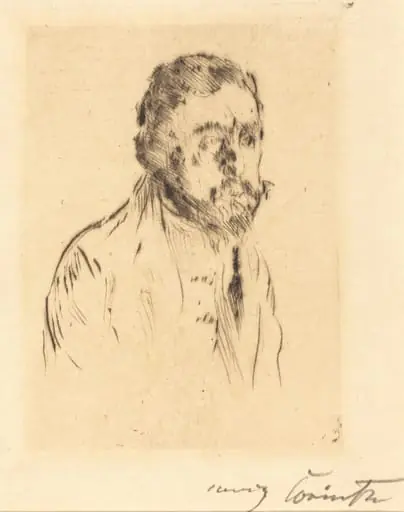
Bildnis des Grafen Keyserling (Portrait of Count Keyserling)
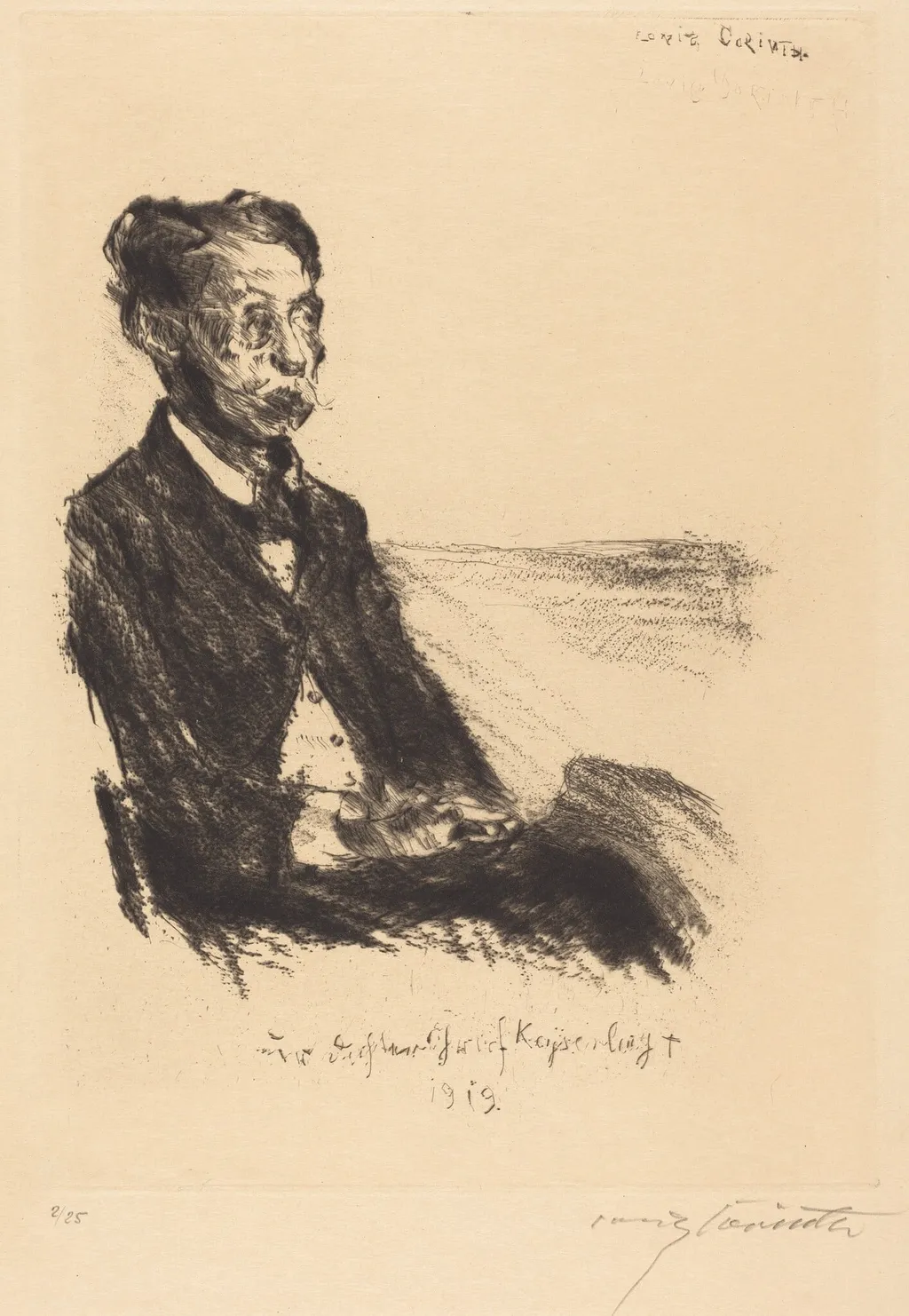
Bildnis des Grafen Keyserling (Portrait of Count Keyserling) is an ink print by Lovis Corinth. It dates from 1919 and is held in the collection of the National Gallery of Art.
About this work
Overview
Bildnis des Grafen Keyserling is a 1919 print by Lovis Corinth, created using drypoint and roulette on wove paper. The work showcases Corinth's expressive style, characteristic of his later period.
Subject & Meaning
The portrait depicts Count Keyserling in a contemplative pose, emphasizing individuality through loose, sketchy facial features, a mustache, and glasses, set against a minimally suggested background.
Technique & Style
Corinth combined drypoint and roulette to achieve fine linework and textured tonal effects. The technique's visible scratch marks on the textured paper enhance the overall expressive quality, reflecting Corinth's post-stroke stylistic shift towards looser, more spontaneous execution.
History & Provenance
Created in 1919, the print represents a late work by Corinth, a prominent figure in the Berlin Secession, whose artistic approach had evolved from naturalism to a more expressive mode following a 1911 stroke.
Context
This work is part of Corinth's body of graphic art from his later career, distinguished by individualized portraits and a blend of traditional techniques with increasingly expressive and spontaneous artistic expressions.
Legacy
Bildnis des Grafen Keyserling contributes to the broader recognition of Corinth's contributions to early 20th-century German printmaking and his influence on the transition from naturalistic to more expressive artistic practices.
Artist & collection

Artist
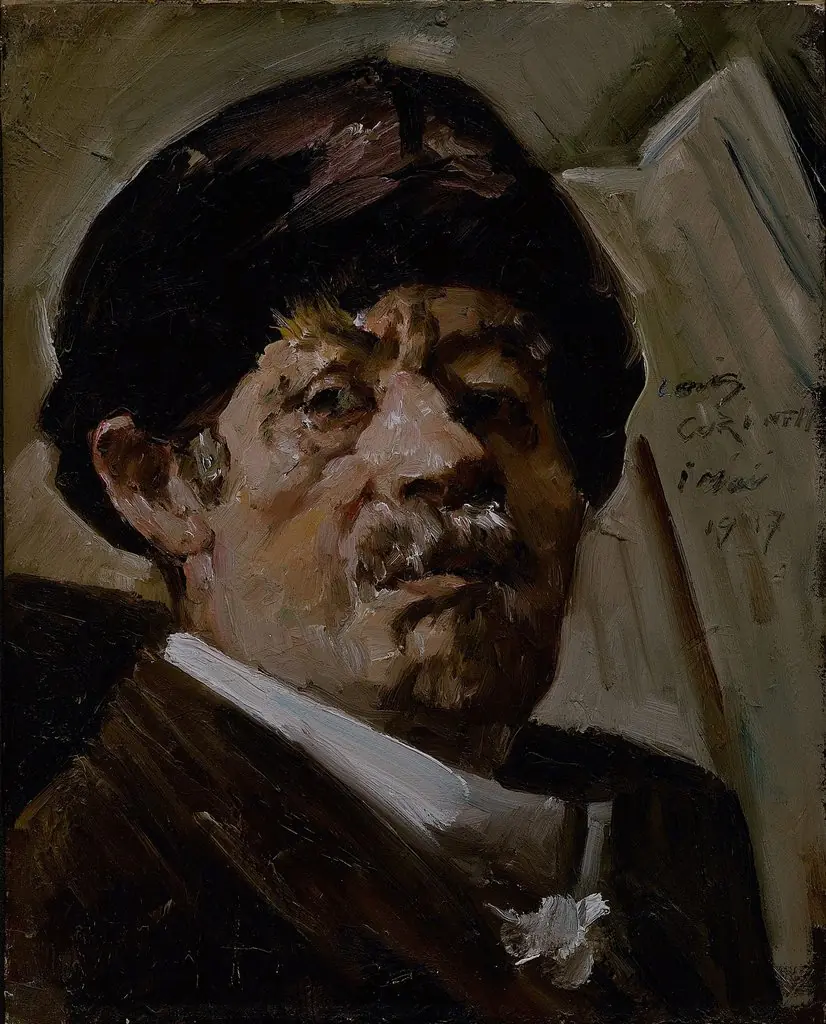
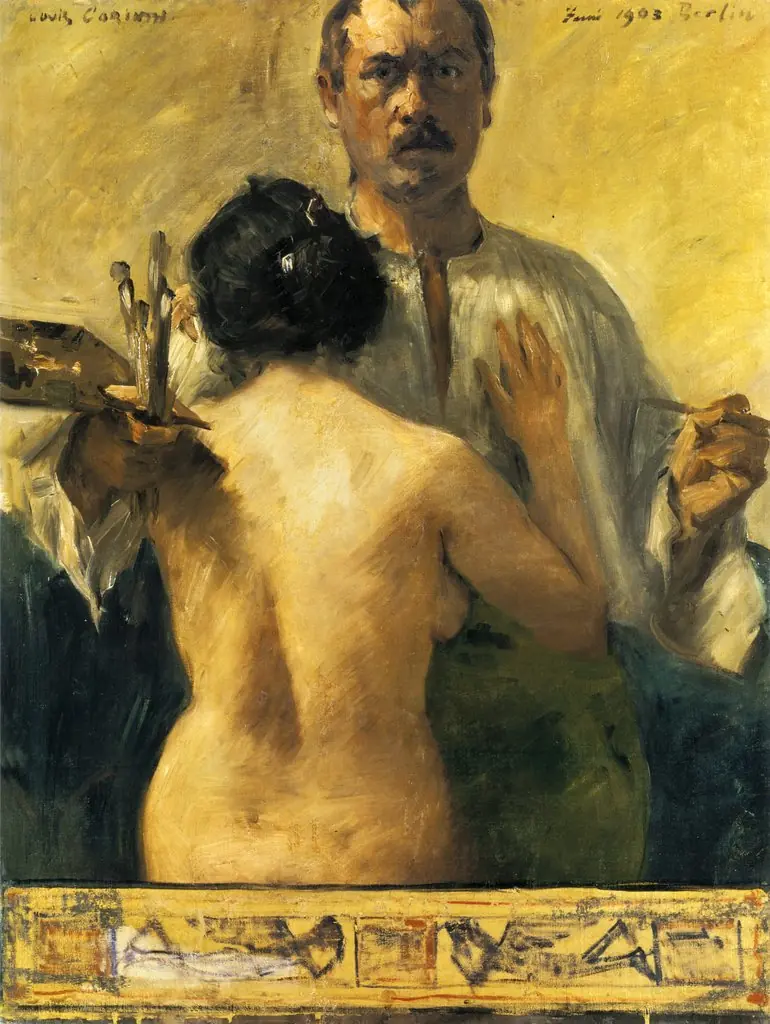
Lovis Corinth was a German artist and writer whose mature work as a painter and printmaker realized a synthesis of impressionism and expressionism.

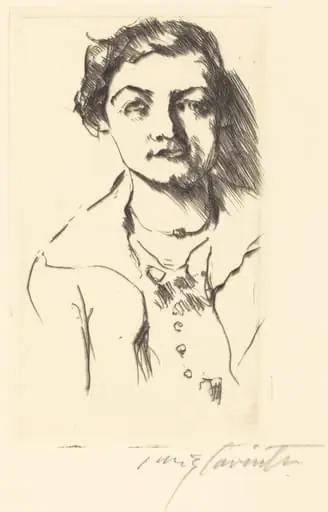
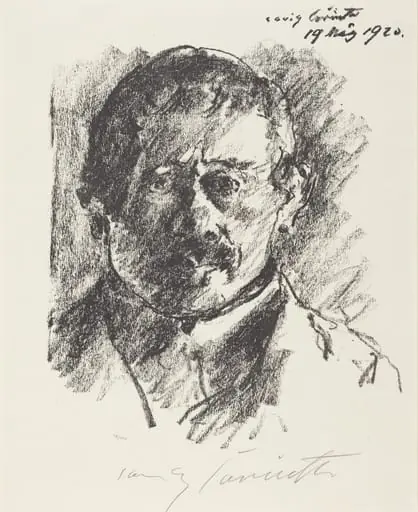 Selbstbildnis (Self-Portrait)
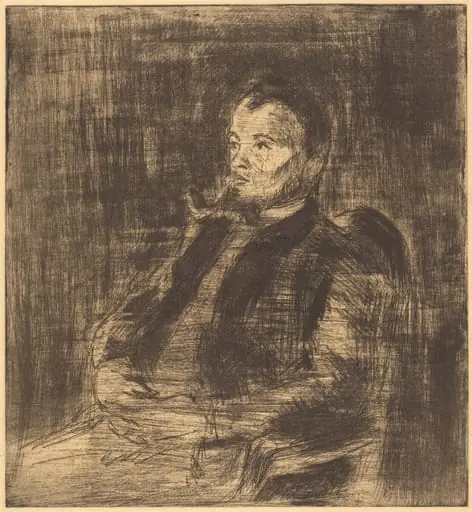 Paul Signac (Portrait de Paul Signac)
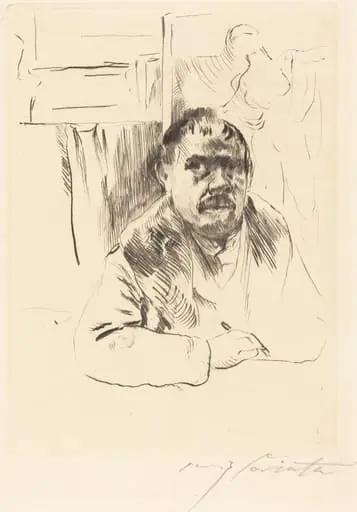 Selbstbildnis im Pelz (Self-Portrait in a Fur Coat)
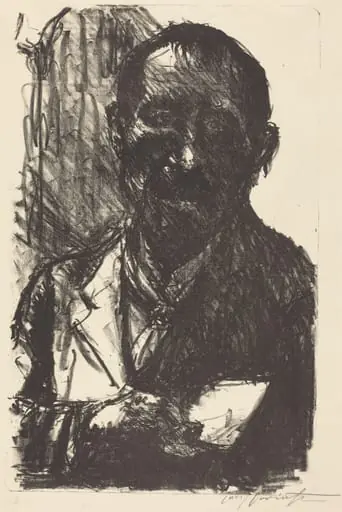 Selbstbildnis 1919 (Self-Portrait 1919)
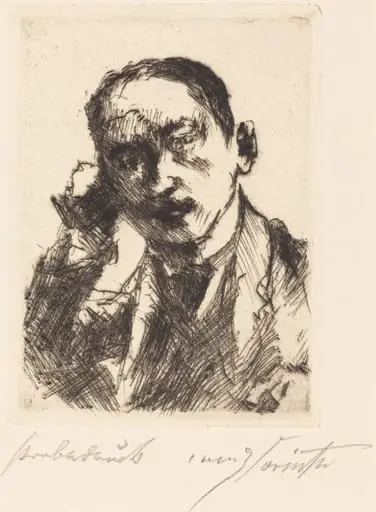 Bildnis K.S. (Portrait of K.S.)
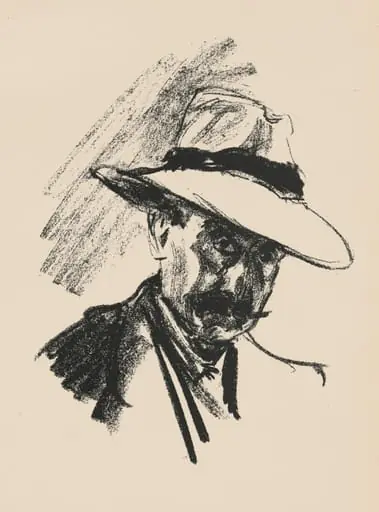 Selbstbildnis (Self-Portrait) from Deutsche Graphiker der Gegenwart (German Printmakers of Our Time)
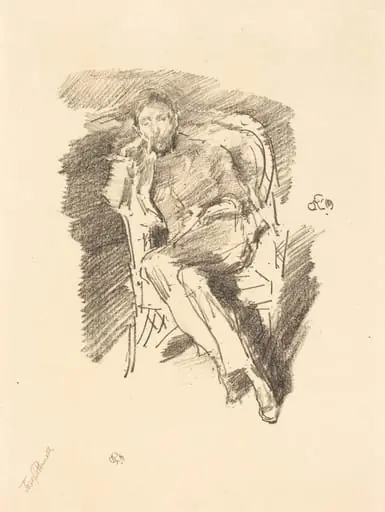 Firelight: Joseph Pennell, No. 2
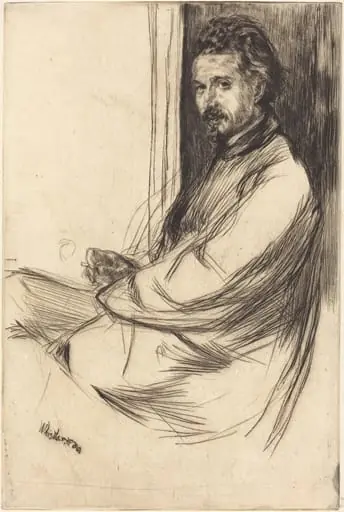 Axenfeld
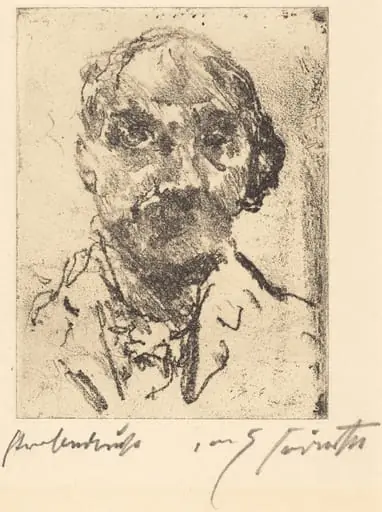 Selbstbildnis (Self-Portrait)
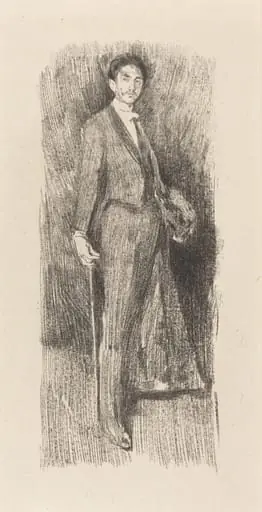 Count Robert de Montesquiou
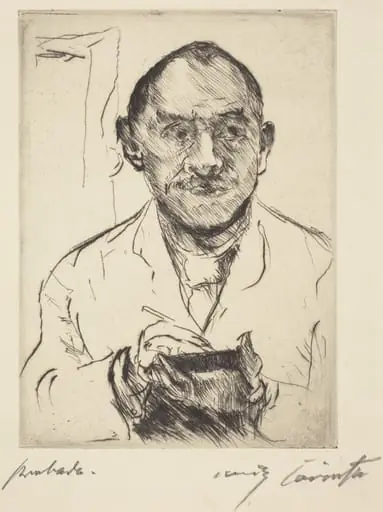 Selbstbildnis (Self-Portrait)
 Bildnisstudie H. St. (Portrait Study of H. St.)